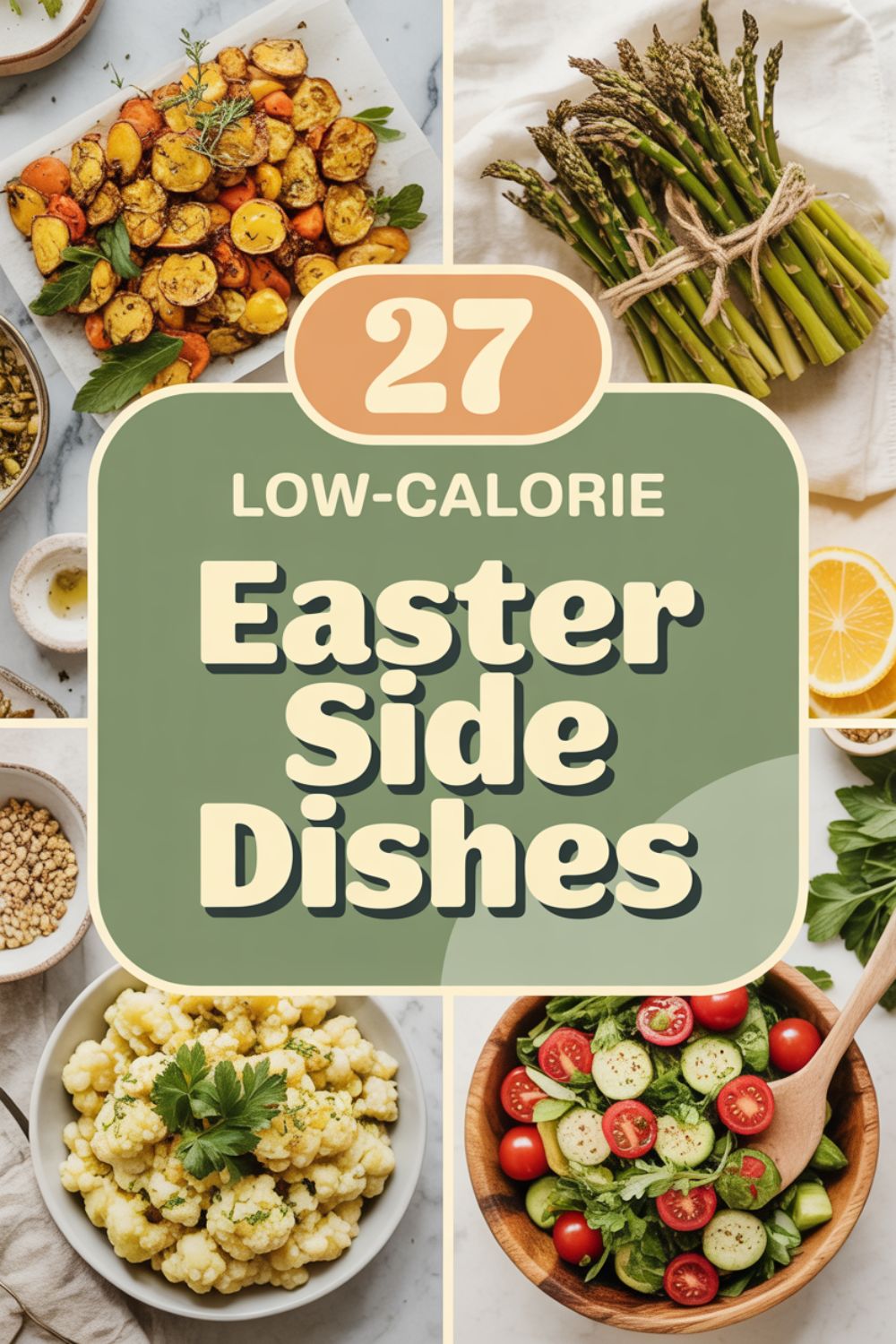
27 Low-Calorie Easter Side Dishes That Actually Taste Amazing
Look, Easter dinner doesn’t have to mean stretchy pants and post-meal regret. I’ve spent years perfecting side dishes that won’t derail your progress but still make everyone at the table reach for seconds. These aren’t sad diet versions of real food—they’re legitimately delicious dishes that happen to be lower in calories.
I’m talking roasted veggies with actual flavor, salads that don’t taste like punishment, and yes, even a few indulgent-tasting options that clock in under 150 calories per serving. Whether you’re hosting or bringing a dish to share, these 27 sides will keep you on track without making you feel like you’re missing out.
No weird ingredients, no complicated techniques—just straightforward recipes that work. Let’s get into it.
Why Low-Calorie Doesn’t Mean Low Flavor
Here’s what I’ve learned after years of hosting Easter dinners while trying to keep my calories in check: the secret isn’t restriction. It’s strategy. Most traditional Easter sides are loaded with butter, cream, and sugar—not because they need it, but because that’s how grandma made them.
When you strip away unnecessary fats and focus on technique, you actually taste the vegetables. Roasting brings out natural sweetness. Herbs add complexity without calories. A squeeze of citrus brightens everything up without adding hardly any calories at all.
I’m not saying butter doesn’t have its place. But when you’re trying to save room for that slice of carrot cake, smart swaps on your side dishes make all the difference. Plus, research shows that fiber-rich vegetables help with satiety and heart health—so you’re actually doing your body a favor.
The Essential Roasted Vegetable Sides
1. Honey-Balsamic Roasted Carrots (85 calories)
Rainbow carrots get tossed with a tiny drizzle of honey and balsamic, then roasted until they’re practically candy. I use this ceramic baking sheet because nothing sticks, and cleanup is basically nonexistent. The edges get crispy while the centers stay tender—it’s texture heaven.
The trick here is cutting them uniformly. Sounds obvious, but uneven carrots mean some burn while others stay raw. I grab a good vegetable peeler and make sure they’re all about the same thickness before they hit the oven.
2. Garlic-Herb Roasted Asparagus (45 calories)
Asparagus is basically designed for Easter. It’s in peak season, it looks fancy, and it cooks in under 15 minutes. I toss mine with garlic, lemon zest, and fresh thyme. That’s it. No need to overthink this one.
One thing I learned the hard way: don’t crowd the pan. Give those spears some space so they roast instead of steam. If you’re feeding a crowd, use two pans or roast them in batches.
3. Maple-Dijon Brussels Sprouts (95 calories)
Brussels sprouts had a PR problem for years, but roasted properly, they’re genuinely addictive. I halve them, toss with a maple-Dijon glaze, and roast until the outer leaves get crispy. People who claim to hate Brussels sprouts always grab seconds of these.
The small whisk I use for emulsifying the glaze makes it stupidly easy to get that perfect coating. And yeah, you could just fork-mix it, but the whisk gets it smoother faster.
If you’re looking for more creative ways to enjoy vegetables without sacrificing flavor, you might want to check out these low-calorie vegetarian recipes packed with flavor or try these easy low-calorie dinner ideas that work just as well for holiday gatherings.
4. Lemon-Garlic Green Beans (55 calories)
Fresh green beans blanched, then quickly sautéed with garlic and finished with lemon juice. This is the side dish I make when I need something that looks impressive but takes zero actual skill. The blanching keeps them bright green, and the quick sauté adds just enough flavor.
5. Balsamic Roasted Beets (70 calories)
Beets are polarizing, I get it. But roasted beets with balsamic are sweet, earthy, and gorgeous on the plate. I wear gloves when handling them because beet-stained hands at Easter brunch isn’t the look. They take longer to roast than most vegetables, so factor that into your timing.
Fresh and Bright Salad Options
6. Spring Mix with Strawberries and Almonds (110 calories)
This salad screams spring. Fresh strawberries, toasted almonds, spring mix, and a light balsamic vinaigrette. I make the dressing myself because store-bought versions usually have way more sugar than necessary. It takes two minutes and tastes infinitely better.
For the almonds, I keep these pre-sliced ones in my pantry year-round. They toast evenly and save me from fighting with whole almonds and a knife.
7. Cucumber-Dill Salad (40 calories)
Cool, crisp, refreshing. Thinly sliced cucumbers, fresh dill, a splash of white vinegar, and a tiny bit of sugar. This is what I make when the main course is rich because it cuts through everything beautifully. Plus, it’s basically impossible to mess up.
8. Citrus and Fennel Salad (65 calories)
Okay, this one’s a bit more adventurous. Thinly shaved fennel, orange segments, and a citrus vinaigrette. Fennel has this light licorice flavor that sounds weird but works incredibly well with citrus. Use a mandoline slicer if you have one—it makes the fennel paper-thin and way more pleasant to eat.
9. Arugula with Pears and Walnuts (95 calories)
Peppery arugula, sweet pear slices, toasted walnuts, and a honey-lemon dressing. This combination never fails. The bitterness of the arugula balances the sweetness of the pears perfectly. I cut the pears right before serving so they don’t brown, or toss them with a tiny bit of lemon juice if I need to prep ahead.
10. Spinach and Strawberry Salad (85 calories)
Similar to the spring mix version but with baby spinach for a milder flavor. I add a few toasted pecans and a light poppy seed dressing. My mom used to make this every Easter when I was growing up, so it’s got that nostalgia factor too.
Looking for more ways to incorporate lighter meals into your routine? These low-calorie meals under 300 calories are perfect for meal planning, and if you’re specifically targeting dinner, check out these low-calorie dinners under 350 calories.
Lighter Takes on Classic Easter Sides
11. Cauliflower “Mashed Potatoes” (75 calories)
Controversial opinion: these are better than regular mashed potatoes. I steam cauliflower until it’s super soft, then blend it with a bit of Greek yogurt, garlic, and chives. The texture is creamy, the flavor is there, and you save yourself about 150 calories compared to traditional mashed potatoes.
I use my immersion blender for this because it gets the cauliflower ridiculously smooth without having to transfer hot food to a regular blender. Less cleanup, fewer burn risks.
12. Roasted Sweet Potato Rounds (90 calories)
Slice sweet potatoes into rounds, toss with olive oil spray and cinnamon, then roast. They come out crispy on the edges and tender in the middle. Way easier than traditional sweet potato casserole and you skip all that brown sugar and marshmallow business.
13. Zucchini and Tomato Gratin (100 calories)
Layered zucchini and tomatoes with herbs, a sprinkle of parmesan, and breadcrumbs on top. It looks fancy enough for a holiday table but comes together quickly. The key is slicing everything thin so it cooks evenly and you get that nice layered effect.
14. Lemon-Herb Quinoa (120 calories)
Not traditional, but hear me out. Quinoa cooked in vegetable broth, then tossed with lemon juice, fresh herbs, and a handful of toasted pine nuts. It’s protein-packed, it’s filling, and it’s something different from the usual Easter lineup. Plus, it works for your vegetarian guests.
15. Roasted Radishes with Herbs (35 calories)
Roasted radishes lose that sharp bite and turn sweet and mellow. Toss them with fresh thyme and a tiny bit of butter, and they taste like a lighter version of roasted potatoes. Most people have never had them cooked, so they’re always a conversation starter.
Meal Prep Essentials I Use for These Dishes
Over the years, I’ve figured out which tools actually make Easter cooking easier. Here’s what I genuinely reach for:
- Physical Products:
- Large Rimmed Baking Sheets (Set of 3) – Everything roasts better when it’s not crowded. I use all three for big dinners.
- Quality Vegetable Peeler – Sounds basic, but a sharp peeler makes prep exponentially faster.
- Glass Meal Prep Containers – For storing prepped vegetables and leftovers. They don’t stain or hold odors.
- Digital Products:
- Easter Meal Planning Template – Helps you plan your entire menu, shopping list, and prep schedule.
- Low-Calorie Holiday Cookbook (eBook) – 50+ holiday recipes with full nutritional breakdowns.
- Spring Recipe Collection PDF – Seasonal recipes organized by course with calorie counts.
Veggie-Forward Grain and Legume Sides
16. Lentil and Herb Salad (115 calories)
Cooked lentils tossed with fresh parsley, mint, lemon juice, and diced vegetables. This is one of those dishes that gets better as it sits, so it’s perfect for make-ahead situations. Lentils are crazy filling too, which helps when you’re trying to not demolish the entire Easter ham.
17. Farro with Roasted Vegetables (130 calories)
Nutty farro mixed with whatever roasted vegetables you have on hand. I usually do bell peppers, zucchini, and cherry tomatoes. Cook the farro in vegetable broth instead of water for extra flavor without extra calories.
18. Green Pea and Mint Salad (70 calories)
Fresh or frozen peas (thawed), torn mint leaves, lemon zest, and a light vinaigrette. This takes maybe five minutes to throw together and tastes like actual spring. The mint makes it feel special without requiring any cooking skills.
19. White Bean and Tomato Salad (105 calories)
Cannellini beans, halved cherry tomatoes, fresh basil, and a red wine vinaigrette. It’s like a deconstructed caprese salad with beans for protein. I make this when I need something substantial that won’t weigh everyone down before dessert.
20. Barley Pilaf with Spring Vegetables (125 calories)
Pearl barley cooked with asparagus, peas, and fresh herbs. It’s hearty without being heavy, and barley has this great chewy texture that makes it feel more substantial than it actually is calorie-wise. Cook it in broth, not water—that’s non-negotiable.
If you’re enjoying these lighter grain options, you might also love these low-calorie bowls you can eat every day. And for complete meal planning inspiration, try this 7-day 1200-calorie meal plan.
Unique and Impressive Low-Calorie Options
21. Roasted Artichoke Hearts (60 calories)
Marinated artichoke hearts drained and roasted until crispy. They taste indulgent, almost like you deep-fried them, but they’re legitimately low-calorie. I serve these with a squeeze of lemon and everyone assumes they took way more effort than they actually did.
22. Grilled Romaine with Lemon (50 calories)
Cut romaine hearts in half lengthwise, brush with a tiny bit of olive oil, and grill cut-side down until charred. Finish with lemon juice and shaved parmesan. It’s weird, it’s delicious, and people always want the recipe. Fair warning: you need a grill or grill pan for this one.
23. Roasted Cauliflower Steaks (80 calories)
Thick slices of cauliflower roasted with curry powder or za’atar until golden and crispy. They look fancy on the plate and have enough substance that they feel like a real dish, not just an afterthought vegetable.
24. Sautéed Spinach with Garlic (45 calories)
Sometimes simple is best. Fresh spinach wilted in a pan with garlic and a squeeze of lemon. It takes three minutes and pairs with literally everything. I cook it right before serving because it deflates so much that reheating just makes it sad and watery.
25. Roasted Cherry Tomatoes (55 calories)
Cherry tomatoes roasted until they burst and concentrate their flavor. Toss with fresh basil and a balsamic drizzle. They’re sweet, tangy, and bright—everything you want in a spring side dish. I use this balsamic reduction because making your own takes forever and this one tastes just as good.
26. Crispy Roasted Chickpeas (120 calories)
Technically a legume, but I’m counting it as a side. Chickpeas tossed with spices and roasted until crispy. They’re crunchy, satisfying, and work as either a side dish or a healthier alternative to nuts on your appetizer spread. I make a double batch because people snack on them before dinner even starts.
27. Herb-Roasted Mushrooms (65 calories)
Mixed mushrooms roasted with thyme, rosemary, and a splash of balsamic. They get meaty and savory, and they’re one of the few vegetables that actually feel rich and indulgent. I use cremini and shiitake when I can find them, but button mushrooms work fine too.
Tools & Resources That Make Cooking Easier
These aren’t essentials, but they’ve definitely made my life easier:
- Kitchen Tools:
- Digital Kitchen Scale – For accurate portioning when you’re tracking calories.
- Herb Scissors – Five blades make chopping fresh herbs stupidly fast.
- Silicone Basting Brush – For glazes and oil application without wasting product.
- Planning Resources:
- Calorie Counter App Subscription – I use this to verify my recipe calculations.
- Meal Prep Masterclass – Video course on efficient holiday meal prep strategies.
- Printable Grocery List Templates – Organized by store section so you’re not backtracking.
IMO, the meal prep course is worth it if you host holidays regularly. It changed how I approach big dinners completely.
Making It All Work on Easter Day
Here’s the reality: you’re not going to make all 27 of these. That would be insane. Pick 4-6 sides that complement your main dish and your oven situation. If you’re already roasting a ham, choose sides that either roast at the same temperature or can be made on the stovetop.
I’ve found that doing one roasted vegetable, one fresh salad, one grain or legume dish, and one “wow factor” option gives you enough variety without overwhelming yourself. Everything else can be simplified or delegated.
The other key move is checking what can be made ahead. Salad dressings, grain dishes, and anything that gets served cold or room temperature can be done the day before. Roasted vegetables can be prepped and ready to go in the oven. You just need to time when things come out.
According to registered dietitians, meal prepping not only saves time but also helps with portion control and reduces food waste—both crucial when you’re managing a holiday meal.
For more meal prep strategies that work year-round, check out these low-calorie meal prep ideas or explore this 30-day low-calorie meal plan.
Real Talk: What Actually Worked for My Readers
Jessica from our community made the honey-balsamic carrots and cauliflower mash for her first Easter hosting. She said the cauliflower fooled her mother-in-law completely, and the carrots were gone before the ham was even carved. She’s down 12 pounds since January using similar swaps throughout the week.
Another reader, Michelle, prepped five of these sides for a potluck Easter brunch. She reported that everything held up well, traveled easily, and people kept asking which dishes were the “diet” options. When she told them most of the table was under 150 calories per serving, nobody believed her.
The consistent feedback I get is that these sides don’t taste like compromises. They taste like actual food that happens to fit your goals. That’s the entire point.
Frequently Asked Questions
Can I make these sides ahead of time for Easter?
Absolutely. Most salads can be prepped with dressing on the side, grain dishes taste better after sitting overnight, and roasted vegetables can be cut and seasoned the day before—just pop them in the oven when needed. I typically prep everything Friday night and just handle final cooking on Sunday. The only things I avoid making ahead are leafy salads that might wilt and anything with crispy elements that could get soggy.
How do these portions work if I’m tracking calories?
The calorie counts listed are for standard side dish portions, typically around 3/4 to 1 cup depending on the dish. If you’re tracking strictly, I recommend weighing or measuring your first few servings to get familiar with what those portions actually look like. Once you’ve done it a couple times, you can eyeball it pretty accurately.
Will these actually satisfy guests who aren’t watching calories?
Yes, and they probably won’t even realize they’re lighter versions. The roasted vegetables have so much natural flavor from proper cooking techniques that they don’t need heavy sauces. I’ve served these at multiple holidays and the only comments I get are requests for recipes. Nobody’s ever asked where the “real” food is.
What if I don’t have all the specific herbs or ingredients?
Swap freely. If a recipe calls for thyme and you only have rosemary, use rosemary. Don’t have shallots? Use onion. The core technique matters more than exact ingredients. The only thing I’d say is essential is having fresh lemon or some kind of acid—that brightness is what makes these light dishes pop.
How do I keep vegetables from getting mushy when reheating?
Reheat roasted vegetables in the oven or air fryer, not the microwave. Spread them on a baking sheet and give them 5-10 minutes at 400°F. They’ll crisp back up instead of turning into sad, soggy versions of themselves. For grain salads and anything served cold, just pull them from the fridge 20 minutes before serving so they’re not ice-cold.
Final Thoughts
Easter doesn’t have to be a free-for-all that derails your progress. With these 27 low-calorie side dishes, you get all the flavor, color, and variety of a traditional holiday spread without the calorie bomb aftermath. The real win here is that these sides are good enough that you’ll want to make them all year, not just for Easter.
Pick a few that sound good, prep what you can ahead of time, and give yourself permission to actually enjoy the holiday. That’s the entire point of finding recipes that work with your goals instead of against them.
Your Easter table can be both delicious and supportive of your health goals. These dishes prove it every single time.