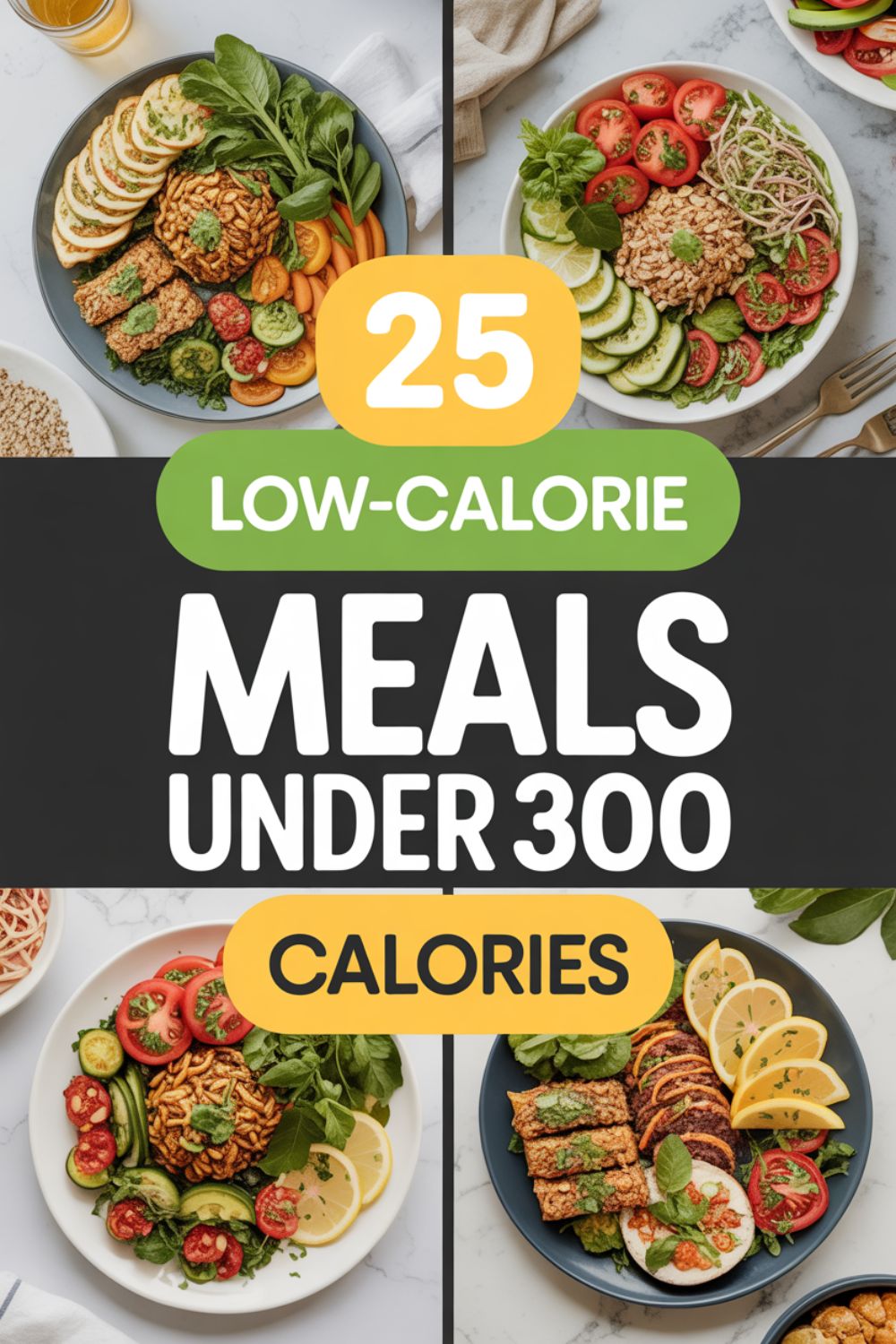
25 Low-Calorie Meals Under 300 Calories (Healthy & Filling)
Look, I’ll be straight with you—when someone tells me they’re eating 300-calorie meals, my first thought is usually “great, so you’ll be hangry in 20 minutes.” But here’s the thing: I’ve spent the last few years figuring out how to make legitimately satisfying meals that clock in under 300 calories, and I’m not talking about sad desk salads or those cardboard protein bars.
The secret? It’s all about volume eating and packing in nutrients that actually keep you full. According to Harvard Health, focusing on nutrient-dense foods means getting vitamins, minerals, and fiber without excessive calories—which is exactly what we’re after here.
Whether you’re trying to drop a few pounds or just want to eat lighter without feeling deprived, these 25 meals have saved my butt more times than I can count. Let’s dig in.
Why 300 Calories Actually Works (When Done Right)
Here’s what most people get wrong: they think low-calorie automatically means low-satisfaction. Wrong. The trick is understanding what actually fills you up versus what just tricks your brain for 30 minutes.
Protein is your best friend here. Research shows it increases satiety more than carbs or fat, which means you stay full longer without constantly thinking about your next meal. Combine that with fiber-rich veggies, and you’ve got a winning formula.
I used to think volume eating was just code for “eat mountains of lettuce,” but it’s way more interesting than that. Think cauliflower rice instead of regular rice, zucchini noodles mixed with real pasta, or using this spiralizer to turn vegetables into fun shapes that somehow make meals more satisfying.
The Breakfast Brigade (Because Morning Matters)
1. Greek Yogurt Power Bowl
This one’s stupid simple but somehow tastes like dessert. Take a cup of plain Greek yogurt—I use this Greek yogurt maker to save money—and top it with berries, a tablespoon of granola, and a drizzle of honey. Comes in around 250 calories and keeps you full until lunch.
The protein content is insane. We’re talking 15-20 grams depending on your yogurt brand, which is clutch for muscle maintenance. Plus, the probiotics don’t hurt if you’re trying to keep your gut happy.
Ninja CREAMi Ice Cream Maker – Game Changer for Low-Cal Desserts
Okay, hear me out. This thing turns protein shakes into actual ice cream texture. I was skeptical too, but it’s legitimately revolutionized how I handle dessert cravings while staying under calorie goals.
Why This Beats Every Other Method:
- 120-calorie “ice cream” that actually tastes like ice cream
- Turn Greek yogurt into froyo in 2 minutes
- No more sad protein shakes – blend and freeze overnight
- Makes sorbet from frozen fruit (zero added sugar needed)
- 7 preset programs – literally can’t mess it up
Real talk: I use this 4-5 times a week. Chocolate protein powder + frozen banana + this machine = better than Halo Top, and you control every ingredient.
2. Egg White Veggie Scramble
Three egg whites with a mountain of veggies—bell peppers, spinach, mushrooms, tomatoes—cooked in a good non-stick pan like this one. Season with everything bagel seasoning and you’ve got breakfast that doesn’t taste like punishment.
FYI, I throw in one whole egg sometimes because the yolk has nutrients that egg whites miss. It bumps you to about 200 calories but the vitamin D and choline are worth it. Get Full Recipe
3. Overnight Oats (The Lazy Person’s Breakfast)
Half a cup of oats, half a cup of almond milk, chia seeds, and whatever fruit you’re feeling. Mix it in a mason jar like these the night before and grab it on your way out. Game changer for busy mornings.
The fiber in oats is no joke. It slows digestion and helps regulate blood sugar, which means no mid-morning crash that sends you face-first into the break room donuts.
OXO Good Grips 5-Piece Airtight Container Set – The Meal Prep Secret
If you’re serious about sticking to these low-calorie meals, storage is everything. I wasted so much food before getting proper containers. These aren’t just Tupperware—they’re the reason I actually meal prep now instead of just thinking about it.
What Makes These Different:
- Truly airtight seal – salads stay crisp for 5+ days (tested it myself)
- Clear sides so you actually see what you prepped
- Push-button lid releases with one hand
- Stackable design saves ridiculous fridge space
- Dishwasher safe without warping (I’ve run mine 100+ times)
- BPA-free and doesn’t stain from tomato-based meals
The efficiency gain is real: Sunday meal prep takes me 90 minutes for the entire week. Everything stays fresh, nothing gets wasted, and I’m never scrambling for lunch.
If you’re looking for more morning inspiration, you might also love these high-protein breakfast ideas or this Mediterranean smoothie bowl that’s become my weekend staple.
4. Smashed Avocado Toast (But Make It Light)
One slice of sprouted grain bread, quarter of an avocado smashed with lemon juice and red pepper flakes, topped with a poached egg. It’s the Instagram breakfast that actually delivers on the hype.
Pro move: use this egg poacher if you’re terrified of the swirling water method. No shame, I was too until I got one of these.
5. Cottage Cheese Pancakes
Blend cottage cheese with eggs and a banana, cook like regular pancakes. Sounds weird, tastes amazing. Top with berries and you’re looking at maybe 280 calories for a stack that would normally be double.
Lunch Options That Don’t Leave You Hungry at 2PM
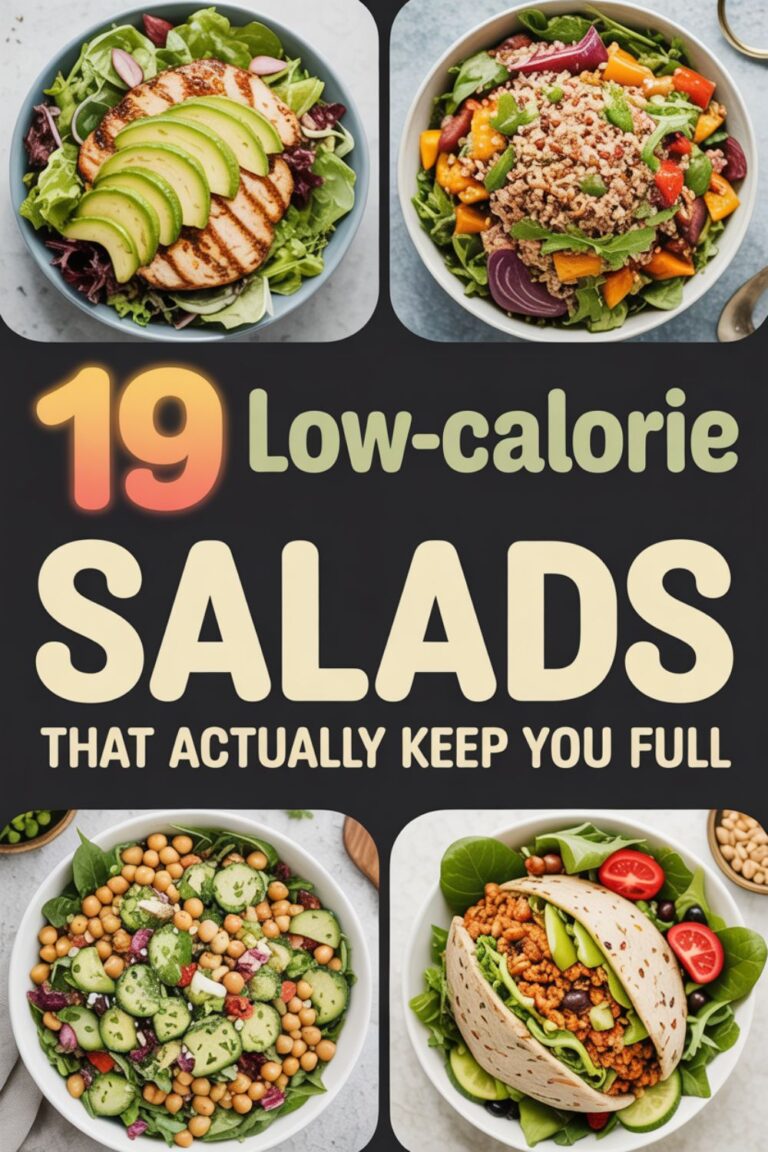
6. Massive Salad (That’s Actually Good)
The trick with salads is going big on variety. Mixed greens, cherry tomatoes, cucumber, bell peppers, grilled chicken, chickpeas, and a tablespoon of balsamic vinaigrette. Use a salad spinner like this to make sure your greens aren’t soggy.
I’m talking a bowl so big you need both hands to carry it. The volume is what keeps you satisfied, not just the calories. Get Full Recipe
7. Turkey and Veggie Wrap
Low-carb tortilla, three slices of turkey breast, hummus, and every vegetable you can fit. Roll it tight and you’ve got a portable lunch that won’t make you sad.
The hummus adds healthy fats that help with nutrient absorption. Don’t skip it just to save 40 calories—your body needs fat to function properly.
8. Miso Soup with Tofu
This is my secret weapon for those days when you want something warm and comforting but not heavy. Miso paste, tofu cubes, seaweed, and green onions. Maybe 150 calories and surprisingly filling.
The fermented miso is packed with probiotics. Plus, soup naturally takes longer to eat, which gives your brain time to register fullness. Research suggests that meals with higher water content promote satiety without adding calories.
9. Zucchini Noodle Stir-Fry
Spiralized zucchini tossed with shrimp or chicken, garlic, ginger, and low-sodium soy sauce. Cook it in a wok like this for that authentic stir-fry vibe.
Zucchini is like 95% water, which means you can eat a massive portion for barely any calories. It’s the ultimate volume food, and when you season it right, you honestly don’t miss the regular noodles that much.
10. Chicken Lettuce Wraps
Ground chicken cooked with water chestnuts, mushrooms, and Asian-inspired seasonings, wrapped in butter lettuce leaves. Crunchy, savory, and way more fun to eat than it sounds. Get Full Recipe
Speaking of Asian-inspired dishes, these ginger-garlic shrimp bowls and teriyaki cauliflower bites follow the same flavor profile and make excellent rotation meals.
Dinner Solutions That Feel Like Real Meals
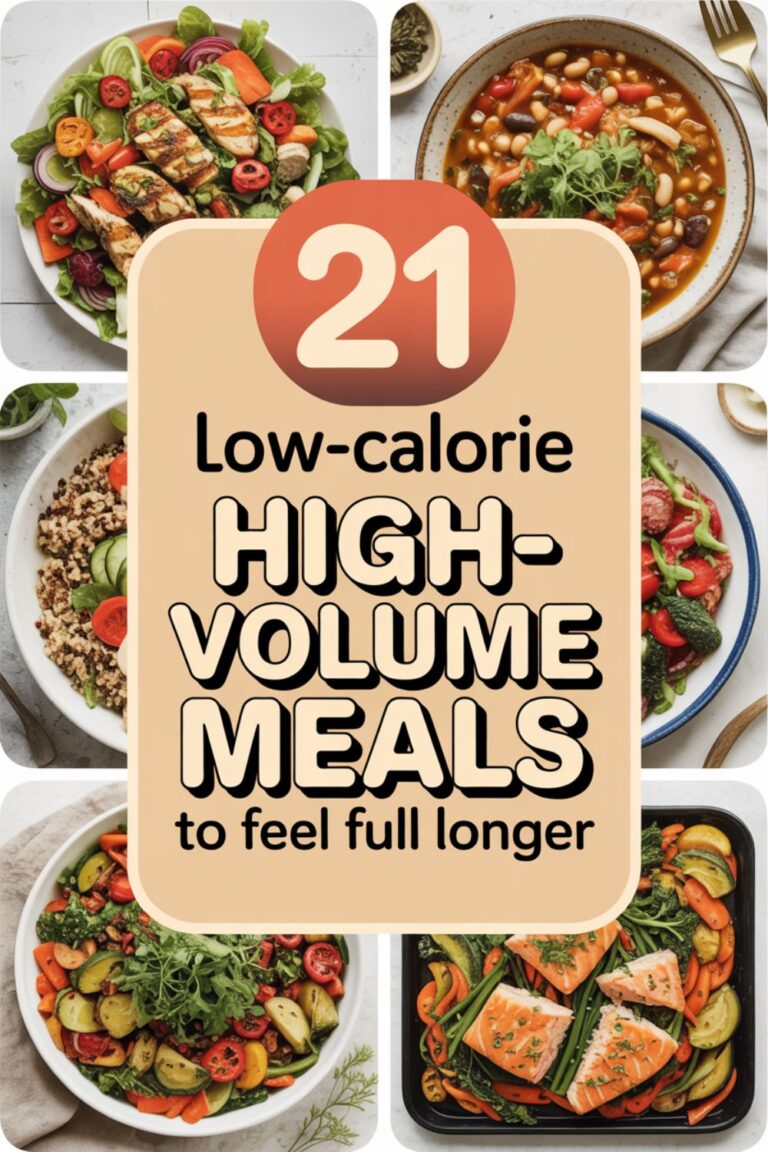
11. Baked Salmon with Roasted Vegetables
Four ounces of salmon, seasoned simply with lemon and dill, alongside roasted broccoli and bell peppers. The salmon has those omega-3 fatty acids that everyone talks about, and it’s protein-dense enough to keep you satisfied.
I bake everything on a parchment-lined sheet pan for easy cleanup. Game recognizes game when it comes to minimal dishes.
12. Turkey Chili (Loaded with Veggies)
Lean ground turkey, kidney beans, tomatoes, peppers, onions, and enough chili powder to make it interesting. Make a huge batch in your slow cooker and portion it out for the week.
This is one of those meals where leftovers somehow taste better the next day. The flavors meld together, and you’ve got instant dinner ready to go. Get Full Recipe
13. Cauliflower Fried Rice
Riced cauliflower cooked with eggs, peas, carrots, and soy sauce. IMO, this is where cauliflower actually shines—the texture works perfectly for fried rice, and you can pile your plate high without guilt.
Regular fried rice can easily hit 400-500 calories per cup. This version? Maybe 150. The math just makes sense when you’re trying to eat lighter.
14. Grilled Chicken with Sweet Potato
A small grilled chicken breast with half a medium sweet potato and green beans. Simple, classic, and exactly what your body needs after a workout.
Research published in Nutrients shows that protein helps preserve muscle mass during calorie restriction, which is why I never skip it at dinner.
15. Shrimp and Zucchini Skewers
Thread shrimp and zucchini chunks onto skewers, brush with a tiny bit of olive oil and lemon juice, and grill. It’s fancy-looking but takes like 15 minutes total.
Shrimp is criminally underrated for weight management. It’s almost pure protein with barely any fat, and you get to eat a decent portion for minimal calories. Thread them on metal skewers like these for even cooking.
Snacks and Light Meals (For When You Need Something)
16. Air-Popped Popcorn
Three cups of air-popped popcorn is only about 90 calories. Season it with nutritional yeast or a sprinkle of parmesan, and you’ve got a snack that actually satisfies that crunchy-salty craving.
I use this air popper constantly. No oil needed, which is where most popcorn calories sneak in.
🎯 Join Our WhatsApp Community
Get exclusive meal prep tips, weekly recipe drops, and real-time nutrition advice from our community of 5,000+ members who are crushing their health goals.
Join Free WhatsApp Channel17. Cucumber Tuna Boats
Hollow out cucumber halves and fill with tuna mixed with Greek yogurt instead of mayo. Add dill and lemon zest. It’s crunchy, refreshing, and has solid protein without feeling heavy.
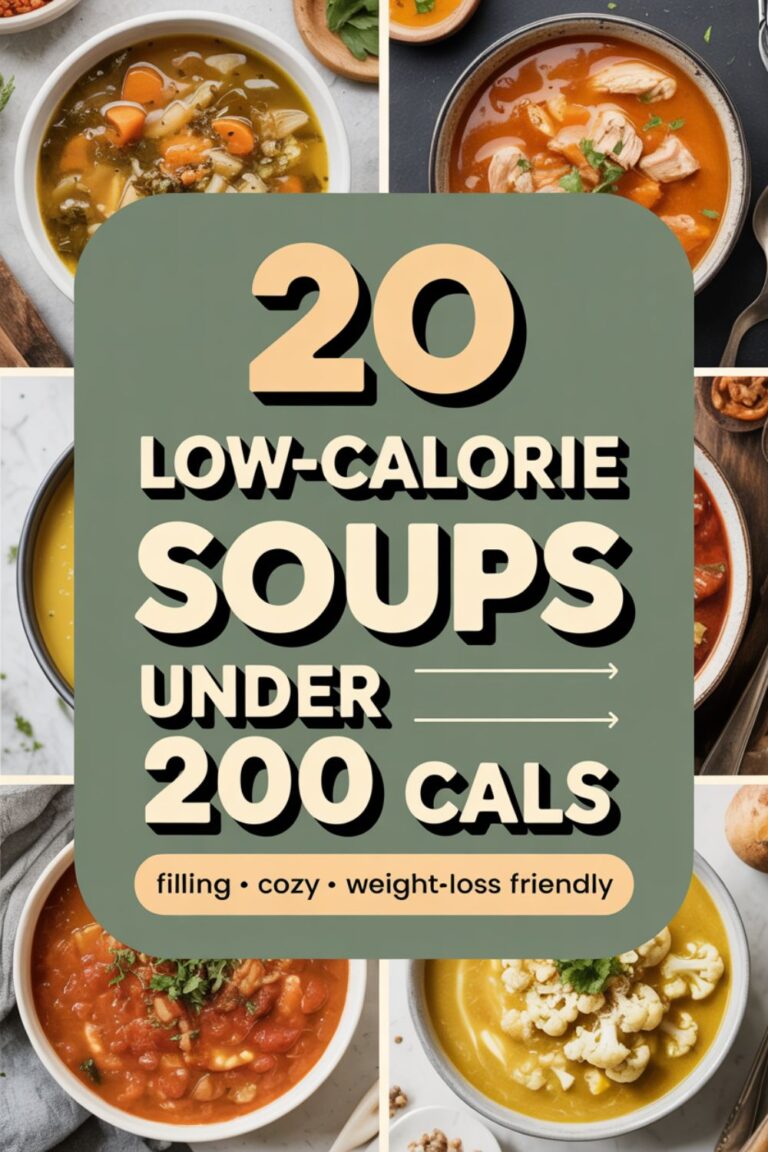
18. Tomato Basil Soup
Homemade or low-sodium store-bought, paired with cucumber slices for extra volume. Soup is one of those magical foods that tricks your brain into thinking you ate way more than you did.
According to WebMD, incorporating broth-based soups can help reduce overall calorie intake while maintaining satisfaction. Just watch the sodium levels in premade versions.
19. Protein Smoothie Bowl
Blend frozen berries, protein powder, and a splash of almond milk until thick. Pour into a bowl and top with sliced almonds and coconut flakes. It feels like ice cream but has actual nutritional value.
The key is keeping it thick enough to eat with a spoon. Add less liquid than you think you need—you can always thin it out, but you can’t unblend it. Use a high-powered blender to get that perfect consistency.
🏆 The Ultimate Kitchen Tool Guide for Weight Loss
Ever wonder why some people meal prep like pros while others struggle? It’s not willpower—it’s having the right equipment. After testing 50+ kitchen gadgets, I’ve narrowed down the exact tools that make healthy eating effortless.
- The $25 gadget that cuts meal prep time in half
- Why cheap blenders ruin your smoothies (and which one actually works)
- The controversial storage hack that keeps food fresh for 2 weeks
- My #1 splurge item that paid for itself in 3 months
20. Hard-Boiled Eggs with Veggies
Two hard-boiled eggs with cherry tomatoes and bell pepper strips. Dead simple, completely portable, and gives you a solid protein hit for about 180 calories.
I make a dozen at a time using this egg cooker that prevents that gross green ring around the yolk. Small things matter when you’re eating the same snacks regularly.
For more protein-forward options, check out these protein-packed snack ideas and post-workout recovery meals that keep your energy steady throughout the day.
The Final Five (My Personal Favorites)
21. Spaghetti Squash with Marinara
Roast a spaghetti squash, scrape out the strands, and top with marinara and a sprinkle of parmesan. It’s pasta-adjacent enough to satisfy the craving without the calorie bomb.
The squash itself is basically just fiber and water, which means you can eat a huge portion. Add some turkey meatballs if you want more protein. Get Full Recipe
22. Veggie-Stuffed Bell Peppers
Hollow out bell peppers and stuff with a mixture of ground turkey, cauliflower rice, tomatoes, and spices. Bake until the peppers are tender. Each pepper comes in around 250 calories and feels like a complete meal.
23. Asian Cabbage Salad
Shredded cabbage, carrots, edamame, and grilled chicken with a ginger-sesame dressing. The cabbage gives you massive volume for almost no calories, and the edamame adds plant-based protein.
Ever wondered why this works so well? Cabbage is one of those cruciferous vegetables that nutrition experts recommend for high-volume eating because it’s nutrient-dense but calorie-sparse.
24. White Fish with Asparagus
Baked cod or tilapia with roasted asparagus and a squeeze of lemon. White fish is incredibly lean—we’re talking maybe 100 calories for four ounces—so you can actually eat a decent portion.
Season the fish with this seafood seasoning blend to avoid the bland fish trap that makes people hate healthy eating.
25. Veggie Frittata
Eggs mixed with tons of vegetables, baked in a pan, and cut into wedges. Make it on Sunday and eat slices throughout the week for breakfast, lunch, or dinner. It’s the ultimate flexible meal.
I use a cast-iron skillet that goes from stovetop to oven. Start it on the stove to set the bottom, then transfer to the oven to finish cooking through.
📊 Free Download: 30-Day Low-Calorie Meal Plan
Stop guessing what to eat. This done-for-you meal plan includes every recipe, shopping list, and prep strategy you need to lose weight without feeling deprived. Plus, I’m including my secret macro-tracking spreadsheet that does all the math for you.
- Complete breakfast, lunch & dinner combos for 30 days
- Printable grocery lists organized by store section
- Batch cooking schedules that save 10+ hours per week
- Restaurant backup options for when life happens
- Bonus: My favorite protein powder comparison guide (12 brands tested)
Making It Actually Work (The Real Talk)
Here’s the thing nobody tells you: eating lighter meals doesn’t mean starving yourself. It means being strategic about what fills you up versus what just adds calories without satisfaction.
Focus on the big three: protein, fiber, and volume. Get those right, and 300 calories can genuinely keep you full for hours. Mess them up, and you’ll be raiding the pantry before you finish your meal prep.
I’ve found that combining lean proteins with high-fiber vegetables is the sweet spot. The protein takes longer to digest, the fiber adds bulk, and the vegetables let you eat a visually satisfying portion without breaking your calorie bank.
One more thing: don’t be afraid to adjust these meals to your preferences. If you hate cauliflower, use regular rice and just eat a smaller portion. If you’re vegetarian, swap the chicken for chickpeas or tofu. The principles stay the same even when the ingredients change.
For complete meal planning strategies, these weekly meal prep guides and budget-friendly healthy recipes can help you build out a full rotation that doesn’t get boring.
💬 Don’t Miss Out on Daily Food Hacks
Our WhatsApp channel shares quick meal swaps, calorie-cutting tricks, and motivation that keeps you on track. No spam, just real help from people who get it.
Get Instant Access NowFrequently Asked Questions
Can I really stay full on 300-calorie meals?
Absolutely, if you build them right. The key is focusing on high-protein, high-fiber foods that slow digestion and promote satiety. Think lean proteins like chicken or fish paired with fiber-rich vegetables and whole grains. Your body doesn’t count calories—it responds to volume, nutrients, and how long food takes to digest. When you nail that combination, 300 calories can genuinely keep you satisfied for 3-4 hours.
How many of these meals should I eat per day?
It depends on your total daily calorie needs, but most people do well with three 300-calorie meals plus one or two 150-200 calorie snacks, totaling around 1200-1500 calories. That said, this is individual—active people or those with higher metabolisms might need more. Medical News Today suggests consulting with a healthcare provider to determine what’s right for your specific needs and goals.
Will I lose muscle eating low-calorie meals?
Not if you’re getting enough protein. Aim for at least 25-30 grams of protein per meal to preserve muscle mass while in a calorie deficit. Most of the meals I’ve listed hit this target or come close. Combining adequate protein intake with resistance training is your best defense against muscle loss during weight management.
Can I meal prep these recipes?
Most of them, yes. Dishes like turkey chili, veggie frittata, and baked chicken with roasted vegetables actually taste better after a day or two when the flavors develop. Just store components separately when possible—like keeping dressing separate from salad—to maintain optimal texture. Invest in good quality meal prep containers and you’ll make your life infinitely easier.
What if I’m still hungry after eating one of these meals?
First, make sure you’re drinking enough water—thirst often masquerades as hunger. Second, give your meal 20 minutes to settle before reaching for more food; it takes time for fullness signals to reach your brain. If you’re consistently hungry, you might need to increase portion sizes slightly or add more protein and healthy fats. Listen to your body—these are guidelines, not rigid rules.
The Bottom Line
Low-calorie eating doesn’t have to mean sad meals and constant hunger. These 25 options prove you can eat satisfying, flavorful food while keeping calories in check. The secret isn’t deprivation—it’s being smart about what fills you up.
Start with a few recipes that appeal to you, prep them ahead of time, and see how your body responds. Some people thrive on smaller, frequent meals. Others prefer eating larger portions less often. Figure out what works for your lifestyle and stick with it.
Remember that sustainable eating habits beat perfect eating plans every single time. It’s better to eat these meals 80% of the time and enjoy your favorite pizza on Friday night than to white-knuckle through a restrictive diet you’ll abandon in two weeks.
The goal isn’t perfection. It’s finding a way of eating that makes you feel good, keeps you satisfied, and doesn’t require a PhD in nutrition to maintain. These meals are just tools in your toolkit—use them when they serve you, adjust them as needed, and don’t stress about the occasional deviation.
Now go make something delicious that happens to be good for you too.