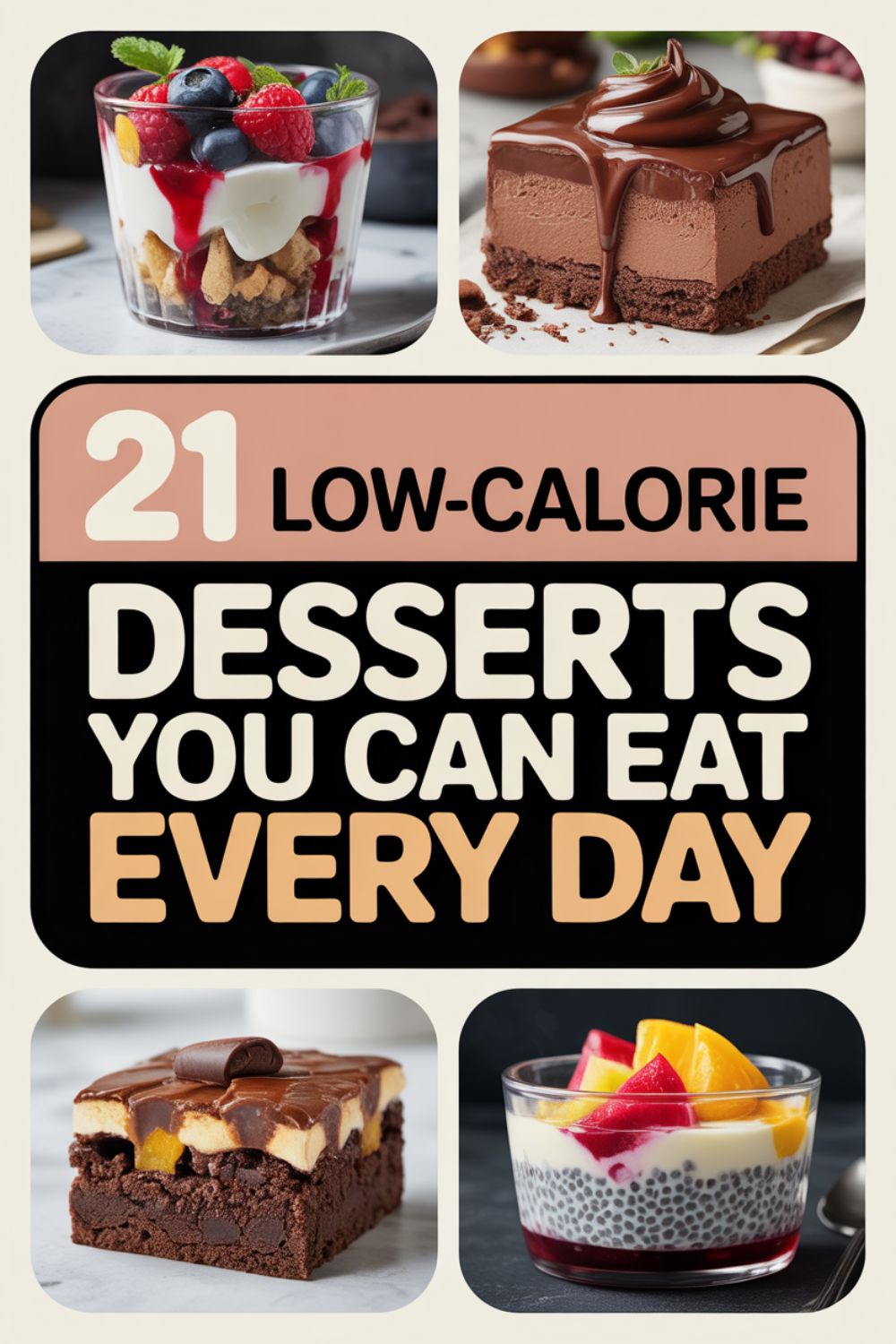
20 Low-Calorie Desserts You Won’t Believe Are Healthy
Look, I’m not going to sit here and tell you that eating carrot sticks is the same as diving into a chocolate lava cake. That would be insulting to both of us. But here’s the thing—you can absolutely satisfy your sweet tooth without derailing your health goals or feeling like you’re stuck in diet prison. I’ve spent years testing low-calorie desserts that don’t taste like cardboard, and I’m genuinely excited to share the ones that actually work.
If you’ve been white-knuckling it through dessert cravings or secretly stress-eating half a pint of ice cream at 11 PM, this article is for you. These aren’t “healthy” desserts that taste like punishment. They’re legitimately delicious treats that happen to be lighter on calories while still giving you that satisfied, happy feeling.
Real talk: deprivation doesn’t work. Every time I’ve tried to completely eliminate desserts from my life, I end up face-first in a bag of cookies three weeks later. The key is finding desserts that fit into your lifestyle without making you feel like you’re missing out. And that’s exactly what these 20 options do.
Why Low-Calorie Desserts Actually Matter
Before we jump into the recipes, let’s clear something up. Low-calorie doesn’t mean low-satisfaction or low-flavor. It simply means you’re being smarter about ingredient choices. Swapping out heavy cream for Greek yogurt, using natural sweeteners instead of refined sugar, or incorporating fruit for natural sweetness—these small changes add up without compromising taste.
The beauty of these desserts is that they allow you to enjoy something sweet every single day if you want. And according to Cleveland Clinic, incorporating nutrient-dense foods like Greek yogurt into your desserts can actually support your overall health goals while satisfying cravings. When you build desserts around ingredients that offer protein, fiber, and essential nutrients, you’re not just indulging—you’re nourishing your body.
FYI, I’m not suggesting you need to eat perfectly clean 100% of the time. But having a repertoire of lighter dessert options means you can enjoy something sweet more frequently without the guilt or the calorie overload. It’s about balance, not restriction.
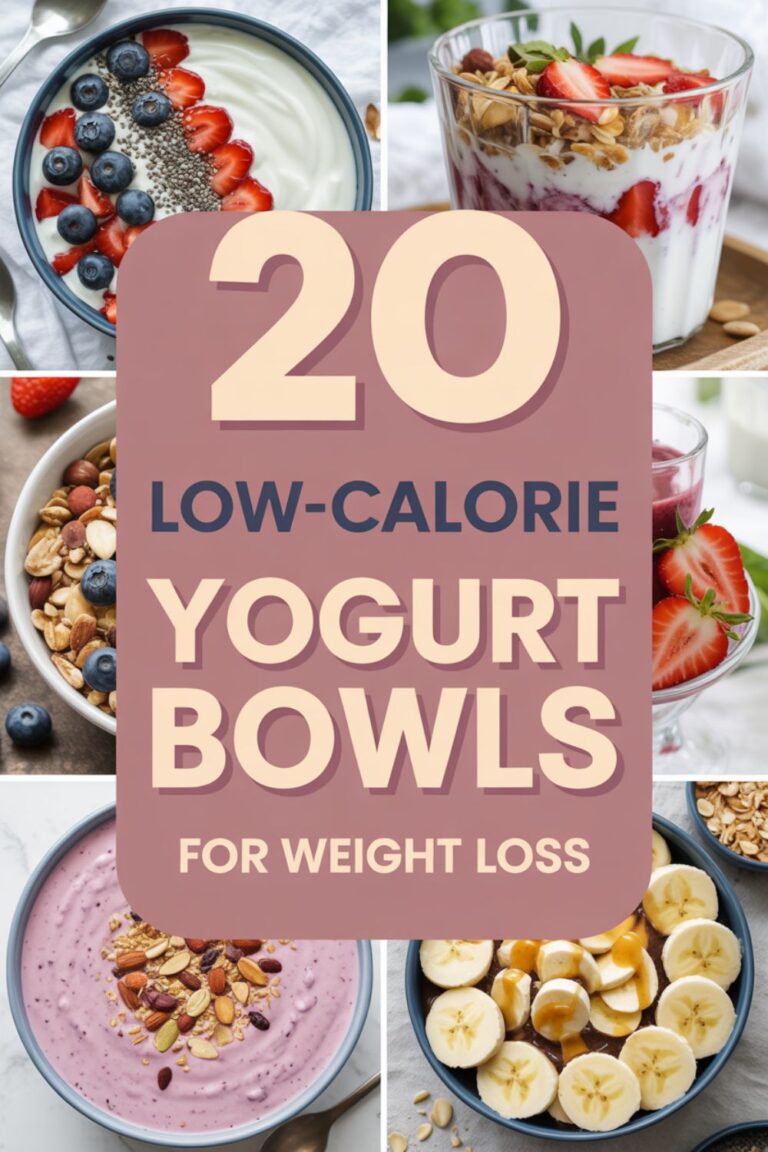
1. Greek Yogurt Parfait with Honey and Berries
This is my go-to when I want something that feels indulgent but is actually incredibly nutritious. Layer plain Greek yogurt with fresh berries and a drizzle of honey, and you’ve got yourself a dessert that packs about 150 calories with a solid 15-20 grams of protein. The protein in Greek yogurt helps keep you satisfied, which means you won’t be hunting for more food an hour later.
Greek yogurt is seriously underrated as a dessert base. Research published by Healthline shows that Greek yogurt contains probiotics that support gut health and nearly double the protein of regular yogurt. When you pair it with antioxidant-rich berries and a touch of natural honey, you’re getting a dessert that actually contributes to your daily nutrition rather than just empty calories.
I use this glass parfait jar set for meal prep—makes it stupid easy to grab and go. The honey I swear by is raw wildflower honey because it adds that perfect floral sweetness without being cloying.
Get Full RecipeWhy This Works
The combination of protein, natural sugars from fruit, and healthy fats from yogurt creates a balanced treat that won’t spike your blood sugar like traditional desserts. Plus, you can customize it endlessly—add a sprinkle of granola for crunch, swap berries for mango chunks, or mix in a spoonful of almond butter for richness.
If you’re looking for more protein-packed breakfast or snack ideas that double as desserts, check out these high-protein meal options that keep you satisfied throughout the day.
2. Frozen Banana “Nice Cream”
Okay, I know what you’re thinking. Frozen bananas aren’t ice cream. And you’re technically right. But hear me out—when you blend frozen banana chunks in a food processor until creamy, the texture is shockingly similar to soft-serve ice cream. Add a tablespoon of cocoa powder, and you’ve got chocolate “ice cream” for about 120 calories per serving.
This is one of those desserts that feels like you’re getting away with something. It’s sweet, it’s cold, it’s creamy, and it satisfies that ice cream craving without the sugar bomb. I keep a bag of pre-sliced frozen bananas in my freezer at all times. When a craving hits, it takes literally two minutes to whip this up.
My mini food processor is perfect for this—big enough to make a single serving without having to clean a massive machine. Sometimes I’ll add a handful of frozen cherries or a spoonful of peanut butter for variety.
The Science Behind It
Bananas provide natural sweetness and creaminess thanks to their starch content. They’re also rich in potassium and fiber, making this dessert way more nutritious than traditional ice cream. You’re getting the satisfaction of a frozen treat with actual health benefits. Not bad for something that costs pennies per serving.
3. Dark Chocolate-Dipped Strawberries
This is the dessert I make when I want to impress people with minimal effort. Melt some dark chocolate, dip fresh strawberries, let them set on parchment paper. Done. Each strawberry is about 30-40 calories, and you get that luxurious chocolate experience without going overboard.
The trick is using quality dark chocolate—at least 70% cacao. Not only does it taste better, but according to research, dark chocolate contains flavonoids that may support heart health and provide antioxidants. The bitterness of dark chocolate pairs perfectly with the natural sweetness of strawberries, so you don’t need as much chocolate to feel satisfied.
I use this silicone baking mat for setting the strawberries—nothing sticks to it, and cleanup is a breeze. The dark chocolate chips I buy are 70% cacao morsels, which melt beautifully and have that deep chocolate flavor.
Pro tip: You can also dip them in white chocolate or sprinkle with crushed nuts before the chocolate sets. Store them in the fridge, and they’ll last a few days. Though IMO, they never last that long in my house.
“I started making chocolate-covered strawberries every Sunday as my weekly treat prep, and it’s been a game-changer. I have a fancy dessert ready whenever I need it, and I’m not tempted to buy processed snacks at the store.” – Sarah M., community member
4. Baked Apple with Cinnamon and Walnuts
Warm, comforting, and feels like fall in a bowl. Core an apple, fill the center with a mixture of chopped walnuts, cinnamon, and a tiny drizzle of maple syrup, then bake until soft. The whole thing comes in around 150 calories and tastes like apple pie without the crust.
I’m a texture person, and this dessert hits all the right notes. The apple becomes tender and sweet, the walnuts add crunch and healthy fats, and the cinnamon makes your kitchen smell incredible. It’s the kind of dessert that makes you feel like you’re treating yourself to something special, not like you’re on a diet.
For easy coring, I swear by this melon baller/apple corer tool—makes the job so much easier and no butchered fruit casualties. The walnuts I keep stocked are raw walnut halves, which I lightly toast in a pan before adding to the apple.
Nutritional Benefits
Apples are high in fiber, which aids digestion and helps you feel full. Walnuts provide omega-3 fatty acids and protein, making this dessert more satiating than just eating fruit alone. The cinnamon adds warmth and may help with blood sugar regulation, according to nutritional research.
Speaking of fruit-based desserts and smart food choices, these low-calorie food options can help you build a healthier eating pattern overall.
5. Chia Seed Pudding
If you haven’t tried chia pudding yet, you’re missing out on one of the easiest make-ahead desserts ever. Mix chia seeds with almond milk (or any milk you prefer), add a touch of maple syrup and vanilla, then let it sit in the fridge overnight. The chia seeds absorb the liquid and create this thick, pudding-like texture that’s weirdly addictive.
Each serving is around 120-140 calories depending on how you sweeten it, and it’s packed with fiber, omega-3s, and protein. I usually make a batch on Sunday and have dessert ready for the entire week. Top with fresh fruit, coconut flakes, or a spoonful of nut butter right before eating.
The mason jars with lids I use for chia pudding are perfect for portion control and storage. And the chia seeds themselves—I buy organic chia seeds in bulk because they last forever and it’s way cheaper than buying small bags.
Why Chia Seeds Are Dessert Gold
Chia seeds are one of those superfoods that actually deserve the hype. They’re loaded with fiber, which keeps your digestion running smoothly, and they provide plant-based omega-3 fatty acids. The gel-like consistency they create when soaked is perfect for puddings, and they have a neutral taste that takes on whatever flavors you add.
6. Protein Mug Cake
When you need chocolate cake RIGHT NOW, this single-serving mug cake comes through. Mix protein powder, cocoa powder, a little baking powder, an egg or egg white, and a splash of almond milk. Microwave for 60-90 seconds, and you have a warm, fluffy chocolate cake for about 150 calories with 15-20 grams of protein.
This is not a joke—it actually tastes good. I’ve tried probably a dozen different mug cake recipes, and this one is the winner. The protein powder gives it structure and keeps you full, the cocoa provides that chocolate fix, and the whole thing comes together in under two minutes.
I use chocolate protein powder for this—it has great flavor and mixes smoothly. And the oversized microwave-safe mug I bought specifically for mug cakes is worth every penny because regular mugs always overflow.
Customization Options
You can make this vanilla by using vanilla protein powder, or add mix-ins like chocolate chips, berries, or peanut butter. Some people add a tablespoon of Greek yogurt for extra moisture. The beauty of a mug cake is that you can experiment without committing to an entire batch of dessert.
For more high-protein recipes that satisfy cravings while supporting your goals, check out these high-protein, low-calorie meal ideas.
7. Frozen Yogurt Bark
This is the snack-dessert hybrid I keep in my freezer for emergencies. Spread Greek yogurt on a parchment-lined baking sheet, top with berries, nuts, dark chocolate chips, or whatever you’re feeling, then freeze until solid. Break it into pieces, and you have crunchy, creamy frozen treats for about 50-60 calories per piece.
The texture is similar to ice cream bark you’d pay $8 for at a fancy grocery store, but you’re making it for pennies. I usually make a big batch and keep it in a freezer-safe container so I always have something sweet on hand.
My rimmed baking sheet is perfect for this, and I line it with parchment paper sheets for easy cleanup. The toppings are endless—try granola, coconut flakes, mini chocolate chips, or dried fruit.
Why Frozen Yogurt Bark Works
It’s portion-controlled without feeling restrictive. You can grab a piece or two when you want something sweet, and it satisfies both the creamy and crunchy cravings. Plus, depending on your toppings, you’re getting protein, healthy fats, and antioxidants in each bite.
8. Cottage Cheese with Honey and Cinnamon
I know, cottage cheese sounds weird for dessert. But trust me on this. Mix cottage cheese with a drizzle of honey and a sprinkle of cinnamon, and it tastes like a creamier, more protein-packed version of yogurt. Each serving has about 120 calories and 15+ grams of protein, which makes it insanely filling.
You can eat it plain, or top it with berries, sliced peaches, or even a few dark chocolate chips. The texture is creamy and the mild flavor takes on whatever you add to it. I’ve converted several cottage cheese skeptics with this simple combo.
I usually buy low-fat cottage cheese in individual cups for easy portion control. And the honey makes all the difference—raw clover honey adds just the right amount of sweetness without overpowering the subtle dairy flavor.
Meal Prep Essentials Used in These Desserts
- Glass meal prep containers with lids – Perfect for storing chia pudding, yogurt parfaits, and baked fruit desserts. These are leak-proof and microwave-safe.
- Digital food scale – For accurate portion control when you’re tracking calories. Game-changer for consistency.
- Silicone baking mats (set of 2) – Use for yogurt bark, chocolate-dipped fruit, and baking. Nothing sticks, cleanup is effortless.
- Low-Calorie Meal Planning Digital Guide (PDF) – My personal system for planning desserts into your weekly meals without derailing progress. Includes swap lists and portion guides.
- Healthy Dessert Recipe Collection (eBook) – 50+ tested low-calorie dessert recipes with nutritional info and step-by-step instructions.
- Macro-Friendly Baking Guide (Digital Course) – Learn how to modify traditional dessert recipes to fit your calorie and protein goals without sacrificing taste.
Join Our WhatsApp Community: Get daily low-calorie dessert inspiration, recipe swaps, and support from others who are nailing the balance between health and treats. Link available in bio.
9. Meringue Cookies
These light-as-air cookies are made from just egg whites and sugar, which means they’re naturally low in calories—about 15-20 calories per cookie. They’re crispy, slightly sweet, and perfect when you want something crunchy to munch on without overdoing it.
You can flavor them with vanilla, almond extract, cocoa powder, or even add a few mini chocolate chips. The baking process takes time (low and slow in the oven), but the hands-on effort is minimal. Once baked, they keep in an airtight container for weeks.
For piping perfect meringues, I use this basic piping bag set. Makes them look bakery-quality with zero special skills required.
10. Avocado Chocolate Mousse
This sounds weird, but stay with me. Blend ripe avocado with cocoa powder, a sweetener of your choice, and a splash of vanilla. The result is a rich, creamy chocolate mousse that’s about 140 calories per serving and loaded with healthy fats, fiber, and no dairy.
The avocado gives it that silky texture you expect from mousse, and the cocoa powder provides intense chocolate flavor. You genuinely cannot taste the avocado—it just tastes like decadent chocolate pudding. I usually top it with a few berries or a sprinkle of sea salt.
My personal blender makes this so easy—toss everything in, blend until smooth, done. No big food processor to clean.
Health Benefits
Avocados are packed with monounsaturated fats, which support heart health and help you absorb fat-soluble vitamins. Combined with the antioxidants in cocoa, this dessert actually offers nutritional benefits beyond just satisfying your sweet tooth.
If you’re exploring ways to enjoy desserts while maintaining a calorie deficit, these everyday low-calorie dessert options offer even more variety.
11. Baked Pear with Honey and Walnuts
Similar to the baked apple but with a more delicate, subtle sweetness. Halve a pear, remove the core, fill with chopped walnuts and a drizzle of honey, then bake until tender. About 150 calories, and it tastes elegant enough to serve to guests.
Pears have a softer texture than apples when baked, and they pair beautifully with the earthy flavor of walnuts. Add a tiny pinch of cardamom or ginger if you want to get fancy. This is one of those desserts that feels indulgent but is actually quite healthy.
12. Sugar-Free Jello with Whipped Cream
Sometimes you just want something sweet with minimal calories, and sugar-free jello delivers. At about 10 calories per serving, you can add a dollop of light whipped cream (about 20 calories) and still have a dessert under 50 calories total.
It’s not the most nutrient-dense option on this list, but it serves a purpose. When you’re in a tight calorie budget and need something sweet, this does the job. You can make it fancy by layering different flavors or adding fresh fruit.
13. Rice Cake with Almond Butter and Banana
This is more snack-dessert territory, but it absolutely satisfies sweet cravings. Spread almond butter on a rice cake, top with sliced banana and a sprinkle of cinnamon. About 130-150 calories, and the combination of carbs, healthy fats, and natural sweetness is surprisingly satisfying.
The crunch from the rice cake, the creaminess from the almond butter, and the sweetness from the banana create a balanced bite that feels more substantial than you’d expect. I usually have this as an evening snack when I want something sweet but don’t want a full dessert.
The almond butter I use is smooth and creamy with no added sugar, and it makes all the difference in flavor.
14. Mini Brownie Bites
I make a batch of brownies using a healthier recipe—less oil, some applesauce for moisture, and dark chocolate. Then I bake them in a mini muffin tin so each brownie is perfectly portioned at about 80-100 calories. Having pre-portioned brownies in my freezer means I can have one without eating half a pan.
The trick is using applesauce to replace some of the oil. It keeps the brownies moist while cutting calories and fat. I also use quality cocoa powder for maximum chocolate flavor, so you don’t feel like you’re eating a “diet” brownie.
My mini muffin tin gets used constantly for portion-controlled desserts. And the unsweetened cocoa powder I buy is rich and dark, which makes these taste legit.
Batch Prep Strategy
Make a double batch, portion them into individual servings, and freeze. Pull one out when you want it, microwave for 10-15 seconds, and you have a warm brownie on demand. This prevents the “I’ll just have one more” spiral that happens when there’s a full pan of brownies sitting on the counter.
For more meal prep strategies that include desserts, check out these budget-friendly meal prep ideas.
15. Lemon Sorbet
Bright, tangy, and refreshing. Blend frozen lemon juice (or use an ice cream maker), add a touch of sweetener, and you have a palate-cleansing sorbet for about 80-100 calories per serving. It’s perfect after a heavy meal when you want something light and cold.
You can make this with any citrus—lime, grapefruit, orange. The natural acidity of the fruit means you don’t need as much sweetener as you’d think. Store in the freezer, and it stays scoopable for weeks.
16. Protein Pancakes with Berries
Yes, pancakes can be dessert. Make a simple batter with protein powder, egg, banana, and a little baking powder. Cook like regular pancakes, top with fresh berries and a drizzle of maple syrup. Each pancake is about 60-80 calories with added protein, making this a dessert that actually contributes to your daily protein goals.
These are fluffy, sweet, and satisfying. I usually make a batch and freeze them, then reheat in the toaster when I want a quick dessert. You can also make them into mini pancakes for better portion control.
17. Cinnamon Roasted Chickpeas
If you’re a texture person who craves something crunchy and sweet, this is for you. Toss chickpeas with a touch of oil, cinnamon, and a little honey, then roast until crispy. About 120 calories per serving, and they satisfy both sweet and crunchy cravings while providing fiber and protein.
These are addictive in the best way. They taste like a cross between a cookie and a crunchy snack, and the protein and fiber keep you satisfied. I make a big batch and keep them in an airtight container for when I need something to munch on.
18. Coconut Milk Ice Pops
Blend coconut milk with fruit (mango, berries, whatever you like), pour into popsicle molds, freeze. Simple, delicious, and about 60-80 calories per pop depending on what you add. The coconut milk gives them a creamy texture without dairy, and the fruit provides natural sweetness.
These are perfect for summer or anytime you want a frozen treat that feels indulgent but is actually quite healthy. You can control the sweetness level completely, and kids love them too.
The silicone popsicle molds I use are easy to remove and dishwasher-safe, which makes the whole process painless.
19. Apple Slices with Almond Butter and Dark Chocolate Chips
This is my afternoon go-to when I want something that feels like dessert but also keeps me full. Slice an apple, spread with almond butter, sprinkle with a few dark chocolate chips. About 150-180 calories, and the combination of fiber, healthy fats, and a little chocolate hits all the right notes.
It’s basically a deconstructed dessert that you can eat while working or watching TV. The apple provides crunch and natural sweetness, the almond butter adds creaminess and protein, and the chocolate gives you that dessert feeling.
20. Peanut Butter Protein Balls
These no-bake energy bites are ridiculously easy to make. Mix peanut butter, oats, protein powder, a touch of honey, and mini chocolate chips. Roll into balls, refrigerate, and you have grab-and-go desserts for about 90-110 calories each with added protein.
They taste like cookie dough but are actually nutritious. I make a batch every week and keep them in the fridge for when I need something sweet. They’re also great pre or post-workout snacks since they provide a good balance of carbs and protein.
The natural peanut butter I use for these has no added sugar or oils, just peanuts and salt. Makes a huge difference in the final flavor and texture.
Tools & Resources That Make Dessert Prep Easier
- Immersion blender with whisk attachment – Perfect for making mousses, whipping cream, and blending small portions without dragging out the big blender.
- Portion control containers (7-piece set) – Color-coded containers that make measuring ingredients and portioning desserts foolproof.
- Kitchen scale with tare function – Essential for precise measurements when you’re adapting recipes or tracking macros.
- Low-Calorie Dessert Swaps Cheat Sheet (PDF Download) – Quick reference guide showing how to substitute high-calorie ingredients with healthier alternatives without sacrificing taste.
- 30-Day Dessert Challenge (Digital Program) – Structured program with daily dessert recipes, shopping lists, and motivation to build sustainable dessert habits.
- Macro Tracking Made Simple (Video Course) – Learn how to fit desserts into your daily macros without overthinking or restricting.
Join Our WhatsApp Community: Connect with others who are mastering the art of enjoying desserts while staying healthy. Share recipes, get support, celebrate wins. Details in bio.
Common Mistakes to Avoid with Low-Calorie Desserts
After years of making and testing these recipes, I’ve learned a few things the hard way. Here are the mistakes you should avoid to make your low-calorie dessert journey smoother.
Not Measuring Portions
Even healthy desserts have calories. I learned to measure everything, especially nut butters and chocolate. What looks like a tablespoon in your brain is probably closer to three tablespoons in reality. Using a kitchen scale or measuring spoons takes the guesswork out.
Eating Straight from the Container
This makes it way too easy to eat more than you planned. Always portion your dessert into a bowl or plate first. It’s a simple mindfulness trick that helps you enjoy what you’re eating without mindlessly consuming more.
Keeping High-Calorie Desserts Around “Just in Case”
If I buy a box of cookies “for guests,” I will eat them. That’s just reality. I only keep dessert ingredients that require some preparation, which creates a natural barrier between craving and eating. This strategy has saved me countless times.
Thinking Fruit Leather and Granola Bars Are Low-Calorie
Many packaged “healthy” snacks are just as caloric as candy bars. Always read labels. I’ve been shocked at how many supposedly healthy desserts pack 200+ calories per serving with tons of added sugar.
For more guidance on making smart food choices that support your goals, these low-calorie grocery staples are worth checking out.
“I used to make elaborate dessert recipes and then eat the entire batch over two days. Now I make mini versions and freeze most of them immediately. Game-changer for portion control.” – Emily R., community member
How to Make These Desserts Part of Your Routine
The key to actually eating these desserts regularly is making them accessible. If healthy dessert options require a grocery run and 45 minutes of prep, you’ll default to whatever’s convenient—which is usually not the healthiest choice.
Here’s what works for me: I dedicate 30 minutes on Sunday to dessert prep. I’ll make a batch of chia pudding, portion out Greek yogurt into individual containers with berries on the side, prep fruit for dipping, and maybe bake a batch of protein mug cakes or mini brownies to freeze. That way, when I want something sweet during the week, it’s as easy as opening the fridge.
According to Mayo Clinic, incorporating nutrient-rich foods like yogurt into your regular routine supports digestive health and overall wellness. When dessert becomes something that nourishes you rather than derails you, it changes your entire relationship with food.
Building Sustainable Habits
Sustainability is everything. You’re not going to stick with any eating pattern that feels restrictive or joyless. Having dessert options you genuinely enjoy means you’re less likely to feel deprived, which means you’re less likely to binge on whatever’s around when willpower runs out.
These desserts have allowed me to enjoy something sweet every single day for the past year while maintaining my health goals. That’s the sweet spot—pun intended—where health and enjoyment meet.
If you’re interested in structured meal planning that includes desserts, this 7-day meal plan shows you how to build balanced days that include treats without going overboard.
Frequently Asked Questions
Can I eat low-calorie desserts every day and still lose weight?
Absolutely. As long as you’re in a calorie deficit overall, having a planned dessert daily can actually help with adherence. The key is portion control and choosing desserts that provide some nutritional value rather than just empty calories. Many of the desserts on this list include protein, fiber, and healthy fats that support satiety and overall health.
Are artificial sweeteners safe for low-calorie desserts?
Most artificial sweeteners are considered safe by regulatory agencies when consumed in moderation. However, some research suggests they may affect gut bacteria and taste preferences. I personally prefer using natural sweeteners like honey, maple syrup, or fruit in small amounts. If you do use artificial sweeteners, choose ones that have been well-studied and use them sparingly.
How do I prevent myself from overeating even healthy desserts?
Portion control is crucial. Pre-portion desserts into individual servings, use smaller bowls and plates, and practice mindful eating by sitting down and focusing on your food rather than eating while distracted. It also helps to make desserts that require some preparation rather than keeping ready-to-eat treats around constantly.
What’s the best low-calorie dessert for satisfying chocolate cravings?
Dark chocolate-dipped strawberries, protein mug cake, avocado chocolate mousse, and mini brownie bites are all excellent options. They provide that rich chocolate flavor while keeping calories reasonable. The key is using quality cocoa powder or dark chocolate with high cacao content, which delivers intense flavor so you need less.
Can I make these desserts if I’m dairy-free or vegan?
Many of these recipes are naturally dairy-free or can be easily adapted. Frozen banana nice cream, avocado mousse, chia pudding made with plant milk, fruit-based desserts, and coconut milk ice pops are all vegan-friendly. For recipes calling for Greek yogurt, you can use coconut yogurt or cashew-based alternatives.
Final Thoughts
Here’s the truth: you don’t have to choose between health and enjoying dessert. These 20 low-calorie desserts prove that you can satisfy your sweet tooth, stay within your calorie goals, and actually nourish your body at the same time.
The desserts on this list aren’t punishment disguised as treats. They’re genuinely delicious options that happen to be lighter on calories and heavier on nutrition. Some are quick and simple, others require a bit more effort, but all of them deliver on flavor and satisfaction.
After ten months of eating in a calorie deficit, I can honestly say that having these dessert options has been crucial to my success. There’s no deprivation, no white-knuckling through cravings, no guilt spirals after eating something sweet. Just balanced eating that includes the foods I love in portions that support my goals.
Start with one or two recipes that sound appealing, experiment with the ingredients and flavors you like, and build your own rotation of go-to desserts. You’ll be amazed at how much easier it becomes to stick with healthy eating when you’re not constantly fighting dessert cravings.
And remember—balance is the goal, not perfection. Some days you’ll have Greek yogurt with berries, other days you’ll have birthday cake at a party. Both are fine. The key is having options that work for your everyday life so that treats remain treats instead of becoming daily obstacles to your health goals.
Now go make yourself something sweet. You’ve earned it.