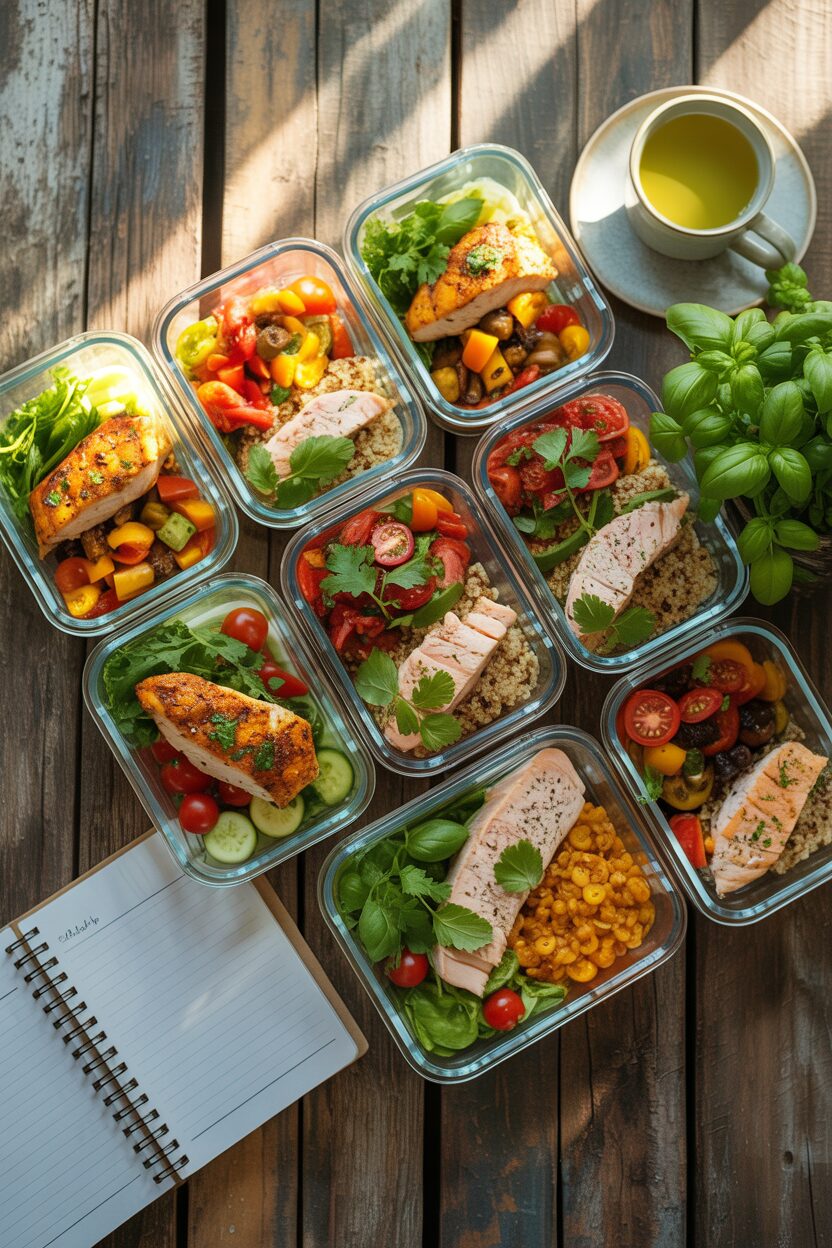
30-Day Low-Calorie Meal Plan for Healthy Weight Loss
So you’ve decided to commit to a full month of healthy eating. Not just a week of salads before you give up and order pizza, but an actual 30-day plan. That’s ambitious, and honestly? Kind of awesome. But let’s be real—staring down 30 days of meal planning can feel like standing at the base of Everest in flip-flops.
Here’s what most people get wrong: they think a month-long meal plan means eating the same bland chicken and broccoli every single day until they’d rather eat their own shoes. Nope. A good 30-day low-calorie meal plan is about variety, sustainability, and actually enjoying your food while creating a calorie deficit that leads to real results. We’re talking strategic eating that doesn’t make you want to fake your own death to escape another sad desk salad.
Why 30 Days Is the Sweet Spot
There’s actual science behind the 30-day commitment, and it’s not just some arbitrary number diet gurus pulled out of thin air. Thirty days gives your body enough time to adjust to new eating patterns without feeling like an eternal prison sentence.
The first week? You’ll probably be hungry and slightly irritable. Week two is when things start clicking—your stomach adjusts, cravings diminish, and you stop dreaming about donuts every night. By week three, these habits start feeling normal instead of forced. And by day 30, you’ve built a solid foundation that can carry you forward.
But here’s the critical part: a 30-day plan needs enough variety to keep you interested. Eating the same five meals on repeat might work for those rare humans who view food as mere fuel, but most of us need flavor, texture, and something to actually look forward to at mealtime.
According to research on habit formation, it takes between 18 to 254 days to form a new habit, with an average of 66 days. Thirty days gets you halfway there, which means you’re building momentum without overwhelming yourself with an impossibly long commitment.
Setting Your Calorie Target (Because One Size Fits Nobody)
Before you jump into any meal plan, you need to know your actual calorie needs. And no, 1200 calories isn’t some universal magic number that works for everyone—despite what Instagram influencers want you to believe.
Calculate your Total Daily Energy Expenditure (TDEE). This accounts for your basal metabolic rate plus your activity level. Plenty of free calculators exist online, and yes, you should actually use one instead of guessing. Most women will land somewhere between 1400-2000 calories for weight loss, while men typically need 1800-2400 calories.
Create a moderate deficit: 300-500 calories below your TDEE. This allows for steady weight loss (about 0.5-1 pound per week) without tanking your metabolism or making you miserable enough to eat an entire pizza in one sitting. Aggressive deficits might sound appealing, but they typically backfire harder than a cheap Roman candle.
Adjust based on your results. If you’re losing weight too quickly (more than 2 pounds per week), add 100-200 calories. Not losing anything after two weeks? Drop your intake by 100-200 calories or increase your activity. Your body isn’t a calculator, so expect some trial and error.
For this 30-day plan, I’m using 1500 calories as a baseline example. You can adjust portions up or down based on your personal needs. The meal structure and variety remain the same—you just modify serving sizes.
The Core Principles of This Plan
Let me save you from the mistakes I made during my first attempt at a month-long meal plan. These principles will keep you sane and successful.
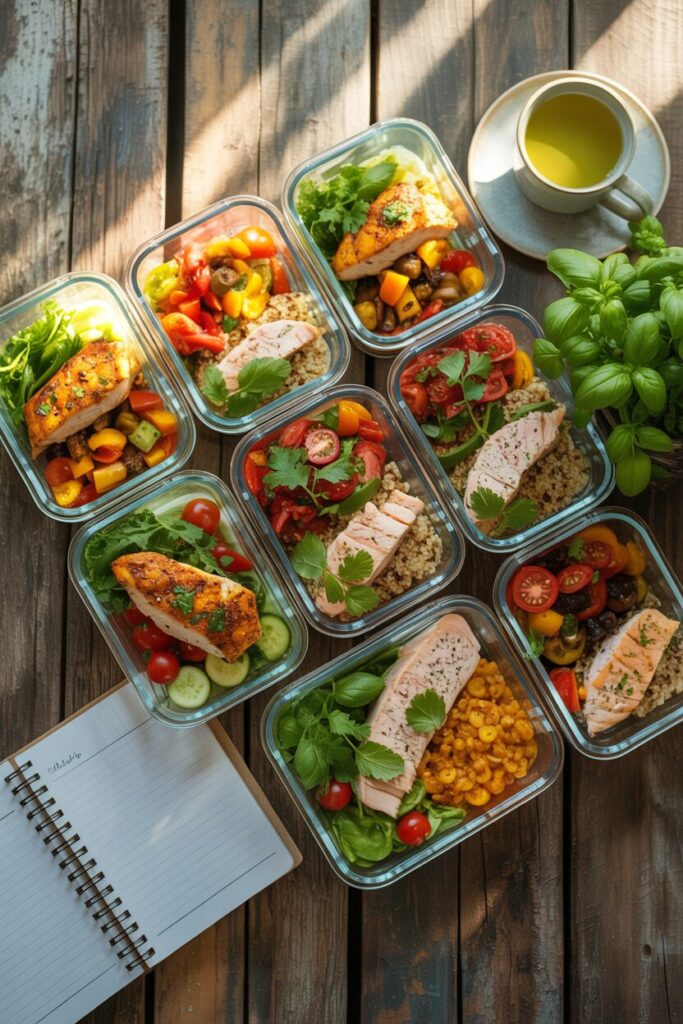
Principle one: Rotate your meals weekly, not daily. You’ll prep 4-5 different meals per week and eat them throughout that week. This gives you variety without requiring you to cook 21 different meals. Batch cooking is your best friend here, and I use these airtight meal prep containers that actually keep food fresh for 5-6 days.
Principle two: Prioritize protein at every meal. Aim for 25-35 grams of protein per meal. This keeps you full, preserves muscle mass during weight loss, and has a higher thermic effect than carbs or fats. Whether you prefer chicken, fish, tofu, or Greek yogurt, protein needs to anchor every eating occasion.
Principle three: Front-load your calories earlier in the day. Most people do better with a substantial breakfast and lunch, then a lighter dinner. This matches your body’s natural metabolism patterns and prevents late-night snack attacks when your willpower is depleted.
Principle four: Build in flexibility. Life happens. You’ll have dinner invitations, work events, or days when you just can’t face another piece of grilled chicken. That’s fine. One meal won’t derail 30 days of effort. Adjust, adapt, and move forward.
If you want more guidance on structuring your daily intake, 1200 calorie meal plans for beginners offer a great framework you can scale up based on your needs.
Week 1: Building Your Foundation
The first week sets the tone for everything that follows. You’re establishing routines, figuring out what works, and getting comfortable with meal prep. Don’t try to be perfect—just focus on consistency.
Week 1 Breakfast Options (300-350 calories)
Option 1: Protein-packed overnight oats. Mix half a cup of oats with unsweetened almond milk, a scoop of vanilla protein powder, chia seeds, and top with berries. Prep five jars on Sunday night and grab one each morning. Get Full Recipe.
Option 2: Veggie-loaded egg scramble. Three eggs scrambled with spinach, mushrooms, bell peppers, and a sprinkle of feta cheese. Pair with a slice of whole-grain toast. Takes 10 minutes to make fresh each morning.
Option 3: Greek yogurt power bowl. Plain non-fat Greek yogurt topped with a tablespoon of almond butter, sliced banana, and a sprinkle of granola. The protein-to-calorie ratio here is unbeatable.
I prep my overnight oats in these wide-mouth mason jars because they’re easier to eat from directly, and you can layer everything without it turning into a mushy mess by day three.
Week 1 Lunch Options (400-450 calories)
Option 1: Grilled chicken Caesar salad. Four ounces of grilled chicken over romaine lettuce with a measured two tablespoons of light Caesar dressing, cherry tomatoes, and a few Parmesan shavings. Add chickpeas for extra fiber.
Option 2: Turkey and avocado wrap. Use a low-carb tortilla, pile on turkey breast, quarter of an avocado, lettuce, tomato, and mustard. Side of baby carrots and hummus. Get Full Recipe.
Option 3: Tuna salad with crackers. Mix canned tuna with Greek yogurt instead of mayo, add diced celery and red onion, serve with whole-grain crackers and cucumber slices. Surprisingly filling for the calorie count.
The key to lunch success is having proteins already cooked. Every Sunday, I grill a massive batch of chicken using this indoor grill pan that gives you those nice char marks without firing up an outdoor grill.
Week 1 Dinner Options (450-500 calories)
Option 1: Baked salmon with roasted vegetables. Five ounces of salmon seasoned with lemon and dill, roasted alongside Brussels sprouts, carrots, and red onions. Add a small portion of quinoa if you have room in your calorie budget.
Option 2: Turkey taco bowl. Lean ground turkey seasoned with taco spices, served over cauliflower rice with black beans, salsa, Greek yogurt, lettuce, and tomatoes. Way more satisfying than it sounds.
Option 3: Chicken stir-fry with loads of veggies. Four ounces of chicken breast with broccoli, snap peas, bell peppers, and onions in a light sauce. Serve over a small portion of brown rice. The vegetable volume makes this incredibly filling.
For stir-fries, you really need a good non-stick wok that distributes heat evenly. Game changer for getting that restaurant-quality sear without drowning everything in oil.
Week 1 Snacks (100-150 calories each, two per day)
Keep these simple and portable: a small apple with a tablespoon of almond butter, string cheese with 10 almonds, Greek yogurt with berries, or veggie sticks with two tablespoons of hummus. The goal is bridging the gap between meals without blowing your calorie budget.
For more ideas that keep things interesting, check out healthy snack ideas under 200 calories and high-protein energy bites that you can batch-make on Sundays.
Week 2: Adding Variety and Flavor
By week two, you’ve got the basics down. Now we’re mixing things up to prevent boredom while maintaining your calorie targets. This is where most people either hit their stride or fall off the wagon—don’t be the person who falls off.
Week 2 Breakfast Rotation
Swap in new options while keeping the same calorie ranges. Try a protein smoothie bowl with frozen berries, protein powder, spinach (you won’t taste it, I promise), and topped with sliced banana and a few walnuts. Or make egg muffins with turkey sausage, peppers, and cheese that you can grab and reheat all week.
The smoothie bowl needs a decent blender to get everything smooth—I use one that pulverizes frozen fruit without leaving chunks that require actual chewing.
Week 2 Lunch Updates
Introduce new proteins and flavor profiles. Mediterranean quinoa bowl with grilled chicken, cucumber, tomatoes, olives, feta, and a lemon-herb dressing. Or try an Asian-inspired lettuce wrap with ground turkey, water chestnuts, and a ginger-soy sauce. Get Full Recipe.
Both of these travel well if you’re packing lunch for work, and they taste way better than sad desk salads that make you question your life choices.
Week 2 Dinner Variations
Mix up your proteins and cooking methods. Baked cod with green beans and sweet potato, lean beef stir-fry with mushrooms and bok choy, or grilled chicken thighs (yes, thighs—dark meat has more flavor and the calorie difference is minimal if you remove the skin) with roasted root vegetables.
The sweet potato revelation: if you wrap them in foil and bake them, they come out perfectly creamy every time. No more rock-hard centers or burnt edges.
Speaking of dinner variety, sheet pan dinners and one-pot low-calorie meals make cooking less of a production when you’re tired and just want to eat something that doesn’t suck.
Week 3: Mastering Meal Prep Like a Pro
Three weeks in, you’re a meal prep veteran. This week focuses on efficiency and strategy. You know what you like, what keeps you full, and how to make this sustainable.
The Sunday Prep Session That Changes Everything
Block out 2-3 hours on Sunday. Put on a podcast or some music, and get to work. Here’s the strategic approach that actually works:
Start with proteins: Grill or bake 3-4 pounds of chicken breast, cook a batch of ground turkey, bake some salmon, and hard-boil a dozen eggs. Season everything well because bland protein on a calorie deficit is a special kind of torture.
Roast your vegetables: Fill two sheet pans with mixed vegetables—Brussels sprouts, broccoli, cauliflower, bell peppers, zucchini. Roast them with a light spray of oil and your favorite seasonings. These become the base for multiple meals.
Prep your grains and starches: Cook a big batch of quinoa, brown rice, or sweet potatoes. Portion them into half-cup servings immediately so you’re not eyeballing portions all week.
Chop your raw vegetables: Wash and chop lettuce, cucumber, tomatoes, carrots, and anything else you’ll use for salads or snacks. Store them in these produce saver containers that actually keep lettuce crisp for a week.
Portion everything: Divide proteins and vegetables into individual containers. Label them if you’re fancy, or just grab whatever combination sounds good each day.
The meal prep efficiency comes from having components ready to mix and match rather than complete pre-assembled meals that you’ll get sick of by day four.
Week 3 New Recipe Introductions
Try zucchini noodles with turkey meatballs (spiralize the zucchini using this handheld spiralizer that’s way easier than the big contraptions), stuffed bell peppers with ground turkey and cauliflower rice, or lemon herb chicken with asparagus and wild rice.
Each of these recipes offers something different texturally and flavor-wise, which matters more than you’d think when you’re three weeks into structured eating.
Week 4: Bringing It Home Strong
The final week is about solidifying these habits and planning your exit strategy. Because yes, day 31 exists, and you need a plan for it.
Maintaining Variety Without Meal Prep Burnout
By week four, you might be feeling some meal prep fatigue. That’s normal. Scale back if needed—maybe you only prep breakfasts and lunches, then cook quick dinners fresh. Or prep every other week instead of weekly.
The goal isn’t perfection; it’s finding a sustainable rhythm. Some people love having every meal ready to go. Others need more spontaneity. Figure out which camp you’re in and adjust accordingly.
Week 4 Celebration Meals (Still Low-Calorie)
Reward yourself with slightly fancier preparations. Pan-seared scallops with garlic butter and asparagus, herb-crusted pork tenderloin with roasted Brussels sprouts, or shrimp tacos with mango salsa and all the fixings.
These meals feel special without destroying your calorie budget. You’re proving to yourself that “diet food” doesn’t have to be boring punishment food.
For more celebratory but still healthy options, browse through clean eating dinner recipes and restaurant-style meals under 500 calories for inspiration.
The Snack Strategy That Saves Your Sanity
Let’s talk snacks, because this is where most people secretly sabotage themselves. You think you’re eating 100 calories of almonds, but you’re actually stress-eating 400 calories straight from the bag while standing at the kitchen counter.
Pre-portion everything. Take that big bag of almonds and divide it into small snack containers with exactly 12 almonds each. Yes, it’s tedious. Yes, it works. You can’t accidentally eat three servings if you only have one serving available.
Keep high-volume, low-calorie options readily available. Cut vegetables, air-popped popcorn (get this microwave popcorn popper that uses no oil), sugar-free Jello, or frozen grapes. When you need to mindlessly munch, these won’t wreck your progress.
Plan for your weak spots. If you always crave something sweet at 3 PM, have a protein shake or Greek yogurt with fruit ready. If you’re a nighttime snacker, save 150 calories for an evening snack instead of trying to white-knuckle your way through cravings every night.
The protein-packed snacks for weight loss collection has been a lifesaver during my own 30-day stretches—real talk.
Navigating Social Situations and Restaurant Meals
FYI, you will have social obligations during your 30 days. You’re not a hermit (probably), and trying to avoid all social eating situations is both unrealistic and sad.
Restaurant strategies: Check the menu online beforehand and decide what you’ll order. Choose grilled proteins and vegetables. Ask for dressings and sauces on the side. Don’t be afraid to make modifications—restaurants want your business and will accommodate reasonable requests.
Dinner parties: Eat a small protein-rich snack before you go so you’re not ravenous. Fill your plate mostly with vegetables and lean proteins. Have one small portion of whatever special dish you want, then move on.
Happy hours: Stick to clear spirits with soda water and lime, or a glass of wine. Avoid sugary cocktails that pack 300+ calories per drink. And for the love of all that’s holy, step away from the fried appetizer platter.
The key is planning ahead rather than making decisions when you’re already hungry and surrounded by temptation. Future you will thank present you for this strategic thinking.
Troubleshooting Common Week-by-Week Challenges
Let’s be honest about what you’ll face and how to handle it without giving up entirely.
Week 1 challenge: Everything feels hard. You’re hungry, cranky, and wondering why you thought this was a good idea. Push through. Your body is adjusting. Drink tons of water, get enough sleep, and remind yourself this gets easier.
Week 2 challenge: Boredom sets in. You’re sick of your meals already. This is why we rotate recipes weekly and introduce new options. Pull from 30-minute healthy dinners or budget-friendly meal prep ideas to refresh your rotation.
Week 3 challenge: Life gets in the way. Work stress, family obligations, unexpected events—they’ll all conspire against your meal prep. Have backup options: pre-cooked rotisserie chicken from the grocery store, bagged salad kits, or frozen healthy meals that meet your calorie targets.
Week 4 challenge: The finish line is in sight, so you get cocky. Don’t blow it in the final week because you think you’ve already won. Stay focused, trust the process, and finish strong.
According to research from the National Institutes of Health, consistency matters more than perfection when it comes to sustainable weight loss. One imperfect day doesn’t undo three weeks of solid work.
Beyond Day 30: Your Maintenance Strategy
So what happens on day 31? Do you immediately return to your previous eating habits and watch all your progress evaporate? Please, no.
Transition gradually. Add 100-200 calories per week until you reach your maintenance level. This reverse dieting approach prevents the metabolic adaptation and rapid weight regain that happens when people jump from restriction to eating everything in sight.
Keep the habits, lose the rigidity. You’ve built valuable skills: meal prepping, portion control, protein prioritization, and eating more vegetables. Keep these habits while allowing more flexibility in your food choices.
Continue tracking, at least loosely. You don’t need to weigh and measure everything forever, but maintaining some awareness prevents the slow creep back to old habits. Even just taking photos of your meals can help maintain accountability.
Set new goals. Maybe now you focus on strength training, trying new recipes, or improving your cooking skills. Having a new challenge keeps you engaged and prevents backsliding.
For long-term success strategies, exploring flexible dieting approaches and intuitive eating principles can help you find a balance between structure and freedom.
Related Recipes You’ll Love
Looking for more ideas to keep your 30-day plan interesting? Here are some recipes that fit perfectly into a low-calorie eating plan:
More Breakfast Ideas:
- High-protein pancakes made with cottage cheese
- Breakfast egg muffins with turkey sausage
- Overnight chia pudding variations
Satisfying Lunch Options:
- Buddha bowl with roasted chickpeas and tahini
- Greek chicken bowl with tzatziki
- Low-carb turkey lettuce wraps
Complete Meal Plans:
- 7-day clean eating meal plan with shopping list
- Budget-friendly weekly meal prep guide
- Vegetarian low-calorie meal plan
These recipes were specifically designed with calorie-conscious eating in mind, so you won’t need to modify them to fit your plan.
The Real Talk Conclusion
IMO, a 30-day meal plan works when you approach it as a learning experience rather than a temporary punishment. You’re not suffering through a month of deprivation—you’re figuring out what sustainable healthy eating looks like for you specifically.
Some people will love the structure and continue it indefinitely. Others will take the skills and apply them more flexibly. Both approaches are valid. The goal is finding what works for your life, your preferences, and your long-term success.
The meals I’ve outlined here give you a framework, not a prison sentence. Swap ingredients based on what you like and what’s available. Adjust portions based on your specific calorie needs. Make it your own, because that’s the only way this becomes sustainable.
And remember: thirty days is just the beginning. You’re not just losing weight—you’re building a foundation for actually keeping it off. That’s worth way more than any quick-fix crash diet that leaves you right back where you started plus five extra pounds of rebound weight.
Now stop overthinking it and go prep some chicken. You’ve got this.