25 Low-Calorie Meal Prep Ideas for Busy Weekdays
You know that Sunday scaries feeling when you realize you haven’t planned a single meal for the week ahead? Yeah, I’ve been there more times than I’d like to admit. But here’s the thing—meal prepping doesn’t have to mean spending your entire weekend chain-locked to the stove like some kind of culinary prisoner.
I’m about to walk you through 25 low-calorie meal prep ideas that actually work for real people with real schedules. No fancy equipment required. No meal prep containers the size of your torso. Just simple, filling food that won’t derail your goals or bankrupt your grocery budget.
Let’s get into it.
Why Low-Calorie Meal Prep Actually Works
I used to think meal prep was just for bodybuilders and fitness influencers who ate chicken and broccoli seven days a week. Turns out, I was wrong. Research shows that people who plan their meals ahead tend to eat more fruits and vegetables, stick to appropriate portion sizes, and actually lose weight without feeling like they’re on some restrictive diet.
The beauty of low-calorie meal prep is that you’re making decisions when you’re calm and collected, not when you’re hangry at 7 PM staring into an empty fridge. You control the portions, the ingredients, and most importantly—you save yourself from that late-night pizza order that seemed like a good idea at the time.
Plus, when you prep low-calorie meals, you’re not starving yourself. You’re just being smarter about food choices. Think volume eating—lots of veggies, lean proteins, and whole grains that actually fill you up without the calorie bomb.
Breakfast Meal Prep Ideas That Don’t Suck
1. Overnight Oats (Multiple Flavors)
I make five jars every Sunday night, and they’ve legitimately changed my mornings. Mix rolled oats with unsweetened almond milk, a scoop of protein powder, and whatever toppings you’re feeling. Blueberries and cinnamon? Done. Banana and a drizzle of natural almond butter? Perfect.
Each jar clocks in around 250-300 calories, and they keep you full until lunch. No more grabbing that office muffin that’s basically cake in disguise.
2. Egg Muffin Cups
Whisk eggs with chopped veggies, pour into a silicone muffin pan, bake, and boom—you’ve got portable protein bombs. I throw in spinach, tomatoes, and a bit of feta cheese. Each muffin is around 70-80 calories, so you can eat two or three and still be well under 300 calories.
They reheat beautifully in the microwave, and they’re way better than that sad drive-through breakfast sandwich.
3. Greek Yogurt Parfait Jars
Layer nonfat Greek yogurt with fresh berries and a sprinkle of granola. I use these small mason jars because they’re the perfect portion size and they don’t leak in my bag. Under 200 calories if you watch the granola, which let’s be honest, is way too easy to overdo.
Looking for more morning fuel? Check out these low-calorie breakfasts or these calorie deficit breakfast ideas perfect for busy mornings.
4. Protein Pancake Stacks
Make a batch of protein pancakes, stack them with parchment paper between each one, and freeze. Microwave for 45 seconds when you’re ready to eat. I top mine with fresh strawberries instead of syrup—saves calories and tastes better anyway.
5. Chia Seed Pudding
Mix chia seeds with almond milk and a touch of vanilla extract. Let it sit overnight, and you’ve got a creamy, filling breakfast that’s packed with fiber. Around 180 calories per serving, and it keeps you ridiculously full. Add some sliced mango or kiwi on top for extra flavor.
“I started meal prepping these overnight oats and chia puddings, and I swear it’s the only reason I’m not face-planting into a donut box every morning. Lost 12 pounds in two months without feeling deprived.” — Jessica from our community
Lunch Ideas That’ll Make Your Coworkers Jealous
6. Mason Jar Salads
The trick is layering. Dressing goes at the bottom, then hearty veggies like cucumbers and tomatoes, then grains or proteins, and finally the greens on top. When you’re ready to eat, shake it up. I use wide-mouth quart jars and they last four days easy.
My go-to combo: balsamic vinaigrette, chickpeas, cherry tomatoes, cucumber, grilled chicken, and mixed greens. Around 300 calories and actually fills me up.
7. Quinoa Power Bowls
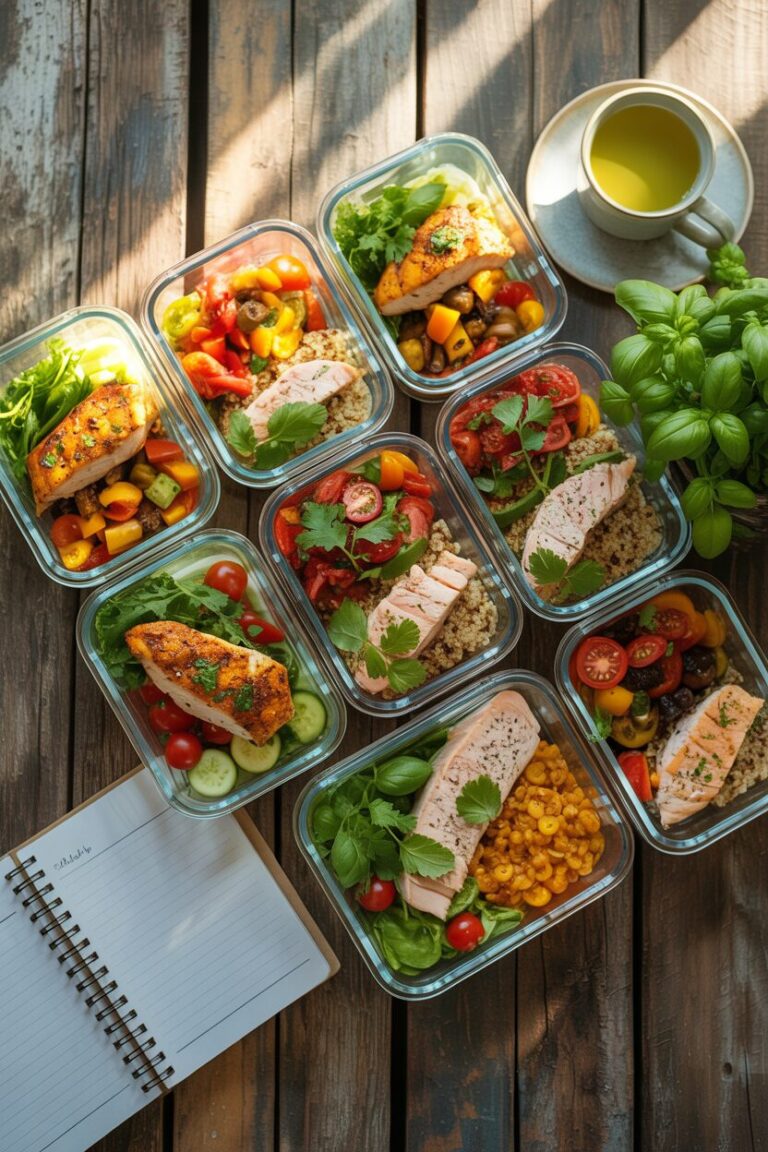
Cook a big batch of quinoa, then portion it into containers with roasted veggies and grilled chicken or tofu. I rotate the veggies weekly—sometimes it’s roasted sweet potato and Brussels sprouts, other times it’s zucchini and bell peppers. Keeps things interesting.
8. Turkey and Veggie Wraps
Low-carb tortillas, sliced turkey breast, hummus, and a ton of veggies. Roll them tight, wrap in foil, and you’re golden. Each wrap is around 250 calories, and you can eat it cold or quickly warm it up. Get Full Recipe.
9. Cauliflower Fried Rice
I make a huge batch using riced cauliflower, scrambled eggs, peas, carrots, and a splash of low-sodium soy sauce. Four servings later, and each one’s under 200 calories. It reheats perfectly and tastes even better the next day.
10. Zoodle Meal Prep Containers
Spiralize zucchini (or buy it pre-spiralized because who has time?), portion it raw into containers, and add your protein and sauce separately. When you’re ready to eat, microwave for two minutes. Way fewer calories than pasta, and honestly, with the right sauce, you won’t even miss the carbs.
If you need more inspiration for midday meals, try these low-calorie lunch ideas or these easy low-calorie lunches for work.
Dinner Prep That Doesn’t Require a Culinary Degree
11. Sheet Pan Chicken and Veggies
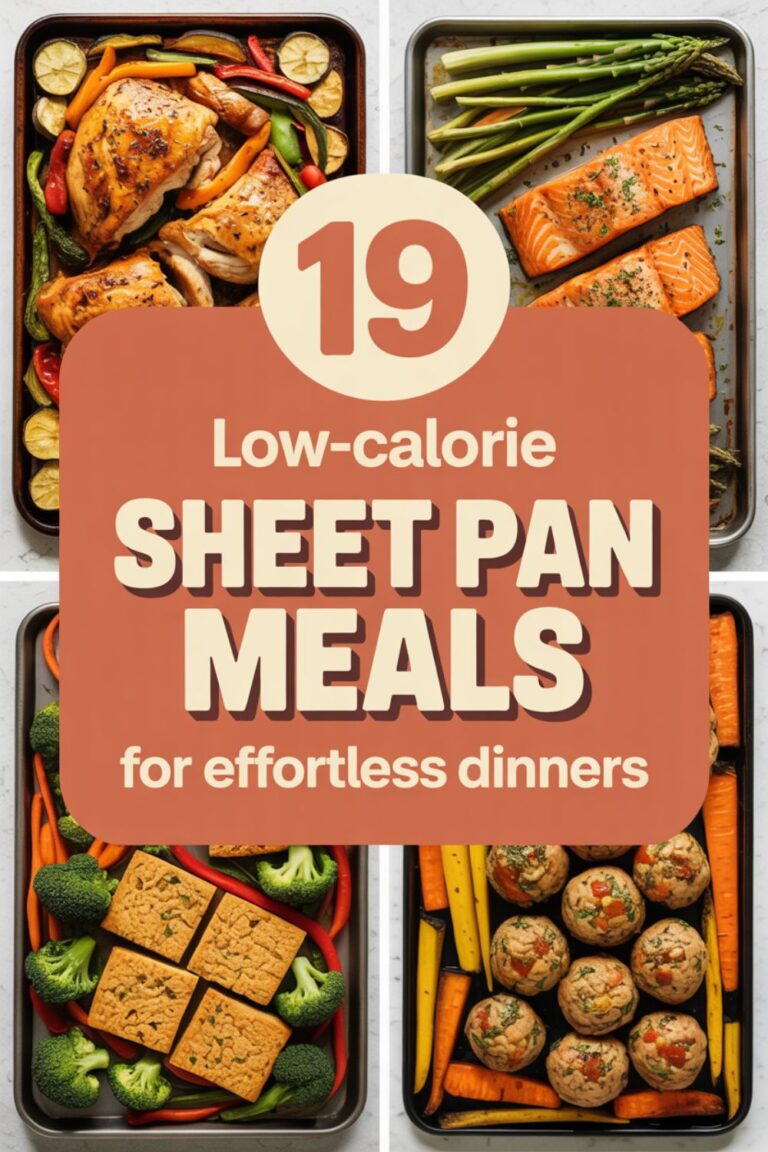
Toss chicken breast, broccoli, and bell peppers with olive oil and seasonings. Bake everything on one pan. Divide into containers. Done. Each serving is around 350 calories, and cleanup is minimal because it’s all one pan. I use these rimmed baking sheets and they’re basically indestructible.
12. Slow Cooker Chili
Dump lean ground turkey, canned tomatoes, beans, and chili seasoning into a slow cooker. Walk away for six hours. Come back to a week’s worth of dinners. Each bowl is around 280 calories and loaded with protein and fiber.
13. Baked Salmon with Asparagus
Season salmon fillets, surround them with asparagus spears, and bake. Super simple, super healthy, super filling. Around 320 calories per serving, and the omega-3s are a nice bonus for your brain and heart.
14. Turkey Taco Bowls
Brown some ground turkey with taco seasoning, then portion it over cauliflower rice with black beans, salsa, and a sprinkle of cheese. Each bowl hits around 330 calories, and it’s way more satisfying than any diet food has the right to be. Get Full Recipe.
15. Lemon Herb Chicken Thighs
Chicken thighs get a bad rap for being higher in calories, but they’re still reasonable if you remove the skin and watch your portions. Marinate them in lemon juice, garlic, and herbs, then bake. They stay moist all week, unlike chicken breast which can turn into shoe leather if you look at it wrong.
For more dinner inspo, check out these low-calorie dinners that actually fill you up or these easy dinner ideas you’ll want weekly.
Meal Prep Essentials Used in This Plan
Look, you don’t need every gadget under the sun to meal prep successfully. But these few items have made my life infinitely easier:
- Glass meal prep containers with snap lids – Worth every penny. They don’t stain, they’re microwave-safe, and they last forever.
- Digital kitchen scale – Game changer for portion control. No more guessing if that’s actually 4 oz of chicken.
- Quality chef’s knife – Chopping veggies is way less painful with a sharp knife. Your fingers will thank you.
Digital Resources:
- My 7-Day 1200 Calorie Meal Plan – Perfect for getting started
- This 30-Day Low-Calorie Meal Plan – Takes all the guesswork out
- Free printable meal planner – Because writing it down actually helps
Snacks and Sides to Round Out Your Week
16. Hummus and Veggie Cups
Portion hummus into small containers, pack cut veggies in bags. Grab and go. Each serving is around 120 calories and keeps you from inhaling an entire bag of chips at 3 PM.
17. Hard-Boiled Eggs
Make a dozen on Sunday. Peel them all at once (under running water makes it easier, FYI). Each egg is roughly 70 calories and packed with protein. I sprinkle mine with everything bagel seasoning because plain hard-boiled eggs are kind of boring.
18. Energy Bites
Mix oats, natural peanut butter, honey, and dark chocolate chips. Roll into balls, refrigerate. Each bite is around 100 calories, and they satisfy that afternoon sweet tooth without derailing your entire day.
19. Roasted Chickpeas
Toss canned chickpeas with olive oil and spices, roast until crispy. They’re crunchy, savory, and shockingly low-calorie for how satisfying they are. Around 130 calories per half-cup serving.
20. Greek Yogurt Ranch Dip
Mix Greek yogurt with ranch seasoning, use it for dipping veggies. Way lower in calories than regular ranch, and honestly tastes better. Two tablespoons clock in at about 35 calories.
Speaking of snacks, you might also dig these low-calorie snacks under 150 calories or these snacks that satisfy cravings fast.
Smart Swaps and Bonus Ideas
21. Cauliflower Pizza Crust Personal Pizzas
Make or buy cauliflower pizza crusts, top with light sauce, part-skim mozzarella, and veggies. Bake and freeze individually. Each pizza is around 300 calories and way better than the frozen cardboard you’d normally grab.
22. Lettuce Wrap Burger Bowls
Grill turkey burgers, chop them up, and serve over lettuce with pickles, tomatoes, and mustard. All the burger vibes, way fewer calories. Each bowl is around 280 calories, and you don’t miss the bun as much as you’d think.
23. Veggie-Loaded Egg Roll Bowls
Ground chicken or turkey, coleslaw mix, soy sauce, ginger, and garlic. Sauté everything together and portion into containers. It’s deconstructed egg rolls without the fried wrapper. Around 250 calories per serving and legitimately delicious.
24. Low-Calorie Soup Batches
Make a huge pot of vegetable soup or chicken tortilla soup. Portion into containers or freezer bags. Most homemade soups clock in under 200 calories per serving, and they’re perfect for those days when you just want something warm and comforting. Get Full Recipe.
25. Protein Smoothie Freezer Packs
Portion out your smoothie ingredients into freezer bags—spinach, frozen berries, protein powder, and whatever else you like. In the morning, dump the bag contents into a blender with liquid and blend. Each smoothie is around 200-250 calories depending on what you add.
For extra protein-packed options, browse through these high-protein low-calorie meals or these high-protein meals for weight loss.
Tools & Resources That Make Cooking Easier
These are the tools I actually use every single week. Not just stuff sitting in my cabinet collecting dust.
- Instant Pot or pressure cooker – Rice, beans, whole chickens—done in a fraction of the time
- Vegetable spiralizer – For all those zoodles and veggie noodles
- Silicone baking mats – I use these on everything. Zero sticking, zero scrubbing.
Helpful Guides:
- Check out how to lose weight on 1200-1500 calories without starving
- This guide on what I eat in a 1200-calorie day shows realistic meal ideas
- The 1200 vs 1500 calorie comparison helps you figure out which plan fits your needs
How to Actually Stick With Meal Prep
I’m not gonna sugarcoat it—the first couple weeks of meal prepping can feel like a lot. You’re figuring out what you like, what actually reheats well, and how much food you realistically need. But here’s the secret: start small.
Don’t try to prep breakfast, lunch, dinner, and snacks for seven days straight. That’s a recipe for burnout and a fridge full of food you won’t eat. Start with just lunches. Or just breakfast. Get comfortable with the process before you scale up.
Also, variety is your friend. I used to make the exact same chicken and rice five days in a row, and by Wednesday I wanted to throw it all in the trash. Now I make sure there’s at least some variation—different proteins, different flavor profiles, different textures.
And here’s something nobody tells you: it’s okay to buy some convenience items. Pre-cut veggies, rotisserie chicken, pre-cooked grains—these things cost a bit more, but if they’re the difference between you meal prepping and not meal prepping, they’re worth it.
“Meal prep completely changed my relationship with food. I’m not constantly stressed about what to eat, I’m saving money by not ordering takeout, and I’ve lost 18 pounds over four months. It’s not magic, but it works.” — Taylor from our community
Common Meal Prep Mistakes to Avoid
Making too much food. I get it, you’re excited, you want to prep everything. But food fatigue is real. Make what you’ll actually eat in 3-4 days max. Freeze the rest if you made too much.
Not labeling containers. You will forget what’s in that mystery container. You will not remember if you made it Sunday or last month. Label everything with the date and contents. Harvard’s nutrition experts recommend staying organized with your meal prep schedule to maximize success.
Ignoring proper storage. Some foods just don’t meal prep well. Crispy things get soggy. Delicate greens wilt. Avocados turn brown. Learn what actually holds up and plan accordingly.
Forgetting about seasoning. Low-calorie doesn’t mean low-flavor. Use herbs, spices, citrus, vinegars—make your food taste good or you won’t eat it, no matter how healthy it is.
Not having a backup plan. Sometimes life happens and you don’t eat your prepped meals. Don’t let them go to waste. Freeze them, repurpose them, or adjust your plan for next week. Flexibility is key.
The Nutritional Side of Low-Calorie Meal Prep
Let’s talk nutrients for a second. Just because something is low in calories doesn’t automatically make it healthy. You could eat 1200 calories of gummy bears and technically be in a calorie deficit, but you’d feel terrible and probably be malnourished.
When you’re meal prepping low-calorie meals, you want to focus on nutrient density—foods that pack a lot of vitamins, minerals, and other good stuff into relatively few calories. Think leafy greens, lean proteins, colorful vegetables, whole grains, and healthy fats in moderation.
Protein is especially important. It keeps you full, helps maintain muscle mass while you’re losing weight, and has a higher thermic effect than carbs or fat (meaning your body burns more calories digesting it). IMO, every meal should have a solid protein source—whether that’s chicken, fish, tofu, Greek yogurt, or eggs.
Fiber is another MVP. It slows digestion, keeps you satisfied, and helps with all the digestive stuff we don’t need to get into. Vegetables, fruits, whole grains, and legumes are your fiber friends. Ohio State University’s dietitians point out that meal planning helps ensure you get enough fruits and vegetables throughout the week.
Don’t completely avoid healthy fats either. Your body needs them for hormone production, vitamin absorption, and brain health. A little olive oil, some avocado, nuts, or seeds go a long way. Just watch the portions because fats are calorie-dense.
If you’re trying to understand the science better, check out these low-calorie foods that help reduce belly fat and this list of low-calorie grocery staples.
Frequently Asked Questions
How long do meal prepped foods stay fresh in the fridge?
Most cooked meals stay good for 3-4 days in the fridge. If you’re prepping for longer than that, freeze half of what you make and thaw it midweek. Meals with seafood should be eaten within 2 days, while heartier dishes like soups and stews can sometimes push to 5 days if stored properly in airtight containers.
Can I lose weight just by meal prepping low-calorie meals?
Meal prepping is a tool, not a magic solution, but it’s a really effective one. When you prep portion-controlled, low-calorie meals, you’re setting yourself up for success by removing impulsive food decisions. Combined with staying in a calorie deficit and moving your body regularly, meal prep can absolutely help you lose weight consistently without feeling deprived.
Do I need expensive containers and equipment to start meal prepping?
Nope. You can start with whatever containers you already have—even reused takeout containers work fine initially. That said, investing in a few quality glass containers with good seals makes the experience better and they last forever. As for equipment, a sharp knife, cutting board, and basic pots and pans are really all you need to get started.
What if I get bored eating the same meals every week?
This is super common, and it’s why I always recommend prepping 2-3 different meals rather than making five portions of the exact same thing. Rotate your proteins, switch up your seasonings, and try new vegetables each week. You can also prep components separately and mix and match them throughout the week for built-in variety.
Is it safe to reheat meal prepped food multiple times?
You should only reheat food once. If you’re pulling a meal from the fridge, heat only what you’re going to eat right then, not the entire container. Repeated reheating increases bacterial growth and degrades the quality and safety of your food.
Final Thoughts on Low-Calorie Meal Prep
Look, meal prep isn’t about perfection. Some weeks you’ll nail it and have a fridge full of beautifully portioned meals. Other weeks you’ll forget to defrost the chicken and end up with cereal for dinner on Wednesday. That’s life.
The goal isn’t to become some meal prep robot who never eats out or orders pizza. The goal is to have more good choices readily available so that when you’re tired, stressed, or just don’t feel like cooking, you’ve got something healthy waiting for you instead of defaulting to whatever’s fastest.
These 25 low-calorie meal prep ideas are just a starting point. Take what works, skip what doesn’t, and build a system that actually fits your life. Because the best meal prep plan is the one you’ll actually stick with.
Start small, be patient with yourself, and remember that every meal you prep is one less decision you have to make when you’re already overwhelmed. Future you is going to be really grateful for the effort.