7-Day 1200 Calorie Meal Plan for Weight Loss (Easy & Realistic)
Look, I get it. You’ve probably Googled “1200 calorie meal plan” at 2 AM while stress-eating crackers, wondering if you’re about to sign up for a week of sadness and hunger. But here’s the thing—eating 1200 calories doesn’t have to feel like punishment if you’re strategic about it.
I’ve spent enough time experimenting with different eating patterns to know that the biggest mistake people make is thinking low-calorie automatically means low-satisfaction. Wrong. When you focus on nutrient-dense foods that actually fill you up, 1200 calories can take you pretty far. This isn’t about deprivation; it’s about being smart with your choices.
This 7-day plan I’m sharing isn’t some fantasy where you survive on celery sticks and self-loathing. It’s realistic, flexible, and—most importantly—doesn’t require you to cook three elaborate meals from scratch every single day. Because let’s be honest, who has time for that?
Why 1200 Calories Actually Works (When Done Right)
Before we jump into the meal plan, let’s talk numbers. A 1200 calorie diet creates a significant caloric deficit for most people, which is exactly what you need for weight loss. But—and this is crucial—it’s not appropriate for everyone.
If you’re super active, tall, or have a lot of muscle mass, 1200 calories might be too aggressive. This approach works best for shorter, more sedentary individuals looking to lose weight, or as a short-term strategy under professional guidance. Always check with your doctor before drastically cutting calories.
The key to making 1200 calories work without feeling like you’re slowly wasting away is prioritizing protein and fiber. These two nutrients are your best friends because they keep you full longer and help preserve muscle mass while you’re losing fat. Protein requires more energy to digest, and fiber slows down digestion—both win-win situations when you’re trying to stay satisfied on fewer calories.
What Makes This Meal Plan Different
I’m not going to pretend this is some revolutionary approach. It’s not. But what makes it practical is that it accounts for real life. You’ll notice I’ve included options for meal prep, quick swaps, and even a couple of convenience items because not everyone wants to chop vegetables for an hour every Sunday.
The meals are built around whole foods—lean proteins, vegetables, fruits, and healthy fats—but I’ve also made room for things like Greek yogurt and whole grain bread because eating shouldn’t feel like a chore. Plus, the plan is flexible enough that you can swap meals around based on what you actually feel like eating.
Day 1: Starting Strong
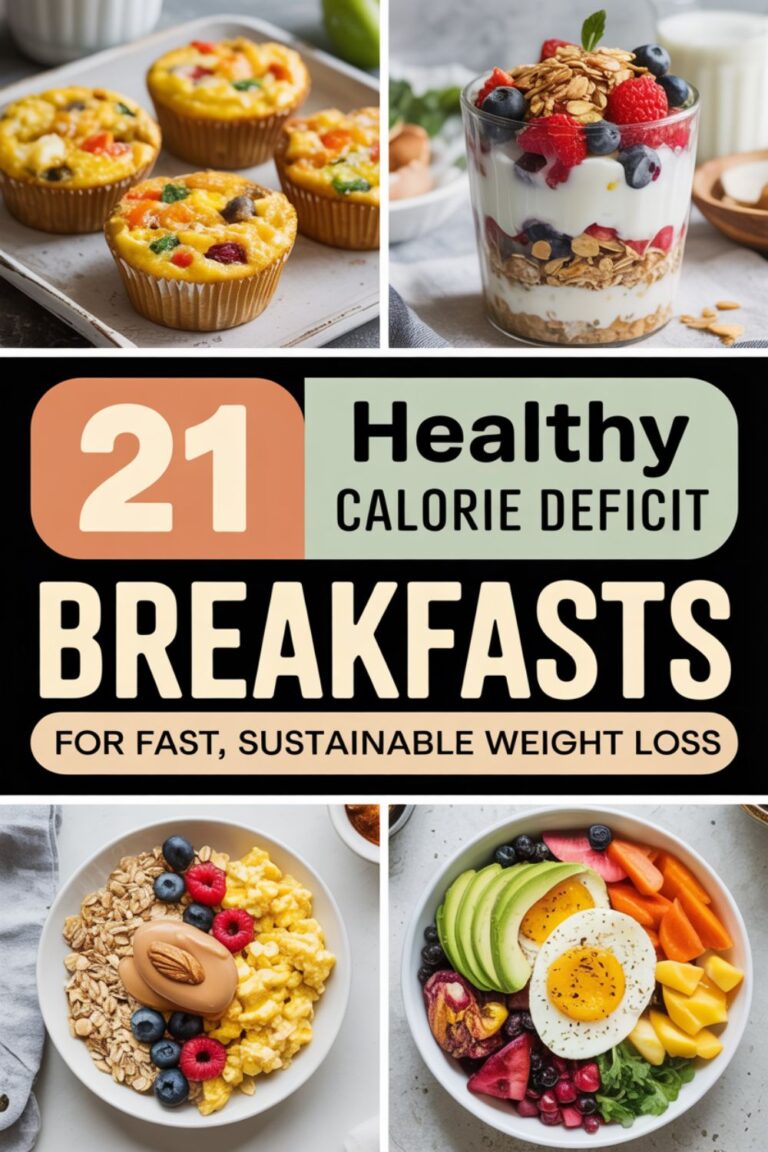
Breakfast (280 calories): Greek yogurt parfait with 1 cup nonfat Greek yogurt, 1/2 cup mixed berries, and 2 tablespoons of granola. This combo gives you a solid protein hit first thing in the morning, which helps curb those mid-morning snack attacks. I use this glass parfait jar set to prep these the night before—keeps everything fresh and layered perfectly.
Snack (80 calories): One medium apple. Simple, portable, and honestly underrated as a snack.
Lunch (400 calories): Grilled chicken salad with 4 oz grilled chicken breast, 2 cups mixed greens, cherry tomatoes, cucumber, and 2 tablespoons balsamic vinaigrette. I usually prep the chicken in bulk on Sundays—saves so much time during the week. This indoor grill pan makes perfect grill marks without needing to go outside.
Snack (90 calories): 10 baby carrots with 2 tablespoons hummus. The hummus adds healthy fats and makes eating raw vegetables way less depressing.
Dinner (350 calories): Baked salmon (4 oz) with roasted broccoli and 1/2 cup quinoa. Salmon is one of those proteins that feels fancy but takes maybe 15 minutes to cook. Just don’t overcook it or you’ll end up with expensive fish jerky.
Speaking of protein-packed dinners, if you’re looking for more variety throughout the week, you might want to check out some high-protein dinner recipes that keep things interesting without blowing your calorie budget.
Day 2: Keeping the Momentum
Breakfast (290 calories): Veggie omelet made with 2 eggs, spinach, mushrooms, and bell peppers, plus one slice of whole wheat toast. Omelets are stupidly versatile—throw in whatever vegetables are lurking in your crisper drawer. I swear by this nonstick omelet pan—eggs slide right out, zero sticking.
Snack (70 calories): 1/2 cup blueberries. Fresh or frozen, doesn’t matter. I actually prefer frozen sometimes because they last longer and feel like little ice cream bites.
Lunch (380 calories): Turkey and avocado wrap using a whole wheat tortilla, 3 oz turkey breast, 1/4 avocado, lettuce, and tomato. The avocado makes this feel way more substantial than it is.
Snack (100 calories): 1 string cheese. Convenient, portable, and gives you a protein boost between meals.
Dinner (360 calories): Stir-fried tofu with mixed vegetables (broccoli, snap peas, carrots) and 1/3 cup brown rice. Use low-sodium soy sauce or coconut aminos to keep the sodium in check. I swear by this nonstick wok for stir-fries—nothing sticks, and cleanup takes about 30 seconds.
For more plant-based protein ideas that actually taste good, try these tofu and tempeh recipes or this vegan high-protein meal plan that don’t involve pretending you enjoy plain tofu.
Day 3: Midweek Reality Check
By day three, you might be feeling the initial adjustment. That’s normal. Your body is recalibrating, and honestly, the first few days of any calorie reduction can feel a bit rough. Push through—it gets easier.
Breakfast (270 calories): Overnight oats made with 1/2 cup rolled oats, 1/2 cup unsweetened almond milk, 1/2 sliced banana, and a sprinkle of cinnamon. Prep these the night before, and you’ve got breakfast waiting for you when you’re half-awake and functional. Get Full Recipe
Snack (95 calories): 2 tablespoons almonds. Measure these out because it’s weirdly easy to accidentally eat 400 calories worth of almonds without realizing it. These small portion control containers are lifesavers for pre-measuring nuts.
Lunch (390 calories): Lentil soup (1.5 cups) with a side salad. Lentils are insanely filling and packed with both protein and fiber. Plus, soup just feels like a hug in a bowl when you’re trying to eat less. Get Full Recipe
Snack (85 calories): 1 small orange. Citrus fruits are great because they take a minute to peel and eat, which gives your brain time to register satisfaction.
Dinner (360 calories): Grilled chicken breast (4 oz) with roasted Brussels sprouts and sweet potato (1/2 cup cubed). Brussels sprouts get a bad rap, but when you roast them with a tiny bit of olive oil until they’re crispy, they’re actually addictive. This rimmed baking sheet is perfect for roasting vegetables without them rolling everywhere.
Day 4: Finding Your Rhythm
Breakfast (285 calories): Smoothie bowl made with 1 cup unsweetened almond milk, 1 scoop protein powder, 1/2 frozen banana, 1/2 cup spinach, and topped with 1 tablespoon chia seeds. This high-speed blender makes smoothie bowls actually smooth instead of chunky and sad.
Snack (80 calories): 1 hard-boiled egg. Batch cook a dozen eggs at the start of the week, and you’ve got instant protein whenever you need it. This electric egg cooker makes perfect hard-boiled eggs every single time—no guessing, no green yolks.
Lunch (395 calories): Tuna salad made with 4 oz canned tuna (in water), mixed greens, cherry tomatoes, cucumber, and 1 tablespoon olive oil with lemon juice. Tuna is criminally underrated as a lunch protein—cheap, convenient, and packs serious protein.
Snack (90 calories): 1 cup sliced bell peppers. I know, vegetables as a snack sounds boring, but bell peppers are actually kind of sweet and crunchy. Add some everything bagel seasoning if you want to get fancy.
Dinner (350 calories): Turkey meatballs (4 oz ground turkey) with zucchini noodles and marinara sauce (1/2 cup). Zucchini noodles aren’t pasta—let’s not lie to ourselves—but they’re a decent vehicle for sauce when you’re watching calories. This spiralizer makes zucchini noodles in like 30 seconds.
If you’re craving more creative ways to use ground turkey, check out these ground turkey recipes or this turkey burger variations guide that make it way more interesting than the standard meatball.
Day 5: Almost There
Breakfast (280 calories): Cottage cheese bowl with 1 cup low-fat cottage cheese, 1/2 cup pineapple chunks, and 1 tablespoon sliced almonds. Cottage cheese has made a comeback, and honestly, it’s about time. The protein content is insane.
Snack (75 calories): 1/2 cup strawberries. Fresh berries feel like a treat, especially when everything else you’re eating is “healthy.”
Lunch (385 calories): Chicken and vegetable soup (2 cups) with a small whole wheat roll. Soup is your friend on a calorie deficit—high volume, low calories, and actually satisfying. Get Full Recipe
Snack (100 calories): 1 light string cheese and 5 cherry tomatoes. This combo sounds random but works surprisingly well as an afternoon pick-me-up.
Dinner (360 calories): Baked cod (5 oz) with roasted asparagus and 1/2 cup wild rice. Cod is super mild and takes on whatever seasoning you throw at it. Just don’t forget the lemon—it makes all the difference.
According to research from the American Heart Association, consuming fish like cod and salmon at least twice a week provides heart-healthy omega-3 fatty acids that support cardiovascular health.
Day 6: Weekend Warrior
Breakfast (275 calories): Scrambled eggs (2 eggs) with sautéed spinach and mushrooms, plus 1 slice whole wheat toast. Weekend breakfasts should feel slightly more leisurely, even if you’re still counting calories.
Snack (85 calories): 1 small pear. Pears are underrated. That’s all I’m saying.
Lunch (395 calories): Shrimp and avocado salad with 4 oz cooked shrimp, mixed greens, 1/4 avocado, cherry tomatoes, and 2 tablespoons light vinaigrette. Shrimp cooks in like five minutes, which makes it perfect for when you can’t be bothered with meal prep. Get Full Recipe
Snack (90 calories): 2 tablespoons pumpkin seeds. These little guys are packed with magnesium and zinc, plus they’re crunchy enough to satisfy that need to munch on something.
Dinner (355 calories): Grilled turkey burger (4 oz) on a lettuce wrap with tomato, onion, and mustard, plus a side of roasted green beans. The lettuce wrap thing takes some getting used to, but it saves you a solid 120 calories compared to a bun.
For more weekend-friendly meal ideas, these weekend meal prep recipes or Sunday batch cooking guide make the whole week easier.
Day 7: Victory Lap
Breakfast (285 calories): Protein pancakes made with 1 scoop protein powder, 1 egg, 1/2 mashed banana, cooked and topped with 1/2 cup fresh berries. These storage containers are perfect for keeping berries fresh all week without them turning into mush. Get Full Recipe
Snack (80 calories): 10 grapes. Freeze them for a fun twist—they’re like little popsicles.
Lunch (390 calories): Grilled chicken Caesar salad (hold the croutons) with 4 oz chicken, romaine lettuce, 2 tablespoons light Caesar dressing, and 1 tablespoon Parmesan cheese. The cheese makes this feel way more indulgent than it actually is.
Snack (95 calories): 1/4 cup edamame. These are weirdly addictive and give you a solid protein boost.
Dinner (350 calories): Baked chicken thighs (3 oz, skin removed) with roasted cauliflower and 1/2 cup brown rice. Chicken thighs stay juicier than breasts, which is crucial when you’re eating less food overall and need every bite to count.
Looking for more complete meal planning ideas? Check out 14-day clean eating meal plan or 30-day weight loss meal plan that take the guesswork out of what to eat and when.
Practical Tips That Actually Matter
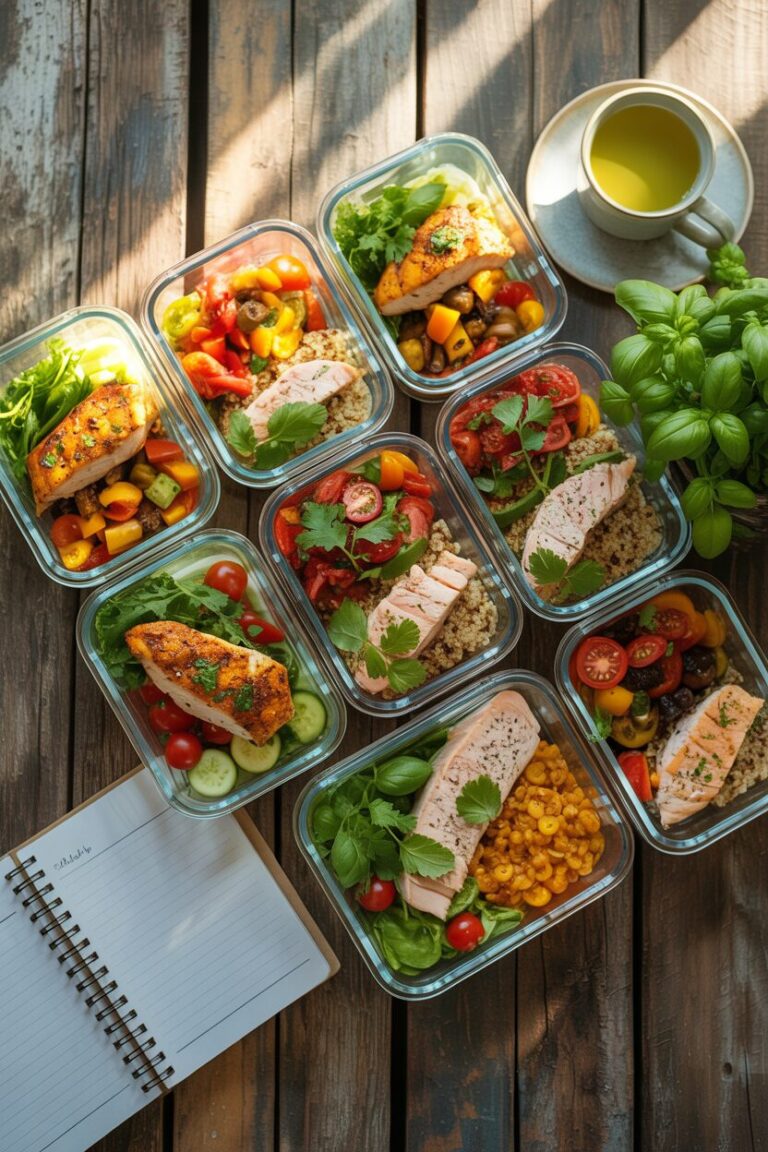
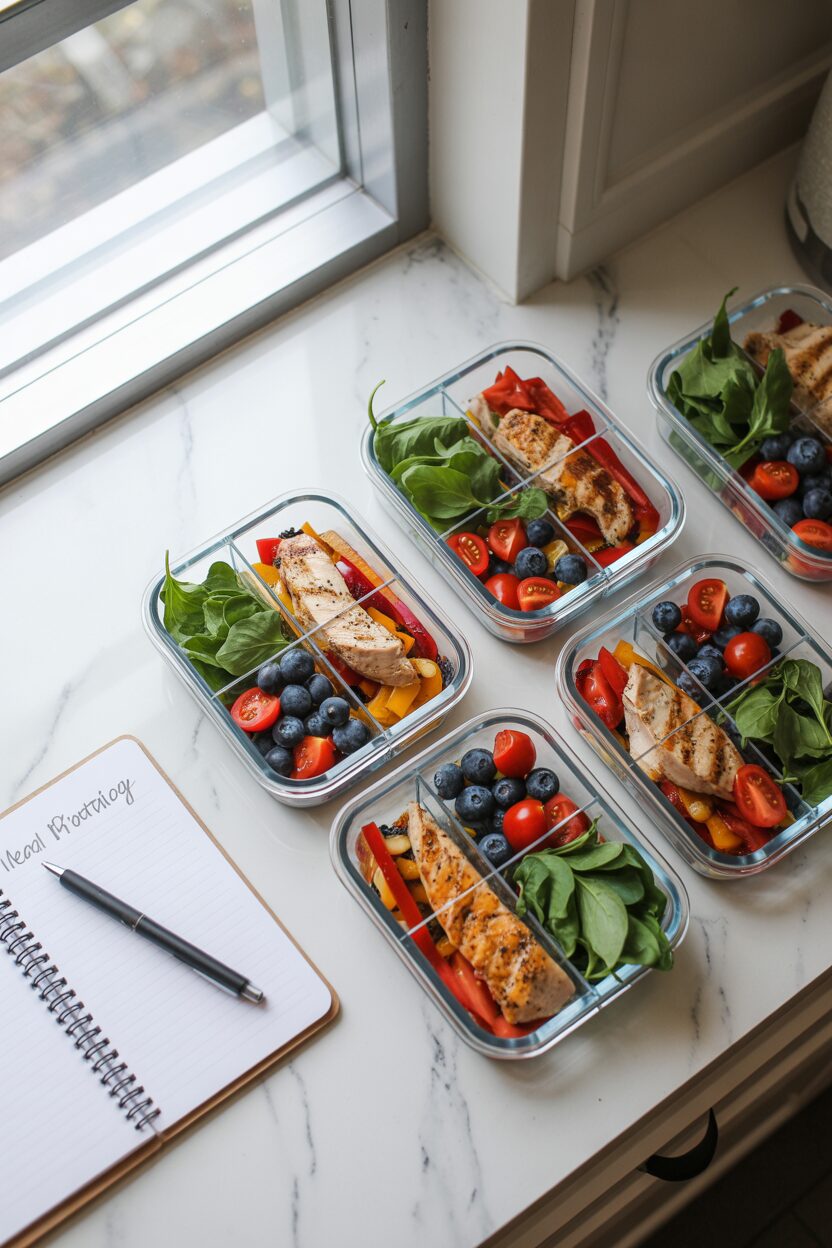
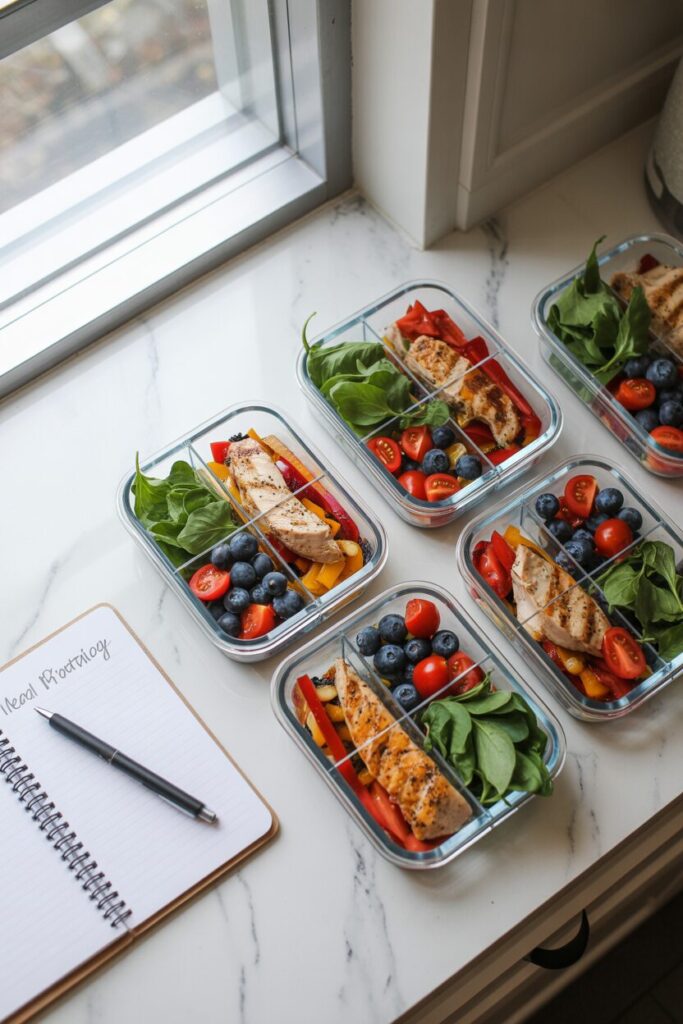
Meal Prep Is Your Secret Weapon I know everyone says this, but seriously—spending two hours on Sunday can save you from making terrible decisions all week. Cook your proteins in bulk, chop your vegetables, and portion everything out. These meal prep containers with dividers make it stupidly easy to grab-and-go without thinking.
Hydration Isn’t Optional Drink water. Like, a lot of it. Sometimes what feels like hunger is actually thirst, and staying hydrated helps with everything from energy levels to skin quality. Keep this reusable water bottle with measurements on hand so you can track your intake without obsessing.
Don’t Skip the Healthy Fats Yes, you’re trying to lose weight, but you still need fats. They help with hormone production, nutrient absorption, and satiety. That’s why you’ll notice avocado, nuts, and olive oil sprinkled throughout this plan. Just measure them carefully because fats are calorie-dense.
Vegetables Are Free Real Estate Okay, not actually free, but most non-starchy vegetables are so low in calories that you can eat massive quantities without derailing your goals. Load up on leafy greens, broccoli, cauliflower, peppers, and zucchini. Volume eating is real, and it helps.
Protein at Every Meal This isn’t negotiable if you want to maintain muscle mass while losing fat. Aim for at least 20-30 grams of protein per meal. It keeps you full, supports recovery if you’re exercising, and has a higher thermic effect than carbs or fats.
For more breakfast ideas that pack in the protein without feeling repetitive, try these high-protein breakfast ideas or meal prep breakfast recipes beyond the standard eggs and Greek yogurt.
When 1200 Calories Isn’t Enough
Let’s be real for a second. Some of you reading this are going to feel hungry on 1200 calories. And that’s okay—it doesn’t mean you’re failing. It might just mean this calorie target isn’t right for you.
If you’re exercising regularly, especially doing any strength training or intense cardio, you probably need more fuel. Active individuals often do better on 1400-1600 calories for sustainable weight loss. The goal is to eat as much as you can while still losing weight, not to eat as little as possible.
Signs that 1200 calories is too aggressive for you include constant fatigue, irritability, difficulty concentrating, hair loss, or your period becoming irregular. If you experience any of these, bump your calories up or talk to a healthcare professional.
Making Swaps Without Losing Your Mind
One of the best things about this meal plan is its flexibility. Hate salmon? Swap it for another lean protein like chicken, turkey, or even white fish. Can’t stand Brussels sprouts? Roast literally any other vegetable.
The key is maintaining similar calorie and macronutrient profiles. If you’re swapping out a 4 oz chicken breast (about 180 calories, 35g protein), replace it with something comparable—not a cup of pasta.
Some easy swaps:
- Greek yogurt ↔ cottage cheese
- Quinoa ↔ brown rice ↔ wild rice
- Chicken ↔ turkey ↔ lean pork
- Almond butter ↔ peanut butter (just measure carefully)
- Spinach ↔ kale ↔ mixed greens
Research on protein intake and muscle preservation shows that maintaining adequate protein during weight loss is crucial for body composition. You’re not just trying to lose weight—you’re trying to lose fat while keeping muscle, which is what actually makes you look and feel better.
The Snack Situation
Snacks on a 1200 calorie diet need to work overtime. They should provide nutrients, keep you satisfied between meals, and prevent you from face-planting into a bag of chips at 4 PM.
The snacks in this plan hover around 75-100 calories and include either protein, fiber, or healthy fats. That’s intentional. A 100-calorie snack of gummy bears won’t do anything for your hunger, but 100 calories of almonds or Greek yogurt actually helps.
Keep your snacks simple and portable. The more complicated they are, the less likely you’ll actually eat them when hunger hits. Pre-portion everything into these small snack containers or bags so you’re not guessing on serving sizes. This digital food scale is also clutch for accurate portions—weighing beats eyeballing every time.
What About Dining Out?
Look, you’re going to want to eat at restaurants at some point. You’re human. The trick is making smart choices without being that person who interrogates the waiter about every ingredient.
Stick to grilled, baked, or steamed proteins. Load up on vegetables. Ask for dressings and sauces on the side. Skip the bread basket if you can manage it (I usually can’t, but that’s a personal failing).
Most restaurants serve portions that are easily 2-3 times what you’d eat at home, so consider splitting an entree or immediately boxing up half for tomorrow. This might sound depressing, but it’s way better than eating 1500 calories in one sitting and feeling gross afterward.
Related Recipes You’ll Love
Looking for more ideas to keep your meal plan interesting? Here are some recipes that pair perfectly with this approach:
More Protein-Packed Breakfasts: Check out these high-protein breakfast ideas or make-ahead breakfast recipes that’ll keep you full all morning without the calorie overload.
Quick Lunch Solutions: Need something faster than meal prep? These 30-minute lunch recipes or mason jar salad recipes are lifesavers for busy weekdays.
Dinner Inspiration: When you’re tired of the same rotation, these healthy dinner recipes under 400 calories or one-pan dinner recipes offer serious variety without the guilt.
Smart Snacking: Running out of snack ideas? These low-calorie snack ideas or protein snack recipes prove that eating less doesn’t mean eating boring.
The Real Talk Section
Here’s what nobody tells you about eating 1200 calories: the first few days kind of suck. Your body is used to more food, and it’s going to complain. You might get headaches, feel cranky, or obsess about food more than usual.
This is temporary. By day 4 or 5, your body adjusts, and it gets significantly easier. Your stomach actually shrinks slightly, hunger hormones normalize, and you stop feeling like you’re being punished.
But—and this is important—if after two weeks you still feel miserable, exhausted, or obsessed with food, this might not be the right approach for you. Weight loss should feel challenging but sustainable, not like you’re white-knuckling your way through every day.
IMO, the best diet is the one you can actually stick with long-term. If 1200 calories isn’t sustainable for you, it’s better to eat slightly more and lose weight more slowly than to crash diet, burn out, and gain it all back.
Wrapping This Up
A 1200 calorie meal plan isn’t magic, and it’s definitely not easy. But it’s doable if you’re strategic about your food choices, prioritize nutrients over empty calories, and give yourself permission to adjust when needed.
This 7-day plan gives you a solid framework, but don’t treat it like gospel. Swap meals around based on what you like and what fits your schedule. The goal is progress, not perfection.
Most importantly, remember that weight loss is just one piece of overall health. You’re also building habits, learning what foods work for your body, and hopefully developing a better relationship with eating. That matters more than any number on the scale.
Now go make yourself some overnight oats and stop overthinking this. You’ve got a plan, you know what to do—just start.