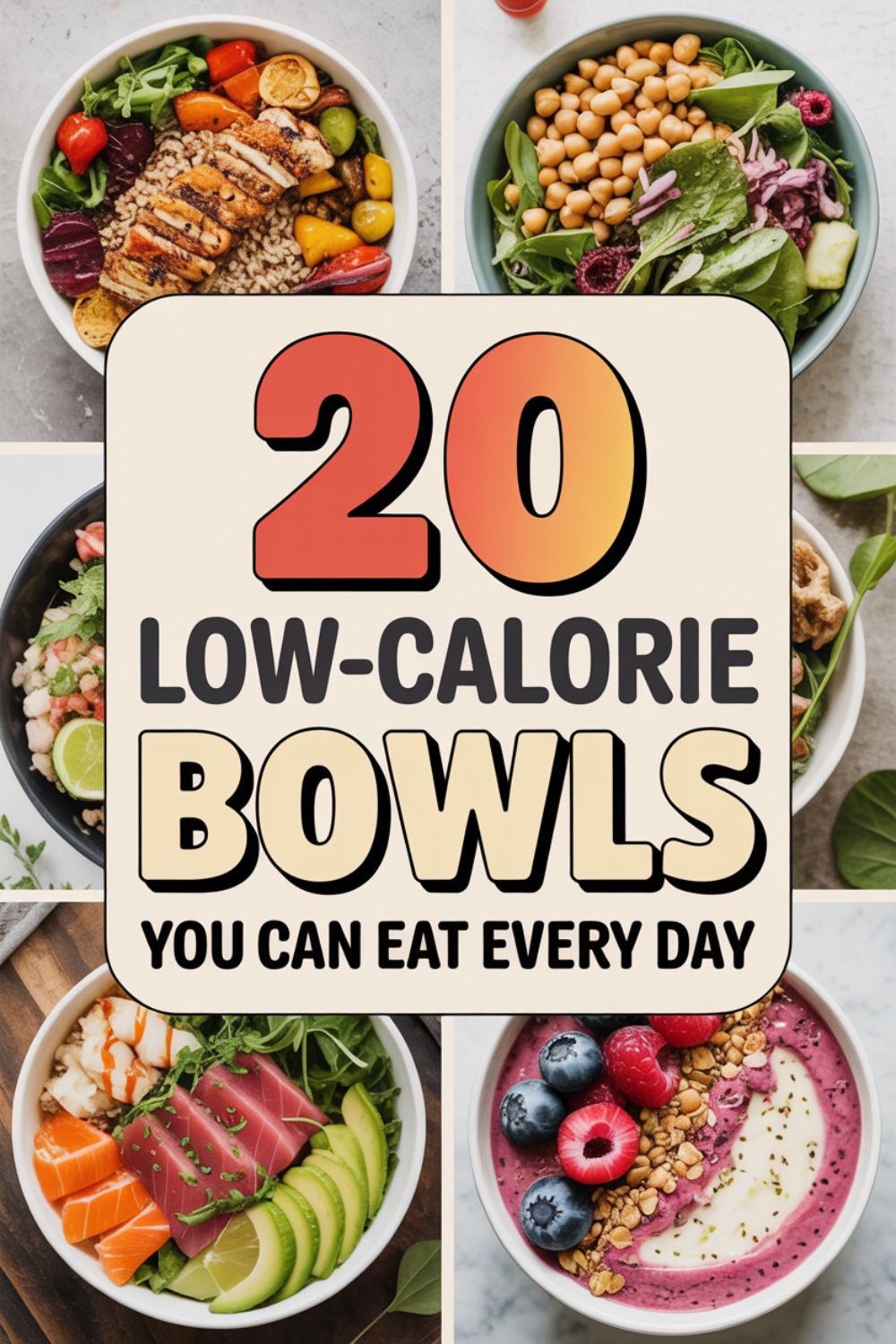
20 Low-Calorie Bowls You Can Eat Every Day
Look, I’m gonna level with you—I got real tired of eating sad desk salads and pretending they were satisfying. You know the type: limp greens, a couple cherry tomatoes, maybe some questionable dressing from a packet. Bowls changed everything for me, and not in that “Instagram influencer discovered quinoa” kind of way.
These aren’t your basic grain bowls that cost eighteen dollars at some trendy spot downtown. These are actual low-calorie bowls you can throw together on a Tuesday night when you’re running on fumes, and they’ll keep you full without making you feel like you’re gnawing on cardboard. I’m talking under 400 calories for most of these, packed with protein and fiber, and zero meal-prep PhD required.
What I love about bowl meals is the flexibility. Don’t have spinach? Use kale. Hate chickpeas? Swap in some grilled chicken. You’re building a formula, not following some rigid recipe that falls apart if you’re missing one specific herb. Plus, bowls actually photograph well if you’re into that sort of thing—not that you need to be.
Why Bowls Work Better Than Traditional Meals
Here’s the thing nobody tells you about eating in a calorie deficit: variety matters way more than perfection. I used to meal prep the same grilled chicken and broccoli combo five days straight, then wonder why I face-planted into a pizza by Thursday. Bowls fixed that problem because you can rotate ingredients without actually cooking five different meals.
The psychology is simple—when your food looks good and tastes different every day, you stick with your plan. When it’s boring, you don’t. I learned this the hard way after three failed attempts at “clean eating” that lasted exactly nine days each. Bowls give you the structure of meal prep with enough flexibility that you won’t lose your mind.
Plus, bowls are portion-controlled by design. You’re working with a physical boundary—the bowl itself—which naturally limits how much you’re eating without needing to break out the food scale every single time. That said, I still weigh my proteins and grains when I’m being serious about my deficit, but the bowl format makes eyeballing vegetables way easier.
The Formula for Building Perfect Low-Calorie Bowls
Every good bowl follows a basic blueprint, and once you understand it, you can improvise forever. I’m breaking it down so you’re not just following recipes—you’re understanding the structure.
Start With Your Base (100-150 calories)
Your base provides volume and keeps you full. This is usually some form of grain, pseudo-grain, or vegetable substitute. The trick is picking options that won’t blow your calorie budget before you’ve even added the good stuff.
- Cauliflower rice: 25 calories per cup—honestly a game-changer when you want to pile your bowl high without consequences
- Zucchini noodles: Around 20 calories per cup, and they soak up whatever sauce you’re using
- Quinoa: 120 calories for a half cup cooked—yes it’s higher, but the protein content makes it worth it
- Brown rice: 110 calories for a half cup—classic for a reason, and it reheats better than most grains
- Mixed greens: Basically calorie-free, and you can eat them by the truckload
I rotate between these depending on what I’m craving. Some days I want the chew of actual grains, other days I just want maximum volume for minimum calories. Both approaches work—it’s about what keeps you satisfied.
Add Your Protein (100-200 calories)
This is non-negotiable if you want to stay full. I aim for at least 20-30 grams of protein per bowl, which usually lands me somewhere between 100-200 calories depending on the source. Protein is what actually kills your hunger—everything else is just supporting cast.
My go-to proteins include grilled chicken breast (140 calories for 4 ounces), baked tofu (90 calories for 3 ounces), shrimp (100 calories for 4 ounces), and canned tuna (90 calories for 3 ounces). I also keep hard-boiled eggs on hand—two eggs add 140 calories and 12 grams of protein, plus they’re already cooked.
If you’re looking for more protein-packed ideas, these low-calorie high-protein meals have been on repeat in my kitchen for months.
Load Up on Vegetables (50-100 calories)
This is where you get to go wild. Vegetables add bulk, nutrients, and texture without wrecking your calorie count. I usually aim for at least two cups of vegetables per bowl, which sounds like a lot until you realize how much space roasted broccoli takes up.
Raw veggies work great—shredded cabbage, sliced bell peppers, cherry tomatoes, cucumber. But I’m Team Roasted Vegetables all the way because the caramelization makes everything taste better. I use this rimmed baking sheet for roasting—it’s the perfect size and cleanup is stupid easy.
Pro move: roast your vegetables at 425°F with just a light spray of oil. You’ll get that crispy-on-the-outside, tender-on-the-inside situation without needing to drown them in olive oil. Speaking of which, I switched to this oil mister instead of buying the aerosol cans, and I’ll never go back.
Smart Toppings and Sauces (50-100 calories)
Here’s where flavor happens, but also where people accidentally double their calorie count. The sauce makes or breaks the bowl, and you need to choose wisely.
I keep it simple: Greek yogurt-based dressings (around 30 calories per 2 tablespoons), salsa (basically free), hot sauce (zero calories of pure joy), tahini thinned with lemon juice and water (60 calories for 1 tablespoon), and soy sauce or tamari for Asian-inspired bowls.
For toppings, think seeds instead of nuts when possible—pumpkin seeds give you that crunch for fewer calories than almonds. A tablespoon of hemp hearts adds protein and healthy fats for about 60 calories. And fresh herbs? Use them liberally. Cilantro and parsley cost you nothing calorie-wise but make everything taste restaurant-quality.
20 Low-Calorie Bowl Ideas You Can Rotate Forever
Alright, let’s get into the actual bowls. I’m organizing these by meal type because that’s how I actually think about food—not by some arbitrary cuisine category that doesn’t help you at 7 AM when you’re half-asleep.
Breakfast Bowls (Under 350 Calories)
1. Savory Oatmeal Bowl: Steel-cut oats cooked in chicken broth (yes, really), topped with a fried egg, sautéed spinach, and everything bagel seasoning. This runs about 320 calories and keeps me full until lunch. The savory oatmeal trend might sound weird, but it’s basically risotto’s healthier cousin.
2. Greek Yogurt Protein Bowl: Plain Greek yogurt (2% works fine, you don’t need the fat-free stuff), topped with berries, a small handful of granola, chia seeds, and a drizzle of honey. Comes in around 280 calories with 20 grams of protein. Get Full Recipe
3. Breakfast Burrito Bowl: Scrambled egg whites, black beans, salsa, a small amount of shredded cheese, and diced avocado over mixed greens. About 310 calories and it tastes exactly like a breakfast burrito without the tortilla tax.
4. Berry Quinoa Bowl: Cooked quinoa (use it sweet—trust me), mixed with almond milk, topped with mixed berries, sliced almonds, and cinnamon. Around 300 calories and the protein from quinoa keeps you satisfied longer than traditional oatmeal.
For more morning options, these low-calorie breakfast recipes have some serious variety if you’re bored with the standards.
Meal Prep Essentials Used in This Plan
These are the tools and ingredients I use constantly when building these bowls. Not sponsored, just genuinely helpful stuff that makes the process less annoying.
Physical Products:- Glass Meal Prep Containers (5-pack) — These don’t get weird and cloudy after three washes like plastic ones. The lids actually seal, and you can reheat directly in them.
- Digital Food Scale — I resisted this for way too long. Takes the guesswork out of portions, especially for calorie-dense stuff like nuts and oils.
- Vegetable Chopper — Sounds gimmicky but cuts prep time in half. I use it for onions, peppers, and basically anything that needs dicing.
- Low-Calorie Meal Planning Guide (PDF) — Complete breakdown of how to structure your meals for weight loss without feeling deprived
- Bowl Formula Cheat Sheet (Printable) — One-page reference for building balanced bowls with calorie counts
- 30-Day Bowl Recipe Calendar — Takes the decision fatigue out of meal planning completely
Join the Community: We’ve got a WhatsApp group where people share their bowl creations, ingredient swaps, and weekly meal prep tips. It’s free, no sales pitches, just real people trying to eat better.
Lunch Bowls (300-400 Calories)
5. Mediterranean Chickpea Bowl: Cucumber, tomatoes, red onion, chickpeas, a small amount of feta, and lemon-herb dressing over mixed greens. The chickpeas bring fiber and protein—this bowl sits at about 340 calories and tastes like summer.
6. Asian-Inspired Edamame Bowl: Shelled edamame, shredded cabbage, carrots, cucumber, and grilled chicken with ginger-soy dressing. Around 360 calories, and the edamame adds that satisfying pop of texture.
7. Taco Bowl (Without the Shell): Seasoned ground turkey or lean beef, black beans, corn, lettuce, pico de gallo, and Greek yogurt instead of sour cream. I pile this high and it still comes in under 380 calories. Get Full Recipe
8. Caprese-Inspired Bowl: Fresh mozzarella (measured carefully), cherry tomatoes, basil, balsamic glaze, and grilled chicken over mixed greens or zucchini noodles. About 320 calories of pure Italian vibes.
9. Thai Peanut Bowl: Shredded chicken, red cabbage, edamame, bell peppers, and a measured amount of peanut sauce (this is where people go wrong—two tablespoons max). Comes to around 370 calories if you’re careful with the sauce.
If you’re prepping lunch for the week, check out these easy low-calorie lunch ideas for work—they’re designed to survive the commute and taste good cold or reheated.
Dinner Bowls (350-400 Calories)
10. Cauliflower Fried Rice Bowl: Riced cauliflower, scrambled eggs, peas, carrots, green onions, and soy sauce. I throw in some shrimp to bump the protein. This whole situation is under 300 calories unless you go crazy with the oil.
11. Chimichurri Steak Bowl: Sliced flank steak (3 ounces keeps it reasonable), roasted sweet potato cubes, sautéed peppers and onions, and chimichurri sauce. About 390 calories of actual satisfaction. The chimichurri makes it taste way fancier than the effort required.
12. Lemon Herb Salmon Bowl: Baked salmon (4 ounces), roasted asparagus, cherry tomatoes, quinoa, and lemon-dill yogurt sauce. Sits around 380 calories and the omega-3s from salmon are incredibly beneficial for heart health and inflammation.
13. Buffalo Chicken Bowl: Shredded chicken breast tossed in buffalo sauce (surprisingly low-calorie), celery, carrots, cherry tomatoes, and ranch made from Greek yogurt. Around 310 calories and it scratches that spicy comfort food itch.
14. Teriyaki Tofu Bowl: Baked teriyaki tofu, broccoli, bell peppers, brown rice, and sesame seeds. The tofu absorbs flavors like nobody’s business. This runs about 340 calories and it’s completely plant-based if that matters to you.
Looking for more dinner inspiration? These low-calorie dinners that actually fill you up follow the same satisfying-but-not-heavy philosophy.
Grain-Free Bowls (Under 300 Calories)
15. Zoodle Marinara Bowl: Zucchini noodles, marinara sauce, turkey meatballs (3 small ones), and a sprinkle of parmesan. The whole thing clocks in around 280 calories. I make my zoodles with this spiralizer because the handheld ones never work as well as they promise.
16. Everything Bowl with Cauliflower Rice: Cauliflower rice, grilled chicken, roasted Brussels sprouts, cherry tomatoes, avocado, and tahini drizzle. About 290 calories and seriously filling despite no actual grains.
17. Shrimp and Veggie Bowl: Sautéed shrimp, roasted broccoli, bell peppers, zucchini, and a small amount of coconut aminos for flavor. Around 250 calories and ready in under twenty minutes.
Cold Bowls (Perfect for Summer)
18. Cobb Salad Bowl: Romaine, hard-boiled eggs, cherry tomatoes, cucumber, turkey bacon (two strips), avocado, and light ranch. Stays under 360 calories and it’s the most satisfying salad-style bowl out there. IMO, this beats any restaurant version.
19. Poke-Inspired Bowl: Cubed raw tuna or salmon (if you trust your fish source), cucumber, edamame, avocado, pickled ginger, and soy sauce over greens or cauliflower rice. Around 320 calories depending on fish portion.
20. Greek Bowl: Grilled chicken, cucumber, tomatoes, red onion, kalamata olives (measured—they’re calorie-dense), feta, and tzatziki sauce over mixed greens. This is my summer default at about 340 calories. Get Full Recipe
Want even more variety? Check out these low-calorie lunch ideas and these meals under 300 calories for additional options that follow the same bowl-building principles.
Tools & Resources That Make Cooking Easier
You don’t need a fully stocked Williams Sonoma kitchen to make great bowls. But these specific items? They legitimately save time and frustration.
Kitchen Tools I Actually Use:- Instant Pot Duo (6-quart) — Cooks quinoa, rice, chicken, and hard-boiled eggs while you do literally anything else. The time-saver factor is real.
- Microplane Grater/Zester — For garlic, ginger, and lemon zest. Tiny tool, huge impact on flavor.
- Silicone Bowl Scraper Set — Gets every last bit of sauce or dressing out of containers. Sounds minor, but it adds up.
- Calorie Counting Template (Excel/Google Sheets) — Pre-formatted for tracking macros and calories without a subscription app
- Bowl Ingredient Swap Guide — Comprehensive list of equivalent swaps when you’re missing ingredients
- Weekly Bowl Rotation Planner — Takes the mental load out of deciding what to eat
Making Bowl Prep Actually Sustainable
Here’s what I learned after months of eating this way: sustainability beats perfection every single time. I used to stress about having everything prepped perfectly, and it backfired more often than it worked.
Now I focus on the 80/20 rule. Get your proteins and grains prepped ahead—that’s 80% of the work. The vegetables can be chopped fresh or bought pre-cut (yes, it costs more, but so does ordering takeout when you’re too tired to cook). Sauces keep for at least a week in the fridge, sometimes longer depending on ingredients.
I keep these small portion containers for dressings and sauces so I can grab exactly what I need. Much better than making a huge batch that goes bad before I use it all.
The Meal Prep Schedule That Actually Works
Sunday (30-45 minutes total):
- Cook two types of protein (usually chicken breast and hard-boiled eggs)
- Prep one or two grains (quinoa and brown rice are my rotation)
- Roast a big sheet pan of mixed vegetables
- Make two sauces or dressings
Wednesday (15-20 minutes):
- Quick refresh—maybe cook another protein if you’re running low
- Chop fresh vegetables for the next few days
- Check sauce levels and make more if needed
This schedule keeps ingredients fresh without requiring you to spend your entire Sunday in the kitchen. FYI, I tried the “prep everything on Sunday” approach and ended up with soggy vegetables by Thursday. This split method works way better.
Common Bowl-Building Mistakes (And How I Fixed Them)
Let me save you some trial and error. I made all these mistakes so you don’t have to.
Mistake #1: Going Overboard with “Healthy” Fats
Avocado, nuts, seeds, oils—they’re nutritious, sure, but they’re also incredibly calorie-dense. I used to think “healthy fat” meant “unlimited fat,” and my deficit stalled for weeks before I figured out why.
The fix: Measure these ingredients. A quarter of an avocado, not half. One tablespoon of seeds, not a handful. Two teaspoons of oil for roasting, not a generous drizzle. The calories add up faster than you think, and according to research on healthy cooking oils from the American Heart Association, even beneficial fats need portion control for weight management.
Mistake #2: Skimping on Protein
In an attempt to keep calories low, I used to build bowls that were basically just vegetables with a tablespoon of chickpeas. Then I’d be starving an hour later and raid the pantry.
The fix: Prioritize protein first. Get at least 25-30 grams per bowl. If that means using slightly less grain or skipping the avocado, so be it. Protein keeps you full longer and supports muscle maintenance during weight loss.
Mistake #3: Making Bowls Too Complicated
I convinced myself I needed seven different vegetables and three sauces to make a “real” bowl. Then meal prep became exhausting and I stopped doing it.
The fix: Three to four components max. Base + protein + vegetables + sauce. That’s it. Simple bowls taste just as good and you’ll actually make them consistently.
How to Adjust These Bowls for Your Calorie Target
Not everyone needs the same calorie amount, and that’s fine. These bowls are flexible enough to work whether you’re eating 1200 calories or 2000 calories per day.
For 1200-1500 calories per day: These bowls work perfectly as-is. Three bowls at 350-400 calories each, plus a small snack, puts you right in range. I follow a 1200-calorie meal plan myself most days, and these bowls are my foundation.
For 1500-1800 calories per day: Add slightly larger portions of grains (three-quarters cup instead of half) and don’t stress as much about the healthy fats. An extra ounce of protein also fits easily. These 1500-calorie meal plans show you exactly how to structure your day.
For 2000+ calories per day: Double the grain portion, add more protein, and include healthy fats more liberally. These bowls still work—you’re just building bigger versions.
Frequently Asked Questions
Can I eat the same bowl every day, or do I need variety?
You can absolutely eat the same bowl multiple days in a row if you genuinely enjoy it—there’s no rule saying you need variety. That said, rotating different bowls throughout the week helps prevent boredom and ensures you’re getting a wider range of nutrients. I usually keep three to four bowls in my regular rotation and swap them based on what I’m craving.
How long do prepared bowls stay fresh in the fridge?
Most bowl components stay fresh for 3-4 days when stored properly in airtight containers. Keep dressings and sauces separate until you’re ready to eat to prevent sogginess. Cooked proteins like chicken and hard-boiled eggs last about four days, while grains like quinoa and rice stay good for up to five days. If you’re meal-prepping for the full week, I recommend doing a mid-week refresh on Wednesday.
Are these bowls filling enough if I’m used to larger portions?
Yes, especially if you focus on high-volume, low-calorie bases like cauliflower rice or mixed greens, and prioritize protein. The fiber from vegetables and protein combo keeps you satisfied longer than you’d expect. If you’re transitioning from much larger portions, give yourself a week or two to adjust—your stomach will adapt, and these bowls will start feeling like plenty.
Can I make these bowls work for a family dinner?
Absolutely. Set up a “bowl bar” where everyone builds their own from prepared components—it’s essentially a DIY situation that works for different calorie needs and preferences. Kids can pick what they like, and you can control your portions while others add more of whatever they want. I do this at least once a week and it cuts down on the “I don’t like this” complaints significantly.
What if I don’t have time to meal prep at all?
Start with the absolute minimum: cook one protein source and one grain. Buy pre-cut vegetables, pre-washed greens, and store-bought dressings you’ve checked the calories on. A five-minute bowl assembly is still way better than takeout, both for your wallet and your waistline. You can always level up your prep game later—just get started with what’s manageable now.
Final Thoughts
Here’s what I want you to take away from all this: bowls are a tool, not a trend. They work because they’re flexible, satisfying, and they don’t require you to be some kind of culinary genius to pull off.
I’ve been eating bowl-style meals for over a year now, and they’ve solved the biggest problem I had with eating in a deficit—boredom. When your food tastes good and looks appealing, sticking to your calorie target stops feeling like punishment and starts feeling normal.
Start with two or three bowls from this list that genuinely appeal to you. Master those, get comfortable with the formula, then branch out. You don’t need to make all twenty bowls next week. You just need to find a few that work for your taste preferences and lifestyle.
And remember—the perfect bowl is the one you’ll actually eat. Not the one that photographs best or follows some arbitrary “clean eating” rules. If it fits your calories, keeps you full, and tastes good, you’re doing it right.