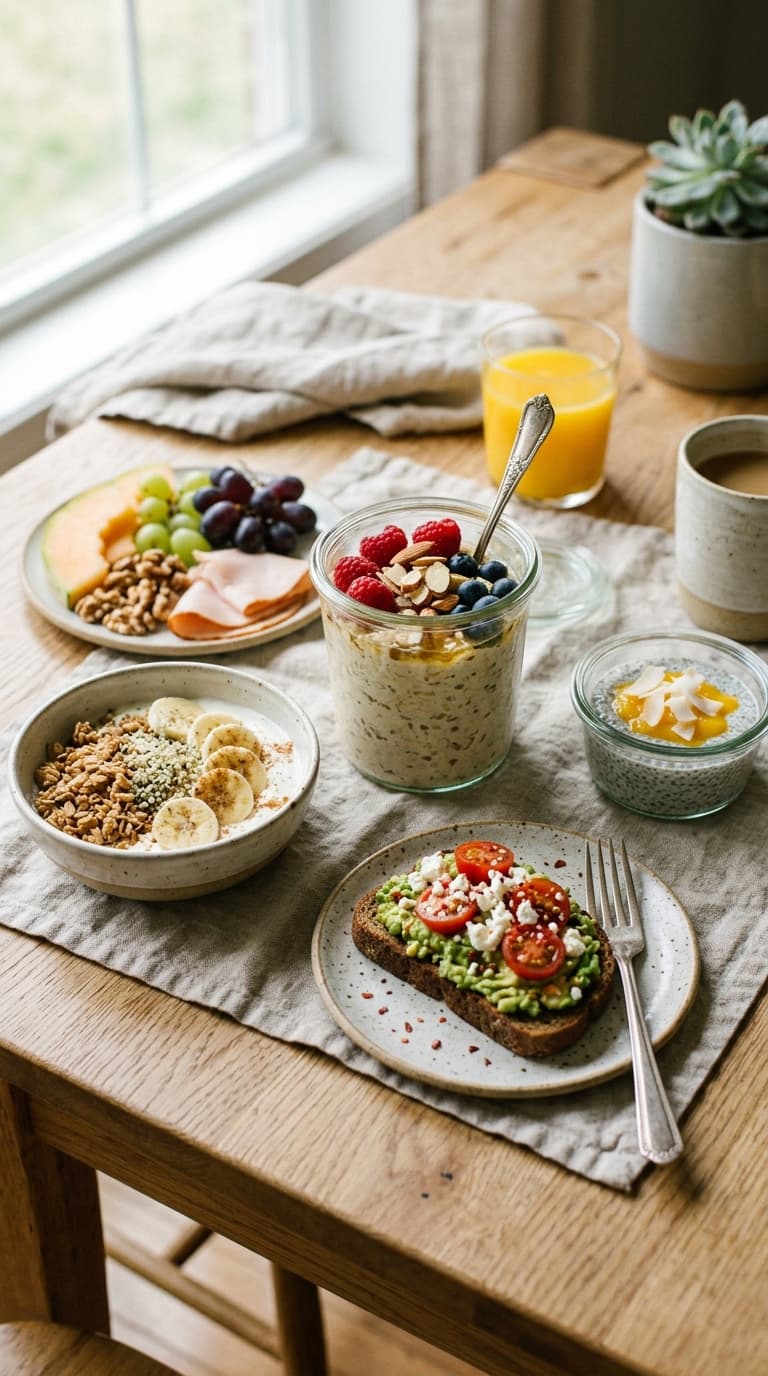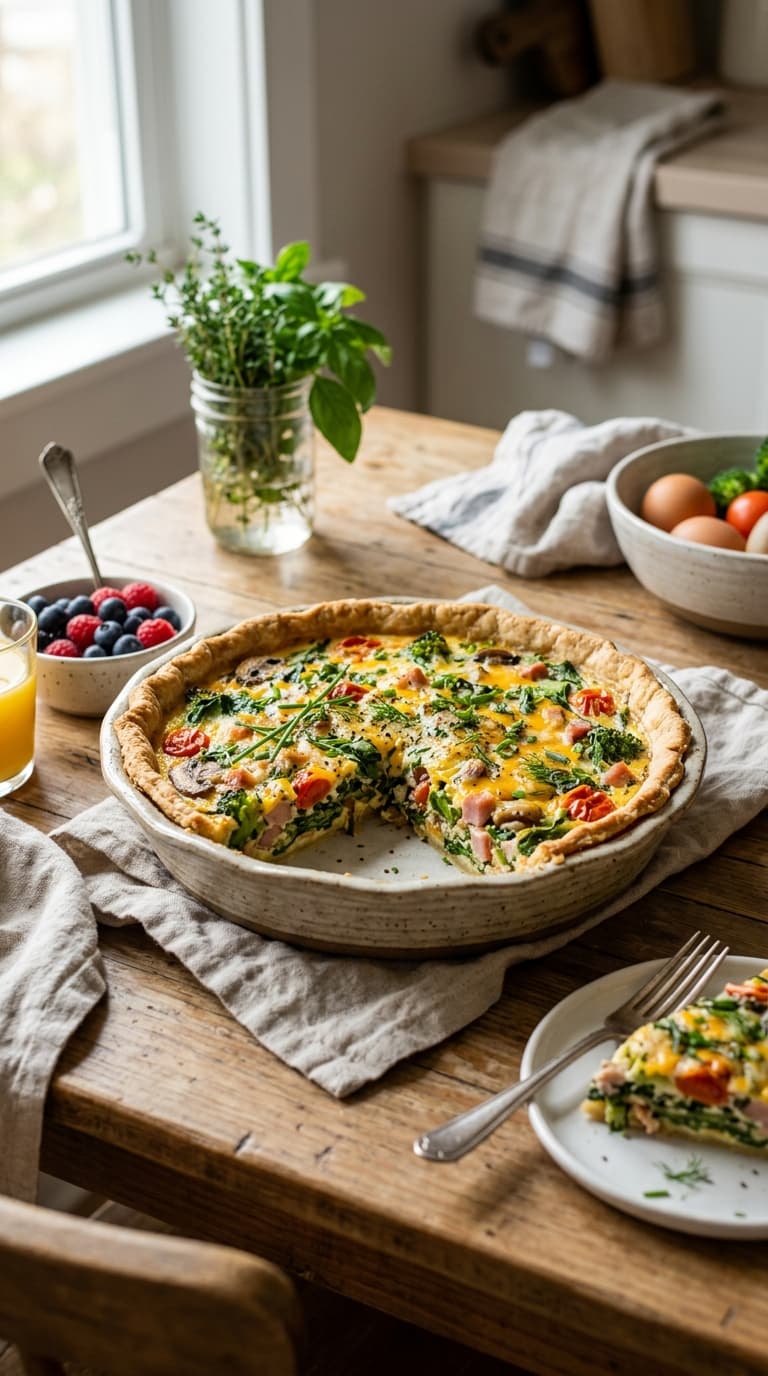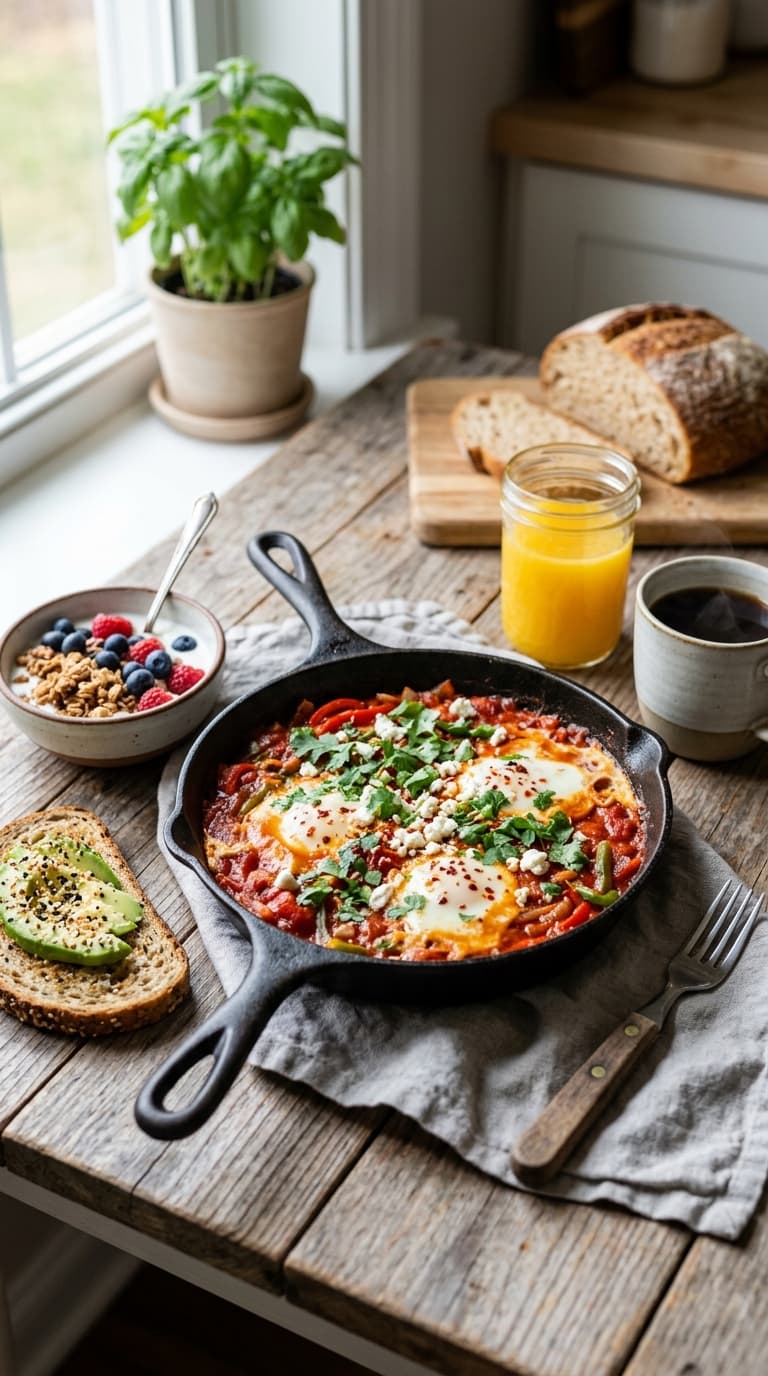
25 Low-Calorie Breakfast Recipes to Start Your Day Right
Let’s be honest—most mornings feel like you’re running a marathon before you even leave the house. Between hitting snooze one too many times and trying to find matching socks, breakfast often becomes whatever you can grab on your way out. But here’s the thing: what you eat in those first hours actually sets the tone for your entire day. And no, I’m not about to tell you to wake up at 5 AM to prepare some elaborate meal. These 25 low-calorie breakfast recipes are designed for real life—quick, filling, and under 350 calories each.
If you’re trying to lose weight or just want to feel less sluggish by 10 AM, low-calorie breakfasts aren’t about deprivation. They’re about being smart with your choices. Think high-protein, fiber-rich foods that keep you full without weighing you down. You know that mid-morning crash when you’ve had nothing but coffee and a muffin? Yeah, we’re avoiding that completely.
Why Low-Calorie Breakfasts Actually Work
Before we jump into recipes, let’s talk about why this approach makes sense. Research from Johns Hopkins Medicine shows that a balanced breakfast provides essential nutrients, improves mental alertness, and helps prevent overeating later in the day. But quality matters more than quantity.
When you eat a low-calorie breakfast that’s packed with protein and fiber, your body responds differently than when you have a sugary pastry. Studies indicate that protein increases satiety hormones like peptide YY while reducing ghrelin, the hunger hormone. Translation? You stay fuller longer without constantly thinking about your next snack.
The metabolism boost is real too. Your body burns 20-30% of protein calories just digesting them, compared to only 5-10% for carbs. That’s like getting a mini workout just from eating your eggs. Not too shabby for breakfast, right?
💡 Pro Tip: Prep your breakfast ingredients Sunday night—chop vegetables, portion out yogurt, cook hard-boiled eggs. You’ll thank yourself all week when breakfast takes 3 minutes instead of 20.
The Foundation: What Makes a Great Low-Calorie Breakfast
Not all low-calorie breakfasts are created equal. I’ve tried enough sad bowls of plain oatmeal to know that calories aren’t everything. A good breakfast under 350 calories should include these three elements:
Protein is Your Best Friend
Aim for at least 15-20 grams of protein at breakfast. This isn’t just bro-science—it’s backed by actual research. Eggs, Greek yogurt, cottage cheese, and protein powder# are all solid options. When I switched from cereal to eggs and vegetables, I noticed I wasn’t raiding the pantry by 10:30 AM anymore.
Protein also helps preserve muscle mass when you’re in a calorie deficit. Your body won’t just burn fat—it’ll burn whatever’s easiest unless you give it enough protein. Consider checking out these high-protein meal planning strategies for more ideas on hitting your protein targets throughout the day.
Fiber Keeps Everything Moving
Fiber slows digestion, which means your blood sugar doesn’t spike and crash like a roller coaster. Vegetables, fruits, whole grains, and chia seeds are all fiber powerhouses. Plus, fiber helps with digestion—and let’s be real, nobody wants to feel bloated all morning.
Women need about 25 grams of fiber daily, men need 38 grams. Most people get maybe half that. Adding even 5-10 grams at breakfast makes a noticeable difference. I throw spinach into everything now—omelets, smoothies, even mixed into oatmeal where you can’t really taste it.
Healthy Fats for Satisfaction
Don’t be afraid of fats. A small amount of healthy fat—avocado, nuts, olive oil—makes food more satisfying and helps absorb fat-soluble vitamins. I use this mini food scale# to measure portions because eyeballing fats is how you accidentally eat 400 calories of almond butter.
The key is balance. Too little fat and you’ll be hungry an hour later. Too much and you’ve blown your calorie budget before lunch. About 5-10 grams per meal is usually the sweet spot for breakfasts under 350 calories.
💬 Community Win: “I started making these egg muffins every Sunday, and I’ve lost 12 pounds in two months without feeling deprived. Game changer!” —Rachel M., from our community
25 Low-Calorie Breakfast Recipes That Actually Taste Good
Alright, let’s get to the good stuff. These recipes are organized by style—some take 5 minutes, others need a bit more time but are totally worth it. All are under 350 calories and designed to keep you satisfied until lunch.
Quick & Easy Morning Classics
1. Veggie-Packed Scrambled Eggs
210 caloriesTwo eggs scrambled with bell peppers, spinach, and mushrooms. Cook in a non-stick skillet# with a spray of olive oil. Season with garlic powder and black pepper. Takes 7 minutes tops.
The vegetables bulk up the meal without adding many calories, and the eggs provide about 12 grams of protein. I prep my vegetables the night before—life’s too short to chop peppers at 6 AM. Pair this with a slice of whole-grain toast if you have calories to spare. Get Full Recipe
2. Greek Yogurt Parfait with Berries
245 calories1 cup plain Greek yogurt (go for 2% fat—it’s more satisfying than fat-free), half a cup of mixed berries, and a tablespoon of granola#. The yogurt gives you 15-20 grams of protein depending on the brand.
This is my go-to when I’m running late. Literally just throw everything in a jar and eat it at your desk. The probiotics in yogurt also help with gut health, which matters more than most people realize for weight management.
3. Avocado Toast with Poached Egg
285 caloriesOne slice of whole-grain bread, quarter of an avocado mashed on top, one poached egg. Sprinkle with red pepper flakes and everything bagel seasoning. If you’ve never poached an egg, this silicone egg poacher# makes it foolproof.
This combo gives you protein, healthy fats, and fiber. The egg yolk makes the avocado extra creamy—don’t skip it even though some people think egg whites are “healthier.” You need those nutrients. Get Full Recipe
4. Overnight Oats with Chia Seeds
265 caloriesMix half a cup rolled oats with three-quarters cup unsweetened almond milk, one tablespoon chia seeds, and a teaspoon of vanilla extract. Let it sit in the fridge overnight. Top with fresh berries in the morning.
The chia seeds add omega-3s and fiber. This breakfast is ridiculously filling for the calories. I make four jars on Sunday and grab one each morning. Total game changer for busy weekdays. For more make-ahead breakfast inspiration, check out these meal prep-friendly breakfast options.
Speaking of breakfast ideas that keep you satisfied, you might also love these calorie deficit breakfast recipes or these weight loss-friendly morning meals. Both collections focus on volume eating—getting the most food for your calorie budget.
5. Cottage Cheese Bowl with Cucumber and Tomatoes
190 caloriesOne cup of low-fat cottage cheese topped with diced cucumber, cherry tomatoes, and a sprinkle of dried dill. Sounds weird, tastes amazing. Trust me on this one.
Cottage cheese is criminally underrated. It has about 24 grams of protein per cup and costs way less than Greek yogurt. The vegetables add crunch and freshness. Some people add a drizzle of hot sauce—I won’t judge.
Protein-Packed Power Breakfasts
6. Egg White Veggie Muffins
135 calories (for 2 muffins)Whisk together 6 egg whites, diced bell peppers, spinach, and a bit of cheese. Pour into a silicone muffin pan# and bake at 350°F for 20 minutes. Makes 6 muffins.
These freeze beautifully. Pop them in the microwave for 45 seconds and you have breakfast. Way better than drive-through food and probably cheaper too. I batch-cook these every other Sunday. Get Full Recipe
7. Protein Smoothie Bowl
295 caloriesBlend one scoop vanilla protein powder#, half a frozen banana, half a cup frozen berries, and three-quarters cup unsweetened almond milk. Pour into a bowl and top with sliced almonds and fresh berries.
The frozen fruit makes it thick enough to eat with a spoon, which is somehow more satisfying than drinking a smoothie. I use a high-speed blender# because cheap blenders leave chunks of frozen fruit that hurt your teeth.
8. Turkey Sausage and Egg Scramble
275 caloriesOne turkey sausage link (sliced), two eggs, and sautéed zucchini. Turkey sausage has way less fat than pork sausage but still tastes indulgent. Season with Italian herbs.
This breakfast feels like a weekend treat but takes the same time as regular scrambled eggs. The zucchini adds volume without many calories. You could also swap for these high-protein meal options throughout your week.
💡 Pro Tip: Buy pre-cooked turkey sausage and keep it in the freezer. Microwave for 60 seconds and slice it up—breakfast in under 10 minutes even on your worst mornings.
9. Tofu Scramble with Vegetables
220 caloriesHalf a block of firm tofu crumbled and cooked with turmeric (for color), nutritional yeast (for flavor), bell peppers, and spinach. This is the best plant-based alternative to scrambled eggs.
The turmeric makes it look like eggs, the nutritional yeast gives it a cheesy flavor, and the tofu provides protein. Even if you’re not vegan, this is worth trying. It’s different in a good way.
10. Smoked Salmon and Cream Cheese Cucumber Bites
180 caloriesSlice an English cucumber into thick rounds. Top each with a smear of light cream cheese and a piece of smoked salmon. Sprinkle with dill and capers.
This feels fancy enough for brunch with friends but easy enough for Tuesday morning. The omega-3s in salmon are great for your heart and skin. Plus it’s one of those meals that photographs well if you’re into that. Get Full Recipe
Sweet Breakfast Options (That Won’t Sabotage Your Goals)
11. Banana Protein Pancakes
240 calories (for 3 small pancakes)Mash one banana, mix with two eggs and a scoop of protein powder. Cook like regular pancakes in a non-stick griddle#. Top with a few fresh berries and a drizzle of sugar-free syrup.
These have no flour but still taste like real pancakes. The banana adds natural sweetness so you don’t need much syrup. My kids eat these without realizing they’re “healthy food.”
12. Cinnamon Apple Quinoa Bowl
285 caloriesCook half a cup of quinoa in unsweetened almond milk instead of water. Top with diced apple sautéed with cinnamon, a sprinkle of walnuts, and a tiny drizzle of maple syrup.
Quinoa has more protein than oatmeal—about 8 grams per cup cooked. The apples give it that comforting breakfast flavor without loading up on sugar. It’s like eating apple pie for breakfast, except actually nutritious.
If you’re craving more sweet breakfast options that fit a calorie deficit, these easy morning meals under 300 calories might hit the spot. They focus on satisfying that sweet tooth without derailing your progress.
13. Berry Chia Pudding
205 caloriesMix 3 tablespoons chia seeds with 1 cup unsweetened almond milk and a teaspoon of vanilla. Refrigerate overnight. Top with half a cup of mixed berries.
Chia seeds are basically magic. They absorb liquid and become pudding-like with no cooking required. They’re also packed with fiber and omega-3s. This breakfast prep takes literally 2 minutes at night.
14. Peanut Butter Banana Toast
265 caloriesOne slice whole-grain bread, one tablespoon natural peanut butter (the kind that’s just peanuts and salt), half a banana sliced on top. Sprinkle with cinnamon.
This is nostalgic breakfast food done right. The peanut butter provides protein and healthy fats, the banana adds potassium and natural sweetness. I measure the peanut butter because it’s easy to accidentally use three times the amount you need. Get Full Recipe
💬 Reader Favorite: “The overnight oats changed my mornings completely. I used to skip breakfast and then binge at lunch. Now I’m actually losing weight and have so much more energy.” —Jennifer K.
15. Protein Waffles with Greek Yogurt
280 caloriesMake waffles using protein powder, egg whites, and a little whole wheat flour in your Belgian waffle maker#. Top with a dollop of Greek yogurt and fresh berries instead of syrup.
The Greek yogurt on top adds extra protein and tastes surprisingly good on waffles. It’s tangy and creamy—way better than it sounds. These waffles also freeze well so you can make a big batch.
Savory & Satisfying Options
16. Spinach and Feta Egg White Wrap
245 caloriesScramble 3 egg whites with fresh spinach. Place in a low-carb tortilla and add 2 tablespoons crumbled feta cheese. Roll it up and eat.
This feels like fast food but without the regret. The feta adds tons of flavor so you don’t need much. Egg whites are pure protein with almost no calories—4 egg whites have about 70 calories and 14 grams of protein.
17. Mushroom and Tomato Frittata Slice
195 caloriesWhisk 6 eggs with milk, pour into an oven-safe skillet# with sautéed mushrooms and cherry tomatoes. Bake until set. Cut into 4 slices.
Make this on Sunday and you have breakfast for four days. Frittatas taste good cold, warm, or room temperature. The mushrooms give it that umami depth that makes you forget you’re eating “diet food.” For more make-ahead breakfast strategies, explore these weekly meal planning ideas. Get Full Recipe
18. Breakfast Burrito Bowl
315 caloriesTwo scrambled eggs over a base of shredded lettuce, with black beans, diced tomatoes, and a tablespoon of salsa. Add a sprinkle of cheese if you have room in your calorie budget.
All the flavors of a breakfast burrito without the tortilla. The beans add fiber and protein, the vegetables add volume. This keeps me full until well past lunch. Sometimes I add hot sauce—it supposedly boosts metabolism but honestly I just like spicy food.
19. Zucchini Hash with Poached Egg
225 caloriesDice one medium zucchini and sauté with diced onion and bell pepper until golden. Top with a poached egg. Season with paprika and black pepper.
Zucchini makes an excellent potato substitute in hash browns. Same satisfying texture, fraction of the calories. The vegetables fill up your plate so you feel like you’re eating a big meal. Visual portion size matters more than most people think.
20. Turkey and Veggie Breakfast Scramble
265 caloriesBrown 2 oz ground turkey with diced bell peppers and onions. Scramble in one egg at the end. Season with cumin and chili powder for a Southwestern vibe.
Ground turkey is lean but can be bland on its own. The spices make all the difference. This has about 25 grams of protein and tastes like something from a restaurant. I cook extra turkey and use it throughout the week. Get Full Recipe
💡 Pro Tip: Invest in good food storage containers. I use these glass meal prep containers# for everything. They’re microwave-safe and actually seal properly so your egg muffins don’t dry out.
Creative & International-Inspired
21. Japanese-Style Miso Soup with Tofu
145 caloriesDissolve miso paste in hot water, add cubed silken tofu, sliced green onions, and a sheet of torn nori. This is breakfast in Japan and honestly, it’s incredible.
Warm, savory, and surprisingly filling for so few calories. The miso provides probiotics and the tofu gives you protein. It’s different from typical American breakfast but in the best way. You can find miso paste at most grocery stores now.
22. Mediterranean Breakfast Plate
290 caloriesTwo hard-boiled eggs, a handful of cherry tomatoes, sliced cucumber, 2 tablespoons hummus, and 5 kalamata olives. Arrange everything on a plate and eat with your hands.
This feels like you’re on vacation somewhere sunny. No cooking required—just assembly. The hummus provides plant-based protein, the eggs add more protein, and the vegetables give you vitamins and fiber. If you enjoy Mediterranean-inspired eating, check out these vegetarian meal ideas that follow similar principles.
23. Korean Breakfast Bowl with Kimchi
275 caloriesHalf a cup of cooked white rice (yes, you can have rice for breakfast), a fried egg on top, quarter cup kimchi on the side, sautéed spinach. Drizzle with a tiny bit of sesame oil.
The kimchi provides probiotics and a flavor punch that wakes you up better than coffee. This bowl has everything—protein, carbs, vegetables, healthy fats. And it’s genuinely different from typical breakfast food which keeps things interesting.
24. Shakshuka (Eggs in Tomato Sauce)
235 caloriesSimmer crushed tomatoes with garlic, cumin, and paprika. Make two wells in the sauce and crack an egg into each. Cover and cook until eggs are set. This cast iron skillet# is perfect for it.
This Middle Eastern dish looks impressive but takes 15 minutes. The tomato sauce is loaded with lycopene and the eggs provide protein. Serve with a small piece of pita if you have calories to spare. Otherwise eat it with a spoon. Get Full Recipe
25. Savory Oatmeal with Soft-Boiled Egg
285 caloriesCook half a cup oats in vegetable broth instead of water. Top with a soft-boiled egg, sautéed greens, and a sprinkle of sesame seeds.
I know savory oatmeal sounds weird, but it’s actually amazing. The broth makes it taste like rice porridge. The runny egg yolk mixes into the oats and creates this creamy texture. Give it a try before you judge—you might be surprised.
Meal Prep Essentials Used in These Recipes
1. Glass Meal Prep Containers (10-pack)# – Honestly the best investment I’ve made for healthy eating. These don’t stain, they’re microwave safe, and the lids actually stay on. I use them for overnight oats, egg muffins, and storing chopped vegetables. Around $25 for a set that’ll last years.
2. Silicone Muffin Pan# – Makes egg muffins pop right out without any oil. Easy to clean, doesn’t get gross like metal pans do. I batch-cook 12 egg muffins every Sunday in about 30 minutes total. These run about $12 and are worth every penny.
3. Digital Food Scale# – Game changer for actually knowing how much you’re eating. I thought I was using “a tablespoon” of peanut butter—turns out it was more like three. This scale was $15 on sale and has probably saved me thousands of mystery calories.
4. Low-Calorie Meal Planning Template (Digital Download) – A simple spreadsheet template that helps you plan a week of breakfasts with calorie counts already calculated. Saves time and takes the guesswork out of meal prep. Available in our resources section.
5. Breakfast Prep Checklist (Printable PDF) – Step-by-step guide for Sunday meal prep with timing estimates. Makes batch cooking actually manageable instead of overwhelming. Free download when you join our email list.
6. Macro Calculator Workbook (Digital) – Figure out exactly how many calories and how much protein you need based on your goals. Includes tracking sheets and tips. Makes the science part less confusing.
Want more support? Join our WhatsApp community where we share daily breakfast ideas, meal prep photos, and answer questions. Real people, real results, no judgment.
Making It Work in Real Life
Here’s the truth: these recipes only work if you actually make them. I know meal prep sounds like a weekend-long commitment, but it doesn’t have to be. Start with one or two recipes. Make extra. Freeze half.
The breakfast burrito bowls? Make a big batch of the scrambled eggs and beans. Store them separately and assemble fresh each morning with new vegetables. Takes 3 minutes. The egg muffins freeze for up to three months. Pop two in the microwave and you’re done.
I’m not going to pretend that you’ll suddenly love waking up early to cook. But these recipes are designed for people who value sleep as much as nutrition. Most take under 10 minutes. Several can be made the night before or in bulk.
The Protein Priority
If you remember nothing else from this article, remember this: prioritize protein at breakfast. Harvard Health Publishing research emphasizes that protein-rich breakfasts help stabilize blood sugar and improve satiety. It’s not magic, it’s just science.
That means eggs, Greek yogurt, cottage cheese, protein powder, or lean meats should be the foundation. Build from there with vegetables and a small amount of healthy fats. Keep it simple and you’ll actually stick with it.
Batch Cooking Without Losing Your Mind
Sunday is meal prep day in my house, but it doesn’t mean I spend 4 hours in the kitchen. Here’s what I actually do:
- Hard-boil a dozen eggs (12 minutes of boiling, then they cool while I do other stuff)
- Make two batches of egg muffins (40 minutes total including oven time)
- Mix up overnight oats in four jars (10 minutes)
- Chop vegetables for the week and store in containers (15 minutes)
That’s it. Total active time is maybe 90 minutes, and I’m set for most of the week. The rest of breakfast happens by just grabbing what I already made. Some mornings I cook fresh eggs because I have time. Other mornings it’s grab-and-go. Both options exist and that’s the whole point.
For a complete approach to structuring your entire day, not just breakfast, these two-week meal plans or weekly calorie-conscious strategies can help you maintain consistency without burning out.
Tools & Resources That Make Cooking Easier
1. High-Speed Blender# – Worth the investment if you make smoothies or protein shakes regularly. Cheap blenders leave chunks and nobody wants to chew their smoothie. I have a mid-range one that was $80 and it’s held up for three years of daily use.
2. Non-Stick Egg Pan (8-inch)# – A small pan makes portion control automatic. Plus eggs cook faster in a smaller pan. This $20 pan has made more breakfast than I can count and still releases eggs perfectly.
3. Egg Poaching Cups# – For people who can’t poach eggs to save their lives (me, circa 2022). These silicone cups sit in boiling water and give you perfect poached eggs every time. No vinegar, no swirling water, no stress.
4. Recipe Scaling Guide (Digital PDF) – Shows you how to adjust these recipes for 1 person, 2 people, or meal prep quantities. Includes conversion charts and storage tips. Makes batch cooking way less confusing.
5. Grocery Shopping Template – Pre-organized by grocery store section with common breakfast ingredients already listed. Just check off what you need each week. Saves so much time at the store.
6. Video Tutorial Library (Digital Access) – Short videos showing techniques like properly scrambling eggs, poaching eggs, and making overnight oats. Helpful for visual learners who need to see it done.
These tools aren’t required, but they make everything easier. Start with what you have and upgrade as you go.
Common Mistakes to Avoid
I’ve made all these mistakes so you don’t have to. Here’s what not to do:
Skipping Fat Completely
Fat-free everything might seem like the fastest route to weight loss, but it usually backfires. You’ll be hungry an hour after eating and you’ll miss out on fat-soluble vitamins. A little fat goes a long way for satisfaction. One tablespoon of olive oil, half an avocado, a small handful of nuts—that’s enough.
Forgetting to Prep
Monday morning you wake up exhausted with zero breakfast prepped. What do you do? Probably grab something convenient that doesn’t fit your goals. Prep on Sunday or you’ll be winging it all week. Even just chopping vegetables or hard-boiling eggs helps.
Making Everything Complicated
You don’t need fancy ingredients or elaborate recipes. Two eggs and some vegetables cooked in a pan is a perfectly good breakfast. Don’t overcomplicate it or you won’t stick with it. The best breakfast is the one you’ll actually eat. If that means scrambled eggs every single day, so be it.
Not Adjusting for Your Activity Level
These recipes are for average activity levels. If you’re running 5 miles before breakfast or doing an intense workout, you might need more calories and carbs. If you’re sedentary most of the day, these portions might be too much. Listen to your body and adjust accordingly. You can explore these calorie level comparisons to find what works best for your lifestyle.
💬 Real Talk: “I was eating ‘healthy’ breakfast bars that were basically candy. Switched to scrambled eggs with vegetables and lost 8 pounds without changing anything else. The hunger difference is unreal.” —Marcus T.
The Bigger Picture: Why Breakfast Matters
Look, I’m not going to tell you breakfast is magic. It’s not. But it’s also not just about the food you eat in the first hour of being awake. It’s about starting your day in a way that sets you up for good decisions later.
When you eat a balanced breakfast with protein and fiber, you’re less likely to face that 3 PM vending machine crisis. You’re less likely to overeat at dinner because you’ve been semi-starving all day. You’re less likely to feel like garbage by lunchtime.
The research backs this up too. Studies from GoodRx Health show that people who eat balanced breakfasts tend to have better overall diet quality throughout the day. It’s not that breakfast speeds up your metabolism in some miraculous way—it’s that eating breakfast helps you make better food choices for the next 12-14 hours.
Plus, food is more than just nutrients and calories. A good breakfast can be the difference between starting your day stressed and rushed versus starting it with five minutes of calm. Even if that calm involves standing at your counter eating yogurt in your pajamas. No judgment.
Related Recipes You’ll Love
Frequently Asked Questions
How many calories should my breakfast be for weight loss?
Most people do well with breakfasts between 250-400 calories when trying to lose weight. It depends on your total daily calorie goal and activity level. If you’re eating 1200-1500 calories per day, aim for about 300-350 calories at breakfast. That leaves enough room for lunch, dinner, and maybe a snack. Don’t go too low though—under 200 calories and you’ll be starving by mid-morning.
Can I meal prep these breakfasts for the whole week?
Yes, most of these recipes work for meal prep. Egg muffins, overnight oats, chia pudding, and frittatas all last 4-5 days in the fridge. Hard-boiled eggs last up to a week. Smoothie ingredients can be pre-portioned in bags and frozen. Just avoid prepping things with fresh avocado or tomatoes more than 2 days ahead—they get weird. Batch cook on Sunday and Wednesday if you want everything super fresh.
What if I’m not hungry in the morning?
That’s actually fine. You don’t have to eat immediately when you wake up. Wait until you feel hungry—that might be 9 AM or 10 AM instead of 6 AM. The important part is eating something balanced when you do get hungry, rather than waiting so long that you’re ravenous and make poor choices. Some people do better with intermittent fasting and skip breakfast entirely. Do what works for your body.
Are these recipes suitable for diabetics?
Most of these recipes work well for people with diabetes because they focus on protein, fiber, and controlled portions. The combination of protein and fiber helps prevent blood sugar spikes. That said, everyone’s different and you should check with your doctor or dietitian about your specific needs. Monitor how different foods affect your blood sugar and adjust accordingly. The savory options with eggs and vegetables tend to be the most blood sugar-friendly.
Can I substitute ingredients if I have food allergies?
Absolutely. Eggs can be replaced with tofu scrambles or chickpea flour omelets for egg allergies. Use lactose-free or plant-based yogurt and milk for dairy issues. Swap almond butter for peanut butter if you have nut allergies, or use sunflower seed butter. Most of these recipes are pretty flexible. The key is keeping the protein, fiber, and healthy fat ratios similar so you stay full.
Final Thoughts
Weight loss doesn’t have to mean sad breakfasts. It doesn’t mean eating egg whites from a container at your desk. It doesn’t mean skipping breakfast entirely because you don’t have time.
These 25 low-calorie breakfast recipes are proof that you can eat food that actually tastes good and still lose weight. The trick is planning ahead just a little bit. Make a big batch of something on Sunday. Keep hard-boiled eggs in the fridge. Buy pre-cut vegetables if chopping them yourself is the barrier to actually eating them.
Start with two or three recipes that sound good to you. Master those. Then add more variety as you get comfortable. You don’t need to make all 25 recipes. Find what works for your taste, your schedule, and your lifestyle. That’s the breakfast you’ll actually eat consistently, and consistency is what gets results.
Remember that weight loss is about the overall pattern, not one perfect meal. These breakfasts set you up for success, but they’re just one part of your day. If you want to explore complete approaches to structuring all your meals, check out these realistic 1200-calorie daily meal examples or learn how to manage calorie deficits without feeling deprived.
You’re not looking for perfection. You’re looking for progress. And progress looks like eating a decent breakfast more days than not. That’s it. That’s the whole goal. Everything else is just details.