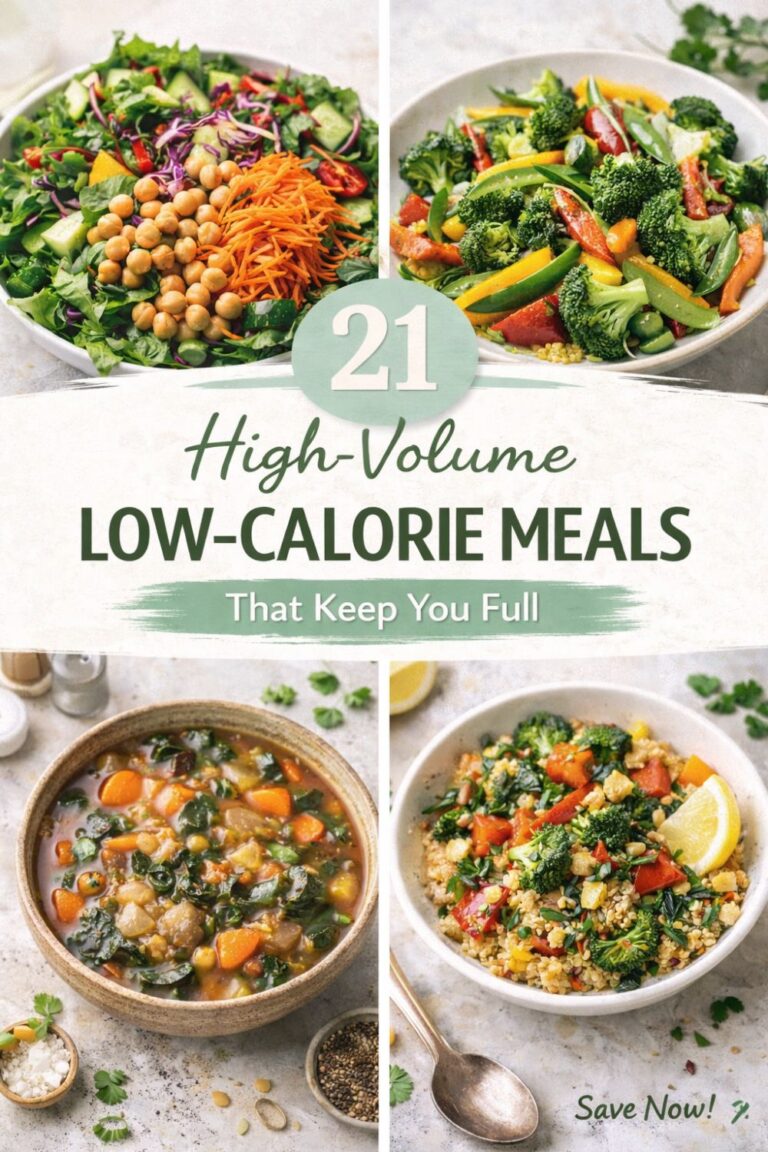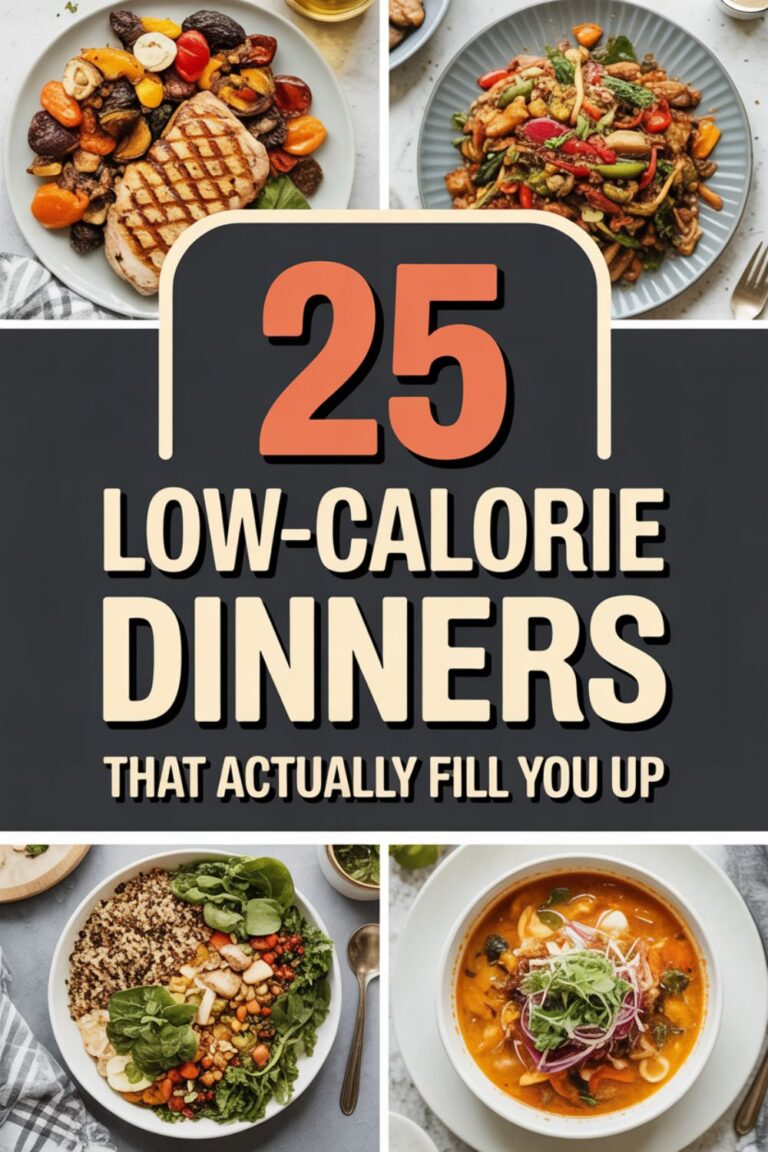
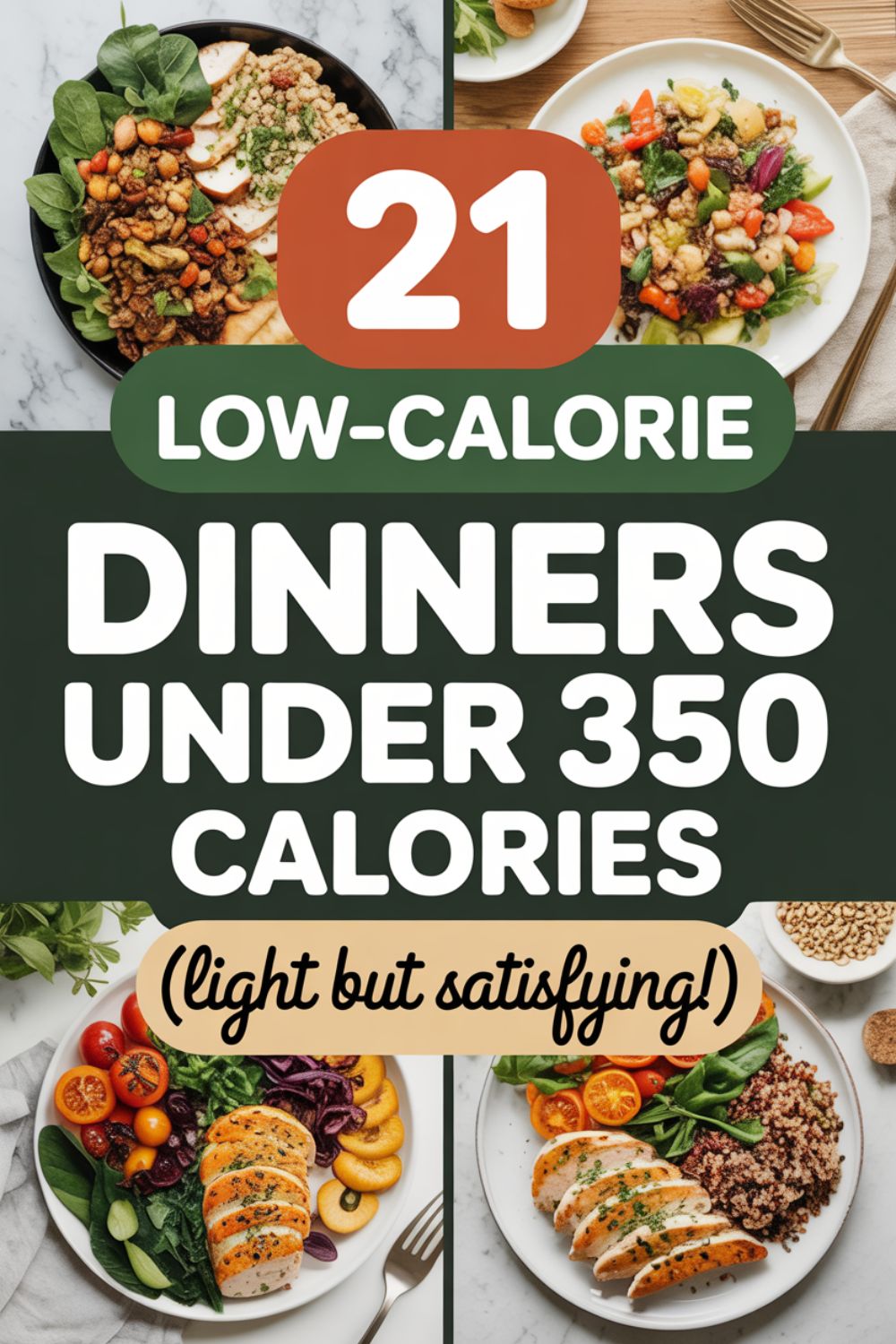
21 Low-Calorie Dinners Under 350 Calories
Look, I get it. You’re staring at your dinner plate wondering how on earth you’re supposed to feel satisfied on what looks like a bird’s portion. But here’s the thing nobody tells you about low-calorie dinners: they don’t have to suck. Actually, some of the most flavorful, filling meals I’ve ever made clock in well under 350 calories.
The secret isn’t deprivation or eating sad salads every night. It’s about understanding how calorie deficits actually work and loading up on ingredients that give you maximum bang for your caloric buck. Think vegetables that bulk up your plate, lean proteins that keep you full for hours, and flavor combinations that make you forget you’re even watching calories.
I’ve spent years testing dinner recipes that fit into a calorie-conscious lifestyle without tasting like cardboard. These 21 dinners are the real deal—meals I actually crave, not just tolerate. Let’s get into it.
Why 350 Calories Is the Sweet Spot
Here’s where most people mess up: they think lower is always better. Wrong. If you’re eating dinners under 200 calories, you’re probably waking up at 2 AM ready to eat your pillow. The 350-calorie range gives you enough fuel to feel satisfied while still leaving room for breakfast, lunch, and yes, even snacks.
According to research on balanced nutrition from Mayo Clinic, sustainable weight management comes from eating meals that keep you full without going overboard. Most women need around 1,200-1,500 calories daily for weight loss, while men typically need 1,500-1,800. A 350-calorie dinner fits perfectly into those ranges.
Plus, 350 calories gives you actual cooking flexibility. You can have protein, vegetables, and even a small portion of grains or healthy fats. You’re not stuck with steamed chicken and broccoli every single night.
Pro Tip:
Front-load your veggies. Fill half your plate with non-starchy vegetables first, then add your protein and carbs. Your stomach doesn’t do math—it just knows when it’s full.
The Building Blocks of a Satisfying Low-Calorie Dinner
Before we dive into specific recipes, you need to understand what actually makes a low-calorie dinner work. It’s not rocket science, but it is science.
Lean Proteins Are Non-Negotiable
Protein keeps you full longer than any other macronutrient. I’m talking chicken breast, turkey, white fish, shrimp, tofu, or egg whites. These give you the most protein per calorie, which means you’re satisfied for hours without blowing your calorie budget.
A 4-ounce chicken breast has about 140 calories and 26 grams of protein. Compare that to a 4-ounce ribeye at 310 calories with only 23 grams of protein. See the difference? When you’re working with limited calories, every choice matters.
Greater Goods Digital Food Scale – Game Changer for Calorie Tracking
Listen, I resisted getting a food scale for way too long because I thought I could eyeball portions. Spoiler: I couldn’t. This scale changed everything about how I prep meals. It’s accurate to the gram, has a tare function (so you can zero out the bowl weight), and the display is big enough that you don’t need reading glasses to see it.
Why This Scale Beats the Competition:
- Measures up to 11 pounds – perfect for meal prep batches
- Easy-to-clean tempered glass surface – no weird crevices where food gets stuck
- Switches between grams, ounces, and pounds – works with any recipe
- Auto-shutoff feature – saves battery life (runs on 2 AAAs for months)
- Compact size – stores in a drawer, not taking up counter space
$14.99 on Amazon
Check Current Price →Volume Eating Is Your Secret Weapon
This is where vegetables become your best friend. Leafy greens, zucchini, bell peppers, cauliflower, mushrooms—these foods are mostly water and fiber. You can eat huge portions without racking up calories. A full cup of zucchini is 20 calories. One cup. Think about how much space that takes up on your plate.
I love using this spiralizer to turn zucchini and other veggies into noodle shapes. It makes low-calorie meals feel way more substantial than they actually are.
Strategic Fats Make Everything Taste Better
Don’t skip fat entirely—you’ll hate your life. But be smart about it. A teaspoon of olive oil for cooking, a sprinkle of feta cheese, or a few sliced almonds can transform a bland meal into something you actually want to eat. Just measure it. Seriously. Fat is calorie-dense, and eyeballing portions is how you accidentally eat 200 extra calories.
I keep measuring spoons on a magnetic strip right by my stove so there’s zero excuse not to measure oils and sauces.
The Ultimate Kitchen Tools Guide for Weight Loss Success
After testing dozens of kitchen gadgets, I finally figured out which ones actually make low-calorie cooking easier (and which are total wastes of money). From the food scale that changed my portion control game to the air fryer that makes vegetables taste like they’re deep-fried, I’ve compiled everything you need to set up a kitchen that supports your goals.
Read the Complete Kitchen Tools Guide →
Speaking of protein-packed meals, you might also enjoy these high-protein breakfast ideas that pair perfectly with lighter dinners throughout the week.
21 Low-Calorie Dinner Ideas That Actually Deliver
Alright, enough theory. Let’s talk actual food. These dinners range from super simple weeknight staples to dishes that look fancy enough for company. All under 350 calories, all legitimately delicious.
Quick Weeknight Winners
1. Lemon Herb Grilled Chicken with Roasted Vegetables
The OG of healthy dinners, but done right. Marinate chicken breast in lemon juice, garlic, and herbs for 30 minutes. Grill it alongside bell peppers, zucchini, and cherry tomatoes tossed with a light mist of avocado oil spray. Total calories: around 280. It’s simple, but when you nail the seasoning, simple doesn’t mean boring. Get Full Recipe.
2. Shrimp Stir-Fry with Cauliflower Rice
Shrimp are criminally low in calories—about 100 calories for a generous 4-ounce serving. Stir-fry them with tons of vegetables in a tablespoon of sesame oil and soy sauce. Serve over cauliflower rice (25 calories per cup vs. 200 for regular rice). Add some red pepper flakes and you’ve got a dinner that tastes way more indulgent than 300 calories. Get Full Recipe.
3. Turkey and Veggie Lettuce Wraps
Ground turkey is leaner than beef but still flavorful. Cook it with ginger, garlic, and a splash of hoisin sauce, then pile it into butter lettuce leaves with shredded carrots and cucumber. Each wrap is maybe 60 calories, so you can eat four or five and still be under 300. Plus, the crunch factor is weirdly satisfying.
Quick Win:
Prep your proteins on Sunday. Season and freeze chicken breasts individually in these freezer bags. Thaw one in the fridge overnight, and dinner’s halfway done before you even start cooking.
4. Baked White Fish with Lemon and Asparagus
Any white fish—cod, tilapia, halibut—works here. Season it, wrap it in parchment paper with lemon slices and asparagus, and bake at 400°F for 15 minutes. The whole thing is about 250 calories and tastes like you ordered it at a nice restaurant. I use parchment paper sheets to make cleanup literally zero effort.
5. Chicken Fajita Bowl (Hold the Tortilla)
Sauté sliced chicken with bell peppers and onions in fajita seasoning. Serve over a bed of shredded lettuce with salsa, a tiny dollop of Greek yogurt (way fewer calories than sour cream), and maybe five tortilla chips crushed on top for crunch. Around 320 calories and it hits that craving for Mexican food.
If you’re craving more bowl-style meals, check out these Mediterranean grain bowls and Asian-inspired nourish bowls for variety throughout the week.
Comfort Food Makeovers
6. Zucchini Noodles with Turkey Bolognese
Pasta is delicious but calorie-heavy. Zucchini noodles? Twenty calories per cup. Make a bolognese with extra-lean ground turkey, crushed tomatoes, and Italian herbs. Top your zoodles with a generous portion of sauce and a sprinkle of parmesan. Total: 280 calories. You’ll need a decent spiralizer unless you want to hand-cut noodles like a maniac.
7. Cauliflower Crust Pizza (Mini Personal Size)
Yes, cauliflower crust is a thing, and when done right, it’s legitimately good. Top it sparingly with marinara, part-skim mozzarella, and all the veggies. One mini pizza comes in around 300 calories. Pro tip: Press all the moisture out of the cauliflower before making the crust, or you’ll end up with mush.
8. Turkey Meatballs with Spaghetti Squash
Mix lean ground turkey with egg, breadcrumbs, and spices. Bake the meatballs until crispy. Roast spaghetti squash, scrape out the strands, and top with meatballs and marinara. It’s ridiculously filling for about 310 calories. Get Full Recipe.
9. Loaded Veggie Omelet with Side Salad
Who says breakfast can’t be dinner? Three egg whites plus one whole egg, loaded with mushrooms, spinach, tomatoes, and a little feta. Serve with mixed greens dressed in balsamic vinegar. Around 260 calories and takes 10 minutes to make. I whip these up in this non-stick skillet that somehow makes eggs slide around like magic.
Global Flavors That Don’t Sacrifice Taste
10. Thai-Inspired Chicken Lettuce Cups
Ground chicken cooked with fish sauce, lime juice, cilantro, and a touch of brown sugar. Served in butter lettuce with sliced cucumbers and carrots. It’s bright, tangy, and about 250 calories. The flavor is so bold you won’t miss the rice. Get Full Recipe.
11. Greek Chicken Souvlaki with Tzatziki and Salad
Marinate chicken chunks in lemon, oregano, and garlic. Grill them on skewers. Make tzatziki with Greek yogurt, cucumber, and dill. Serve with a huge Greek salad (tomatoes, cucumbers, olives, a tiny bit of feta). Around 330 calories and tastes like vacation.
12. Miso-Glazed Salmon with Bok Choy
Mix miso paste with a little honey and rice vinegar. Brush it on salmon and broil for 6 minutes. Sauté bok choy with garlic. This dinner is about 320 calories but feels luxurious. The umami from the miso makes your taste buds think they’re eating something way more indulgent.
13. Moroccan-Spiced Chickpea Stew
Vegetarian option alert. Chickpeas simmered with tomatoes, cumin, coriander, cinnamon, and harissa. Serve over cauliflower rice. It’s hearty, warming, and around 290 calories. Plus chickpeas have protein and fiber, so you stay full. I make this in my Dutch oven and it somehow tastes better the next day.
COSORI Air Fryer – Makes Low-Calorie Cooking Ridiculously Easy
Real talk: this air fryer is the reason I actually stick to eating vegetables. It makes Brussels sprouts crispy, gives chicken that satisfying crunch without breading, and turns frozen cauliflower into something my kids willingly eat. You use maybe a teaspoon of oil versus the tablespoons you’d need for pan-frying. That’s 100+ calories saved per meal without sacrificing texture or flavor.
What Makes This Air Fryer Worth It:
- 5.8-quart capacity – fits a whole meal for 4 people (or serious meal prep)
- 11 preset cooking functions – chicken, vegetables, fish all have one-touch settings
- Dishwasher-safe basket – this was the dealbreaker for me, cleanup is effortless
- Temperature range up to 400°F – gets food actually crispy, not soggy
- Quiet operation – doesn’t sound like a jet engine taking off in your kitchen
- Preheat function – ensures even cooking every time
$89.99 (Frequently on sale for $69.99)
View on Amazon →For more plant-based inspiration, you’ll love these vegan Buddha bowls and hearty lentil soups.
One-Pan Wonders
14. Sheet Pan Chicken Thighs with Brussels Sprouts
Okay, chicken thighs have slightly more calories than breasts, but they’re so much more flavorful. Use skinless thighs, season them well, and roast with halved Brussels sprouts. Keep your portion to one thigh and load up on sprouts. About 340 calories. The crispy edges of the Brussels sprouts are chef’s kiss.
15. Baked Cod with Mediterranean Vegetables
Cod, cherry tomatoes, olives, red onion, and a sprinkle of feta all baked together on a rimmed baking sheet. Fifteen minutes at 425°F. Done. Around 280 calories and cleanup is a breeze. This is my go-to when I’m too tired to think.
16. Turkey Sausage and Pepper Skillet
Slice up chicken or turkey sausage (get the lean kind, not the fatty pork version). Sauté with bell peppers, onions, and Italian seasoning. Serve over spiralized zucchini or spaghetti squash. About 300 calories and tastes like comfort food without the guilt.
Pro Tip:
Invest in good non-stick cookware. I’m serious. When you’re cooking with minimal oil, cheap pans will make everything stick and burn. These ceramic pans changed my low-calorie cooking game.
Soup and Stew Contenders
17. Chicken Vegetable Soup
Classic for a reason. Simmer chicken breast with tons of vegetables—carrots, celery, zucchini, green beans, tomatoes—in low-sodium chicken broth. Season aggressively with herbs. A huge bowl is only about 200 calories, so you can have two bowls and still have room for dessert. Get Full Recipe.
18. Spicy Black Bean and Vegetable Chili
Black beans, kidney beans, diced tomatoes, bell peppers, onions, and chili powder. Let it simmer for 30 minutes. Top with a dollop of Greek yogurt and green onions. Around 280 calories per hearty serving. I make a giant pot in my slow cooker and eat it all week.
19. Tom Yum Soup with Shrimp
Thai hot and sour soup that’s naturally low-calorie. Shrimp, mushrooms, tomatoes, lemongrass, and lime in a spicy broth. Maybe 220 calories for a big bowl. The heat from the chilies actually makes you eat slower, which helps with satiety. Plus it clears your sinuses. Win-win.
When You Want Something Different
20. Egg White Frittata with Vegetables and Turkey Bacon
Egg whites, diced turkey bacon, bell peppers, onions, and spinach baked into a frittata. Cut it into wedges. One quarter of the frittata is about 180 calories, so serve it with a big side salad to round out the meal. It reheats beautifully too.
21. Stuffed Bell Peppers with Ground Turkey and Quinoa
Hollow out bell peppers. Fill them with a mixture of lean ground turkey, cooked quinoa, diced tomatoes, and spices. Top with a tiny bit of cheese and bake until the peppers are tender. Each stuffed pepper is around 320 calories and feels like a complete, satisfying meal. Get Full Recipe.
The Mistakes That Sabotage Low-Calorie Dinners
I’ve made every mistake in the book, so learn from my stupidity. These are the traps that’ll derail your calorie goals faster than you can say “just one more bite.”
Not Measuring Cooking Oils and Sauces
This is where people blow it. You think you’re drizzling a teaspoon of olive oil. You’re actually using three tablespoons—that’s 360 calories right there. Measure your fats. Every single time. Or use an oil spray that’s actually measured, not one of those continuous spray bottles that you hold down for way too long.
Going Too Low and Getting Hangry
If you’re eating dinners under 200 calories consistently, you’re setting yourself up to fail. You’ll be starving, your metabolism will slow down, and you’ll eventually binge. According to Mayo Clinic’s approach to sustainable weight loss, the goal is to eat enough to feel satisfied while still creating a moderate calorie deficit.
Skipping Seasoning Because You Think It’s Healthier
Bland food is why people quit healthy eating. Herbs and spices are basically calorie-free. Use them liberally. Garlic, ginger, citrus, vinegars, hot sauce, fresh herbs—these are your best friends. A well-seasoned piece of chicken is the difference between choking down your dinner and actually enjoying it.
Not Eating Enough Vegetables
Seriously, load up. If your dinner plate isn’t at least 50% vegetables, you’re doing it wrong. Vegetables give you volume and fiber without many calories. They fill you up. One cup of broccoli is 30 calories. You could eat four cups and still only consume 120 calories. Do the math.
For more ways to incorporate vegetables creatively, try these roasted vegetable medleys and quick veggie side dishes.
Meal Prep Strategies That Actually Work
You know what’s harder than cooking? Cooking when you’re exhausted at 7 PM and there’s leftover pizza in the fridge. That’s when meal prep saves you.
Sunday Protein Prep
Spend an hour on Sunday grilling or baking multiple chicken breasts, cooking a batch of turkey meatballs, or poaching a few pieces of salmon. Store them in individual containers in the fridge. During the week, just reheat a protein and throw together quick vegetables. Boom—dinner in 15 minutes.
Pre-Cut Your Vegetables
I wash and chop vegetables right when I get home from the grocery store. Bell peppers, onions, broccoli, cauliflower—everything goes into containers ready to cook. FYI, it’s way easier to eat healthy when your vegetables don’t require 20 minutes of prep work first.
Batch Cook Bases
Make a big pot of cauliflower rice, spaghetti squash, or a vegetable soup base. These store for days and can be repurposed into different meals. Cauliflower rice becomes the base for stir-fries, burrito bowls, or fried rice. One batch, multiple meals.
Quick Win:
Keep frozen vegetables stocked. They’re just as nutritious as fresh, cost less, and require zero prep. I always have frozen broccoli, cauliflower, and stir-fry vegetable blends on hand for those nights when even chopping an onion feels like too much work.
How to Handle Dining Out and Social Situations
Your friends want to go to dinner. Your family is ordering takeout. How do you stick to low-calorie eating without being That Person who makes everything difficult?
Restaurant Strategies
Always check the menu online first. Most restaurants have nutrition info available if you look. Choose grilled proteins with vegetable sides. Ask for sauces on the side—restaurants drown everything in butter and oil. And for the love of all things holy, skip the bread basket. Those 150 calories per roll add up fast.
Order first so you’re not influenced by what everyone else is getting. And don’t be shy about modifications. Ask for steamed vegetables instead of fries. Request grilled chicken instead of fried. Most places are happy to accommodate.
Parties and Gatherings
Eat a small, protein-rich meal before you go so you’re not starving. Then at the party, fill a small plate mostly with vegetables and lean proteins. Have one of whatever special dish you really want, enjoy it, and move on. The trick is not arriving hungry.
Common Questions About Low-Calorie Dinners
Can I really lose weight eating 350-calorie dinners?
Absolutely, as long as your total daily calorie intake creates a deficit. Most women can lose weight eating around 1,200-1,500 calories daily, and men around 1,500-1,800 calories. A 350-calorie dinner fits perfectly into those ranges, leaving room for breakfast, lunch, and snacks.
Won’t I be hungry all the time?
Not if you’re eating the right foods. Protein, fiber, and volume are key. A dinner with chicken breast, two cups of vegetables, and a small portion of quinoa will keep you satisfied for hours. The hunger usually comes from eating too many refined carbs and not enough protein or fiber.
How do I know if I’m getting enough nutrients?
Focus on variety. Eat different colored vegetables, rotate your protein sources, and include healthy fats in small amounts. If you’re eating a wide range of whole foods and hitting around 1,200-1,500 calories (for women) or 1,500-1,800 (for men), you should be getting adequate nutrition. When in doubt, consider a multivitamin as insurance.
Can I eat low-calorie dinners long-term?
Yes, but you might need to adjust your portions once you reach your goal weight. The 350-calorie range works well for weight loss, but for maintenance, you may need slightly larger portions or more calorie-dense additions like avocado or nuts. Listen to your body and adjust accordingly.
What if I’m still hungry after a 350-calorie dinner?
First, wait 20 minutes. Sometimes it takes that long for your brain to register fullness. If you’re genuinely still hungry, have a small, protein-rich snack like Greek yogurt or a hard-boiled egg. Or add more non-starchy vegetables to your dinner—you can eat a huge volume for minimal calories.
Final Thoughts
Here’s what I wish someone had told me when I first started trying to eat low-calorie dinners: it gets easier. The first week feels restrictive. The second week feels manageable. By week three, you’ve figured out your favorite meals and you’re not even thinking about it anymore.
These 21 dinners aren’t meant to be a prison sentence. They’re a starting point. Pick five that sound good, make them this week, and see which ones you actually enjoy. Then rotate those into your regular dinner lineup. Add new ones as you get bored. The goal isn’t perfection—it’s finding meals you can stick with long-term.
And look, some nights you’re going to want pizza or pasta or whatever your weakness is. That’s fine. One dinner doesn’t derail anything. What matters is what you do most of the time, not what you do sometimes. These low-calorie dinners are your “most of the time” meals. They’re the foundation that lets you enjoy the occasional indulgence without guilt or consequence.
🎉 Join Our WhatsApp Community!
Want more recipe ideas, meal prep tips, and daily motivation? Join our free WhatsApp channel where I share exclusive low-calorie recipes, quick cooking hacks, and answer your biggest healthy eating questions. Plus, you’ll connect with others on the same journey who actually get it.
Click here to join our community and never miss a recipe update!
The truth is, eating well doesn’t have to be complicated or expensive or time-consuming. Most of these dinners take 30 minutes or less. They use simple ingredients you can find at any grocery store. And they actually taste good—not “good for diet food” but actually good.
Start with the ones that sound easiest. Maybe that’s the sheet pan chicken and vegetables. Maybe it’s the shrimp stir-fry. Whatever gets you cooking is the right place to start. Once you nail a few basic recipes, you’ll start experimenting with flavors and ingredients on your own. That’s when it stops being a diet and starts being just how you eat.
IMO, the biggest mistake people make is trying to overhaul everything at once. They throw out all their “bad” food, stock up on ingredients they’ve never used, and try to cook elaborate meals every night. Then they burn out in a week and order takeout for the next month. Don’t do that. Pick two or three dinners from this list. Make them this week. See how you feel. Build from there.
The other thing nobody talks about: your taste buds adjust. I know that sounds like something a wellness influencer would say, but it’s true. When you stop drowning everything in heavy sauces and oils, you start tasting the actual food. That grilled chicken with lemon and herbs? After a couple weeks of eating this way, it’s genuinely delicious, not just “fine for a healthy meal.”
Keep your kitchen scale handy for the first few weeks until you get better at eyeballing portions. Use quality storage containers so meal prep doesn’t feel like a hassle. And seriously, get yourself some good non-stick pans—cooking with minimal oil is so much easier when your food doesn’t stick to the pan.
Best Meal Prep Containers for Weight Loss (Tested & Reviewed)
I wasted so much money on containers that leaked, stained, or warped in the microwave before finding the ones that actually work. This guide breaks down the best containers for portion control, which ones keep food fresh longest, and the surprising container type that helped me stay consistent with meal prep. Plus, I reveal the exact storage system I use to prep an entire week of dinners in under 2 hours.
See My Top Container Picks & Meal Prep System →
Remember that 350 calories is a guideline, not a law. If you make one of these dinners and it comes in at 380 calories, the calorie police aren’t going to show up at your door. The point is eating meals that are satisfying, nutritious, and fit into your overall daily calorie goal. Some nights you might eat a 300-calorie dinner because you had a bigger lunch. Other nights you might go up to 400 because you’re genuinely hungrier. That’s normal. That’s life.
💬 Get Daily Recipe Inspiration
Join 10,000+ food lovers in our WhatsApp channel! Every day, I share a new low-calorie recipe, answer cooking questions live, and drop meal prep shortcuts that’ll save you hours each week. It’s like having a healthy eating coach in your pocket (minus the judgment and unrealistic expectations).
Tap here to join free and start getting recipes delivered straight to your phone!
One last thing: be patient with yourself. If you’ve been eating 800-calorie dinners loaded with cheese and bread, switching to 350-calorie meals is going to feel different at first. Give it two weeks. Seriously. Two weeks for your body to adjust, for your taste preferences to shift, and for you to figure out which recipes work for your lifestyle. After that, it stops feeling like sacrifice and starts feeling normal.
These 21 dinners have legitimately changed how I eat. Not because they’re some magical solution, but because they’re realistic. They fit into my life without requiring me to become a meal prep robot or spend three hours cooking every night. They taste good enough that I actually want to eat them, not just tolerate them because they’re “healthy.”
So grab that chicken breast from the fridge. Chop up some vegetables. Try one of these dinners tonight. See how it goes. You might surprise yourself with how satisfying a well-made, low-calorie meal can actually be. And if you hate it? Try a different one tomorrow. You’ve got 20 more options to choose from.
Now stop overthinking it and go cook something. Your future self—the one who feels lighter, more energetic, and way less bloated—will thank you for it.