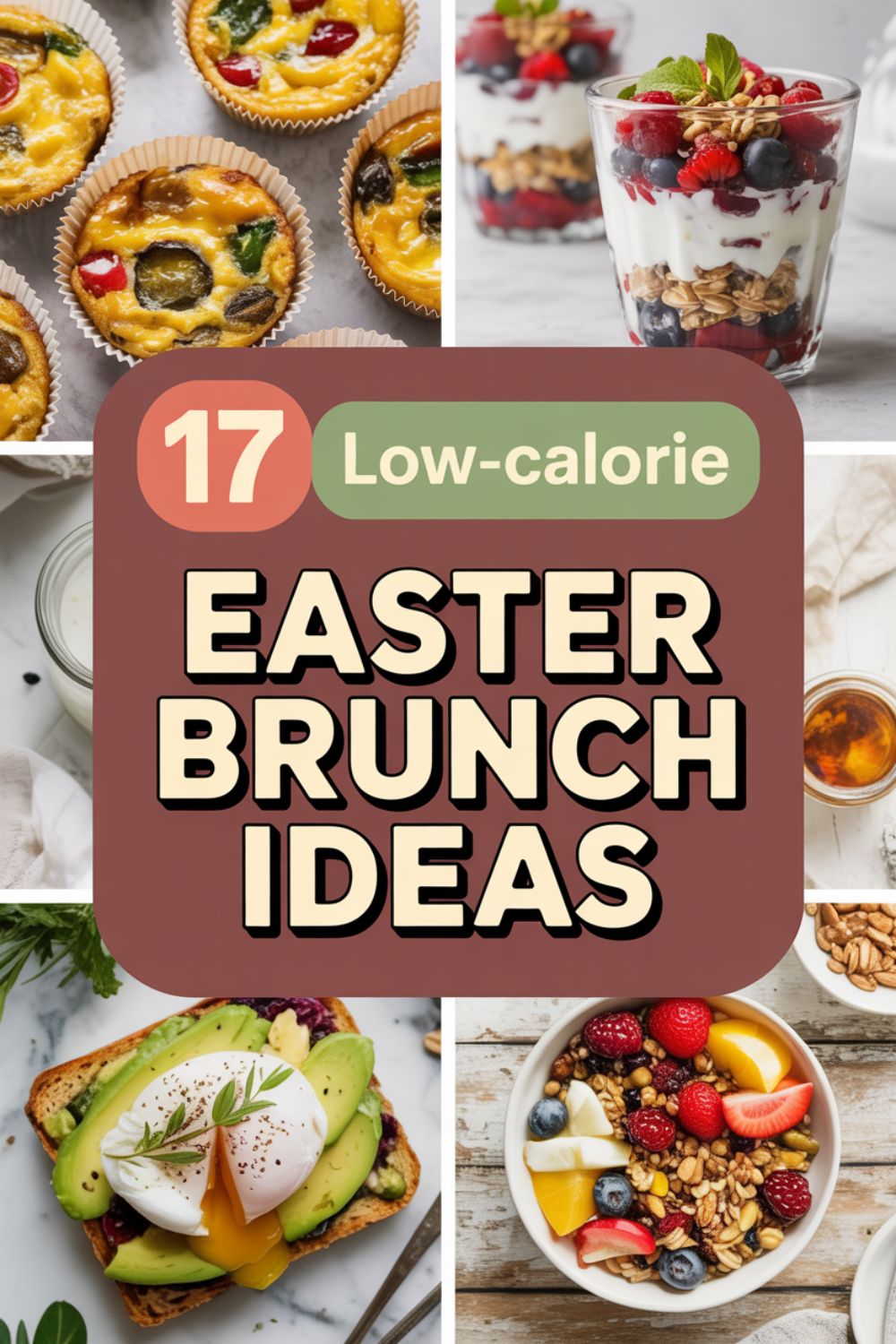
17 Low-Calorie Easter Brunch Ideas That Don’t Taste Like Rabbit Food
Easter brunch doesn’t have to mean eating your weight in butter-soaked croissants and cream cheese-slathered bagels. I get it—you want to enjoy the pastel-colored celebration without spending the next week undoing the damage. The good news? You can absolutely host or attend an Easter brunch that’s light, delicious, and won’t leave you feeling stuffed like the chocolate bunny on your dining table.
I’ve put together 17 low-calorie Easter brunch ideas that actually taste good. No sad lettuce leaves here. These are real dishes with real flavor that happen to keep your calorie count in check. Whether you’re cooking for a crowd or just meal-prepping your own Sunday spread, these ideas will make your Easter brunch feel indulgent without the food coma aftermath.
Ready to plan a brunch that won’t sabotage your progress? Let’s get into it.
Why Low-Calorie Easter Brunch Makes Sense
Look, Easter falls smack in the middle of spring when most of us are trying to feel our best. The weather’s warming up, and the last thing you want is to derail your eating habits because of one holiday meal. But here’s the thing—low-calorie doesn’t mean low-flavor or low-satisfaction.
The trick is focusing on whole foods, lean proteins, and lots of fresh produce. Spring gives us amazing ingredients like asparagus, strawberries, and fresh herbs that naturally make food taste incredible without piling on calories. When you build your brunch around these seasonal stars, you get maximum flavor with minimal calorie investment.
Plus, brunch is already the perfect meal for lighter fare. Think about it—eggs, fresh fruit, vegetables, whole grains. These are naturally lower-calorie options that fit the brunch vibe perfectly. You’re not fighting against the meal structure here; you’re working with it.
17 Low-Calorie Easter Brunch Ideas You’ll Actually Want to Eat
1. Veggie-Loaded Crustless Quiche (Around 180 Calories Per Slice)
Ditch the buttery crust and you’ve instantly saved yourself 150+ calories without sacrificing the good part—that custardy, savory egg filling. I load mine with spinach, mushrooms, cherry tomatoes, and a bit of feta cheese. The vegetables bulk up each slice so you feel satisfied, and the eggs provide solid protein to keep you full.
Use a non-stick springform pan for easy removal and picture-perfect slices. Nobody needs to know there’s no crust when it looks this good on a serving platter.
2. Greek Yogurt Parfait Bar (150-200 Calories)
Set up a DIY parfait station and let guests build their own. Start with plain Greek yogurt as the base—way more protein than regular yogurt and naturally lower in sugar. Offer toppings like fresh berries, a drizzle of honey, granola, sliced almonds, and chia seeds.
The beauty here is portion control happens naturally. People take what they want, and you’re not stuck with one giant dish that tempts you into thirds. If you’re prepping these ahead for a smaller group, I swear by these glass mason jars for layering everything the night before.
3. Smoked Salmon and Cucumber Bites (35 Calories Each)
These feel fancy but take about five minutes to assemble. Slice cucumbers into thick rounds, top each with a tiny dollop of light cream cheese or Greek yogurt, add a piece of smoked salmon, and finish with fresh dill and a crack of black pepper.
High protein, super low calorie, and they look absolutely gorgeous on a platter. Plus, the crunch from the cucumber gives you that satisfying bite that crackers would normally provide—minus all those carbs and calories.
4. Egg White Frittata Muffins (60-80 Calories Each)
Bake these in a silicone muffin pan and you’ve got grab-and-go portions that are actually cute. Mix egg whites with diced bell peppers, onions, turkey bacon bits, and a sprinkle of reduced-fat cheese. Bake at 350°F for about 20 minutes.
These are perfect for meal prep too. Make a batch on Saturday, and you’ve got breakfast sorted for the week. They reheat beautifully and taste way better than anything you’d grab at a drive-through.
Speaking of protein-packed breakfast ideas, you might want to check out these high-protein calorie deficit breakfasts or browse through these low-calorie breakfast options for more morning inspiration that keeps you full.
5. Fresh Fruit Salad with Mint and Lime (80 Calories Per Cup)
This sounds basic, but hear me out—fresh fruit dressed with lime juice and torn mint leaves is a completely different experience than sad fruit salad from the grocery store deli section. Use whatever’s in season: strawberries, blueberries, pineapple, kiwi, and melon.
The lime adds brightness and keeps the fruit from browning, while mint makes it taste restaurant-level sophisticated. Zero added sugar needed. Nature already did the work.
6. Avocado Toast on Whole Grain Bread (200 Calories)
Yeah, I know, avocado toast is everywhere. But there’s a reason it’s popular—it works. Use a thin slice of whole grain bread, mash half an avocado with lemon juice and red pepper flakes, and top with either a poached egg or sliced radishes for crunch.
The healthy fats from the avocado keep you satisfied way longer than a bagel would, and you’re getting fiber from the whole grain bread. It’s a balanced, filling option that still feels trendy and fun for brunch.
7. Baked Egg Cups in Tomato Halves (90 Calories Each)
Hollow out large tomato halves, crack an egg into each one, season with salt, pepper, and Italian herbs, then bake until the egg is set. These are visually stunning and taste like a lighter version of shakshuka.
The tomato provides natural sweetness and acidity that complements the egg perfectly. Plus, you’re getting vegetables built right into your protein source. Efficiency at its finest.
8. Mini Caprese Skewers (50 Calories Each)
Thread cherry tomatoes, small mozzarella balls, and fresh basil leaves onto small skewers. Drizzle with balsamic glaze right before serving. These are basically the perfect finger food—they look elegant, taste amazing, and won’t leave anyone feeling weighed down.
According to Healthline’s overview of mozzarella nutrition, fresh mozzarella provides quality protein and calcium without excessive calories when you stick to reasonable portions. The key is using the small mozzarella balls so portion control happens naturally.
9. Overnight Oats with Berries (220 Calories)
Mix rolled oats with unsweetened almond milk, a touch of honey, and vanilla extract the night before. In the morning, top with fresh berries and a sprinkle of sliced almonds. It’s creamy, satisfying, and requires zero cooking on the actual day.
I prep these in individual glass jars with lids so they’re ready to grab. You can make five at once and have breakfast solved for the entire week. Get Full Recipe for the exact ratios I use.
10. Zucchini and Herb Fritters (100 Calories Per Fritter)
Grate zucchini, squeeze out the excess moisture (this is crucial—don’t skip it), mix with egg, whole wheat flour, fresh herbs, and a bit of feta. Pan-fry in a non-stick skillet with minimal oil until golden and crispy.
These taste indulgent but pack in vegetables and protein without the calorie bomb of traditional pancakes. Serve with a dollop of Greek yogurt mixed with lemon zest instead of sour cream.
11. Egg White Scramble with Spring Vegetables (140 Calories)
Sauté asparagus, cherry tomatoes, and baby spinach in a pan, then add egg whites and scramble until fluffy. Season generously with herbs, garlic powder, and a tiny pinch of parmesan cheese for maximum flavor.
The vegetables add volume and nutrients while keeping calories reasonable. You can eat a huge plateful and still stay under 150 calories, which is pretty impressive for something this filling.
If you’re working on keeping your calorie intake in check throughout the day, these low-calorie meals under 300 calories and these low-calorie dinner ideas might give you some solid options for the rest of your day.
12. Cottage Cheese Bowl with Everything Bagel Seasoning (180 Calories)
Low-fat cottage cheese has gotten a serious glow-up lately, and honestly, it deserves it. High protein, creamy texture, and super versatile. Top it with everything bagel seasoning, sliced cherry tomatoes, cucumber, and fresh dill for a savory brunch bowl that tastes like a deconstructed bagel with lox—minus most of the calories.
Research from the National Institutes of Health shows that high-protein breakfasts can improve satiety and reduce overall calorie intake throughout the day. Cottage cheese delivers on protein without piling on fat or carbs.
13. Baked Sweet Potato Hash (160 Calories Per Cup)
Dice sweet potatoes small, toss with bell peppers, onions, and a touch of olive oil, then roast on a rimmed baking sheet until everything’s caramelized and crispy. The natural sweetness from the potatoes means you don’t need to add anything except salt, pepper, and maybe some smoked paprika.
This works as a side dish or main event if you top it with a poached egg. Sweet potatoes are nutrient-dense and have a lower glycemic index than regular potatoes, so they keep your blood sugar more stable.
14. Herbed Ricotta and Tomato Crostini (110 Calories Each)
Toast thin slices of whole grain baguette, spread with part-skim ricotta mixed with fresh basil and lemon zest, then top with sliced heirloom tomatoes. Finish with a crack of black pepper and maybe a tiny drizzle of balsamic reduction.
You get the satisfaction of bread, the creaminess of cheese, and fresh vegetables all in one bite. It feels way more indulgent than 110 calories should feel, which is exactly the kind of food magic we’re looking for.
15. Green Smoothie Bowl (210 Calories)
Blend spinach, frozen banana, a scoop of protein powder, and almond milk until thick and creamy. Pour into a bowl and top with sliced kiwi, berries, chia seeds, and a sprinkle of coconut flakes. The key is making it thick enough that it eats like a meal, not a drink.
I use a high-speed blender because it actually breaks down the spinach properly—nobody wants stringy green bits in their smoothie. The protein powder keeps you full, and the toppings add texture and visual appeal. Get Full Recipe with exact measurements.
16. Turkey Sausage and Veggie Skillet (190 Calories)
Brown lean turkey sausage in a skillet, then add diced bell peppers, mushrooms, and zucchini. Season with Italian herbs and garlic. This is basically a deconstructed omelet that serves a crowd without requiring you to stand over the stove flipping individual eggs.
Turkey sausage gives you that savory, meaty satisfaction with a fraction of the calories and fat of pork sausage. Plus, the vegetables bulk up the dish so everyone gets a generous portion.
17. Lemon Poppy Seed Mini Muffins (95 Calories Each)
Yes, you can have a sweet treat at brunch without blowing your calorie budget. Use Greek yogurt in place of some of the butter, reduce the sugar slightly, and bake in a mini muffin tin for built-in portion control.
The bright lemon flavor makes these feel light and springy, perfect for Easter. Plus, mini muffins trick your brain into thinking you’re indulging more than you actually are. Psychology for the win.
Looking for more sweet options that won’t derail your progress? Check out these low-calorie desserts and these low-calorie sweet snacks for treats that fit your goals.
Meal Prep Essentials Used in This Plan
These are the tools and products that make pulling together a low-calorie Easter brunch way easier. I actually use all of these regularly, and they’re worth having in your kitchen.
Physical Products:- Glass Meal Prep Containers – Perfect for storing prepped veggies, overnight oats, and frittata muffins without any weird plastic taste or staining
- Digital Food Scale – Takes the guesswork out of portions, especially helpful when you’re trying to keep calories in check
- Silicone Baking Mats – Roast vegetables or bake muffins with zero sticking and way less cleanup than parchment paper
- Low-Calorie Brunch Recipe eBook – Comprehensive collection of brunch recipes with full nutritional breakdowns
- Weekly Meal Planner Template – Plan your brunches and weekly meals in one organized digital space
- Calorie Tracking Spreadsheet – Simple, no-fuss way to track your daily intake without downloading another app
Want more tips and support? Join our WhatsApp Community where we share meal prep ideas, recipe tweaks, and keep each other motivated.
Making Easter Brunch Work for Your Goals
The secret to enjoying Easter brunch without sabotaging your progress is planning ahead. When you show up to brunch starving with no game plan, you’re way more likely to overeat or make choices you’ll regret later. Been there, done that, got the food coma to prove it.
Start by deciding which dishes you’re making the night before. Prep whatever you can—chop vegetables, mix dry ingredients for muffins, assemble parfait layers in jars. When Sunday morning rolls around, you’re mostly just cooking and plating, not scrambling to figure out what to make.
If you’re attending someone else’s brunch, offer to bring a dish. That way, you know there’s at least one option that aligns with your eating goals. People always appreciate contributions, and you won’t feel restricted or left out.
Also, don’t skip breakfast if your brunch is happening at noon or later. Have a small, protein-rich snack earlier so you’re not ravenous when the food comes out. A hard-boiled egg or some Greek yogurt will take the edge off without spoiling your appetite.
Balancing Tradition with Health Goals
Easter brunch probably comes with family traditions and recipes that mean something to you. You don’t have to abandon those completely just because you’re watching calories. The goal is balance, not perfection.
If Grandma’s famous cinnamon rolls are non-negotiable, have one. Really enjoy it. Then fill the rest of your plate with the lighter options. You’re not on some restrictive diet that bans enjoyment—you’re just making intentional choices most of the time.
The psychological benefit of allowing yourself traditional favorites in moderation is huge. When you don’t feel deprived, you’re way less likely to go overboard later. Restriction often leads to rebellion, which leads to eating way more than you would have if you’d just had the damn cinnamon roll in the first place.
That said, if certain foods trigger you to lose control, it’s totally fine to skip them. You know yourself best. There’s no one-size-fits-all approach here. The point is to create a strategy that feels sustainable for you personally, not to follow someone else’s rigid rules.
For more guidance on finding that balance, check out this piece on how to lose weight without feeling starved and this realistic look at what a 1200-calorie day actually looks like.
Tools & Resources That Make Cooking Easier
Having the right tools seriously makes or breaks your cooking experience. Here’s what actually gets used in my kitchen, not just what looks pretty on a shelf.
Physical Products:- Herb Scissors – Five blades make quick work of chopping fresh herbs without a cutting board situation
- Egg Cooker – Perfect poached or hard-boiled eggs every single time with zero effort or watching the stove
- Vegetable Spiralizer – Turns zucchini into noodles in seconds, adds volume to meals without adding significant calories
- Macro-Friendly Recipe Collection – Pre-calculated macros for every recipe so you’re not doing math at 6 AM
- Grocery Shopping Checklist Template – Organized by store section so you’re not wandering aimlessly or forgetting key ingredients
- Portion Size Visual Guide PDF – Quick reference for eyeballing portions when you don’t have a scale handy
What Real People Are Saying
Jessica from our community hosted Easter brunch last year using a mix of these recipes and said her guests had no idea they were eating “diet food” until she mentioned it. She made the veggie frittatas, cucumber salmon bites, and fruit salad with mint, and everything got demolished. Her aunt even asked for the frittata recipe, which felt like the ultimate validation.
Another member, Rachel, used these ideas to meal prep her Easter week breakfasts and said she finally stopped feeling like brunch meant automatic weight gain. She batch-made the egg white muffins and overnight oats, and it kept her on track through a week of family visits and chocolate egg temptations everywhere.
IMO, the biggest win is when healthy eating stops feeling like sacrifice and starts feeling like just another enjoyable meal. That’s when you know you’ve found something sustainable.
Frequently Asked Questions
Can I make these Easter brunch recipes ahead of time?
Absolutely. Most of these recipes actually benefit from advance prep. The overnight oats need to be made ahead, obviously. Frittata muffins, veggie fritters, and baked egg cups can all be made 1-2 days in advance and reheated. Even the fresh fruit salad can be prepped the night before if you add the lime juice to prevent browning. Just keep everything properly refrigerated in airtight containers.
How do I keep calorie counts accurate when cooking for a group?
The easiest method is weighing ingredients as you add them and using a recipe calculator app or website to determine calories per serving. Then divide the finished dish into equal portions. FYI, I use a digital food scale for anything that matters—eyeballing works for casual cooking, but not when you’re trying to track accurately. For potluck situations, just estimate conservatively and enjoy your meal without stressing too much.
Are these recipes suitable for people with dietary restrictions?
Many of these are naturally gluten-free or can be easily adapted. The egg-based dishes work for gluten-free diets as-is. For dairy-free options, swap Greek yogurt for coconut yogurt, use dairy-free cheese or skip it entirely, and choose plant-based milk. The veggie-heavy options like cucumber bites and caprese skewers can be modified for vegan diets by using cashew cream or almond-based cheeses. Most of these recipes are flexible enough to accommodate various needs with simple substitutions.
What if my family expects traditional heavy brunch foods?
Offer both. Make some of these lighter options alongside one or two traditional favorites. Position the healthier dishes prominently on the table, and plate yourself those items first. Most people won’t even notice they’re eating lighter fare if it tastes good and looks appealing. Plus, having variety means everyone finds something they enjoy, and you’re not the only person trying to make healthier choices—you’re just the one being intentional about it.
How many dishes should I make for Easter brunch?
For a group of 6-8 people, aim for 4-5 different dishes including one protein option, one egg dish, fresh fruit, and one or two vegetable-based items. You want variety without overwhelming yourself with cooking. If it’s a smaller group or just your family, 3-4 dishes is plenty. The goal is abundance of choice, not abundance of food volume. Quality over quantity keeps both the calorie count and your stress levels manageable.
Final Thoughts on Low-Calorie Easter Brunch
Easter brunch doesn’t have to be a calorie catastrophe. With these 17 ideas, you’ve got plenty of options to create a spread that’s colorful, delicious, and actually supports your health goals instead of working against them. The key is focusing on whole foods, lean proteins, and seasonal produce that naturally deliver flavor without requiring heavy sauces or excessive fats.
Plan ahead, prep what you can the night before, and don’t stress about being perfect. If you want to indulge in one traditional favorite, do it. Just surround that choice with smarter options that keep your overall intake reasonable. Balance is what makes this whole thing sustainable long-term.
Whether you’re hosting or attending, these recipes give you the tools to enjoy Easter brunch without the guilt, bloat, or need for a nap immediately after. That’s the kind of holiday win we’re all looking for.
Happy Easter, and happy brunching.