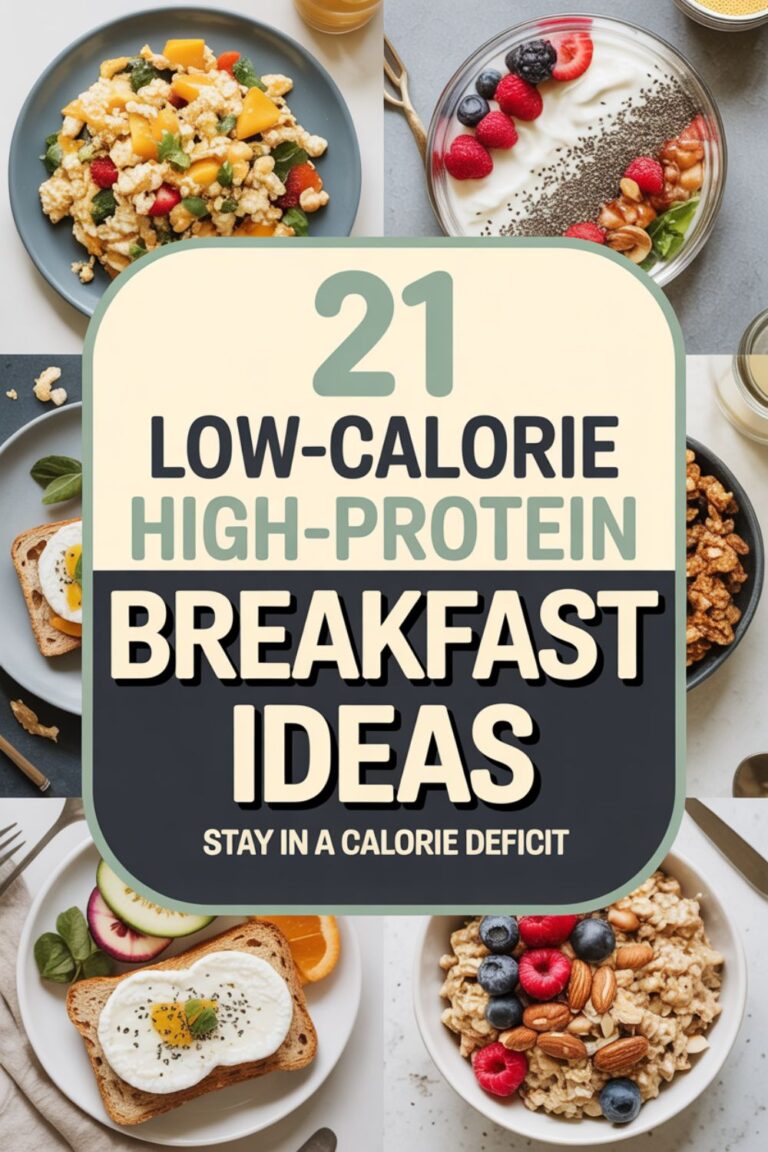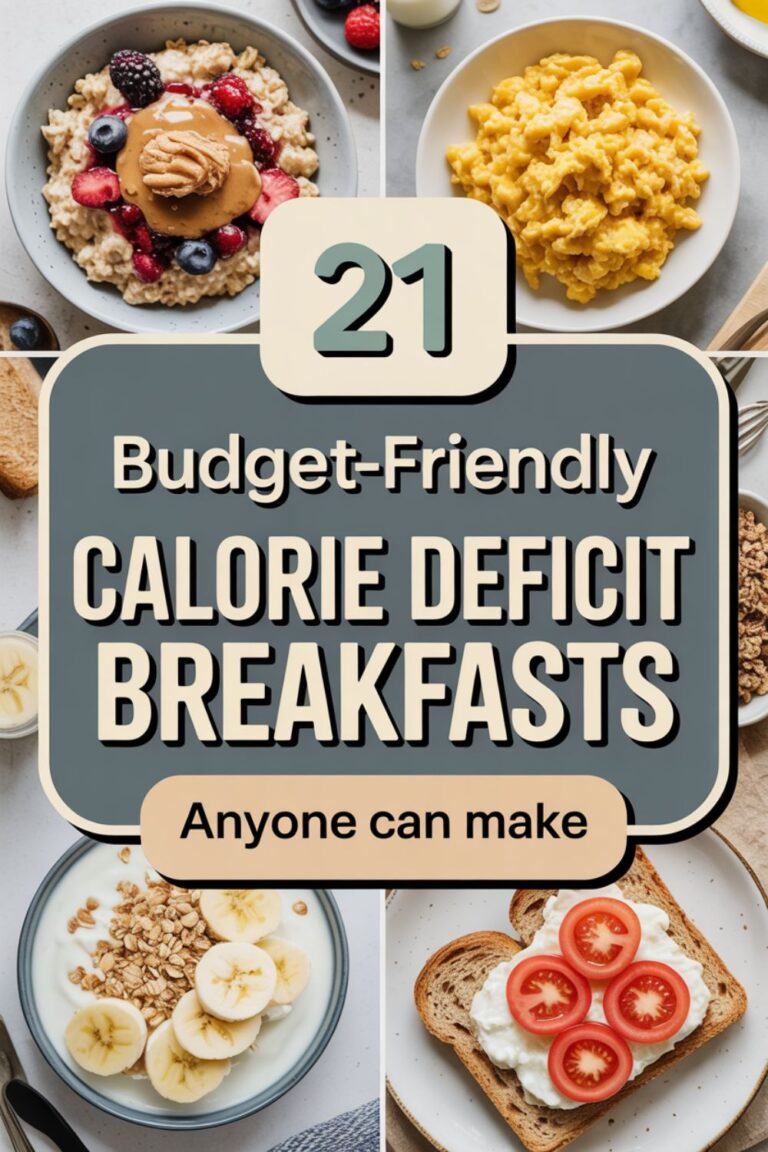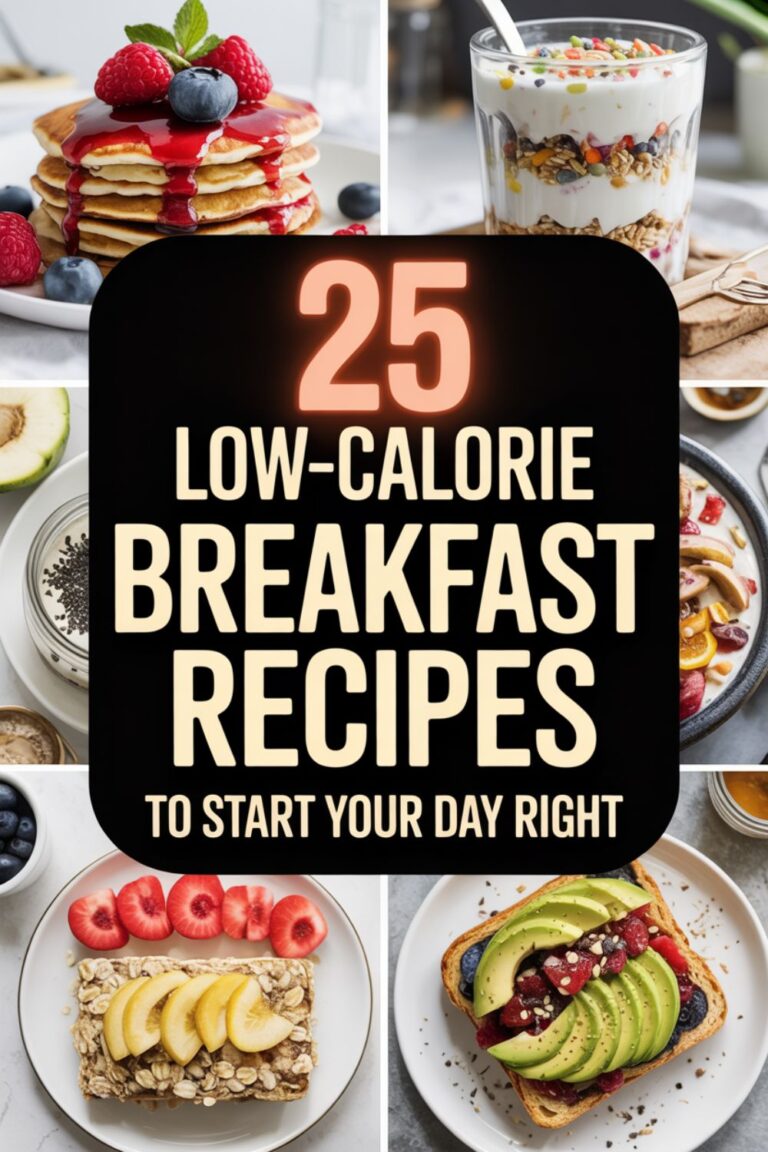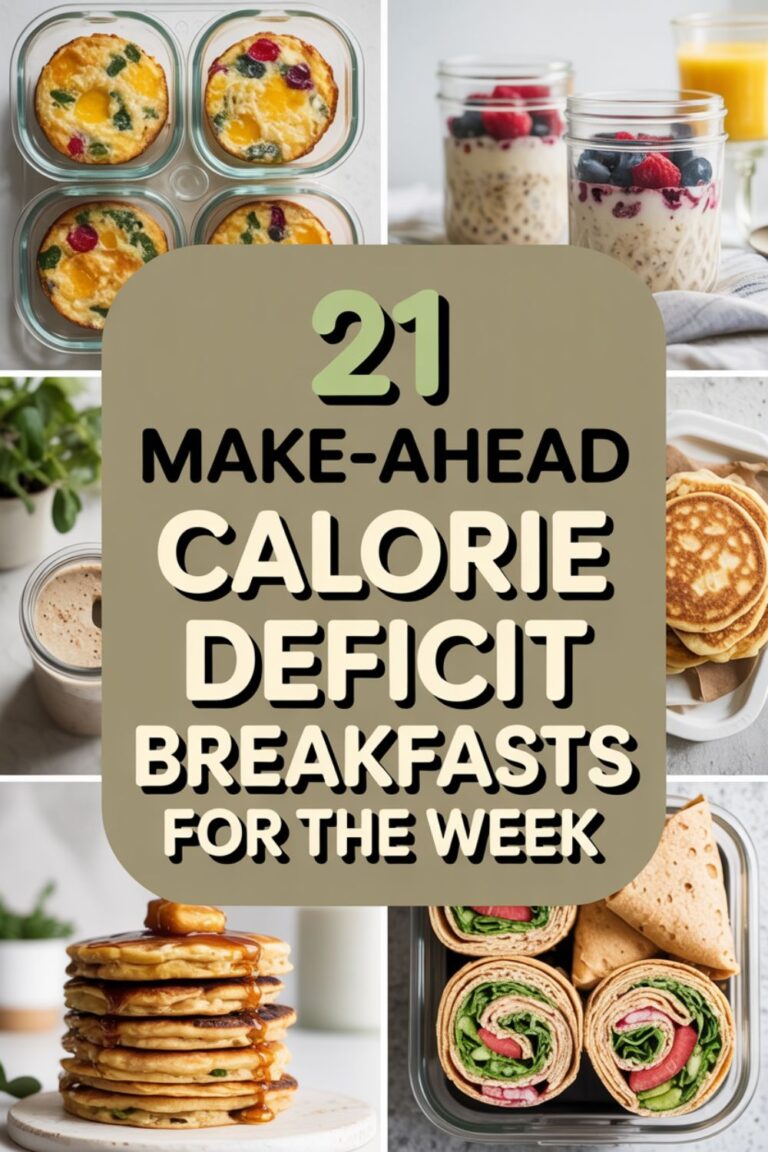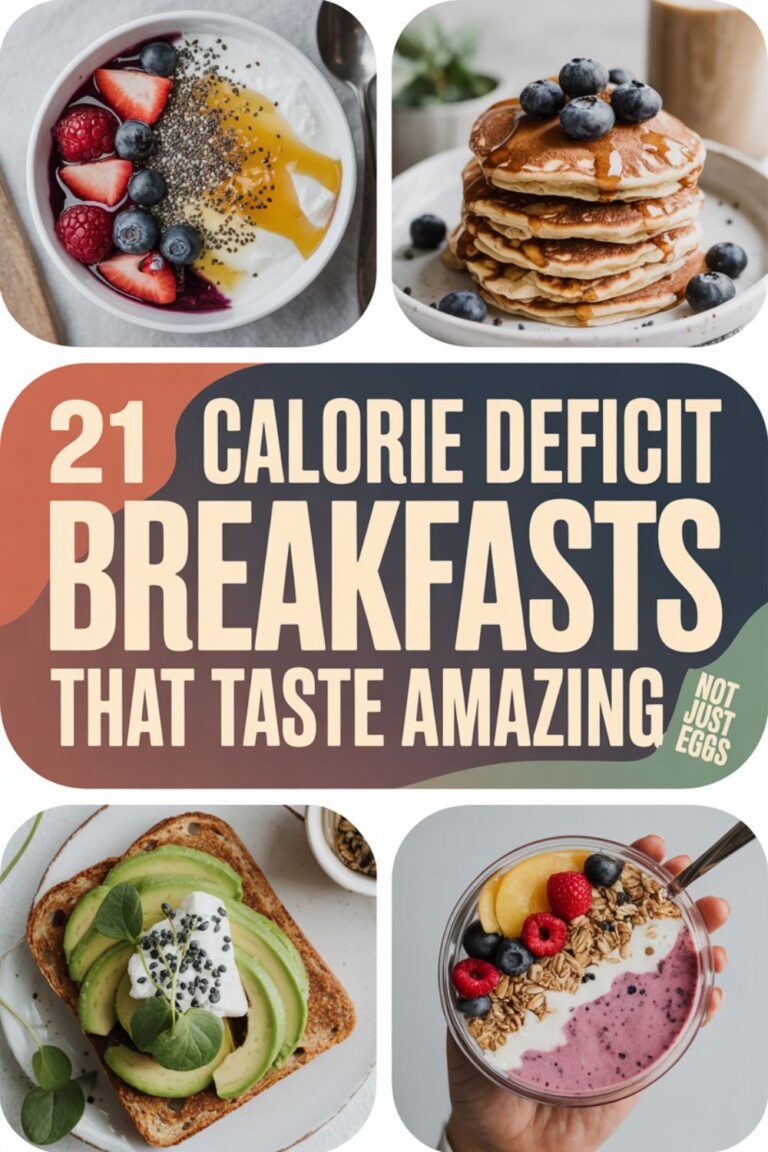
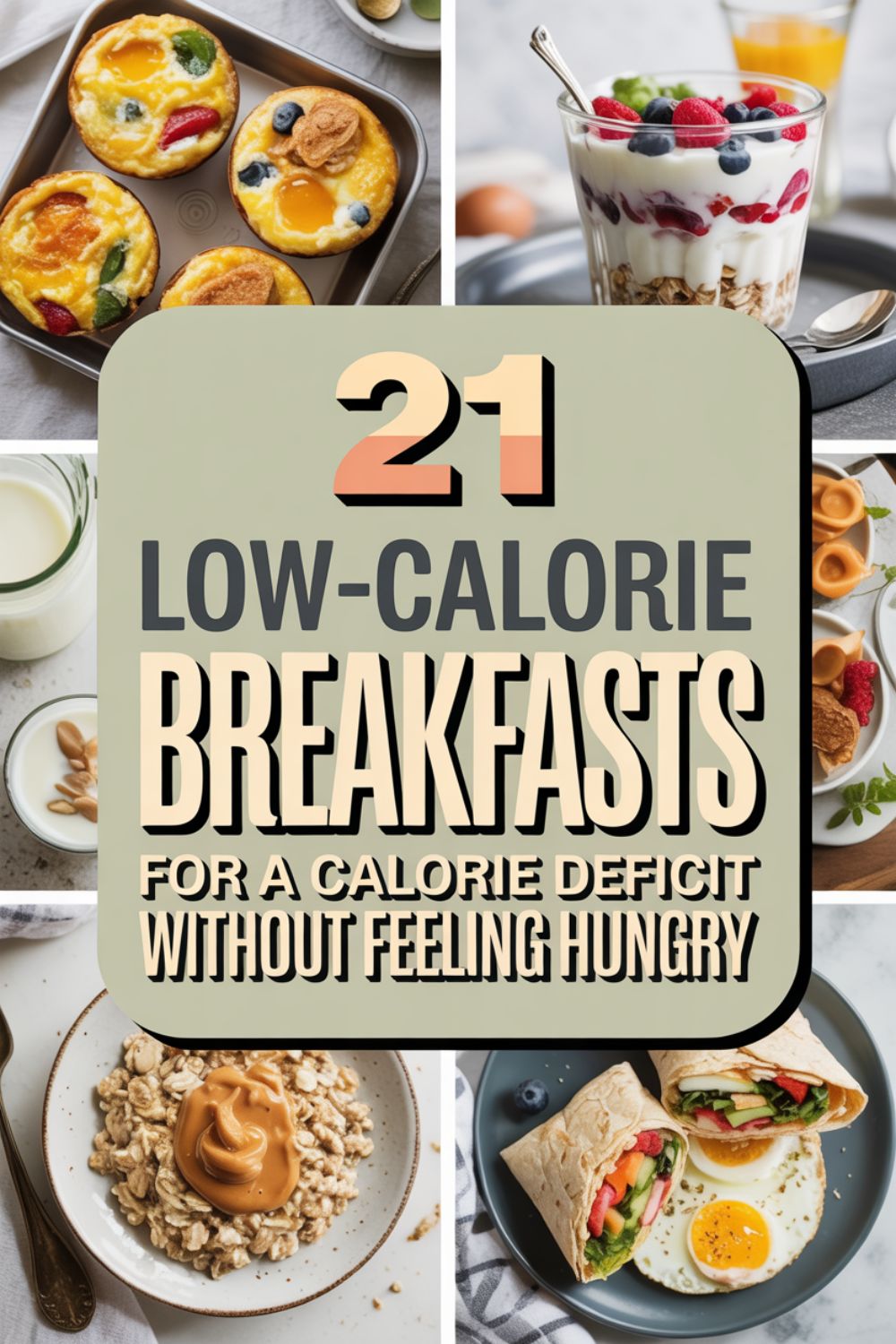
21 Low-Calorie Breakfasts for a Calorie Deficit Without Feeling Hungry
Let me guess: you’re trying to cut calories, but the thought of eating another sad bowl of plain oatmeal makes you want to throw your meal plan out the window? Yeah, I’ve been there. The whole “breakfast is the most important meal” thing feels like a cruel joke when you’re stuck eating boring food that leaves you starving by 10 AM.
Here’s what I’ve learned after years of experimenting with calorie deficits—breakfast doesn’t have to suck. Actually, it shouldn’t suck. Because if you start your day feeling deprived, you’re basically setting yourself up to raid the vending machine before lunch.
These 21 low-calorie breakfast ideas aren’t just about keeping the numbers down. They’re about feeling satisfied, staying full, and actually enjoying what you eat. No cardboard-flavored protein bars or flavorless egg whites here. Just real food that happens to fit your goals.
Why Most Low-Calorie Breakfasts Leave You Hungry
You know that gnawing hunger that hits you an hour after breakfast? That’s not your stomach being dramatic—it’s usually because your meal was missing something crucial. Most people think cutting calories means eating less of everything, but that’s where things go sideways.
The real issue is usually one of three things: not enough protein, barely any fiber, or skipping healthy fats entirely. Your body needs these to feel satisfied. When you eat a breakfast that’s basically just carbs—even healthy ones—your blood sugar spikes and crashes faster than your motivation on a Monday morning.
Protein keeps you full longer and actually requires more energy to digest. Fiber slows everything down in a good way, making you feel satisfied without stuffing yourself. And those healthy fats? They signal to your brain that you’ve eaten something substantial. Skip any of these, and you’re basically running on empty by mid-morning.
Research shows that eating a high-protein breakfast can reduce cravings and calorie intake throughout the day. This isn’t just theory—it’s backed by actual science that explains why your egg-white omelet leaves you hungrier than a full egg version.
The Foundation: What Makes a Low-Calorie Breakfast Actually Work
Let’s talk about what you’re actually putting on your plate. A breakfast that keeps you full without wrecking your calorie budget needs to hit these targets: 250-400 calories, at least 15-20 grams of protein, 5+ grams of fiber, and some healthy fats to round it out.
I’m not saying you need to measure everything to the gram—that’s exhausting and honestly unnecessary for most people. But having a general framework helps you build meals that actually work instead of leaving you hangry and digging through desk drawers for snacks.
Protein Sources That Don’t Bore You to Death
Eggs are the obvious choice, but they’re far from your only option. Greek yogurt packs a serious protein punch—we’re talking 15-20 grams per serving. Cottage cheese is another underrated champion that people either love or hate (I’m in the love camp, especially with some cinnamon and berries).
If you’re plant-based, don’t stress. Tofu scrambles can be amazing if you season them properly—emphasis on “properly” because bland tofu is a crime. Protein powder in oatmeal or smoothies works too, though I’d argue whole food sources are more satisfying.
Speaking of protein-packed breakfasts, if you want to dive deeper into maximizing your morning protein intake, check out this 7-day high-protein 1200-calorie meal plan that breaks down exactly how to hit your protein goals without overthinking it.
Fiber: The Secret Weapon Nobody Talks About
Fiber is weirdly underrated when it comes to feeling full. Oats, berries, chia seeds, flaxseeds—these aren’t just trendy ingredients. They actually slow down digestion and keep your blood sugar stable. Mayo Clinic confirms that fiber-rich foods help with weight management and keep you fuller longer.
One of my favorite tricks is adding a tablespoon of ground flaxseed to basically anything—oatmeal, yogurt, smoothies. You don’t taste it, but you get an extra 3 grams of fiber and some omega-3s as a bonus. I use this organic flaxseed grinder because pre-ground stuff loses its nutrients faster than you can say “superfood.”
21 Low-Calorie Breakfast Ideas That Actually Keep You Full
Alright, enough theory. Let’s get into the actual breakfasts you can make tomorrow morning. I’ve organized these by prep time and style because I know some days you have 20 minutes, and other days you’re grabbing something on your way out the door.
Quick & Grab-And-Go Options (Under 10 Minutes)
1. Greek Yogurt Power Bowl
Plain Greek yogurt (150 cal), half a cup of berries (40 cal), a tablespoon of chopped walnuts (45 cal), and a drizzle of honey. Total: around 250 calories with 18g protein. Mix it in a portable glass container the night before if you’re rushing in the morning.
2. Avocado Toast (The Right Way)
One slice of whole grain bread (80 cal), quarter of an avocado mashed (60 cal), topped with a poached egg (70 cal), everything bagel seasoning, and red pepper flakes. Comes to about 210 calories and keeps you full until lunch. Get Full Recipe
3. Cottage Cheese Berry Bowl
Low-fat cottage cheese (90 cal per half cup), mixed berries (30 cal), a sprinkle of cinnamon, and a few dark chocolate chips for sanity (40 cal). The protein-to-calorie ratio here is insane—about 160 calories total with 14g protein.
4. Peanut Butter Banana Wrap
Small whole wheat tortilla (80 cal), one tablespoon natural peanut butter (95 cal), half a banana sliced (50 cal), and a sprinkle of cinnamon. Roll it up and you’ve got a 225-calorie breakfast that travels well.
Quick note on peanut butter—measure it. I know, I know, it’s annoying. But PB is one of those things where “eyeballing it” usually means you’re eating double the portion. I keep these mini measuring spoons right in the jar so I’m not tempted to just dig in with a regular spoon.
5. Protein Smoothie That Doesn’t Taste Like Grass
One scoop vanilla protein powder (120 cal), half a cup frozen spinach (you won’t taste it, promise), half a frozen banana (50 cal), one cup unsweetened almond milk (30 cal), and a tablespoon of almond butter (90 cal). Blend until smooth. Total: 290 calories, 25g protein. Get Full Recipe
Weekend-Worthy Breakfasts (When You Have Time)
6. Veggie-Loaded Scramble
Two eggs (140 cal), loads of mushrooms, spinach, tomatoes (30 cal combined), and a sprinkle of feta cheese (40 cal). Cook in a tiny bit of olive oil (40 cal). This is around 250 calories and feels like a proper weekend breakfast.
7. Sweet Potato Toast with Almond Butter
Slice a sweet potato lengthwise about half-inch thick and toast it (yes, in a toaster—just run it through a couple cycles). Top with a tablespoon of almond butter and sliced strawberries. About 220 calories and way more interesting than regular toast.
8. Baked Egg Cups
Mix eggs with diced bell peppers, onions, a bit of cheese, and pour into a silicone muffin tin. Bake at 350°F for 20 minutes. Each cup is roughly 70-80 calories, so two or three make a complete breakfast you can meal prep for the week. Get Full Recipe
9. Protein Pancakes
Mash one ripe banana, mix with two eggs and a scoop of protein powder. Cook like regular pancakes. Top with Greek yogurt and berries. The whole stack comes to about 350 calories with 30g protein. Worth it for Sunday brunch IMO.
10. Overnight Oats Three Ways
Base recipe: half cup rolled oats (150 cal), half cup unsweetened almond milk (15 cal), tablespoon chia seeds (60 cal), mix and refrigerate overnight. In the morning, add toppings—either berries and nuts (220 cal total), cocoa powder and banana (235 cal), or apple and cinnamon (225 cal). Get Full Recipe
Savory Breakfast Lovers, This One’s For You
11. Smoked Salmon Breakfast Bowl
Half cup cooked quinoa (110 cal), two ounces smoked salmon (60 cal), sliced cucumber, cherry tomatoes, and a dollop of Greek yogurt mixed with dill. Around 230 calories and high in protein and omega-3s.
12. Turkey Sausage Breakfast Tacos
Two small corn tortillas (90 cal), turkey breakfast sausage crumbled (70 cal for a small portion), scrambled egg whites (50 cal), salsa, and a sprinkle of cheese. Total damage: about 250 calories.
For more savory breakfast inspiration, especially if you’re meal planning for the week, these 21 low-calorie dinners have some ideas that actually work great for breakfast too. Who says you can’t eat dinner food in the morning?
13. Mushroom and Spinach Frittata
Use a small oven-safe skillet—sauté mushrooms and spinach, pour in beaten eggs (use 2 whole eggs plus 2 whites for volume), add some herbs and a tiny bit of cheese. Bake until set. One quarter of the frittata is about 180 calories. Meal prep gold.
14. Breakfast Burrito Bowl
Skip the tortilla to save calories. Layer scrambled eggs, black beans, diced tomatoes, a bit of avocado, and salsa in a bowl. You get all the burrito flavors for around 280 calories.
15. Mediterranean Egg Bake
Mix eggs with sun-dried tomatoes, olives, feta, and spinach. Bake in individual ramekins for perfect portion control. Each serving is about 200 calories and feels fancy enough for company. Get Full Recipe
Meal Prep Essentials Used in This Plan
Glass Meal Prep Containers Set
Dishwasher and microwave safe, perfect for overnight oats, egg bakes, and make-ahead breakfast bowls. The portion control markings are surprisingly helpful.
Digital Kitchen Scale
Honestly life-changing for portion control. Measure your peanut butter, cheese, and nuts accurately without the guesswork. Pays for itself in not over-serving expensive ingredients.
Silicone Muffin Pans
Non-stick without the spray, perfect for egg cups and mini frittatas. Pop them out easily and they’re dishwasher safe. Get two so you can prep a full week.
Free 7-Day Meal Planner Template
Download our printable breakfast planner that helps you organize your week, track calories, and plan grocery shopping. Includes swap suggestions for dietary restrictions.
Low-Calorie Breakfast Recipe eBook
50 additional breakfast recipes with full nutrition info, prep times, and meal prep instructions. Includes vegetarian, vegan, and dairy-free options.
Calorie Deficit Calculator & Tracker
Simple spreadsheet that calculates your ideal calorie deficit based on your goals and tracks your progress. No complicated apps or subscriptions needed.
Sweet Tooth? We Got You
16. Chocolate Protein Mug Cake
Mix one scoop chocolate protein powder, one egg, a splash of almond milk, and a tiny bit of baking powder. Microwave for 60-90 seconds. Top with a dollop of Greek yogurt and berries. Feels like dessert but clocks in at about 220 calories.
17. Cinnamon Apple “Baked” Oatmeal
Cook oats with diced apple, cinnamon, a pinch of nutmeg, and a drizzle of maple syrup. Top with a spoonful of almond butter. The whole thing is around 310 calories but tastes like apple pie for breakfast.
18. Ricotta and Berry Toast
Whole grain toast spread with part-skim ricotta cheese, topped with mashed berries and a tiny drizzle of honey. The ricotta gives you protein (about 9g per quarter cup) and the texture is so much better than cream cheese. Around 240 calories. Get Full Recipe
19. Chia Pudding Parfait
Mix chia seeds with almond milk and a touch of vanilla extract, let it sit overnight. Layer with Greek yogurt and berries in the morning. I use these 8-ounce mason jars for perfect portions—about 260 calories per jar with 12g protein.
20. Banana “Nice Cream” Bowl
Blend frozen bananas until smooth and creamy. Top with a tablespoon of almond butter, some cacao nibs, and sliced strawberries. Feels indulgent but it’s basically just fruit—around 280 calories.
21. Whole Wheat Blueberry Pancake
Make a single large pancake with whole wheat flour, egg, and mashed banana. Add fresh blueberries to the batter. Top with Greek yogurt instead of syrup. One pancake with toppings is about 300 calories and surprisingly filling.
Making It Work in Real Life
Having a list of recipes is one thing. Actually using them when you’re half-awake and running late is another. Let’s talk about how to make this sustainable without turning into a meal prep robot.
The Sunday Power Hour
I’m not saying you need to prep every single breakfast for the week—that’s overkill and honestly, some things taste better fresh. But spending one hour on Sunday to prep a few key items will save your sanity on weekday mornings.
Hard boil a bunch of eggs. Make a batch of overnight oats in individual jars. Chop veggies for scrambles and store them in containers. Cook some turkey sausage or bake egg cups. Portion out yogurt and toppings into grab-and-go containers.
That one hour sets you up for the week. On Monday morning when you’re barely functional, you can grab a pre-made breakfast and go. No decisions, no measuring, no thinking required.
The Rotation Strategy
Don’t try to eat 21 different breakfasts. Pick your top 5-7 favorites and rotate through them. Variety is great, but decision fatigue is real. Having a regular rotation means you can shop for those ingredients consistently and get really efficient at making them.
For me, it’s Greek yogurt bowls on Monday and Tuesday, overnight oats Wednesday and Thursday, and egg-based something on Friday. Weekends I experiment or make something more time-consuming. Works way better than trying to be creative every single morning.
If you’re struggling with creating a consistent rotation that actually works for your lifestyle, this beginner’s guide to 1200-calorie meal planning walks you through building a realistic routine that you’ll actually stick to.
Restaurant and On-The-Go Options
Sometimes you’re traveling, or you slept through your alarm, or life just happens. Here’s how to make decent choices when you’re eating out or grabbing something quick.
At coffee shops, go for egg white sandwiches on whole grain (ask them to hold the cheese or get it on the side). Oatmeal is usually safe if you don’t dump the entire sugar packet in. Protein boxes with hard-boiled eggs and fruit are decent options.
Fast food breakfast isn’t ideal, but if it’s that or starving until lunch, make the best choice you can. English muffin over biscuit. Egg over sausage. Skip the hash browns and get fruit. It’s not perfect, but it’s better than nothing.
According to research published in the American Journal of Clinical Nutrition, eating breakfast—even an imperfect one—is associated with better weight management than skipping it entirely. So don’t let perfect be the enemy of good enough.
Tools & Resources That Make Cooking Easier
High-Speed Blender
Worth the investment if you’re making smoothies regularly. Crushes frozen fruit without sounding like a jet engine. My cheap one died after three months—learn from my mistakes.
Non-Stick Ceramic Pan
Game-changer for cooking eggs with minimal oil. The ceramic coating means you actually can get away with just a cooking spray instead of butter. Easier cleanup too.
Microplane Grater
Sounds fancy but it’s just a really good grater. Perfect for adding lemon zest, grating ginger, or shaving dark chocolate over yogurt. Adds flavor without calories.
Macro Tracking Made Simple eBook
Stop guessing with your portions. This guide breaks down protein, carbs, and fats in plain English with visual portion guides. No degree in nutrition required.
Meal Prep Masterclass Video Series
Five short videos showing exactly how to prep breakfasts for the week in under an hour. Includes time-saving hacks and storage tips from someone who actually does this weekly.
Join Our WhatsApp Community
Connect with others doing the same thing. Share meal prep wins, swap recipes, get motivation when you’re struggling. Real people, real support, no judgment.
Common Mistakes That Sabotage Low-Calorie Breakfasts
Let’s talk about the ways people accidentally turn a 250-calorie breakfast into a 500-calorie one without realizing it. Because I’ve done all of these, and I bet you have too.
The “Healthy” Toppings Trap
Nuts are healthy. Nut butter is healthy. Dried fruit is healthy. But when you add a handful of almonds (160 cal), two tablespoons of almond butter (180 cal), and some dried cranberries (120 cal) to your yogurt, your “light” breakfast just became 460 calories before you even count the yogurt.
Measure your calorie-dense healthy foods. Yes, they’re good for you. But calories still count, and these add up shockingly fast. One tablespoon versus three tablespoons of peanut butter is the difference between a reasonable breakfast and one that blows your lunch budget.
Liquid Calories That Sneak In
That fancy latte from the coffee shop? Potentially 300 calories if you’re not careful. Orange juice? 110 calories for 8 ounces, which is like half a glass. Smoothies can easily hit 500+ calories if you’re adding fruit juice, honey, and excessive amounts of nut butter.
I’m not saying never drink these things. But be aware that they’re adding to your breakfast totals. If you’re having a 250-calorie meal plus a 300-calorie drink, that’s a 550-calorie breakfast. Which might be fine for your goals, but know what you’re doing.
Skipping Breakfast Entirely
Some people swear by intermittent fasting, and if that works for you, great. But for a lot of people, skipping breakfast just means they’re ravenous by lunch and end up eating way more than they would’ve if they’d just had a reasonable morning meal.
There’s also the psychological aspect—when you’re starving, you make worse food choices. That’s when a 400-calorie fast food meal sounds better than the 350-calorie salad you packed. Not because you actually want the fast food, but because your blood sugar crashed and your brain is in survival mode.
If you’re trying to figure out what calorie range actually works for your body and lifestyle, this comparison of 1200 vs 1500 calorie meal plans might help you dial in the right approach without guessing.
Adapting These Recipes for Different Dietary Needs
Not everyone can or wants to eat the same things. Here’s how to modify these breakfasts if you have specific dietary requirements or preferences.
Vegetarian and Vegan Swaps
Most of these recipes are already vegetarian or easily adaptable. For vegan versions, swap Greek yogurt for coconut or almond milk yogurt—just check the protein content, as many plant-based yogurts are lower. Use tofu scrambles instead of eggs, and nutritional yeast adds a cheesy flavor without dairy.
Chia pudding, overnight oats with plant milk, smoothies with vegan protein powder—these are all naturally vegan-friendly. Just watch that you’re still hitting your protein targets, since plant proteins can be less concentrated than animal sources.
For a complete plant-based approach that still hits your calorie and protein goals, check out this 1500-calorie vegetarian meal plan that includes breakfast options specifically designed to keep vegetarians satisfied and full.
Dairy-Free Options
Replace Greek yogurt with coconut yogurt (though again, check protein—you might need to add protein powder). Use almond, oat, or soy milk instead of regular milk. Nutritional yeast can replace cheese in scrambles and gives you B vitamins as a bonus.
Honestly, dairy-free breakfast is pretty easy. Most of the recipes here either don’t use dairy or have obvious substitutions. The trickier part is making sure you’re still getting enough protein and calcium.
Gluten-Free Adjustments
Swap regular toast for gluten-free bread or use sweet potato toast. Use certified gluten-free oats for overnight oats and oatmeal. Replace regular tortillas with corn or gluten-free tortillas. Most of the egg-based recipes are naturally gluten-free already.
One thing to watch—some protein powders have gluten or are processed in facilities that handle wheat. Check labels if you’re celiac or highly sensitive.
Troubleshooting: When Things Aren’t Working
Sometimes you follow the plan, make the breakfasts, track everything correctly, and still feel like something’s off. Here are the most common issues and how to fix them.
You’re Still Hungry an Hour Later
First question: are you actually hungry, or are you thirsty or bored? Sounds patronizing, but sometimes our brains confuse these signals. Drink a big glass of water and wait 10 minutes before deciding you need more food.
If you’re legitimately hungry, your breakfast probably needs more protein or fat. Add an extra egg, double the Greek yogurt, or include a bit more nut butter. Some people need 25-30 grams of protein at breakfast to feel satisfied. Experiment and find your threshold.
You’re Losing Weight Too Fast
Yeah, this can actually be a problem. Losing more than 2 pounds a week consistently means you’re probably in too steep of a deficit. Your body might start breaking down muscle, your energy crashes, and you’ll be way more likely to quit and regain everything.
If this is happening, add 100-200 calories back into your breakfasts. An extra serving of fruit, more nuts, a bit more avocado. Slow and steady beats fast and miserable every time.
You’re Not Losing Any Weight
If you’ve been consistent for 2-3 weeks and nothing’s moving, something’s off with your calorie math. Are you actually measuring portions or eyeballing? Are you counting the oil you cook with? The cream in your coffee? The “just a few” crackers you eat while cooking dinner?
Track everything—and I mean everything—for one week. Be honest about it. You might be surprised where extra calories are sneaking in. Most people underestimate their intake by 20-30% when they’re not carefully measuring.
Frequently Asked Questions
How many calories should my breakfast be if I’m trying to lose weight?
Most people do well with 250-400 calories at breakfast, depending on their total daily calorie goal. If you’re eating 1200-1500 calories per day, aim for 300-350 for breakfast. The key is making sure those calories include enough protein (20+ grams) and fiber to keep you full until lunch.
Can I meal prep these breakfasts for the whole week?
Absolutely. Overnight oats, egg cups, frittatas, and chia pudding all meal prep beautifully and last 4-5 days in the fridge. Some things like smoothies or avocado toast are better made fresh, but you can still prep the ingredients ahead of time to make morning assembly quick and easy.
What if I’m still hungry after eating one of these breakfasts?
First, drink a glass of water and wait 10-15 minutes—sometimes we confuse thirst with hunger. If you’re genuinely still hungry, you might need more protein or healthy fats. Try adding an extra egg, more Greek yogurt, or a small handful of nuts. Some people simply need more volume or protein at breakfast to feel satisfied.
Are these breakfasts suitable for people with diabetes?
Many of these options work well for blood sugar management because they’re high in protein and fiber, which help stabilize glucose levels. However, everyone’s body responds differently, so it’s important to monitor your blood sugar and work with your healthcare provider to find the right balance. Focus on the lower-carb, higher-protein options and watch portion sizes of fruit and grains.
Can I eat the same breakfast every day or do I need variety?
You can absolutely eat the same breakfast every day if you genuinely enjoy it and it’s nutritionally balanced. Many successful people stick to 3-5 favorite breakfasts and rotate them. Variety is nice for nutrients and preventing boredom, but consistency is way more important than constantly switching things up. If eating the same thing helps you stay on track, go for it.
Making Low-Calorie Breakfasts Work Long-Term
Look, the truth is that no single breakfast strategy works for everyone. What keeps me full might leave you starving, and vice versa. The key is experimenting with these options, paying attention to how your body responds, and adjusting accordingly.
Don’t get caught up in eating “perfectly.” Some days you’ll nail it with a protein-packed egg scramble and feel great until lunch. Other days you’ll grab a protein bar and coffee because life happened. Both are fine. The goal is progress, not perfection.
These 21 breakfast ideas give you enough variety to find what actually works for your taste, schedule, and hunger levels. Pick a few favorites, get comfortable making them, and build from there. Meal prep when you can, but don’t stress when you can’t. Keep the basics on hand—eggs, Greek yogurt, oats, frozen fruit, nut butter—and you’ll always be able to throw together something decent.
The breakfasts that work are the ones you’ll actually eat. Not the ones that look pretty on Instagram or sound impressive when you tell people about them. The ones that taste good, keep you full, fit your lifestyle, and don’t make you feel deprived. Find those, and you’re golden.