20 Low-Calorie Snacks Under 150 Calories
Look, I get it. You’re starving between meals, your energy is tanking faster than your motivation to meal prep, and you’re about three seconds away from demolishing an entire bag of chips. Been there, done that, got the crumb-covered keyboard to prove it.
Here’s the thing though—snacking doesn’t have to sabotage your health goals or leave you feeling guilty. In fact, smart snacking can actually help you maintain steady energy levels, prevent overeating at meals, and keep your metabolism humming along nicely. The trick is choosing snacks that satisfy without packing on the calories.
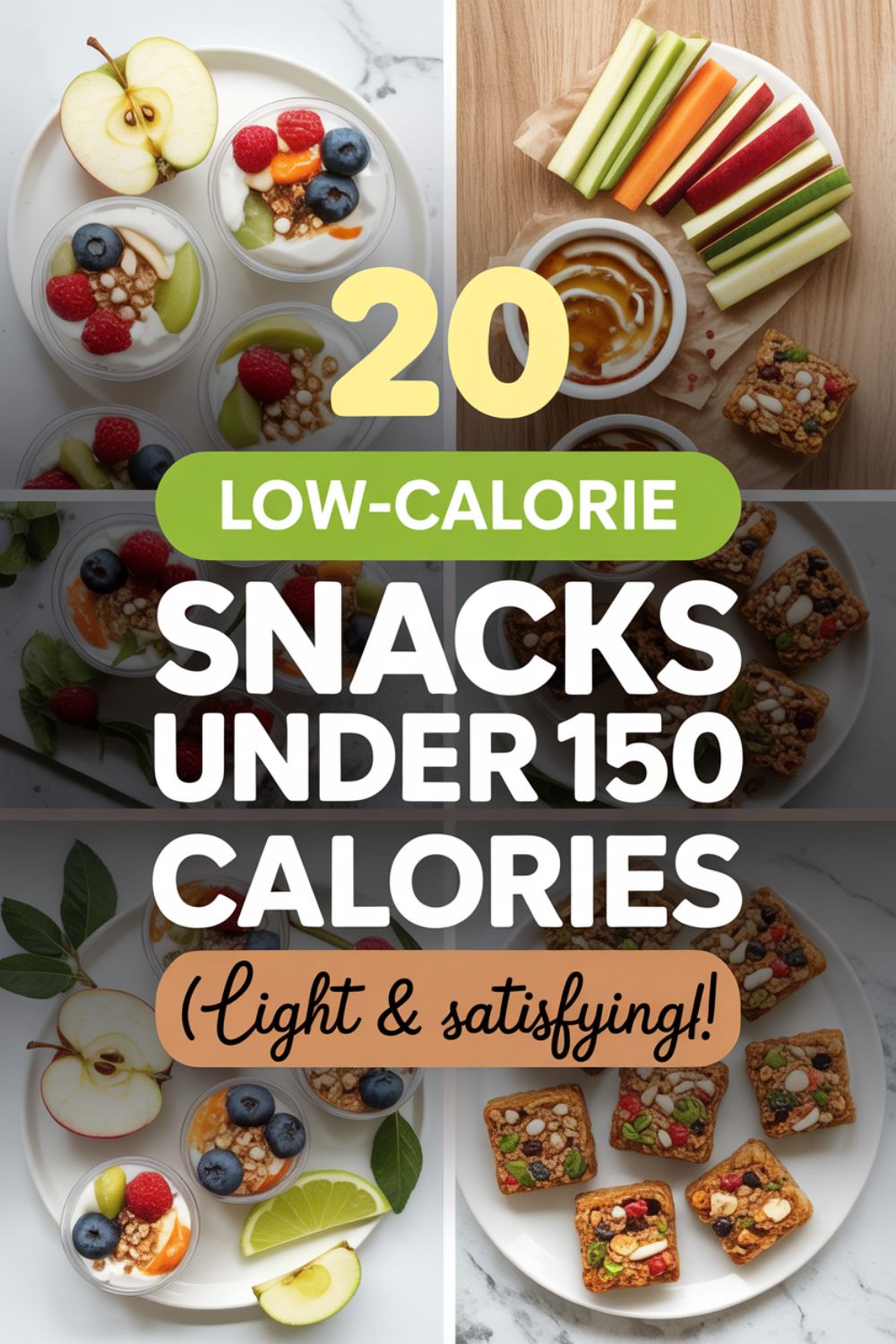
I’ve rounded up 20 low-calorie snacks that clock in under 150 calories each. These aren’t your sad, tasteless diet foods either. We’re talking real, satisfying options that’ll actually hold you over until your next meal. No wilted celery sticks or rice cakes that taste like cardboard—I promise.
Why Low-Calorie Snacks Actually Matter
Before we jump into the good stuff, let’s talk about why this even matters. Research from Harvard Health shows that roughly 75% of Americans snack daily, and many of us are basically replacing entire meals with whatever’s convenient. The problem isn’t snacking itself—it’s that we’re reaching for processed junk that offers zero nutritional value.
When you choose nutrient-dense, low-calorie snacks, you’re giving your body actual fuel instead of empty calories. You maintain stable blood sugar levels, avoid those brutal afternoon crashes, and—bonus—you’re way less likely to face-plant into a pizza at dinner time.
According to Cleveland Clinic nutritionists, planned snacking can curb cravings, boost energy, and even help with weight management. The key word here is “planned.” We’re not talking about mindless grazing—we’re talking intentional, strategic snacking.
🥗 PrepNaturals Glass Meal Prep Containers (15-Pack)
Why I swear by these: After testing dozens of meal prep containers, these are the only ones I actually use daily. They’re 100% glass (no weird plastic taste), completely leak-proof, and the portions are perfect for snack prep.
- ✓ Microwave, oven, and dishwasher safe
- ✓ Snap-lock lids that actually seal (game-changer)
- ✓ Multiple sizes for different snacks
- ✓ BPA-free and won’t stain or smell
Price: $39.99 | Check Current Price
Real talk: I’ve been using the same set for 2+ years. Worth every penny for weekly snack prep.
The Science Behind Satisfying Snacks
Not all snacks are created equal, and if you’ve ever wolfed down 300 calories of pretzels only to feel hungry again 20 minutes later, you know what I’m talking about. The secret to a satisfying snack lies in three magic macronutrients: protein, fiber, and healthy fats.
Protein keeps you full longer and helps maintain muscle mass. Fiber slows digestion and prevents blood sugar spikes. Healthy fats provide sustained energy and help your body absorb essential vitamins. When you combine these three, you’ve got yourself a snack that actually works.
A study published in the Journal of Nutrition found that people consuming high-fiber snacks reported a 22% reduction in overall hunger compared to those who didn’t. That’s not just impressive—that’s the difference between making it to dinner without eating your coworker’s lunch.
20 Low-Calorie Snacks That’ll Actually Fill You Up
1. Greek Yogurt with Berries (120-140 calories)
Half a cup of plain Greek yogurt topped with a handful of fresh berries is basically the MVP of snacks. You’re getting about 12 grams of protein from the yogurt plus fiber and antioxidants from the berries. Skip the fruit-flavored yogurts—they’re loaded with sugar—and add your own fresh or frozen berries instead.
I keep individual Greek yogurt containers in my fridge at all times. Toss in some frozen mixed berries and you’ve got an instant snack that feels almost dessert-like. The berries thaw quickly in the yogurt, making it perfectly chilled and fruity.
🎯 Worth Reading: The Ultimate Guide to Greek Yogurt Brands (Ranked & Tested)
Not all Greek yogurt is created equal. I spent three weeks taste-testing 27 different brands and analyzing their protein content, texture, and value for money. Some “healthy” brands are secretly loaded with sugar, while budget options sometimes beat premium ones. If you’re serious about getting the best bang for your buck, check out my complete Greek yogurt buying guide where I break down exactly which brands are worth your money (and which ones are straight-up scams).
2. Apple Slices with Almond Butter (145 calories)
One medium apple sliced up with a tablespoon of almond butter gives you that perfect sweet-and-savory combo. The apple provides about 4 grams of fiber while the almond butter brings healthy fats and protein to the party. Just watch your portions—nut butters are calorie-dense, so measure that tablespoon instead of eyeballing it.
The difference between almond butter and peanut butter is pretty minimal nutritionally, but almond butter has slightly more vitamin E and magnesium. Either way, you’re winning. Get Full Recipe for a protein-packed apple snack that’s perfect for meal prep.
3. Hard-Boiled Eggs (140 calories for two)
Two hard-boiled eggs pack about 12 grams of protein and a ton of nutrients including choline, which supports brain health. They’re portable, require zero prep time if you boil them ahead, and they actually keep you satisfied. Plus, research suggests that eating eggs may help reduce cardiovascular disease risk when consumed in moderation.
I use an electric egg cooker because I cannot be trusted to remember eggs on the stove. Set it, forget it, perfect eggs every time. Sprinkle with everything bagel seasoning if you want to get fancy.
4. Veggie Sticks with Hummus (100-120 calories)
A cup of raw veggies—carrots, bell peppers, cucumbers, whatever you’ve got—paired with 2 tablespoons of hummus gives you crunch, fiber, and plant-based protein. Cucumbers are over 95% water, making them incredibly hydrating and naturally low in calories.
Real talk: I was never a hummus person until I discovered roasted red pepper hummus. It changed everything. Now I keep a variety pack of hummus in the fridge and switch flavors throughout the week so I don’t get bored. If you’re looking for more veggie-based ideas, check out these high-protein vegetable snacks that go way beyond basic crudités.
5. Air-Popped Popcorn (93 calories for 3 cups)
Three cups of air-popped popcorn is shockingly filling for less than 100 calories. It’s high in fiber and gives you that satisfying crunch factor. Just avoid the movie theater butter situation—we’re not trying to consume 500 extra calories here.
I swear by my silicone microwave popcorn popper. No oil needed, no weird chemicals, and cleanup takes about five seconds. Sprinkle with nutritional yeast for a cheesy flavor or cinnamon for something sweet. You can also drizzle a tiny bit of olive oil and Parmesan if you want to live dangerously (but still under 150 calories).
🍿 Dash SmartStore Stirring Popcorn Maker
This changed my snacking life: I was skeptical about electric popcorn makers until I tried this one. It uses hot air (zero oil needed), pops kernels in under 3 minutes, and the built-in stirring mechanism means literally zero burnt kernels.
- ✓ Makes up to 16 cups of popcorn
- ✓ Built-in butter melting tray on top
- ✓ Measuring cup doubles as butter melter
- ✓ Removable parts for easy cleaning
- ✓ Uses only 2 tablespoons of kernels per batch
Price: $19.99 | View on Amazon
Honest confession: I use this at least 4 times a week. Best $20 I’ve spent on a kitchen gadget, and my family fights over who gets to make the next batch.
6. Cottage Cheese with Cherry Tomatoes (110 calories)
Half a cup of low-fat cottage cheese topped with cherry tomatoes is a protein powerhouse at 14 grams per serving. The tomatoes add fiber and lycopene, an antioxidant linked to heart health. Add everything bagel seasoning and suddenly you’ve got something that tastes way more exciting than it sounds.
Cottage cheese has had a major comeback lately, and honestly, it’s deserved. The protein content alone makes it worth keeping around. For more cottage cheese inspiration, try these savory cottage cheese bowls that’ll change how you think about this humble dairy staple.
7. String Cheese with Whole-Grain Crackers (140 calories)
One low-fat string cheese stick paired with five whole-grain crackers gives you protein, calcium, and some complex carbs to keep your energy steady. The combination hits that savory, crunchy craving without derailing your day.
Look for crackers with at least 3 grams of fiber per serving. I keep individually wrapped string cheese in my bag when I’m out and about—it doesn’t need refrigeration for a few hours and it’s saved me from many questionable gas station snack decisions.
8. Roasted Chickpeas (120 calories per ounce)
An ounce of roasted chickpeas delivers 6 grams of protein and 5 grams of fiber. Studies show that snacking on chickpeas can reduce appetite, control blood sugar, and reduce caloric intake at meals. They’re crunchy, satisfying, and way better than chips.
You can roast your own chickpeas in the oven with whatever spices you’re feeling, or grab a bag of pre-roasted chickpeas for convenience. I prefer using a silicone baking mat when roasting my own—zero sticking, zero scrubbing, and they get perfectly crispy every time. Get Full Recipe for spicy roasted chickpeas that taste like they came from a fancy snack shop.
9. Banana with Peanut Butter (145 calories)
One small banana sliced and served with a tablespoon of natural peanut butter is like dessert that’s actually good for you. Bananas provide potassium and quick energy while the peanut butter adds protein and healthy fats that slow digestion.
The combination of carbs and protein makes this ideal for pre-workout fuel. Just stick to that one tablespoon of peanut butter—it’s easy to go overboard, and nut butters are calorie-dense. Speaking of pre-workout fuel, these energy-boosting breakfast options and quick protein smoothies are perfect for mornings when you need something fast.
10. Edamame (100 calories per half cup)
Half a cup of steamed edamame gives you 7 grams of protein and barely crosses the 100-calorie mark. Research suggests that edamame can help regulate blood sugar levels, making it an especially smart choice for people with type 2 diabetes or anyone trying to avoid energy crashes.
Keep a bag of frozen shelled edamame in your freezer. Microwave for 2 minutes, sprinkle with sea salt, and you’re done. It’s honestly one of the easiest snacks on this list, and the fact that you have to pop each bean out of its shell naturally slows down your eating.
11. Sliced Turkey Roll-Ups (90 calories)
Three slices of lean turkey breast rolled up with mustard, lettuce, and tomato clocks in around 90 calories and provides about 15 grams of protein. It’s basically a sandwich without the bread—and sometimes that’s exactly what you need.
I like adding a thin slice of avocado inside the roll-up for healthy fats. Makes it more filling and adds a nice creamy texture. Just watch the deli meat sodium content—look for low-sodium options or, even better, use leftover roasted turkey from dinner.
12. Chia Pudding (130 calories per half cup)
Chia seeds are made of soluble fiber that absorbs water and expands in your stomach, which is why chia pudding is so incredibly filling. Mix 2 tablespoons of chia seeds with half a cup of unsweetened almond milk, let it sit overnight, and you’ve got a snack that feels like dessert.
Add a few fresh berries or a drizzle of honey for flavor. Chia pudding is weirdly addictive once you get used to the texture. For a complete breakfast version, check out these overnight chia pudding variations that’ll have you meal prepping like a pro.
13. Caprese Skewers (100 calories)
Thread cherry tomatoes, small mozzarella balls, and fresh basil leaves onto toothpicks, then drizzle with balsamic vinegar. You’re getting protein from the mozzarella, fiber from the tomatoes, and protective antioxidants that support heart health.
These look fancy enough for a party but take about 90 seconds to assemble. I use bamboo cocktail picks because they make me feel like I’ve got my life together. Pro tip: buy the ciliegine (small mozzarella balls) instead of cutting up large mozzarella—less work, better presentation.
14. Celery with Cream Cheese (70 calories)
Four celery sticks filled with 2 tablespoons of light cream cheese comes in super low at about 70 calories but still satisfies that need for something creamy and crunchy. Celery is mostly water and fiber, making it naturally low in calories while providing that satisfying crunch.
If plain cream cheese sounds boring, try mixing in some herbs, garlic powder, or everything bagel seasoning. Suddenly you’ve got something that tastes like you put in effort. I keep pre-cut celery sticks in water in the fridge so they stay crispy and ready to go.
15. Rice Cakes with Avocado (140 calories)
Two plain rice cakes topped with a quarter of a small avocado and a sprinkle of sea salt and red pepper flakes gives you healthy fats, fiber, and just enough substance to hold you over. Avocados are packed with nutrients and research shows they can help with weight management when eaten in appropriate portions.
Rice cakes get a bad rap for being boring, but they’re really just a vehicle for tastier things. The avocado situation here is key—it transforms them from cardboard into something actually enjoyable. Add a squeeze of lime juice if you’re feeling fancy.
16. Pumpkin Seeds (146 calories per quarter cup)
A quarter cup of roasted pumpkin seeds packs 9 grams of protein and comes in just under the 150-calorie mark. They’re loaded with antioxidants, and research suggests roasting them actually enhances their beneficial properties.
You can toast your own in a pan, but I prefer using a mini toaster oven—less babysitting, no burning, and you can season them however you want. Try them with cinnamon and a tiny bit of maple syrup for something sweet, or go savory with garlic and paprika. For more seed-based snack ideas, check out these roasted seed mixtures that beat any store-bought trail mix.
🔥 Trending Now: Best Kitchen Gadgets for Healthy Snacking (2025 Edition)
Listen, I used to think kitchen gadgets were mostly gimmicks—until I found the ones that actually make healthy snacking ridiculously easy. Things like air fryers that roast chickpeas to perfection, portion control containers that take the guesswork out of prep, and storage solutions that keep produce fresh for weeks. I’ve compiled my ultimate healthy snacking gadget guide with honest reviews, price comparisons, and zero BS about which tools are actually worth the counter space. Spoiler: some $15 items outperform $200 “must-haves.”
17. Bell Pepper with Guacamole (125 calories)
One large red bell pepper sliced up with a quarter cup of guacamole is under 125 calories and incredibly satisfying. Bell peppers are ridiculously high in vitamin C and antioxidants, while the avocado provides healthy fats and fiber.
Red peppers are sweeter than green ones and pair better with guacamole, IMO. You can make your own guac by mashing up a quarter avocado with lime juice, salt, and whatever else you’re feeling, or grab those single-serve guacamole cups for portion control and convenience.
18. Frozen Grapes (104 calories per cup)
A cup of frozen grapes is like eating tiny popsicles that happen to be fruit. They take forever to eat because they’re frozen, which naturally slows you down and makes the snack more satisfying. Plus, you’re getting fiber, vitamins, and antioxidants.
Wash your grapes, pat them dry, and toss them in the freezer in a resealable bag. In a few hours, you’ve got a snack that feels like a treat but is actually just fruit. Try different varieties—red, green, cotton candy grapes—they all freeze beautifully.
19. Smoked Salmon on Cucumber Rounds (90 calories)
Four or five cucumber slices topped with small pieces of smoked salmon and a tiny dollop of light cream cheese is under 100 calories and feels surprisingly luxurious. The omega-3 fatty acids in salmon support brain health, while the cucumbers provide hydration and crunch.
This is one of those snacks that looks way more complicated than it is. Slice the cucumbers thick enough that they don’t get soggy, top with the salmon and cream cheese, and maybe add some fresh dill if you’re feeling extra. It’s basically a bagel and lox situation without the carbs.
20. Protein Shake (120-140 calories)
Blend a scoop of protein powder with unsweetened almond milk and ice for a quick, filling snack that delivers 20+ grams of protein. This is especially great post-workout when your muscles need fuel, or when you need something substantial but don’t have time for a full meal.
I keep a shaker bottle in my car for emergencies. Add water and a scoop of vanilla protein powder, shake for 30 seconds, and you’ve got instant nutrition. If you want to get fancy, throw in some frozen berries or half a banana, but keep an eye on those calories. For more substantial options, try these protein-packed smoothie bowls that work as both snacks and light meals.
Making Low-Calorie Snacks Work for Real Life
Here’s the truth: having a list of healthy snacks is great, but actually eating them requires a tiny bit of strategy. You need to make the healthy choice the easy choice, because when you’re hungry and tired, you’re going to grab whatever’s most convenient.
Prep in batches. Spend 30 minutes on Sunday chopping vegetables, portioning out hummus into small containers, boiling eggs, and dividing nuts into snack-sized bags. Your future self will thank you when you’re racing out the door at 7am.
Keep emergency snacks everywhere. Desk drawer, car, gym bag, wherever you might suddenly need food. Non-perishable options like nuts, seeds, protein bars, or roasted chickpeas are clutch when you’re stuck somewhere without access to real food.
Actually measure portions. I know it’s annoying, but eyeballing nut butter or trail mix is how you accidentally eat 400 calories of “healthy snacks.” Use measuring spoons or a food scale until you get a feel for what a proper portion looks like.
If you’re struggling with portion control or want more structured meal planning, check out these balanced meal prep ideas and weekly snack planning templates that take the guesswork out of healthy eating.
The Mistakes Everyone Makes (Including Me)
Even with the best intentions, it’s easy to sabotage your snacking strategy. Here are the mistakes I see constantly—and have definitely made myself.
Thinking “healthy” means unlimited. Just because something is nutritious doesn’t mean you can eat the entire container. Almonds are healthy. A pound of almonds in one sitting is not a snack—it’s a meal’s worth of calories disguised as snacking.
Skipping snacks entirely. Some people think cutting out snacks will help them lose weight, but then they show up to dinner so ravenous they eat everything in sight. Strategic snacking actually prevents overeating at meals by keeping your blood sugar stable.
Relying on “100-calorie packs.” Those processed snack packs are fine occasionally, but they’re usually low in actual nutrition. You’re better off with real food that delivers protein, fiber, or healthy fats along with those calories.
Not pairing macronutrients. Eating an apple by itself might hold you over for 20 minutes. Eating an apple with almond butter keeps you satisfied for hours because you’ve combined carbs with protein and fat. This is the whole game.
Frequently Asked Questions
Are low-calorie snacks actually filling, or will I just be hungry again in 30 minutes?
This depends entirely on what you choose. Snacks that combine protein, fiber, and healthy fats—like Greek yogurt with berries or apple slices with almond butter—will keep you satisfied for 2-3 hours. But if you’re just eating plain crackers or fruit alone, yeah, you’ll probably be hungry again soon. The key is pairing macronutrients together for better satiety.
Can I eat these snacks if I’m trying to lose weight?
Absolutely, as long as they fit into your overall calorie goals for the day. Smart snacking can actually support weight loss by preventing extreme hunger that leads to overeating at meals. Just track your portions and make sure you’re choosing nutrient-dense options over empty calories. Research shows that people who snack strategically often have better weight management success than those who skip snacks entirely.
How do I stop myself from overeating even “healthy” snacks?
Portion control is everything. Pre-portion your snacks into individual containers or bags so you’re not eating straight from a giant container. Keep only one serving within reach, and put the rest away before you start eating. Also, eat mindfully—put your phone down, chew slowly, and actually taste your food. This helps your brain register fullness signals before you’ve accidentally eaten three servings.
What’s the best time to eat snacks during the day?
Most people benefit from snacks mid-morning (around 10am) and mid-afternoon (around 3pm), which are typically when energy dips happen. The goal is to bridge the gap between meals without getting so hungry that you overeat. Listen to your actual hunger cues rather than eating by the clock, though. If you’re genuinely hungry between meals, that’s when you should snack.
Can I have these snacks if I have dietary restrictions?
Many of these snacks work for various dietary needs. For dairy-free diets, swap Greek yogurt for coconut yogurt and use plant-based cheese alternatives. If you’re gluten-free, most of these options naturally work, just check labels on crackers and packaged items. For vegan diets, focus on the plant-based options like hummus with veggies, roasted chickpeas, fruits with nut butters, and edamame. There’s plenty of flexibility here to meet your specific needs.
The Bottom Line on Low-Calorie Snacking
Look, I’m not going to lie and tell you that celery with cream cheese is as exciting as a bag of chips. But when you find snacks that actually satisfy you, keep your energy stable, and don’t make you feel guilty afterward, it changes the entire game. You stop feeling deprived, you stop having those brutal energy crashes, and you actually start looking forward to snack time.
The snacks on this list aren’t magic bullets. They’re just real food, portioned reasonably, that happens to support your health goals instead of sabotaging them. Some you’ll love, some you’ll tolerate, and some you’ll probably never try. That’s fine. The point is having options that work for your taste preferences and lifestyle.
Start with two or three snacks from this list that genuinely appeal to you. Prep them once a week so they’re ready when hunger hits. Notice how you feel after eating them compared to your usual snack choices. If they keep you satisfied and energized, you’re onto something worth continuing.
And remember—the best snack is the one you’ll actually eat. If you hate cottage cheese, don’t force it just because it’s high in protein. Find what works for you, keep those options stocked and prepped, and make the healthy choice the easy choice. That’s honestly the whole secret.
Now if you’ll excuse me, I have a date with some frozen grapes and absolutely zero regrets.