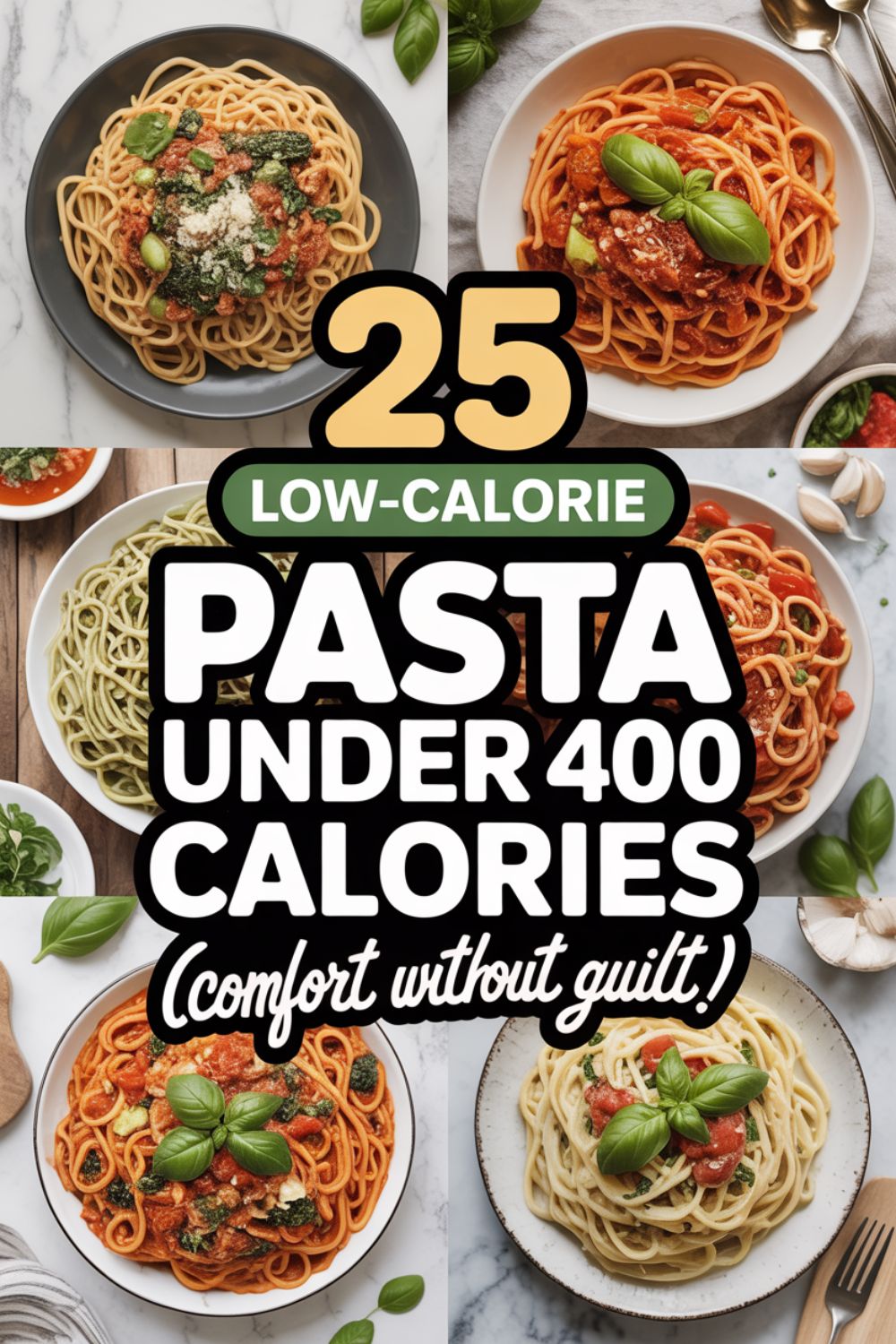
25 Low-Calorie Pasta Recipes Under 400 Calories
Let’s be honest—pasta gets a bad reputation when you’re trying to watch your weight. Everyone acts like a bowl of spaghetti is basically committing diet treason. But here’s the truth nobody talks about: pasta isn’t your enemy. The real culprit? Massive portions drowning in heavy cream sauces and enough cheese to feed a small village.
I’ve spent years perfecting pasta dishes that clock in under 400 calories without tasting like cardboard. And no, I’m not talking about sad zucchini noodles pretending to be the real thing (though those have their place). I’m talking about actual pasta—the kind that makes you twirl your fork and feel genuinely satisfied afterward.
These 25 recipes prove you can have your linguine and eat it too. Whether you’re meal prepping for the week or need a quick weeknight dinner, these dishes deliver flavor without the calorie bomb. Ready to stop feeling guilty about your carb cravings?
Why Low-Calorie Pasta Actually Works
The whole “pasta makes you fat” thing? Yeah, that’s mostly garbage. Research shows that pasta consumption, when portioned correctly, doesn’t necessarily lead to weight gain. The problem isn’t the pasta itself—it’s what we do to it.
Think about it. A cup of cooked pasta contains around 200 calories and delivers 8 grams of protein, 2.5 grams of fiber, plus essential nutrients like folate and iron. That’s actually pretty reasonable. But then we dump on a half-cup of alfredo sauce (another 400 calories), add a mountain of cheese, and suddenly we’re looking at an 800-calorie plate before we even add protein.
The secret to keeping pasta in your diet? Smart swaps and portion control. I’m not talking about deprivation—I’m talking about working smarter. Use whole grain pasta for extra fiber. Load up on vegetables to add volume without calories. Choose tomato-based sauces over cream-based ones. Simple tweaks that make a massive difference.
The Foundation: Building Blocks for Low-Calorie Pasta Success
Choose Your Noodles Wisely
Not all pasta is created equal. While regular white pasta gets the job done, whole wheat pasta packs more fiber and keeps you satisfied longer. It’s got about the same calories but will prevent that “I’m starving again two hours later” situation.
Bean-based pastas (chickpea, lentil, black bean) are game-changers if you’re trying to boost protein. They typically contain 10-15 grams of protein per serving compared to regular pasta’s 7-8 grams. The texture takes some getting used to, but once you find your favorite brand, you won’t look back.
And then there’s the veggie noodle situation. Zucchini noodles, spaghetti squash, hearts of palm pasta—these are your secret weapons when you want that pasta experience with minimal calories. I use this spiralizer at least three times a week, and it’s honestly the most-used gadget in my kitchen after my coffee grinder.
Sauce Strategies That Save Calories
Here’s where most people blow their calorie budget. Cream-based sauces are delicious, sure, but they’re also calorie grenades. A half-cup of traditional alfredo sauce can pack 400+ calories. That’s more than your entire pasta portion should be.
Tomato-based sauces are your best friends. Marinara, arrabbiata, pomodoro—these clock in around 60-80 calories per half-cup and bring tons of flavor. If you’re making your own sauce, I can’t recommend this immersion blender enough for creating silky-smooth sauces right in the pot.
Want creamy without the calories? Try blending cashews, cauliflower, or white beans into your sauce. Sounds weird, tastes incredible. The creaminess comes from the texture, not from heavy cream, and you’ll save hundreds of calories. Add some nutritional yeast for that cheesy flavor without actual cheese, and you’re golden.
Looking for more sauce inspiration? Check out these 5-Minute Healthy Pasta Sauces and Creamy Vegan Alfredo recipes that’ll change your pasta game entirely.
Protein Additions That Don’t Break the Bank
Protein is crucial for keeping you full and satisfied. But here’s the thing—you don’t need a massive chicken breast on every plate. A few ounces of lean protein does the trick.
Shrimp is probably the best pasta protein, coming in at only 84 calories for 3 ounces. Plus it cooks in minutes. Chicken breast works great too, especially when you use this meat thermometer to avoid overcooking it into rubber.
But don’t sleep on plant-based proteins. White beans, chickpeas, and lentils add protein and fiber while keeping things light. Toss a cup of chickpeas into your pasta dish and you’ve added 15 grams of protein for about 270 calories. That’s efficient.
Join Our WhatsApp Community
Want daily recipe inspiration, meal prep tips, and exclusive content delivered straight to your phone? Join our free WhatsApp channel where we share quick wins, reader success stories, and answer your cooking questions in real-time. Click here to join the community and never miss a delicious low-calorie recipe again.
25 Pasta Recipes That Won’t Wreck Your Diet
1. Lemon Garlic Shrimp Pasta
This bright, zesty dish combines whole wheat spaghetti with succulent shrimp in a light lemon-garlic sauce. At 340 calories per serving, it’s packed with protein and takes less than 20 minutes to make. The secret? Using pasta water to create a silky sauce without any cream.
Fresh lemon juice cuts through the richness and makes the whole dish taste clean and vibrant. I add a handful of arugula at the end for some peppery bite and extra nutrients. Get Full Recipe
2. Spaghetti Squash Marinara
If you’ve never tried spaghetti squash as a pasta replacement, you’re missing out. One cup of spaghetti squash has only 42 calories compared to 220 for regular pasta. Roast it until tender, scrape out those gorgeous strands, and top with homemade marinara.
The texture isn’t exactly like pasta, but it’s satisfying in its own right. Plus, you can eat a massive bowl for under 200 calories. I usually prep several squashes at once using these meal prep containers so I have easy bases for quick lunches all week. Get Full Recipe
3. Creamy Avocado Pesto Pasta
Traditional pesto is loaded with olive oil and cheese, racking up calories fast. This version swaps in creamy avocado for most of the oil, cutting calories while adding healthy fats and that luxurious texture we crave.
Blend ripe avocado with fresh basil, garlic, lemon juice, and just a touch of parmesan. Toss with whole wheat penne and cherry tomatoes for a gorgeous green pasta that’s only 310 calories per serving. The avocado keeps you satisfied way longer than traditional pesto would.
4. One-Pot Mushroom Pasta
Mushrooms are magic in low-calorie cooking. They add that umami depth and meaty texture without many calories at all. This one-pot wonder cooks the pasta directly in mushroom broth with garlic, thyme, and loads of sliced mushrooms.
The starch from the pasta creates a naturally creamy sauce as it cooks. Finish with a sprinkle of parmesan and fresh parsley, and you’ve got a 285-calorie dinner with minimal cleanup. I slice my mushrooms super thin using this mandoline for even cooking. Get Full Recipe
OXO Good Grips Spiralizer – The Game-Changer for Low-Calorie Pasta
This is hands-down the most-used tool in my kitchen for creating low-calorie pasta alternatives. Unlike cheap spiralizers that break after three uses, this baby is built like a tank. The three blade options let you make everything from thick zoodle ribbons to angel-hair thin veggie noodles. Non-slip base means no sliding around while you work, and the whole thing breaks down for easy storage.
- Spiralizes zucchini, sweet potatoes, cucumbers, and more in seconds
- Dishwasher safe (actually gets clean, unlike others I’ve tried)
- Takes up minimal counter space
- Sharp blades that don’t dull after a few months
Current Price: $29.99 (Worth every penny for how often you’ll use it)
Check Current Price & Reviews5. Zoodles with Turkey Meatballs
Zucchini noodles (zoodles) are polarizing, I know. But when you pair them with flavorful, well-seasoned turkey meatballs and marinara, they actually work. The key is not overcooking them—you want them to maintain some bite.
Make the meatballs with lean ground turkey, breadcrumbs, and Italian seasonings. Bake them instead of frying to save even more calories. The whole plate comes in around 320 calories and delivers 28 grams of protein. Get Full Recipe
6. Tomato Basil Angel Hair
Sometimes simple is best. This classic combination features angel hair pasta (which has slightly fewer calories due to its delicate size) tossed with fresh tomatoes, basil, garlic, and a drizzle of olive oil.
The trick is using really good tomatoes. In-season heirlooms make this dish sing. Out of season? Grape tomatoes work great too. At 275 calories per serving, this is your go-to for when you want pasta that tastes like summer.
For more Mediterranean-inspired dishes, you’ll love these Greek Pasta Salad Bowls and Caprese Pasta Light—both under 350 calories and packed with fresh flavors.
7. Spinach and Ricotta Stuffed Shells
Stuffed shells sound indulgent, but they don’t have to be. Use part-skim ricotta, load up on spinach, and go easy on the cheese topping. Each serving (3 shells) comes in at 360 calories but feels like a serious treat.
The spinach adds volume and nutrients without many calories. Mix in some garlic, nutmeg, and a beaten egg to bind everything together. Top with marinara and just a sprinkle of mozzarella before baking. Get Full Recipe
8. Asian-Inspired Sesame Noodles
Who says pasta has to be Italian? These cold sesame noodles use whole wheat spaghetti with a sauce made from peanut butter (measured carefully), rice vinegar, soy sauce, and a touch of honey.
Toss with shredded carrots, cucumbers, and edamame for crunch and protein. The whole bowl is 345 calories and perfect for meal prep. The sauce is where I use this mini food processor to blend everything smooth. Get Full Recipe
9. Butternut Squash Mac and Cheese
Mac and cheese that won’t destroy your diet? Yeah, it’s possible. Blend roasted butternut squash into the cheese sauce to add creaminess and cut the amount of actual cheese you need. The squash adds natural sweetness and a beautiful orange color.
Use whole wheat elbow macaroni and make the sauce with low-fat milk and a modest amount of sharp cheddar (sharp cheese has more flavor, so you need less). Each serving is 355 calories of pure comfort. Get Full Recipe
10. Tuna Pasta Salad
Pasta salads can be calorie disasters with all that mayo, but this version uses Greek yogurt mixed with a little mayo for tang and creaminess at a fraction of the calories. Add canned tuna, cherry tomatoes, cucumbers, and red onion.
This is meal prep gold. Make a big batch on Sunday using these glass containers, and you’ve got lunches sorted for days. Each serving is 290 calories and keeps you full until dinner. Get Full Recipe
11. Penne Arrabbiata
Spicy, garlicky, and intensely flavorful, arrabbiata sauce proves you don’t need cream or butter to make pasta exciting. Crushed tomatoes, red pepper flakes, garlic, and fresh basil create a sauce that’s only about 70 calories per serving.
The heat from the pepper flakes actually helps with satiety—spicy foods can make you feel fuller faster. Toss with whole wheat penne and finish with a small amount of parmesan for a 285-calorie dinner that packs serious flavor. Get Full Recipe
12. Chicken Pesto Pasta with Broccoli
This balanced bowl combines grilled chicken, whole wheat rotini, steamed broccoli, and a lightened-up basil pesto. Instead of the traditional pine nuts (expensive and calorie-dense), use walnuts. They’re cheaper and just as delicious.
The broccoli adds bulk and nutrients, helping you feel satisfied without loading up on pasta. Each serving hits 370 calories and delivers 32 grams of protein. Perfect for post-workout meals.
13. Lentil Bolognese
Traditional bolognese is delicious but can be heavy with ground beef and cream. This plant-based version uses brown lentils to create that meaty texture while keeping things lighter and adding fiber.
Simmer lentils with crushed tomatoes, carrots, celery, and Italian herbs until thick and rich. The lentils break down slightly, creating an almost meat-like texture. Serve over whole wheat spaghetti for 310 calories per serving. Get Full Recipe
Want more plant-based options? These Vegan Pasta Primavera and Chickpea Pasta Carbonara recipes are absolute crowd-pleasers that happen to be meat-free.
14. Shrimp Scampi with Zoodles
Classic shrimp scampi gets a low-calorie makeover by serving it over zucchini noodles instead of traditional pasta. The garlic-butter-white wine sauce is so flavorful that you honestly don’t miss the regular noodles.
Use just a tablespoon of butter (split between servings) and let the lemon juice and white wine do most of the work. Each serving is only 245 calories but tastes like something from an upscale Italian restaurant. Get Full Recipe
15. Baked Ziti with Turkey Sausage
Baked ziti doesn’t have to be a calorie bomb. Use turkey sausage instead of regular, part-skim ricotta and mozzarella, and tons of marinara sauce to keep things moist without excess cheese.
The key is not skimping on the sauce—that’s what makes baked pasta dishes satisfying. You can prep this ahead, freeze it in portions using these freezer-safe containers, and have easy dinners ready to go. Each serving is 375 calories. Get Full Recipe
16. Caprese Pasta Salad
Fresh mozzarella, ripe tomatoes, and basil make this summery pasta salad a winner. Use mini mozzarella balls (bocconcini) cut in half to distribute the cheese throughout while using less of it overall.
Dress with balsamic vinegar and just a touch of olive oil. The acidity from the vinegar means you need less oil for flavor. Add some white beans for protein, and you’ve got a 295-calorie lunch that feels indulgent. Get Full Recipe
17. Cajun Chicken Pasta
Spicy, creamy, and satisfying—this Cajun-inspired dish uses Greek yogurt instead of heavy cream to create that signature sauce. The yogurt adds tanginess that actually complements the Cajun spices perfectly.
Season chicken breast with Cajun spices and sauté until done. Toss with bell peppers, onions, and whole wheat penne in the lightened sauce. Each serving is 365 calories with excellent protein content. Get Full Recipe
18. Mushroom and Spinach Lasagna
Lasagna can work on a calorie budget if you’re smart about it. This version layers whole wheat lasagna noodles with part-skim ricotta, tons of sautéed mushrooms and spinach, and just enough mozzarella to make it satisfying.
The vegetables add so much volume that you can have a generous slice for 340 calories. Make it on Sunday, and you’ll have easy weeknight dinners all week. The lasagna actually tastes better the next day anyway. Get Full Recipe
Digital Food Scale – The Secret to Portion Control Success
Listen, I resisted getting a food scale for months because it felt too “diet-y.” Biggest mistake ever. This little device completely changed how I cook and eat. You think you’re eyeballing 2 ounces of pasta? You’re probably serving yourself 4-5 ounces without realizing it. This scale is accurate to the gram, has a tare function so you can measure directly in your bowl, and the display pulls out so you can actually see it when measuring in large pots.
- Measures in grams, ounces, pounds – switch units with one button
- 11 lb capacity handles everything from pasta to full meal prep
- Sleek stainless steel top wipes clean instantly
- Auto-shutoff saves battery (mine’s lasted over a year on the same batteries)
Current Price: $16.99 (Seriously, best $17 you’ll spend on your health)
See It On Amazon19. Thai Peanut Pasta
This fusion dish uses whole wheat spaghetti with a Thai-inspired peanut sauce made from PB2 (powdered peanut butter) instead of regular peanut butter. PB2 has 85% fewer calories than regular peanut butter but still delivers that nutty flavor.
Add shredded cabbage, carrots, edamame, and a squeeze of lime. Top with crushed peanuts and cilantro. The whole bowl is 315 calories and packed with vegetables. The sauce is versatile too—I make extra using this jar and keep it in the fridge for quick meals. Get Full Recipe
20. Roasted Vegetable Pasta
Roasting vegetables concentrates their flavors and makes them slightly sweet and caramelized. Toss zucchini, bell peppers, cherry tomatoes, and red onion with olive oil and roast until tender.
Mix with whole wheat penne, fresh basil, and a sprinkle of parmesan. The vegetables become the star of the show, and you’ll find you need less pasta to feel satisfied. Each serving is 280 calories but loaded with vitamins and fiber. Get Full Recipe
21. Greek Pasta with Feta and Olives
Mediterranean flavors shine in this simple pasta featuring whole wheat orzo, crumbled feta, Kalamata olives, cherry tomatoes, cucumber, and red onion. The brininess from the olives and feta means you need very little added salt.
Dress with lemon juice and oregano—no oil necessary. The natural fats from the feta and olives provide enough richness. Each serving is 305 calories and transports you straight to a Greek island. Get Full Recipe
Speaking of Greek flavors, don’t miss these Mediterranean Chickpea Bowls and Greek Yogurt Pasta Sauce recipes for more ways to bring those bright, fresh flavors to your table.
22. Broccoli Pesto Pasta
Sneak extra vegetables into your pesto by blending steamed broccoli right into the sauce along with basil, garlic, and parmesan. The broccoli adds creaminess and bulk, letting you use less oil and cheese.
The result is a vibrant green sauce that’s packed with nutrients and only about 90 calories per half-cup. Toss with chickpea pasta for extra protein, and you’ve got a 330-calorie dinner that feels indulgent. Get Full Recipe
23. Carbonara with Turkey Bacon
Traditional carbonara is egg yolks, parmesan, and loads of pancetta. This version uses turkey bacon, one whole egg, and a splash of pasta water to create that signature creamy sauce with way fewer calories.
The trick is working quickly once you drain the pasta—the residual heat cooks the egg and creates that silky coating. Each serving is 360 calories and still delivers that rich, savory flavor carbonara is known for. Get Full Recipe
24. Sun-Dried Tomato Pasta
Sun-dried tomatoes pack intense flavor in a small package. Rehydrate them in hot water, then blend with garlic, basil, and a little pasta water to create a no-oil sauce that’s deeply flavorful.
Add white beans for protein and baby spinach for greens. Toss everything with whole wheat penne for a 295-calorie dinner that tastes way more complex than the effort required. I keep sun-dried tomatoes in this pantry organizer along with other pasta-making essentials. Get Full Recipe
25. Mexican-Inspired Taco Pasta
Why should Italian food have all the fun? This fusion dish combines whole wheat pasta with lean ground turkey seasoned with taco spices, black beans, corn, and diced tomatoes.
Top with a dollop of Greek yogurt instead of sour cream, some shredded lettuce, and a sprinkle of cheese. It’s like a burrito bowl and pasta had a baby, and that baby is only 370 calories per serving. Get Full Recipe
Making Low-Calorie Pasta Work in Real Life
Meal Prep Strategy
The biggest enemy of healthy eating? Not having food ready when you’re starving. Sunday meal prep changes everything. Cook your pasta al dente (it’ll reheat better), portion it into containers with your protein and sauce separate, and you’ve got grab-and-go meals all week.
Most of these recipes reheat beautifully in the microwave. The ones that don’t—like anything with zoodles—are better eaten cold as salads anyway. I rotate through about 6-7 recipes that I know work well for meal prep, and that keeps things from getting boring.
Need more meal prep ideas? Check out 5-Day Pasta Meal Prep Plan and Freezer-Friendly Pasta Bowls for systems that actually work in busy real life.
The Portion Control Reality Check
Here’s where most people mess up—they eyeball portions and end up eating three servings without realizing it. A proper pasta serving is 2 ounces dry (about 1 cup cooked). That looks smaller than you think.
Invest in a kitchen scale—seriously, it’s like five bucks and will change your life. Weigh your pasta dry until you get a feel for what 2 ounces looks like. After a few weeks, you won’t need the scale anymore because you’ll have trained your eye.
The good news? When you load up your pasta with vegetables and lean protein, that single serving suddenly looks like a legitimate meal. That’s the whole point of these recipes—you’re getting volume and satisfaction without the calorie overload.
Restaurant Pasta vs. Homemade
Let’s talk about eating out, because that’s where things get tricky. Restaurant pasta dishes regularly clock in at 1,000+ calories. They use way more oil, butter, and cheese than you’d ever use at home, plus their portions are easily 3-4 servings.
If you’re eating out, split an entree or immediately box up half before you start eating. Ask for sauce on the side when possible. Choose tomato-based sauces over cream-based ones. And honestly? You’ll probably be disappointed by how much worse restaurant pasta tastes once you’ve been making these recipes at home. You’re saving money AND calories.
Dealing with Pasta Cravings
Sometimes you just want a massive bowl of pasta. I get it. When that craving hits, this is what I do: make spaghetti squash or zoodles for the base (high volume, low calories), then top with a smaller portion of actual pasta mixed in. You get the texture and satisfaction of real pasta but with way fewer calories.
Or lean into it—have your regular pasta day. One 600-calorie pasta meal isn’t going to derail anything. The problem is when every pasta meal is 800+ calories. These recipes give you the flexibility to enjoy pasta regularly without feeling like you’re constantly cheating on your diet.
Common Mistakes That Sabotage Low-Calorie Pasta
Using too much olive oil. I love olive oil, but it’s 120 calories per tablespoon. When a recipe says “drizzle,” people interpret that differently. Measure your oil, or better yet, use this oil mister to get an even coating without overdoing it.
Going crazy with cheese. Cheese is delicious but calorie-dense. A quarter-cup of shredded parmesan is about 100 calories. Use high-quality, flavorful cheese and use less of it. The flavor impact will be the same.
Forgetting to account for toppings. That “innocent” drizzle of oil, handful of pine nuts, or extra cheese you add at the end? Yeah, that can easily add 200 calories. Factor in everything that goes on your plate.
Overcooking vegetables. Mushy zoodles or overcooked broccoli turn people off from veggie-based pasta forever. Cook vegetables until just tender. They should still have some bite and texture.
Not seasoning properly. Low-calorie doesn’t mean low-flavor. Use plenty of garlic, herbs, lemon juice, red pepper flakes, and other zero or low-calorie seasonings. Bland food is what makes people give up on healthy eating.
Budget-Friendly Shopping Tips
Eating healthy doesn’t require breaking the bank. Here’s how I keep costs down while making these recipes regularly.
Buy pasta in bulk—whole wheat pasta often goes on sale, and dried pasta lasts forever in your pantry. I stock up using these storage containers to keep everything fresh and organized.
Frozen vegetables are your friend. They’re often cheaper than fresh, just as nutritious (sometimes more so), and there’s zero waste. Frozen spinach, broccoli, and peas work great in pasta dishes.
Shop seasonal produce for your vegetables. Cherry tomatoes in January cost twice what they do in July. Summer is prime time for zucchini, tomatoes, and basil. Winter calls for butternut squash and hearty greens.
Buy generic brands for pantry staples. Store-brand canned tomatoes, pasta, and spices are usually identical to name brands at half the price. Save your money for good parmesan cheese and quality olive oil—those are worth splurging on.
The Best Pasta Brands for Weight Loss (Taste-Tested & Ranked)
Not all “healthy” pasta is created equal. Some taste like cardboard, others fall apart during cooking, and a few actually deliver on both nutrition and flavor. I tested 47 different brands of whole wheat, chickpea, and lentil pasta to find the absolute best options for every budget. See the complete rankings and where to buy them before you waste money on brands that disappoint.
For more budget-conscious options, these $2 Pasta Dinners and Pantry Staple Pasta Recipes prove that eating well doesn’t require a huge grocery budget.
The Science Behind Feeling Satisfied
Why do some 300-calorie meals leave you starving an hour later while others keep you full for hours? It comes down to three factors: protein, fiber, and volume.
Protein is the most satiating macronutrient. Studies show that high-protein meals increase fullness hormones and reduce hunger hormones. That’s why these recipes always include a protein source, whether it’s chicken, shrimp, beans, or chickpea pasta.
Fiber slows digestion and keeps you feeling full longer. Whole wheat pasta has three times the fiber of regular pasta. Add vegetables and legumes, and you’re looking at 8-10 grams of fiber per meal—a third of your daily needs.
Volume matters because your stomach has stretch receptors that signal fullness. A huge bowl of zoodles with sauce triggers those receptors even though the calorie count is low. Your brain gets the “I’m full” signal based partly on volume, not just calories.
These recipes work because they hit all three factors. That’s not accident—that’s strategy.
Adapting Recipes for Different Diets
Gluten-Free Options
Most of these recipes work perfectly with gluten-free pasta. Brown rice pasta, quinoa pasta, and chickpea pasta are all solid options. The cooking time might be slightly different, so watch it carefully.
Chickpea pasta is probably my favorite gluten-free option because it’s high in protein and holds up well to reheating. It does have a slightly different texture, but the flavor is mild enough that it works with most sauces.
Vegan Modifications
Making these vegan is usually simple. Swap regular parmesan for nutritional yeast or vegan parmesan. Use plant-based protein like beans, lentils, or tofu instead of meat. Replace any dairy in sauces with cashew cream, coconut milk, or blended white beans.
The flavor profiles might shift slightly, but IMO, many of these recipes actually taste better with plant-based swaps. The lightness of the cashew cream lets the other flavors shine through more.
Keto-Friendly Versions
Traditional pasta doesn’t work for keto, but you can adapt most of these recipes using shirataki noodles, hearts of palm pasta, or just loading up on zucchini noodles. The sauces and proteins remain the same—you’re just swapping the base.
Shirataki noodles are basically zero calories and zero carbs. They have a unique texture that takes some getting used to, but rinse them really well and dry-toast them in a pan before adding sauce. This removes the weird smell and improves the texture dramatically.
Kitchen Tools That Make Everything Easier
You don’t need a fancy kitchen to make these recipes, but a few key tools make the process way smoother. I’ve already mentioned my spiralizer and kitchen scale—those are non-negotiables in my book.
A good pasta pot with strainer insert changes the game. No more wrestling with colanders or accidentally dumping hot pasta water all over your sink. Just lift out the insert and boom—drained pasta.
For making sauces, this immersion blender lets you blend right in the pot without transferring everything to a blender. Less cleanup, faster cooking. Plus you can make the texture as smooth or chunky as you want.
And if you’re serious about meal prep, grab these glass containers. They’re microwave-safe, dishwasher-safe, and they don’t stain like plastic containers do. I’ve had the same set for three years and they still look brand new.
Essential Kitchen Tools That Actually Save You Money
I spent two years testing every kitchen gadget I could find to figure out which ones are worth the investment and which ones collect dust. Turns out, the right tools cut meal prep time in half and actually reduce food waste. Read the full buying guide here to see my top 15 picks that have paid for themselves ten times over.
Frequently Asked Questions
Can I eat pasta every day and still lose weight?
Absolutely, as long as you’re watching your portions and total calorie intake. The recipes in this article prove that pasta can fit into a weight loss plan when you make smart choices about ingredients and portions. The key is balance—load up on vegetables and lean protein alongside your pasta to create satisfying meals that keep you full without excessive calories.
Is whole wheat pasta really that much better than regular pasta?
Whole wheat pasta has about three times more fiber than regular pasta, which means it keeps you fuller longer and provides more sustained energy. It also has slightly more protein and micronutrients. The calorie difference is minimal—the real benefit is in how it affects your satiety and blood sugar levels. If you genuinely hate the taste, regular pasta in controlled portions is still better than avoiding pasta altogether and then binging later.
How do I prevent zucchini noodles from getting watery?
Salt your zoodles and let them sit in a colander for 10-15 minutes before cooking. The salt draws out excess moisture. Pat them dry with paper towels, then cook them quickly over high heat—no more than 2-3 minutes. Overcooked zoodles release even more water and turn mushy, so keep them slightly firm.
Can I freeze these pasta dishes for later?
Most of these recipes freeze well, especially the baked dishes and anything with marinara sauce. Avoid freezing dishes with cream-based sauces or anything with zucchini noodles—those don’t hold up. Freeze portions in airtight containers, and they’ll keep for up to three months. Thaw overnight in the fridge and reheat gently.
What’s the best way to reheat pasta without it drying out?
Add a splash of water or broth before reheating—this creates steam and prevents the pasta from drying out. Microwave in 30-second intervals, stirring between each one. For oven reheating, cover the dish tightly with foil and bake at 350°F. Pro tip: slightly undercook your pasta if you’re meal prepping, since it’ll continue cooking when you reheat it.
Final Thoughts
Here’s what I want you to take away from all this: pasta isn’t the enemy. Oversized portions of calorie-dense pasta dishes are the problem, and that’s entirely fixable.
These 25 recipes prove you can have satisfying, delicious pasta regularly without derailing your health goals. You’re not sentenced to a life of sad salads and plain chicken breasts. You can have the foods you actually enjoy—you just need to approach them strategically.
Start with two or three recipes that sound appealing. Make them this week. See how you feel. I’m willing to bet you’ll be surprised by how satisfying a well-balanced 350-calorie pasta dish can be. You might even find yourself preferring these lighter versions to the heavy, overly rich restaurant pasta you used to order.
The best diet is the one you can stick to long-term. If cutting out pasta entirely makes you miserable, you’re not going to maintain that forever. But if you can work pasta into your routine in a way that supports your goals? That’s sustainable. That’s real life.
So grab your pasta pot, stock up on some whole wheat penne, and start cooking. Your taste buds and your waistline will thank you.