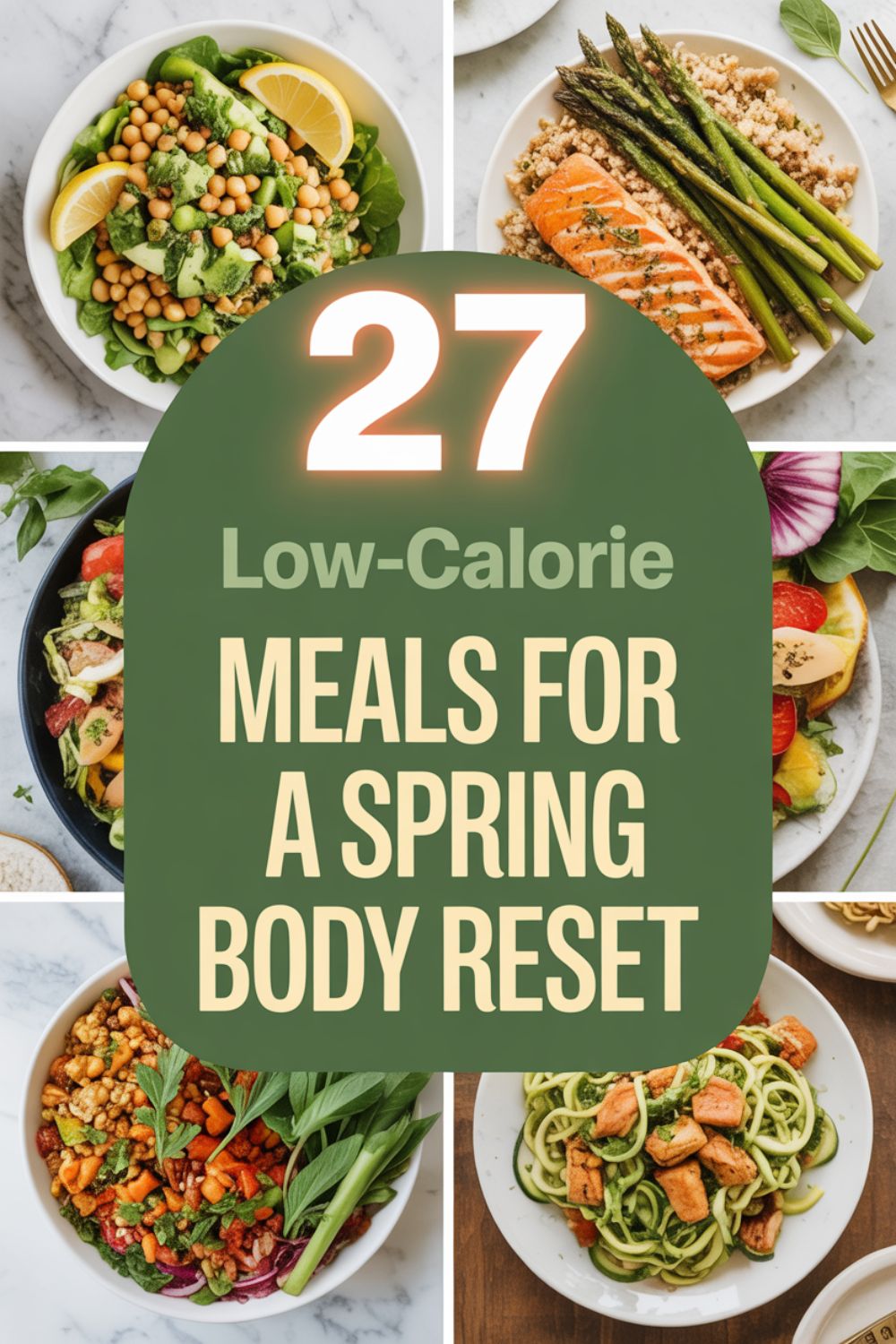
27 Low-Calorie Meals for a Spring Body Reset
Spring hit, and suddenly my jeans felt tighter than I’d like to admit. Sound familiar? Look, I’m not about to tell you that losing weight is some magical transformation that happens overnight, but there’s something about spring that makes the whole thing feel less miserable. Maybe it’s the longer days, maybe it’s the guilt of knowing swimsuit season is lurking around the corner, or maybe it’s just the fact that fresh produce actually tastes good again.
Here’s the deal: I’ve pulled together 27 low-calorie meals that don’t taste like cardboard and won’t leave you raiding the pantry at 10 PM. These aren’t your typical “eat celery and cry” diet meals. They’re real food that happens to be lighter, fresher, and perfect for spring when you actually want to eat salads instead of forcing yourself to.
Whether you’re trying to drop a few pounds or just feel less sluggish after winter’s carb marathon, these meals have your back. And yeah, research actually shows that spring is when most people naturally start thinking about dieting anyway, so you might as well use that motivation while it lasts.
Why Spring Actually Makes Weight Loss Easier
Okay, so you’re probably thinking this is just some marketing nonsense, but hear me out. Research published in the journal Nature found that people naturally eat about 86 fewer calories per day in spring compared to fall. Not because they’re trying harder, but because their bodies just work differently when it’s warmer.
Your body burns energy differently in warm weather. When it’s hot, your cardiovascular system works overtime pumping blood to your skin to help you sweat and cool down. That means more calories burned just from existing. Plus, according to studies on dietary fiber and obesity, spring’s abundance of fiber-rich produce helps you feel fuller longer while eating fewer calories.
And let’s be real, when it’s 70 degrees and sunny, the last thing you want is a heavy pasta dish. Your appetite naturally shifts toward lighter fare. That’s your body being smart, not you having superhuman willpower.
The Science-Backed Benefits of Low-Calorie Spring Eating
I’m not going to pretend eating 300-calorie meals is some groundbreaking discovery, but there’s actually solid science behind why it works better in spring. First off, fiber becomes your best friend. Spring vegetables like asparagus, snap peas, and artichokes are loaded with it, and fiber is basically nature’s appetite suppressant.
Here’s how it works: fiber slows down digestion, which means you stay full longer. It also helps regulate blood sugar, so you’re not getting those crazy energy crashes that make you want to face-plant into a bag of chips. Studies show that adding just 14 extra grams of fiber daily can reduce your calorie intake by about 10% without you even trying.
The other huge win? Spring produce is packed with water. Cucumbers, tomatoes, strawberries, watermelon—they’re all basically edible hydration. When you’re trying to lose weight, staying hydrated is crucial because it helps your body break down fat at a cellular level. Plus, drinking water before meals can help you eat less without feeling deprived.
What Makes These Meals Different
Look, I’ve been down the rabbit hole of diet meals that promise the world and deliver disappointment on a plate. These 27 meals are different because they focus on three key things: volume eating, protein power, and actual flavor.
Volume eating means you get to eat a lot of food without the calorie bomb. Think massive salads, veggie-packed stir-fries, and soups that fill your bowl without filling out your waistline. Protein keeps you satisfied and helps maintain muscle while you’re in a calorie deficit. And flavor? Non-negotiable. Life’s too short for bland chicken breast and plain broccoli.
If you’re just starting out with low-calorie eating and feeling overwhelmed, check out these beginner-friendly 1200-calorie meal ideas that break down exactly what to eat in a day. Sometimes you just need a clear roadmap, you know?
27 Low-Calorie Spring Meals That Actually Satisfy
Breakfast Winners (Under 300 Calories)
1. Green Goddess Smoothie Bowl – Blend spinach, frozen mango, Greek yogurt, and a splash of almond milk. Top with fresh berries and a sprinkle of chia seeds. It’s like eating a regular bowl of fruit, but somehow it keeps you full until lunch. The secret is the protein from the yogurt and the fiber from the spinach. Yeah, spinach in a smoothie sounds weird until you try it.
2. Veggie-Loaded Egg White Scramble – Sauté bell peppers, mushrooms, and spinach in a non-stick ceramic pan, then scramble in egg whites with a sprinkle of feta. This is one of those meals that looks like you’re eating way more than 200 calories because of all the vegetables. Volume eating for the win.
3. Overnight Oats with Fresh Berries – Mix oats with unsweetened almond milk, top with strawberries and a tiny drizzle of honey. Make it the night before in a glass meal prep container and grab it on your way out the door. The oats expand overnight, so you get this creamy, filling breakfast that costs you maybe 250 calories.
For even more morning inspiration that won’t derail your goals, these Get Full Recipe options give you variety without the guesswork.
Lunch Ideas That Won’t Put You in a Food Coma
4. Mediterranean Chickpea Salad – Toss chickpeas with cucumber, tomatoes, red onion, and a lemon-herb dressing. This one’s around 280 calories and somehow more satisfying than a sandwich. The chickpeas give you protein and fiber, which means you’re not hungry again in an hour.
5. Zucchini Noodle Pad Thai – Use a spiralizer to turn zucchini into noodles, then toss with a light peanut sauce, shredded carrots, and grilled shrimp. It’s got all the flavor of regular pad Thai without the carb crash. Plus, zucchini has like 90% water content, so you’re basically eating hydration.
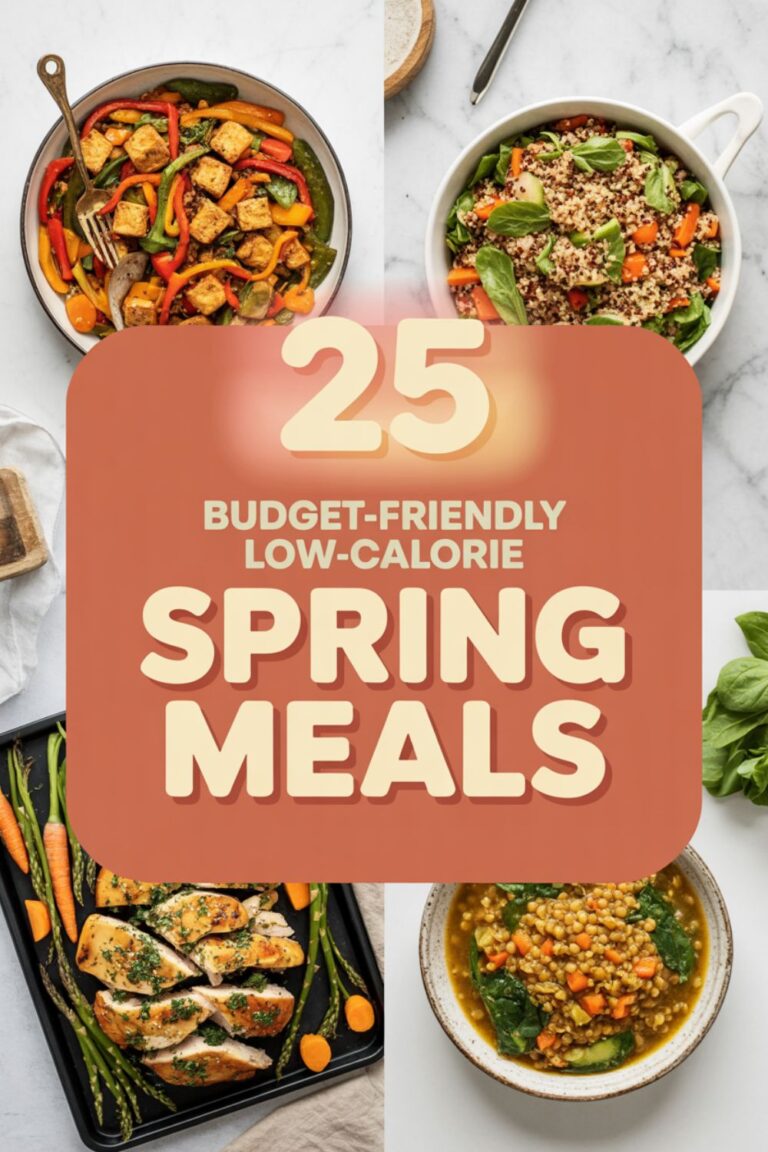
6. Spring Veggie Soup with White Beans – Simmer asparagus, peas, carrots, and white beans in vegetable broth with fresh herbs. Soup is criminally underrated for weight loss. It takes up space in your stomach, it’s warm and comforting, and this particular version clocks in around 220 calories per generous bowl.
7. Turkey and Avocado Lettuce Wraps – Skip the tortilla and use butter lettuce leaves instead. Fill with sliced turkey, avocado, tomato, and a smear of mustard. Tastes way better than it sounds, and you save about 150 calories by ditching the wrap.
Need more midday meal inspo? These Get Full Recipe ideas are perfect for meal prep or last-minute lunches that don’t involve sad desk salads.
Dinner Options That Feel Like Real Food
8. Lemon Herb Grilled Chicken with Roasted Asparagus – Marinate chicken breast in lemon juice, garlic, and herbs, then grill. Serve with asparagus roasted on a stainless steel sheet pan at 400°F until crispy. This is around 320 calories and tastes like something you’d order at a restaurant.
9. Cauliflower Rice Stir-Fry – Swap regular rice for cauliflower rice and load it up with whatever vegetables you have. Add some scrambled egg and a splash of low-sodium soy sauce. I was skeptical about cauliflower rice until I realized it actually tastes good when you season it properly. Game changer.
10. Baked Cod with Spring Vegetables – Season cod fillets with lemon and herbs, bake with cherry tomatoes, zucchini, and bell peppers. The fish cooks in the same pan as the veggies, which means less cleanup and more time not standing at the sink. About 290 calories of protein and vitamins.
11. Spaghetti Squash with Turkey Marinara – Roast spaghetti squash, shred it with a fork, top with lean ground turkey marinara. This is one of those meals that tricks your brain into thinking you’re eating pasta. The squash gives you that satisfying texture without the calorie load.
12. Grilled Shrimp Skewers with Quinoa Salad – Thread shrimp onto skewers (grab some reusable metal skewers if you grill often), brush with garlic and lemon, grill until pink. Serve over a light quinoa salad with cucumber and mint. Shrimp is basically pure protein with almost no calories, which is why it shows up in every weight loss plan ever.
Speaking of satisfying dinners, if you’re struggling with portion control at night, these Get Full Recipe recipes prove you can eat well without overdoing it. Some of these have become weekly staples in my house.
Snacks and Light Bites
13. Cucumber Rounds with Hummus – Slice cucumber into thick rounds, top each with a small dollop of hummus and cherry tomato. This snack is like 60 calories and actually tastes refreshing, which is a rare combo in the snack world.
14. Greek Yogurt with Fresh Strawberries – Plain Greek yogurt, sliced strawberries, and maybe a tiny drizzle of honey. The yogurt gives you 15-20 grams of protein, which means it actually holds you over until your next meal.
15. Air-Popped Popcorn with Herbs – Make it in an air popper, season with garlic powder and nutritional yeast. Three cups of this stuff is only about 100 calories, and it takes forever to eat, so your brain has time to register that you’re actually satisfied.
16. Celery with Almond Butter – Yeah, it’s basic, but there’s a reason this combo exists. The crunch is satisfying, the almond butter (measured out, don’t just go rogue with the jar) adds healthy fats, and it’s filling for around 120 calories.
For more snack ideas that won’t wreck your calorie budget, check out these Get Full Recipe options. They’ve saved me from making terrible vending machine decisions more times than I can count.
Salads That Don’t Suck
17. Strawberry Spinach Salad – Baby spinach, sliced strawberries, slivered almonds, and a balsamic vinaigrette. Spring strawberries are a different species than winter ones. They’re actually sweet and juicy, which means this salad tastes like something you’d choose to eat, not something you’re forcing down.
18. Asian-Inspired Cabbage Slaw – Shredded cabbage, carrots, edamame, and a sesame-ginger dressing made with rice vinegar and a touch of sesame oil. Cabbage is ridiculously low in calories but high in volume and crunch. Plus, it stays crispy way longer than lettuce, so you can make a big batch.
19. Caprese Salad with Grilled Chicken – Fresh mozzarella, tomatoes, basil, and grilled chicken with a drizzle of balsamic reduction. This is under 350 calories and tastes like summer arrived early. The key is using fresh mozzarella in moderation—it’s way more flavorful than the pre-shredded stuff, so a little goes a long way.
Soup Season Doesn’t End in Winter
20. Gazpacho – Cold tomato-based soup with cucumber, bell pepper, and garlic. Perfect for warmer days when hot soup sounds miserable but you still want something filling and low-calorie. Blend it smooth or leave it chunky, depending on your texture preferences.
21. Spring Minestrone – Load up a tomato-based broth with seasonal vegetables, white beans, and whole grain pasta. Use a quality stockpot to make a big batch and freeze portions. One bowl is around 200 calories and packed with fiber.
Quick and Easy Proteins
22. Herb-Crusted Tilapia – Press fresh herbs onto tilapia fillets, bake at 375°F for 12 minutes. Fish cooks fast, which is crucial on weeknights when you’re tired and tempted to order pizza. This is about 250 calories and ready in under 20 minutes total.
23. Turkey Meatballs with Marinara – Make meatballs with lean ground turkey, bake on a silicone baking mat, serve with marinara and zoodles. These freeze beautifully, so make extra for future lazy dinners.
24. Lemon Pepper Salmon – Season salmon with lemon zest and cracked black pepper, bake until flaky. Salmon gets a bad rap for being high in calories, but a 4-ounce portion is only about 200 calories and loaded with omega-3s that actually help with weight loss.
Vegetarian Options That Fill You Up
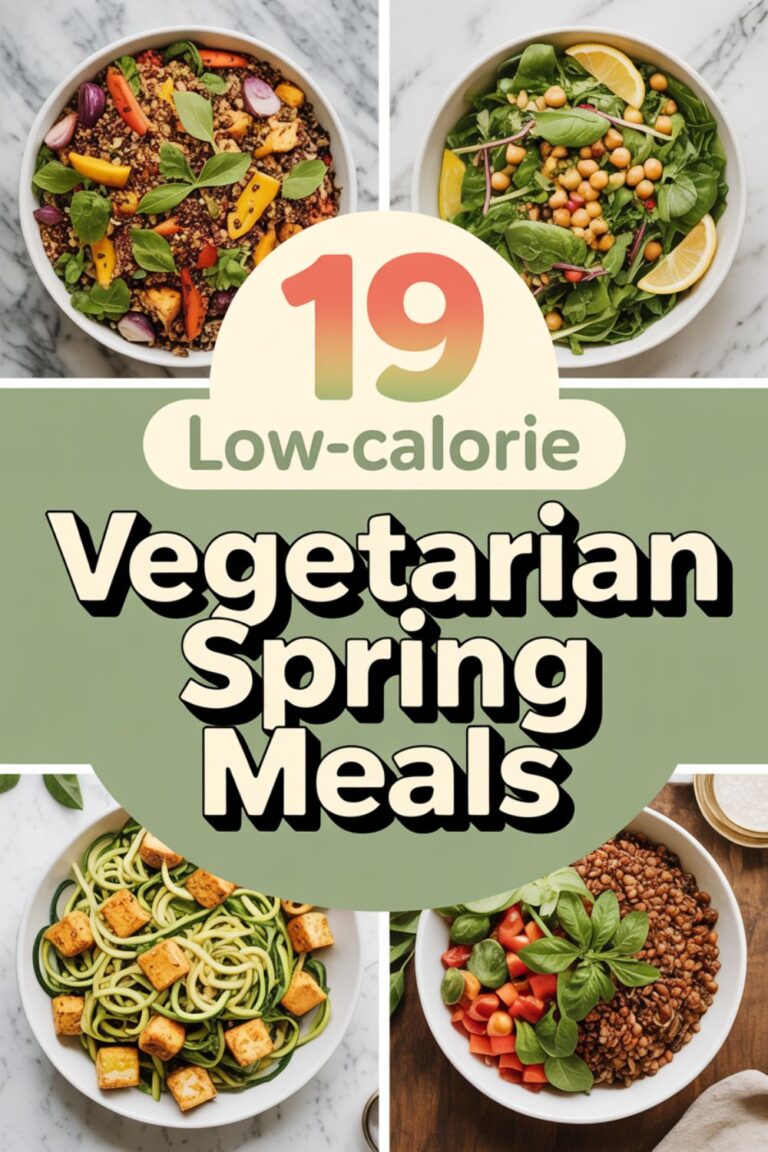
25. Stuffed Bell Peppers – Hollow out bell peppers, fill with a mixture of quinoa, black beans, corn, and spices, then bake. Each pepper is a complete meal for around 280 calories. The bell peppers get sweet when roasted, which adds natural flavor without any added sugar.
26. Eggplant Pizzas – Slice eggplant into rounds, top with tomato sauce, part-skim mozzarella, and fresh basil, then bake. It’s pizza that won’t completely derail your calorie goals. Each eggplant slice is like 70 calories, so you can eat several and still come out under 300.
27. Portobello Mushroom Burgers – Marinate portobello caps, grill them, serve on a whole grain bun with all the toppings. Portobellos have this meaty texture that actually satisfies the burger craving. Skip the cheese and mayo, load up on tomato and lettuce instead.
If you’re eating vegetarian or just trying to incorporate more plant-based meals, these Get Full Recipe ideas show you how to hit your calorie goals without feeling restricted. Plus, eating more vegetables naturally ups your fiber intake, which helps with satiety.
Meal Prep Essentials Used in This Plan
After testing about a million different meal prep methods, here’s what actually makes a difference:
- Glass meal prep containers with snap lids – Plastic gets gross after a while. Glass doesn’t absorb smells or stains, and you can reheat directly in them.
- Digital food scale – Eyeballing portions is how you accidentally eat 600 calories of “healthy” nuts. A scale keeps you honest without being obsessive.
- Quality chef’s knife – Chopping vegetables is way less annoying when your knife is actually sharp. This speeds up prep time significantly.
- 7-Day Spring Reset Meal Plan (Digital PDF) – Complete shopping lists and daily menus using these exact recipes. Takes the guesswork out of planning.
- Low-Calorie Recipe E-Book Collection – Over 100 tested recipes with full nutritional info. Good for when you get bored with the same meals.
- Macro Tracking Spreadsheet Templates – Simple sheets for tracking calories and macros without downloading another app. Works in Google Sheets or Excel.
Want to connect with others doing the same thing? We’ve got a WhatsApp community where people share their meal prep wins, recipe modifications, and general support. Sometimes you just need to vent to someone who gets why you’re weighing your salad dressing, you know?
Making These Meals Work for Your Life
Let’s be honest—having a list of 27 meals is useless if you never actually make them. The key is picking 5-7 recipes that sound good to you right now, not all 27 at once. You’re not a restaurant trying to offer variety to customers. You’re one person trying to eat healthier without losing your mind.
Start with breakfast. Pick one or two options and rotate them for a week. Once that feels easy, add in a couple lunch options. Then tackle dinner. Trying to overhaul everything at once is how you end up eating sad salads for three days before ordering Chinese food in defeat.
The Meal Prep Strategy That Actually Works
Sunday afternoon, spend an hour doing basic prep. I’m talking washing and chopping vegetables, cooking a batch of protein, maybe making overnight oats for the week. That’s it. You don’t need to cook every single meal in advance like some Instagram meal prep influencer.
Store prepped ingredients separately in the fridge using those glass containers I mentioned earlier. When it’s time to eat, you’re just assembling ingredients instead of starting from scratch. Takes 10 minutes instead of 45, which is the difference between eating the grilled chicken salad or saying “screw it” and ordering pizza.
For a complete roadmap of what to eat throughout the day, these realistic 1200-calorie day examples show you how to structure your meals without feeling deprived. It’s basically a day-in-the-life guide that makes the whole thing less abstract.
What About Eating Out?
You’re going to eat out. It’s going to happen. Instead of treating it like you’ve failed, just make smarter choices. Order grilled instead of fried. Ask for dressing on the side. Skip the bread basket. Share a dessert if you’re really craving something sweet.
The spring menu at most restaurants actually works in your favor. Seasonal specials tend to feature lighter preparations and more vegetables. Take advantage of that instead of ordering the same heavy pasta dish you could get year-round.
Tools & Resources That Make Cooking Easier
These aren’t essential, but they make healthy cooking way less painful:
- Instant-read meat thermometer – Stop guessing if your chicken is cooked. This takes out all the anxiety of undercooking protein.
- Mandoline slicer – Get paper-thin veggie slices in seconds. Makes salads look restaurant-quality without the knife skills.
- Herb keeper container – Fresh herbs stay alive for weeks instead of wilting in three days. Total game changer for spring cooking.
- Portion Control Guide (Printable PDF) – Visual guide showing what proper portions actually look like. Hang it on your fridge for quick reference.
- Weekly Grocery Lists for Low-Calorie Eating – Pre-made shopping lists organized by store section. Just print and shop.
- Calorie Counting Cheat Sheets – Common foods with their calorie counts. Faster than looking everything up on an app.
Dealing with the Mental Side of Low-Calorie Eating
Nobody talks about how weird it feels to start eating less. Your brain is used to certain portion sizes, certain fullness levels, certain comfort foods. When you change that, there’s an adjustment period that honestly kind of sucks.
The first few days, you’ll probably feel hungry. Not starving, but definitely noticeably less full than usual. That’s normal. Your stomach will adjust, but it takes about a week. Drink water, eat high-volume foods like the soups and salads in this list, and remind yourself that hunger isn’t an emergency.
Also, you’re going to have days where you just want to eat everything in sight. That’s also normal. One day of eating more won’t ruin your progress. What ruins progress is using one bad day as an excuse to give up entirely. Just get back on track the next day.
If you’re finding the calorie restriction challenging, you might benefit from understanding how to make lower calories sustainable without feeling constantly hungry. It’s less about willpower and more about strategy.
The Social Eating Challenge
Your friends are still going to want to get dinner. Your family is still going to have pizza nights. Coworkers are still bringing donuts to meetings. You can participate in these things without completely abandoning your goals.
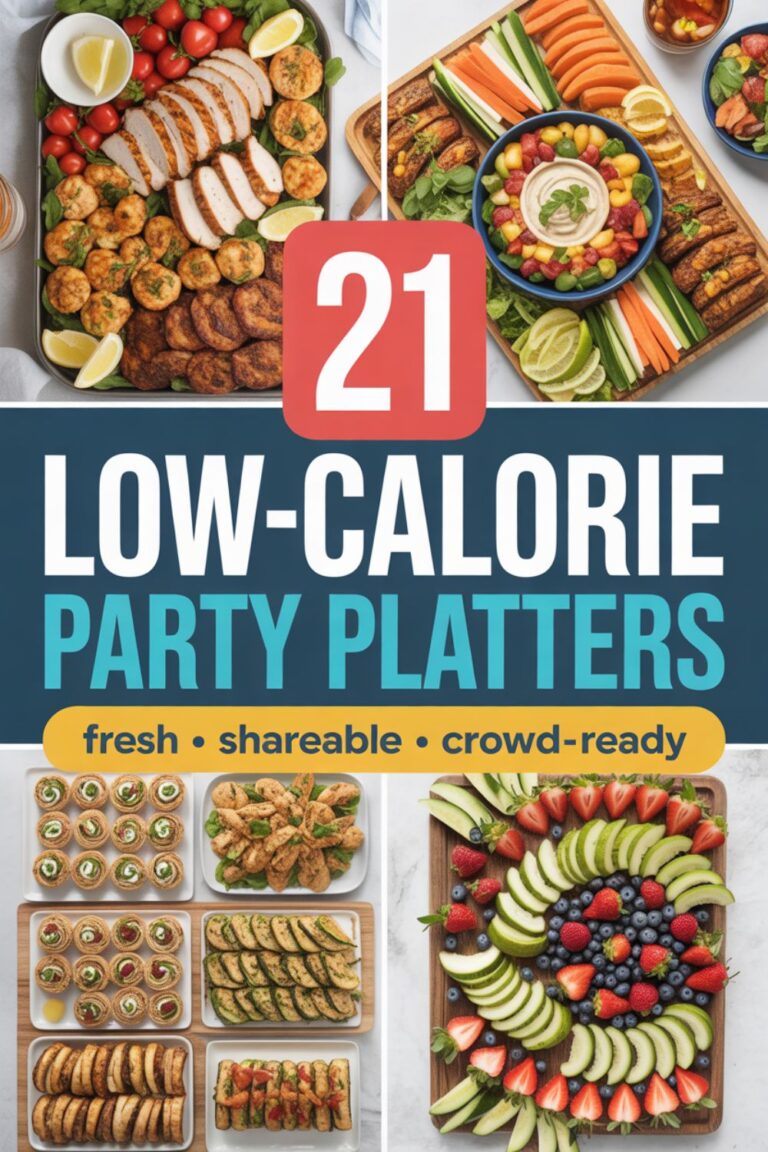
At restaurants, scan the menu beforehand if possible. Decide what you’re ordering before you get there so you’re not making decisions while hungry and staring at a menu of cheese-covered everything. At parties, eat something small before you go so you’re not ravenous. Bring a veggie tray to contribute—worst case, you know there’s at least one thing you can eat.
And honestly? Sometimes just eat the pizza. If it’s your best friend’s birthday or a genuine celebration, enjoy it. One meal won’t undo weeks of consistent effort. The key is making sure it stays one meal, not turning into a three-day spiral.
Frequently Asked Questions
How many calories should I actually eat for weight loss?
It depends on your current weight, activity level, and how quickly you want to lose. Most women see results with 1200-1500 calories daily, while most men need 1500-1800. Start higher and adjust down if you’re not seeing results after two weeks. Going too low too fast usually backfires because you get so hungry you end up binging. If you’re unsure where to start, check out this comparison of 1200 vs 1500 calorie plans to see which makes more sense for your situation.
Can I really lose weight eating these meals without exercise?
Technically yes, weight loss is mostly about diet. You could eat these meals, do zero exercise, and still lose weight if you’re in a calorie deficit. That said, adding even 30 minutes of walking most days will speed things up and help you maintain muscle mass. Plus, exercise gives you a little more calorie wiggle room, which makes the whole thing more sustainable long-term.
What if I’m still hungry after eating these low-calorie meals?
First, make sure you’re drinking enough water—sometimes thirst masquerades as hunger. Second, load up on the high-volume, high-fiber options like the soups and salads. Third, give it a week. Your stomach literally shrinks when you consistently eat less, so what feels like not enough food now will feel like plenty in a few days. If you’re genuinely starving after a week, you might need slightly more calories. Better to lose weight slowly while eating a sustainable amount than crash diet and quit.
Do I need to count calories or can I just eat these meals?
You can probably just eat these meals and see results without obsessive tracking. But if you’re not losing weight after two weeks, you might be eating larger portions than the recipes call for or adding extra ingredients that bump up the calories. Quick logging in an app for a few days can help you see where extra calories are sneaking in. Most people are shocked when they realize their “light” salad dressing is 200 calories per serving.
How quickly will I see results with this spring reset?
Most people lose 1-2 pounds per week eating this way, which means you might see noticeable changes in 2-3 weeks. Some people drop water weight quickly in the first week and see more dramatic initial results, but that evens out. The key is consistency. Eating these meals 80% of the time will get you way better results than being perfect for three days and then eating everything in sight for the next four.
The Bottom Line on Spring Low-Calorie Eating
Here’s what I’ve learned after trying approximately every weight loss approach that exists: spring actually does make this easier, but not because of some magical seasonal metabolism boost. It’s easier because the food that’s naturally available is lighter, more colorful, and genuinely tastes better when it’s in season.
These 27 meals aren’t a quick fix or a miracle solution. They’re just good food that happens to be lower in calories. You’ll still need to show up consistently. You’ll still have days where you want to quit. You’ll still get frustrated when the scale doesn’t move as fast as you’d like.
But if you pick a handful of these recipes that actually sound good to you, meal prep the basics on Sunday, and give yourself permission to be imperfect, you’ll probably see results. Not because these meals are special, but because they’re sustainable. And sustainable is what actually works.
The produce is fresh, the weather is nice, and you’ve got 27 solid meal options that don’t involve eating sad chicken breast and steamed broccoli for weeks on end. That’s a pretty good starting point. The rest is just showing up and doing the thing, even when you don’t particularly feel like it.
Now go make that green goddess smoothie bowl and pretend you’re the kind of person who has their life together. Fake it till you make it, right?