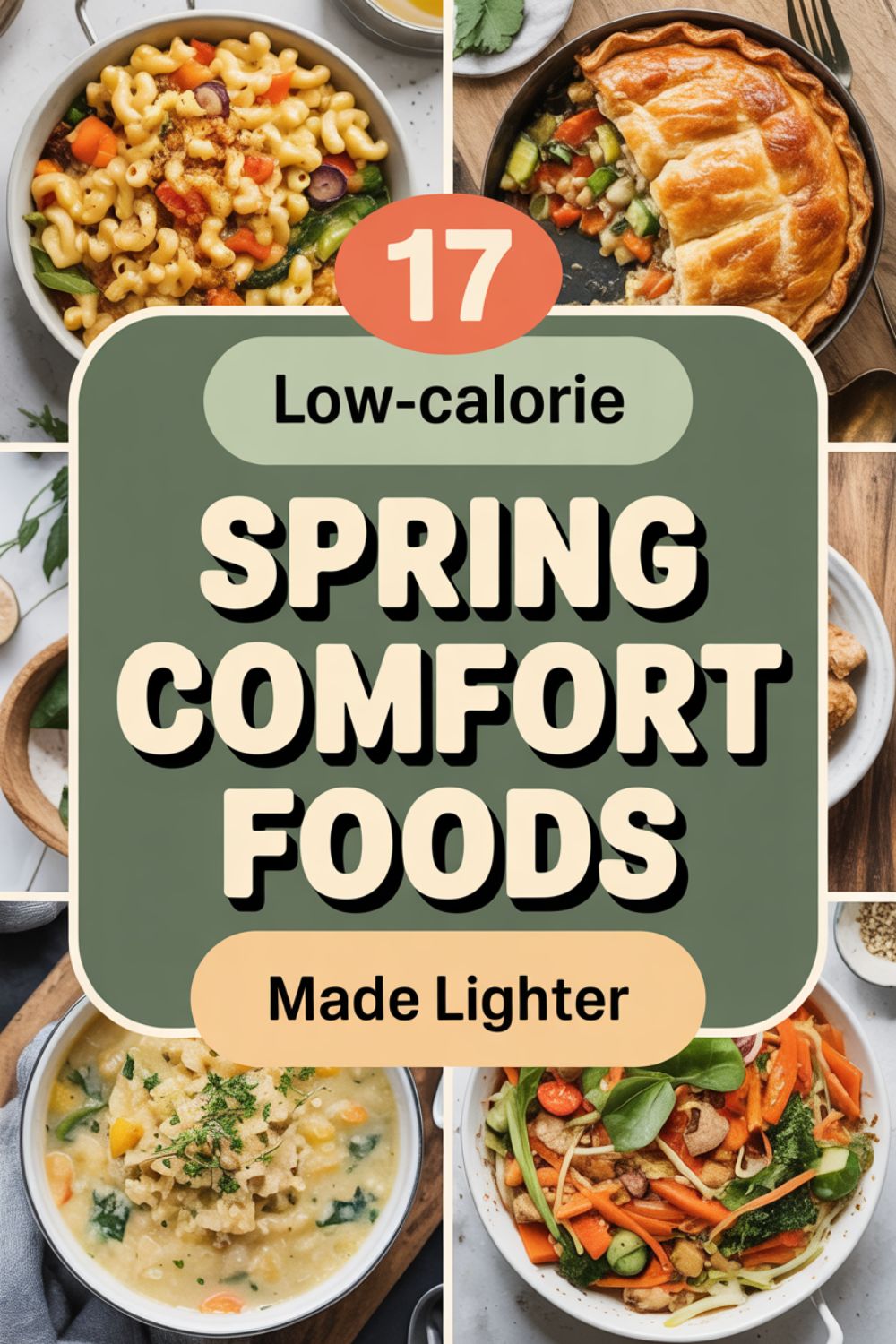
17 Low-Calorie Spring Comfort Foods Made Lighter
Spring hits different when you’re trying to eat lighter but your brain still craves that cozy, warm-hug feeling from comfort food. I get it. You want the asparagus and fresh peas, but you also want that creamy pasta or a bowl of something that doesn’t taste like punishment.
Here’s the thing: you don’t have to choose. I’ve spent way too many Sunday afternoons testing lighter versions of classic comfort foods, and honestly? Some of them taste better than the originals. No joke. The secret isn’t about removing all the good stuff—it’s about being smarter with ingredients and cooking methods that actually work.
These 17 recipes bring spring flavors into traditional comfort dishes without the calorie overload. You’ll find creamy risottos, hearty casseroles, and even a few desserts that won’t wreck your progress. Let’s get into it.
Why Spring Comfort Foods Hit Different
Spring is weird for comfort food lovers. You’re ready for lighter eating, but the weather hasn’t fully committed to warm yet. Those chilly evenings still call for something substantial, and raw salads just don’t cut it when you’re craving actual satisfaction.
The beauty of spring ingredients is that they bring natural sweetness and brightness to heavy dishes. Peas add creaminess without cream. Asparagus brings earthiness that pairs perfectly with lighter proteins. Fresh herbs do the heavy lifting for flavor, so you need less butter and cheese to make things taste good.
I’ve learned that volume matters as much as calories. When you bulk up traditional comfort recipes with spring vegetables, you get more food on your plate for fewer calories. Your brain registers fullness, and you don’t feel deprived. Win-win.
The Lighter Comfort Food Approach That Actually Works
Let me save you some trial and error here. Making comfort food lighter isn’t about sad substitutions that leave you hungry an hour later. It’s about strategic ingredient swaps and cooking techniques that maintain the texture and satisfaction you’re craving.
Greek yogurt beats heavy cream in most applications—especially in creamy sauces and soups. It brings tang and protein without the fat bomb. Cauliflower rice isn’t a punishment when you mix it half-and-half with regular rice. You barely notice the difference, but you save a solid 100-150 calories per serving.
Here’s what works: keeping the elements that make comfort food comforting (creamy textures, savory depth, satisfying portions) while lightening up the supporting cast. You still get cheese—just less of it, and better quality. You still get carbs—just balanced with more vegetables and protein.
If you’re new to calorie-conscious eating, check out this beginner-friendly 1200-calorie meal plan that shows you exactly how to structure your day without feeling restricted.
The Spring Ingredient Advantage
Spring vegetables are naturally lower in calories but higher in water content and fiber. That means they fill you up without weighing you down. Asparagus, snap peas, radishes, artichokes, and fresh greens all bring serious volume for minimal calorie cost.
The Harvard School of Public Health emphasizes nutrient density as a key factor in sustainable weight management. Spring produce checks that box hard—packed with vitamins, minerals, and antioxidants while keeping calories in check.
Fresh herbs deserve special mention here. Basil, dill, mint, and parsley transform simple dishes into something restaurant-worthy. They’re basically calorie-free flavor bombs, and they make lighter versions of comfort classics taste intentional rather than diet-y.
17 Spring Comfort Foods Worth Making on Repeat
1. Creamy Spring Vegetable Risotto (320 calories)
Traditional risotto sits around 500+ calories per serving, but this version uses a mix of arborio rice and riced cauliflower. You still get that creamy, starchy texture, but with way more vegetables doing the work. Fresh peas and asparagus bring sweetness, while a small amount of parmesan delivers the savory punch you need.
I make mine in this nonstick risotto pan because the even heat distribution means you can use less butter without sacrificing that signature creaminess. Get Full Recipe
2. Lighter Chicken Pot Pie with Puff Pastry Crust (285 calories)
Pot pie doesn’t have to wreck your day. Skip the bottom crust entirely and use a single layer of puff pastry on top. The filling gets thickened with a roux made from whole wheat flour and low-fat milk instead of heavy cream. Load it with spring vegetables and rotisserie chicken for a dinner that feels indulgent but clocks in under 300 calories.
The trick is using these individual ramekins—portion control built right in, and everyone gets their own crispy pastry top.
3. Cauliflower Mac and Cheese with Spring Peas (275 calories)
Look, I’ll defend regular mac and cheese until I die, but sometimes you want the comfort without the carb coma. Half pasta, half cauliflower florets, all covered in a cheese sauce made with sharp cheddar and Greek yogurt. The peas add pops of sweetness that make this feel seasonal rather than winter-heavy.
For a complete approach to managing calories while staying satisfied, this guide on eating 1200-1500 calories without starving breaks down the exact strategies that work.
“I made the cauliflower mac and cheese three times in two weeks. My kids didn’t even notice the cauliflower, and I saved over 200 calories per serving compared to my old recipe. Game changer.” — Jennifer, community member
4. Lightened-Up Shepherd’s Pie (295 calories)
Mashed potato topping stays, but we’re using a combination of Yukon golds and mashed cauliflower. The filling gets extra vegetables—carrots, peas, and mushrooms bulk it up so you can use less meat without feeling shortchanged. Lean ground turkey instead of lamb cuts calories significantly while keeping that savory, herb-forward flavor profile.
A good potato masher makes all the difference here. You want smooth but not gluey, and the right tool prevents overworking your potatoes.
5. Spring Vegetable Frittata with Goat Cheese (210 calories)
Frittatas are the ultimate lazy comfort food. Eggs, vegetables, a bit of cheese, and you’re done. This spring version uses asparagus, leeks, and fresh herbs, with creamy goat cheese adding tang without much volume. It works for breakfast, lunch, or dinner, and leftovers actually taste better the next day.
Use a mix of whole eggs and egg whites to keep it lighter—you still get richness but save about 70 calories per serving. Get Full Recipe
6. Creamy Tomato Basil Soup with Grilled Cheese Croutons (245 calories)
Tomato soup gets lightened with low-fat milk and a touch of cream cheese instead of heavy cream. The real winner? Mini grilled cheese croutons instead of a full sandwich on the side. You get that cheesy, crispy satisfaction in bite-sized pieces that make the soup feel more substantial.
Fresh basil makes this taste like spring rather than winter, and a quality immersion blender gives you restaurant-smooth texture without dragging out your full blender.
Speaking of soups, if you’re looking for more options, these low-calorie soups that keep you full for hours are perfect for meal prep.
7. Lighter Carbonara with Spring Peas (340 calories)
Traditional carbonara is basically an egg yolk and bacon party on pasta. This version uses turkey bacon, fewer egg yolks, and adds fresh peas for volume and sweetness. The sauce still coats every strand of pasta, but you’re looking at nearly half the calories of the original.
The key is using really hot pasta water to create that silky sauce. No cream needed when you nail the technique. IMO, this tastes better than the heavy version—lighter but still ridiculously satisfying.
Meal Prep Essentials I Use for These Recipes
Making lighter comfort food easier starts with having the right setup. Here’s what I actually use:
Physical Products:
- Glass meal prep containers (set of 10) – These are oven-safe, so you can prep and reheat without transferring dishes
- Kitchen scale – Game changer for portion awareness without obsessing
- Quality nonstick cookware set – Use less oil without food sticking to everything
Digital Resources:
- Complete Spring Meal Prep Guide – Weekly plans that use these exact recipes
- Calorie-Tracking Template – Simple spreadsheet that doesn’t require an app subscription
- Kitchen Substitution Cheat Sheet – Printable guide for lighter ingredient swaps
8. Baked Ziti with Hidden Vegetables (310 calories)
This is how you get your vegetables without noticing. Zucchini and yellow squash get finely diced and mixed into the ricotta layer. They basically disappear but add moisture and volume. Part-skim mozzarella and ricotta keep it lighter without sacrificing that cheese pull everyone loves.
Make this in a quality 9×13 baking dish and you’ve got dinner for days. It freezes beautifully, and honestly, tastes better reheated.
9. Spring Pea and Mint Pasta (280 calories)
This is what I make when I want comfort food but also want to feel light afterward. Fresh peas, mint, lemon zest, and a small amount of cream create this bright, creamy sauce. It’s rich enough to feel indulgent but fresh enough to not weigh you down.
Use half the pasta you normally would and bulk it up with extra peas. You’ll barely notice the difference in pasta quantity, but you’ll save a solid 150 calories. Get Full Recipe
For more pasta inspiration that won’t derail your goals, check out these low-calorie pasta recipes under 400 calories.
10. Lighter Chicken Parmesan (315 calories)
The secret? Baking instead of frying, using panko breadcrumbs for extra crunch with less oil, and not drowning everything in cheese. A thin layer of marinara and a sprinkle of fresh mozzarella is all you need when your chicken is properly seasoned.
I prep the breaded chicken ahead and freeze it on these parchment-lined sheet pans. Pull one out, bake it, and dinner’s ready in 25 minutes.
11. Cauliflower Pizza Crust Margherita (235 calories)
Before you roll your eyes at cauliflower crust, hear me out. When you make it properly (aka not soggy), it’s legitimately good. Especially in spring when you top it with fresh mozzarella, basil, and ripe tomatoes. The crust brings the comfort, the toppings bring the season.
Getting the moisture out of the cauliflower is crucial. Use a good cheesecloth and really squeeze. That’s the difference between crispy and disappointing.
12. Lightened Beef Stroganoff (305 calories)
Greek yogurt replaces sour cream, and we use way more mushrooms than traditional recipes call for. The mushrooms add that meaty, umami flavor while letting you cut back on actual beef. Serve it over egg noodles mixed with zucchini noodles for extra volume.
The sauce still coats everything beautifully, and you get that rich, savory comfort without feeling like you need a nap afterward.
13. Spring Vegetable Quiche with Hash Brown Crust (265 calories)
Skip the pastry crust entirely and use shredded potatoes pressed into a pie pan. Bake until crispy, then fill with eggs, asparagus, spring onions, and a bit of cheese. It’s basically a fancy hash brown breakfast pie, and it works for any meal.
The hash brown crust gives you that crispy, starchy satisfaction for way fewer calories than traditional pie dough. Plus, it’s naturally gluten-free if that matters to you.
Looking for more breakfast inspiration? These high-protein breakfast ideas keep you satisfied all morning without blowing your calorie budget.
14. Lighter Tuna Noodle Casserole (290 calories)
This got a serious glow-up. Whole wheat pasta, a sauce made with low-fat milk and Greek yogurt, tons of peas and celery for crunch, and a breadcrumb topping made with less butter. It still delivers that nostalgic, creamy comfort but doesn’t sit in your stomach like a brick.
Use albacore tuna packed in water instead of oil to save another 40 calories per serving without sacrificing protein or flavor.
15. Spring Vegetable Enchiladas (295 calories)
Corn tortillas, black beans, roasted spring vegetables, and a lighter enchilada sauce made with tomato sauce and spices instead of a heavy roux. Top with a sprinkle of cheese and fresh cilantro after baking for maximum flavor with minimal calories.
These freeze perfectly, and you can make them as spicy or mild as you want. Add jalapeños, skip the jalapeños—they’re yours to customize. Get Full Recipe
“I’ve made these enchiladas four times now. They’re seriously better than restaurant versions, and my family has no idea they’re eating ‘light’ food. The spring veggies make them feel fresh instead of heavy.” — Maria, community member
16. Lighter Eggplant Parmesan (255 calories)
Eggplant gets roasted instead of fried, which saves a ridiculous amount of calories and actually tastes better. The eggplant stays tender instead of greasy, and you appreciate the actual vegetable flavor. Layer with marinara and fresh mozzarella, and you’ve got comfort food that happens to be mostly vegetables.
The key is salting your eggplant slices and letting them sit for 30 minutes before roasting. Draws out the moisture and prevents sogginess.
17. Spring Berry Crisp (220 calories)
Because comfort food includes dessert. Fresh strawberries and rhubarb under an oat topping made with less butter and a touch of honey. It’s sweet, tart, and warm—everything you want from a fruit crisp without the 400+ calorie hit.
Serve it with a small scoop of vanilla Greek yogurt instead of ice cream. You get that creamy contrast without doubling the calories, and honestly? The tanginess works better with the fruit anyway.
If you’ve got a sweet tooth but want to stay on track, these low-calorie desserts you can eat every day are total game-changers.
Tools & Resources That Make Cooking Easier
You don’t need a fully stocked kitchen to make these recipes work, but these tools genuinely save time and improve results:
Physical Products:
- Instant-read thermometer – Takes the guesswork out of cooking proteins perfectly
- Silicone baking mats (set of 3) – Nothing sticks, cleanup is instant, and you can roast vegetables with minimal oil
- Vegetable spiralizer – Makes veggie noodles that actually integrate into comfort food dishes
Digital Resources:
- Seasonal Eating Guide – Know what’s fresh so you’re buying ingredients at peak flavor
- Batch Cooking Framework – Cook once, eat multiple times without burning out
- Pantry Staples Checklist – Everything you need stocked to throw together healthy meals fast
Making It Work in Real Life
Here’s the reality: lighter comfort food only works if you actually make it. These recipes aren’t complicated, but they do require some planning. I batch-prep components on Sundays—roast vegetables, cook grains, portion proteins—so weeknight cooking becomes assembly rather than full production.
The biggest mistake people make is trying to go from zero to perfect overnight. Pick two or three recipes from this list that sound good, make them this week, and see how you feel. If they work, add them to your rotation. If not, try different ones.
Also, let yourself have the real version sometimes. I’m not suggesting you never eat actual carbonara or full-fat mac and cheese again. But when you have satisfying lighter versions in your back pocket, you can make choices based on what you actually want rather than feeling restricted.
For a complete framework on structuring your meals, this 30-day low-calorie meal plan shows you exactly how to balance nutrition without overthinking every decision.
The Volume Eating Strategy Nobody Talks About
One thing that makes these recipes work is volume eating. When you add spring vegetables to traditionally heavy dishes, you increase the physical amount of food on your plate while decreasing overall calories. Your brain responds to volume as much as calories, so you feel fuller even though you’re eating lighter.
Research from the Centers for Disease Control and Prevention on energy density shows that eating foods with lower calorie density (like vegetables) while maintaining portion sizes helps with satiety and long-term weight management.
This is why the cauliflower mac and cheese works—you’re eating the same bowl size, but half of it is vegetables. Your eyes see a full serving, your stomach feels satisfied, and your calorie tracker doesn’t hate you.
The same principle applies to these high-volume meals designed to keep you full longer. More food, fewer calories, better satisfaction.
Adapting Recipes to Your Preferences
Not everyone likes the same vegetables or has the same dietary needs. The beauty of these recipes is that they’re frameworks rather than strict rules. Hate asparagus? Use green beans or broccoli. Need more protein? Add extra chicken or beans. Want it vegetarian? Most of these adapt easily.
I’ve learned to think of recipes as suggestions rather than commandments. The techniques matter more than the specific ingredients. Understanding how to lighten a cream sauce or bulk up a filling with vegetables applies to basically any comfort food you want to make lighter.
FYI, if you’re cooking for a family with different preferences, make the base recipe lighter and set out full-fat cheese, extra protein, or additional toppings on the side. Everyone customizes to their needs, and you don’t have to make multiple versions.
Need more variety? Check out these easy low-calorie dinner ideas that rotate well with these spring recipes.
Frequently Asked Questions
Can I meal prep these spring comfort food recipes?
Absolutely. Most of these recipes work beautifully for meal prep and actually taste better after a day or two when flavors have time to develop. The casseroles, pasta dishes, and soups are especially meal-prep friendly. Just store them in airtight containers and reheat as needed. I usually prep 2-3 recipes on Sunday and rotate them throughout the week to avoid food boredom.
Will these recipes actually keep me full, or will I be hungry an hour later?
They’ll keep you full because they’re built around the combination of protein, fiber, and volume. The spring vegetables add bulk without many calories, while lean proteins provide satiety. When you eat a proper portion (not restricting to tiny amounts), these meals are surprisingly satisfying. The key is not skipping the protein or cutting portions too small—lighter doesn’t mean less food.
Are these recipes suitable for families, or just for people on diets?
These work for everyone. I’ve served them to family members who had no idea they were eating “lighter” versions, and they genuinely preferred some of these to the original recipes. The flavors are there, the textures are right, and nobody feels deprived. If you’ve got picky eaters, you can always serve extras on the side—extra cheese, more pasta, additional protein—while keeping your portion lighter.
How much money can I save using spring vegetables instead of expensive proteins?
Spring produce is typically more affordable when it’s in season, and because you’re bulking up dishes with vegetables instead of relying solely on expensive proteins, you’ll definitely save money. For example, using more mushrooms and fewer beef in stroganoff can cut your protein cost in half while actually improving the nutritional profile. Buying seasonal produce at farmers markets or on sale at grocery stores makes these recipes even more budget-friendly.
Do I need special equipment to make these recipes?
Nope. Most of these work with basic kitchen equipment—a good pot, a baking dish, and a sheet pan cover about 90% of them. An immersion blender is helpful for soups but not required. A food processor makes cauliflower rice easier but you can also buy it pre-riced. The recipes are designed to be accessible without a fully stocked gourmet kitchen.
Final Thoughts
Spring comfort food doesn’t have to be an oxymoron. When you understand how to work with seasonal ingredients and apply lighter cooking techniques, you get the best of both worlds—food that feels indulgent but doesn’t derail your goals.
These 17 recipes prove you don’t have to choose between eating lighter and actually enjoying your meals. They’re practical, satisfying, and flexible enough to work with whatever you’ve got going on. Make them your own, adjust the seasonings, swap ingredients based on what you have or what sounds good.
The goal isn’t perfection. It’s finding a way to eat that feels sustainable and actually tastes good. If these recipes help you do that, then they’ve done their job.