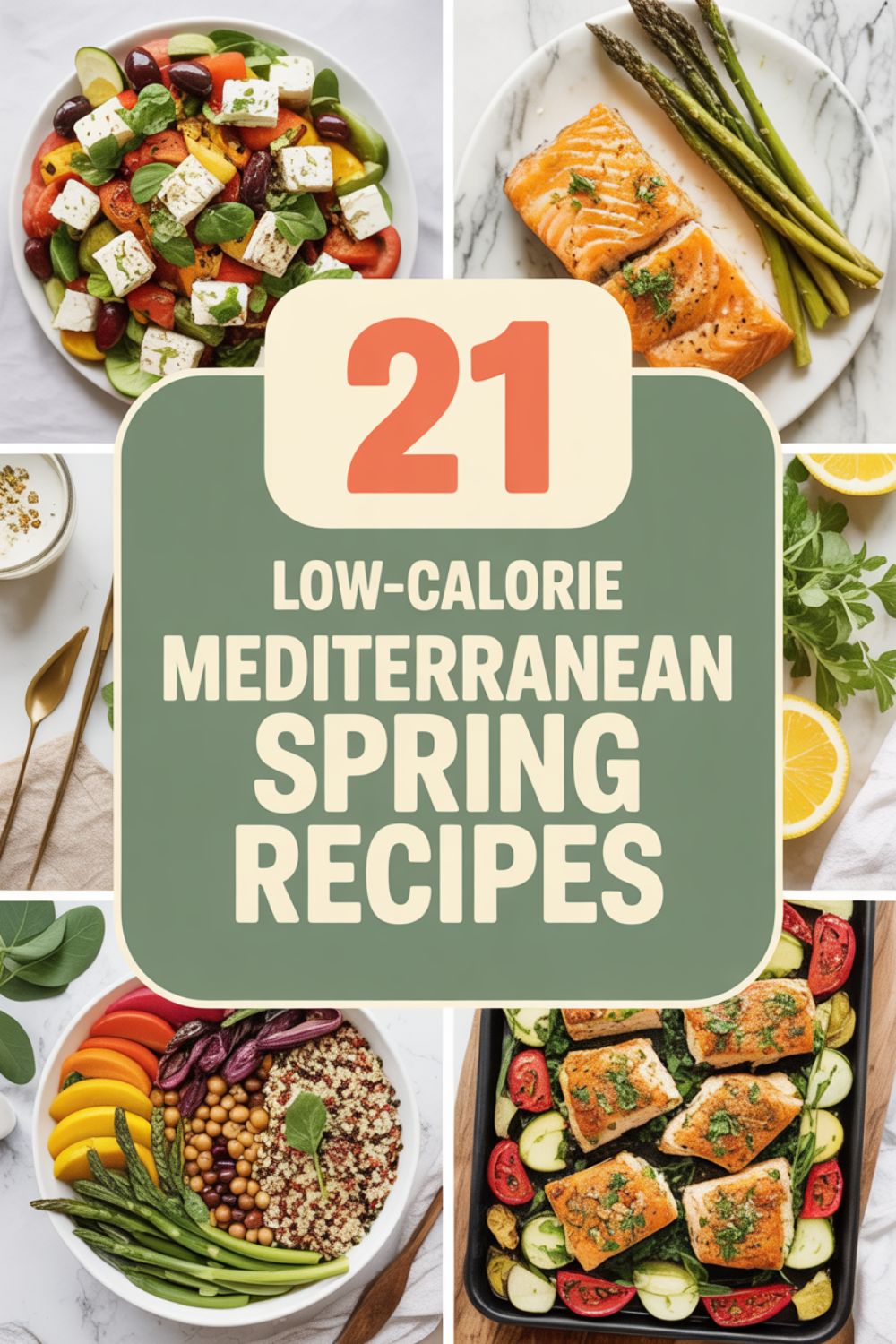
21 Low-Calorie Mediterranean Spring Recipes That Don’t Taste Like Diet Food
Spring hit different this year, and I found myself craving lighter meals that actually taste like something worth eating. You know that weird zone where you want to shed a few pounds but refuse to choke down another bland chicken breast? Yeah, that’s where Mediterranean cooking swoops in like a total hero.
I’ve spent the last month testing recipes that clock in under 400 calories but pack enough flavor to make you forget you’re technically “eating healthy.” These aren’t your typical sad desk salads—we’re talking crispy chickpeas, lemony fish, and vegetables that don’t taste like punishment. The Mediterranean approach treats food like it should be enjoyed, not endured, which honestly feels revolutionary when you’ve been stuck in diet culture hell.
What makes these recipes work for spring? Fresh herbs are everywhere, farmers markets are bursting with produce, and nobody wants to stand over a hot stove when the weather’s finally nice. Most of these come together in under 30 minutes, and I’ve included the ones I actually make on repeat—not just the ones that photograph well.
Why Mediterranean Makes Sense for Spring Weight Loss
Mediterranean eating works because it doesn’t feel like deprivation. You’re loading up on produce, healthy fats, and lean proteins without tracking every macro or weighing your food like some kind of chemistry experiment. Harvard Medical School research shows this eating pattern reduces inflammation and supports sustainable weight loss better than restrictive diets.
The key difference? Volume. You can eat an absolutely massive plate of roasted vegetables drizzled with olive oil and still come in under 300 calories. Compare that to a tiny portion of pasta with cream sauce, and you’ll see why people who follow Mediterranean patterns report feeling fuller and more satisfied.
Spring ingredients align perfectly with this approach. Asparagus, peas, artichokes, fresh herbs, and early greens are all at their peak. They’re nutrient-dense, low in calories, and they taste incredible when you don’t over-complicate them. I keep a good quality olive oil on hand because it makes even the simplest vegetables taste restaurant-worthy.
Breakfast Recipes That Keep You Full Until Lunch
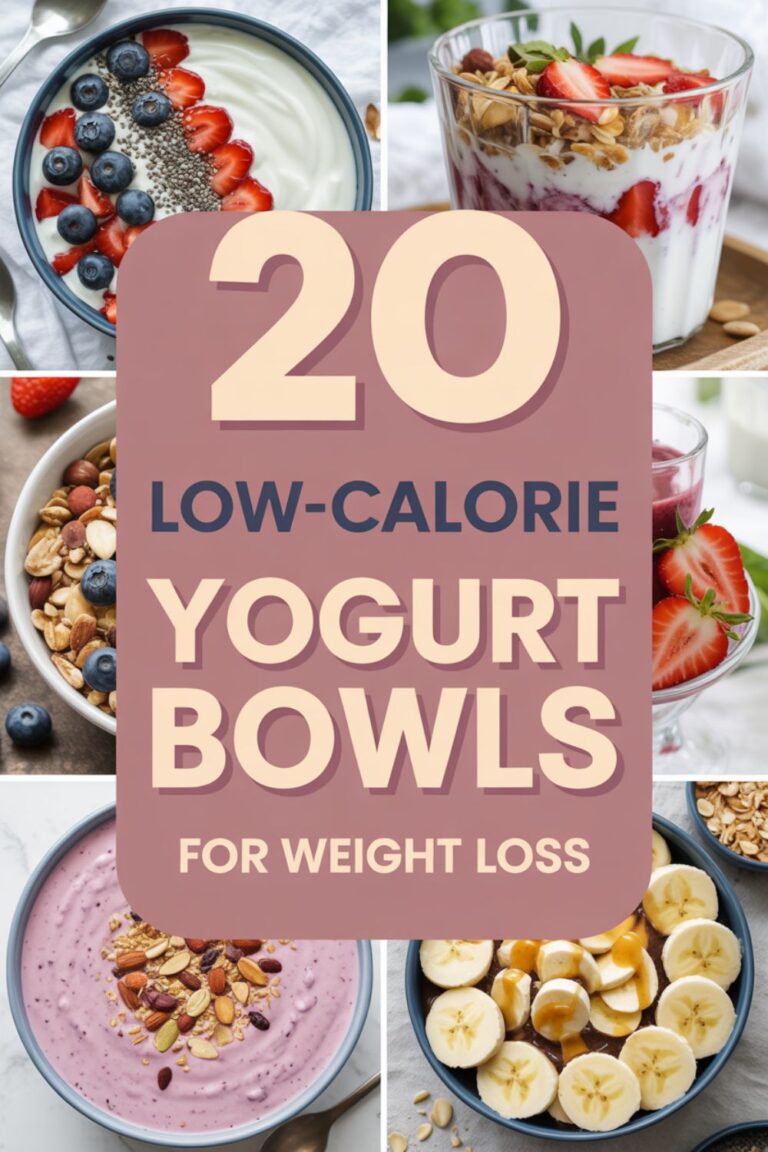
1. Greek Yogurt Bowl with Honey and Walnuts (245 calories)
Plain Greek yogurt gets a bad rap for being boring, but when you top it right, it’s legitimately crave-worthy. I use full-fat yogurt—yes, really—because the extra richness keeps me satisfied way longer than the fat-free version ever did. A drizzle of honey, a handful of walnuts, and some fresh berries turn this into something you’d order at a cafe.
The protein from yogurt (around 20 grams per cup) stabilizes your blood sugar, which means you won’t be faceplanting into a vending machine by 10 AM. Walnuts add omega-3s and that satisfying crunch. I prep these in small glass jars for grab-and-go mornings.
2. Shakshuka with Feta (298 calories)
Eggs poached in spiced tomato sauce sounds fancy, but it’s stupidly easy. You literally simmer canned tomatoes with garlic, cumin, and paprika, crack in a few eggs, and wait. The feta on top adds a salty punch that makes the whole thing sing. Get Full Recipe.
This became my weekend staple because it feels indulgent but won’t wreck your calorie budget. Plus, you can make it in a 10-inch cast iron skillet and serve straight from the pan, which somehow makes breakfast feel more intentional.
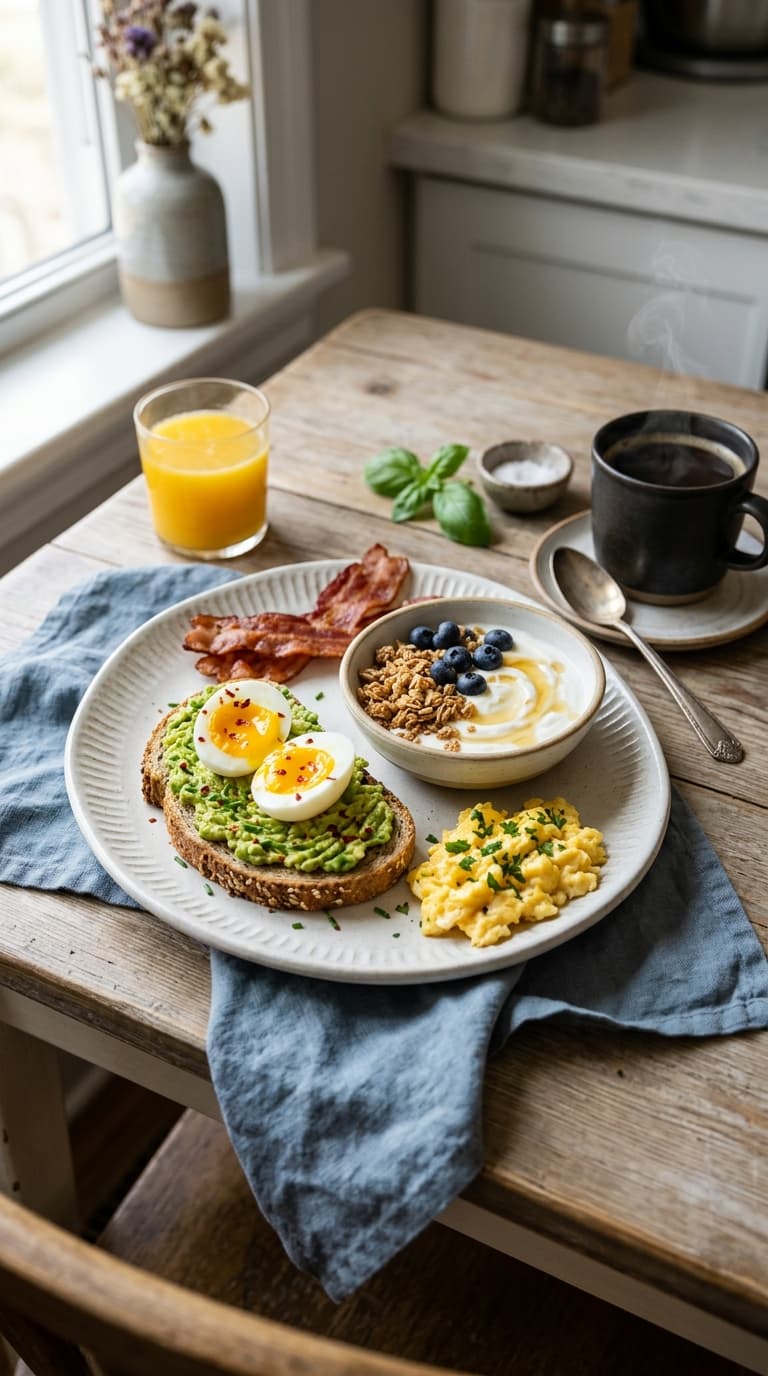
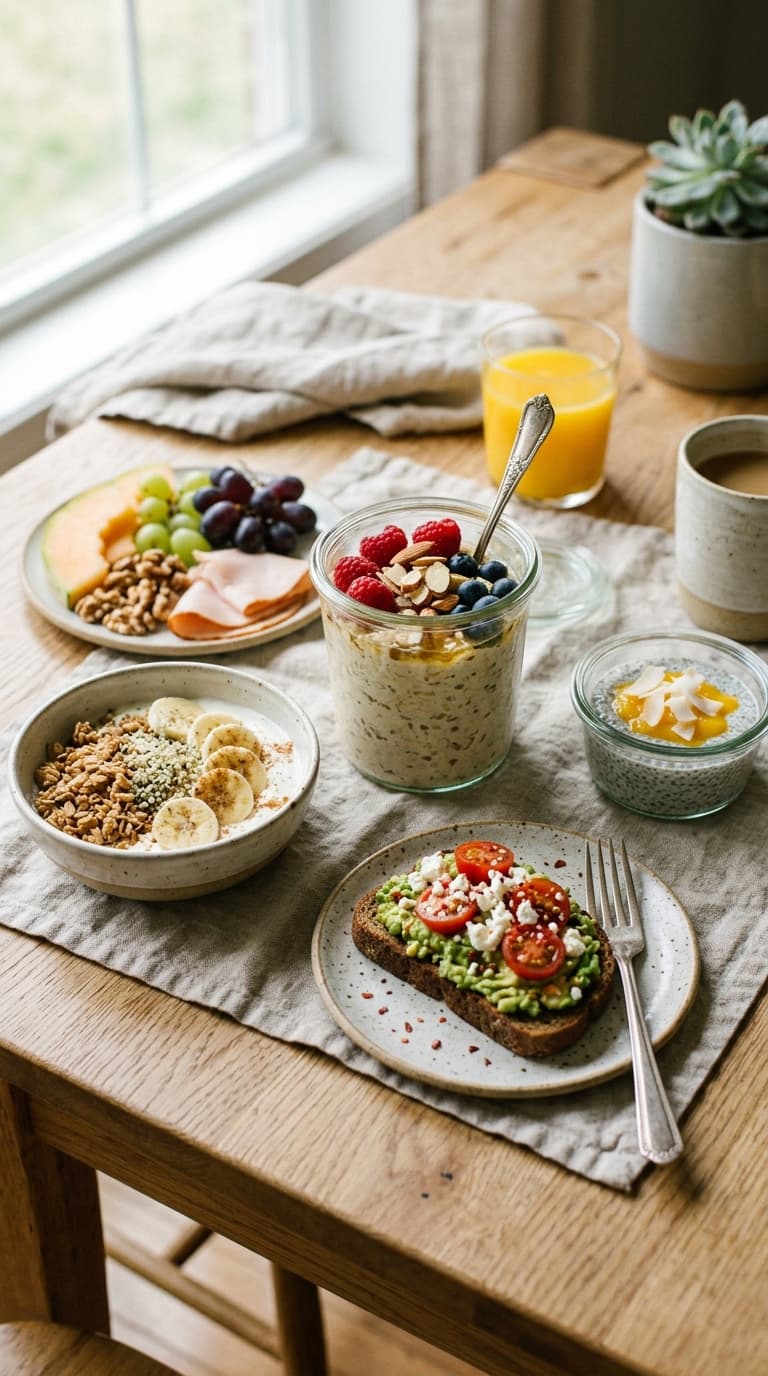
3. Whole Grain Toast with Mashed Avocado and Cherry Tomatoes (265 calories)
I know, avocado toast is so 2016, but hear me out. When you use actual good bread—I’m talking crusty whole grain with seeds—and pile on ripe tomatoes with flaky sea salt, it hits different. The healthy fats keep you full, and the fiber from whole grains prevents that mid-morning energy crash.
Skip the sad, spongy bread. Get something with texture. I grab mine from the bakery section and keep it in the freezer, toasting slices as needed. A quality bread knife makes slicing easier and prevents that annoying squishing that ruins the whole vibe.
Looking for more morning options that won’t leave you starving by 11? Try these 25 low-calorie breakfast recipes to start your day right or check out 21 quick low-calorie breakfasts under 300 calories for ideas you can actually stick with.
Light Lunches That Actually Satisfy
4. Lemon Chicken Orzo Soup (285 calories)
This soup tastes like something your Greek grandmother would make if she cared about your macros. The lemon brightens everything, the orzo adds substance, and the chicken provides protein. You can batch-cook this and it actually improves after a day in the fridge as the flavors meld together.
I use chicken thighs instead of breasts because they stay tender and don’t turn into rubber. Yes, they’re slightly higher in calories, but the difference is negligible and the taste payoff is massive. Get Full Recipe.
5. Mediterranean Chickpea Salad (320 calories)
Canned chickpeas are one of my desert island foods. They’re cheap, shelf-stable, and surprisingly versatile. This salad combines them with cucumbers, tomatoes, red onion, and a lemon-herb dressing. It’s the kind of thing you throw together when your fridge is looking sad but you still want something that doesn’t taste like defeat.
The secret is letting it sit for at least 15 minutes before eating. The chickpeas absorb the dressing and everything melds into this cohesive, flavor-packed situation. Make a big batch and eat it for lunch three days in a row—it holds up beautifully.
6. Grilled Vegetable Wrap with Hummus (295 calories)
Wraps get a bad reputation because most people make them sad and limp. Not this one. You’re grilling actual vegetables—zucchini, bell peppers, eggplant—until they’re charred and sweet, then wrapping them in a whole wheat tortilla with a generous smear of hummus. The result tastes like something from a Mediterranean cafe, not a depressing packed lunch.
A grill pan makes indoor grilling possible year-round. I use mine constantly for vegetables, and it creates those satisfying char marks that make everything taste better. Pair this with some easy low-calorie lunch ideas for work when you need variety throughout the week.
Dinner Recipes You’ll Make on Repeat
7. Herb-Crusted Baked Cod with Lemon (235 calories)
Fish intimidates people, but cod is basically impossible to screw up. It’s mild, flaky, and cooks in about 12 minutes. You coat it with fresh herbs, garlic, and a bit of olive oil, then bake until it’s just opaque. The lemon squeezed over at the end is non-negotiable—it ties everything together.
I get my cod from the frozen section because it’s cheaper and honestly tastes identical to fresh. Just thaw it in the fridge overnight. A fish spatula helps you flip and serve delicate fish without it falling apart into sad little chunks.
8. Stuffed Bell Peppers with Quinoa and Feta (342 calories)
These peppers feel fancy but require minimal effort. You’re basically stuffing them with cooked quinoa, tomatoes, herbs, and feta, then baking until the peppers are tender. The cheese gets melty and golden on top, and the quinoa soaks up all the flavors from the pepper as it cooks. Get Full Recipe.
Make extra filling and use it in wraps or on salads the next day. Nothing goes to waste, and you’ve got lunch handled without additional cooking.
9. Grilled Shrimp Skewers with Garlic and Herbs (198 calories)
Shrimp cook in literal minutes, which makes them perfect for those nights when you’d rather order takeout but know you shouldn’t. These skewers marinate briefly in olive oil, garlic, lemon, and whatever herbs you have lying around. Grill them for maybe 3 minutes per side and you’re done.
The marinade does the heavy lifting here. Don’t skip the lemon zest—it adds a brightness that regular lemon juice can’t match. If you’re using wooden skewers, soak them in water first so they don’t catch fire. Or just get metal skewers and eliminate that step forever.
10. Eggplant Parmesan (Without the Frying) (289 calories)
Traditional eggplant parm is delicious but also a calorie bomb thanks to all that frying. This version bakes the eggplant with a light coating of breadcrumbs, then layers it with marinara and just enough mozzarella to make it satisfying. You still get that comfort food vibe without feeling like you need a nap afterward.
Slice the eggplant about half an inch thick and salt it for 20 minutes before cooking. This draws out moisture and prevents that weird spongy texture nobody likes. According to Mayo Clinic guidelines on Mediterranean eating, vegetables should make up the bulk of your meals, and this dish definitely delivers on that front.
If you’re into flexible dinner options, you’ll also love these 25 low-calorie dinners that actually fill you up and 30 easy low-calorie dinner ideas you’ll want weekly.
Snacks and Sides That Don’t Feel Like Filler
11. Roasted Chickpeas with Za’atar (145 calories per serving)
These are dangerously addictive. You toss canned chickpeas with olive oil and za’atar, then roast until they’re crispy. They scratch that crunchy, salty itch without the nutritional emptiness of chips. I make a batch every week and keep them in an airtight container for emergency snacking.
Za’atar is a Middle Eastern spice blend that tastes like sesame seeds, thyme, and something vaguely earthy. You can find it at most grocery stores now, or order it online. A little goes a long way, and it transforms basically any vegetable or protein into something more interesting.
12. Cucumber Salad with Dill and Lemon (68 calories)
This is what I make when it’s too hot to cook but I still want something that tastes intentional. Thinly sliced cucumbers get dressed with lemon juice, olive oil, fresh dill, and a pinch of salt. That’s it. The result is refreshing, crunchy, and somehow greater than the sum of its parts.
Use a mandoline slicer for paper-thin cucumber slices that absorb the dressing better. Just watch your fingers—those blades are no joke.
13. Marinated Olives and Artichoke Hearts (112 calories)
Sometimes a snack doesn’t need to be complicated. Good olives and marinated artichoke hearts from a jar, maybe with some lemon zest and herbs, become this Mediterranean-style antipasto that feels special. I serve this with whole grain crackers when friends come over, and they always ask for the recipe. There is no recipe. It’s just quality ingredients.
14. Caprese Skewers (95 calories per skewer)
Cherry tomatoes, fresh mozzarella balls, and basil leaves threaded onto small skewers and drizzled with balsamic glaze. These are ridiculously easy but look impressive, which makes them perfect for spring gatherings. The key is using really fresh basil and good mozzarella—the cheap stuff tastes like rubber.
Meal Prep Essentials I Actually Use
After testing these recipes for weeks, here’s what made my life genuinely easier:
- Glass meal prep containers with compartments – These keep everything separate and prevent soggy situations. I have 10 and rotate them constantly.
- Herb keeper – Keeps fresh herbs alive for two weeks instead of two days. Game changer for Mediterranean cooking where herbs aren’t optional.
- Digital kitchen scale – Not for obsessive measuring, but for actually knowing portion sizes. Eye-balling rarely works when you’re trying to stay in a deficit.
- 7-Day Mediterranean Meal Plan PDF – Our complete guide with shopping lists and daily menus
- Low-Calorie Recipe Database – Searchable collection of 200+ tested recipes under 400 calories
- Macro Calculator Spreadsheet – Automatically calculates your needs based on goals
Join our WhatsApp community for daily meal prep tips and recipe swaps. We’re not selling anything—just people trying to eat better without losing their minds.
Vegetarian Mains That Even Meat-Eaters Request
15. Spinach and Feta Stuffed Portobello Mushrooms (178 calories)
Portobello caps become these meaty, satisfying vessels when you stuff them with sautéed spinach, garlic, and crumbled feta. They roast in about 20 minutes and come out tender with crispy edges. The feta gets all melty and golden, which is exactly what you want happening in your dinner.
This is one of those recipes where even dedicated carnivores don’t miss the meat. The mushrooms have enough substance and umami that you feel full afterward. Serve with a simple side salad and you’ve got a complete meal under 300 calories.
16. Lentil and Tomato Stew (265 calories)
Lentils are insanely underrated. They’re packed with protein, dirt cheap, and they soak up whatever flavors you throw at them. This stew simmers lentils with tomatoes, carrots, celery, and Mediterranean spices until everything melds into this hearty, warming bowl of comfort.
I make a huge pot on Sunday and eat it all week. It freezes beautifully too, so you can double the batch and have backup dinners ready when you inevitably forget to meal prep. A Dutch oven distributes heat evenly and prevents burning, which matters when you’re simmering something for 45 minutes. Get Full Recipe.
17. Zucchini Noodles with Pesto and Cherry Tomatoes (189 calories)
Zoodles have been done to death, but this version actually tastes good instead of watery and sad. The trick is not overcooking them. You want them barely tender, still with some bite. The pesto should be generous—this isn’t the place to be stingy. Cherry tomatoes add bursts of sweetness and acidity.
Make your own pesto if you have a food processor. It takes 5 minutes and tastes exponentially better than jarred versions. Pine nuts are traditional but expensive, so I use walnuts or cashews instead. Nobody has ever called me out on it.
For more plant-forward options, check out these 20 low-calorie vegetarian recipes packed with flavor. They’re proof that meatless doesn’t mean boring.
Desserts That Won’t Derail Your Progress
18. Grilled Peaches with Greek Yogurt and Honey (156 calories)
Grilling fruit caramelizes the natural sugars and creates this sweet, smoky situation that feels way more decadent than it actually is. You halve peaches, grill them cut-side down for a few minutes, then top with a dollop of Greek yogurt and a drizzle of honey. That’s it. That’s the dessert.
This works with any stone fruit—nectarines, plums, apricots. They all grill beautifully and pair perfectly with the tangy yogurt. It’s sweet enough to feel like a treat but won’t spike your blood sugar like actual dessert would.
19. Dark Chocolate Dipped Strawberries (89 calories for 3 berries)
Sometimes you just need chocolate. These hit that craving without going overboard. You melt dark chocolate (the good stuff with at least 70% cacao), dip fresh strawberries, and let them set. The bitterness of the chocolate plays against the sweetness of the berries in that way that makes you feel sophisticated.
Keep these in the fridge and grab one when you need something sweet after dinner. Three dipped strawberries satisfy the urge without triggering that “might as well eat the whole box” mentality that happens with most desserts.
20. Lemon Ricotta Parfait (198 calories)
Part-skim ricotta mixed with lemon zest, a tiny bit of honey, and layered with fresh berries creates this creamy, lightly sweet parfait. It feels indulgent but delivers protein and calcium along with the satisfaction. I prep these in small jars and keep them in the fridge for when the evening sweet tooth hits.
The lemon is crucial—it cuts the richness of the ricotta and makes the whole thing taste bright and spring-like. Don’t skip the zest. The oils in the peel add way more flavor than juice alone.
21. Baked Cinnamon Apple Slices (95 calories)
When you want something warm and comforting but also won’t wreck your calorie budget, these are the answer. Slice apples thin, toss with cinnamon and a tiny drizzle of maple syrup, then bake until they’re tender and slightly caramelized. They smell incredible and taste like apple pie without all the butter and crust.
I make these in a ceramic baking dish and eat them straight from the oven, sometimes with a small scoop of vanilla Greek yogurt. It’s cozy without being heavy, which is exactly what spring desserts should be.
Tools & Resources That Make Cooking Easier
These are the things that actually get used in my kitchen, not just taking up drawer space:
- Microplane zester – For getting lemon and garlic flavor without chunks. Essential for Mediterranean cooking.
- Salad spinner – Sounds bougie, but wet greens ruin dressing. This one folds flat for storage.
- Silicone baking mats – Replace parchment paper and nothing sticks. Ever. I have three and rotate them constantly.
- Weekly Meal Planner Template – Drag-and-drop format that actually reduces decision fatigue
- Grocery Shopping Checklist – Organized by store section so you stop forgetting olive oil every single time
- Kitchen Conversion Chart PDF – Because who remembers tablespoons to cups at 6 PM on a Wednesday
What Makes These Recipes Different
Most low-calorie recipes feel like punishment. You’re eating plain grilled chicken with steamed broccoli and pretending it’s fine. These recipes operate on a different principle: food should taste good. Revolutionary, I know.
The Mediterranean approach relies on bold flavors—lemon, garlic, herbs, good olive oil—to make vegetables and lean proteins actually appealing. You’re not drowning things in heavy sauces, but you’re also not eating naked food. There’s a middle ground, and that’s where these recipes live.
The calorie counts stay low because you’re emphasizing produce and whole grains over processed stuff and heavy dairy. But you’re not eliminating fat entirely, which is where a lot of diets go wrong. A little olive oil or feta goes a long way in making food satisfying. IMO, that’s what makes this sustainable instead of another two-week attempt that ends in a pizza binge.
Emma from our community tried this approach for three months and lost 22 pounds without feeling deprived. Her words: “I finally stopped thinking about food all the time because I was actually satisfied.” That’s the feedback I hear most often—people stick with it because it doesn’t feel restrictive.
How to Actually Use These Recipes
Here’s what I do: Sunday afternoon, I pick 3 dinners and 2 lunch options. I grocery shop for those specific meals plus breakfast staples. Monday through Friday, I cook or assemble those recipes. I’m not reinventing the wheel daily—I’m eating the same lunch Wednesday and Thursday, and that’s fine.
Batch cooking proteins helps. If you’re making the lemon chicken, make extra and use it in wraps or salads later in the week. Same with roasted vegetables. Cook once, eat multiple times. This isn’t rocket science, but it does require about 30 minutes of planning instead of winging it and ordering delivery when you’re hungry and tired.
Keep your pantry stocked with Mediterranean staples: olive oil, canned chickpeas, whole grains like quinoa and farro, canned tomatoes, dried herbs. When you have these on hand, throwing together a decent meal becomes exponentially easier. Most of these recipes use the same core ingredients in different combinations, so you’re not buying weird specialty items that sit in your cabinet forever.
Need more complete planning strategies? These resources help: 7-day 1200 calorie meal plan for weight loss, 14-day 1500 calorie meal plan for women, and 30-day low-calorie meal plan for healthy weight loss.
Common Mistakes to Avoid
The biggest mistake people make with Mediterranean cooking is being too timid with the olive oil. Yes, it’s caloric, but a tablespoon goes a long way in making vegetables taste incredible instead of tolerable. If you’re eating plain steamed broccoli to “save calories,” you’re setting yourself up to fail because eventually you’ll crack and eat an entire bag of chips.
Another issue: buying sad, flavorless ingredients and wondering why everything tastes like cardboard. Spring produce should taste good. If your tomatoes are mealy or your herbs are wilted, no recipe will save that. Spend a little extra on quality basics—it makes a difference you can actually taste.
People also tend to overcomplicate things. Mediterranean food is traditionally peasant food—simple, seasonal ingredients prepared without fuss. You don’t need seventeen spices or complicated techniques. Fresh ingredients, salt, acid (usually lemon), fat (olive oil), and heat. That’s genuinely most of it.
Finally, don’t skip the acid. Lemon juice or vinegar at the end of cooking brightens everything and makes flavors pop. It’s the difference between “this is fine” and “wait, this is actually good.”
The Real Talk About Weight Loss
These recipes support weight loss because they’re nutrient-dense and lower in calories, but they’re not magic. You still need to be in a calorie deficit. The difference is that eating this way makes that deficit less miserable because you’re eating real food that tastes good.
I’m not promising you’ll drop 20 pounds in a month. That’s not realistic and honestly not healthy. But if you consistently eat meals like these instead of takeout or processed convenience food, you’ll probably notice changes. More energy, less bloating, clothes fitting better. The scale might move slower than you want, but FYI, sustainable progress beats crash dieting every time.
The fiber from all the vegetables and whole grains helps with satiety. The protein from fish, chicken, legumes, and yogurt keeps you full. The healthy fats from olive oil and nuts prevent that desperate hunger that leads to poor decisions. It’s not complicated—it’s just consistent, reasonable eating that doesn’t require willpower because the food is actually enjoyable.
Frequently Asked Questions
Can I meal prep these Mediterranean recipes?
Absolutely. Most of these hold up great in the fridge for 3-4 days. The grain bowls, soups, and roasted vegetable dishes actually improve as flavors develop. Just store dressings separately and add right before eating to prevent sogginess. Fish is best fresh, but you can prep the marinades in advance and cook same-day.
Are these recipes actually filling despite being low-calorie?
Yes, because they emphasize volume and protein. You’re eating large portions of vegetables and whole grains that physically fill your stomach, plus protein sources that trigger satiety hormones. It’s not magic—just strategic food choices that work with your biology instead of against it.
Do I need special ingredients for Mediterranean cooking?
Not really. Olive oil, lemons, garlic, and basic herbs cover most of it. Za’atar is nice to have but not essential. Feta and olives are Mediterranean staples but you can find them at any regular grocery store. This isn’t exotic cooking—it’s simple food with quality ingredients.
Can I adapt these recipes if I’m vegetarian or vegan?
Many already are vegetarian, and most can be adapted. Swap Greek yogurt for coconut yogurt, feta for nutritional yeast or vegan cheese, and fish for chickpeas or white beans. The flavor profiles work with plant-based swaps—you just need to adjust for protein content.
How quickly will I see weight loss results eating like this?
That depends entirely on your starting point, activity level, and consistency. Most people notice changes within 2-3 weeks if they’re sticking to appropriate portions and staying in a calorie deficit. Expect 1-2 pounds per week if you’re doing it right—anything faster usually isn’t sustainable.
Final Thoughts
Spring eating should feel light, fresh, and enjoyable—not like you’re punishing yourself for winter indulgences. These Mediterranean recipes deliver all that without the typical diet food misery. You’re eating real meals that happen to support your goals instead of fighting against them.
The best part? Nothing here requires advanced cooking skills or expensive equipment. If you can chop vegetables and turn on an oven, you can make these. Start with 3-4 recipes that sound appealing, make them a few times until they’re comfortable, then branch out. You don’t need to overhaul your entire eating pattern overnight.
Mediterranean eating works because it’s based on actual food traditions, not some manufactured diet trend. People have been eating this way for centuries and somehow managing to stay healthy without tracking macros or weighing portions. There’s something to that. When food tastes good and makes you feel good, you tend to keep eating it. Revolutionary concept, right?