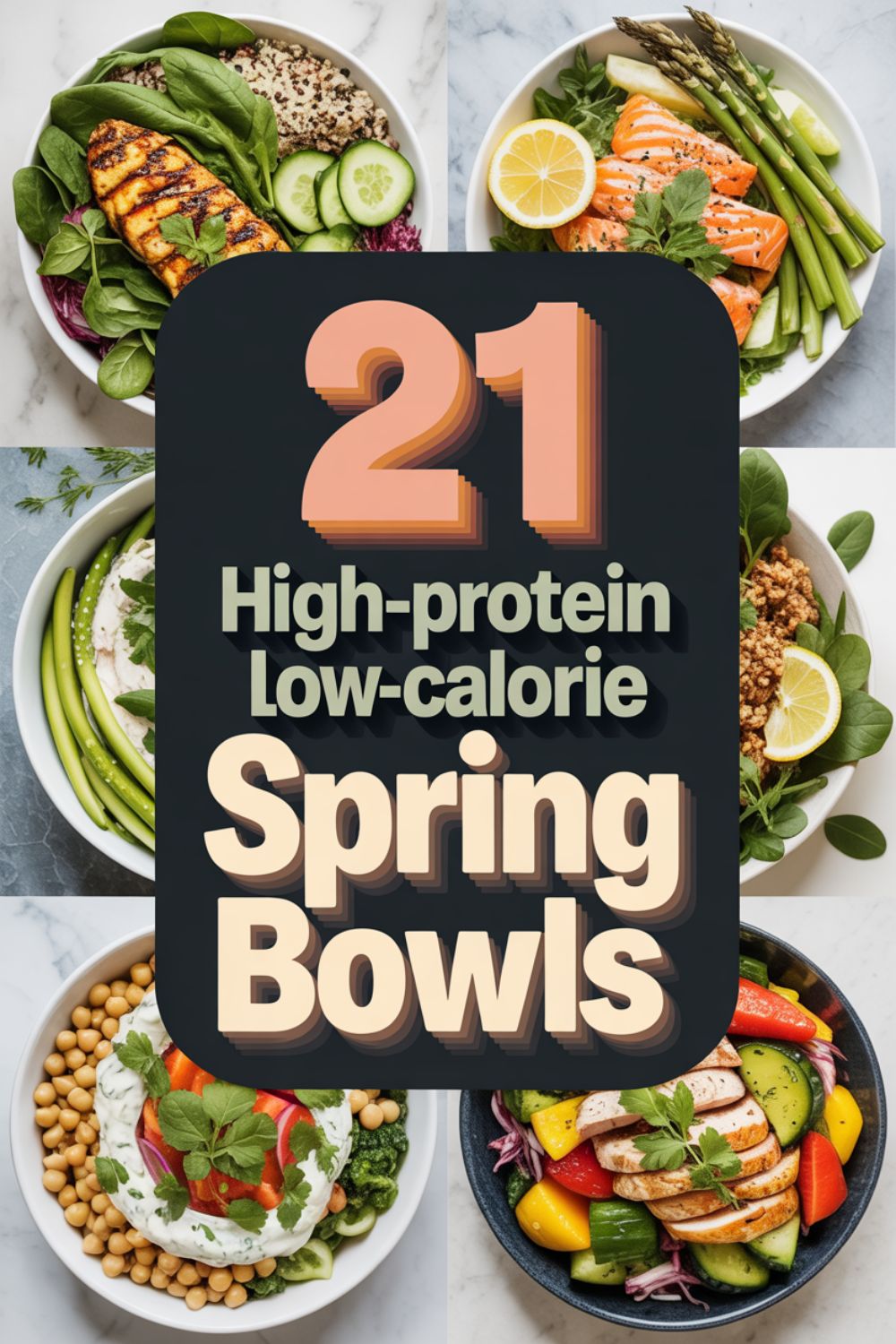
21 High-Protein Low-Calorie Spring Bowls
Spring hits different when you’re trying to lose weight, doesn’t it? The weather’s perfect, you’re feeling motivated, but then you realize salads are boring and chicken breast again sounds about as appealing as watching paint dry.
That’s where these bowls come in. I’m talking real food that actually tastes good, keeps you full for hours, and won’t sabotage your calorie deficit. Think vibrant veggies, protein that doesn’t taste like cardboard, and flavors that make you forget you’re even “dieting.”
I’ve tested every single one of these during my own weight loss journey, and honestly? Some of them became weekly staples even after I hit my goal weight. They’re that good.
Why Spring Bowls Are Actually Perfect for Weight Loss
Look, I’m not going to pretend bowls are some magical weight loss secret. But here’s what I’ve learned after making them literally hundreds of times: they work because they’re flexible.
You can pack them with protein to stay full longer, load up on volume with low-calorie veggies, and still make them taste exciting enough that you’re not fantasizing about pizza at 3 PM. Plus, when produce is at its peak in spring, everything just tastes better without needing heavy sauces or dressings that tank your calorie count.
According to research on protein and satiety, getting enough protein at each meal can reduce cravings by up to 60% and boost metabolism. That’s not nothing when you’re trying to stick to a deficit.
The Foundation: What Makes a Bowl Actually Filling
Not all bowls are created equal, and I learned this the hard way after making some truly sad excuses for meals that left me hungry an hour later.
A good high-protein spring bowl needs three things: lean protein (at least 25-30 grams), fiber-rich base, and enough volume to trick your brain into thinking you’re eating way more than you actually are.
The Protein Players
Grilled chicken is the obvious choice, but don’t sleep on shrimp, white fish, extra-firm tofu, or even a quality protein powder mixed into a breakfast bowl situation. Each brings something different to the table.
I usually grab this digital meat thermometer because overcooked chicken is a crime I’m no longer willing to commit. Perfectly cooked protein makes or breaks these bowls.
The Base Options
Forget what you’ve heard about carbs being evil. Quinoa, farro, and even a modest portion of brown rice give you staying power without blowing your calorie budget. Just measure them – eyeballing is how I accidentally ate 400 calories of quinoa thinking it was 150.
For anyone following a 1200 calorie meal plan, you’ll want to stick to about half a cup of cooked grains per bowl. Trust me, it’s enough when you load up on the other stuff.
21 Spring Bowl Recipes That Actually Taste Good
1. Mediterranean Chickpea Power Bowl
This one’s heavy on the roasted chickpeas for plant-based protein, with cucumber, tomatoes, red onion, and a lemon-tahini drizzle that’s somehow only 50 calories for 2 tablespoons. The trick is using just enough tahini to get the flavor without turning it into a calorie bomb.
Chickpeas are sneaky good for weight loss too. A study in the Journal of Nutritional Science found that people who ate legumes regularly felt fuller and consumed fewer calories overall.
2. Teriyaki Salmon Spring Bowl
Okay, salmon isn’t exactly “low-calorie,” but hear me out. A 4-ounce portion gives you nearly 30 grams of protein and those omega-3s everyone’s always talking about. Pair it with edamame, snap peas, and cauliflower rice, and suddenly you’ve got a 380-calorie dinner that feels indulgent.
I make the teriyaki sauce with coconut aminos instead of regular soy sauce – tastes basically the same but way less sodium. For meal prep enthusiasts, this one fits perfectly into a 7-day high-protein meal plan.
“I’ve been making the teriyaki salmon bowl every week for two months now. Down 12 pounds and I genuinely look forward to eating it. Game changer.” – Rachel from our community
3. Greek Goddess Chicken Bowl
Grilled chicken thighs (yes, thighs – they’re juicier and only slightly more calories), cherry tomatoes, kalamata olives, feta cheese, and tzatziki made with Greek yogurt instead of sour cream.
The whole bowl clocks in around 420 calories but delivers 35 grams of protein. The feta’s the secret – just 30 grams adds massive flavor for only 80 calories. I buy it in these perfect portion containers so I’m not tempted to dump half the block in there.
4. Cilantro Lime Shrimp Fiesta Bowl
Shrimp is basically a cheat code for high-protein, low-calorie eating. Four ounces? Only 120 calories and 26 grams of protein. Add black beans, corn, diced bell peppers, and a squeeze of lime, and you’ve got yourself a proper meal.
The cilantro-lime rice is just cauliflower rice with lime juice and cilantro, but it tastes so good that nobody even realizes they’re not eating real rice. If you’re following low-calorie dinner ideas, this needs to be in your rotation.
5. Spring Harvest Buddha Bowl
Roasted sweet potato cubes, massaged kale (sounds fancy, just means you squeezed lemon on it and got aggressive), roasted chickpeas again because they’re that good, and a tahini-maple dressing that’s criminally delicious for 60 calories per serving.
This bowl taught me that sweet potatoes are actually lower in calories than you’d think – a medium one is only about 100 calories and keeps you full forever. Perfect for anyone tackling a 30-day low-calorie meal plan.
6. Sesame Ginger Tofu Bowl
Extra-firm tofu, pressed and baked until crispy (no frying needed), with edamame, shredded purple cabbage, carrots, and a ginger-sesame dressing that I could honestly drink straight from the jar.
The key to good tofu is getting a proper tofu press or just being patient and pressing it under heavy books for 30 minutes. Soggy tofu is why people think they hate tofu.
Whole thing comes to about 350 calories with 22 grams of protein. Not bad for a completely plant-based option that doesn’t taste like punishment.
7. Lemon Herb Chicken & Asparagus Bowl
Simple but perfect. Grilled chicken breast marinated in lemon juice and herbs, blanched asparagus (3 minutes in boiling water, that’s it), cherry tomatoes, and a tiny bit of parmesan cheese because life’s too short to eat completely bland food.
Asparagus is peak delicious in spring and it’s basically calorie-free. A whole pound is like 90 calories. Load up on it and you’ll feel stuffed without wrecking your numbers.
8. Thai Peanut Chicken Bowl
Before you panic about peanut sauce calories – yes, peanut butter is calorie-dense, but you only need 2 tablespoons mixed with lime juice, sriracha, and a splash of water to make enough sauce for the whole bowl. Works out to about 100 calories of pure flavor.
Shredded rotisserie chicken (lazy but effective), red bell pepper, cucumber, bean sprouts, and crushed peanuts on top. I use this PB powder alternative sometimes to cut even more calories without sacrificing taste.
Looking for more Asian-inspired options? Check out these low-calorie high-protein meals that follow the same principle.
9. Cajun Shrimp & Cauliflower Rice Bowl
Cajun seasoning is your best friend when you’re eating in a deficit because it makes everything taste amazing without adding calories. Coat the shrimp, cook them in a non-stick skillet with minimal oil, and serve over cauliflower rice with black beans and diced tomatoes.
Total calories? About 280. Total satisfaction? Way higher than it has any right to be for that calorie count.
10. Green Goddess Power Bowl
This is what I make when I need to convince myself I’m a healthy person. Grilled chicken, avocado (measured, because avocado calories add up scary fast), cucumber, snap peas, broccoli, and a green goddess dressing made with Greek yogurt instead of mayo.
Everything’s green, everything’s fresh, and somehow it comes to under 400 calories with 32 grams of protein. The dressing recipe alone is worth bookmarking – I put it on basically everything now.
Meal Prep Essentials Used in This Plan
Making these bowls consistently means having the right tools on hand. Here’s what actually makes a difference in my kitchen:
- Glass meal prep containers (5-pack) – Microwave-safe, dishwasher-safe, and they don’t stain like plastic. I’ve had mine for two years.
- Digital food scale – Portion control without guessing. The difference between 4 oz and 6 oz of chicken is real.
- Quality sheet pans – For roasting vegetables and proteins simultaneously. Non-stick ceramic coating is worth every penny.
- E-Book: 30-Day Spring Meal Prep Guide – Shopping lists, prep schedules, and calorie breakdowns for each week.
- Printable: High-Protein Bowl Template – Customizable PDF to create your own bowl combinations while staying in your calorie target.
- Digital Resource: Spring Produce Guide & Nutrition Database – What’s in season, how to prep it, and exact nutritional info.
11. Miso-Glazed Cod Bowl
Cod is criminally underrated. It’s mild, it’s cheap, and it’s only about 90 calories for 4 ounces while packing 20 grams of protein. The miso glaze (white miso paste, rice vinegar, tiny bit of honey) makes it taste way fancier than the effort required.
Serve it over sushi rice (yes, I said rice), with edamame, cucumber, and pickled ginger. The whole thing is about 370 calories and feels like you ordered it from a trendy restaurant.
12. Southwest Chicken Bowl
Ground chicken (leaner than beef), black beans, corn, diced tomatoes, jalapeños, and a dollop of Greek yogurt mixed with taco seasoning as your “sour cream.”
I cook the chicken in this cast iron skillet that gets it perfectly browned and crispy. The crispy bits are where all the flavor lives, people.
This bowl works great if you’re bouncing between different calorie targets – it easily adapts to a 1200 vs 1500 calorie meal plan just by adjusting portion sizes.
13. Balsamic Chicken & Strawberry Bowl
Sounds weird, tastes incredible. Fresh spring strawberries with grilled chicken, baby spinach, goat cheese crumbles, and a balsamic reduction that’s literally just balsamic vinegar simmered until it’s syrupy.
The strawberries add natural sweetness without sugar, and goat cheese is more flavorful than regular cheese, so you need less of it. Win-win for your calorie budget.
14. Korean BBQ Beef Bowl
Extra-lean ground beef (93/7 ratio), Korean BBQ sauce (store-bought is fine, I’m not judging), kimchi for that probiotic gut health everyone’s obsessed with, cucumber, and sesame seeds over cauliflower rice.
The kimchi is key here – it’s basically zero calories but adds so much flavor and crunch. Plus fermented foods are supposed to be good for you or whatever.
15. Lemon Garlic Shrimp & Zoodle Bowl
Zucchini noodles get a bad rap for being watery and sad, but if you salt them and let them sit for 10 minutes, then squeeze out the water, they’re actually pretty good. Add lemon garlic shrimp, cherry tomatoes, and a sprinkle of parmesan.
I use this spiralizer gadget that also works on other veggies. Total game-changer for adding volume to meals without adding calories.
The whole bowl is under 250 calories but feels substantial. Perfect for those days when you ate a bigger lunch and need to balance your numbers for a 7-day 1400 calorie meal plan.
16. Chimichurri Steak Bowl
Yes, steak. A 4-ounce sirloin is about 220 calories and completely doable in a calorie deficit if you’re smart about the rest of the bowl. The chimichurri (fresh parsley, cilantro, garlic, red wine vinegar, tiny bit of olive oil) is mostly herbs so it’s calorie-light but flavor-heavy.
Pair with roasted bell peppers, onions, and a small portion of quinoa. This one’s special occasion worthy but still fits your goals.
17. Pesto Chicken & Veggie Bowl
Regular pesto is an oil bomb, but you can make a lighter version with basil, spinach, parmesan, pine nuts, and chicken broth to thin it instead of pouring in a cup of olive oil. Still tastes like pesto, just won’t use up half your daily calories.
Grilled chicken, roasted cherry tomatoes, zucchini, and whole wheat pasta (measured). About 420 calories for a seriously satisfying dinner.
18. Honey Mustard Salmon Bowl
Salmon again because it’s just that good. The honey mustard glaze is Dijon mustard, tiny drizzle of honey, and lemon juice – brush it on before baking and you get this caramelized crust that’s ridiculous.
Serve with roasted Brussels sprouts (don’t knock em till you try em roasted), sweet potato, and a handful of arugula. Spring vegetables like Brussels sprouts and asparagus are packed with nutrients while being naturally low in calories.
For more salmon inspiration, browse through these low-calorie comfort foods that prove healthy eating doesn’t mean boring eating.
19. Buffalo Chicken Cauliflower Bowl
Shredded chicken tossed in buffalo sauce (Frank’s RedHot is like 0 calories, FYI), roasted cauliflower, celery, carrots, and a drizzle of Greek yogurt ranch dressing.
It’s basically buffalo wings in bowl form but for 340 calories instead of 1200. The ranch dressing recipe uses Greek yogurt, dill, garlic powder, and a tiny bit of mayo – tastes spot-on and saves you hundreds of calories.
20. Moroccan Chickpea Bowl
Warm spices (cumin, coriander, cinnamon), roasted chickpeas, cauliflower, and carrots, with a lemon-tahini drizzle and fresh mint on top. The cinnamon in savory food is a vibe – trust the process.
This one’s completely vegetarian and comes in around 380 calories with 15 grams of protein. Not as high-protein as the others, but the fiber content keeps you full just as long.
21. Spring Pea & Mint Chicken Bowl
Fresh or frozen peas (frozen are fine, I’m not that bougie), mint, lemon zest, grilled chicken, and a tiny bit of feta. It tastes like actual springtime in a bowl.
Peas are sneakily high in protein for a vegetable – a cup has 8 grams. Combined with the chicken, you’re looking at 35+ grams of protein in a 400-calorie bowl. The mint makes everything taste fresh and light without any heavy sauces.
Tools & Resources That Make Cooking Easier
These aren’t essential, but they’ve made my meal prep actually enjoyable instead of a chore I dread:
- Mini food processor – For making dressings, sauces, and chopping herbs in seconds instead of minutes.
- Stackable storage containers – Because fridge space is real estate and you need to maximize it.
- Silicone baking mats – Zero sticking, zero cleanup, infinite uses. Best $15 I’ve spent.
- E-Book: The Macro-Friendly Bowl Formula – Learn to create balanced bowls with perfect protein/carb/fat ratios every time.
- Printable: Weekly Bowl Planner Template – Plan, shop, and prep five different bowls without recipe overwhelm.
- Digital Course: Master Your Meal Prep in 30 Days – Video tutorials showing exact techniques for prepping proteins, grains, and veggies efficiently.
Plus, join our WhatsApp Meal Prep Community where we share weekly bowl ideas, swap recipes, and keep each other accountable. Real people, real results, zero judgment.
How to Actually Meal Prep These Bowls
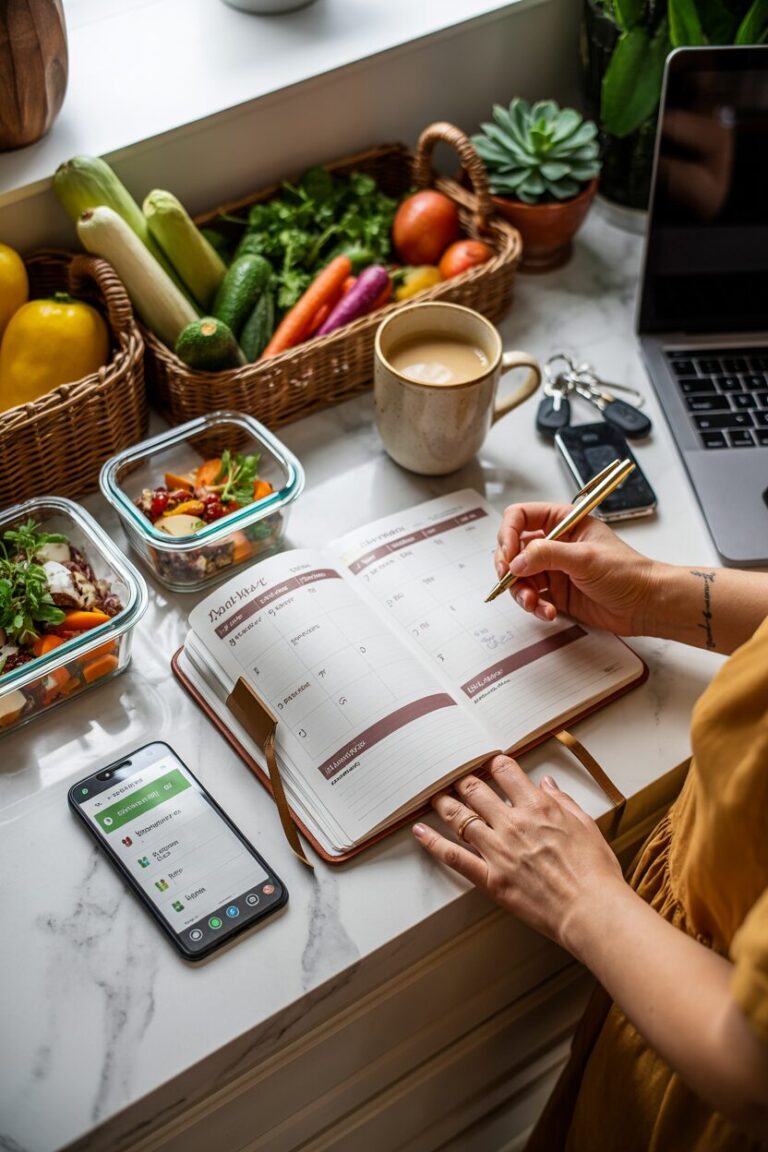
Okay, real talk. Making 21 different bowls isn’t realistic. What IS realistic is picking 3-4 favorites, prepping the components, and mixing them up throughout the week so you don’t get bored.
Here’s what actually works: Sunday afternoon, cook 2-3 proteins, 1-2 grain options, and roast a bunch of vegetables. Then during the week, you’re just assembling different combinations.
Grilled chicken + quinoa + roasted veggies + lemon tahini on Monday. Same chicken + cauliflower rice + different veggies + peanut sauce on Wednesday. Different bowl, minimal effort.
I keep my dressings in these squeeze bottles so I can control exactly how much I’m using. Makes a huge difference when you’re trying to stick to specific calorie targets like a 21-day low-calorie meal plan.
“Started meal prepping these bowls three months ago. I’ve lost 18 pounds and actually enjoy eating now instead of feeling deprived. The variety keeps me from getting bored, which was always my problem before.” – Jessica M. from our community
The Dressing Situation
This deserves its own section because dressings can literally make or break your calorie budget. Store-bought dressings are often 100+ calories for 2 tablespoons, which is criminal.
My go-to formula: acid (lemon juice or vinegar) + Greek yogurt or tahini + seasonings + tiny bit of oil or none at all. You can make endless variations on this base that are all under 50 calories per serving.
Lemon-tahini: 2 tbsp tahini, 3 tbsp lemon juice, 1 tbsp water, garlic, salt. Blend. Done. About 45 calories per 2-tablespoon serving.
Greek yogurt ranch: 1/2 cup Greek yogurt, 1 tbsp mayo, dill, garlic powder, onion powder, tiny splash of milk to thin. Like 30 calories per serving and tastes identical to the real thing.
These simple swaps add up when you’re trying to figure out how to lose weight on 1200-1500 calories without feeling like you’re starving yourself.
Common Bowl-Building Mistakes I Made So You Don’t Have To
Not measuring grains and thinking “eh, looks about right.” Quinoa and rice are dense, people. What looks like a cup is probably two cups, and suddenly your 400-calorie bowl is actually 600.
Going overboard on “healthy” fats. Yes, avocado and nuts are nutritious, but they’re also calorie bombs. A whole avocado is like 240 calories. Half is plenty.
Using way too much dressing because you didn’t make it flavorful enough to begin with. Season your proteins well, roast your veggies with spices, and you won’t need to drown everything in sauce.
Not including enough protein. A bowl with only 15 grams of protein won’t keep you full, and you’ll be hunting for snacks two hours later, wrecking your deficit.
Batch-cooking proteins and then getting sick of them by day four because you didn’t season them differently. Cook your chicken, then divide it and season each portion with different spices AFTER cooking. Game changer.
Making These Work for Different Calorie Goals
The beautiful thing about bowls is they’re infinitely customizable. Following a 1200 calorie meal plan? Use smaller portions of grains, load up on vegetables, keep protein moderate.
On a 1500 calorie vegetarian meal plan? Swap the chicken for chickpeas or tofu, add a bit more quinoa, include healthy fats like avocado or nuts.
The formula stays the same: protein + complex carb + vegetables + flavorful dressing. You just adjust the ratios based on your needs.
IMO, this is why bowls work better than strict meal plans that tell you to eat specific things at specific times. You get to customize based on what you’re actually hungry for while staying within your goals.
What About Breakfast Bowls?
Okay, I know this article is technically about lunch and dinner bowls, but I can’t not mention breakfast bowls because they follow the same principle and they’re ridiculously good.
Savory breakfast bowl: scrambled eggs, roasted sweet potato, sautéed spinach, everything bagel seasoning. Like 320 calories, 22 grams of protein, and keeps you full until lunch.
Greek yogurt bowl: plain Greek yogurt (not the flavored sugar bombs), fresh berries, tiny drizzle of honey, sprinkle of granola. High-protein, relatively low-calorie, and feels like dessert for breakfast.
These fit perfectly into a calorie deficit breakfast rotation and use the same bowl-building logic as everything else in this article.
Spring Vegetables That Make Everything Better
Let’s talk about what’s actually in season right now because eating seasonally isn’t just some trendy thing – produce genuinely tastes better when it’s supposed to be growing.
Asparagus is peak delicious right now. Just snap off the woody ends, toss with salt and pepper, roast at 425°F for 12 minutes. That’s it. Don’t overcomplicate it.
Snap peas and snow peas are crunchy, slightly sweet, and you can eat them raw or barely cooked. Tons of volume, minimal calories, maximum crunch.
Radishes are underrated. Roasted radishes lose that sharp bite and get kind of buttery and mild. Only about 20 calories per cup and they add great color.
Fresh peas if you can find them (frozen work too) are naturally sweet and surprisingly high in protein for a vegetable. They make everything feel more spring-like.
Baby spinach and arugula are tender right now, not bitter and tough like they get in summer. Use them as your base instead of lettuce for better nutrition and flavor.
Loading up on these seasonal vegetables naturally keeps your calories low while making your bowls taste amazing. It’s basically a cheat code for making low-calorie meals that don’t suck.
The Psychology of Bowl Eating
There’s something about eating from a bowl that makes food more satisfying. Maybe it’s because everything’s mixed together and you get different flavors in every bite. Maybe it’s because bowls hold more volume than a flat plate so your brain thinks you’re eating more.
Whatever it is, I’ve noticed that when I eat bowl-style, I feel more satisfied with the same calories than when I have the same ingredients plated separately. The presentation matters, even when you’re just eating at your desk at 12:30 on a Tuesday.
Plus bowls are portable. Make them in these leak-proof containers and take them to work, and suddenly you’re not tempted by the sketchy office birthday cake or overpriced cafeteria food that’ll blow your whole calorie budget on mediocre pasta.
Frequently Asked Questions
Can I make these bowls ahead for the whole week?
Yes, but with some strategy. Cook proteins and grains for the week, but keep veggies and greens separate until you’re ready to eat. Dressings should always go in a separate container. Assembled bowls stay fresh for about 3-4 days max, so I usually prep for half the week at a time.
How do I know if I’m getting enough protein in my bowls?
Aim for at least 25-30 grams of protein per bowl if it’s a main meal. That’s roughly 4-5 ounces of chicken, fish, or tofu, or about 1.5 cups of chickpeas or beans. Using a food scale eliminates the guesswork and keeps you on track.
Are these bowls suitable for a 1200-calorie diet?
Absolutely. Most of these bowls range from 300-450 calories, which fits perfectly into a 1200-calorie plan when paired with lighter meals at other times. Just watch your portions on higher-calorie ingredients like avocado, nuts, and oils.
What’s the best way to reheat meal-prepped bowls?
Microwave with a damp paper towel over the container for even heating. If your bowl has greens, add them fresh after reheating – nobody wants sad, wilted lettuce. Dressing always goes on right before eating, never during prep.
Can I freeze these bowls for longer storage?
Some yes, some no. Grain bowls with cooked proteins freeze well for up to 3 months – just skip the fresh veggies and add them after reheating. Bowls with lots of raw veggies, fresh herbs, or dairy-based dressings don’t freeze well and should be eaten within a few days.
Final Thoughts
Look, I could give you 100 more bowl recipes, but the truth is once you understand the formula – protein + complex carb + vegetables + flavorful low-calorie dressing – you can create infinite variations based on what you actually like eating.
The magic isn’t in following these exact recipes. It’s in learning how to build satisfying, high-protein, low-calorie meals that work for YOUR life, YOUR schedule, and YOUR taste preferences.
Start with 2-3 bowls from this list that sound good to you. Make them a few times. Tweak them. Then start experimenting with your own combinations using the same principles.
Weight loss doesn’t have to mean eating boring food. It just means being smart about how you build your meals. And honestly? These spring bowls prove that eating in a calorie deficit can actually be the most delicious, varied, and satisfying way you’ve ever eaten.
Now go make yourself a bowl and stop overthinking it.