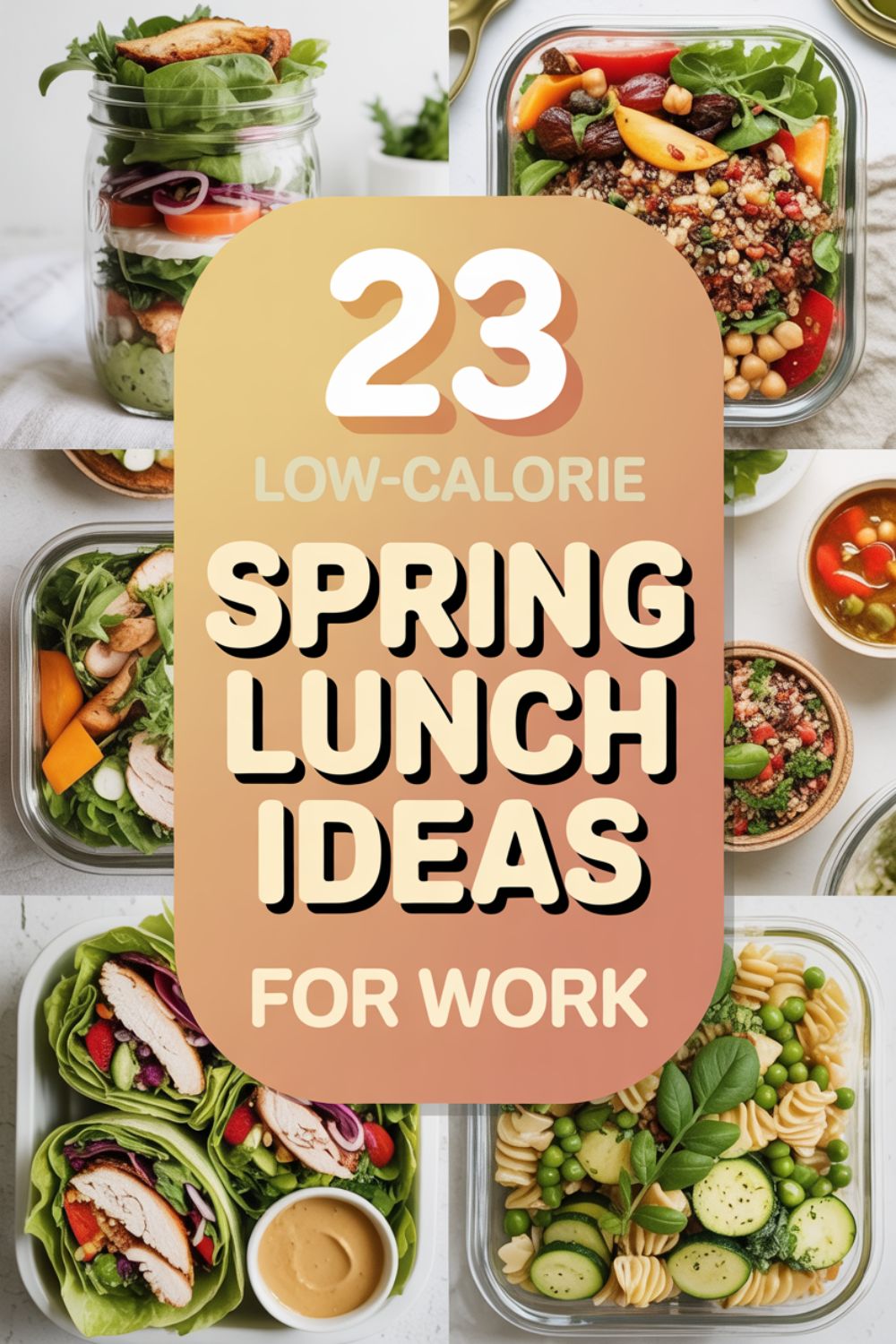
23 Low-Calorie Spring Lunch Ideas for Work
Let’s be real—packing lunch for work shouldn’t feel like solving a calculus problem. You want something fresh, filling, and low-calorie that won’t leave you face-planting on your keyboard by 2 PM. Spring makes this easier than you think. The farmers markets are bursting with crisp asparagus, peppery radishes, and tender greens that actually taste good without drowning them in ranch dressing.
I’ve spent way too many springs eating sad desk salads that left me raiding the office snack drawer an hour later. Not anymore. These 23 lunch ideas clock in under 400 calories, use seasonal ingredients, and won’t make your coworkers jealous—okay, maybe a little jealous. Whether you meal prep on Sundays or throw something together at 6 AM, you’ll find options here that work.
Why Spring Veggies Make Lunch Better
Spring vegetables aren’t just Instagram-pretty—they’re actually nutritional powerhouses when consumed shortly after harvest. Asparagus gives you folate and vitamin K without the calorie baggage. Snap peas deliver that satisfying crunch with barely any calories. Radishes add a peppery kick that makes boring lunches interesting.
Here’s the thing nobody tells you: these veggies are naturally low in calories but high in water and fiber. That means they fill you up without filling out your calorie budget. One cup of asparagus has like 20 calories. Twenty. You could eat half a pound and still have room for actual food.
Plus, spring produce tends to be fresher at stores because it hasn’t been sitting in cold storage since last fall. Fresher vegetables taste better, which makes you actually want to eat your lunch instead of trading it for someone’s leftover pizza.
The Mason Jar Strategy Nobody Talks About
Mason jar salads changed my lunch game, but only after I figured out the right layering order. Dressing goes on the bottom—always. Then harder veggies like cucumbers and radishes. Grains or proteins in the middle. Delicate greens on top. When you’re ready to eat, you shake it up and everything gets coated perfectly.
I use wide-mouth quart jars because the regular ones make it impossible to get anything out without looking like you’re wrestling your lunch. The wide mouth lets you actually use a fork like a civilized human. Store them upright in the fridge, and they’ll last four days easy—sometimes five if you’re pushing it.
The best part? You can prep five jars on Sunday while watching whatever show you’re binging, and boom—lunch is sorted until Friday. No thinking, no morning panic, no sad vending machine granola bars.
My Go-To Mason Jar Combos
- Spring Green Power Jar: Lemon vinaigrette, chickpeas, cucumber, snap peas, quinoa, arugula, and shaved Parmesan (285 calories)
- Strawberry Spinach Stack: Balsamic dressing, strawberries, slivered almonds, grilled chicken, baby spinach (310 calories)
- Asian-Inspired Crunch: Sesame-ginger dressing, edamame, shredded carrots, red cabbage, brown rice, mixed greens (265 calories)
- Mediterranean Mix: Lemon-herb dressing, cherry tomatoes, kalamata olives, feta, cucumber, romaine (245 calories)
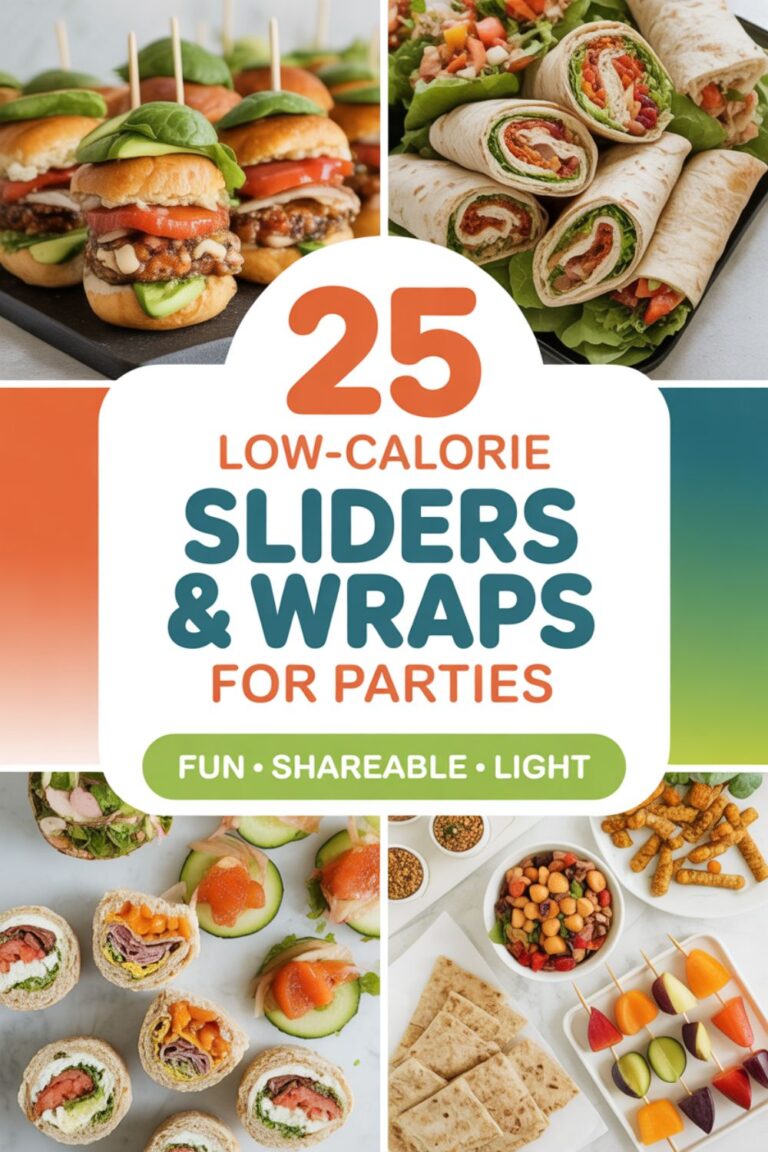
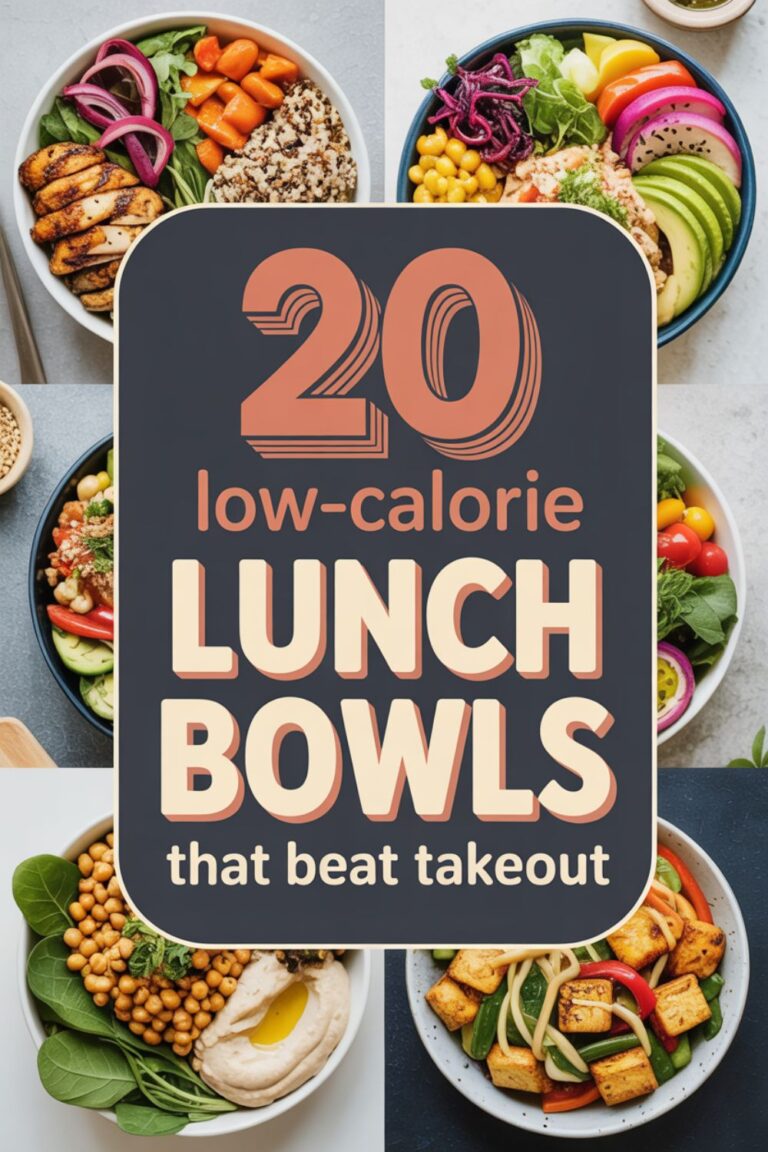
Looking for more portable options? These low-calorie wraps under 300 calories and lunch bowls that beat takeout are perfect for grab-and-go mornings.
Wrap It Up (Literally)
Wraps get a bad rap because most people use tortillas that have more calories than the filling. Switch to low-carb whole wheat wraps or even better, use large lettuce leaves or collard greens. A collard wrap has basically zero calories and holds together better than you’d think.
The trick with any wrap is not overfilling it. I learned this the hard way after my first hummus-asparagus wrap exploded all over my laptop. Use two to three tablespoons of spread max, add your protein, pile on the veggies, and roll it tight. I wrap mine in parchment paper and slice them in half—looks fancy, travels well, and you can eat it one-handed during Zoom calls.
Spring Wrap Winners
- Lemon-Herb Chicken & Asparagus Wrap: Grilled chicken, roasted asparagus, Greek yogurt-dill sauce, spring greens in a whole wheat wrap (320 calories)
- Smoked Turkey Rainbow Wrap: Deli turkey, rainbow carrots, cucumber, sprouts, honey mustard, collard green wrap (195 calories)
- Hummus Veggie Explosion: Roasted red pepper hummus, shredded beets, microgreens, snap peas, sunflower seeds (275 calories)
- Tuna Spring Mix: Light tuna, capers, cherry tomatoes, arugula, lemon juice, whole grain wrap (290 calories)
The smoked turkey wrap is basically foolproof. Get Full Recipe
Soup Season Doesn’t End in Winter
Cold spring soups are criminally underrated for lunch. Gazpacho makes you feel sophisticated even though it’s just blended vegetables. Chilled cucumber-dill soup tastes like a spa in a jar. And they’re both under 150 calories per serving, leaving you tons of room for crusty bread—or you know, more soup.
I make a big batch on Sunday using my immersion blender instead of dealing with a regular blender and the inevitable explosion. Pour it into individual containers, and you’ve got lunch plus an afternoon snack for the week. These soups actually taste better after sitting for a day because the flavors meld together.
If you’re more into hot soups, spring vegetables make incredibly light but filling options. Asparagus soup with a squeeze of lemon. Pea and mint soup that tastes like spring in a bowl. Spinach and white bean soup that’s basically green velvet. All under 200 calories per generous serving.
Meal Prep Essentials Used in This Plan
These are the tools and products that actually make weekday lunches doable without losing your mind:
- Glass meal prep containers with divided sections – keeps everything separate until you’re ready to eat
- Portable salad dressing containers – no more soggy salads, ever
- Insulated lunch bag with ice pack – because food poisoning is not a vibe
- Spring Meal Planning Template (Digital) – drag and drop weekly lunch ideas
- Low-Calorie Lunch Recipe eBook (Digital) – 50+ recipes under 400 calories with macros
- Meal Prep Mastery Course (Digital) – video tutorials on batch cooking techniques
Want support from others doing the same thing? Join our WhatsApp Meal Prep Community for daily tips and recipe swaps.
Salad Bowls That Don’t Suck
The problem with most salads is they’re just lettuce with sadness on top. A real salad bowl needs texture, protein, healthy fats, and enough flavor that you’re not choking it down out of obligation. Think of it as a deconstructed meal in a bowl, not rabbit food.
Start with a base that’s not iceberg lettuce. Spring mix, arugula, baby spinach—anything with actual flavor and nutrients. Add a grain like quinoa or farro for staying power. Throw in roasted seasonal veggies. Top with protein and a fat source like avocado or nuts. Finish with a dressing that’s not fat-free garbage.
Bowl Combinations That Actually Work
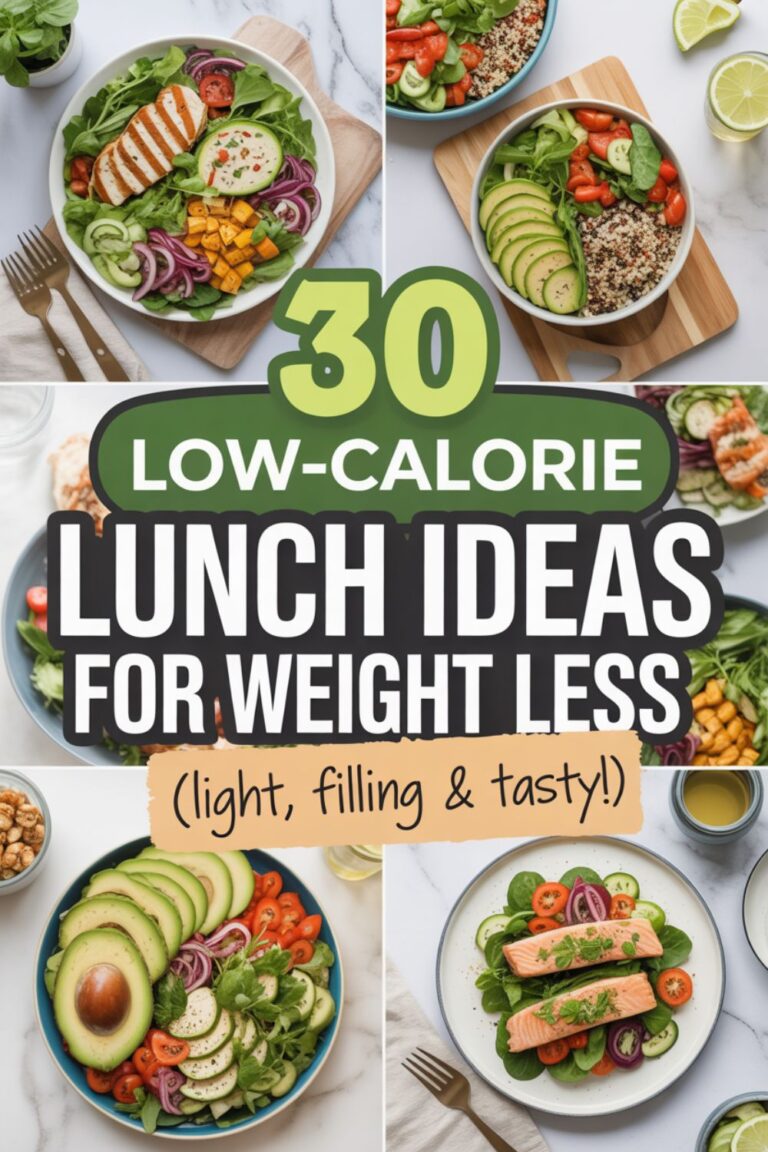
- Spring Fling Bowl: Arugula, roasted asparagus, hard-boiled egg, radishes, sunflower seeds, lemon-tahini dressing (315 calories)
- Strawberry Fields Bowl: Spinach, sliced strawberries, grilled chicken, candied pecans, goat cheese, balsamic glaze (355 calories)
- Green Goddess Bowl: Mixed greens, edamame, cucumber, avocado, pumpkin seeds, green goddess dressing (340 calories)
- Mediterranean Spring Bowl: Romaine, grilled shrimp, artichoke hearts, cherry tomatoes, feta, oregano vinaigrette (295 calories)
- Asian Sesame Bowl: Napa cabbage, snap peas, shredded carrots, tofu, sesame seeds, ginger-soy dressing (280 calories)
For more complete meal ideas that won’t derail your goals, check out these high-protein low-calorie meals and meals under 300 calories that actually fill you up.
The Bento Box Approach
Bento boxes aren’t just cute—they’re genius for portion control and variety. Instead of one big lunch that gets boring halfway through, you get multiple small components that keep your brain entertained. It’s like having an appetizer sampler for lunch without the restaurant prices.
I use leakproof bento containers with five compartments and fill each section with something different. Protein in the biggest section, veggies in two sections, a small portion of carbs in another, and fruit or a healthy fat in the last one. Total calories stay under 400, but it feels like you’re eating way more.
Bento Box Blueprints
- Spring Protein Pack: Grilled chicken breast chunks, snap peas with hummus, cherry tomatoes, berries, almonds (365 calories)
- Veggie Lover’s Bento: Hard-boiled eggs, roasted asparagus, cucumber slices, whole grain crackers, strawberries (310 calories)
- Mediterranean Mini Feast: Grilled shrimp, kalamata olives, cherry tomatoes, whole wheat pita triangles, tzatziki for dipping (325 calories)
- Asian-Inspired Box: Edamame, cucumber-carrot slaw, brown rice, mandarin oranges, cashews (340 calories)
- Snack Attack Bento: Turkey roll-ups, bell pepper strips, sugar snap peas, grapes, string cheese (295 calories)
The turkey roll-ups are ridiculously easy. Get Full Recipe
Lettuce Cups Are Not a Punishment
Hear me out. Lettuce cups got a bad reputation from the low-carb craze, but they’re actually perfect for spring lunch. You get maximum crunch, minimal calories, and none of that carb coma that hits after eating a sandwich. Plus, they’re way more fun to eat than regular wraps.
Use butter lettuce or Boston lettuce for the cups—they’re sturdy enough to hold fillings without tearing like wimpy leaf lettuce. I prep the cups in advance by washing them, drying them thoroughly with a salad spinner, and storing them between damp paper towels. They stay crisp for three days, easy.
Lettuce Cup Fillings Worth Making
- Asian Chicken Lettuce Cups: Ground chicken, water chestnuts, green onions, hoisin sauce, served in butter lettuce (245 calories for 3 cups)
- Shrimp Spring Rolls Style: Poached shrimp, rice noodles, cucumber, mint, basil, peanut sauce for dipping (280 calories)
- Turkey Taco Cups: Lean ground turkey, pico de gallo, shredded lettuce, Greek yogurt instead of sour cream (255 calories for 3 cups)
- Thai Peanut Tofu Cups: Crispy baked tofu, shredded carrots, cabbage, peanut sauce, crushed peanuts (290 calories)
If you’re looking for more creative lunch ideas that keep things interesting, try these easy low-calorie lunch ideas specifically designed for work.
Grain Bowls Done Right
Grain bowls are having a moment, but most restaurant versions pack in 800+ calories. Make them at home with spring vegetables, and you’re looking at 350 calories tops—plus they’re more filling because you control what goes in.
The base matters. Quinoa is played out, IMO. Try farro for a chewy texture, barley for something heartier, or bulgur wheat if you want something light. Cook a big batch on Sunday using a rice cooker (yes, it works for all grains, not just rice), and portion it out for the week.
Spring Grain Bowl Hall of Fame
- Lemon-Herb Farro Bowl: Farro, roasted asparagus, cherry tomatoes, chickpeas, lemon-herb dressing, fresh dill (335 calories)
- Pesto Quinoa Bowl: Quinoa, grilled zucchini, sun-dried tomatoes, white beans, pesto, pine nuts (370 calories)
- Spring Veggie Barley Bowl: Barley, roasted radishes, snap peas, shaved asparagus, soft-boiled egg, tahini drizzle (345 calories)
- Mediterranean Bulgur Bowl: Bulgur, cucumber, bell peppers, kalamata olives, feta, red wine vinaigrette (315 calories)
Tools & Resources That Make Cooking Easier
Stop fighting with your kitchen. These actually help:
- Mandoline slicer with safety guard – uniform veggie slices in seconds (keep your fingers)
- Microplane zester – makes citrus zest and fresh herbs actually usable
- Kitchen scale – portion control without guessing games
- Calorie Tracking Made Simple Guide (Digital) – stop obsessing, start tracking smart
- Spring Produce Storage Guide (Digital) – make your groceries last the full week
- Batch Cooking Shortcuts Course (Digital) – 2-hour Sunday sessions that cover the whole week
Need accountability? Our WhatsApp Healthy Eating Community shares wins, struggles, and unexpected veggie hacks daily.
Cold Pasta Salad That’s Not From 1987
Pasta salad doesn’t have to be mayo-heavy and sad. Spring vegetables make it fresh and light without sacrificing that comfort-food vibe. The key is using less pasta than you think you need—half the box, not the whole thing—and loading up on vegetables and protein instead.
I use chickpea pasta or whole wheat pasta for extra protein and fiber. Cook it al dente, rinse it under cold water immediately, and toss with a tiny bit of olive oil to prevent sticking. Then add all your spring veg, protein, and a vinaigrette-based dressing instead of anything creamy.
Modern Pasta Salad Recipes
- Spring Pesto Pasta Salad: Whole wheat rotini, cherry tomatoes, mozzarella pearls, asparagus, pesto (380 calories per serving)
- Lemon-Asparagus Orzo: Orzo, grilled chicken, asparagus, peas, lemon-herb dressing, Parmesan (365 calories)
- Mediterranean Chickpea Pasta: Chickpea penne, cucumber, cherry tomatoes, feta, red onion, oregano vinaigrette (340 calories)
- Asian Noodle Bowl: Soba noodles, edamame, shredded cabbage, carrots, sesame-ginger dressing (295 calories)
The lemon-asparagus orzo is a crowd-pleaser. Get Full Recipe
Craving more pasta options that won’t wreck your calorie goals? These low-calorie pasta recipes under 400 calories prove you don’t have to give up your favorite comfort foods.
Protein-Packed Options for Real Hunger
Some days, salad isn’t going to cut it. You need actual protein that sticks with you through afternoon meetings. Spring vegetables pair perfectly with lean proteins without adding a million calories to the total count.
Grilled chicken is the obvious choice, but it gets boring fast. Mix it up with shrimp, which cooks in literally four minutes and has barely any calories. Canned tuna or salmon for zero-effort protein. Hard-boiled eggs if you batch-cook them on Sunday. Even tofu works if you press it properly and give it actual seasoning.
High-Protein Spring Lunches
- Grilled Chicken & Asparagus Plate: 4 oz chicken breast, roasted asparagus, quinoa, lemon wedge (325 calories, 38g protein)
- Shrimp Spring Salad: 5 oz grilled shrimp, mixed greens, snap peas, avocado, citrus vinaigrette (310 calories, 35g protein)
- Tuna Niçoise Bowlish Thing: Tuna, hard-boiled egg, green beans, cherry tomatoes, olives, mixed greens (340 calories, 32g protein)
- Baked Salmon with Spring Veggies: 4 oz salmon, roasted radishes, asparagus, dill-yogurt sauce (365 calories, 34g protein)
- Turkey & Veggie Stack: Sliced turkey breast, cucumber, tomato, sprouts, mustard, whole grain bread (295 calories, 28g protein)
Need more high-protein inspiration that actually keeps hunger at bay? Check out these low-calorie high-protein meals and protein-packed options that support weight loss.
Meal Prep Mindset Shifts
The biggest mistake people make with meal prep is thinking they need to eat the exact same lunch five days in a row. No wonder everyone quits by Wednesday. Instead, prep components and mix them throughout the week.
Cook three different proteins, roast a big sheet pan of mixed vegetables, make two grain options, and prep a couple of dressings. Then each morning, combine different elements for variety. Monday could be chicken with quinoa and asparagus. Tuesday is the same chicken but with farro and a completely different veggie mix. You’re using the same ingredients but creating new combinations.
This strategy also saves you from the Sunday prep burnout where you’re cooking for four hours straight and questioning your life choices. FYI, an hour of smart prep beats four hours of cooking identical meals every single time.
Component Prep Strategy
Proteins (pick 2-3): Grilled chicken thighs, hard-boiled eggs, baked salmon, seasoned tofu, poached shrimp
Grains (pick 2): Quinoa, farro, brown rice, bulgur, whole wheat couscous
Roasted Veggies: Asparagus, radishes, snap peas, cherry tomatoes, bell peppers—toss everything in olive oil, salt, pepper, 425°F for 15-20 minutes
Raw Elements: Pre-wash greens, slice cucumbers, shred cabbage, chop herbs, dice tomatoes
Dressings (make 2): Lemon-herb vinaigrette, balsamic reduction, tahini dressing, Asian sesame, simple olive oil & vinegar
Emma from our community started using this method and dropped 18 pounds in three months without feeling deprived once. She said the variety kept her from getting bored and ordering takeout every other day like she used to. That’s the power of actually enjoying what you’re eating.
Budget-Friendly Spring Lunch Hacks
Spring produce can get pricey at fancy grocery stores, but it doesn’t have to destroy your budget. Hit up farmers markets right before closing on Saturday—vendors often discount produce rather than pack it back up. Buy whatever’s abundant and cheap, not whatever’s trendy on Instagram.
Frozen vegetables are your friend. Frozen peas, edamame, and spinach are just as nutritious as fresh and cost half as much. I always keep bags of frozen veggies in my freezer for weeks when fresh produce is insanely expensive or when I forgot to grocery shop like a functional adult.
Canned beans, tuna, and salmon are budget protein heroes. A can of chickpeas costs less than a dollar and gives you three servings of protein and fiber. Canned tuna is cheaper than fresh and works in dozens of lunch combinations. Even rotisserie chicken from the grocery store is often cheaper than buying and cooking raw chicken breast yourself.
For more wallet-friendly ideas that don’t compromise on nutrition, check out these cheap low-calorie meals perfect for meal prep.
Common Spring Lunch Mistakes
The biggest mistake is thinking low-calorie automatically means healthy. A 200-calorie lunch of rice cakes and diet soda is low-calorie but will leave you hangry and eating desk drawers by 3 PM. You need protein, fiber, and healthy fats to actually stay satisfied.
Another mistake? Not packing enough food. I used to pack these tiny salads thinking I was being virtuous, then I’d be starving and blow my calorie budget on office birthday cake. Pack a reasonable portion that actually fills you up. It’s better to eat 400 satisfying calories at lunch than 250 inadequate calories followed by 300 calories of emergency snacking.
Also, stop skipping breakfast and then wondering why you’re ravenous at lunch. Your body needs fuel throughout the day, not just one massive meal. If you’re someone who’s never hungry in the morning, fine—but that means your lunch needs to be substantial enough to carry you through the afternoon without a blood sugar crash.
Frequently Asked Questions
How many calories should my work lunch be if I’m trying to lose weight?
Most people do well with 300-450 calories for lunch, depending on your total daily calorie goal and activity level. If you’re following a 1200-1500 calorie plan, aim for the lower end. The key is making sure those calories come from filling foods with protein, fiber, and healthy fats—not just low-calorie fluff that leaves you hungry an hour later.
Can I meal prep spring lunches for the whole week without them going bad?
Absolutely, but smart storage is everything. Keep wet and dry ingredients separate until you’re ready to eat—think dressings in separate containers or mason jar layering. Most prepped lunches last 4-5 days if stored properly in airtight containers in the fridge. Leafy greens can get sketchy by day five, so save those for earlier in the week and use heartier vegetables for Thursday and Friday.
What if I don’t have access to a refrigerator at work?
Invest in a good insulated lunch bag with ice packs—this keeps food safe for 4-6 hours easily. Focus on lunches that hold up at room temperature for a bit longer: grain salads, wraps with sturdy ingredients, or bento boxes with non-dairy items. Avoid anything with mayo, soft cheeses, or proteins that need to stay cold the whole time.
Are spring vegetables really better than vegetables from other seasons?
They’re fresher and often more nutrient-dense because they’re harvested at peak season rather than stored for months. Plus, they taste better, which means you’re more likely to actually eat them instead of letting them rot in your crisper drawer. That said, frozen vegetables are picked and frozen at peak ripeness too, so they’re a solid year-round option when fresh spring produce isn’t available or affordable.
How do I keep my packed lunch from getting boring every day?
Use the component prep method instead of making identical lunches. Prep different proteins, grains, and veggies, then mix and match throughout the week. Also, rotate your dressings and seasonings—same base ingredients taste completely different with Asian dressing versus Mediterranean vinaigrette. Variety in flavor profiles tricks your brain into thinking you’re eating something new even when you’re using similar components.
Wrapping It Up
Spring lunches don’t have to be complicated or expensive to be good. The produce is working in your favor—bright, fresh, naturally low-calorie, and actually tasty when you don’t overcook it into mush. Whether you’re team mason jar, bento box enthusiast, or just trying to not eat sad desk salads anymore, there’s something here that’ll work.
Start with one or two recipes that sound good, not all 23 at once. Prep what you can on Sunday, keep it simple during the week, and give yourself permission to order takeout on Friday if you’re over it. The goal isn’t perfection—it’s finding a sustainable lunch routine that doesn’t make you miserable or broke.
These 23 ideas are just starting points. Mix them up, swap ingredients based on what’s actually available at your store, and make them work for your life. Spring eating should feel fresh and easy, not like another item on your overwhelming to-do list. Now go make something green and delicious—your future self will appreciate it around 2 PM tomorrow when everyone else is fighting over the last sad sandwich from the office cafeteria.