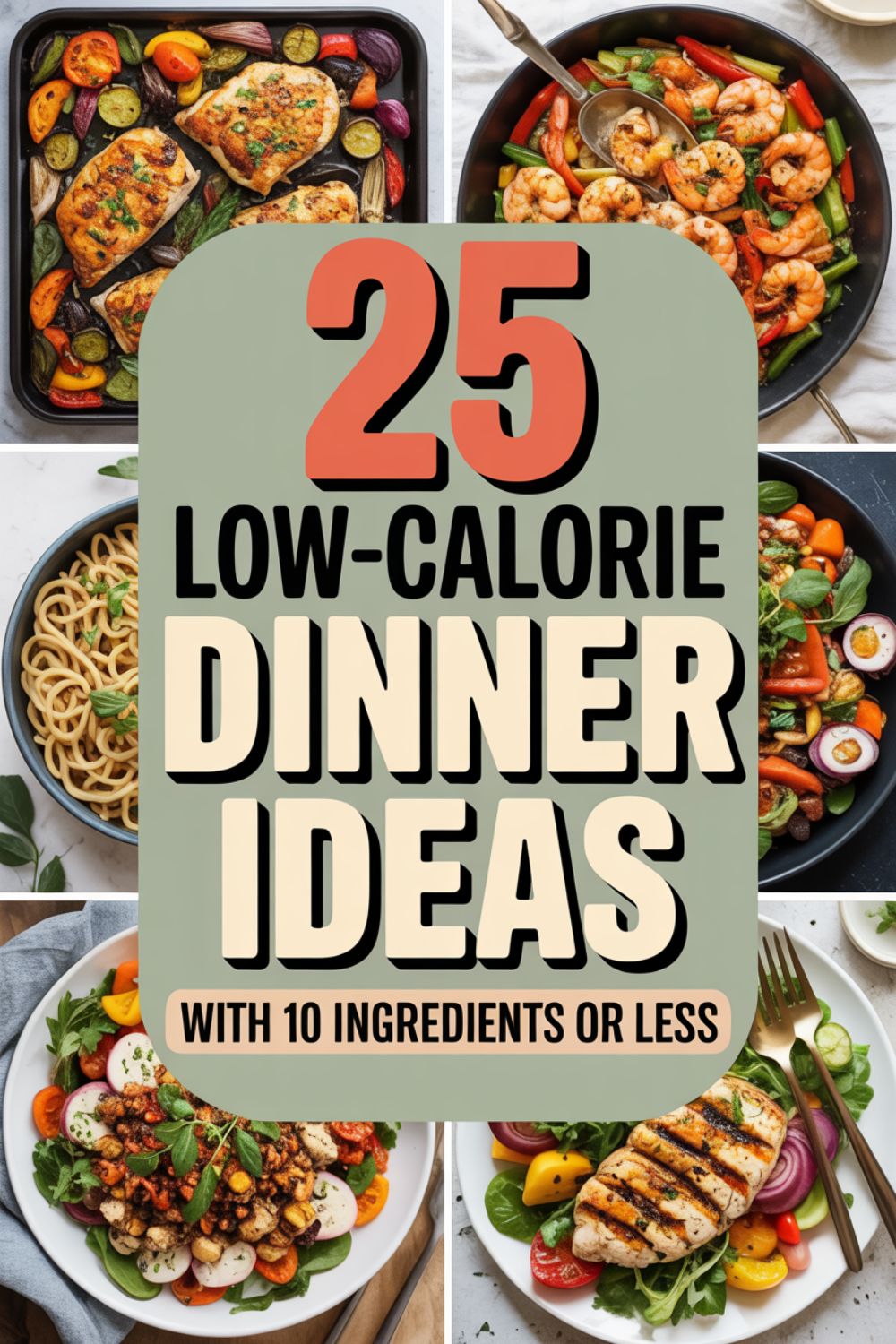
25 Low-Calorie Dinner Ideas with 10 Ingredients or Less
Look, I’m going to level with you right from the start. If you’re picturing those depressing diet meals with a sad piece of chicken breast and some steamed broccoli that tastes like cardboard, you can throw that image out the window right now. Creating low-calorie dinners that actually taste good and keep you full doesn’t require a culinary degree or a pantry stocked like a Whole Foods.
What it does require is knowing how to work smart with simple ingredients. I’ve been cooking low-calorie meals for years, and I’ve learned that less is actually more when it comes to dinner prep. The fewer ingredients you’re juggling, the faster you get food on the table, and the less likely you are to order takeout when life gets crazy.
These 25 dinner ideas stick to 10 ingredients or less, clock in at calorie counts that won’t derail your goals, and honestly? They taste better than half the stuff you’d pay $15 for at a restaurant. No weird ingredients you’ll use once and never touch again. No complicated techniques that require watching YouTube tutorials. Just real food that real people actually want to eat.
Why the 10-Ingredient Rule Actually Works
Here’s something nobody talks about when they’re pushing those complicated meal plans with 47 ingredients per recipe. Every additional ingredient you add is another decision point, another thing to buy, another container cluttering your fridge. Research shows that keeping meals simple with nutrient-dense ingredients makes it easier to stick with healthy eating long-term.
When you limit yourself to 10 ingredients or fewer, you’re forced to focus on what actually matters. You choose ingredients that pull double duty, bringing both flavor and nutrition. You learn which spices transform a basic protein into something crave-worthy. And honestly, you save yourself from that thing we all do where we buy specialty ingredients for one recipe and then watch them expire in the back of the pantry.
The science backs this up too. Simple meal planning with fewer ingredients has been linked to better adherence to healthy eating patterns and reduced food waste. When you’re not overwhelmed by complicated recipes, you’re more likely to actually cook instead of grabbing whatever’s convenient.
The Smart Strategy Behind Low-Calorie Cooking
Let’s talk about what actually makes a dinner “low-calorie” without turning it into rabbit food. It’s not about eating less food or going hungry at 9 PM while staring longingly at your fridge. It’s about choosing ingredients with high water and fiber content that fill you up without packing in excessive calories.
Vegetables are your best friend here, but not in a boring way. Roasted vegetables develop these incredible caramelized flavors that make them actually crave-worthy. Lean proteins like chicken breast, fish, and shrimp give you that satisfied feeling without the calorie bomb of fattier cuts. And when you do use fats, you’re strategic about it. A little bit of olive oil goes a long way when you know how to use it right.
I’ve found that the dinners I actually stick with long-term are the ones that hit around 350-500 calories but still look like a normal-sized plate of food. That’s the sweet spot where you feel like you’re eating a real meal, not performing some kind of dietary penance.
The trick is understanding energy density, which sounds complicated but really isn’t. Mayo Clinic research shows that foods with low energy density allow you to eat more volume for fewer calories. Think about it: you could have a quarter cup of raisins for 120 calories, or an entire cup of grapes for the same calorie count. More food, same calories. That’s the game we’re playing here.
What Makes These Recipes Different
I’m not going to pretend these are revolutionary culinary masterpieces that’ll change your life. What they are is practical, actually doable recipes that you’ll make more than once. Each one uses ingredients you can find at any regular grocery store. No searching three specialty markets for one obscure ingredient you’ll use a tablespoon of.
Every recipe balances protein, vegetables, and just enough carbs to keep you from feeling deprived. They’re designed to be satisfying enough that you’re not prowling the kitchen for snacks an hour later. And critically, they taste good enough that your family won’t stage a rebellion when you serve them.
For those nights when you’re exploring other low-calorie options, you might also appreciate these low-calorie dinners under 350 calories or check out this collection of easy low-calorie dinner ideas that work on repeat.
25 Simple Low-Calorie Dinners Worth Making
1. Lemon Herb Chicken with Roasted Vegetables
This is my go-to when I need something that looks impressive but takes minimal effort. Chicken thighs, lemon, garlic, rosemary, olive oil, and whatever vegetables are hanging out in your crisper drawer. Throw everything on a sheet pan, roast at 425°F for about 30 minutes, and you’re done. The lemon keeps the chicken juicy while the vegetables get these crispy, caramelized edges.
Calorie count sits around 380 per serving, which gives you room for a small side if you want it. The best part? One pan means cleanup takes about 90 seconds.
2. Spicy Shrimp Stir-Fry
Shrimp cooks in literally three minutes, which makes it perfect for those nights when you walk in the door already exhausted. Grab some pre-peeled shrimp, bell peppers, snap peas, soy sauce, ginger, garlic, and a touch of sriracha. Use a good nonstick wok if you have one—makes the whole process so much smoother.
Total calories? About 295 per generous serving. Serve it over cauliflower rice if you want to keep it super light, or regular rice if you need more staying power. Get Full Recipe.
3. Turkey Taco Lettuce Wraps
Regular taco night without the tortilla calories. Ground turkey, taco seasoning, lettuce leaves, diced tomatoes, a bit of cheese, and maybe some Greek yogurt instead of sour cream. You can make these as spicy or mild as your taste buds prefer.
Each wrap clocks in around 180 calories, so you can easily have two or three and still stay well under 500 calories. The crunch from the lettuce actually works better than you’d think—it’s refreshing instead of heavy.
4. Baked Cod with Tomato and Olives
Mediterranean flavors do amazing things to mild white fish. Cod fillets, cherry tomatoes, kalamata olives, capers, garlic, and a splash of white wine. Bake it all together in parchment paper for easy cleanup and maximum flavor infusion.
This comes in at roughly 310 calories and tastes like something you’d order at a fancy seafood restaurant. The olives and capers bring enough salt and brine that you barely need to season it beyond that.
5. Zucchini Noodle Carbonara (Light Version)
Okay, hear me out on this one. I know zucchini noodles get a bad rap, but when you do them right, they’re actually good. Use a spiralizer to create the noodles, then quickly sauté them so they’re not watery. Turkey bacon, eggs, parmesan, garlic, and black pepper create a lighter version of carbonara that hits all the right notes.
Around 285 calories per serving, and it genuinely satisfies that pasta craving without leaving you in a food coma. The key is not overcooking the zucchini—you want it to still have some bite.
6. Grilled Chicken Caprese
Sometimes the simplest combinations are the best. Chicken breast, fresh mozzarella, tomatoes, basil, balsamic vinegar, and a tiny drizzle of olive oil. Grill the chicken, top with the other ingredients while it’s still hot so the cheese gets slightly melty.
Total damage? About 340 calories. It’s light but filling, and the combination of flavors is so good you won’t miss having a heavy sauce or breading.
7. Thai Basil Ground Chicken
This is my secret weapon for when I’m craving takeout but don’t want to blow my calorie budget. Ground chicken, Thai basil, fish sauce, garlic, chili peppers, and a touch of brown sugar. The whole thing comes together in under 15 minutes and tastes better than most Thai restaurants.
Serve it over cauliflower rice for about 270 calories total, or regular jasmine rice if you want to bump it up to around 420 calories. Either way, it’s a win. Get Full Recipe.
When you want more protein-focused options, these low-calorie high-protein meals deliver serious satisfaction.
8. Balsamic Glazed Salmon
Salmon, balsamic vinegar, honey, Dijon mustard, and garlic. That’s it. Mix the glaze, brush it on the salmon, bake for 12-15 minutes. The glaze caramelizes and creates this sweet-tangy crust that’s ridiculously good.
One serving gives you about 385 calories of healthy fats and protein. Pair it with roasted Brussels sprouts or green beans, and you’ve got a restaurant-quality meal that took you maybe 20 minutes total.
9. Mexican Stuffed Peppers
Bell peppers, ground turkey, black beans, corn, salsa, cheese, and cumin. Hollow out the peppers, stuff them with the seasoned meat mixture, top with a little cheese, and bake. These are perfect for meal prep because they reheat beautifully.
Each pepper comes in around 295 calories and gives you a complete meal in one neat package. Plus, they look way fancier than the effort required to make them.
10. Lemon Garlic Shrimp and Asparagus
Another sheet pan wonder. Shrimp, asparagus, lemon, garlic, olive oil, and red pepper flakes if you like heat. Everything cooks at the same temperature, and you can have dinner ready in 15 minutes flat.
The entire plate is about 245 calories, which seems impossible for something that tastes this good. The asparagus gets slightly charred at the tips, and the shrimp soak up all that lemon-garlic flavor. I use a sheet pan with a rim to catch all the juices—makes cleanup so much easier.
Meal Prep Essentials Used in These Recipes
After making these dinners on repeat, here’s what I actually use and recommend:
- Glass meal prep containers — The ones with the snap lids that don’t stain or hold smells. Total game-changer for storing leftovers.
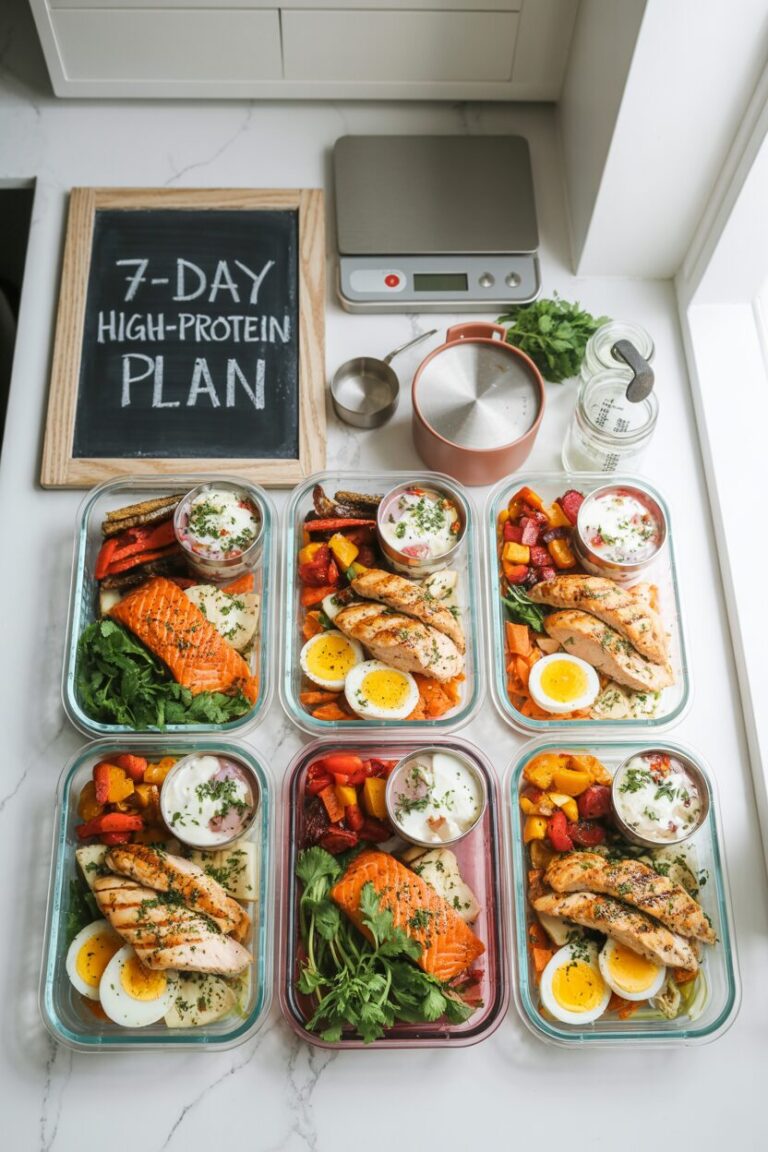
- Digital kitchen scale — If you’re tracking calories, weighing portions beats guessing every time. Takes two seconds and you know exactly what you’re eating.
- Quality chef’s knife — One good knife makes prep work 10x faster. Worth the investment if you’re cooking regularly.
- Low-Calorie Meal Plan PDF Bundle — Complete weekly plans with shopping lists and calorie breakdowns (digital download)
- Quick Dinner Recipe eBook — 50+ recipes under 400 calories with full nutritional info (digital product)
- Macro Tracking Template — Simple spreadsheet to track your daily intake without the hassle of apps
11. Cilantro Lime Chicken Bowls
Chicken breast, lime juice, cilantro, cumin, brown rice, black beans, and pico de gallo. It’s essentially a deconstructed burrito bowl without the calorie bomb of chips and excess cheese.
A full bowl sits at about 425 calories and keeps you full for hours. The cilantro-lime chicken is versatile enough that you can use it in wraps, salads, or just eat it straight. Get Full Recipe.
12. Garlic Butter Scallops with Spinach
Scallops sound fancy, but they’re honestly one of the easiest proteins to cook. Scallops, butter (just a touch), garlic, white wine, lemon, and fresh spinach. Sear the scallops for 2 minutes per side, wilt the spinach in the same pan with the garlic and wine.
Total calories? Around 315 per serving. The spinach wilts down to nothing, so you can pack in a ton of greens without feeling like you’re eating a salad.
13. Tuscan Chicken Skillet
Chicken thighs, sun-dried tomatoes, spinach, garlic, Italian seasoning, and a bit of cream cheese for richness. Everything cooks in one skillet, and the sauce is incredible without being heavy.
You’re looking at roughly 380 calories here, and it feels indulgent despite being relatively light. The sun-dried tomatoes pack so much flavor that you don’t need much else. If you’re into one-pan meals, check out these low-calorie crockpot recipes for even easier prep.
14. Asian Lettuce Wraps
Ground turkey or chicken, water chestnuts, hoisin sauce, soy sauce, ginger, garlic, and butter lettuce. The water chestnuts add this amazing crunch that makes the wraps feel more substantial.
Each wrap is only about 95 calories, so you can load up on three or four and still stay well under 400 calories. These are great for when you want something light but don’t want to feel like you’re on a diet.
15. Cajun Tilapia with Green Beans
Tilapia, Cajun seasoning, green beans, lemon, and a touch of olive oil. Blacken the fish in a cast-iron skillet (if you have a good cast iron pan, now’s the time to use it), roast the green beans alongside.
Comes in at about 290 calories and takes maybe 18 minutes total. The Cajun seasoning brings enough heat and flavor that the mild fish actually becomes interesting.
16. Greek Chicken Souvlaki
Chicken breast, lemon juice, oregano, garlic, olive oil, and Greek yogurt for tzatziki. Cut the chicken into chunks, marinate for even just 30 minutes if that’s all you’ve got, then grill or bake.
Serve with some cucumber and tomato on the side, and you’ve got about 345 calories of Mediterranean goodness. The yogurt sauce makes it feel richer than it actually is.
17. Teriyaki Salmon Bowls
Salmon, teriyaki sauce (you can buy it or make a simple version with soy sauce and honey), edamame, cucumber, and brown rice. The salmon bakes while you prep everything else.
Total calories hover around 455, but it’s so balanced and filling that you won’t need snacks later. The combination of protein, healthy fats, and fiber does the job. Get Full Recipe.
18. Mediterranean Chickpea Salad
Chickpeas, cucumber, tomatoes, red onion, feta cheese, lemon juice, and olive oil. This works as a standalone dinner or as a side that you can bulk up with grilled chicken if you want more protein.
As is, it’s about 320 calories per hearty serving. The chickpeas provide protein and fiber that actually keep you satisfied, unlike those sad desk salads that leave you hungry in an hour.
19. Herb-Crusted Pork Tenderloin
Pork tenderloin, rosemary, thyme, garlic, Dijon mustard, and a tiny bit of breadcrumbs. Coat the tenderloin in the herb mixture, roast for about 20-25 minutes until it hits 145°F internally.
A 4-ounce serving gives you around 285 calories of lean protein. Pork tenderloin is criminally underrated—it’s inexpensive, cooks fast, and stays juicy if you don’t overcook it. For more lean protein options, these low-calorie chicken recipes never disappoint.
20. Miso-Glazed Cod
Cod fillets, miso paste, mirin, soy sauce, and ginger. The miso creates this umami-rich glaze that makes the mild fish taste incredible. Broil for the last few minutes to get that caramelized top.
Roughly 305 calories per serving, and it feels like something you’d pay good money for at a Japanese restaurant. Serve with steamed bok choy or broccolini.
21. Southwest Turkey Skillet
Ground turkey, bell peppers, corn, black beans, taco seasoning, and a bit of cheese on top. Everything cooks in one skillet, making this perfect for busy weeknights when you can’t deal with a sink full of dishes.
Around 365 calories gets you a full plate of Southwestern flavors. You can eat it as is, wrap it in a low-carb tortilla, or serve over cauliflower rice to keep it lighter.
22. Lemon Dill Salmon with Broccoli
Salmon, fresh dill, lemon, garlic, and broccoli. Another sheet pan situation where everything roasts together. The broccoli gets crispy edges while the salmon stays moist.
Total calories land around 395, and the combination of omega-3s from the salmon plus fiber from the broccoli keeps you full and satisfied. Plus, dill and lemon on salmon is just one of those classic combinations that works every single time.
23. Italian Sausage and Peppers
Chicken or turkey Italian sausage (the lean kind), bell peppers, onions, garlic, Italian seasoning, and a bit of marinara sauce. You can serve this over zucchini noodles or regular pasta, depending on your calorie budget.
With zucchini noodles, you’re looking at about 340 calories. With a small portion of whole wheat pasta, maybe 465. Either way, it’s comfort food that doesn’t completely wreck your goals. Get Full Recipe.
24. Honey Mustard Chicken Thighs
Chicken thighs, Dijon mustard, honey, garlic, and rosemary. The thighs stay juicier than breasts and the honey-mustard glaze caramelizes beautifully in the oven.
One thigh with the glaze comes in around 295 calories. Pair with roasted sweet potato or a simple salad, and you’ve got a complete meal that feels way more indulgent than the calorie count suggests.
25. Chimichurri Steak with Roasted Tomatoes
Flank steak, parsley, cilantro, garlic, red wine vinegar, olive oil, and cherry tomatoes. The chimichurri is bright and herbaceous, cutting through the richness of the steak perfectly.
A 4-ounce portion of steak with chimichurri and roasted tomatoes is about 385 calories. The chimichurri makes enough that you can store the leftovers in the fridge and use them on chicken, fish, or vegetables throughout the week. I keep mine in one of those small glass jars with tight lids—stays fresh for days.
Tools & Resources That Make Cooking Easier
These aren’t sponsored recommendations—just stuff I actually use that makes dinner prep less painful:
- Instant-read thermometer — Stop guessing if your chicken is done. Takes the stress out of cooking meat perfectly every time.
- Silicone baking mats — Reusable, nothing sticks, cleanup is a breeze. I have three and rotate them constantly.
- Microplane grater — For garlic, ginger, lemon zest. Small tool, huge impact on flavor.
- Weekly Meal Planner Template — Printable planning sheets that actually work with your schedule
- Grocery List App Integration — Auto-generates shopping lists from your meal plan
- Nutrition Calculator Spreadsheet — Track macros without paying for premium apps
Making This Actually Work in Real Life
Here’s what nobody tells you about low-calorie cooking: the hardest part isn’t making the food, it’s making it a habit. You can have the best recipes in the world, but if you’re standing in front of your fridge at 7 PM with no plan, you’re probably ordering pizza.
I’ve found that picking three or four dinners for the week and prepping some basics on Sunday makes everything infinitely easier. I’m not talking about cooking every meal in advance—just washing and chopping vegetables, marinating proteins, maybe cooking a batch of rice or quinoa. Having those building blocks ready means you can throw together a healthy dinner in the time it takes to wait for delivery.
The other thing that actually helps is not trying to be perfect. Some weeks, I nail it and cook five amazing low-calorie dinners. Other weeks, I manage two and supplement with simple stuff like rotisserie chicken and bagged salad. Both scenarios are fine. The goal is progress, not perfection.
If you’re just starting out with calorie-conscious eating, this guide on how to lose weight on 1200-1500 calories breaks down the basics without the usual diet-culture nonsense.
The Reality of Portion Sizes
Let’s talk about something most recipe blogs avoid. When a recipe says “serves 4” and comes out to 350 calories per serving, that serving size might be smaller than you’re used to. This doesn’t mean the recipe is bad or you’re doing it wrong—it just means you need to be realistic about portions.
I use a simple kitchen scale for proteins and eyeball most vegetables since they’re so low in calories anyway. It takes maybe 10 extra seconds and prevents that thing where you think you’re eating a 400-calorie dinner but it’s actually 650 because you didn’t measure.
The good news is that once you get used to proper portions of protein and fill the rest of your plate with vegetables, your body adjusts. You stop feeling like you need massive amounts of food to feel satisfied. It takes a few weeks, but it happens.
When Simple Ingredients Beat Complex Recipes
There’s this tendency to think that low-calorie food needs to be complicated to be interesting. Like you need seventeen different spices and three specialty sauces to make bland diet food palatable. But honestly? Some of my favorite dinners use maybe six ingredients total.
Quality ingredients matter more than quantity. Fresh herbs, good olive oil, real garlic instead of powder, sea salt that actually has flavor—these simple swaps make basic recipes taste elevated. You don’t need to reinvent the wheel every night. You just need to execute simple things well.
When you’re ready to expand beyond dinner, these low-calorie lunch ideas use the same practical approach.
What About Meal Prep and Leftovers?
Most of these recipes work great for meal prep, though some definitely hold up better than others. Anything with a sauce or glaze tends to reheat beautifully. Plain grilled chicken? Not as much—it dries out and gets sad.
The stuffed peppers, both skillet meals, and the bowls all reheat perfectly. I usually make double portions of these and pack them for lunch the next day. Store them in good quality containers that won’t leak in your bag or make everything taste like plastic.
Fish is tricky for meal prep because nobody wants to be the person reheating salmon in the office microwave. I typically make fish fresh and save the chicken and turkey recipes for prep-ahead situations.
Vegetables get a little softer when reheated, but if you slightly undercook them initially, they end up perfect after a minute in the microwave. It’s a small adjustment that makes a big difference in how your leftovers taste.
Budget-Friendly Swaps That Work
Not everyone can afford salmon twice a week or shell out for fancy cuts of meat. The beautiful thing about these simple recipes is that most ingredients can be swapped for cheaper alternatives without sacrificing flavor.
Chicken thighs cost half as much as breasts and taste better in most applications. Frozen vegetables are just as nutritious as fresh and significantly cheaper. Canned beans and tomatoes are pantry staples that make meals affordable and convenient.
Ground turkey goes on sale regularly and works in probably 80% of ground beef recipes. Tilapia and cod are among the most affordable fish options. You don’t need expensive proteins to eat well—you just need to know how to season them properly. For more budget-conscious options, check out these cheap low-calorie meals perfect for meal prep.
Frequently Asked Questions
How do you keep low-calorie dinners filling without adding tons of calories?
The secret is volume eating with the right ingredients. Load up on non-starchy vegetables like broccoli, cauliflower, zucchini, and leafy greens—they add bulk and fiber without many calories. Pair them with lean proteins that digest slowly and keep you satisfied. Adding a small amount of healthy fat (like olive oil or avocado) helps too, since fat triggers satiety signals. It’s all about choosing foods with low energy density that let you eat more for fewer calories.
Can you really make satisfying dinners with just 10 ingredients or less?
Absolutely. In fact, limiting ingredients often leads to better-tasting food because you’re not drowning good flavors in unnecessary additions. The key is choosing ingredients that pack maximum flavor—fresh herbs, garlic, citrus, and quality spices do most of the heavy lifting. When each ingredient serves a clear purpose, you don’t need a long list to create something delicious. Plus, fewer ingredients means less prep time and grocery shopping stress.
What’s the best way to prep these recipes ahead of time?
Focus on prepping components rather than full meals. Wash and chop all your vegetables on Sunday, portion out proteins, and prepare any marinades or sauces. Store everything in clear containers so you can see what you have. When it’s time to cook, you’re just assembling and heating rather than starting from scratch. Most of these recipes come together in 20-30 minutes when the prep work is already done, making weeknight cooking actually manageable.
Are frozen vegetables okay for these low-calorie recipes?
Yes, and sometimes they’re even better than fresh. Frozen vegetables are picked and frozen at peak ripeness, which locks in nutrients. They’re pre-washed and often pre-cut, saving you time and reducing waste. The main difference is texture—frozen veggies can be slightly softer, so they work best in cooked dishes rather than raw applications. For budget-conscious cooking and convenience, frozen vegetables are definitely your friend.
How long do these dinners keep in the fridge for meal prep?
Most cooked proteins and vegetables stay good for 3-4 days in the fridge when stored properly in airtight containers. Fish is the exception—it’s best eaten within 1-2 days. Anything with dairy-based sauces keeps for about 3 days. If you’re prepping for the full week, consider freezing half and moving it to the fridge the night before you plan to eat it. Label containers with dates so you know what to eat first and avoid food waste.
The Bottom Line on Simple Low-Calorie Dinners
Making low-calorie dinners doesn’t require a nutrition degree, a chef’s training, or ingredients you can’t pronounce. It requires knowing a handful of simple recipes that actually taste good, understanding how to use basic ingredients in interesting ways, and being realistic about what you’ll actually cook on a random Tuesday night.
These 25 dinners give you a solid rotation that works for real life. Some nights you’ll have time to make the chimichurri steak with all the fixings. Other nights, you’ll throw shrimp and vegetables on a sheet pan and call it good. Both scenarios result in a healthy, low-calorie dinner that keeps you on track without making you feel deprived.
The goal isn’t perfection. It’s having enough tools in your cooking arsenal that making a decent dinner feels doable instead of overwhelming. When healthy eating becomes the easier option—when you’ve got ingredients prepped, recipes you know work, and a plan for the week—that’s when it actually sticks.
Start with three or four recipes from this list that sound appealing. Make them a few times until they become second nature. Then add a couple more. Before you know it, you’ll have a dozen go-to dinners that you can make without even looking at a recipe. That’s when low-calorie cooking stops feeling like work and just becomes how you eat.