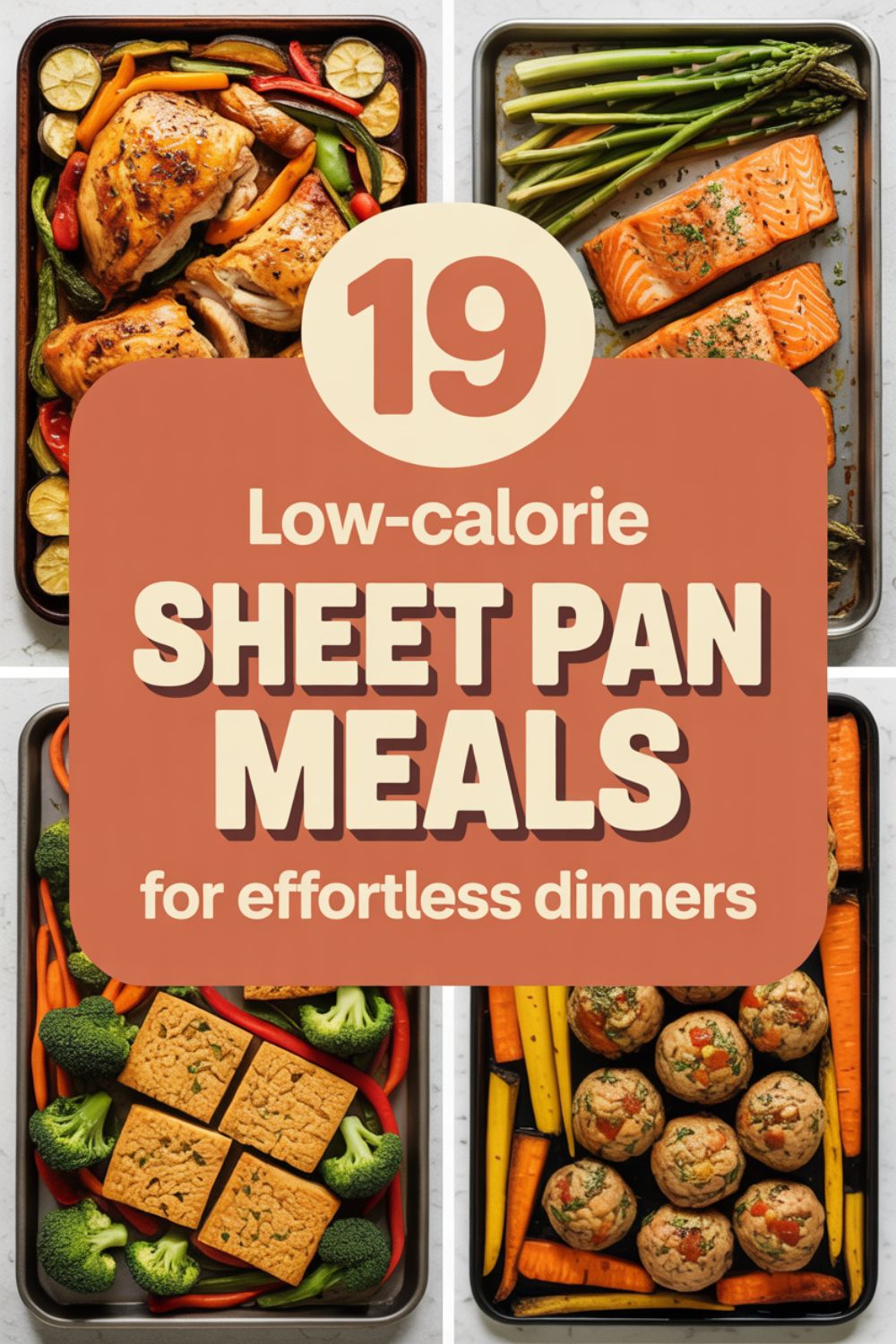
19 Low-Calorie Sheet Pan Meals for Effortless Dinners
Listen, I get it. After a long day, the last thing you want to do is dirty every pot and pan in your kitchen just to get a decent meal on the table. That’s exactly why sheet pan dinners became my weeknight savior. One pan, minimal cleanup, and most importantly—you can stay within your calorie goals without eating sad, flavorless food.
Sheet pan meals are basically the lazy person’s dream come true, and I mean that in the best way possible. You toss everything on one baking sheet, slide it in the oven, and boom—dinner’s done while you’re catching up on your favorite show or finally answering those texts you’ve been ignoring all day.
What makes these 19 meals even better? They’re all under 400 calories per serving. You don’t have to sacrifice flavor or portion size to stay on track. Whether you’re following a structured meal plan or just trying to eat a bit healthier, these recipes actually work for real life.
Why Sheet Pan Dinners Are Perfect for Weight Loss
Here’s the thing about losing weight—it’s not just about what you eat, but how sustainable your approach is. You can’t meal prep elaborate recipes every single night and expect to stick with it. That’s where sheet pan cooking shines.
First off, portion control becomes automatic. When you’re planning meals on a single pan, you’re naturally measuring out your ingredients. No mindless snacking while cooking or going back for seconds because everything’s already portioned out. Plus, roasting vegetables makes them taste incredible without adding butter or heavy sauces.
The calorie density of roasted veggies is ridiculously low compared to their volume. You can pile your plate high and still stay within your goals. I learned this the hard way after months of trying to lose weight while eating tiny portions that left me starving by 9 PM.
According to Harvard Health, cooking at home is one of the most effective strategies for weight management because you control exactly what goes into your food. Sheet pan meals make home cooking so easy that even the busiest people can pull it off.
The Best Proteins for Low-Calorie Sheet Pan Meals
Chicken Breast and Thighs
Chicken breast is the obvious choice when you’re counting calories—about 165 calories per 3.5 ounces of skinless breast. But honestly? Chicken thighs taste way better and they’re only slightly higher in calories. The difference is maybe 50 calories for a serving, and the extra fat keeps you full longer.
I started using boneless, skinless thighs exclusively for sheet pan dinners because they don’t dry out like breasts do. Nobody wants to eat cardboard chicken, even if it saves 30 calories. For more ideas on keeping protein interesting, check out these low-calorie chicken recipes that I rotate through constantly.
Fish and Seafood
Fish cooks so fast on a sheet pan that it almost feels like cheating. Salmon, cod, tilapia, and shrimp are all fantastic options. Salmon has omega-3 fatty acids that support heart health, and it’s surprisingly filling despite being relatively low in calories—around 200 calories for a 3.5-ounce serving.
Just be careful with cook times because fish can go from perfect to overcooked in about two minutes. I set a kitchen timer religiously now after ruining more salmon fillets than I care to admit.
Plant-Based Proteins
If you’re not into meat, chickpeas and tofu work beautifully on sheet pans. Extra-firm tofu gets crispy on the outside when roasted at high heat, and chickpeas turn into crunchy little flavor bombs. You might want to explore this 1500-calorie vegetarian meal plan if you’re leaning more plant-based.
Speaking of high-protein options, you’ll find tons of inspiration in these high-protein low-calorie meals and protein-packed weight loss recipes.
The Vegetables That Make Everything Better
Not all vegetables roast equally, and that’s something I wish someone had told me years ago. You want veggies that caramelize nicely and hold up to 400-450°F heat without turning to mush.
My go-to vegetables for sheet pan dinners:
- Brussels sprouts—they get crispy and slightly sweet when roasted
- Bell peppers—any color works, and they add a ton of visual appeal
- Broccoli—cut into florets, they develop these delicious crispy edges
- Cauliflower—honestly better roasted than any other cooking method
- Red onions—they caramelize beautifully and add sweetness
- Cherry tomatoes—they burst and create this amazing sauce
- Zucchini—cut thick so they don’t get soggy
- Sweet potatoes—takes longer but worth it for the natural sweetness
The trick is cutting everything to roughly the same size so it cooks evenly. I use a good chef’s knife for this—makes the prep work so much faster. If you’re really into efficiency, a vegetable chopper can be a game-changer for weeknight cooking.
19 Low-Calorie Sheet Pan Meals You’ll Actually Make
1. Lemon Garlic Chicken with Asparagus (320 calories)
This is probably my most-made recipe. Chicken breasts (or thighs if you’re living your best life) with asparagus spears, lemon slices, and a stupid amount of garlic. Everything gets tossed with olive oil, salt, pepper, and Italian seasoning. Roast at 425°F for about 20 minutes.
The lemon juice soaks into everything while it cooks, and you end up with this bright, fresh flavor that doesn’t need any heavy sauce. Sometimes I’ll toss in cherry tomatoes for the last 10 minutes if I’m feeling fancy.
2. Spicy Shrimp and Broccoli (285 calories)
Shrimp cooks in literally 8-10 minutes, making this the ultimate “I forgot to plan dinner” meal. Toss large shrimp with broccoli florets, red pepper flakes, garlic powder, a tiny bit of olive oil, and a squeeze of lime. That’s it.
The broccoli gets these crispy edges while the shrimp stays juicy. I serve this over cauliflower rice to keep it super low-cal, but regular rice works too if you’ve got the calories to spare. Get full recipe here.
3. Balsamic Glazed Salmon with Brussels Sprouts (340 calories)
Salmon is rich enough that you don’t need much to make it taste incredible. I make a quick glaze with balsamic vinegar, a touch of honey, and Dijon mustard. Brush it on the salmon halfway through cooking.
Brussels sprouts halves go on the same pan, and they soak up some of that balsamic flavor. Everything roasts at 400°F—brussels for about 25 minutes, salmon goes in for the last 12-15. According to the American Heart Association, eating fatty fish like salmon twice a week provides significant cardiovascular benefits.
4. Mediterranean Chicken with Peppers and Olives (315 calories)
This one transports you straight to a Greek island, or at least to a very nice dinner that doesn’t taste like diet food. Chicken thighs (yeah, I’m team thighs now), bell peppers, red onions, Kalamata olives, cherry tomatoes, and a sprinkle of feta cheese.
Season with oregano, garlic, lemon juice, and a drizzle of olive oil. Roast everything together at 425°F for 25-30 minutes. The olives and feta add so much flavor that you barely need any oil.
5. Teriyaki Tofu with Snap Peas (275 calories)
Press your extra-firm tofu well—like, really well. Cut it into cubes, toss with a bit of cornstarch (this is the secret to crispy tofu), and roast at 425°F for 15 minutes. Flip the cubes, add snap peas and red bell pepper strips, then brush everything with teriyaki sauce.
Cook for another 10 minutes. The cornstarch creates this crispy exterior that I’m borderline obsessed with. Way better than the sad, soggy tofu I used to make by just throwing it on a pan.
Meal Prep Essentials Used in This Plan
These are the actual products I use weekly for my sheet pan dinner rotation. Nothing fancy, just stuff that makes cooking easier and cleanup faster:
Physical Products:
- Heavy-duty aluminum sheet pans (set of 2)—mine are from restaurant supply and they’ve lasted years without warping
- Reusable silicone baking mats—eliminated parchment paper waste and nothing ever sticks
- Glass meal prep containers with locking lids—for storing leftovers and prepped ingredients
Digital Resources:
- 7-Day 1200-Calorie Meal Plan—includes more sheet pan ideas plus breakfast and lunch
- 30-Day Low-Calorie Meal Plan—when you want a full month mapped out
- How to Lose Weight Without Starving—the strategy guide I wish I’d had from day one
6. Cajun Chicken Sausage with Sweet Potatoes (355 calories)
Slice up some pre-cooked chicken sausage (I use the kind from Trader Joe’s or similar), cube some sweet potatoes, add bell peppers and red onion. Toss everything with Cajun seasoning and a little olive oil.
The sweet potatoes take about 35-40 minutes at 400°F, so start them first, then add the sausage and peppers for the last 15 minutes. The natural sweetness of the potatoes balances the spicy Cajun flavor perfectly.
7. Lemon Herb Cod with Zucchini (265 calories)
Cod is stupid easy and crazy low in calories—like 90 calories per 3.5 ounces. Lay the fillets on a sheet pan, surround with thick zucchini rounds and cherry tomatoes. Drizzle with lemon juice, sprinkle with dill or parsley, add salt and pepper.
Bake at 400°F for 12-15 minutes max. The fish is done when it flakes easily with a fork. This is the meal I make when I’m really not feeling like cooking but know I need to eat something decent. For more simple dinner ideas, these low-calorie filling dinners are clutch.
8. Korean BBQ Meatballs with Broccoli (330 calories)
Make small meatballs with lean ground turkey, breadcrumbs, egg, and garlic. Roast them for 10 minutes at 425°F, then add broccoli florets and brush the meatballs with Korean BBQ sauce (you can find low-sugar versions or make your own).
Cook for another 12-15 minutes. The sauce caramelizes on the meatballs while the broccoli gets tender-crisp. Way more interesting than plain turkey meatballs, and the leftovers reheat beautifully. Get full recipe here.
9. Greek Shrimp with Feta and Tomatoes (295 calories)
This tastes way fancier than it actually is. Toss shrimp with cherry tomatoes, garlic, olive oil, oregano, and lemon zest. Roast at 425°F for about 10 minutes, then crumble feta cheese over the top and pop it back in for 2 minutes.
The tomatoes burst and create a sauce, the feta gets slightly melty, and the shrimp stays perfectly juicy. I serve this with a side of cauliflower rice or over zucchini noodles.
10. Honey Mustard Chicken with Carrots (335 calories)
Mix Dijon mustard with a little honey (like a tablespoon for the whole pan), apple cider vinegar, and garlic. Brush this on chicken breasts or thighs. Add baby carrots or thick carrot sticks to the pan.
Roast at 425°F for 25 minutes. The honey mustard glaze caramelizes slightly and the carrots get sweet and tender. This was one of the first sheet pan dinners I ever made, and it’s still in heavy rotation.
11. Italian Sausage with Peppers and Onions (345 calories)
Use chicken or turkey Italian sausage to keep the calories down. Slice them into rounds, toss with bell pepper strips and onion wedges. Season with Italian herbs, garlic powder, a tiny bit of olive oil.
Roast at 400°F for 25-30 minutes, stirring halfway through. The sausage releases some fat that flavors the vegetables, so you really don’t need much added oil. Sometimes I throw in some zucchini slices for extra volume.
12. Chimichurri Steak Strips with Asparagus (360 calories)
Get a lean cut like sirloin, slice it thin against the grain. Make a quick chimichurri with parsley, cilantro, garlic, red wine vinegar, and a splash of olive oil. Toss the steak strips with half the chimichurri.
Roast the asparagus at 425°F for 10 minutes, add the marinated steak strips, cook for another 5-7 minutes. Serve with the remaining chimichurri drizzled over everything. Way better than I thought steak on a sheet pan could be.
13. Buffalo Cauliflower with Ranch Chickpeas (290 calories)
For my vegetarian friends, this one’s a winner. Toss cauliflower florets with buffalo sauce and roast at 425°F for 20 minutes. Add chickpeas tossed in ranch seasoning for the last 10 minutes.
The cauliflower gets these crispy, spicy edges, and the chickpeas turn crunchy. I make a yogurt-based ranch dip for serving. Honestly tastes like comfort food without the calories. If you’re exploring more plant-based options, this vegetarian meal plan has some seriously good ideas.
14. Pesto Salmon with Green Beans (345 calories)
Spread a thin layer of basil pesto over salmon fillets—you don’t need much because pesto is concentrated flavor. Add trimmed green beans to the pan, toss them with a little lemon juice and garlic.
Roast at 400°F for 15 minutes. The pesto keeps the salmon moist and adds this herbaceous flavor that makes the whole dish feel restaurant-quality. Sometimes I’ll add cherry tomatoes for color.
15. Moroccan Spiced Chicken with Chickpeas (340 calories)
Season chicken thighs with cumin, coriander, paprika, cinnamon, and turmeric. Toss chickpeas and red onion wedges with the same spice blend. Everything goes on the pan together.
Roast at 425°F for 28-30 minutes. The chickpeas get crispy on the outside, the chicken stays juicy, and the whole thing smells incredible. I learned about this spice combination from a Moroccan friend, and it completely changed how I think about chicken.
Tools & Resources That Make Cooking Easier
Real talk—the right tools don’t make you a better cook, but they definitely make cooking less annoying. Here’s what actually gets used in my kitchen:
Kitchen Essentials:
- Instant-read meat thermometer—no more guessing if chicken is done or dried out
- Quality sheet pans with raised edges—cheap ones warp and make everything slide around
- Kitchen scale—portion control is way easier when you actually measure things
Planning Resources:
- 21-Day Low-Calorie Meal Plan—takes all the guesswork out of what to cook
- Low-Calorie Grocery Essentials—my actual shopping list that I reference weekly
- What I Eat in a 1200-Calorie Day—real examples, not Instagram perfection
16. BBQ Chicken with Roasted Corn and Peppers (350 calories)
Brush chicken breasts with your favorite BBQ sauce (look for low-sugar versions to save calories). Add corn cut from the cob, bell pepper chunks, and red onion.
Roast at 425°F for 20-25 minutes. The corn gets slightly charred and sweet, and the BBQ sauce caramelizes on the chicken. Tastes like summer cookout food without firing up the grill. For more crowd-pleasing ideas, check out these easy weekly dinner ideas.
17. Lemon Dill Tilapia with Radishes (255 calories)
Okay, hear me out on the radishes. When you roast them, they lose that sharp bite and become mild and slightly sweet. Cut them in half, toss with olive oil and salt.
Roast at 425°F for 15 minutes, add tilapia fillets seasoned with lemon and dill, cook for another 10-12 minutes. The radishes are a game-changer here—nobody ever guesses what they are, and at like 20 calories per cup, they’re perfect for bulking up meals.
18. Garlic Butter Scallops with Asparagus (310 calories)
Scallops are surprisingly easy to cook and feel super fancy. Pat them completely dry (this is crucial for getting a good sear), arrange them on a sheet pan with asparagus spears.
Dot with small pieces of garlic butter (real butter, just a little goes a long way). Broil on high for 5-7 minutes. The scallops caramelize on top while staying tender inside. If you want to impress someone, make this.
19. Southwest Turkey and Black Bean Bake (365 calories)
Brown some ground turkey in a pan first (yeah, this one requires a skillet for two minutes), then spread it on the sheet pan. Top with black beans, corn, diced bell peppers, and a sprinkle of Mexican cheese blend.
Bake at 400°F for 15 minutes until the cheese melts. Serve with salsa, Greek yogurt instead of sour cream, and lime wedges. It’s basically taco filling but easier and less messy. Get full recipe here.
Smart Swaps to Keep Calories Lower
Sometimes you can shave off 50-100 calories just by making a few simple substitutions. After tracking my food for months, I learned which swaps actually matter and which ones aren’t worth it.
Oil vs. cooking spray: I switched to using a spray bottle filled with olive oil instead of pouring it straight from the bottle. One tablespoon of oil is 120 calories, and it’s really easy to accidentally use way more than you need. The spray bottle gives you control.
Cheese: Use strong-flavored cheese like feta or sharp cheddar, and you can use less because the flavor is more intense. Or skip it entirely—most sheet pan meals are flavorful enough without it.
Greek yogurt instead of sour cream: Non-fat Greek yogurt has about 100 calories per cup compared to 450 for sour cream. IMO, it tastes basically the same on savory dishes.
Research from Mayo Clinic shows that making small, consistent changes to reduce calorie intake is more sustainable than drastic dietary restrictions. These little swaps add up without making you feel deprived.
Meal Prep Tips That Actually Save Time
I used to think meal prep meant spending all Sunday cooking every single meal for the week. That’s exhausting and unnecessary. For sheet pan dinners, prep means getting ingredients ready, not cooking everything in advance.
Sunday prep that makes weeknights easy:
- Wash and chop all vegetables, store in glass containers
- Marinate proteins in reusable silicone bags
- Portion out spice blends into small containers
- Line sheet pans with parchment or silicone mats in advance
When dinner time hits, you literally just dump pre-prepped ingredients onto a pan and stick it in the oven. We’re talking 5 minutes of active work. That’s sustainable even on your most chaotic days.
FYI, I keep a running list of what worked and what didn’t each week. That way I’m not recreating the wheel every Sunday when I’m planning meals. If you need structure, these budget-friendly meal plans take all the guesswork out.
Common Mistakes to Avoid
Overcrowding the Pan
This is probably the biggest mistake I made for months. When you pile too much food on one pan, everything steams instead of roasts. You end up with soggy, sad vegetables instead of caramelized, crispy ones.
Use two pans if you need to. The whole point is making dinner easy, and washing an extra pan takes like 30 seconds. The payoff in taste is absolutely worth it.
Not Adjusting for Different Cook Times
Sweet potatoes take way longer than zucchini. Chicken takes longer than shrimp. If you throw everything on at the same time, some stuff will be overcooked and some will be raw.
Start dense vegetables first, add proteins partway through, add quick-cooking stuff at the end. I keep a magnetic timer on my fridge to remind me when to add the next round of ingredients.
Using Too Little Seasoning
Roasted food needs more seasoning than you think because the flavors mellow in the oven. Don’t be shy with salt, pepper, garlic powder, and dried herbs. You’re not drowning food in butter or heavy sauces, so seasoning is what makes everything taste good.
I learned this from watching way too many cooking videos, but it’s true—professional chefs season aggressively. You should too.
How to Make Leftovers Not Boring
The beauty of sheet pan dinners is that leftovers are built-in meal prep. But eating the exact same thing three days in a row gets old fast. Here’s how I repurpose leftovers without just reheating the same meal.
Turn last night’s protein into today’s lunch:
- Shred leftover chicken and use it in a low-calorie wrap
- Chop up vegetables and add them to eggs for a frittata
- Mix everything with salad greens and your favorite dressing
- Toss with whole grain pasta and a little olive oil
- Stuff into a bell pepper and bake again with cheese on top
Honestly, planned leftovers saved me when I was trying to stick to a calorie goal while working full-time. Not having to think about lunch meant one less decision when I was already mentally exhausted. These low-calorie lunch ideas have even more creative ways to use leftovers.
Frequently Asked Questions
Can I use frozen vegetables for sheet pan dinners?
Absolutely, but thaw and drain them first. Frozen veggies release a ton of water when they cook, which creates steam instead of the roasted, caramelized texture you want. I pat them dry with paper towels after thawing—makes a huge difference in the final result.
How do I prevent my food from sticking to the sheet pan?
Use parchment paper or a silicone baking mat. You can also spray the pan with cooking spray, but honestly, the reusable mats are worth the investment. I haven’t had anything stick since I started using mine, and cleanup is basically nonexistent.
Can I make sheet pan meals ahead and freeze them?
Most proteins freeze well after cooking, but vegetables get mushy when frozen and reheated. Your best bet is to prep raw ingredients ahead, freeze them in portions, and then cook fresh. The exception is starchy vegetables like sweet potatoes—those freeze and reheat decently.
What temperature should I use for sheet pan cooking?
Most sheet pan dinners work best between 400-425°F. This temperature is hot enough to caramelize vegetables and get some browning on proteins without drying everything out. If something specific needs lower heat, the recipe will specify.
How do I know when my sheet pan dinner is done?
Get an instant-read thermometer—seriously, it’s a game changer. Chicken should hit 165°F, fish around 145°F. For vegetables, they should be tender when pierced with a fork and have some golden-brown edges. When in doubt, check a few minutes early rather than overcooking.
Final Thoughts
Sheet pan dinners genuinely changed how I approach cooking during weight loss. There’s no secret here—it’s just about making healthy eating convenient enough that you’ll actually do it consistently.
These 19 meals give you almost three weeks of dinner ideas without repeating. Mix them up, find your favorites, adjust the seasonings to match what you like. The point isn’t to follow every recipe exactly—it’s to have a framework that makes weeknight cooking manageable.
I still make sheet pan dinners multiple times a week, even after hitting my goal weight. They’re just easier than the alternative, and they taste way better than the microwave meals I used to rely on. Plus, coming home to dinner that cooks itself while you decompress? That’s the kind of routine I can actually stick with long-term.
If you’re looking for even more structure, start with a complete beginner-friendly meal plan that takes all the guesswork out of what to eat. Or check out this comparison of 1200 vs. 1500 calorie meal plans to figure out which approach fits your goals.
The hardest part is getting started. After that, it’s just tossing food on a pan and setting a timer. You’ve got this.