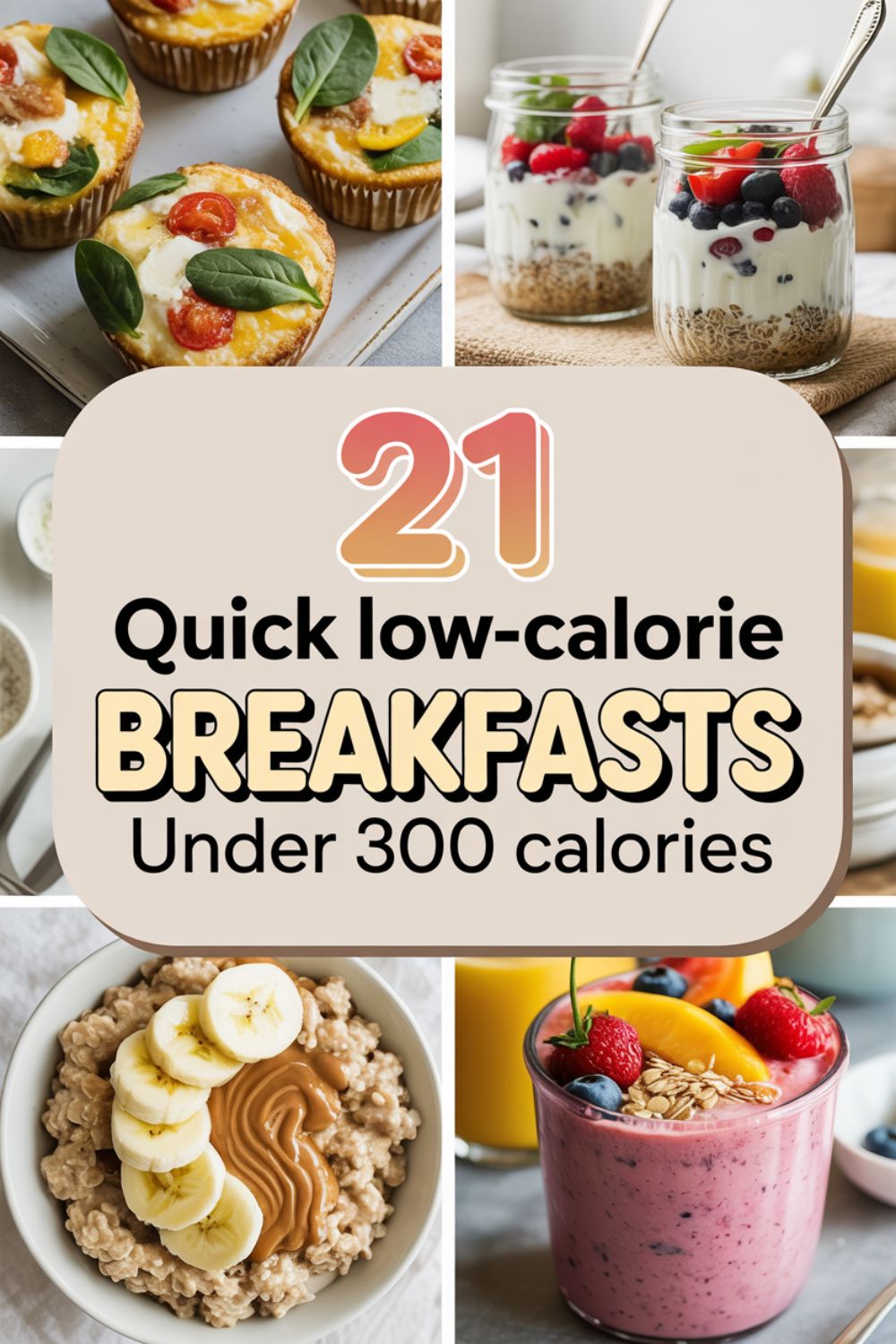
21 Quick Low-Calorie Breakfasts Under 300 Calories
Look, I get it. You’re scrolling through breakfast ideas at 6 AM with one eye open, wondering how the heck you’re supposed to make something healthy, filling, and under 300 calories without resorting to sad desk yogurt again. Been there, survived on that.
The truth is, low-calorie breakfasts don’t have to taste like punishment or leave you raiding the snack drawer by 10 AM. I’ve spent way too many mornings experimenting with different combinations, and what I’ve learned is this: you need protein, fiber, and something that actually tastes good. Revolutionary concept, right?
These 21 breakfast ideas hit that sweet spot between satisfying and sensible. No unicorn ingredients, no hour-long prep times, and definitely no weird protein powder shakes that taste like flavored chalk. Just real food that keeps you full and helps you stay in a calorie deficit without feeling like you’re white-knuckling it through your morning.
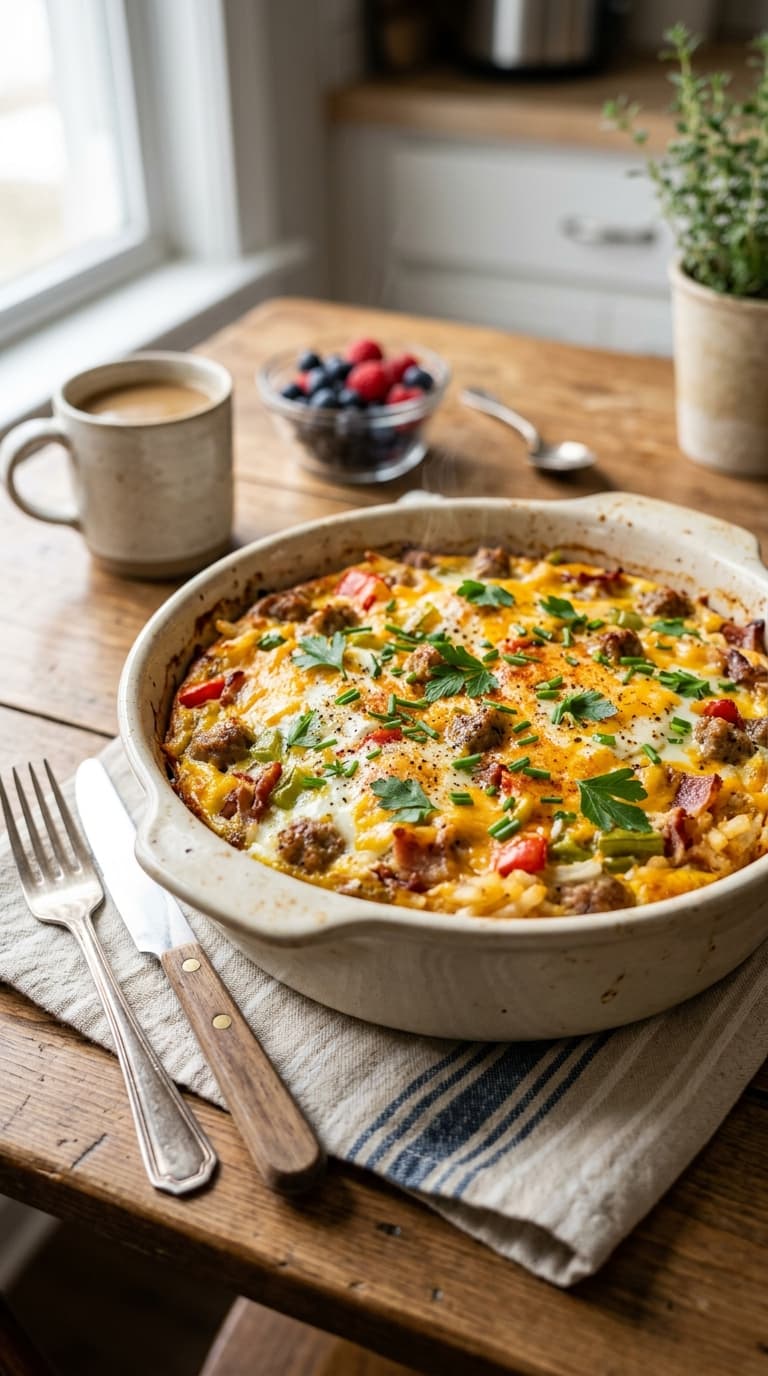
Why Breakfast Matters (Even When You’re Cutting Calories)
Before we get into the recipes, let’s talk about why breakfast actually matters when you’re trying to lose weight. Research shows that eating a balanced breakfast helps improve concentration and can help control the calories you consume later in the day.
I used to be a breakfast skipper. Thought I was being clever, saving calories for later. Spoiler alert: I wasn’t. By lunchtime, I’d be so ravenous I’d demolish whatever was in front of me, calorie count be damned. Starting your day with protein, healthy fats, and complex carbs sets you up to make better choices all day long.
The magic number? Studies suggest aiming for 15-30 grams of protein at breakfast to help manage hunger throughout the day. You don’t need to meal prep like you’re training for a bodybuilding competition, but a little planning goes a long way.
The Foundation: What Makes a Great Low-Calorie Breakfast
Not all 300-calorie breakfasts are created equal. I’ve learned this the hard way after trying every trendy breakfast hack under the sun. Here’s what actually works:
Protein is Non-Negotiable
You need at least 15-20 grams of protein to actually feel satisfied. Greek yogurt, eggs, cottage cheese, protein powder—pick your fighter. Without protein, you’re basically just eating breakfast-flavored air that’ll leave you starving by mid-morning.
According to nutrition research on breakfast protein intake, higher protein breakfasts can increase satiety hormones, improve glucose regulation, and even decrease the desire to snack later in the day. Science backs this up, people.
Fiber Keeps You Full
Aim for at least 3-5 grams of fiber. Oats, berries, whole grain bread, chia seeds—these are your friends. Fiber slows down digestion, which means you stay full longer and avoid that blood sugar rollercoaster that makes you want to eat your desk by 11 AM.
Volume Matters
Sometimes you just need to see a decent amount of food on your plate. This is where vegetables, fruits, and egg whites come in clutch. You can eat a surprisingly large volume when you choose the right ingredients.
If you’re new to tracking calories or building a sustainable plan, check out these 21 easy calorie deficit breakfasts under 300 calories for more detailed macros and meal ideas that won’t leave you hungry.
Quick Egg-Based Breakfasts (Because Eggs Are MVP)
1. Veggie-Packed Scramble (250 calories)
Two eggs scrambled with spinach, mushrooms, and cherry tomatoes. I cook mine in this non-stick skillet that requires zero oil and makes cleanup stupidly easy. Add a slice of whole grain toast and you’re set.
The key here is loading up on vegetables. They add volume without adding many calories, plus you get fiber and vitamins. Win-win-win.
2. Egg White Omelet with Cheese (230 calories)
Three egg whites with one whole egg, stuffed with peppers, onions, and a sprinkle of reduced-fat cheddar. IMO, the one whole egg makes all the difference in flavor and doesn’t add that many calories.
I use these mini silicone spatulas for omelets—total game changer for getting that perfect fold without mangling your breakfast.
3. Microwave Egg Muffins (195 calories)
Beat two eggs with diced bell peppers, turkey bacon bits, and a tiny bit of cheese. Pour into a microwave-safe mug and nuke for 90 seconds. Boom. Breakfast in less time than it takes to scroll Instagram.
These are clutch for busy mornings when you’re running late but still need something substantial. Get Full Recipe
“I started making these egg muffins every morning and honestly, they’ve been a lifesaver. Down 12 pounds in two months and I never feel deprived.” — Jessica from our community
4. Poached Eggs on Toast (285 calories)
One slice of whole grain bread, two poached eggs, and some everything bagel seasoning. If you’ve never tried poaching eggs before, grab one of these egg poacher cups. Makes it foolproof.
For more protein-focused options that keep you satisfied all morning, these high-protein calorie deficit breakfasts are perfect if you want to stay fuller longer while keeping calories in check.
Oat-Based Breakfasts (The Filling Powerhouses)
5. Classic Overnight Oats (275 calories)
Half cup oats, half cup almond milk, tablespoon of chia seeds, and some cinnamon. Top with berries in the morning. I prep these in these glass meal prep containers and make five at once for the whole week.
The chia seeds aren’t just trendy nonsense—they add omega-3s and help the oats get that perfect creamy texture. Plus, they keep you full for hours.
6. Apple Cinnamon Oatmeal (260 calories)
Cook half cup oats with diced apple and cinnamon. Add a teaspoon of honey if you need it sweeter. The apple cooks down and adds natural sweetness without needing a ton of added sugar.
Fun fact: apples contain pectin, a type of soluble fiber that helps slow digestion. Translation: you won’t be hungry 20 minutes later.
7. Peanut Butter Banana Oats (295 calories)
Half cup oats, one tablespoon natural peanut butter, half a sliced banana. This combo hits different on mornings when you need something that feels more like dessert than diet food.
Pro tip: I use powdered peanut butter sometimes to cut calories without sacrificing that peanut butter flavor. Two tablespoons of the powder mixed with a little water gives you the taste with way fewer calories.
8. Protein Oatmeal Bowl (290 calories)
Cook your oats, then stir in a scoop of vanilla protein powder after cooking. Top with berries. The protein powder turns regular oatmeal into something that’ll actually keep you full until lunch.
If you love oat-based breakfasts but want more variety, try these 25 low-calorie breakfast recipes that include everything from savory to sweet options, all under 300 calories.
Meal Prep Essentials Used in These Recipes
After making these breakfasts on repeat, here’s what I actually use and recommend:
- Glass Meal Prep Containers (Set of 10) – Perfect for overnight oats, egg muffins, and storing prepped ingredients. Microwave and dishwasher safe, which is basically a requirement for lazy people like me.
- Digital Kitchen Scale – Takes the guesswork out of portions. You think you’re eyeballing an ounce of cheese? You’re not. Trust me on this one.
- Mini Blender for Single Servings – Game changer for quick smoothies without washing a giant blender. Worth every penny.
Digital Resources:
- MyFitnessPal Premium – For tracking macros and calories. The barcode scanner alone saves me so much time.
- Meal Planning Template Bundle – Printable weekly planners that actually help you stay organized instead of winging it every morning.
- Low-Calorie Recipe eBook Collection – Over 100 breakfast, lunch, and dinner ideas all under 400 calories with complete nutritional info.
Yogurt & Smoothie Breakfasts (Grab and Go Heroes)
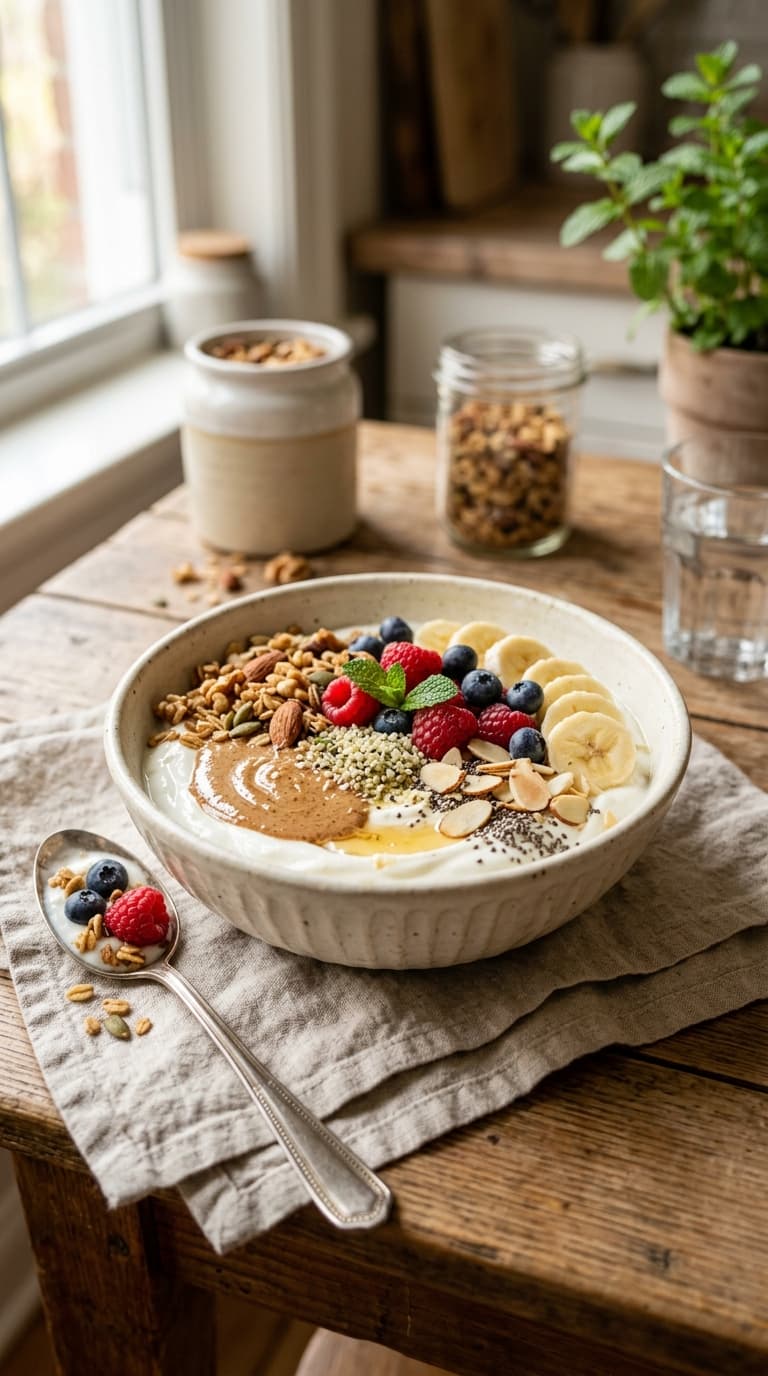
9. Greek Yogurt Parfait (240 calories)
One cup plain non-fat Greek yogurt, quarter cup of granola, and a handful of mixed berries. Layer it pretty if you’re feeling fancy, or just dump it all in a bowl if you’re running late.
Greek yogurt is basically liquid gold for low-calorie eating. High protein, low calories, and it keeps you full. Just make sure you’re buying plain—the flavored stuff is loaded with sugar.
10. Berry Protein Smoothie (265 calories)
One cup unsweetened almond milk, one scoop vanilla protein powder, one cup frozen mixed berries, and a handful of spinach (you won’t taste it, I promise). Blend and go.
The frozen berries make it thick and milkshake-like without needing ice cream or banana, which saves calories. Plus, frozen fruit is often cheaper and lasts way longer than fresh.
11. Cottage Cheese Bowl (220 calories)
One cup low-fat cottage cheese topped with pineapple chunks and a sprinkle of cinnamon. I know cottage cheese gets a bad rap, but hear me out—it’s ridiculously high in protein and surprisingly filling.
If the texture weirds you out, try blending it smooth. Tastes almost like thick yogurt but with way more protein per calorie.
12. Green Smoothie Bowl (280 calories)
Blend spinach, frozen banana, protein powder, and almond milk until thick. Pour into a bowl and top with sliced kiwi, hemp seeds, and a few almonds. FYI, smoothie bowls feel way more satisfying than drinking a smoothie—something about eating with a spoon tricks your brain.
Speaking of variety, these calorie deficit breakfasts that aren’t just eggs will save you when you’re burnt out on the usual options and need something different but equally satisfying.
Toast & Wrap Options (When You Need Carbs)
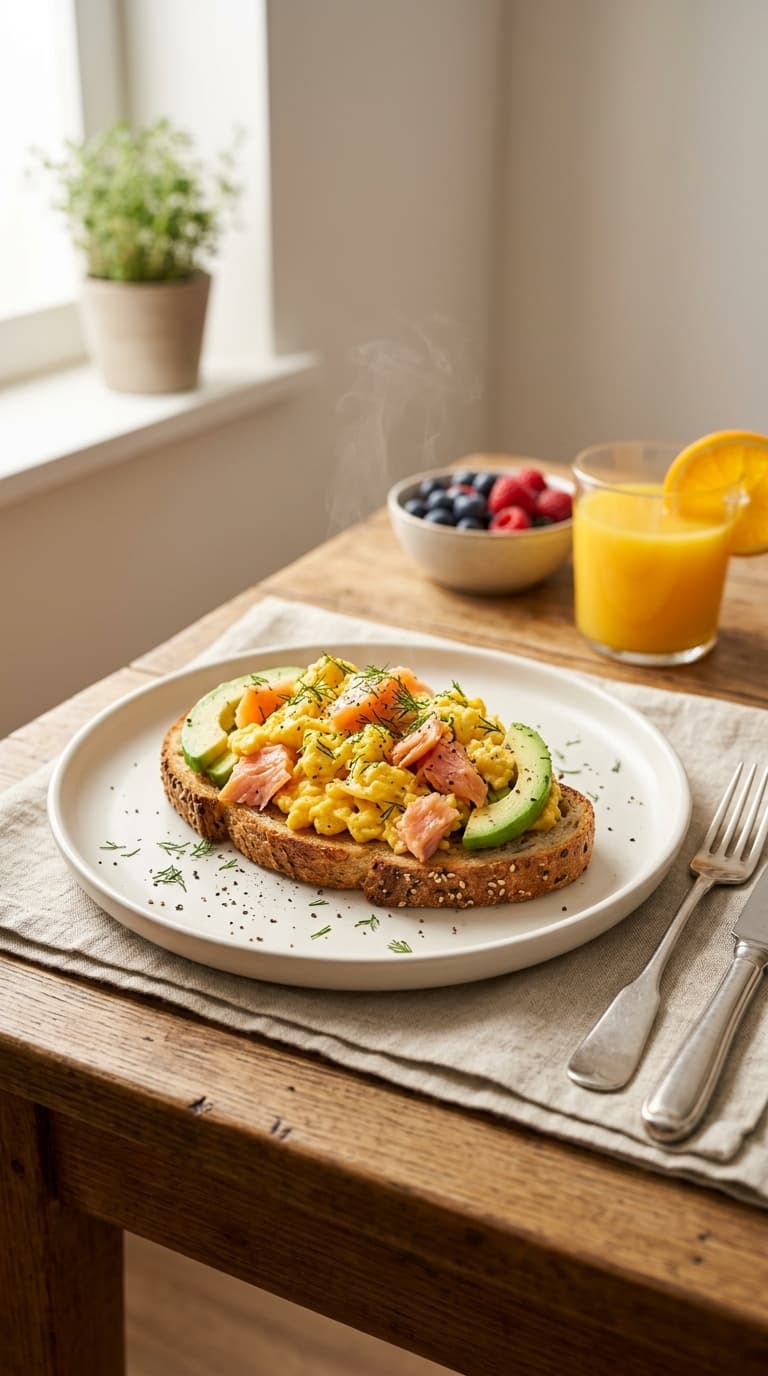
13. Avocado Toast with Egg (285 calories)
One slice whole grain bread, quarter of an avocado mashed, one fried egg, and everything bagel seasoning. The holy grail of millennial breakfasts, and for good reason—it’s actually delicious and keeps you full.
The fat from the avocado and protein from the egg make this way more satisfying than just plain toast. Plus, avocados contain monounsaturated fats that are actually good for you.
14. Peanut Butter Banana Toast (270 calories)
One slice whole grain bread, one tablespoon natural peanut butter, half a banana sliced on top. Sprinkle with cinnamon. Simple, nostalgic, and hits the spot when you’re craving something sweet.
Natural peanut butter is key here—the regular stuff has added sugar and oils that jack up the calories for no good reason.
15. Turkey and Cheese Wrap (260 calories)
One low-carb tortilla, two slices turkey breast, one slice reduced-fat cheese, lettuce, tomato, and mustard. Roll it up and eat it like a burrito. Who says breakfast has to be sweet?
Savory breakfasts are criminally underrated. This has protein, it’s portable, and it doesn’t taste like diet food. Get Full Recipe
16. Ricotta Toast with Berries (245 calories)
One slice whole grain bread, quarter cup part-skim ricotta, fresh strawberries, and a drizzle of honey. The ricotta is creamy and high-protein, and the berries add sweetness without a ton of sugar.
Want more portable options? These low-calorie wraps under 300 calories are perfect for meal prep and taking breakfast on the go without sacrificing nutrition or taste.
Sweet Breakfast Options (Because Life is Short)
17. Protein Pancakes (275 calories)
Mix one mashed banana, two eggs, and a scoop of protein powder. Cook like regular pancakes in a non-stick griddle. Top with a tiny bit of maple syrup and berries.
These taste way better than they have any right to. The banana adds natural sweetness and helps bind everything together so they actually flip without falling apart.
18. Baked Apple with Yogurt (210 calories)
Core an apple, sprinkle with cinnamon, microwave for 3 minutes until soft. Top with a dollop of Greek yogurt. Tastes like apple pie but takes 5 minutes and won’t wreck your calorie budget.
19. Chocolate Protein Smoothie (280 calories)
One cup almond milk, one scoop chocolate protein powder, one tablespoon cocoa powder, frozen banana, and ice. Tastes like a milkshake, has the nutrition of a meal. Sometimes you just need chocolate before 9 AM, and that’s okay.
20. Cinnamon Roll Oatmeal (290 calories)
Cook oats with extra cinnamon and a touch of vanilla extract. Top with a tiny drizzle of cream cheese frosting made from one tablespoon light cream cheese mixed with stevia. Tastes indulgent, fits your macros.
“I was skeptical about low-calorie breakfasts actually tasting good, but these recipes changed my mind. The protein pancakes are now a weekend staple, and I’ve lost 18 pounds without feeling like I’m starving.” — Maria, community member
21. Chia Pudding with Mango (255 calories)
Three tablespoons chia seeds, one cup almond milk, vanilla extract. Mix and refrigerate overnight. Top with diced mango in the morning. The chia seeds expand and create this tapioca-like pudding that’s surprisingly filling.
Chia seeds are packed with fiber and omega-3s. Plus, you can prep these days in advance, which is clutch when you’re trying to stick to your calorie goals without spending your life in the kitchen. Get Full Recipe
If you’re really into meal planning ahead, check out this 7-day 1200 calorie meal plan that includes complete breakfast, lunch, and dinner ideas for an entire week—takes all the guesswork out of what to eat.
Tools & Resources That Make Cooking Easier
These aren’t necessities, but they’ve made my breakfast routine so much smoother:
- Egg Bite Molds – Make a batch of protein-packed egg bites on Sunday, reheat all week. Less sad than microwave eggs, I promise.
- Portable Smoothie Blender – Blend directly in the cup you drink from. One less dish to wash, which might not sound exciting but it absolutely is at 6 AM.
- Mini Food Processor – Perfect for making small batches of nut butter, chopping ingredients, or blending up dips and spreads without pulling out the giant food processor.
Digital Tools:
- Calorie Tracking App Subscription – Makes logging food and tracking progress actually doable instead of feeling like homework.
- Healthy Breakfast Ideas PDF Guide – 50+ recipes with full nutrition info and grocery shopping lists organized by week.
- Macro Calculator & Meal Planning Spreadsheet – Helps you figure out exactly what you need to eat based on your goals, then plans your meals accordingly.
Join our WhatsApp Community: Get daily breakfast ideas, meal prep tips, and support from others on the same journey. [Contact for invite link]
Making These Breakfasts Work for Real Life
Here’s the thing nobody tells you about eating breakfast in a calorie deficit: consistency beats perfection every single time. You don’t need to meal prep like a fitness influencer or wake up at 5 AM to make some elaborate breakfast spread.
Pick 3-4 breakfasts from this list that sound good to you. Rotate them. Keep the ingredients stocked. That’s it. Don’t overcomplicate it.
Meal Prep Tips That Actually Help
I’m not a meal prep guru, but I’ve learned a few things that make mornings way less chaotic:
- Hard boil a dozen eggs on Sunday. They last all week and you can grab them for protein in a pinch.
- Portion out your dry oats in containers. In the morning, just add liquid and you’re halfway done.
- Wash and prep your fruit ahead of time. You’re way more likely to eat berries if they’re already washed and ready to go.
- Pre-measure protein powder into small containers or bags. No dealing with scoops when you’re half asleep.
- Keep a backup plan in your freezer. Frozen breakfast burritos or egg muffins for those mornings when everything goes wrong.
If you need more structure, these calorie deficit breakfast meal prep ideas show you exactly how to batch cook and portion out an entire week of breakfasts in one session.
What About Weekends?
Weekends can throw you off if you’re not careful. You sleep in, your routine is different, and suddenly you’re at brunch ordering something that’s basically 800 calories of butter and bread.
My strategy? Keep one or two “fancy” breakfast recipes in your back pocket that feel special but still fit your calories. The protein pancakes, the baked apple, or even making a really good omelet with all the fixings. You can still enjoy breakfast without blowing your whole day.
For times when you need something filling but quick, these calorie deficit breakfasts for busy mornings are designed specifically for when you’re rushing but still want something substantial.
Common Mistakes to Avoid
Skipping Breakfast to “Save Calories”
I’ve been there. You think you’re being smart by skipping breakfast and saving those 300 calories for later. But then lunch rolls around and you’re so hungry you eat everything in sight. Research consistently shows that people who eat breakfast tend to have better appetite control throughout the day.
Not Enough Protein
A bowl of plain oatmeal or a slice of toast isn’t going to cut it. You need protein to stay full. Aim for at least 15-20 grams at breakfast. Your mid-morning self will thank you.
Making it Too Complicated
If your breakfast requires more than 10 minutes or some obscure ingredient you can only find at Whole Foods, you’re not going to stick with it. Keep it simple. Simple works.
Forgetting About Fiber
Protein gets all the hype, but fiber is just as important for feeling full. Fruits, vegetables, oats, chia seeds—don’t skip these just because you’re focused on hitting your protein target.
Want to understand the bigger picture of how to structure your entire day? This guide on how to lose weight on 1200-1500 calories without starving breaks down exactly how to distribute your calories throughout the day for maximum satiety.
What If You’re Still Hungry?
If you’re following these breakfasts and still feeling hungry an hour later, here’s what to check:
- Are you drinking enough water? Sometimes thirst masquerades as hunger. Drink a big glass of water with breakfast.
- Did you get enough protein? If your breakfast is mostly carbs, you’ll be hungry fast. Make sure you’re hitting 15-20g minimum.
- Are you eating too fast? Slow down. It takes 20 minutes for your brain to register fullness.
- Do you need more fiber? Add an extra serving of fruit or throw some vegetables into your eggs.
Also, be realistic about your calorie needs. If you’re an active person or have a lot of weight to lose, 300 calories for breakfast might not be enough. It’s okay to adjust up to 350-400 if you need it. The goal is sustainable weight loss, not misery.
If you’re curious about different calorie levels and which might work best for you, this comparison of 1200 vs 1500 calorie meal plans helps you figure out what’s realistic based on your activity level and goals.
Related Recipes You’ll Love
If you’re looking for more meal ideas to round out your day, here are some recipes that pair perfectly with these breakfasts:
More Breakfast Ideas:
- 21 Low-Calorie Breakfasts for a Calorie Deficit Without Feeling Hungry
- 21 Make-Ahead Calorie Deficit Breakfasts for the Week
- 21 Calorie Deficit Breakfasts Under 250 Calories (Surprisingly Filling)
Complete Meal Plans:
- 30-Day Low-Calorie Meal Plan for Healthy Weight Loss
- 7-Day High-Protein 1200 Calorie Meal Plan
- 14-Day 1500 Calorie Meal Plan for Women (Budget-Friendly)
Lunch & Dinner Options:
Frequently Asked Questions
Can I really lose weight eating 300 calories for breakfast?
Absolutely. Weight loss comes down to overall calorie deficit throughout the day, not the calories in any single meal. A 300-calorie breakfast leaves plenty of room for lunch, dinner, and snacks while still maintaining a deficit. The key is making sure those 300 calories include enough protein and fiber to keep you satisfied until your next meal.
What if I’m not hungry in the morning?
Start small. If you’re not a breakfast person, try something light like a protein smoothie or Greek yogurt with berries. Your appetite might adjust as you get used to eating breakfast regularly. That said, if intermittent fasting works better for your schedule and you’re still hitting your calorie and nutrient goals, that’s fine too. There’s no one-size-fits-all approach.
How much protein should I aim for at breakfast?
Aim for 15-30 grams of protein at breakfast for optimal satiety and muscle preservation during weight loss. Studies show this range helps control hunger throughout the day and can reduce cravings later. All of the recipes in this article hit or exceed this target.
Can I meal prep these breakfasts for the whole week?
Many of these are perfect for meal prep. Overnight oats, egg muffins, chia pudding, and hard-boiled eggs can all be made in advance. Some things like scrambled eggs or avocado toast are better made fresh, but you can still prep the ingredients ahead of time to make morning assembly faster.
Will eating low-calorie breakfasts slow down my metabolism?
No. The myth about “stoking your metabolism” with breakfast has been debunked. What matters is your total daily calorie intake and making sure you’re getting enough protein and nutrients overall. A 300-calorie breakfast as part of a balanced 1200-1500 calorie daily plan won’t slow your metabolism—especially if you’re including strength training and adequate protein.
Final Thoughts
Look, low-calorie breakfasts don’t have to be sad or complicated. You don’t need expensive ingredients or fancy equipment. You just need a few reliable recipes that taste good, keep you full, and fit into your calorie goals.
Start with the recipes that sound appealing to you. Try them for a week. See which ones you actually look forward to eating. Build your rotation around those. Breakfast shouldn’t be another thing you have to overthink or stress about.
The best breakfast is the one you’ll actually eat consistently. Whether that’s overnight oats, scrambled eggs, or a protein smoothie, pick what works for your schedule and your taste buds. Stay consistent with it. The results will follow.
And remember: weight loss is a marathon, not a sprint. These breakfasts are designed to be sustainable for the long haul, not just something you white-knuckle through for two weeks before giving up. Find what works, stick with it, and trust the process.