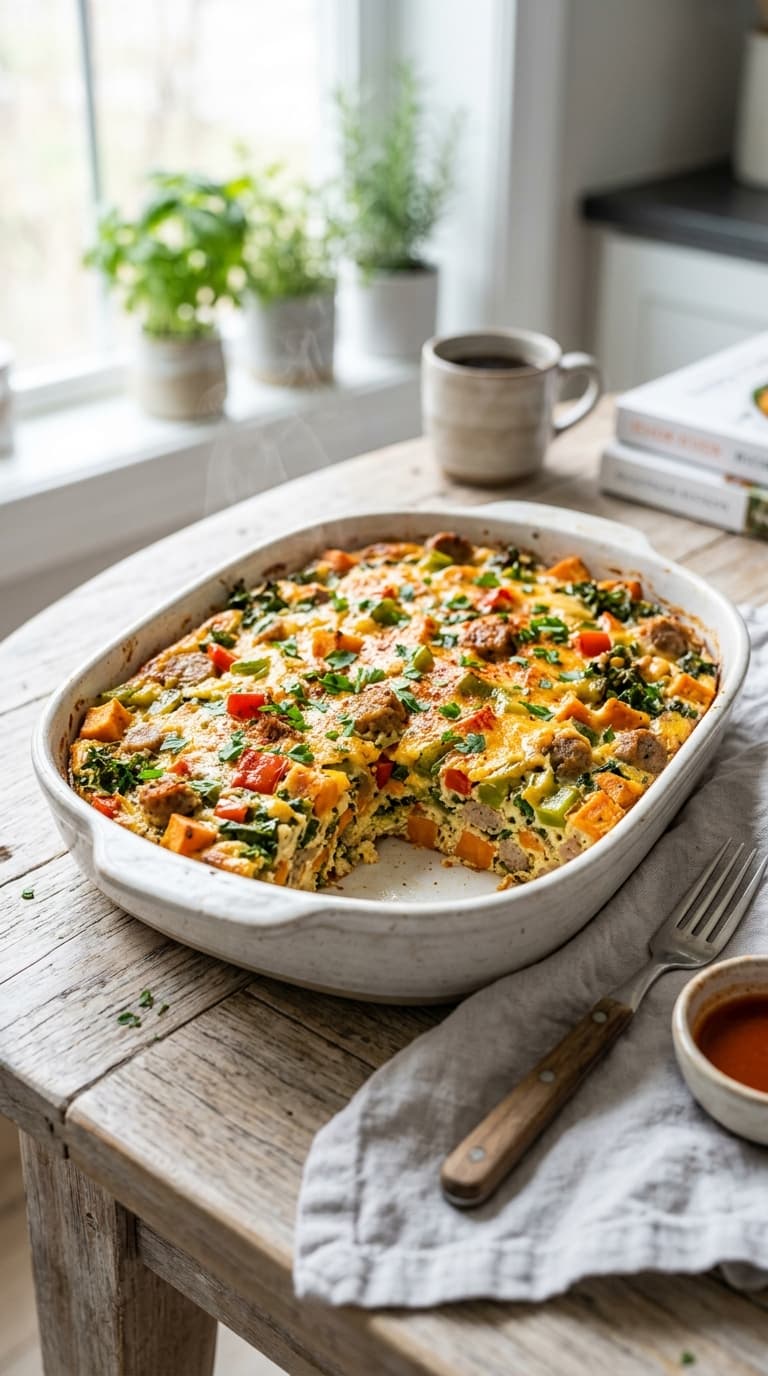
20 Low-Calorie Vegetarian Recipes Packed with Flavor
Look, I get it. You’re trying to eat lighter, maybe shed a few pounds, but the thought of another bland salad makes you want to throw your meal prep containers out the window. Here’s the thing though—vegetarian eating doesn’t have to taste like cardboard, and low-calorie definitely doesn’t mean low-flavor.
I’ve spent the last few months testing recipes that actually make me excited to cook, not just tolerate eating. These aren’t the recipes you force down because they’re “good for you.” They’re the ones you’ll genuinely crave on a Tuesday night when you’re tired and hangry. Most clock in under 350 calories, pack serious flavor, and won’t leave you rummaging through the pantry an hour later.
Whether you’re fully plant-based or just trying to eat less meat, these recipes prove you can eat well, feel satisfied, and still hit your calorie goals without the drama.
Why Low-Calorie Vegetarian Recipes Actually Work
Here’s what I’ve learned: vegetables are ridiculously low in calories but high in volume. That means you can pile your plate and still stay within your calorie budget. The trick is making them taste incredible, not just steamed and sad.
Plant-based proteins like lentils, chickpeas, and tofu absorb flavors like nobody’s business. Add the right spices, a good sauce, or some roasted garlic, and suddenly you’ve got a meal that could compete with any restaurant dish. Plus, according to research on plant-based eating, loading up on vegetables naturally increases fiber intake, which keeps you fuller longer—basically the holy grail when you’re watching calories.
The best part? Vegetarian ingredients are usually cheaper than meat, they last longer in your fridge, and you don’t have to worry about food safety issues. Win-win-win.
The Secret to Making Vegetarian Food Taste Amazing
Real talk: most people mess up vegetarian cooking because they treat vegetables like an afterthought. They boil broccoli and call it dinner. No wonder people think plant-based eating is boring.
Roasting Changes Everything
I cannot stress this enough—roast your vegetables. High heat caramelizes the natural sugars, creating those crispy, golden edges that make you go back for seconds. Toss them with a tiny bit of oil (measured, because calories), add salt, pepper, maybe some smoked paprika, and let your oven do the work.
I use this rimmed baking sheet for literally everything. It distributes heat evenly, and nothing sticks if you line it with parchment.
Spices Are Your Best Friend
Forget expensive ingredients. A well-stocked spice cabinet will carry your cooking. Cumin, coriander, turmeric, smoked paprika, garlic powder—these transform boring into brilliant. I keep mine in magnetic spice jars stuck to the side of my fridge. Sounds extra, but I actually use them now instead of letting them die in a drawer.
Don’t Skip the Fat (Just Measure It)
Fat carries flavor. You need some to make food taste good. The difference between “diet food” and “delicious food that happens to be low-calorie” is often just one tablespoon of olive oil or a sprinkle of cheese. Measure it, track it, use it wisely.
For more ideas on keeping meals satisfying while staying in a calorie deficit, check out these low-calorie meals under 300 calories that prove you can eat well without feeling deprived.
20 Low-Calorie Vegetarian Recipes That Actually Deliver
Alright, let’s get to the good stuff. I’m breaking these down by meal type because nobody wants to scroll through 20 random recipes trying to figure out what to make for dinner.
Breakfast Options (Because Morning Matters)
1. Savory Oatmeal with Sautéed Spinach and Poached Egg (220 calories)
Sweet oatmeal is fine, but savory oatmeal is a revelation. Cook your oats in vegetable broth instead of water, stir in some garlic powder and nutritional yeast, top with spinach and a perfectly poached egg. The runny yolk mixes with the oats and creates this creamy, satisfying breakfast that keeps you full until lunch.
If you’re looking for more breakfast inspiration that won’t blow your calorie budget, these low-calorie breakfasts to start losing weight offer tons of variety beyond the usual suspects.
2. Greek Yogurt Parfait with Roasted Cinnamon Chickpeas (195 calories)
Hear me out—roasted chickpeas instead of granola. They’re crunchy, they’re sweet (if you toss them with cinnamon and a tiny bit of maple syrup), and they pack way more protein. Layer them with plain Greek yogurt and fresh berries. It’s basically dessert for breakfast, except it’s actually good for you.
3. Veggie-Packed Egg White Scramble (165 calories)
Before you roll your eyes at egg whites, listen. Three egg whites plus one whole egg gives you the volume and protein without all the calories. Load it up with bell peppers, mushrooms, spinach, tomatoes—whatever needs to be used up in your fridge. Season aggressively. This is not the time to be shy with the hot sauce. Get Full Recipe
4. Overnight Chia Pudding with Almond Butter Swirl (210 calories)
Mix chia seeds with unsweetened almond milk the night before, add vanilla extract and a tiny bit of stevia. In the morning, swirl in one tablespoon of almond butter (measured, people). Top with sliced strawberries. Zero cooking required, and it tastes like you’re cheating on your diet. Get Full Recipe
Lunch Winners
5. Mediterranean Chickpea Salad (240 calories)
This isn’t your average sad desk salad. Chickpeas, cucumber, cherry tomatoes, red onion, Kalamata olives, feta cheese (measured), and a lemon-oregano vinaigrette. Make a big batch on Sunday, and it actually gets better after sitting in the fridge for a day. The flavors marry, as they say.
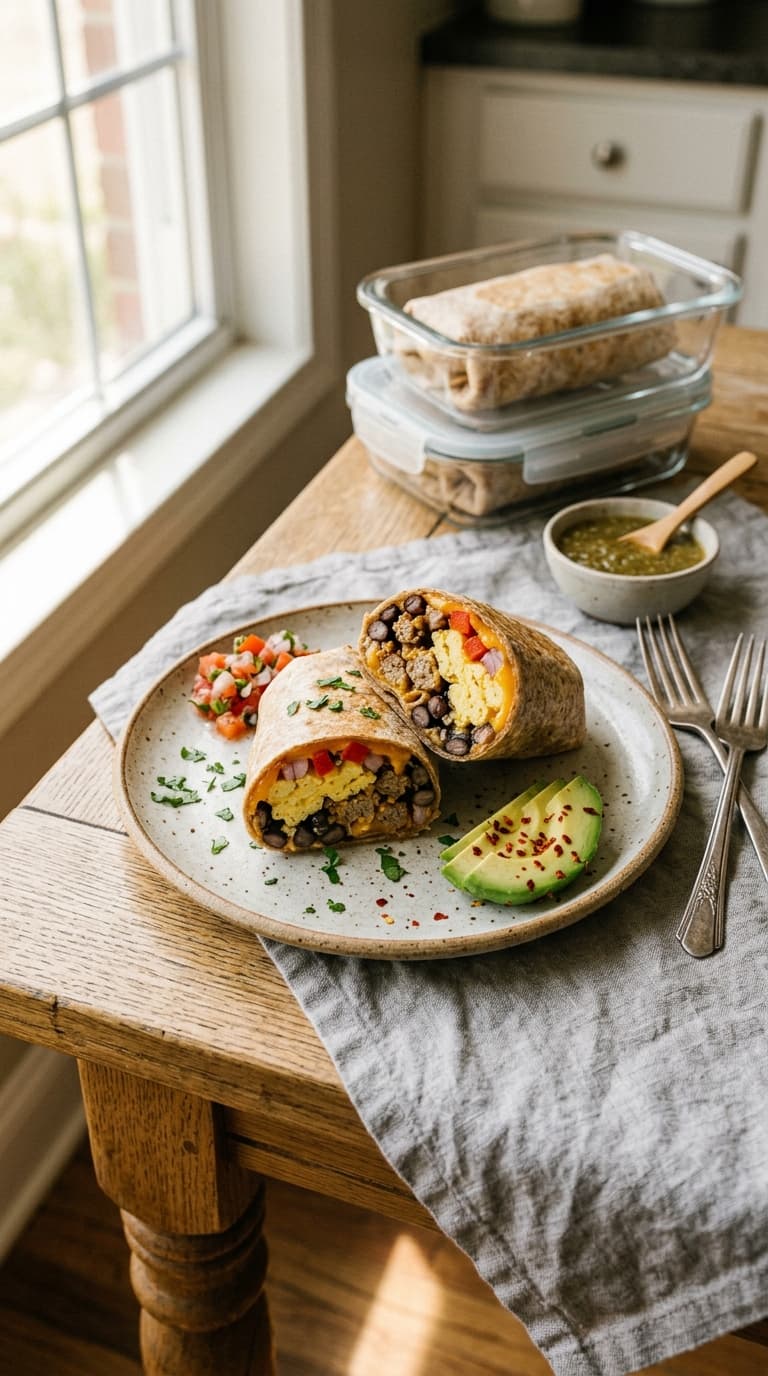
I prep this in glass meal prep containers because plastic makes everything taste weird after a couple days. Just my opinion, but it’s a hill I’ll die on.
6. Cauliflower Fried Rice (190 calories)
Cauliflower rice gets a bad rep because people don’t cook it right. The secret is high heat and don’t overcrowd the pan. You want it to get some color, not steam into mush. Add frozen peas, carrots, scrambled egg, soy sauce, sesame oil, ginger, garlic. It’s satisfying in a way that regular rice is, but you can eat way more of it.
7. Spicy Black Bean Soup (180 calories)
Black beans, diced tomatoes, vegetable broth, cumin, chili powder, smoked paprika, and a generous squeeze of lime at the end. Blend half of it for creaminess, leave half chunky for texture. Top with a dollop of Greek yogurt and some fresh cilantro. This soup is proof that simple ingredients can create magic. Get Full Recipe
For those busy weekdays when you need something fast, these low-calorie lunch ideas for weight loss offer practical options you can actually pull off during a lunch break.
8. Zucchini Noodle Pad Thai (285 calories)
I know, I know—zoodles. But this actually works because the sauce is so flavorful you don’t miss the regular noodles. Peanut butter (measured with a kitchen scale, not a spoon), lime juice, soy sauce, sriracha, a touch of honey. Toss with spiralized zucchini, bean sprouts, crushed peanuts, and fresh herbs. It’s tangy, spicy, crunchy, and you’ll want to make it weekly.
Speaking of noodle alternatives, if you’re craving pasta specifically, you’ll love these low-calorie pasta recipes under 400 calories that use portion control and smart swaps to keep your favorite comfort foods on the menu.
Meal Prep Essentials Used in These Recipes
These are the tools and products I actually use every single week. Not sponsored, just genuinely helpful.
Physical Products:
- Digital Kitchen Scale – Portion control is way easier when you’re not guessing. This one is accurate and doesn’t take up much counter space.
- Spiralizer – Makes veggie noodles in seconds. I use mine for zucchini, sweet potatoes, and even beets.
- High-Speed Blender – For soups, smoothies, and creamy sauces without dairy. Worth the investment if you cook regularly.
Digital Resources:
- 1500-Calorie Vegetarian Meal Plan – Full week of recipes with shopping list and macro breakdowns
- 30-Day Low-Calorie Meal Plan – Takes the guesswork out of planning
- Complete Guide: How to Lose Weight on 1200-1500 Calories – The strategy behind making lower calories actually sustainable
Dinner Solutions
9. Sheet Pan Roasted Vegetables with Tahini Drizzle (210 calories)
Brussels sprouts, sweet potatoes, red onion, and chickpeas all roasted together. Toss everything with olive oil, cumin, paprika, and garlic powder. Roast at 425°F until everything is crispy and caramelized. Drizzle with tahini thinned out with lemon juice and water. It’s restaurant-quality food that requires almost no effort.
10. Eggplant Parmesan (Without the Deep Frying) (295 calories)
Slice eggplant, brush with a tiny bit of olive oil, season with Italian herbs, and roast until tender. Layer with marinara sauce and a moderate amount of mozzarella. Bake until bubbly. You get all the comfort of the original without swimming in oil. The key is salting the eggplant first and letting it sit for 20 minutes—draws out the moisture and prevents sogginess.
11. Lentil Bolognese Over Zucchini Noodles (245 calories)
Brown lentils, crushed tomatoes, diced carrots, celery, onion, garlic, oregano, basil. Simmer until thick and rich. Serve over zucchini noodles or shirataki noodles if you’re feeling adventurous. This sauce has so much depth that you won’t miss the meat. Make a double batch and freeze half for lazy nights. Get Full Recipe
If you’re all about those cozy, hands-off dinners, you’ll appreciate these low-calorie crockpot meals that let you dump everything in and walk away.
12. Stuffed Bell Peppers with Quinoa and Black Beans (260 calories)
Quinoa, black beans, corn, diced tomatoes, cumin, chili powder, stuffed into halved bell peppers and baked until tender. Top with a sprinkle of cheese in the last five minutes. Each pepper is its own little self-contained meal. They freeze beautifully too.
13. Thai-Inspired Coconut Curry with Tofu (280 calories)
Light coconut milk (the key word is “light”), red curry paste, tons of vegetables, and crispy baked tofu. The sauce is creamy and spicy and makes you feel like you ordered takeout. Serve over cauliflower rice to keep it low-calorie or regular rice if you have the budget for it.
I press my tofu with this tofu press instead of the old book-stacking method. Saves time and actually works.
14. Mushroom and Spinach Quesadillas (310 calories)
Sautéed mushrooms and spinach with garlic, stuffed into a whole wheat tortilla with reduced-fat cheese. Cook in a dry skillet until crispy. Cut into wedges and serve with salsa and Greek yogurt instead of sour cream. It’s indulgent without being reckless.
Snacks and Light Bites
15. Roasted Chickpeas Three Ways (120 calories per serving)
Drain and dry canned chickpeas, toss with seasonings, roast at 400°F for 25-30 minutes. Make three batches: savory (garlic powder, paprika, salt), sweet (cinnamon, tiny bit of maple syrup), and spicy (chili powder, cumin, cayenne). They’re crunchy, satisfying, and way better than chips.
For more options that won’t derail your progress, check out these low-calorie snacks under 150 calories that actually satisfy cravings.
16. Caprese Salad Skewers (145 calories)
Cherry tomatoes, small mozzarella balls, fresh basil, drizzled with balsamic glaze. Thread them on toothpicks or small skewers. They look fancy, taste amazing, and feel special even though they take five minutes to assemble.
17. Edamame with Sea Salt and Chili Flakes (95 calories)
Frozen edamame, boiled for five minutes, tossed with coarse sea salt and red chili flakes. It’s the perfect salty, spicy snack when you want something to mindlessly munch on. Plus, decent protein boost.
Something Sweet
18. Baked Cinnamon Apple Slices (85 calories)
Slice an apple, sprinkle with cinnamon, bake at 350°F for 15 minutes. They get soft and caramelized and taste like apple pie without all the butter and sugar. Top with a tiny dollop of Greek yogurt if you’re feeling fancy.
If you’ve got more of a sweet tooth, these low-calorie desserts you can eat every day prove you don’t have to give up treats entirely.
19. Chocolate Avocado Mousse (155 calories)
Blend ripe avocado, unsweetened cocoa powder, vanilla extract, a touch of maple syrup, and a splash of almond milk until smooth. Chill for an hour. It’s rich, creamy, chocolatey, and nobody ever guesses there’s avocado in it. The healthy fats keep you satisfied too.
20. Frozen Banana “Nice Cream” (135 calories)
Freeze sliced bananas, then blend them until creamy. That’s it. You can add a tablespoon of peanut butter, some cocoa powder, or a handful of berries. It has the texture of soft-serve ice cream but it’s literally just fruit. My kids request this constantly, which tells you everything you need to know.
Tools and Resources That Make Cooking Easier
Honestly, having the right setup makes all the difference between “I’ll cook tonight” and “let’s just order pizza.”
Kitchen Gadgets I Actually Use:
- Immersion Blender – For creamy soups without transferring hot liquid to a blender. Safer and way less cleanup.
- Vegetable Chopper – I was skeptical, but this thing dices onions in seconds. No tears, no drama.
- Silicone Baking Mats – Reusable, nothing sticks, easy cleanup. I haven’t bought parchment paper in a year.
Helpful Guides:
- 12 Low-Calorie Grocery Items I Always Buy – My actual shopping list for staying stocked
- What I Eat in a 1200-Calorie Day – Real examples, not Instagram fantasy meals
- 25 Cheap Low-Calorie Meals for Meal Prep – Budget-friendly options that don’t sacrifice taste
Join the Community: We share meal prep tips, recipe swaps, and real-talk support in our WhatsApp group. No toxic diet culture, just people helping people. Drop a comment if you want the link.
Making It Work in Real Life
Look, recipes are great, but here’s what actually matters: consistency beats perfection every single time. You don’t need to make all 20 of these recipes. Pick three that sound good, make them this week, see how you feel.
I keep a rotation of about 10 recipes that I genuinely enjoy, and I just cycle through them. Some weeks I’m feeling the Thai curry, other weeks I want the lentil Bolognese. The point is having options that don’t feel like punishment.
The Meal Prep Reality Check
Meal prep doesn’t have to mean spending your entire Sunday in the kitchen. It can be as simple as:
- Roasting a big batch of vegetables you can throw into anything
- Cooking a pot of quinoa or brown rice
- Chopping vegetables for the week
- Making one or two full recipes to have on hand
That’s it. Don’t overcomplicate it. According to nutrition research from Mayo Clinic, people who prep even just a few components of their meals are significantly more likely to stick to their eating goals long-term.
For a more structured approach that takes the guesswork out completely, this 7-day 1400-calorie meal plan maps out every meal and snack so you can just follow along.
When You Don’t Feel Like Cooking
Some nights, you’re not going to cook. That’s fine. Have backup options that don’t involve ordering $40 worth of takeout:
- Frozen vegetable stir-fry with pre-cooked rice
- Canned soup (get the good stuff, not the sodium bombs)
- Hummus and vegetables with whole grain crackers
- Greek yogurt with berries and a handful of nuts
The goal is progress, not perfection. One mediocre meal won’t derail anything. A week of mediocre meals might.
Dealing With the Protein Question
Everyone always asks: “But where do you get your protein?” Valid question, honestly. Vegetarian eating requires a bit more intentionality about protein, but it’s not rocket science.
Here’s what I focus on:
- Legumes: Lentils, chickpeas, black beans—these are protein powerhouses
- Greek yogurt: Nearly double the protein of regular yogurt
- Eggs: If you eat them, they’re one of the most complete proteins available
- Tofu and tempeh: Once you learn to cook them right, they’re incredible
- Quinoa: One of the few plant foods that’s a complete protein
- Nutritional yeast: Adds a cheesy flavor plus 8 grams of protein per serving
Combine different plant proteins throughout the day, and you’ll hit your targets. You don’t need to stress about “complete proteins” at every single meal. Your body is smarter than that.
If you’re specifically trying to up your protein while keeping calories in check, these low-calorie high-protein meals show exactly how to structure your plates.
The Flavor Hacks Nobody Talks About
Want to know the real difference between mediocre vegetarian food and the stuff you actually crave? It’s not fancy ingredients. It’s technique and layering flavors.
Salt Your Food Properly
Undersalting is the number one reason home-cooked food tastes bland. I’m not saying go crazy, but vegetables need salt to taste like themselves. Add it at different stages of cooking—not just at the end.
Acid Brightens Everything
A squeeze of lemon or lime juice, a splash of vinegar, a spoonful of pickled onions—acid wakes up dishes. It’s what makes restaurant food taste brighter than yours. Add it right before serving.
Fresh Herbs Are Non-Negotiable
Dried herbs are fine for cooking, but fresh herbs as a garnish make everything taste and look better. Cilantro, parsley, basil—whatever fits the dish. They’re cheap, they make a huge difference, and they make your food look Instagram-worthy if that’s your thing.
Toast Your Nuts and Seeds
Raw almonds, walnuts, sesame seeds, pumpkin seeds—toast them in a dry pan for a few minutes. The oils release, they get fragrant and crunchy, and they add way more flavor to your dishes. This tiny step elevates everything.
Frequently Asked Questions
Can I really lose weight eating vegetarian while feeling full?
Absolutely. Vegetables are high in fiber and water content, which means they fill you up on fewer calories. The trick is making sure you’re getting enough protein and healthy fats to stay satisfied between meals. Most people who switch to more plant-based eating naturally reduce their calorie intake without feeling deprived because they’re eating larger volumes of food.
Do I need to count calories on every single vegetarian meal?
Not necessarily, but it helps to track for at least a few weeks to understand portion sizes and where your calories are coming from. Once you have a feel for it, you can rely more on intuitive eating. IMO, weighing your food initially teaches you way more than eyeballing ever will.
Are vegetarian meals automatically healthier than meals with meat?
Not always. You can eat vegetarian and still load up on fried foods, excessive cheese, and refined carbs. The healthiest approach focuses on whole foods—vegetables, legumes, whole grains, and moderate amounts of healthy fats—whether you eat meat or not. These recipes focus on nutrient-dense ingredients that support your goals.
What if I don’t like tofu or other common vegetarian proteins?
Good news—you don’t need them. Beans, lentils, chickpeas, eggs (if you eat them), Greek yogurt, cottage cheese, and even vegetables like broccoli and spinach contribute protein. Focus on what you actually enjoy eating, and build your meals around those ingredients instead.
How long do these recipes take to make?
Most of these clock in under 30 minutes of active cooking time. The roasted vegetable dishes require oven time but minimal hands-on work. The key is having your ingredients prepped and your kitchen set up efficiently. Once you make a recipe once or twice, it becomes even faster.
Final Thoughts
Eating low-calorie doesn’t mean eating sad, flavorless food. Vegetarian cooking opens up so many possibilities for bold flavors, interesting textures, and meals that actually leave you satisfied. The recipes here aren’t meant to be followed religiously—they’re starting points.
Pick the ones that sound good to you. Adjust the spices to match your taste. Swap ingredients based on what you have in your fridge. The best recipe is the one you’ll actually make more than once.
And remember, nobody becomes a great cook overnight. You’ll burn some chickpeas, overcook some zucchini noodles, undersalt your soup. That’s part of the process. Keep going. The next batch will be better.
Food should make you feel good—while you’re eating it and after. These recipes do both. Now get in the kitchen and make something delicious.