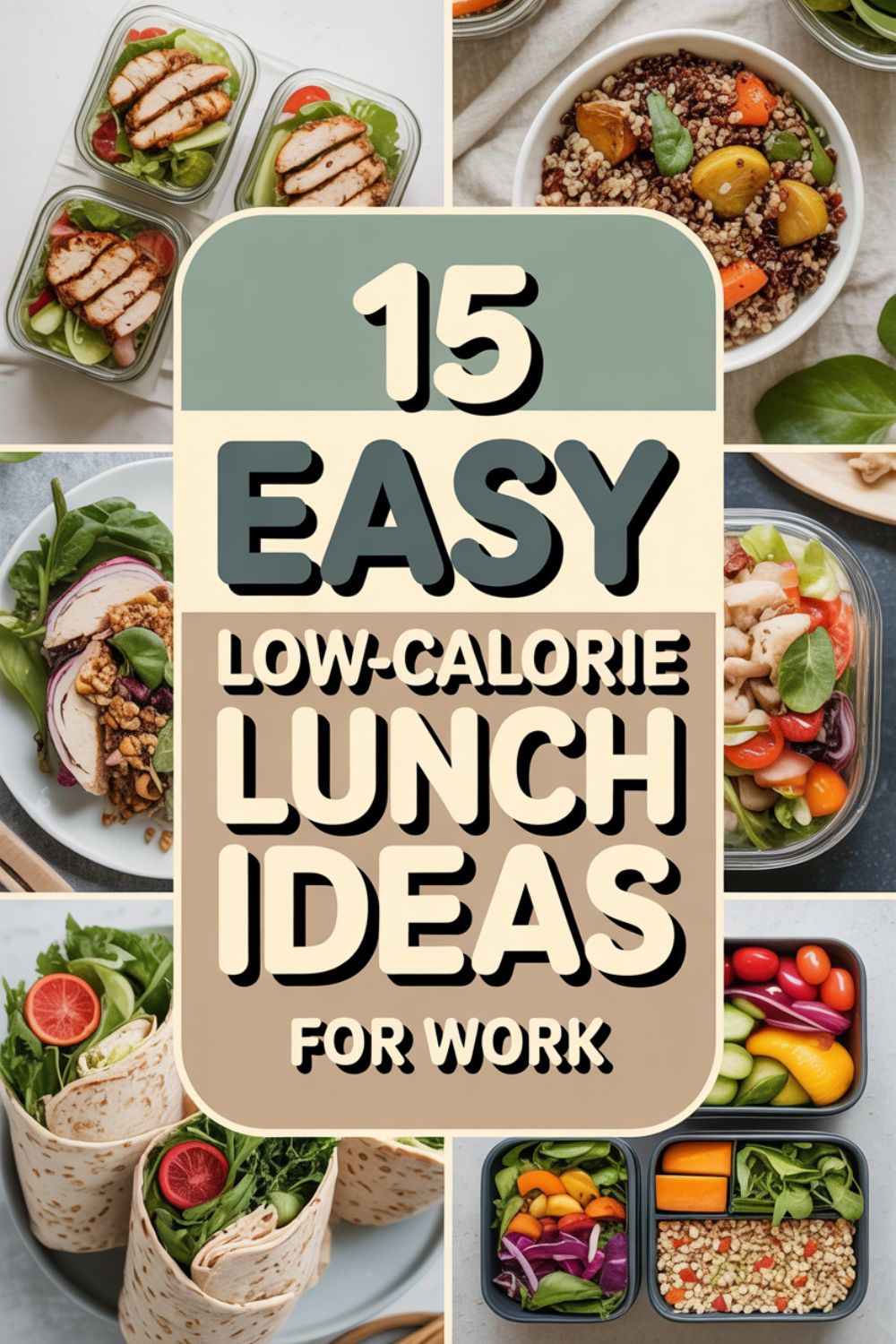
15 Easy Low-Calorie Lunch Ideas for Work
Let me guess—you’re stuck in that weekday lunch rut where you’re either grabbing the same boring salad or caving to the vending machine by 2 PM because your sad desk lunch left you starving. Trust me, I’ve been there, and it’s exhausting trying to stay on track when hunger hits and your options are limited.
Here’s the thing about low-calorie lunches for work: they don’t have to taste like cardboard or leave you counting down the minutes until dinner. The secret? Low energy-dense foods that pack volume and satisfaction without the calorie overload. We’re talking meals that actually fill you up, taste legitimately good, and won’t have you elbow-deep in the snack drawer an hour later.
I’m breaking down 15 realistic, actually-doable lunch ideas that you can prep ahead, throw together in minutes, or even order strategically when you’re short on time. No complicated recipes, no ingredients you’ve never heard of—just real food that works for real life.
Why Low-Calorie Lunches Actually Work (Without the Misery)
You’ve probably heard the whole “eat less, weigh less” mantra thrown around, but that’s where most people get tripped up. Eating less doesn’t mean eating tiny portions that leave you hangry and sabotaging your afternoon. Research from Penn State University shows that focusing on foods with lower calorie density—think water-rich veggies, lean proteins, and whole grains—lets you eat satisfying portions while naturally cutting calories.
When you build lunches around these foods, you’re not white-knuckling through hunger. You’re actually eating enough volume to feel full, but the calorie count stays reasonable. It’s basically the grown-up version of having your cake and eating it too, except it’s more like having your grilled chicken and staying satisfied too.
The Foundation: What Makes a Good Low-Calorie Work Lunch
Not all low-calorie lunches are created equal. You need three things to make it through your afternoon without derailing: protein, fiber, and actual flavor. Protein keeps you full and prevents that 3 PM energy crash. Fiber adds bulk without adding tons of calories (hello, vegetables). And flavor? That’s non-negotiable because eating bland food day after day is a fast track to ordering pizza.
A solid formula looks like this: 4-6 oz lean protein + 2-3 cups of vegetables + a small portion of complex carbs + healthy fats. This combo typically lands you between 300-400 calories but feels like an actual meal, not a snack pretending to be lunch. If you’re following a 1200-calorie meal plan, these lunches fit perfectly without leaving you scrambling for calories at dinner.
Speaking of staying full, if you’re newer to calorie-conscious eating, check out these beginner-friendly 1200-calorie meal ideas that take the guesswork out of portions and combinations.
15 Easy Low-Calorie Lunch Ideas That Don’t Suck
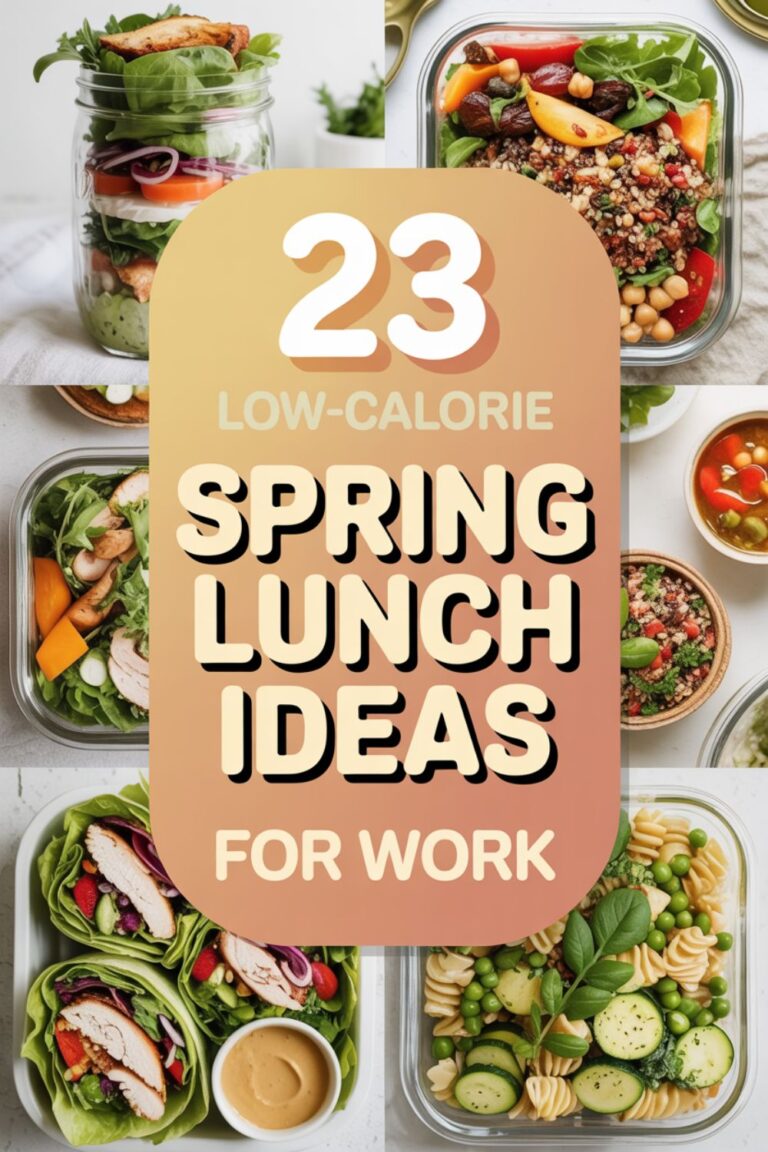
1. Mason Jar Greek Salad with Grilled Chicken
Layer this bad boy the night before and you’ve got yourself a lunch that actually travels well. Start with dressing at the bottom (2 tbsp balsamic vinaigrette), then add cucumbers, tomatoes, red onion, olives, feta cheese, grilled chicken, and greens on top. Shake it up when you’re ready to eat.
Calorie count: ~340 calories
The beauty here is that mason jars keep everything fresh and separated until lunchtime. I use these wide-mouth mason jars because the opening is actually big enough to fit a fork without a struggle, and they don’t leak in my bag like every other container I’ve tried.
2. Cauliflower Rice Burrito Bowl
Swap regular rice for cauliflower rice and suddenly you’ve got room for all the good stuff. Load it up with seasoned ground turkey, black beans, salsa, a sprinkle of cheese, and loads of peppers and onions. Top with a dollop of Greek yogurt instead of sour cream.
Calorie count: ~380 calories
If you’re not into ricing your own cauliflower (because who has time?), frozen cauliflower rice is your friend. Pop it in the microwave for three minutes and you’re golden. Get Full Recipe
3. Zucchini Noodle Pad Thai
Use a spiralizer to make zucchini noodles, then toss them with a quick peanut sauce, shredded cabbage, edamame, and grilled shrimp or chicken. Add crushed peanuts and lime juice on top.
Calorie count: ~310 calories
Here’s where having a decent handheld spiralizer saves your life. Skip the fancy countertop versions—you just need something that turns vegetables into noodles without taking up half your kitchen. This version is particularly great if you’re looking for high-protein options that keep you satisfied.
4. Turkey and Veggie Lettuce Wraps
Skip the tortilla and use large romaine or butter lettuce leaves instead. Fill them with lean turkey, shredded carrots, cucumber, avocado, and a smear of hummus or mustard.
Calorie count: ~290 calories
The trick here is to actually use sturdy lettuce. Those wimpy iceberg leaves will fall apart and you’ll end up eating your lunch with a spoon. Butter lettuce or romaine hearts are where it’s at. IMO, this is one of the easiest weight loss lunch options because you can customize the filling based on what you’ve got.
5. Egg White Veggie Scramble with Sweet Potato
Yes, this is technically a breakfast food, but nobody said you can’t have eggs for lunch. Scramble egg whites with spinach, mushrooms, tomatoes, and serve alongside roasted sweet potato cubes.
Calorie count: ~320 calories
I meal prep the sweet potatoes on Sunday using a silicone baking mat so they get crispy without sticking. Just toss cubed sweet potatoes with a tiny bit of olive oil spray, season them, and roast at 425°F for 25 minutes. Easy.
6. Mediterranean Chickpea Salad
Mix chickpeas, diced cucumber, cherry tomatoes, red onion, Kalamata olives, and crumbled feta. Dress it with lemon juice, olive oil, and oregano. Add some arugula if you want extra greens.
Calorie count: ~350 calories
This one gets better as it sits, making it perfect for meal prep. The flavors meld together and you’ve got yourself a legit Mediterranean feast that doesn’t require reheating. Pair this with some of these low-calorie meals under 300 calories throughout the week for variety.
Looking for more lunch inspiration? These low-calorie dinner recipes under 350 calories work just as well for lunch, and these easy dinner ideas are totally lunchbox-friendly too.
7. Tuna Stuffed Bell Peppers
Hollow out bell peppers and stuff them with a mixture of canned tuna (in water), diced celery, Greek yogurt instead of mayo, and seasonings. Serve cold or slightly warmed.
Calorie count: ~280 calories
I keep pouched tuna packets in my desk drawer for emergencies. They don’t need draining, they don’t smell as fishy as canned tuna, and they last forever. Game changer for those days when you forget to pack lunch.
8. Shrimp and Avocado Salad
Toss cooked shrimp with mixed greens, sliced avocado, cucumber, and cherry tomatoes. Dress with a simple lime vinaigrette. Add some diced mango if you’re feeling fancy.
Calorie count: ~330 calories
Pre-cooked frozen shrimp from Costco or your local grocery store are clutch here. Just thaw them overnight in the fridge and you’re good to go. No cooking required. Get Full Recipe
9. Turkey Chili with Cauliflower
Make a big batch of turkey chili loaded with beans, tomatoes, and hidden riced cauliflower to bulk it up without extra calories. Top with a small amount of shredded cheese and Greek yogurt.
Calorie count: ~310 calories
This reheats like a dream and actually tastes better the second day. I make it in a slow cooker so I can dump everything in the morning and come home to dinner that also becomes the next three days of lunch. For more slow cooker magic, try these dump-and-go crockpot meals.
10. Spaghetti Squash with Marinara and Turkey Meatballs
Roast spaghetti squash, scrape out the strands, and top with homemade turkey meatballs and marinara sauce. Add a sprinkle of parmesan and fresh basil.
Calorie count: ~340 calories
Spaghetti squash is one of those foods that feels like you’re cheating on your diet but you’re absolutely not. It’s filling, has the texture of pasta, and one squash gives you multiple meals. If you’re into pasta swaps, check out these low-calorie pasta recipes for even more options.
Meal Prep Essentials Used in These Recipes
Physical Products:
- Glass meal prep containers with dividers – These keep your components separated so nothing gets soggy. I swear by the ones with three compartments.
- Spiralizer (handheld version) – Turns zucchini into noodles in about 30 seconds. Way easier than the big countertop models.
- Instant Pot or slow cooker – For making big batches of chili, soups, and shredded chicken without babysitting the stove.
Digital Resources:
- 7-Day 1200-Calorie Meal Plan – Takes the guesswork out of portion sizes and gives you a full week of meals mapped out.
- 21-Day Low-Calorie Meal Plan for Busy Women – Three full weeks of breakfast, lunch, and dinner ideas with shopping lists included.
- How to Lose Weight on 1200-1500 Calories Without Starving – The complete guide to making lower-calorie eating actually sustainable.
11. Asian-Inspired Lettuce Cups
Cook ground chicken or turkey with ginger, garlic, and a splash of low-sodium soy sauce. Add water chestnuts, shredded carrots, and green onions. Spoon into butter lettuce leaves.
Calorie count: ~295 calories
These taste way better than they sound on paper. The crunch from the water chestnuts and lettuce makes it feel indulgent even though it’s basically all vegetables and lean protein. A little sriracha takes it to the next level if you like heat.
12. Cottage Cheese Power Bowl
Start with a base of cottage cheese, then top with cherry tomatoes, cucumber, bell peppers, everything bagel seasoning, and a handful of microgreens. Add canned salmon or tuna for extra protein.
Calorie count: ~320 calories
Cottage cheese has made a serious comeback and I’m here for it. High protein, super filling, and way more versatile than people give it credit for. The everything bagel seasoning trick? Chef’s kiss. This style of eating fits perfectly into high-protein meal planning if that’s your jam.
13. Veggie-Packed Egg Muffins
Whisk together eggs and egg whites, then pour into muffin tins loaded with spinach, mushrooms, tomatoes, and a little cheese. Bake at 350°F for 20 minutes. Make a dozen at once and grab two for lunch.
Calorie count: ~300 calories (for 2 muffins)
I use silicone muffin cups instead of liners because they pop out clean every time and you can reuse them forever. These muffins freeze beautifully too—just microwave for 60 seconds and you’re set.
14. Balsamic Chicken and Roasted Vegetables
Marinate chicken breast in balsamic vinegar and Italian herbs, then bake alongside Brussels sprouts, bell peppers, and red onion. Everything roasts together on one sheet pan.
Calorie count: ~350 calories
The sheet pan method is clutch for meal prep because you’re making multiple servings at once with basically zero cleanup. Line your pan with parchment paper or a silicone mat and thank me later when you’re not scrubbing burnt-on bits. Get Full Recipe
15. Veggie-Loaded Lentil Soup
Make a huge pot of lentil soup with carrots, celery, tomatoes, and spinach. Season with cumin, paprika, and a squeeze of lemon. Portion it out for the week.
Calorie count: ~280 calories
Lentils are criminally underrated. They’re packed with protein and fiber, dirt cheap, and they make soup feel hearty without being heavy. This is one of those meals that costs maybe $8 to make and gives you five lunches. Can’t beat that. For more budget-friendly options, these cheap low-calorie meals are total lifesavers.
Making These Lunches Work in Real Life
Look, meal prep sounds great in theory until you’re staring at your kitchen on Sunday afternoon wondering where to even start. Here’s my honest take: you don’t need to prep everything. Pick two or three recipes, make them in bulk, and rotate them throughout the week. Trying to prep seven different lunches is a recipe for burnout.
Start with the stuff that holds up well—soups, chili, egg muffins, and roasted proteins with veggies. Save the fresh salads for days when you can assemble them quickly in the morning. If you’re working with a 1500-calorie budget, you’ve got a bit more room to add sides or snacks without overthinking it.
The biggest game changer? Having the right tools actually matters. I resisted buying quality meal prep containers for way too long because I thought they were overpriced. But cheap containers leak, don’t reheat evenly, and just make the whole process more annoying than it needs to be. Invest in a few good ones and you’ll actually want to use them.
Tools & Resources That Make Cooking Easier
Physical Products:
- Digital food scale – Takes the guesswork out of portions, especially when you’re tracking calories. This isn’t about being obsessive—it’s about learning what actual serving sizes look like.
- Immersion blender – Makes soups creamy without dirtying a full blender. Just stick it in the pot and blend. Life-changing for butternut squash or tomato soup.
- Salad spinner – Sounds unnecessary until you’re eating sad, waterlogged salad. Dry greens = dressing that actually sticks.
Digital Resources:
- 30-Day Low-Calorie Meal Plan – A full month of meals if you want to commit to the long game without reinventing the wheel every week.
- What I Eat in a 1200-Calorie Day – Real examples of what a day of eating looks like, not some Instagram fantasy version.
- Low-Calorie Grocery Staples – The actual items I keep stocked so I’m never stuck without options.
The Protein Question Everyone Asks
You’ve probably noticed these lunches are pretty protein-heavy, and that’s intentional. Protein is what keeps you full and prevents that desperate snack attack three hours after lunch. According to research on nutrition and satiety, adequate protein intake combined with fiber from vegetables creates the perfect storm for feeling satisfied on fewer calories.
You don’t need to overthink it—aim for 25-35 grams of protein per lunch and you’re golden. That’s roughly one chicken breast, a cup and a half of cottage cheese, or about 5 oz of fish. Easy math that doesn’t require a nutrition degree.
If you’re plant-based or trying to cut back on meat, check out this vegetarian meal plan that shows how to hit your protein goals without animal products. Spoiler: beans, lentils, and tofu are your new best friends.
What About Snacks?
Real talk—sometimes lunch isn’t enough to get you through to dinner, especially if you’re eating in a calorie deficit. That’s totally normal and not a sign that you’re doing something wrong. The key is having smart snacks on hand so you’re not hitting the vending machine out of desperation.
Keep things like Greek yogurt, hard-boiled eggs, roasted chickpeas, or veggie sticks with hummus in your fridge. These are all under 150 calories and will hold you over without derailing your progress. I’ve got a full breakdown of low-calorie snacks under 150 calories if you need more ideas.
And hey, if you’re craving something sweet, these low-calorie sweet snacks won’t blow your calorie budget. Life’s too short to never have a treat.
Meal Prep Strategy That Actually Works
Here’s my weekly routine that takes about two hours on Sunday and sets me up for success: I roast two sheet pans of different vegetables (usually broccoli, Brussels sprouts, bell peppers, and sweet potatoes). While those are cooking, I grill or bake 4-5 chicken breasts seasoned different ways—one with Italian herbs, one with taco seasoning, one with lemon pepper. Then I portion everything into containers.
On Monday and Tuesday, I do fresh salads using the prepped chicken and veggies. Wednesday and Thursday, I reheat the roasted stuff as bowls or wraps. Friday is usually leftovers from dinner or a soup I made earlier in the week. It’s not fancy, but it works, and that’s what matters.
The trick is not trying to be Pinterest-perfect. Your meal prep doesn’t need to look like color-coordinated art. It just needs to be food you’ll actually eat when you’re tired and hungry at noon on a Wednesday. If you’re looking for more structure, this printable meal plan has done all the planning work for you.
Frequently Asked Questions
Can I eat these lunches every day without getting bored?
Honestly, rotating through 4-5 favorites is way more realistic than trying to eat something different every single day. Most people I know (myself included) eat the same basic lunches for a week or two, then switch things up. The key is having enough variety in your rotation that you’re not eating the literal same thing for months on end. Mix up your proteins, change your seasonings, and you’ll be fine.
Do these lunches really keep you full until dinner?
If you’re including adequate protein (25-35g) and lots of vegetables, yes, they absolutely should keep you satisfied for 4-5 hours. If you’re consistently hungry an hour after lunch, you’re probably not eating enough volume or protein. Add an extra cup of vegetables or bump up your protein by an ounce or two. Also, drinking water throughout the afternoon helps more than people realize.
What if I don’t have time for meal prep?
Then don’t do elaborate meal prep. Seriously. Buy pre-cooked rotisserie chicken, pre-washed salad greens, and pre-cut vegetables from the grocery store. It costs more, but if the alternative is eating out or skipping meals, it’s worth it. Or focus on the lunches that take five minutes to throw together in the morning, like the mason jar salads or lettuce wraps.
Are these lunches suitable for people with dietary restrictions?
Most of these are easily adaptable. For dairy-free, skip the cheese and use dairy-free yogurt alternatives. For gluten-free, you’re already good since most of these don’t contain bread or grains. For vegetarian, swap animal proteins for beans, lentils, tofu, or tempeh—you’ll just need to watch portions since plant proteins often come with more carbs.
How long do these lunches stay fresh in the fridge?
Most cooked proteins and roasted vegetables are good for 4-5 days. Salads with dressing already added last 2-3 days max. Soups and chilis actually get better over 3-4 days as flavors develop. If you’re prepping for the full week, make half on Sunday and half on Wednesday, or freeze half for later in the week. Nobody wants to eat five-day-old chicken if they can avoid it.
The Bottom Line on Low-Calorie Work Lunches
Here’s what nobody tells you about eating low-calorie lunches: the first week kind of sucks. Your body is used to whatever you were eating before, and change feels uncomfortable. But by week two, you’ll notice you’re not crashing in the afternoon anymore. By week three, you’ll actually start looking forward to these meals because you feel good after eating them.
The goal isn’t perfection—it’s finding lunches that work for your life, your taste preferences, and your schedule. Maybe that’s meal prepping on Sundays, or maybe it’s throwing together quick lunches each morning, or maybe it’s a hybrid approach. There’s no gold star for doing it one specific way.
Start with one or two recipes from this list that sound genuinely appealing to you. Make them this week. See how you feel. Then add another recipe or two the following week. Before you know it, you’ll have your own rotation of go-to lunches that don’t require thinking, taste good, and support your goals. That’s the real win.
And look, some days you’re going to order takeout or eat whatever’s in the work cafeteria. That’s called being human. The difference is that now you have actual options in your back pocket for the days when you want to stay on track. That’s progress.