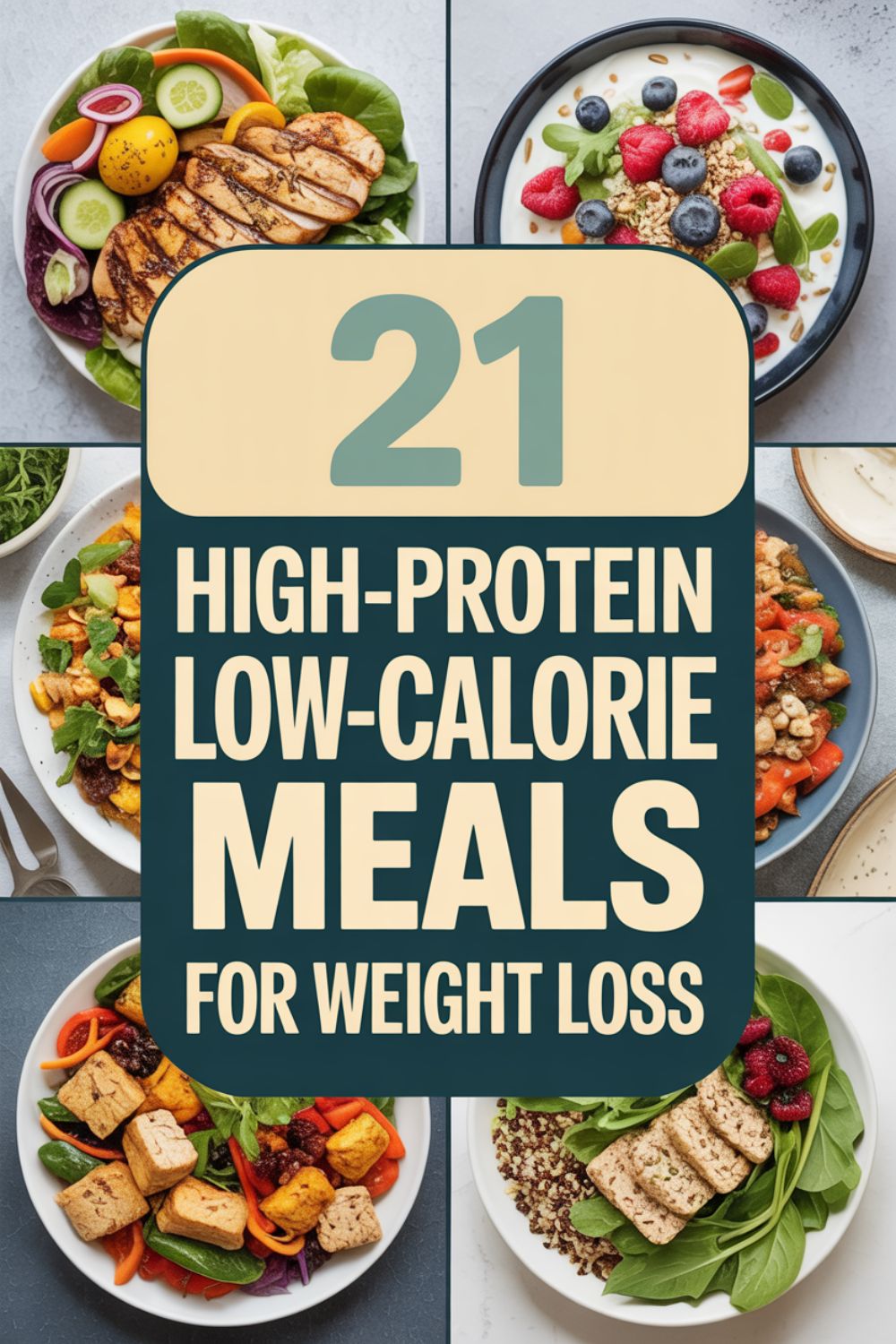
21 High-Protein, Low-Calorie Meals for Weight Loss
You know that feeling when you’re three hours into your diet and already fantasizing about pizza? Yeah, I’ve been there. The whole “eating less” thing sounds great until your stomach starts staging a full-scale rebellion by 2 PM. But here’s what I’ve figured out after years of trial and error: the secret isn’t eating less—it’s eating smarter. And that means loading up on protein while keeping those calories in check.
High-protein, low-calorie meals aren’t some magical unicorn food—they’re just really well-constructed dishes that keep you full without wrecking your daily calorie budget. We’re talking about meals that actually satisfy you, not those sad diet plates that leave you raiding the pantry an hour later.
Why Protein Actually Works for Weight Loss
Let’s talk science for a second, but I promise to keep it interesting. Research shows that protein increases satiety better than carbs or fats, which basically means it keeps you feeling full longer. Your body also burns more calories digesting protein than it does processing other macronutrients—we’re talking about a 20-30% thermic effect versus 5-10% for carbs.
But here’s the real kicker: when you’re in a calorie deficit, protein helps preserve your muscle mass. Losing weight is great, but losing muscle? Not so much. You want to drop fat, not turn into a smaller, weaker version of yourself. According to Mayo Clinic, adequate protein intake during weight loss helps maintain lean muscle while dropping unwanted pounds.
Plus, protein just makes food taste better and feel more substantial. Nobody’s getting excited about a plain salad, but throw some grilled chicken or chickpeas on there? Now we’re talking.
Aim for at least 25-30 grams of protein per meal. This isn’t just a random number—studies suggest this threshold maximizes muscle protein synthesis and keeps hunger at bay for hours.
The Breakfast Winners: Starting Your Day Right
Greek Yogurt Protein Bowl
I’m obsessed with this one because it takes literally two minutes and packs around 25 grams of protein. Grab a cup of plain Greek yogurt (not the flavored stuff loaded with sugar), toss in some berries, a tablespoon of chia seeds, and maybe a drizzle of honey if you’re feeling fancy. Around 250 calories and it’ll keep you satisfied until lunch.
The Greek yogurt I use comes in those big tubs—way more economical than buying individual cups. This large capacity yogurt container keeps it fresh for weeks in the fridge.
Egg White Veggie Scramble
Four egg whites scrambled with a whole egg (you need some of that yolk for the nutrients and taste, trust me), loaded with spinach, tomatoes, and mushrooms. Season it properly—I’m talking garlic powder, smoked paprika, maybe some fresh herbs if you’re not lazy like me. Comes in around 200 calories with 25+ grams of protein.
I cook this in a non-stick ceramic skillet that makes cleanup stupid easy. Zero scrubbing, just wipe and go.
Protein Pancakes That Don’t Taste Like Sadness
Mix a scoop of vanilla protein powder with two egg whites, a mashed banana, and a tiny splash of almond milk. Cook them like regular pancakes. They’re not going to taste exactly like IHOP, but they’re legitimately good and clock in around 300 calories with 30 grams of protein. Top with berries instead of syrup—you’re welcome.
Looking for more morning options? Check out these low-calorie breakfasts that actually keep you full or these calorie deficit breakfast ideas that don’t suck.
“I started making that egg white scramble every morning and honestly, the difference in my energy levels is insane. I’m not crashing by 10 AM anymore and I’ve dropped 8 pounds in six weeks without feeling deprived.”
Lunch Options That Won’t Put You in a Food Coma
Grilled Chicken Salad (But Make It Actually Good)
Four ounces of grilled chicken breast over mixed greens, cherry tomatoes, cucumbers, a handful of chickpeas for extra fiber, and a light vinaigrette made with balsamic and olive oil. This hits around 300 calories with 35 grams of protein. The key is seasoning that chicken properly—lemon juice, garlic, oregano. Don’t just cook it plain and wonder why eating healthy sucks.
I marinate everything in these reusable silicone food bags—less plastic waste and they actually work better than regular zip-tops.
Turkey and Hummus Wrap
Use a low-carb whole wheat tortilla, spread some hummus, pile on sliced turkey breast (the real stuff, not that processed deli meat), add lettuce, tomatoes, and maybe some pickled peppers if you want a kick. Roll it tight and you’ve got a 350-calorie lunch with around 30 grams of protein.
Pro tip: toast the wrap in a pan for a minute on each side. Game changer.
Tuna Salad Without the Mayo Mountain
Mix a can of tuna with plain Greek yogurt instead of mayo, add diced celery, a squeeze of lemon, and some dill. Serve it over cucumber slices or in lettuce cups. You’re looking at maybe 200 calories with 30 grams of protein. And before you make that face, the Greek yogurt actually tastes better than mayo IMO—it’s tangier and you’re not eating pure fat.
For more lunch inspiration that won’t bore you to tears, these low-calorie lunch ideas are solid. Or if you need variety, check out these meals under 300 calories that actually fill you up.
Meal Prep Essentials Used in This Plan
These are the BPA-free glass containers I use every single week. Microwave-safe, dishwasher-safe, and they don’t get gross and stained like plastic ones.
If you’re serious about portions, you need this. No more guessing if that’s really 4 ounces of chicken. Super accurate and the battery lasts forever.
Before committing to a giant tub, try a variety pack. I wasted so much money buying full-size containers of protein powder I hated.
Our most downloaded guide—includes shopping lists, macros, and prep instructions. Takes all the guesswork out.
50+ protein-packed recipes with full nutrition info. Everything from breakfast to desserts (yes, high-protein desserts exist).
Simple spreadsheet to track your daily protein, carbs, and fats. Way less annoying than apps with constant notifications.
Dinner Time: The Main Event
Baked Salmon with Roasted Veggies
Six ounces of salmon (which is a pretty generous portion) baked with lemon and herbs, served with roasted broccoli and asparagus. The whole plate comes in around 400 calories with 40 grams of protein. Salmon also gives you those omega-3s everyone keeps talking about.
Season the salmon with salt, pepper, garlic powder, and a tiny drizzle of olive oil. Bake at 400°F for about 12-15 minutes. The veggies go on the same pan—toss them with some seasonings and you’re basically done. One pan, minimal dishes, maximum results.
Lean Beef Stir-Fry
Five ounces of extra-lean ground beef (go for 93/7 or 96/4 lean-to-fat ratio), cooked with a ton of vegetables—bell peppers, snap peas, broccoli, whatever you’ve got. Use coconut aminos or low-sodium soy sauce for flavor. Serve it over cauliflower rice if you want to keep it super low-cal, or a small portion of brown rice if you need more carbs. Around 350-400 calories with 35 grams of protein.
The cast iron wok I use gets ridiculously hot and gives you that restaurant-style char on the veggies. Worth every penny.
Chicken Breast Done Three Ways That Don’t Suck
Let’s be real—chicken breast is the poster child for boring diet food. But it doesn’t have to be that way.
Option 1: Lemon Herb – Marinate in lemon juice, olive oil, garlic, and rosemary for at least 30 minutes. Grill or bake. Simple, classic, actually tastes like food.
Option 2: Spicy Mexican – Rub with chili powder, cumin, paprika, and a touch of cayenne. Cook it, slice it, throw it in lettuce cups with salsa and a dollop of Greek yogurt. Get Full Recipe
Option 3: Asian-Inspired – Marinate in ginger, garlic, low-sodium soy sauce, and a tiny bit of honey. Serve with steamed bok choy and snap peas. Get Full Recipe
All three versions clock in under 350 calories with 40+ grams of protein, assuming you’re using a 6-ounce portion.
Buy a pack of chicken breasts on Sunday, season them three different ways, and bake them all at once. You’ve got protein for the entire week without having to cook every single night.
Shrimp and Zoodles
Eight ounces of shrimp (they’re basically pure protein) sautéed with garlic and a bit of olive oil, tossed with zucchini noodles and cherry tomatoes. Season with red pepper flakes, basil, and a squeeze of lemon. You’re looking at maybe 300 calories with 35 grams of protein.
I make the zucchini noodles with one of those handheld spiralizers—takes about three minutes and way easier than buying the pre-spiralized kind that gets soggy.
If you’re vibing with the seafood situation, these low-calorie dinners under 350 calories have more options. And for nights when you just can’t even, these easy dinner ideas require minimal effort.
Snacks That Actually Help Instead of Sabotage
Cottage Cheese and Berries
Half a cup of low-fat cottage cheese with a handful of blueberries or strawberries. About 120 calories, 14 grams of protein. The cottage cheese gets a bad rap for being “old people food,” but if you can get past the texture thing, it’s honestly one of the best high-protein snacks out there.
Hard-Boiled Eggs
Two hard-boiled eggs give you around 140 calories and 12 grams of protein. Meal prep a dozen on Sunday and you’ve got snacks for days. Season them with everything bagel seasoning—trust me on this.
Turkey Roll-Ups
Take slices of turkey breast, spread a thin layer of hummus or mustard, add a slice of cheese if your calories allow, and roll them up. Three or four of these make a solid snack at around 150 calories with 20 grams of protein.
Need more snack ideas? These snacks under 150 calories won’t wreck your daily totals.
The Lazy Person’s High-Protein Shortcuts
Look, we all have those days when cooking feels like climbing Mount Everest. Here are some shortcuts that still keep you on track:
Rotisserie Chicken – Buy one from the grocery store, shred it, and you’ve got protein for multiple meals. Remove the skin to keep it leaner.
Canned Tuna or Salmon – Not exciting, but effective. Mix with Greek yogurt, seasonings, and you’ve got instant protein.
Frozen Cooked Shrimp – Thaw them, heat them up with whatever sauce or seasoning you want, boom. Dinner in ten minutes.
Protein Powder in Everything – Add it to oatmeal, yogurt, smoothies, or even mix it into pancake batter. It’s basically a cheat code for hitting your protein goals.
I keep a stash of these individual protein powder packets in my gym bag and desk drawer. They’re a lifesaver when you’re starving and about to make terrible food choices.
“The rotisserie chicken hack changed my meal prep game completely. I grab two on Sunday, shred them both, and boom—protein sorted for the week. Makes staying on track so much easier.”
The Meal Prep Strategy That Actually Works
Meal prep doesn’t have to mean eating the exact same boring meal seven times in a row. Here’s what I do: cook proteins in bulk with different seasonings, prep a bunch of vegetables, and mix-and-match throughout the week.
Sunday Prep Session:
- Bake or grill 3-4 pounds of chicken breast with different marinades
- Hard-boil a dozen eggs
- Chop vegetables for the entire week
- Portion out Greek yogurt and cottage cheese into individual containers
- Cook a big batch of quinoa or brown rice if you’re including carbs
This takes maybe two hours on Sunday afternoon, and then you’re basically set for the week. You can mix things up so you’re not eating identical meals—Monday’s grilled chicken salad becomes Wednesday’s chicken and veggie stir-fry.
For a complete roadmap, check out this 7-day high-protein meal plan that does the thinking for you. Or if you need something slightly higher, the 1500-calorie plan gives you a bit more flexibility.
Tools & Resources That Make Cooking Easier
Stop guessing if your chicken is done. This thing is accurate to the degree and saves you from dried-out protein.
I was skeptical but this cuts my prep time in half. Dice onions, peppers, whatever in seconds without the tears.
Crisps up chicken, fish, and veggies with minimal oil. Legitimately makes healthy food taste better.
Monthly grid to plan all your meals. Helps you shop smarter and waste less food.
All the recipes use affordable, accessible ingredients. No weird stuff you’ll use once and never touch again.
Free group where we share meal ideas, motivation, and real talk about weight loss. No toxic diet culture nonsense.
The Mistakes Everyone Makes (Including Me)
Not Seasoning Your Food
This is the number one reason people think healthy eating is boring. Plain grilled chicken with steamed broccoli? Yeah, that sucks. Same chicken with garlic, paprika, lemon, and herbs? Actually enjoyable. Spices and herbs have zero calories—use them liberally.
Forgetting About Vegetables
You need volume to feel full. Protein is great, but if you’re just eating a lonely chicken breast, you’re going to be hungry an hour later. Load up on non-starchy vegetables—they’re high in fiber, low in calories, and they bulk up your meals so you actually feel like you ate something substantial.
Drinking Your Calories
This isn’t about protein per se, but it’s worth mentioning. Those fancy coffee drinks, fruit juices, and “healthy” smoothies can pack hundreds of calories without satisfying your hunger. Stick to water, black coffee, or unsweetened tea most of the time. Save your calories for food that actually fills you up.
Speaking of drinks, these low-calorie drink options won’t sabotage your progress.
Being Too Restrictive
If you try to eat chicken and broccoli for every single meal, you’re going to crack and eat an entire pizza. I’ve seen it happen too many times. Allow yourself some variety and flexibility. Have the occasional higher-calorie meal you actually enjoy. Sustainability beats perfection every single time.
Follow the 80/20 rule—eat these high-protein, low-calorie meals 80% of the time, and leave 20% for foods you love that maybe aren’t as “clean.” This approach is way more sustainable long-term.
Making It Work in Real Life
Here’s the thing nobody talks about: eating this way requires a bit of planning, but it’s not rocket science. You don’t need to be a meal prep Instagram influencer with color-coordinated containers and perfect portions.
Start small. Pick three meals from this list and rotate them for a week. Once you’ve got those down, add a few more options. Before you know it, you’ve got a solid rotation of meals that hit your macros and actually taste good.
Grocery shopping becomes easier too. You’re buying mostly whole foods—proteins, vegetables, some healthy fats, and maybe some complex carbs depending on your calorie target. No more wandering the snack aisle wondering what you’re allowed to eat.
And yes, you can still eat out. Most restaurants will grill chicken or fish for you and sub vegetables for fries. You might feel a bit high-maintenance ordering, but whatever—your goals matter more than the server’s opinion of your modifications.
If you’re just starting out with calorie counting, this guide on losing weight without starving breaks down the basics. Or see what a realistic 1200-calorie day actually looks like.
The Reality Check
Look, I’m not going to lie and say eating high-protein meals while watching your calories is always easy or fun. Some days you’re going to want pasta and garlic bread and ice cream, and that’s normal. You’re human.
But here’s what I’ve learned: when you eat enough protein and keep your meals relatively low in calories most of the time, weight loss stops feeling like this massive struggle. You’re not constantly hungry. You’re not obsessing over food every second. You have energy to actually live your life instead of just surviving on lettuce and hope.
These meals work because they’re based on actual nutrition science, not some Instagram influencer’s detox tea. Research on high-protein diets consistently shows they help with fat loss while preserving muscle mass. The satiety factor is real—protein legitimately keeps you fuller longer than an equivalent amount of carbs or fats.
The biggest game-changer for me was realizing that “diet food” doesn’t have to mean sad, tasteless meals. It just means being strategic about what you’re putting on your plate. More protein, plenty of vegetables, reasonable portions, good seasonings. That’s literally it.
Frequently Asked Questions
How much protein do I actually need per day for weight loss?
Most research suggests aiming for 1.2-1.6 grams of protein per kilogram of body weight when you’re trying to lose weight. For a 150-pound person, that’s roughly 80-110 grams per day. This higher protein intake helps preserve muscle mass while you’re in a calorie deficit and keeps you feeling fuller longer. Don’t stress about hitting the exact number every single day—consistency over time matters more than perfection.
Can I lose weight eating high-protein meals if I’m vegetarian?
Absolutely. You’ll just swap animal proteins for plant-based options like tofu, tempeh, legumes, and protein-rich grains like quinoa. Greek yogurt, cottage cheese, and eggs (if you eat them) are also solid vegetarian protein sources. The principles are exactly the same—high protein, controlled calories, plenty of vegetables. You might need to be a bit more intentional about getting complete proteins, but it’s totally doable.
Why am I still hungry even when I eat enough protein?
First, make sure you’re actually hitting your protein targets—it’s easy to overestimate portions. Second, check if you’re eating enough fiber and vegetables alongside that protein. Volume matters for satiety. Third, give it time—your body needs a few days to adjust to new eating patterns. If you’re still genuinely hungry after a week or two, your calorie target might be too aggressive. Losing weight too fast isn’t sustainable anyway.
Do I need to count calories or just focus on eating high-protein foods?
Protein helps with satiety and preserves muscle, but weight loss still comes down to being in a calorie deficit. You could eat high-protein meals all day and still not lose weight if you’re eating too much total food. That said, because protein is so filling, many people naturally eat fewer calories when they prioritize it. Track your intake for at least a couple weeks to get a baseline understanding of where you’re at.
Is it safe to eat this much protein every day?
For healthy adults, eating 1.2-1.6 grams of protein per kilogram of body weight is considered safe and well within normal ranges. The idea that high protein damages your kidneys has been largely debunked for people with healthy kidney function. That said, if you have existing kidney issues or other health conditions, talk to your doctor before significantly changing your diet. They know your medical history better than any blog post does.
The Bottom Line
High-protein, low-calorie meals aren’t a magic fix, but they’re probably the closest thing to it when it comes to sustainable weight loss. You get to eat real food, you’re not constantly hungry, and you’re preserving your muscle mass instead of just getting smaller and weaker.
The 21 meal ideas I’ve shared here are just a starting point. Once you understand the basic formula—lean protein, lots of vegetables, smart seasoning, reasonable portions—you can create endless variations. Mix and match proteins, try different vegetable combinations, experiment with seasonings from different cuisines.
Weight loss is already hard enough without making yourself miserable eating bland, unsatisfying food. These meals prove you can hit your nutrition targets and actually enjoy what you’re eating. No suffering required.
Start with one or two meals from this list that sound good to you. Make them this week. See how you feel. Then gradually add more options to your rotation. Before you know it, eating this way becomes second nature instead of some big complicated ordeal.
You’ve got this. Now go cook something that actually tastes good and helps you reach your goals at the same time.
Similar Posts
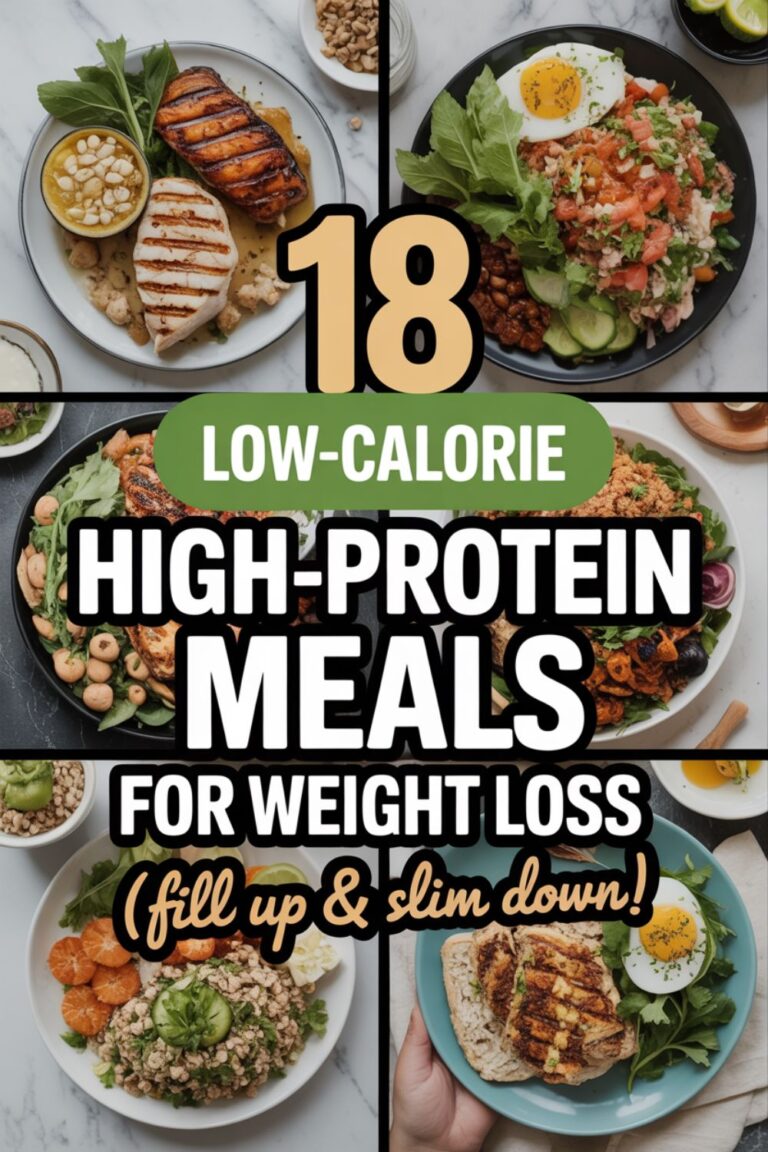
18 Low-Calorie High-Protein Meals for Weight Loss
18 Low-Calorie High-Protein Meals for Weight Loss 18 Low-Calorie High-Protein Meals for Weight Loss Look, I’m not going to sugarcoat this—losing weight while staying full is tough. But you know what makes it easier? Protein. Lots of it. And no, I’m not talking about choking down bland chicken breasts seven days a week. I’ve spent…
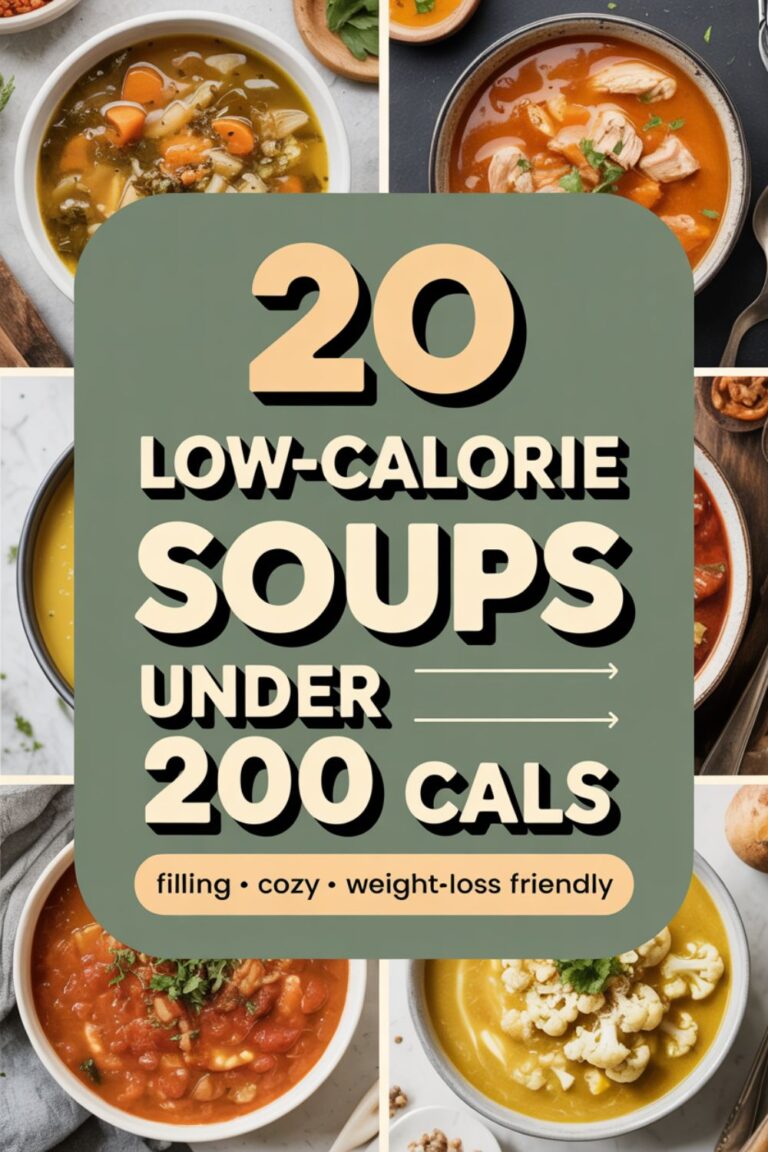
20 Low-Calorie Soups Under 200 Calories
20 Low-Calorie Soups Under 200 Calories | Purely Chic Life 20 Low-Calorie Soups Under 200 Calories Look, I’m not gonna lie to you—when someone told me I could eat massive bowls of soup and still lose weight, I thought they were selling snake oil. But here’s the thing: low-calorie soups actually work, and they don’t…
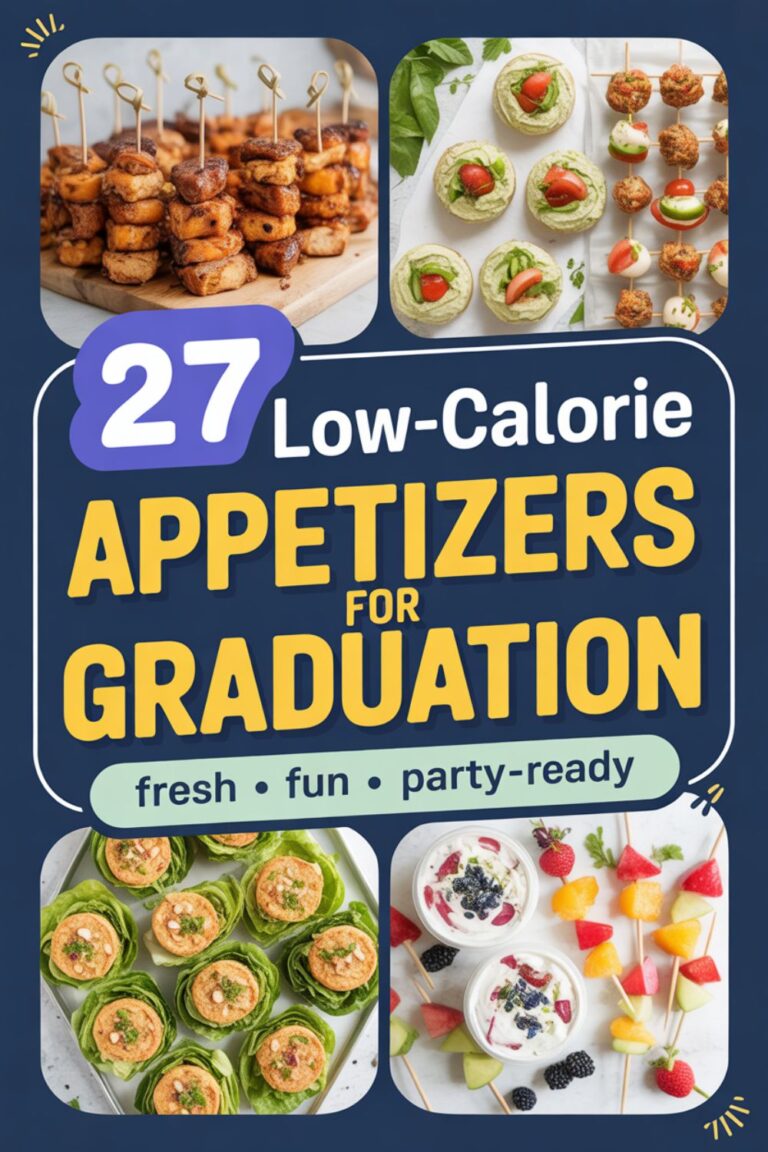
27 Low-Calorie Appetizers for Graduation That Actually Impress
27 Low-Calorie Appetizers for Graduation | Purely Chic Life Purely Chic Life — Real Food. Real Results. Party Planning + Weight Loss 27 Low-Calorie Appetizers for Graduation That Actually Impress Light bites that look gorgeous on a table, taste like you tried way harder than you did, and keep the calorie count firmly in check….
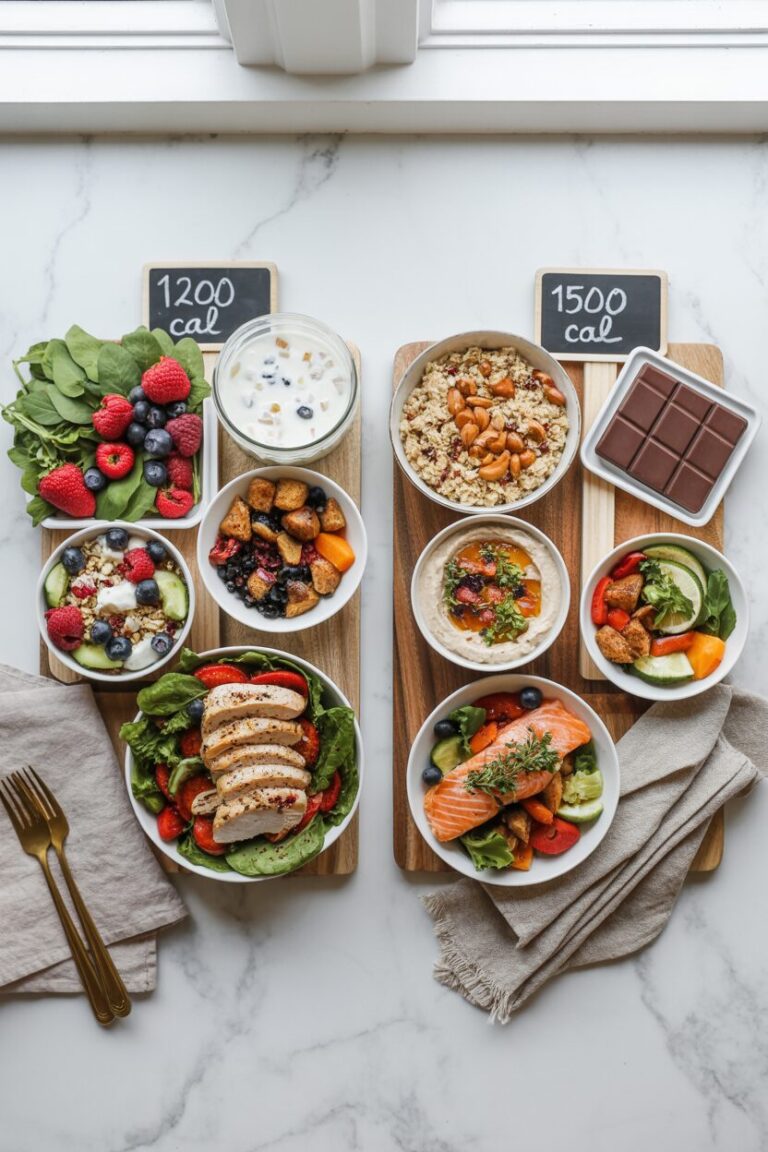
1200 vs 1500 Calorie Meal Plan: Which One Is Best for You?
1200 vs 1500 Calorie Meal Plan: Which One Is Best for You? Let’s get real for a second—choosing between a 1200 and 1500 calorie meal plan isn’t like picking between chocolate and vanilla ice cream. It’s a decision that affects your energy levels, your mood, your workouts, and honestly, whether you’ll actually stick with it…
20 Low-Calorie Comfort Foods That Actually Fill You Up
20 Low-Calorie Comfort Foods That Actually Fill You Up 20 Low-Calorie Comfort Foods That Actually Fill You Up Delicious, Satisfying Meals Without the Guilt Craving comfort food but worried about calories? You’re not alone. The good news is that you don’t have to sacrifice satisfaction to maintain a healthy lifestyle. These 20 low-calorie comfort foods…
19 Low-Calorie Vegetarian Spring Meals
19 Low-Calorie Vegetarian Spring Meals 19 Low-Calorie Vegetarian Spring Meals Spring hits different when you’re eating vegetarian, doesn’t it? The farmers’ markets explode with color, your kitchen windows stay open longer, and suddenly you’re not craving the same heavy comfort foods that got you through winter. You want fresh, bright, and filling—without the calorie bomb…