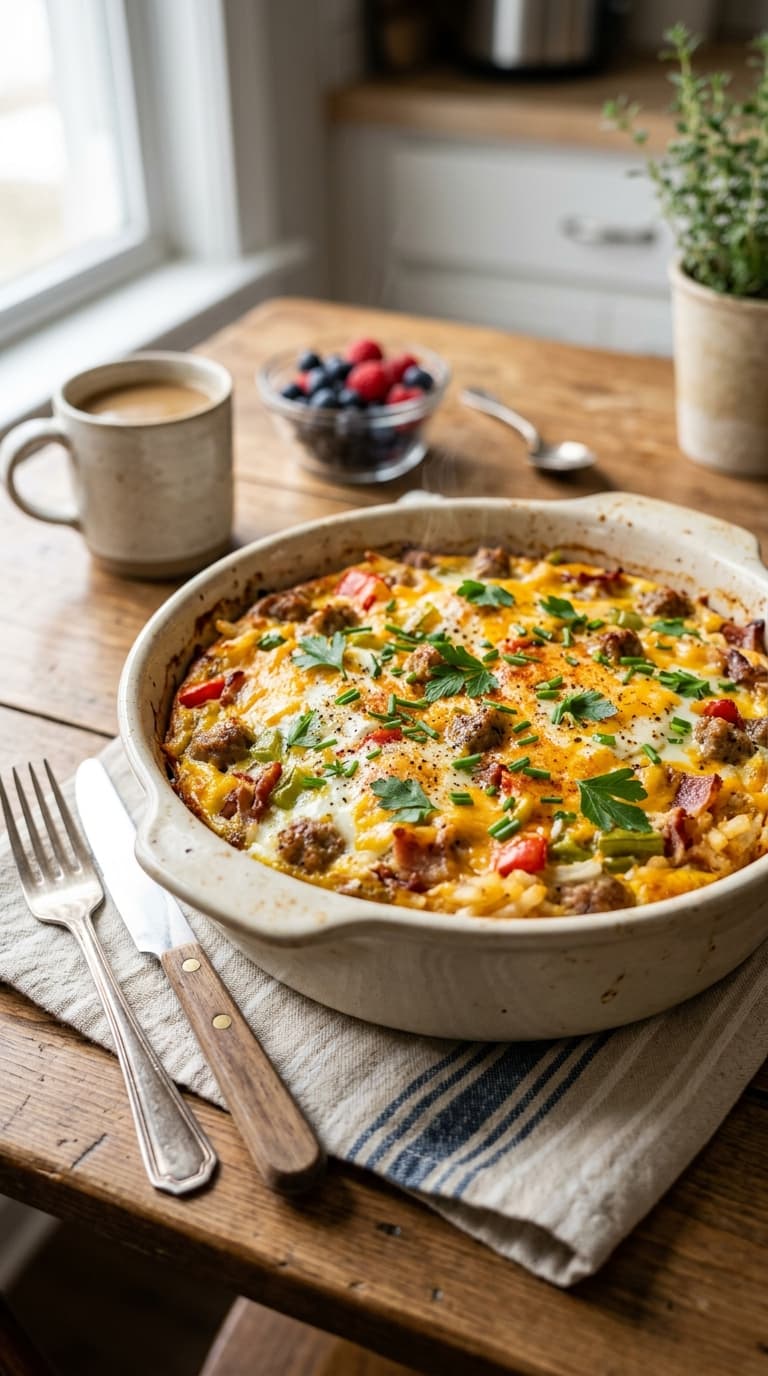
21 Calorie Deficit Breakfast Ideas for Losing Belly Fat
Let’s be real—when you’re trying to lose belly fat, breakfast becomes this weird balancing act. You need something filling enough to keep you from raiding the snack drawer by 10 AM, but light enough that you’re actually in a calorie deficit. And honestly? Most breakfast advice out there is either way too bland or completely unrealistic for busy mornings.
I’ve spent the last year experimenting with calorie deficit breakfasts that actually work, and I’m not talking about sad egg whites or those cardboard-flavored protein bars. These are real breakfasts that keep you satisfied, taste legitimately good, and won’t wreck your weight loss goals. The trick is finding that sweet spot where protein meets flavor without going overboard on calories.
Here’s the thing—creating a calorie deficit doesn’t mean starving yourself or choking down meals you hate. It means being strategic about what goes on your plate. And breakfast? That’s where you set the tone for your entire day.
Why Breakfast Actually Matters for Belly Fat
I used to be one of those people who’d skip breakfast and call it intermittent fasting. But after actually reading research on protein intake and weight loss, I realized I was doing myself zero favors. Your body needs fuel in the morning, especially if you want to avoid that afternoon crash where you demolish an entire sleeve of cookies.
The science behind it is pretty straightforward. When you eat a high-protein breakfast, your body burns more calories just digesting it compared to carbs or fats. Plus, protein keeps those hunger hormones in check so you’re not constantly thinking about your next meal. I’m talking about leptin and ghrelin—the hormones that basically control whether you feel like a bottomless pit or actually satisfied after eating.
But here’s where it gets interesting. Most people think belly fat is just about calories in versus calories out, and while that’s part of it, the quality of those calories matters too. A 300-calorie breakfast of sugary cereal hits your body completely differently than 300 calories of eggs and vegetables. One spikes your blood sugar and leaves you starving an hour later; the other keeps you steady and focused.
The Protein-First Approach That Changes Everything
Here’s my controversial take: if your breakfast doesn’t have at least 20 grams of protein, you’re setting yourself up for failure. I know that sounds harsh, but hear me out. When I started tracking my meals, I realized my “healthy” breakfasts were basically just carbs disguised as nutrition. Granola and yogurt? Sure, it sounds healthy, but most granolas are sugar bombs.
The goal is hitting that 25-30 gram protein sweet spot at breakfast. It’s not about being perfect—it’s about being strategic. Eggs are obvious, but don’t sleep on cottage cheese, Greek yogurt, or even leftover chicken if you’re feeling adventurous. IMO, anyone who judges you for eating last night’s grilled chicken for breakfast needs to mind their business.
If you’re serious about making this work, check out this high-protein meal plan that breaks down exactly how to structure your days. It’s honestly been a game-changer for understanding portion sizes without obsessing over every single calorie.
21 Breakfast Ideas That Won’t Leave You Starving
1. Greek Yogurt Power Bowl (280 calories)
Mix one cup of plain Greek yogurt with half a cup of mixed berries and a tablespoon of chia seeds. Top with a sprinkle of cinnamon and maybe a drizzle of honey if you need it. This combo gives you around 20 grams of protein and keeps you full for hours. The chia seeds expand in your stomach, which is a weird sensation at first but totally works.
2. Veggie-Loaded Egg Scramble (245 calories)
Two whole eggs scrambled with spinach, mushrooms, and bell peppers. I use this nonstick skillet because I’m lazy about scrubbing pans. Season it properly—salt, pepper, maybe some garlic powder if you’re feeling fancy. Get Full Recipe.
This is one of those breakfasts that looks impressive but takes maybe 10 minutes. The vegetables bulk it up so you’re eating a huge plate of food for minimal calories. Plus, the fiber from the veggies helps with digestion, which matters more than people talk about when it comes to belly fat.
3. Overnight Oats with Protein Boost (310 calories)
Half a cup of oats, one scoop of vanilla protein powder, almond milk, and whatever fruit you’ve got lying around. Let it sit overnight in these meal prep containers and grab it in the morning. The protein powder makes a massive difference in keeping you satisfied. Get Full Recipe.
4. Cottage Cheese and Avocado Toast (295 calories)
One slice of whole grain bread, quarter of an avocado mashed on top, and a generous scoop of cottage cheese. I know it sounds weird, but trust me. The cottage cheese adds serious protein without making it feel heavy. For more toast variations, check out these low-calorie breakfast ideas that won’t bore you to tears.
5. Breakfast Burrito Bowl (320 calories)
Skip the tortilla, keep the good stuff. Scrambled eggs, black beans, salsa, and a tiny bit of cheese in a bowl. This is basically deconstructed comfort food that happens to be protein-packed. The black beans add both protein and fiber, which is the magical combo for staying full.
6. Smoked Salmon and Cream Cheese on Cucumber (180 calories)
For mornings when you want something light but substantial. Slice cucumbers thick, spread a thin layer of light cream cheese, top with smoked salmon. It’s weirdly elegant for something so simple, and the omega-3s from the salmon are great for reducing inflammation.
Speaking of quick, protein-rich options, you might also love these high-protein calorie deficit breakfasts or this collection of easy breakfasts under 300 calories that you can prep ahead.
7. Protein Smoothie That Doesn’t Taste Like Chalk (260 calories)
One scoop protein powder, frozen berries, spinach (you can’t taste it, I promise), almond milk, and half a frozen banana for creamness. Blend it in this personal blender and you’re done. The key is using frozen fruit so it’s actually cold and thick, not watery nonsense.
8. Turkey Sausage and Egg Muffins (265 calories)
Whisk eggs with cooked turkey sausage, pour into silicone muffin cups, bake at 350°F for 20 minutes. Make a batch and you’ve got breakfast sorted for days. These reheat perfectly, which is rare for egg-based anything. Get Full Recipe.
9. Peanut Butter Banana Protein Oats (335 calories)
Regular oatmeal elevated. Cook your oats, stir in a tablespoon of natural peanut butter and half a sliced banana. Optional: add a scoop of protein powder if you want to hit 30+ grams. This is comfort food that happens to align with your goals.
The combination of complex carbs from the oats, healthy fats from the peanut butter, and natural sugars from the banana gives you sustained energy without the crash. Just watch your portions on the peanut butter—it’s calorie-dense and way too easy to overdo.
10. Egg White Veggie Frittata Slice (195 calories)
Make a big frittata on Sunday with egg whites, zucchini, tomatoes, and onions. Cut it into slices for the week. It’s like meal prep but for people who hate meal prep. The egg whites keep the calories low while vegetables add volume and nutrients.
11. Chia Pudding with Berries (240 calories)
Three tablespoons chia seeds in almond milk, left overnight to thicken. Top with berries in the morning. The texture is definitely an acquired taste, but chia seeds are packed with fiber and omega-3s. Plus, they keep you absurdly full for something so small.
12. Breakfast Stuffed Bell Peppers (210 calories)
Cut a bell pepper in half, remove the seeds, crack an egg into each half, and bake. Season with everything bagel seasoning because why not. It’s colorful, Instagram-worthy, and way more interesting than another plain scrambled egg. Get Full Recipe.
Meal Prep Essentials Used in This Plan
Honestly, the right tools make this whole calorie deficit thing so much easier. Here’s what I actually use:
- Glass meal prep containers with compartments – game changer for portioning out overnight oats and egg muffins without everything getting soggy
- Digital food scale – yeah, I resisted this for months, but once you start weighing your portions you realize how off your eyeballing was
- Silicone baking mats – for roasting vegetables or making egg muffins without the scrubbing aftermath
Digital Resources:
- 30-Day Breakfast Meal Plan PDF – takes the guesswork out of planning
- Calorie Deficit Calculator Spreadsheet – helps you figure out your actual numbers instead of guessing
- Grocery List Template – organized by store sections so you’re not zigzagging like a maniac
FYI, we also have a WhatsApp community where people share their breakfast wins and failures (mostly wins). It’s refreshingly honest and way more helpful than scrolling through perfect Pinterest boards.
13. Tofu Scramble with Veggies (225 calories)
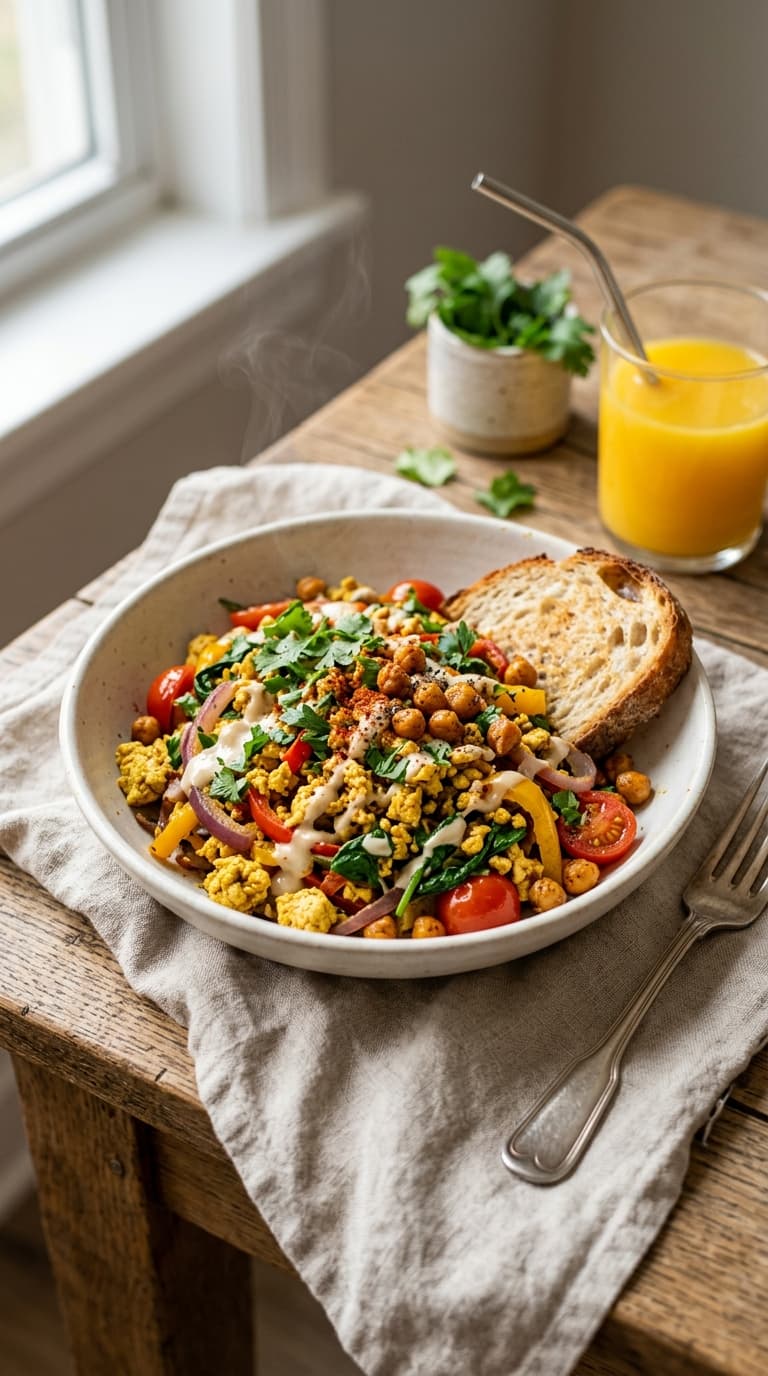
For the plant-based folks or anyone who needs a break from eggs. Crumble firm tofu, season it with turmeric, nutritional yeast, and black salt for an egg-like flavor. Add vegetables and you’ve got a breakfast that’s surprisingly satisfying. The turmeric isn’t just for color—it’s got anti-inflammatory properties that support overall health.
14. Protein Pancakes Done Right (290 calories)
Mix one mashed banana, two eggs, and a scoop of protein powder. Cook like regular pancakes in this griddle. They’re not quite traditional pancakes but they’re close enough, and they actually keep you full. Top with berries instead of syrup to keep calories in check.
For more variety in your morning routine, these calorie deficit breakfast ideas and breakfasts that won’t leave you hungry offer tons of options you can rotate through.
15. Breakfast Salad with Poached Egg (255 calories)
Mixed greens, cherry tomatoes, cucumber, and a perfectly poached egg on top. Drizzle with balsamic vinegar. I know breakfast salad sounds pretentious, but when that runny yolk mixes with the greens? Chef’s kiss. The egg provides protein while vegetables add volume and fiber without piling on calories.
16. Almond Butter Apple Slices (185 calories)
One apple sliced thin with a tablespoon of almond butter for dipping. Simple but effective. The apple’s fiber slows down digestion of the nut butter, preventing blood sugar spikes. This is my go-to when I need something quick but don’t want to cook.
17. Shakshuka (270 calories)
Eggs poached in spiced tomato sauce. It sounds fancy but it’s basically eggs in marinara with Middle Eastern spices. Use this cast iron skillet if you have one—it makes it taste better, I swear. Serve with a small piece of whole grain bread for dipping. Get Full Recipe.
18. Cottage Cheese Protein Bowl (295 calories)
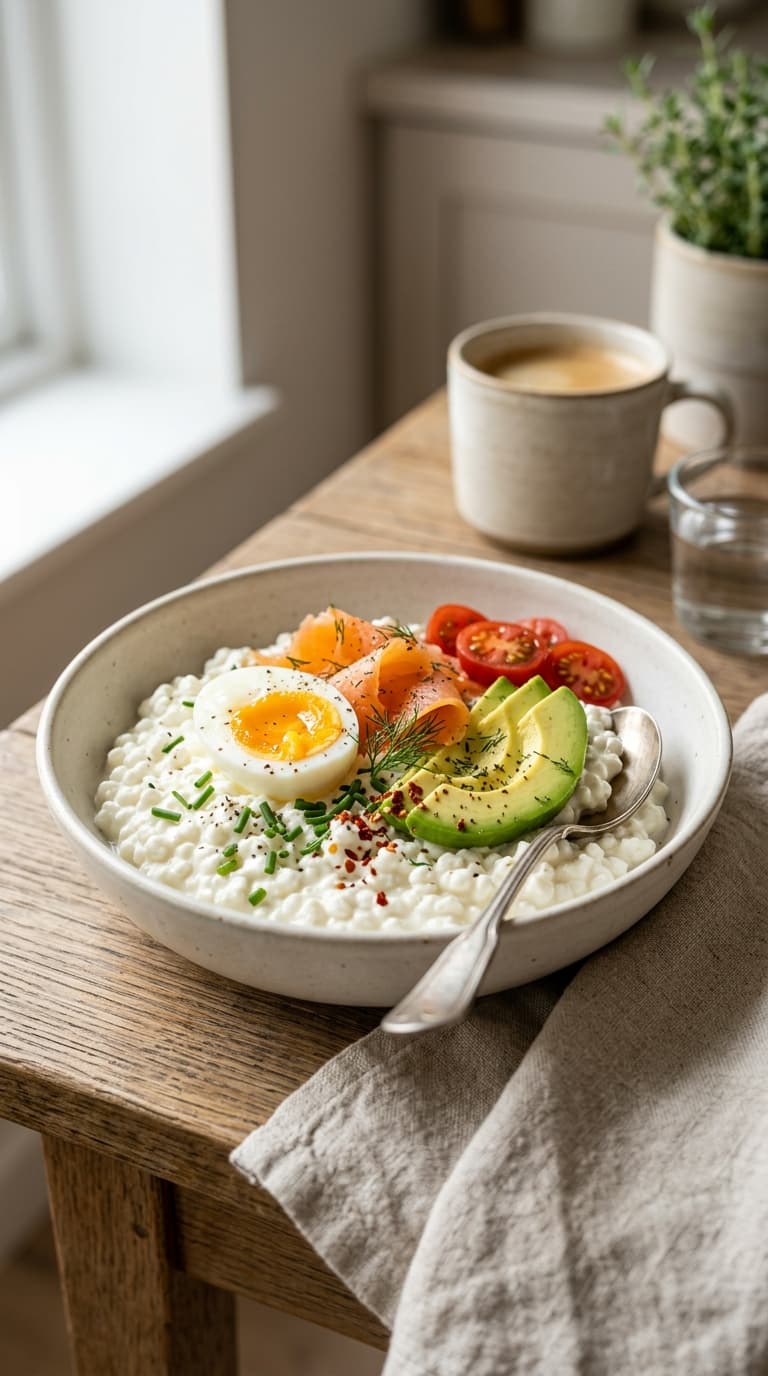
One cup cottage cheese, sliced cucumber, cherry tomatoes, everything bagel seasoning. It’s savory, it’s different, and it packs about 25 grams of protein. This has become my weekday default because it requires literally zero cooking.
19. Sweet Potato Breakfast Hash (310 calories)
Dice sweet potato small, cook in a pan with diced bell peppers and onions. Top with a fried egg. The sweet potato adds complex carbs that actually give you energy, unlike the refined stuff. For a complete morning meal strategy, pair this with tips from this beginner-friendly meal plan.
20. Protein Chia Breakfast Bars (245 calories)
These are make-ahead miracles. Mix protein powder, chia seeds, oats, nut butter, and honey. Press into a pan, refrigerate, cut into bars. Keep them in these storage containers and grab one when you’re running late. Get Full Recipe.
21. Breakfast Quesadilla (285 calories)
One small whole wheat tortilla, scrambled egg, low-fat cheese, and salsa. Fold it, cook it until crispy. It feels indulgent but fits perfectly into a calorie deficit. The key is using a smaller tortilla and not going crazy with the cheese.
Tools & Resources That Make Cooking Easier
These aren’t essentials, but they’ve made my breakfast routine way less painful:
- Mini food processor – perfect for chopping vegetables or making nut butter
- Egg cooker that does poached, boiled, and scrambled – sounds gimmicky but it’s actually consistent
- Portion control plates with measurements – helps train your eye for proper serving sizes
Digital Products Worth Having:
- Macro-tracking app subscription – takes two minutes to log meals once you get the hang of it
- Recipe conversion calculator – turns any recipe into single servings with adjusted calories
- Weekly meal prep guide – walks you through the Sunday routine that sets up your entire week
The Mistakes I Made So You Don’t Have To
Let me save you some frustration. When I first started this calorie deficit breakfast thing, I went way too aggressive. I’m talking 150-calorie breakfasts that left me ready to gnaw my own arm off by 11 AM. That’s not sustainable, and it’s not smart. Your breakfast should be roughly 25-30% of your daily calories if you’re aiming for steady weight loss.
Another mistake? Thinking all calories are equal. A 300-calorie donut and a 300-calorie egg scramble with vegetables are not the same. The donut spikes your blood sugar, crashes it an hour later, and leaves you craving more sugar. The eggs and veggies keep your blood sugar stable and provide actual nutrition your body can use.
I also learned the hard way that skipping fat entirely backfires. Your body needs some fat to absorb vitamins and keep hormones functioning properly. A tablespoon of olive oil or a quarter of an avocado isn’t going to derail your progress. What derails progress is eating too little, getting miserable, and then binge-eating an entire pizza on Friday night because you’re over it.
If you’re trying to figure out the right calorie target for you, this breakdown of 1200 vs 1500 calorie meal plans might help clarify what actually makes sense for your body and activity level.
Making It Work for Your Actual Life
Here’s the truth nobody wants to hear: meal prep isn’t optional if you want this to work long-term. I’m not saying you need to spend six hours every Sunday, but dedicating even an hour to basic prep makes weekday mornings infinitely easier. Hard boil eggs, portion out Greek yogurt into containers, chop vegetables, maybe make a batch of egg muffins.
The key is finding your non-negotiables. For me, coffee is sacred and I’m not giving it up. So I account for the calories in my creamer and adjust other parts of breakfast accordingly. Some people need their toast, others need fruit. Figure out what you’ll actually stick to, because the perfect plan you hate is worse than the pretty-good plan you can maintain.
Consistency beats perfection every single time. If you nail your breakfast five days a week and have pancakes on Saturday, you’re still way ahead of where you’d be obsessing over making everything perfect and then giving up entirely after two weeks.
Looking for more meal ideas throughout your day? These collections of low-calorie lunches and dinners under 350 calories complement any breakfast strategy perfectly.
The Science Behind Why This Actually Works
Let’s talk about what’s happening in your body when you eat these higher-protein, calorie-controlled breakfasts. When you consume protein, your body releases peptide YY, a hormone that signals fullness to your brain. It also reduces ghrelin, the hormone that makes you feel hungry. This hormonal shift is why you can eat 300 calories of eggs and feel satisfied, but 300 calories of cereal leaves you searching for snacks an hour later.
The thermic effect of food is another factor. Your body burns calories just digesting what you eat. Protein has a thermic effect of about 20-30%, meaning you burn 20-30% of the calories from protein just processing it. Fat is around 0-3%, and carbs are 5-10%. Over time, these differences add up significantly.
Regarding belly fat specifically, research suggests that higher protein intake correlates with less abdominal fat. While you can’t spot-reduce fat (despite what Instagram ads claim), creating a calorie deficit while maintaining adequate protein helps preserve muscle mass during weight loss. More muscle means a higher metabolic rate, which means you burn more calories even at rest.
For a deeper understanding of how calorie deficits work long-term, check out this guide on how to lose weight without starving that covers the metabolic adaptation your body goes through.
Grocery Shopping Without Losing Your Mind
My grocery bill actually went down when I started focusing on these breakfasts, which surprised me. Eggs are cheap, Greek yogurt in bulk is affordable, and seasonal vegetables cost less than processed breakfast foods. The key is buying what you’ll actually use and not getting distracted by every fancy new product.
Here’s what’s always on my list: a dozen eggs, two large containers of Greek yogurt, whatever vegetables look good that week, frozen berries (they’re cheaper and last forever), bulk oats, and a good protein powder. These ingredients cover probably 80% of the breakfast ideas I just mentioned.
Skip the “diet” or “low-fat” versions of everything. They usually have added sugar to compensate for the removed fat, and they taste like disappointment. Full-fat Greek yogurt keeps you fuller and tastes infinitely better. Just measure your portions and account for the calories.
One underrated strategy: shop the perimeter of the store first. That’s where the eggs, dairy, produce, and meat live. The middle aisles are mostly processed foods that will tempt you away from your goals. Get what you need from the edges, then strategically hit the middle for oats, spices, and other staples.
Need more guidance on smart grocery choices? This list of low-calorie grocery items to always buy and these foods specifically targeting belly fat can streamline your shopping trips.
Frequently Asked Questions
How much protein do I really need at breakfast for weight loss?
Aim for 25-30 grams of protein at breakfast to maximize satiety and support muscle maintenance during weight loss. This amount helps regulate appetite hormones and keeps you feeling full until lunch. You don’t need to hit this target perfectly every day—consistency over weeks matters more than daily perfection.
Can I meal prep these breakfasts for the entire week?
Most of these breakfasts prep well, but use common sense. Egg muffins, overnight oats, and chia pudding last 4-5 days in the fridge. Fresh ingredients like avocado or cut fruit should be prepped closer to when you’ll eat them. Hard boiled eggs keep for a week, and cooked proteins like turkey sausage last 3-4 days.
What if I’m not hungry first thing in the morning?
That’s totally fine—you don’t have to force breakfast if you’re not hungry. But if you find yourself starving by 10 AM and making poor food choices, you might benefit from a smaller, protein-rich breakfast. Try a Greek yogurt or protein smoothie that’s easy to get down even when you’re not particularly hungry.
Are these breakfast ideas suitable for people with dietary restrictions?
Many of these can be adapted. Egg-based recipes have tofu scramble alternatives, dairy can be swapped for plant-based options, and gluten-free versions work for most grain-based breakfasts. The protein-first principle applies regardless of dietary restrictions—just find your preferred protein sources and build around them.
How quickly will I see results from eating these breakfasts?
Weight loss isn’t just about breakfast—it’s about your overall calorie deficit throughout the day. That said, most people notice less hunger and more stable energy within the first week of switching to higher-protein breakfasts. Actual weight loss depends on your total daily intake, activity level, and starting point, but steady progress typically shows within 2-3 weeks.
Final Thoughts on Making This Stick
Look, I could sit here and tell you that eating these breakfasts will magically melt belly fat in two weeks, but that would be garbage. What these breakfasts do is give you a fighting chance at maintaining a calorie deficit without feeling miserable. They provide the protein your body needs to preserve muscle while losing fat, the fiber to keep your digestive system happy, and enough flavor that you won’t feel like you’re punishing yourself.
The biggest lesson I learned is that sustainable weight loss isn’t about willpower—it’s about systems. Having breakfast options you actually enjoy, that are relatively quick to prepare, and that keep you satisfied makes the whole process infinitely more manageable. You’re not white-knuckling through every morning, dreaming about donuts. You’re just eating food that happens to align with your goals.
Start with three or four of these breakfasts that sound appealing to you. Master those, rotate them for a few weeks, then add more variety if you want it. You don’t need to make all 21 immediately. The goal is finding what works for your schedule, your taste preferences, and your budget.
And remember—some days you’re going to eat something that’s not on this list, and that’s fine. One breakfast doesn’t ruin anything. What matters is what you do most of the time, not what you do occasionally. These recipes are tools, not rules. Use them to build a breakfast routine that supports your goals without making you miserable.