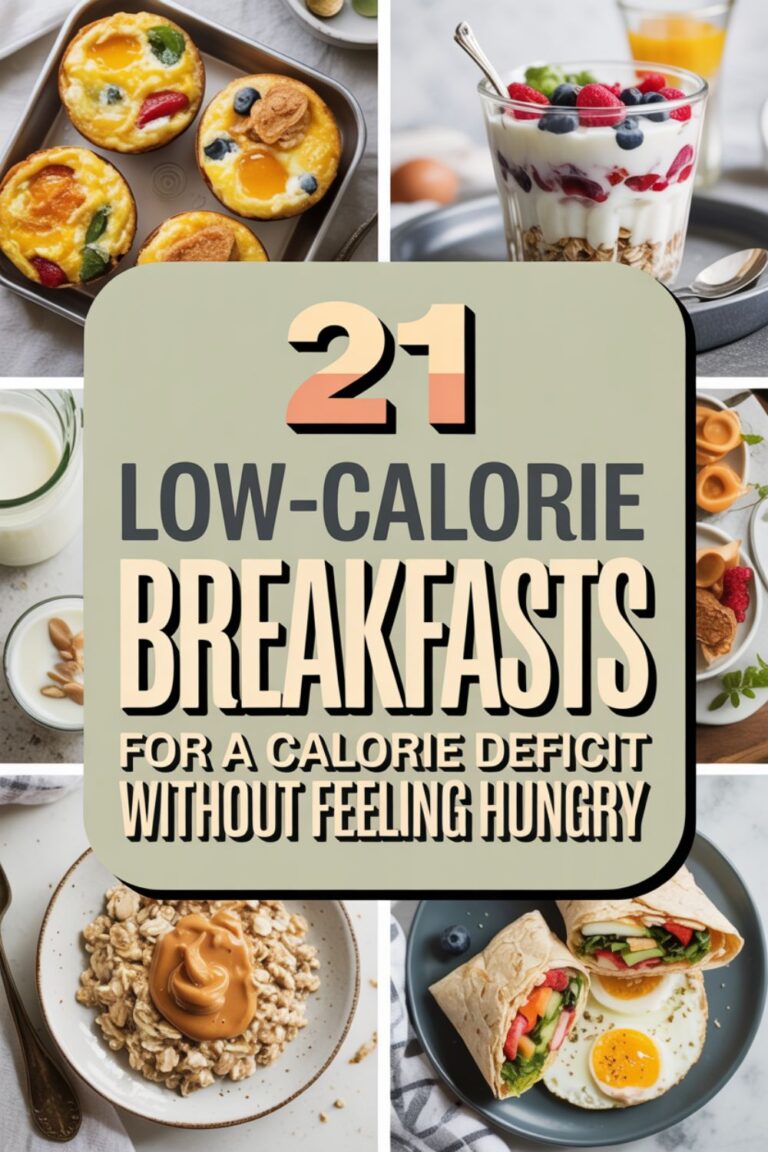
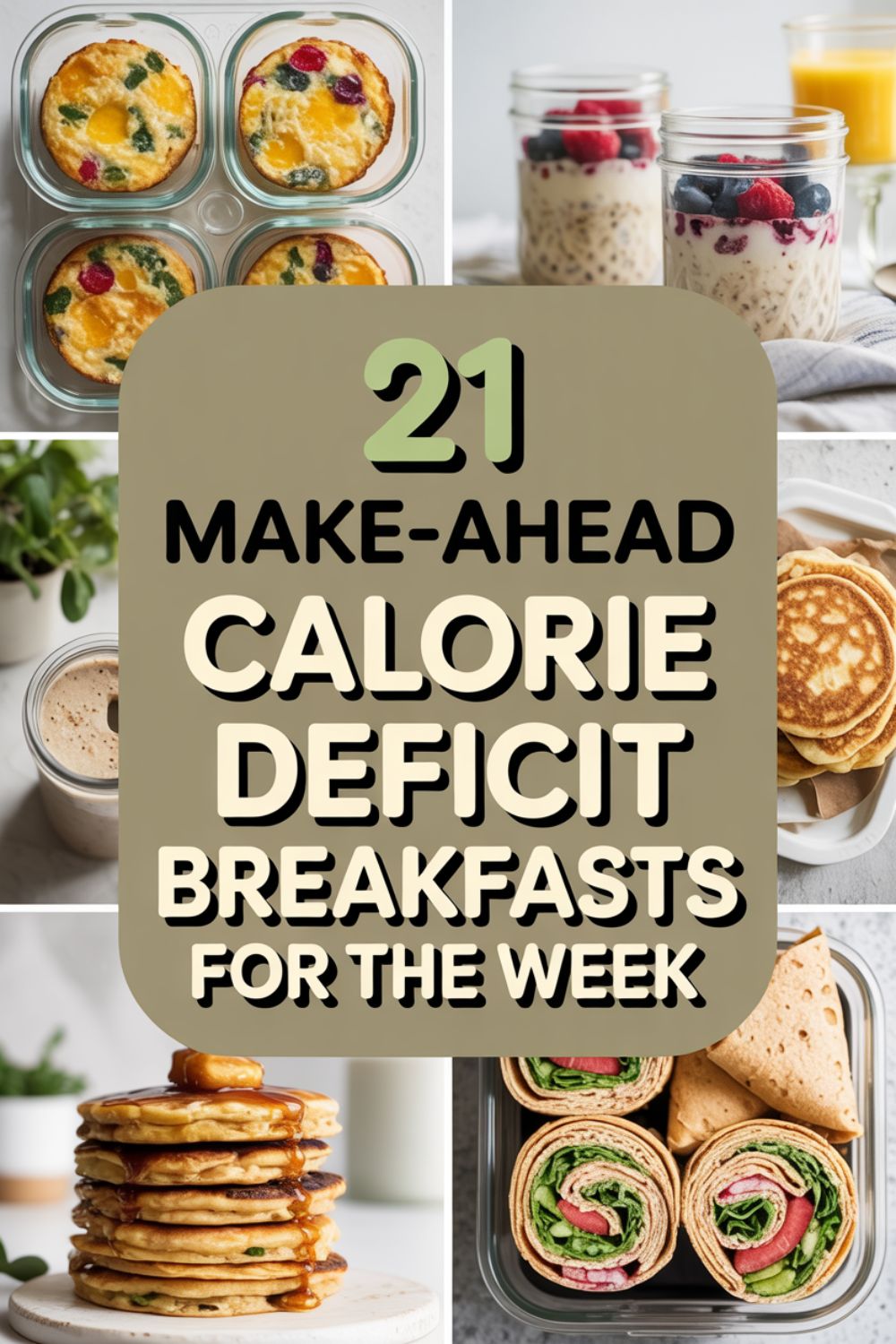
21 Make-Ahead Calorie Deficit Breakfasts for the Week
Look, I’m not here to sugarcoat it—mornings are chaos. Between hitting snooze seventeen times, finding matching socks, and pretending you know where your keys are, the last thing you want to deal with is figuring out what to eat. But here’s the kicker: if you’re trying to lose weight without feeling like you’re starving, breakfast isn’t optional. It’s your secret weapon.
I used to think meal prepping breakfast meant sad, soggy overnight oats or those rubbery egg muffins that taste like regret. Turns out, I was doing it all wrong. The real magic happens when you prep smart, not hard. We’re talking about breakfasts that actually keep you full, hit your calorie deficit goals, and don’t require a culinary degree to pull off.
So if you’ve been skipping breakfast because you think it takes too much time, or you’ve been white-knuckling it through the morning with just coffee, this is your intervention. These 21 make-ahead breakfasts are designed for real life—the kind where you don’t have an extra hour in the morning and you definitely don’t want to be hungry by 10 AM.
Why Breakfast Actually Matters in a Calorie Deficit
Here’s what nobody tells you about eating in a calorie deficit: it’s not just about eating less. It’s about eating smarter. Research shows that the composition of your breakfast—specifically the protein and fiber content—has a huge impact on how satisfied you feel throughout the day.
Think about it. If you start your day with a bagel and coffee, your blood sugar spikes, crashes, and suddenly you’re face-first in the office vending machine. But when you prioritize protein and fiber? Game changer. Studies indicate that high-protein breakfasts can increase satiety and reduce calorie intake later in the day. That’s not diet culture talking—that’s just basic biology.
Pro Tip
Aim for at least 20-30 grams of protein at breakfast. This isn’t just for the gym bros—protein keeps your hunger hormones in check and helps preserve muscle mass while you’re losing fat.
The other thing? Meal prepping breakfast removes decision fatigue. You’re not standing in front of the fridge at 6 AM trying to calculate if that leftover pizza fits your macros. Everything’s already portioned, ready to grab, and perfectly aligned with your goals.
For more insight on balancing your daily calories, check out this guide on choosing between 1200 and 1500 calories based on your lifestyle and activity level.
The Building Blocks of a Perfect Calorie Deficit Breakfast
Not all breakfasts are created equal, especially when you’re trying to stay in a deficit without losing your mind. Here’s what actually works:
Protein Is Non-Negotiable
Eggs, Greek yogurt, cottage cheese, protein powder—these are your friends. Protein takes longer to digest than carbs, which means you stay fuller longer. It also helps maintain muscle mass when you’re in a calorie deficit, which is kind of the whole point. Nobody wants to lose weight and end up looking like a deflated balloon.
Fiber Keeps Things Moving (Literally)
Oats, chia seeds, berries, vegetables—fiber is the unsung hero of weight loss. It slows down digestion, keeps you satisfied, and helps regulate blood sugar. Plus, let’s be real, nobody’s thriving when they’re backed up.
Healthy Fats in Moderation
A little bit of almond butter, some avocado, a handful of nuts—these add flavor and satiety without blowing your calorie budget. The key word here is “moderation.” Yes, avocado is healthy, but half an avocado is like 120 calories. Do the math.
Volume Without the Calories
This is where vegetables come in clutch. Spinach, mushrooms, tomatoes, bell peppers—they add bulk to your meals without adding a ton of calories. Plus, they’re packed with vitamins and minerals that keep your body functioning properly while you’re eating less.
If you’re looking for more low-calorie meal ideas beyond breakfast, these 25 meals under 300 calories are both healthy and filling.
Meal Prep Essentials Used in This Plan
Listen, you don’t need a ton of fancy equipment to meal prep like a pro, but having a few solid tools makes everything easier. Here’s what actually gets used in my kitchen:
Physical Products That Actually Matter:
- Glass meal prep containers with snap-lock lids – I’m talking about the kind that actually seal properly and don’t stain after one use. The 3-compartment ones are perfect for keeping your protein, carbs, and veggies separate. No more soggy disasters.
- Mason jars for overnight oats – Get the wide-mouth ones. Trust me on this. You’ll thank me when you’re not scraping oats from the bottom with a tiny spoon at 7 AM. The 16-oz size is perfect for most breakfast portions.
- Silicone muffin cups – These are clutch for making egg muffins without the cleanup nightmare. They’re reusable, pop right out, and you can toss them in the dishwasher. The 12-cup set means you’re making enough for most of the week in one go.
Digital Products & Resources:
- Calorie tracking app – Whether it’s MyFitnessPal or Cronometer, having one place to log everything keeps you honest. The free versions work fine for most people.
- Meal planning spreadsheet template – A simple Google Sheet where you can map out your week, track what’s in your fridge, and avoid buying stuff you don’t need. Nothing fancy, just functional.
- Kitchen scale app – If you’re serious about portions, you need to weigh your food. Some apps even have barcode scanners that make logging faster.
Having the right setup takes the guesswork out of meal prep. You’re not reinventing the wheel every Sunday—you’re just following a system that works.
21 Make-Ahead Calorie Deficit Breakfast Ideas
1. Classic Protein-Packed Overnight Oats
This is the MVP of make-ahead breakfasts. Mix 1/2 cup rolled oats, 1/2 cup unsweetened almond milk, 1/2 cup Greek yogurt, 1 tablespoon chia seeds, and a scoop of vanilla protein powder. Top with berries in the morning. Clocks in around 300 calories and keeps you full for hours.
The best part? You can make five jars on Sunday and literally not think about breakfast until Friday. Get Full Recipe
2. Veggie-Loaded Egg Muffins
Scramble 12 eggs with spinach, bell peppers, mushrooms, and a bit of feta. Pour into a muffin tin and bake at 350°F for 20 minutes. Two muffins = about 180 calories and 16 grams of protein. These reheat perfectly in the microwave.
3. Peanut Butter Banana Overnight Oats
Same base as the classic oats, but add 1 tablespoon of natural peanut butter and half a sliced banana. The combo of complex carbs, protein, and healthy fats keeps your energy steady. Around 350 calories, and it tastes like dessert for breakfast.
Quick Win
Prep your dry oat mixtures in advance and store them in individual containers. In the morning, just add liquid and you’re done. Seriously cuts down on Sunday meal prep time.
4. Greek Yogurt Parfait Prep Jars
Layer nonfat Greek yogurt, a small handful of granola, and mixed berries in a mason jar. Keep the granola separate until you’re ready to eat so it doesn’t get soggy. About 250 calories with 20 grams of protein.
5. Cottage Cheese Power Bowl
1 cup low-fat cottage cheese, topped with cucumber slices, cherry tomatoes, and everything bagel seasoning. Weird? Maybe. Delicious and only 150 calories? Absolutely. High protein, savory, and shockingly satisfying.
6. Chocolate Peanut Butter Protein Oats
Add 1 tablespoon cocoa powder and a tablespoon of powdered peanut butter to your overnight oats base. Tastes indulgent, but it’s around 280 calories. This one’s a lifesaver when you’re craving something sweet.
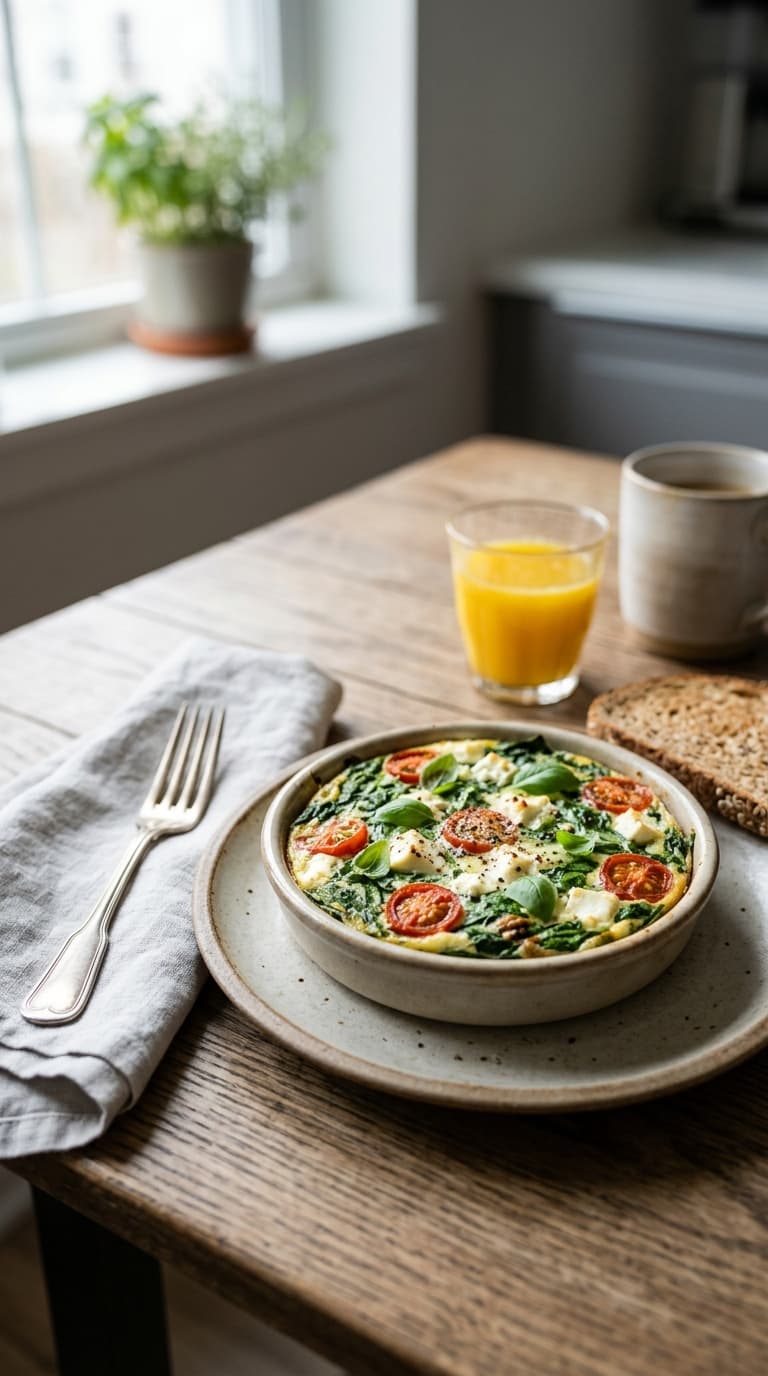
7. Spinach and Feta Egg Cups
Whisk eggs with wilted spinach, crumbled feta, and a pinch of garlic powder. Bake in muffin cups. These are basically crustless mini quiches that reheat like a dream. Two cups = 200 calories.
8. Apple Cinnamon Protein Oats
Dice a small apple and mix it into your overnight oats with cinnamon and a scoop of vanilla protein. The apple adds natural sweetness and fiber without needing added sugar. Roughly 320 calories.
Speaking of protein-rich options, if you’re specifically looking for more ideas, check out these 21 high-protein calorie deficit breakfasts that really deliver on the satiety factor.
9. Chia Seed Pudding with Berries
Mix 3 tablespoons chia seeds with 1 cup unsweetened almond milk and a splash of vanilla extract. Let it sit overnight. Top with fresh berries. Around 200 calories and surprisingly filling thanks to all that fiber.
10. Turkey Sausage and Veggie Scramble
Cook turkey sausage with bell peppers and onions, then scramble with egg whites. Portion into containers and reheat throughout the week. About 250 calories per serving with solid protein.
11. Almond Butter and Banana Protein Smoothie Packs
Prep freezer bags with banana chunks, a tablespoon of almond butter, spinach, and a scoop of protein powder. In the morning, dump it in the blender with almond milk. Done in 2 minutes, around 300 calories.
12. Savory Oatmeal with Egg
Cook steel-cut oats with chicken broth instead of water. Top with a fried egg, avocado slices, and hot sauce. This might sound weird, but it’s fantastic. Roughly 350 calories and incredibly satisfying.
13. Blueberry Vanilla Protein Muffins
Make a batch of protein muffins using oat flour, protein powder, egg whites, Greek yogurt, and blueberries. These freeze beautifully. Two muffins = about 280 calories. Pop one in the microwave and you’re golden.
14. Cucumber and Cream Cheese Roll-Ups
Spread light cream cheese on turkey slices, add cucumber sticks, and roll them up. Prep five servings and keep them in the fridge. Each serving is roughly 150 calories. Perfect if you’re not a breakfast person but need something light.
15. Pumpkin Spice Overnight Oats
Add pumpkin puree, pumpkin pie spice, and a bit of maple syrup to your overnight oats. It’s like fall in a jar. Around 300 calories and loaded with vitamin A and fiber.
16. Smoked Salmon and Avocado Toast Prep
Store smoked salmon portions and sliced avocado separately. In the morning, toast whole grain bread and assemble. Add everything bagel seasoning. About 300 calories depending on the bread.
Pro Tip
Keep your avocados in the fridge once they’re ripe. They’ll last way longer. And squeeze some lemon juice on the cut side to prevent browning—it actually works.
17. Breakfast Burrito Freezer Packs
Scramble eggs with black beans, salsa, and a bit of cheese. Wrap in whole wheat tortillas, individually wrap in foil, and freeze. Microwave for 2 minutes and you’ve got a 350-calorie breakfast that tastes like you actually tried.
18. Coconut Chia Pudding
Use coconut milk instead of almond milk for your chia pudding. Add shredded coconut and mango chunks. It’s tropical, refreshing, and about 250 calories. Great for when you’re bored of the same old stuff.
19. Mushroom and Spinach Frittata Slices
Make a big frittata with eggs, mushrooms, spinach, and a bit of cheese. Bake it, slice it, and store the pieces. One slice is around 200 calories and reheats perfectly. Pair it with fruit if you need more calories.
20. Protein Pancake Batch
Make a batch of protein pancakes using protein powder, mashed banana, and eggs. Cook them all, freeze them with parchment paper between each pancake, and reheat as needed. Three pancakes = roughly 300 calories. Top with a tiny bit of maple syrup or Greek yogurt.
21. Sweet Potato and Egg Breakfast Hash
Dice sweet potatoes and roast them. Mix with scrambled eggs, bell peppers, and onions. Portion into containers. Around 320 calories per serving and packed with vitamins and fiber.
For even more variety throughout the day, these 30 low-calorie lunch ideas make great companions to these breakfasts.
How to Actually Stick to Meal Prepping
Okay, so you’ve got the ideas. Now let’s talk about execution, because knowing what to make and actually doing it are two different things.
Pick One Prep Day and Commit
For most people, Sunday works. Block out 2-3 hours, put on a podcast, and knock out your breakfast prep for the week. It’s not glamorous, but neither is being hungry and desperate at 10 AM.
Start Small
Don’t try to prep 21 different breakfasts your first week. Pick three recipes, make enough for five days, and see how it goes. Once you’ve got a system, you can expand.
Label Everything
I know it seems obvious, but trust me—three days from now, you’re not going to remember which container is the peanut butter oats and which one is the apple cinnamon. Use masking tape and a marker if you have to.
Invest in Quality Containers
Cheap containers leak, stain, and warp in the microwave. It’s worth spending a bit more upfront for something that’ll last. Glass is ideal if you’re reheating in the oven, but good quality BPA-free plastic works too.
Also, make sure you’re setting yourself up for success with the right approach. This guide on how to lose weight on 1200-1500 calories without starving covers the mental and practical strategies that actually work.
Tools & Resources That Make Cooking Easier
Real talk: having the right tools doesn’t guarantee success, but it definitely makes the whole process less painful. Here’s what I actually use:
Physical Tools Worth Owning:
- Digital kitchen scale – Stop guessing portion sizes. A serving of peanut butter is 2 tablespoons, which is roughly 32 grams. Without a scale, you’re probably eating double that and wondering why you’re not losing weight.
- Handheld milk frother – Sounds random, but it’s perfect for mixing protein powder into oats without clumps. Also great for making fancy coffee without leaving your house.
- Sheet pan for meal prep – A good quality sheet pan makes roasting veggies and sweet potatoes so much easier. Get the kind with a rim so nothing slides off when you’re pulling it out of the oven.
Digital Resources & Apps:
- Recipe calculator tool – There are free online calculators where you can input your ingredients and get the exact nutrition info per serving. No more guessing.
- Grocery list app – Use something like AnyList or even just your phone’s notes app. Organize it by store section so you’re not wandering around like a lost tourist.
- Meal prep YouTube channels – Sometimes you just need to watch someone do it once to understand the process. There are tons of free channels that walk through meal prep step by step.
The right tools don’t have to be expensive or complicated. They just need to make your life easier so you actually stick with the plan.
Dealing with Breakfast Fatigue (Because It’s Real)
Let’s be honest—eating the same breakfast every day for a week can get old. Here’s how to keep it interesting without making your life complicated.
Rotate Your Recipes Every Two Weeks
Make overnight oats one week, egg muffins the next, then switch to chia pudding. By the time you cycle back to oats, you’ll actually be excited about them again.
Change Up Your Toppings
Same base recipe, different toppings. Overnight oats can have berries one day, banana and peanut butter the next, then apple and cinnamon. It’s a small change that makes a big difference.
Have a Few “Emergency” Options
Keep some high-protein, low-calorie options on hand for days when you’re just not feeling your prepped breakfast. Greek yogurt, hard-boiled eggs, or a quick protein smoothie can save you from making bad decisions.
If you’re prepping more than just breakfast, these 21 low-calorie dinners under 350 calories work perfectly for complete meal prep days.
For those times when you need something sweet, explore these 21 low-calorie desserts that won’t derail your progress.
The Mistakes I Made (So You Don’t Have To)
I’ve been meal prepping for years now, and I’ve screwed up pretty much every way possible. Learn from my pain.
Mistake #1: Making Everything Too Bland
In the beginning, I thought “healthy” meant “boring.” Wrong. Use spices, herbs, hot sauce, everything bagel seasoning—flavor doesn’t have calories. If your food tastes like cardboard, you’re not going to eat it.
Mistake #2: Not Factoring in Texture
Some foods just don’t reheat well. Avocado turns brown and mushy. Cooked egg whites get rubbery. Keep these ingredients separate and add them fresh in the morning.
Mistake #3: Overcomplicating It
You don’t need seven different containers with perfectly arranged color-coordinated ingredients. You need food that tastes good, fits your calories, and doesn’t require a PhD to prepare.
Mistake #4: Not Adjusting for Your Actual Appetite
If you’re someone who’s genuinely not hungry in the morning, a 400-calorie breakfast might be too much. Start with 250 calories and see how you feel. The goal is to not be starving by lunch, not to force-feed yourself.
Understanding your calorie needs is crucial. This comparison of what to actually eat in a 1200 calorie day shows realistic portions and expectations.
Pro Tip
Keep a “meal prep failures” note on your phone. When something doesn’t work out, write down what went wrong. After a few weeks, you’ll have a clear list of what to avoid. It’s weirdly helpful.
What About Weekends?
Here’s where people trip up. You meal prep for the work week, then Saturday hits and suddenly you’re at brunch ordering French toast and mimosas. Which is fine, by the way—but if you do this every weekend, your progress stalls.
My approach? I still keep breakfast relatively light and high-protein on weekends, but I’ll make it fresh instead of prepped. A quick veggie omelet, some Greek yogurt with fruit, or even just a protein shake. It feels special because it’s not coming out of a container, but it’s still aligned with my goals.
If you’re going out for brunch, check the menu ahead of time. Most places have at least one reasonable option—egg white omelets, avocado toast on whole grain bread, oatmeal. You can enjoy yourself without sabotaging five days of solid work.
Looking for more structured meal plans? Try this 7-day 1200 calorie meal plan that’s both easy and realistic.
Frequently Asked Questions
How long do meal-prepped breakfasts last in the fridge?
Most prepped breakfasts are good for 4-5 days in the fridge. Overnight oats and chia puddings actually taste better after sitting for a day or two. Egg-based items are best within 3-4 days. If you’re prepping for a full week, consider freezing half your batch and moving containers to the fridge as needed.
Can I lose weight eating 300-350 calories for breakfast?
Absolutely. The key is making sure those calories include enough protein (20-30g) and fiber to keep you full until lunch. A 300-calorie breakfast that’s all carbs will leave you starving in two hours. A 300-calorie breakfast with eggs, Greek yogurt, or oats with protein powder? That’ll carry you through the morning just fine.
What if I’m not hungry in the morning?
Don’t force it. Some people genuinely do better with intermittent fasting or just having coffee in the morning. However, if you’re ravenous by 10 AM and making poor choices, you probably do need something. Try starting with a smaller breakfast—like 200 calories—and see if that helps regulate your appetite throughout the day.
Do I need to count every single calorie?
In the beginning, yes. It’s honestly the only way to know what portions look like and where your calories are actually going. After a few weeks, you’ll get better at eyeballing it. But when you’re starting out, measuring and tracking is non-negotiable. You’d be shocked how many calories are in “just a little bit” of peanut butter.
Can I meal prep if I have a small fridge?
For sure. Focus on items that stack well and don’t take up tons of space. Mason jars for overnight oats and chia pudding are great because they’re uniform and stackable. You can also prep dry ingredients in bags and just add liquid the night before. Freezer-friendly options like breakfast burritos or protein pancakes can live in the freezer until you need them.
Your Next Steps
Alright, you’ve made it this far, which means you’re either seriously committed or you’re really procrastinating on something else. Either way, here’s what you need to do next.
This week: Pick three recipes from this list. Go to the grocery store. Buy exactly what you need. Set aside 2-3 hours on Sunday (or whatever day works for you), and prep your breakfasts for the week.
Next week: Evaluate how it went. Which recipes did you actually eat? Which ones sat in your fridge untouched? Adjust accordingly.
In a month: You should have a solid rotation of 5-7 breakfast recipes that you genuinely enjoy and that fit your calorie goals. At that point, meal prep becomes automatic. You’re not thinking about it anymore—you’re just doing it.
The truth is, losing weight while maintaining your sanity isn’t about perfection. It’s about having systems in place that make the right choices easier than the wrong ones. Meal prepping breakfast is one of those systems. It removes the guesswork, saves you time, and keeps you from making impulsive decisions when you’re tired and hungry.
Will you have off days? Yeah, probably. Will you occasionally wake up late and grab a protein bar instead of your beautifully prepped breakfast? Sure. That’s fine. Progress isn’t about being perfect—it’s about being consistent more often than not.
So here’s my challenge to you: try it for two weeks. Just two weeks. Prep your breakfasts, eat them throughout the week, and see how you feel. I’m willing to bet you’ll have more energy, fewer cravings, and actual visible progress toward your goals.
And if you hate it? Well, at least you tried. But something tells me you won’t.
For a complete approach to calorie deficit eating, check out these 18 low-calorie high-protein meals that work for any time of day.
Need more snack ideas to complement these breakfasts? These 20 low-calorie snacks under 150 calories are perfect for mid-morning or afternoon cravings.