21 Clean Eating Calorie Deficit Breakfasts for Weight Loss
Listen, I’m not going to sugar-coat this—breakfast on a calorie deficit can feel like a cruel joke. You’re hungry, you want something substantial, and that sad bowl of plain oatmeal staring back at you isn’t exactly screaming “delicious morning.” But here’s the thing: clean eating breakfasts don’t have to be boring, and they definitely don’t have to leave you starving by 10 AM.
I’ve spent months testing breakfast combos that actually work—ones that keep you full, taste legitimately good, and don’t blow your calorie budget before noon. These aren’t those weird egg-white-only situations or those smoothies that taste like grass clippings. These are real breakfasts that real people actually want to eat.
So if you’re tired of feeling like weight loss means suffering through tasteless mornings, you’re in the right place. Let’s talk about 21 breakfast ideas that prove you can eat clean, stay in a deficit, and actually enjoy your food.
Why Breakfast Actually Matters When You’re in a Calorie Deficit
Real talk: you’ve probably heard people say breakfast is “the most important meal of the day” about a thousand times. And honestly? It’s not that simple. Some people thrive skipping breakfast, while others turn into hangry monsters without it.
But here’s what I’ve noticed through my own trial and error—when you’re actively trying to lose weight, starting your day with a balanced breakfast can be a game-changer. Not because of some magical metabolism boost (that’s mostly hype), but because it sets the tone for how you eat the rest of the day.
According to research on diet strategies, creating an energy deficit remains the most crucial factor in weight loss, but how you distribute those calories throughout your day matters too. When you eat a proper breakfast, you’re less likely to overeat at lunch or raid the snack drawer at 3 PM.
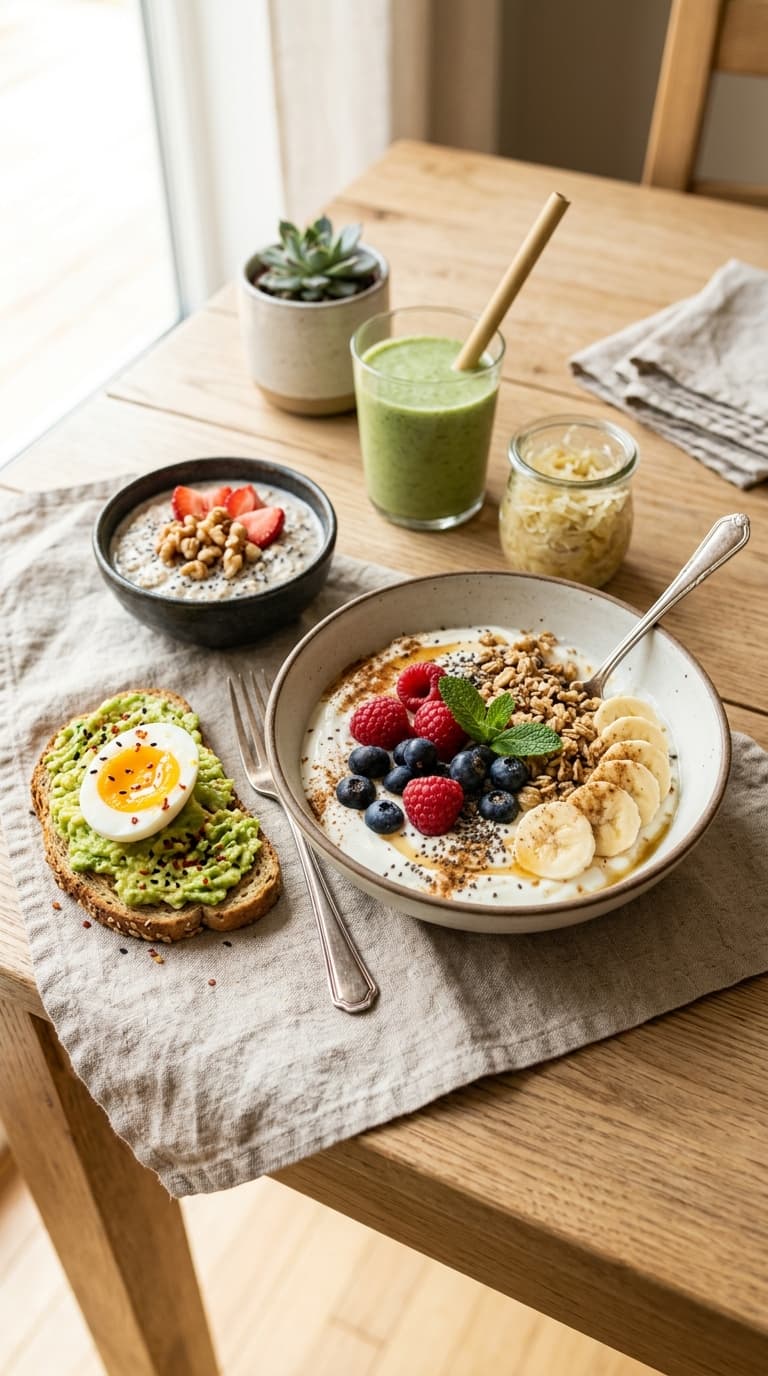
The key is choosing breakfasts that combine protein, fiber, and healthy fats—the trifecta that actually keeps you satisfied. I’m talking eggs with veggies, Greek yogurt with nuts, or oatmeal loaded with toppings. These combos slow down digestion and keep your blood sugar steady, which means no mid-morning crashes.
Understanding the Calorie Deficit Sweet Spot
Before we dive into the recipes, let’s get one thing straight: a calorie deficit doesn’t mean eating as little as humanly possible. That’s not sustainable, and honestly, it’s miserable.
Health experts suggest that a deficit of about 500 calories per day is the sweet spot for healthy, sustainable weight loss. This typically translates to losing about one pound per week—which might sound slow, but it’s the kind of weight loss that actually sticks.
Here’s the catch: your breakfast should typically clock in around 300-400 calories if you’re following a standard calorie deficit plan. That might sound limiting, but trust me, you can pack a ton of nutrition and flavor into that range when you know what you’re doing.
The trick is focusing on nutrient-dense foods that give you the most bang for your caloric buck. We’re talking foods loaded with vitamins, minerals, protein, and fiber—not empty calories from sugary cereals or pastries that leave you hungry an hour later.
For more detailed guidance on structuring your entire day around a calorie deficit, check out this 7-day 1200-calorie meal plan that breaks down exactly what to eat and when.
What “Clean Eating” Actually Means (Without the BS)
Let’s clear something up: “clean eating” has become one of those buzzy terms that means different things to different people. Some folks treat it like a religion, others roll their eyes at the entire concept.
IMO, clean eating simply means choosing whole, minimally processed foods most of the time. Think foods your great-grandmother would recognize—eggs, vegetables, fruits, whole grains, lean proteins. It’s not about being perfect or never eating anything that comes in a package.
The CDC offers practical tips for cutting calories without feeling deprived, and their approach is refreshingly sane—they emphasize eating foods with high water and fiber content to help you feel full on fewer calories.
I avoid getting too dogmatic about it because life is too short to stress over whether your Greek yogurt is “clean enough.” The goal is progress, not perfection.
The 21 Clean Eating Calorie Deficit Breakfasts
1. Veggie-Loaded Scrambled Eggs (250 calories)
Two eggs scrambled with spinach, mushrooms, tomatoes, and bell peppers. This is my go-to when I need something fast and filling. The veggies bulk up the meal without adding many calories, and the protein from eggs keeps you satisfied for hours. I usually cook this in this non-stick skillet because nothing sticks and cleanup is ridiculously easy.
2. Greek Yogurt Parfait with Berries (280 calories)
Plain Greek yogurt topped with mixed berries, a sprinkle of granola, and a tiny drizzle of honey. The protein-to-calorie ratio on Greek yogurt is unbeatable, and berries are packed with antioxidants and fiber. I prep these in small mason jars for grab-and-go mornings.
3. Overnight Oats with Chia Seeds (320 calories)
Mix rolled oats with almond milk, chia seeds, cinnamon, and a mashed banana. Let it sit overnight and wake up to a ready-made breakfast. The chia seeds add omega-3s and extra fiber that keeps things moving, if you know what I mean. These are perfect for meal prep—I make five jars on Sunday using these glass containers and I’m set for the week.
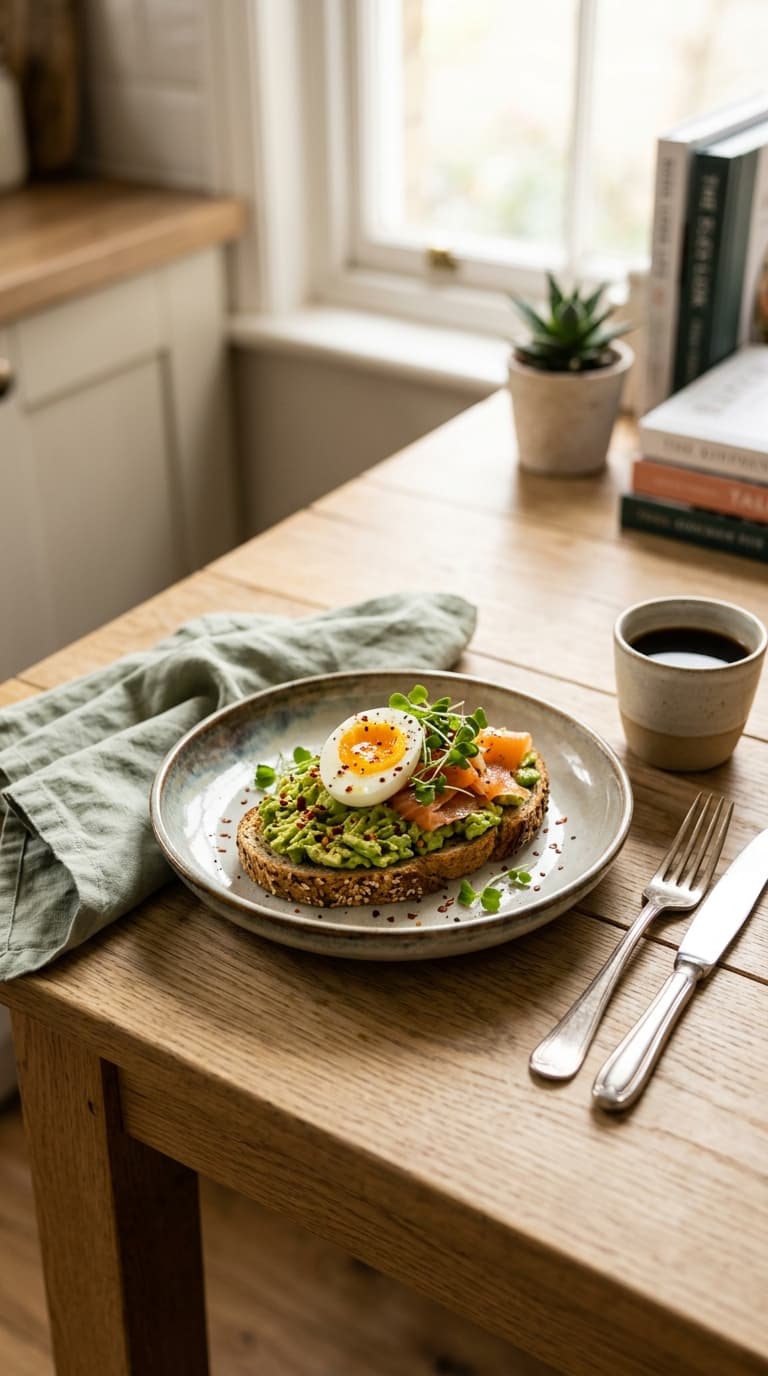
4. Avocado Toast on Whole Grain (290 calories)
One slice of whole grain bread topped with mashed avocado, everything bagel seasoning, and a sprinkle of red pepper flakes. Yeah, I know avocado toast is cliché at this point, but there’s a reason it’s popular—it works. The healthy fats keep you full, and it takes about two minutes to make.
5. Spinach and Feta Egg Muffins (200 calories for 2 muffins)
Baked egg muffins loaded with spinach, feta cheese, and diced onions. These are lifesavers for busy mornings. Bake a batch on Sunday using a silicone muffin tin and grab two on your way out the door all week.
Looking for more quick breakfast options? These 15 low-calorie breakfasts are all under 300 calories and take less than 15 minutes to make.
6. Cottage Cheese Bowl with Fruit (260 calories)
Low-fat cottage cheese topped with sliced peaches, a handful of almonds, and a dash of cinnamon. Cottage cheese gets a bad rap for being boring, but it’s actually incredibly versatile and protein-packed. The texture took me a while to get used to, not gonna lie, but now I crave it.
7. Protein Smoothie Bowl (310 calories)
Blend protein powder, frozen banana, spinach, and almond milk, then top with sliced fruit, coconut flakes, and chia seeds. This feels like dessert for breakfast, which is always a win in my book. I use this high-speed blender because it actually pulverizes everything smooth—no chunks of spinach sneaking through.
8. Whole Wheat English Muffin with Almond Butter (270 calories)
One whole wheat English muffin toasted and spread with almond butter, topped with banana slices. Simple, satisfying, and portable. The combination of complex carbs, healthy fats, and natural sugars gives you steady energy.
9. Turkey Sausage and Veggie Scramble (295 calories)
Lean turkey sausage crumbled and scrambled with eggs, zucchini, and bell peppers. This is basically a deconstructed breakfast burrito without the tortilla. The turkey sausage adds flavor without the crazy fat content of regular sausage.
10. Chia Pudding with Coconut (240 calories)
Chia seeds soaked in coconut milk overnight, topped with fresh mango and shredded coconut. This one tastes tropical and fancy but requires literally zero cooking skills. Just mix and refrigerate.
11. Smoked Salmon and Cream Cheese on Cucumber (285 calories)
Cucumber slices topped with light cream cheese and smoked salmon, garnished with dill and capers. This is my fancy breakfast that makes me feel like I’m having brunch at a café. It’s refreshing, protein-rich, and surprisingly filling.
12. Quinoa Breakfast Bowl (330 calories)
Cooked quinoa mixed with almond milk, topped with berries, walnuts, and a drizzle of maple syrup. Quinoa for breakfast might sound weird, but it’s a complete protein and has a nutty flavor that works surprisingly well with sweet toppings.
13. Banana Protein Pancakes (265 calories)
Mash one banana with two eggs and cook like regular pancakes. Top with berries and a tiny bit of pure maple syrup. These are shockingly good for only three ingredients. I cook them on this electric griddle so I can make multiple at once.
14. Breakfast Burrito Bowl (340 calories)
Scrambled eggs over cauliflower rice, topped with black beans, salsa, and a sprinkle of cheese. All the burrito flavor without the heavy tortilla. The cauliflower rice keeps it low-cal while adding volume.
If you’re loving these high-protein options, definitely check out this 7-day high-protein meal plan that shows you how to structure your entire day around protein-rich foods.
15. Apple Cinnamon Steel-Cut Oats (290 calories)
Steel-cut oats cooked with diced apple, cinnamon, and a touch of vanilla extract. Steel-cut oats have more texture than instant oats and keep you fuller longer. I meal prep these in this slow cooker overnight so they’re ready when I wake up.
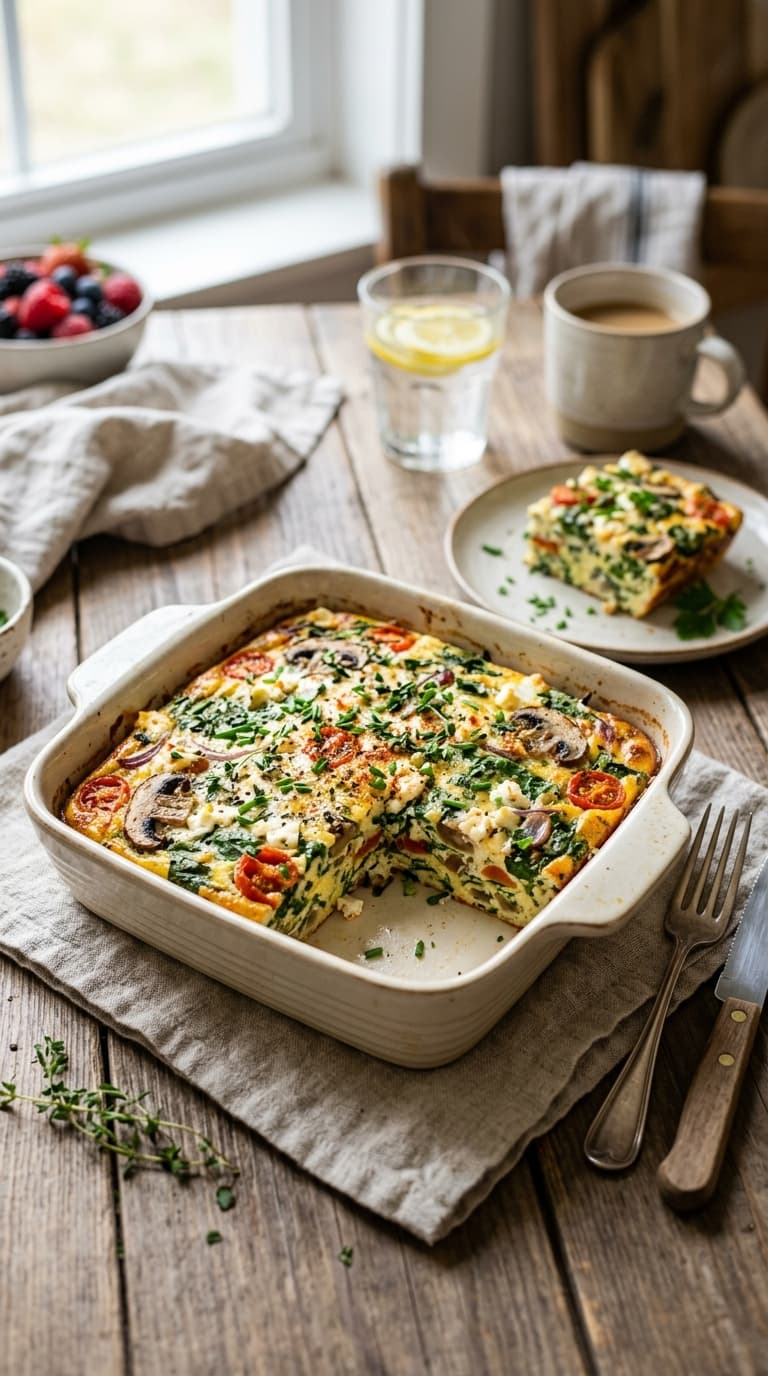
16. Veggie Frittata Slice (255 calories)
A slice of baked frittata loaded with broccoli, tomatoes, onions, and a bit of goat cheese. Make a whole frittata on meal prep day and slice it into portions. It reheats beautifully.
17. Peanut Butter Banana Wrap (315 calories)
Whole wheat tortilla spread with natural peanut butter and a sliced banana, rolled up. This is my emergency breakfast when I’m running late. Takes 30 seconds and travels well.
18. Green Smoothie with Protein (275 calories)
Spinach, frozen pineapple, Greek yogurt, and water blended until smooth. The pineapple masks any “green” taste, and the Greek yogurt adds protein and makes it creamy.
19. Egg White Veggie Wrap (260 calories)
Scrambled egg whites with sautéed vegetables wrapped in a whole wheat tortilla. If you’re trying to maximize protein while keeping calories low, egg whites are your friend. The veggies add flavor and bulk.
20. Sweet Potato Hash with Egg (305 calories)
Diced sweet potato sautéed with onions and bell peppers, topped with a fried egg. This is hearty, colorful, and feels like a proper meal. The sweet potato provides complex carbs that fuel your morning.
21. Blueberry Protein Muffin (250 calories)
Homemade muffin made with protein powder, oat flour, and fresh blueberries. These are great for meal prep—bake a batch and freeze them. Pop one in this portable toaster for a warm breakfast in minutes.
Meal Prep Essentials Used in This Plan
Okay, so I’ve tested a ridiculous number of kitchen tools over the years, and these are the ones I genuinely use every single week:
- Glass Meal Prep Containers (Set of 10) – These are microwave-safe, dishwasher-safe, and the lids actually seal properly. I use them for overnight oats, egg muffins, and portioned meals.
- Digital Food Scale – I know, I know, weighing food sounds obsessive. But when you’re in a calorie deficit, eyeballing portions can seriously mess up your progress. This one is accurate and doesn’t take up much counter space.
- High-Speed Blender – For smoothies that are actually smooth and not chunky disasters. This has been worth every penny.
Digital Products & Resources:
- 30-Day Meal Prep Guide (digital download) – Step-by-step instructions for prepping all your breakfasts, lunches, and dinners for the week. Includes shopping lists and prep schedules.
- Calorie Deficit Calculator & Macro Tracker (spreadsheet) – Takes the guesswork out of figuring out how much you should eat. Plug in your stats and it does the math.
- 100+ Clean Eating Breakfast Recipe eBook – Way more options than what’s in this article, all with full nutrition info and photos.
Want to connect with others on the same journey? Join our Clean Eating Support Community on WhatsApp where we share daily meal prep photos, struggles, wins, and keep each other accountable.
Making These Breakfasts Work for Your Life
Real talk: having 21 breakfast options is great, but you’ll probably rotate through your favorite five or six. That’s totally normal and actually makes meal prep easier.
I usually pick three breakfast recipes, prep them all on Sunday, and that covers my work week. Then I keep a couple of quick options (like the avocado toast or Greek yogurt parfait) for weekends when I want something different.
The trick is finding what works for your schedule and taste preferences. If you hate eggs, don’t force yourself to eat them just because they’re “optimal” for weight loss. There are plenty of other protein-rich options that’ll work just as well.
Meal Prep Strategy That Actually Works
Let me share the meal prep system that finally made things click for me. Every Sunday, I spend about 90 minutes in the kitchen doing the following:
- Hard-boil a dozen eggs – They last all week and can be added to basically anything
- Chop vegetables – Bell peppers, onions, mushrooms, and spinach all go in containers
- Portion out dry ingredients – Oats, chia seeds, and protein powder measured into containers
- Make one batch recipe – Either egg muffins, frittata, or overnight oats
This setup means I’m never making breakfast decisions when I’m half-asleep at 6 AM. Everything is ready to either grab-and-go or assemble in under three minutes.
If you’re new to meal prepping or need more structure, this 30-day low-calorie meal plan breaks down exactly what to prep each week, including breakfast, lunch, and dinner.
Common Breakfast Mistakes That Sabotage Weight Loss
I’ve made every breakfast mistake in the book, so let me save you some frustration. Here are the biggest traps I see people fall into:
Mistake #1: Liquid Calories That Don’t Fill You Up
That fancy coffee drink from Starbucks? It’s probably packing 400+ calories and you’ll be hungry again in an hour. I learned this the hard way after wondering why I wasn’t losing weight while having a “small” mocha every morning.
Stick with black coffee, unsweetened tea, or if you need something creamy, add a splash of unsweetened almond milk. Save your calories for actual food that keeps you satisfied.
Mistake #2: “Healthy” Granola and Cereal Traps
Most store-bought granola is basically dessert masquerading as health food. Same goes for those cereals with the yoga lady on the box. Check the label—if sugar is one of the first three ingredients, it’s not doing you any favors.
When you want crunch in your yogurt, use a tablespoon of granola as garnish, not half a cup. Or switch to homemade grain-free granola where you control the sugar content.
Mistake #3: Skipping Protein
A breakfast of just fruit or just carbs (like toast with jam) will spike your blood sugar and leave you starving. Every breakfast needs a solid protein source—eggs, Greek yogurt, cottage cheese, protein powder, or lean meat.
Research shows that protein increases satiety and helps preserve muscle mass during weight loss, which is crucial for maintaining your metabolism.
Speaking of protein-focused eating, these 30 high-protein low-calorie meals show you how to structure your entire day around protein to maximize fullness and fat loss.
Mistake #4: Not Eating Enough Fat
I know it sounds counterintuitive when you’re trying to lose weight, but healthy fats are essential. They slow digestion, help you absorb vitamins, and keep you satisfied longer.
A breakfast with zero fat—like fat-free yogurt with dry toast—will leave you hunting for snacks by mid-morning. Add some nuts, avocado, or nut butter to keep things balanced.
Tools & Resources That Make Cooking Easier
After years of testing kitchen gadgets and wasting money on stuff I never use, here are the tools that genuinely earn their counter space:
- Instant Pot – Makes steel-cut oats in 10 minutes and you can set it the night before for perfect breakfast when you wake up. Also great for meal prepping proteins.
- Spiralizer – For making veggie noodles that bulk up meals without adding many calories. I use zucchini noodles in egg scrambles all the time.
- Air Fryer – Crisps up vegetables and proteins without oil. I make crispy sweet potato hash in this thing that tastes fried but isn’t.
Digital Resources:
- Weekly Meal Planning Template – Printable planner that helps you organize your meals, shopping list, and prep tasks. Takes the decision fatigue out of healthy eating.
- Macro-Friendly Recipe Swaps Guide – Shows you how to lighten up your favorite recipes without sacrificing flavor. Covers breakfast, lunch, dinner, and desserts.
- Mindful Eating Audio Course – Because sustainable weight loss isn’t just about what you eat, but how you relate to food. This helped me break the diet-binge cycle.
Join our Meal Prep Monday WhatsApp Group where we share what we’re cooking each week and troubleshoot recipes together. It’s like having a supportive cooking buddy in your pocket.
Adapting These Breakfasts for Different Dietary Needs
Not everyone can or wants to eat the same foods, and that’s perfectly fine. Here’s how to modify these breakfast ideas for common dietary preferences:
Dairy-Free Adjustments
Swap Greek yogurt for coconut yogurt or almond milk yogurt. Use coconut milk or cashew milk in smoothies and overnight oats. Replace regular cheese with nutritional yeast for a cheesy flavor, or just skip it entirely—most of these breakfasts work without cheese.
FYI, some people find that cutting dairy actually helps with bloating and digestion. I’m not dairy-free myself, but I’ve noticed I feel lighter when I stick to mostly dairy-free breakfasts during the week.
Vegetarian and Vegan Options
Most of these breakfasts are already vegetarian or easily adaptable. For vegan versions, swap eggs for tofu scramble, use plant-based protein powder, and ensure your yogurt is non-dairy.
The protein can be trickier to hit on a vegan diet, so consider adding hemp seeds, chia seeds, or extra protein powder to smoothies and oatmeal. For complete meal planning guidance, this 1500-calorie vegetarian meal plan offers tons of plant-based breakfast ideas.
Gluten-Free Modifications
Replace regular oats with certified gluten-free oats, use gluten-free bread or English muffins, and swap regular tortillas for corn tortillas or lettuce wraps. Most of the egg-based breakfasts are naturally gluten-free anyway.
The Psychology of Breakfast and Weight Loss
Here’s something nobody talks about enough: the mental game of eating breakfast on a calorie deficit. It’s not just about calories and macros—it’s about setting yourself up for success all day.
When you start your day with a satisfying breakfast, you’re sending yourself a message: “I’m taking care of myself today.” That mindset spillover is real. You’re more likely to make good choices at lunch, skip the office donuts, and stick with your plan.
On the flip side, when you either skip breakfast or choke down something you hate, you start the day feeling deprived. That feeling builds up and by afternoon, you’re way more likely to say “screw it” and overeat.
This is why I’m so adamant about finding breakfast options you actually enjoy. Sustainable weight loss isn’t about suffering—it’s about creating habits you can maintain long-term.
Troubleshooting Common Breakfast Challenges
Challenge: “I’m Not Hungry in the Morning”
That’s actually pretty common. If you ate a big dinner or late-night snack, your body might genuinely not be hungry yet. Don’t force it.
Instead, pack a breakfast to eat mid-morning when hunger actually hits. Overnight oats, egg muffins, or a protein smoothie all travel well. Listen to your body, but don’t let yourself get so hungry that you make poor choices later.
Challenge: “I Don’t Have Time in the Morning”
This is where meal prep saves your life. Most of these breakfasts can be made ahead or assembled in under three minutes. Prioritize the grab-and-go options like overnight oats, egg muffins, or Greek yogurt parfaits.
Also, consider having your breakfast at work. I know plenty of people who keep Greek yogurt and fruit in the office fridge. No judgment—do what works for your schedule.
Challenge: “I Get Hungry Again Too Quickly”
This usually means you need more protein or fat in your breakfast. Review your portions—are you actually eating 300-400 calories, or are you trying to get by on 200? Sometimes we unconsciously under-eat in an attempt to lose weight faster, but it backfires.
Also check your water intake. Dehydration can feel like hunger. Drink a big glass of water with breakfast and see if that helps.
If you’re constantly hungry, you might need to adjust your overall calorie deficit. Check out this comparison guide on 1200 vs 1500 calorie meal plans to see if you’re eating too little for your activity level.
Mixing and Matching: Creating Your Own Breakfast Combos
Once you understand the formula for a good calorie-deficit breakfast, you can create infinite combinations. Here’s the basic template I use:
- Protein (20-25g): Eggs, Greek yogurt, cottage cheese, protein powder, or lean meat
- Complex Carbs: Oats, whole grain bread, sweet potato, or fruit
- Healthy Fat: Avocado, nuts, nut butter, or seeds
- Fiber: Vegetables, fruit, or whole grains
Pick one from each category, keep it around 300-400 calories total, and you’ve got yourself a balanced breakfast. It’s like a breakfast blueprint that never fails.
For example: scrambled eggs (protein) + whole wheat toast (carbs) + mashed avocado (fat) + side of berries (fiber) = perfect balanced breakfast.
Seasonal Breakfast Variations
One thing that keeps breakfast interesting is using seasonal produce. It’s usually cheaper, tastes better, and adds natural variety to your routine.
Summer breakfasts lean into berries, peaches, and watermelon. Greek yogurt bowls and smoothies feel refreshing when it’s hot out.
Fall breakfasts are all about apples, pears, and pumpkin. Warm oatmeal with apple cinnamon or pumpkin spice protein pancakes hit different when the weather cools down.
Winter breakfasts might include citrus fruits and heartier options like sweet potato hash or warm chia pudding. Warm foods are more satisfying when it’s cold outside.
Spring breakfasts welcome back fresh berries and lighter options as the weather warms up.
Eating seasonally isn’t just about being trendy—it genuinely makes food taste better and keeps you from getting bored eating the same thing year-round.
Frequently Asked Questions
Can I eat the same breakfast every day?
Absolutely. If you find a breakfast you love and it fits your calorie goals, there’s no reason to force variety. Many successful people eat the same breakfast daily because it removes decision fatigue and makes meal prep easier. Just make sure it’s nutritionally balanced with protein, carbs, and fat.
What if I’m not losing weight even with these breakfasts?
Breakfast is just one meal—weight loss depends on your total daily calorie intake. If you’re eating perfectly at breakfast but overeating later, you won’t lose weight. Track your full day’s worth of food for a week to see where extra calories might be sneaking in. Also make sure you’re accurately measuring portions and accounting for cooking oils and condiments.
Are these breakfasts suitable for intermittent fasting?
These breakfasts work great if you’re doing intermittent fasting and eat during a specific window. Just have them during your eating period. If you’re fasting until noon, any of these make an excellent first meal. The protein-rich options are especially good for breaking a fast.
Can I add coffee to my breakfast routine?
Coffee is fine and actually might help with appetite control for some people. Just keep it simple—black coffee or with a splash of unsweetened almond milk is best. Those fancy coffee drinks with syrups and whipped cream can add 300-500 calories, which defeats the purpose of eating a low-calorie breakfast.
How long will it take to see results?
Everyone’s different, but with a consistent 500-calorie deficit you should see about 1 pound of weight loss per week. Some people see results faster initially due to water weight loss. Focus on how you feel—better energy, less bloating, improved mood—rather than obsessing over the scale daily. Take measurements and photos monthly for a better picture of your progress.
Final Thoughts
Look, weight loss doesn’t have to mean miserable mornings choking down food you hate. These 21 clean eating breakfasts prove you can eat delicious, satisfying food while still being in a calorie deficit.
The key is finding the combinations that work for your taste buds, schedule, and lifestyle. Maybe you’ll rotate through five favorites. Maybe you’ll prep three different options each week. There’s no single “right” way to do this—whatever helps you stick with it consistently is the right answer for you.
Start by trying a few recipes that sound appealing. Pay attention to which ones keep you full and satisfied. Build your breakfast rotation around those winners. And remember, progress beats perfection every single time.
You’ve got this. Now go make something delicious.
Similar Posts
23 Ham and Cheese Breakfast Casserole Variations
23 Ham and Cheese Breakfast Casserole Variations You Need to Try Let me be real with you — breakfast casseroles are one of the greatest inventions in the history of morning food. You throw everything into a dish the night before, pop it in the oven, and boom — hot, satisfying breakfast for the whole…
23 Healthy Breakfast Ideas for Hormonal Balance
Reading frontend design skill for article creation Here’s your SEO article, written as plain text with natural formatting and interlinking throughout: 23 Healthy Breakfast Ideas for Hormonal Balance Your hormones run the show. They control your mood, your energy, your weight, your sleep, and yes — even how hungry you feel at 10 AM when…
21 Healthy Breakfast Bake Recipes Under 300 Calories
21 Healthy Breakfast Bake Recipes Under 300 Calories Mornings are either your best friend or your worst enemy — and honestly, breakfast plays a huge role in that. If you’ve been stuck eating the same sad bowl of cereal or skipping breakfast altogether because “nothing sounds good,” I get it. But here’s the thing: a…
21 Healthy Breakfast Ideas for Gut Health
21 Healthy Breakfast Ideas for Gut Health Your gut runs the show. Seriously — your energy, your mood, your skin, even how well you sleep all trace back to what’s happening in your digestive system. And breakfast? That’s your first real chance of the day to either feed your gut well or completely ignore it….