21 Calorie Deficit Breakfasts That Don’t Feel Like Diet Food
Look, I’m gonna be straight with you—eating in a calorie deficit doesn’t mean you have to choke down sad egg whites and plain oatmeal every single morning. I’ve been there, and honestly? That approach lasted about three days before I found myself elbow-deep in a box of cereal at 10 PM.
The real secret to sticking with a calorie deficit isn’t willpower or deprivation. It’s actually eating breakfasts that are so satisfying, so genuinely delicious, that you forget you’re even trying to lose weight. According to research on breakfast and weight loss, starting your day with the right combination of protein, fiber, and healthy fats can dramatically affect your hunger levels throughout the entire day.
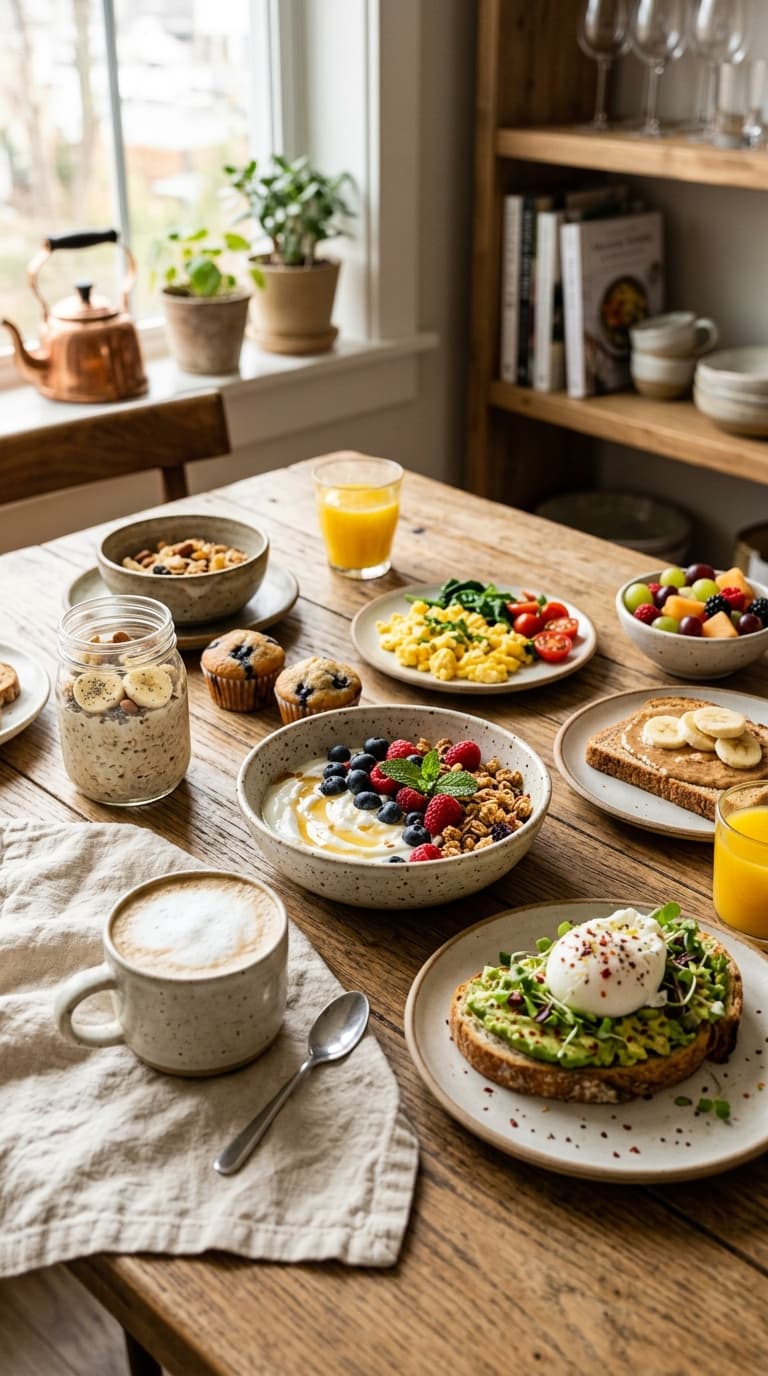
I’m about to share 21 breakfast ideas that have kept me (and honestly, half my friend group) full and happy while staying in a deficit. No diet food vibes here—just real meals that happen to support your goals.
Why Your Breakfast Actually Matters for Fat Loss
Here’s what nobody tells you: skipping breakfast or eating the wrong things in the morning sets you up for disaster by lunchtime. Studies on appetite regulation show that high-protein, lower-glycemic breakfasts promote satiety and reduce subsequent calorie intake compared to high-carb options.
When you start your day with just coffee or a sugary muffin, your blood sugar spikes and crashes harder than my motivation on a Monday morning. Then you’re ravenous by 11 AM, making questionable decisions at the vending machine.
The breakfast formula that actually works? Think protein first, add some fiber, include a bit of healthy fat. This combination keeps your hunger hormones in check and your energy stable. It’s not rocket science, but it does require a bit of planning.
The Protein Question Everyone Gets Wrong
Real talk: most people don’t eat nearly enough protein at breakfast. They’ll have toast with jam, a banana, maybe some cereal—basically a carb fest that leaves them starving an hour later.
Research from multiple appetite control studies suggests that consuming around 25-30 grams of protein at breakfast is the sweet spot for maximizing satiety and reducing cravings throughout the day. That’s roughly the amount in three eggs, a cup of Greek yogurt, or a protein-enhanced smoothie.
I used to think protein powder was only for gym bros, but honestly? It’s one of the easiest ways to boost your morning protein without adding tons of calories. Mix it into oatmeal, blend it in smoothies, or even stir it into your coffee if you’re feeling adventurous.
Speaking of protein-packed morning meals, if you’re looking for more structured guidance, check out these high-protein meal plans that take the guesswork out of breakfast.
21 Breakfasts That’ll Keep You Full (Without Blowing Your Calorie Budget)
1. Greek Yogurt Power Bowl
Start with plain Greek yogurt—not the flavored stuff that’s basically dessert in disguise. Add berries, a handful of low-sugar granola#, chia seeds, and maybe a drizzle of honey. This hits around 250-300 calories and packs 20+ grams of protein.
The best part? You can prep these in mason jars for the entire week. I personally use these 16-ounce wide-mouth jars# because they’re the perfect size and the lids don’t mysteriously disappear like regular Tupperware.
2. Veggie-Loaded Egg Scramble
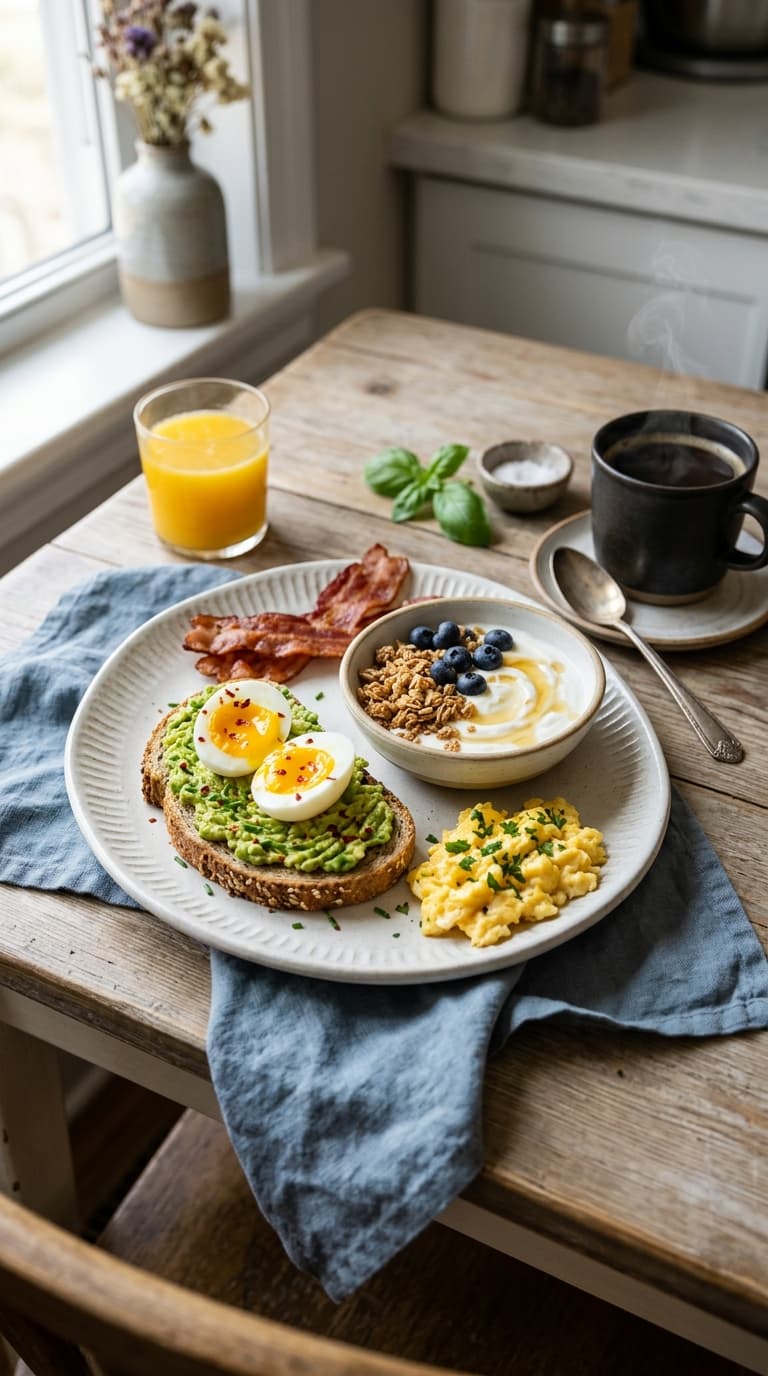
Two whole eggs plus two egg whites, scrambled with spinach, mushrooms, bell peppers, and tomatoes. Serve with a slice of whole grain toast. This combo gives you around 300 calories with a solid 25 grams of protein.
Pro tip: I keep a small non-stick pan# just for eggs. Makes cleanup ridiculously easy and prevents that annoying stuck-egg situation.
3. Overnight Oats Three Ways
Mix 1/2 cup oats, 3/4 cup unsweetened almond milk, a scoop of protein powder, and your choice of toppings. Let it sit overnight, grab and go in the morning. The protein powder is crucial here—it transforms this from a carb bomb into a balanced meal.
My go-to variations: chocolate with banana and peanut butter, vanilla with berries and almonds, or pumpkin spice with pecans (seasonal but worth it). Each version clocks in around 300-350 calories. Get Full Recipe.
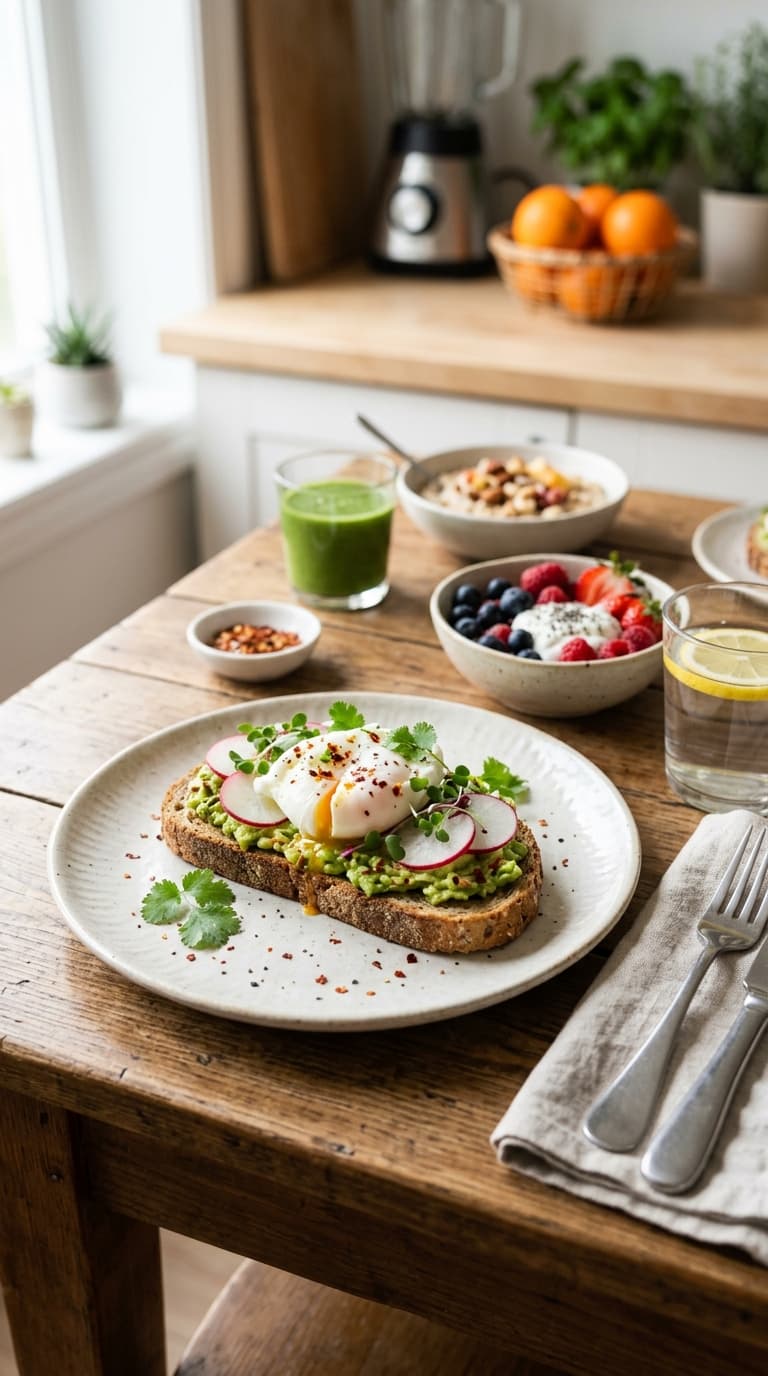
4. Smoked Salmon & Avocado Toast
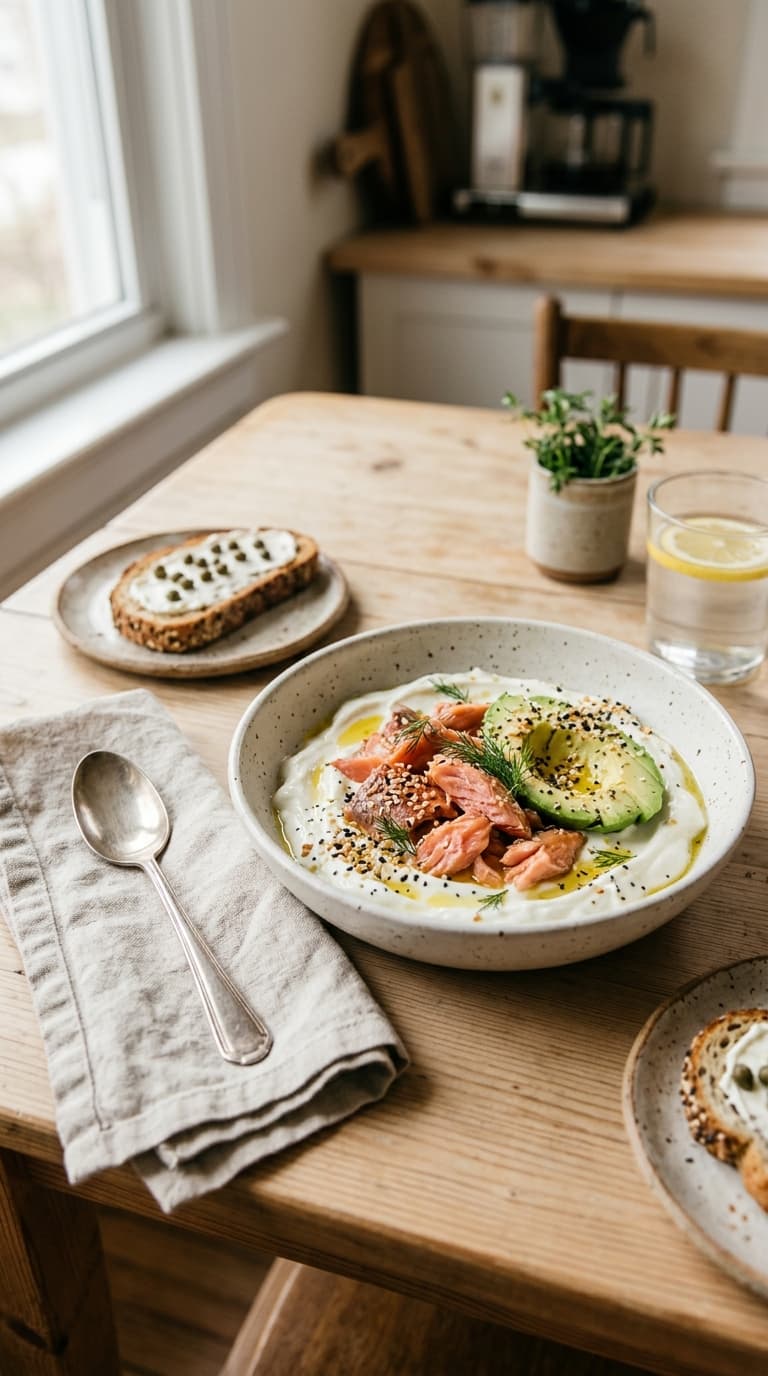
One slice of whole grain bread, mashed avocado (about 1/4 of a medium avocado), 2-3 ounces of smoked salmon, everything bagel seasoning, and a squeeze of lemon. This sophisticated breakfast sits around 280 calories but feels ridiculously fancy.
Honestly, using good quality smoked salmon# makes all the difference here. The cheap stuff tastes like sadness.
5. Cottage Cheese Protein Pancakes
Blend 1/2 cup cottage cheese, 2 eggs, 1/4 cup oats, vanilla extract, and a pinch of cinnamon. Cook like regular pancakes. Top with berries and a tiny drizzle of maple syrup. Around 300 calories and surprisingly fluffy.
I cook these on a griddle pan# that lets me make four at once because ain’t nobody got time for flipping pancakes one by one.
6. Breakfast Burrito Bowl
Scrambled eggs, black beans, salsa, a sprinkle of cheese, and some diced avocado over a small portion of brown rice or quinoa. This gives you around 350-400 calories but keeps you full for hours because of the fiber from the beans.
I prep the base ingredients and keep them in separate meal prep containers# so I can mix and match throughout the week.
7. Protein Smoothie (That Doesn’t Taste Like Grass)
1 scoop vanilla protein powder, 1 cup unsweetened almond milk, 1/2 frozen banana, handful of spinach (trust me on this), 1 tablespoon almond butter, ice. Blend until smooth. Approximately 280 calories.
The key to a good smoothie is a decent high-powered blender#. Cheap blenders leave you with chunks and nobody wants to chew their smoothie.
For even more smoothie inspiration that won’t derail your deficit, these low-calorie smoothie recipes are actually worth trying.
8. Apple Cinnamon Protein Oatmeal
Cook 1/2 cup oats with water, stir in a scoop of vanilla protein powder, add diced apple and cinnamon. The apple adds natural sweetness and fiber without needing added sugar. Around 320 calories.
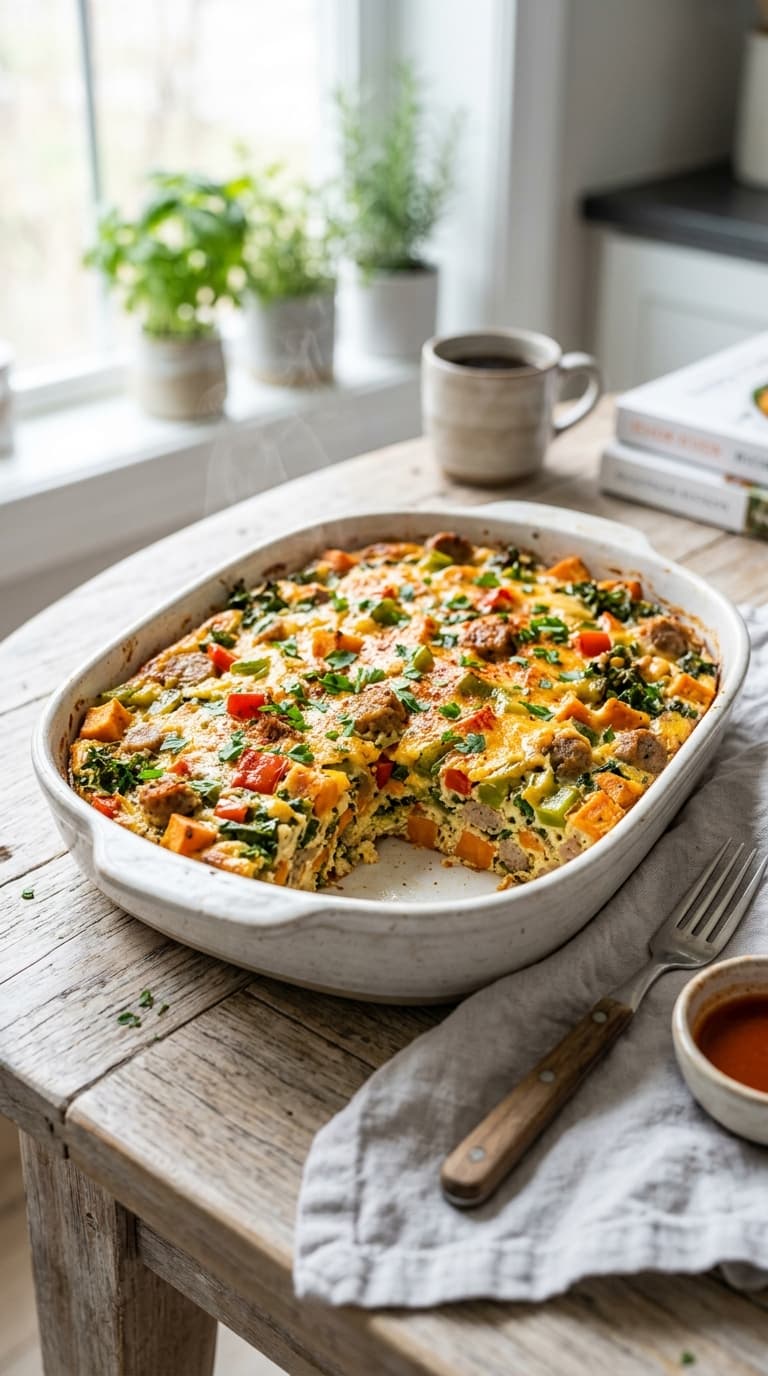
9. Turkey Sausage & Egg Muffins
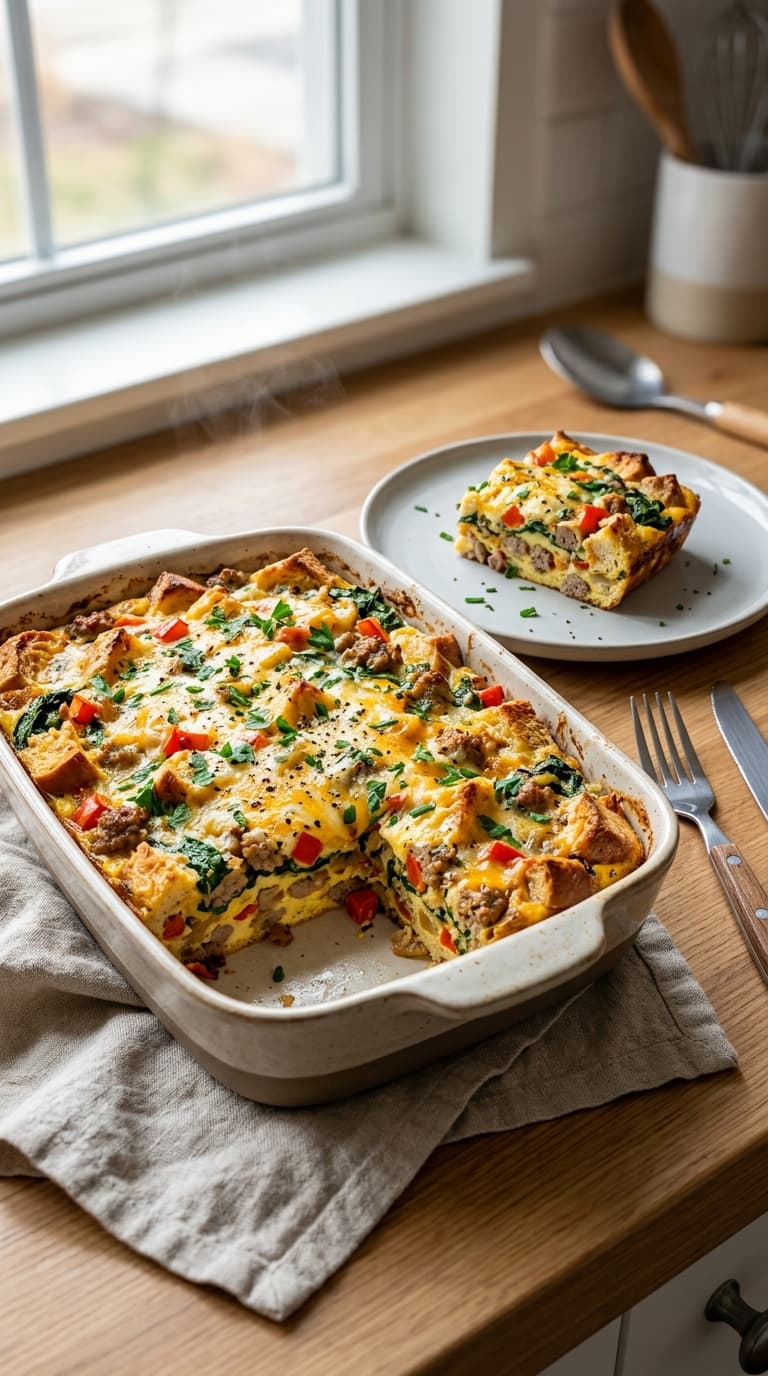
Whisk eggs with cooked crumbled turkey sausage, diced peppers, and a bit of cheese. Pour into silicone muffin cups# and bake. These freeze beautifully and reheat in 60 seconds. Each muffin is about 80-100 calories, so grab 3-4 for a complete breakfast.
10. Peanut Butter Banana Toast
One slice whole grain bread, 1 tablespoon natural peanut butter (measure it—don’t eyeball), 1/2 sliced banana, sprinkle of chia seeds. Simple, satisfying, around 280 calories. Get Full Recipe.
11. Shakshuka (Eggs in Tomato Sauce)
Simmer canned tomatoes with onions, garlic, and spices. Crack 2 eggs directly into the sauce and let them poach. Serve with a small piece of crusty bread. This feels like a restaurant meal but comes in at about 300 calories.
12. Chia Seed Pudding
Mix 3 tablespoons chia seeds with 1 cup unsweetened almond milk, vanilla extract, and a tiny bit of maple syrup. Refrigerate overnight. Top with berries. Around 220 calories, so you could add a hard-boiled egg on the side for extra protein.
I make this in small glass containers with lids# because presentation matters when you’re trying to convince yourself that diet food is exciting.
13. Breakfast Quesadilla
Scrambled eggs, a bit of shredded cheese, and salsa between a whole wheat tortilla. Cook until crispy. Cut into triangles. Feels indulgent at around 320 calories.
14. Protein Waffles
Use a mini waffle maker# to make protein-enhanced waffles (mix protein powder into your favorite recipe or use a protein waffle mix). Top with Greek yogurt instead of syrup and add berries. Around 300 calories.
15. Smashed Chickpea Toast
Mash canned chickpeas with a bit of lemon juice, salt, and pepper. Spread on whole grain toast, top with sliced cucumber and tomato. This vegan option gives you about 280 calories and surprising staying power.
If you’re looking for more plant-based breakfast ideas, this vegetarian meal plan has some solid options.
16. Mini Frittata Cups
Similar to the egg muffins but fancier. Mix eggs with whatever vegetables you have, pour into muffin tins, bake until set. These travel well and make breakfast mindless. Each cup is roughly 70-90 calories. Get Full Recipe.
17. Breakfast Salad (Yes, Really)
Mixed greens, hard-boiled eggs, avocado, cherry tomatoes, and a light vinaigrette. I know it sounds weird, but some mornings savory hits different. Around 300 calories and surprisingly refreshing.
18. Protein French Toast
Dip whole grain bread in a mixture of eggs and a splash of almond milk, cook until golden. Two slices with a small amount of syrup and berries comes to about 320 calories.
19. Tofu Scramble
Crumbled firm tofu sautéed with turmeric, nutritional yeast, and vegetables. This vegan alternative packs protein and sits around 250-280 calories depending on how much oil you use.
20. Ham & Cheese Egg White Cups
Line muffin tins# with thin-sliced deli ham, fill with egg whites and a sprinkle of cheese. Bake until set. Each cup is about 60-70 calories, so have 4-5 for breakfast.
21. Breakfast Power Smoothie Bowl
Blend frozen berries, protein powder, and just enough liquid to keep it thick. Pour into a bowl and top with granola, coconut flakes, and fresh fruit. Eat with a spoon like ice cream for breakfast. Around 320 calories.
Meal Prep Essentials Used in This Plan
Listen, having the right gear makes everything easier. Here’s what actually gets used in my kitchen every single week:
- Glass meal prep containers with dividers# – These changed my life. No more soggy food or mystery stains.
- Digital food scale# – Sounds intense, but eyeballing portions is how you accidentally eat twice as much peanut butter as you planned.
- Quality protein powder (vanilla and chocolate)# – Get something that actually tastes good or you won’t use it.
Digital Resources That Save Time:
- My Printable Meal Prep Guide – Weekly planning templates that take 10 minutes to fill out
- Calorie Deficit Calculator Spreadsheet – Because math is hard before coffee
- 100+ Breakfast Swaps Cheat Sheet – When you’re bored of eggs (again)
Join the Community: Our WhatsApp group shares daily meal ideas, wins, and honest struggles. DM for the link if you want real support from people who get it.
Making It Work When Life Gets Messy
The truth about calorie deficit breakfasts? They work great until you oversleep, someone eats your meal prep, or you just really don’t feel like eating eggs for the 47th time this month.
That’s when you need a backup plan. I keep protein bars (these are my favorites#), instant oatmeal cups, and single-serve nut butter packets in my desk drawer. Not perfect, but infinitely better than skipping breakfast or grabbing a 500-calorie pastry.
Some mornings you’ll nail the breakfast game. Other mornings you’ll eat string cheese and an apple in your car. Both are fine. The goal isn’t perfection—it’s consistency over time.
When you’re ready to expand beyond breakfast, these lunch ideas for weight loss and dinner options under 350 calories keep the momentum going.
The Comparison Game Nobody Wins
Can we talk about Instagram for a second? Those aesthetically perfect smoothie bowls with precisely arranged berries and edible flowers? Yeah, mine never look like that. My breakfast usually gets photographed in mediocre lighting while I’m rushing to start work.
Your calorie deficit breakfast doesn’t need to be Pinterest-worthy. It just needs to fuel you properly and keep you satisfied. If that’s scrambled eggs eaten straight from the pan while standing at the counter, that’s totally valid.
There’s actually interesting research about how the visual presentation of food affects our perception of fullness, but honestly? When you’re genuinely hungry, even a plain bowl of oatmeal tastes amazing.
When to Eat More (Or Less)
These breakfast ideas generally range from 250-400 calories. That sweet spot works for most people in a deficit, but your needs might differ based on your activity level, goals, and overall calorie target.
If you’re training hard in the morning, bump up your breakfast closer to 400-500 calories. If you naturally prefer a lighter breakfast and save more calories for later, aim for the lower end around 250-300. This isn’t a one-size-fits-all situation.
For a more comprehensive approach to figuring out your numbers, check out this guide on losing weight without starving that breaks down the math in plain English.
Tools & Resources That Make Cooking Easier
Real talk: the right tools eliminate half the excuses for not eating well. Here’s what makes a genuine difference:
- Instant Pot or pressure cooker# – Makes batch-cooking eggs and grains ridiculously fast
- Small blender for single servings# – Way less cleanup than a giant blender for one smoothie
- Silicone spatula set# – Sounds boring, but getting every last bit of batter or yogurt matters when you’re tracking calories
Digital Tools Worth Having:
- Recipe Scaling Calculator – Adjusts any recipe to your serving size needs
- Grocery Shopping Template – Pre-organized by store section because who has time to wander
- Snack Swap Guide – 50+ alternatives when cravings hit hard
Community Support: Sometimes you just need to vent about being hungry or celebrate a scale victory. Our WhatsApp group gets it. No judgment, no toxic positivity, just real people doing real life.
The Mental Game
Here’s something nobody mentions: eating in a calorie deficit messes with your head sometimes. You’ll have days where breakfast leaves you perfectly satisfied, and other days where you could eat the entire fridge an hour later.
Your hunger isn’t always about what you ate. It’s affected by stress, sleep quality, hormones, hydration, and about seventeen other factors you can’t always control. Some days you need to eat a bigger breakfast. That’s not failure—that’s listening to your body.
I’ve learned to distinguish between actual physical hunger and the urge to eat because I’m bored, stressed, or procrastinating. The breakfast strategies in this article help with physical hunger. The mental stuff? That requires different tools.
Looking for more practical strategies beyond just breakfast? These complete meal plans take decision fatigue out of the equation.
Adapting for Special Diets
Most of these breakfasts adapt pretty easily for different needs. Vegan? Swap eggs for tofu scrambles or chickpeas. Dairy-free? Use plant-based yogurt and skip the cheese (or use vegan cheese if you’re into that).
Gluten-free folks can use gluten-free bread or just skip the bread entirely and add an extra egg or some fruit. The beauty of breakfast is its flexibility—there’s no rule saying you must eat traditional breakfast foods.
Actually, having comfort food options that fit your calorie goals makes this whole deficit thing way more sustainable long-term.
Frequently Asked Questions
How many calories should my breakfast be if I’m in a deficit?
Most people do well with breakfast between 250-400 calories when eating in a deficit. The exact amount depends on your total daily calorie goal, activity level, and personal preference. If you’re following a 1200-calorie plan, aim for 250-300 calories at breakfast. On a 1500-calorie plan, you can go up to 350-400 calories and still have plenty left for lunch, dinner, and snacks.
Can I skip breakfast and still lose weight?
Yes, you can lose weight while skipping breakfast if it fits your lifestyle and preferences—weight loss ultimately comes down to total daily calories. However, research shows that eating breakfast, particularly one high in protein, can help control hunger throughout the day and reduce evening snacking. Many people find it easier to stick to their calorie deficit when they eat a balanced breakfast. Try both approaches and see what works best for your body and schedule.
What’s the best breakfast for staying full until lunch?
The breakfasts that keep you fullest combine protein (20-30 grams), fiber, and a bit of healthy fat. Think Greek yogurt with berries and nuts, eggs with vegetables and whole grain toast, or protein-enhanced overnight oats. The protein is crucial—studies show it’s the most satiating macronutrient and helps reduce hunger hormones throughout the morning.
Do I need to eat protein powder for breakfast to lose weight?
Absolutely not—protein powder is convenient, not required. You can easily hit your protein goals with whole foods like eggs, Greek yogurt, cottage cheese, turkey sausage, or tofu. Protein powder just makes it easier to boost protein content without adding many calories, which is why it’s popular for deficit eating. If you don’t like it or prefer whole foods, skip it entirely.
How do I stop being hungry an hour after breakfast?
If you’re hungry soon after breakfast, you’re likely not eating enough protein or fiber. Check that you’re getting at least 20 grams of protein and some fiber source (vegetables, fruit, whole grains, or chia seeds). Also make sure you’re eating enough total calories—going too low backfires by making you ravenous. Sometimes adding just 50-100 more calories at breakfast prevents overeating later in the day.
The Bottom Line
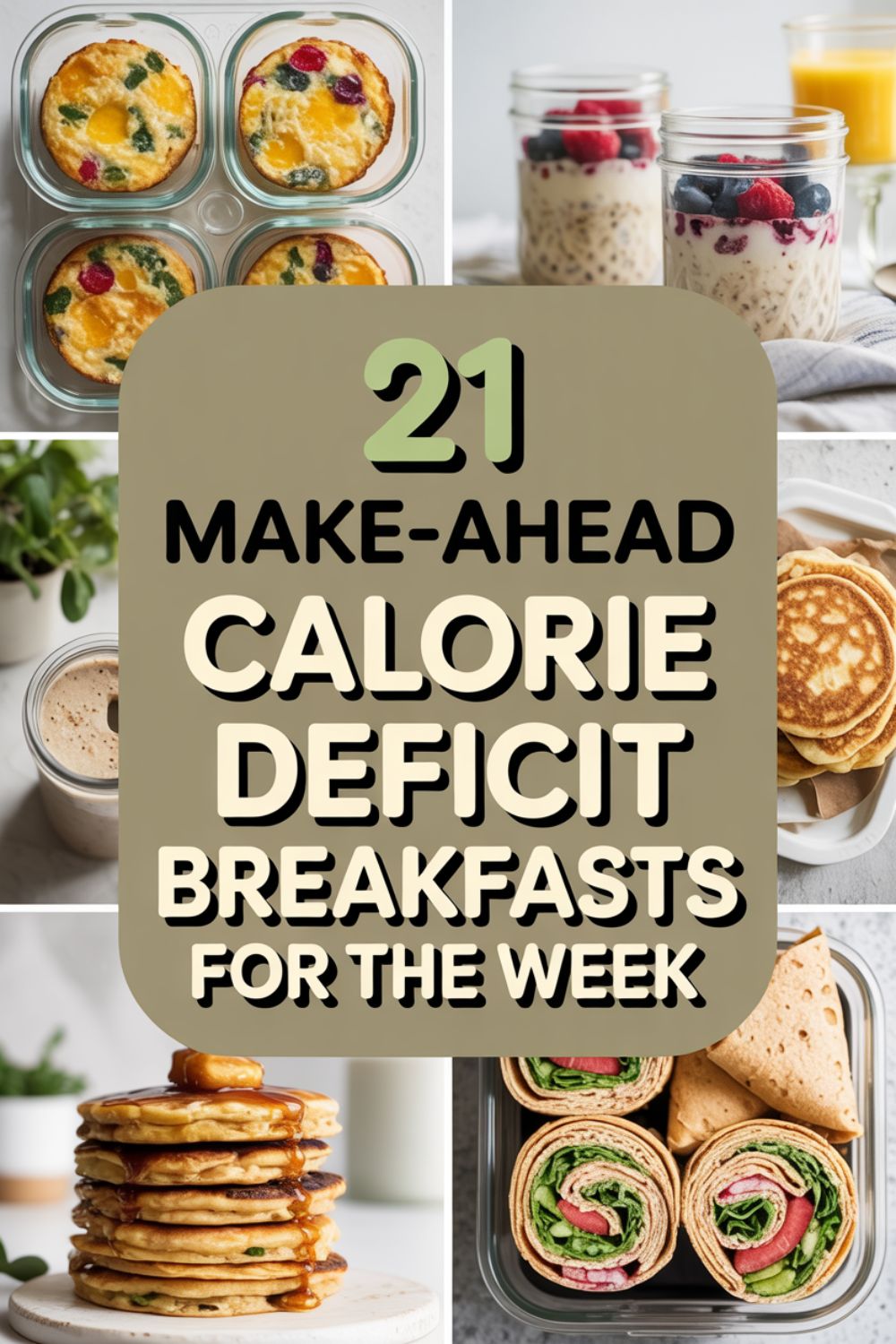
Eating in a calorie deficit doesn’t mean suffering through tasteless diet food every morning. These 21 breakfast ideas prove you can eat well, stay satisfied, and still lose weight without feeling like you’re missing out.
The key is finding a few breakfasts you genuinely enjoy and rotating through them. You don’t need 21 different options every week—most people do perfectly fine with 3-5 go-to breakfasts that they actually like eating.
Start with whichever recipe sounds most appealing right now. Try it for a few days. See how it affects your hunger and energy. Adjust as needed. This is your journey, your body, your breakfast. Make it work for you, not the other way around.
And remember: the best breakfast for weight loss is the one you’ll actually eat consistently. Perfection is overrated. Consistency wins every time.