7-Day 1400 Calorie Meal Plan That Keeps You Full
Look, I get it. You’ve probably clicked on this article because you’re tired of meal plans that leave you hangry by 2 PM, wondering why you ever thought eating like a sparrow was a good idea. The truth is, 1400 calories doesn’t have to mean constant hunger pangs and fantasizing about pizza. It’s actually a sweet spot for steady weight loss without turning into a ravenous beast—if you do it right.
I’ve put together a realistic 7-day plan that focuses on what actually matters: keeping you satisfied. We’re talking protein-packed meals, fiber-rich foods, and smart combinations that won’t have you counting down the minutes until your next meal. No weird supplements, no juice cleanses, just real food that works.
Why 1400 Calories Actually Works
Here’s the thing about calorie counting—it’s not some magical number pulled from thin air. For most people, especially women looking to lose weight at a healthy pace, 1400 calories creates enough of a deficit to see results without tanking your metabolism or making you feel like death warmed over.
The average woman needs around 2000 calories to maintain her weight. Cut that down to 1400, and you’re looking at about a pound of weight loss per week. That’s the sweet spot where your body actually cooperates instead of going into panic mode and hoarding every calorie like a doomsday prepper.
But—and this is crucial—those 1400 calories need to count. A 1400-calorie day of chips and candy will leave you miserable and nutrient-deficient. A well-planned 1400 calories of whole foods? That’s where the magic happens.
The Secret to Staying Full on Fewer Calories
Let’s talk about volume eating for a second. Not all calories are created equal in terms of how full they make you feel. A 200-calorie candy bar versus 200 calories of roasted vegetables and chicken? Your stomach knows the difference, even if the calorie count doesn’t.
Protein is your best friend here. Aim for at least 20-30 grams per meal. It keeps you satisfied longer than carbs or fats, helps preserve muscle mass while you’re losing weight, and has a higher thermic effect (meaning your body burns more calories digesting it). According to research on protein intake, getting adequate protein can significantly impact satiety and weight management success.
Fiber comes in second. Load up on vegetables, fruits, whole grains, and legumes. Fiber physically fills your stomach and slows digestion, keeping you fuller longer. Plus, it feeds your gut bacteria, which apparently has opinions about your weight loss efforts.
Don’t fear fats, but be smart about them. A little olive oil, some avocado, a handful of nuts—these add flavor and satisfaction. Just remember that fats are calorie-dense (9 calories per gram versus 4 for protein and carbs), so measure them out instead of eyeballing it.
Speaking of protein-packed options, you might want to check out some high-protein breakfast ideas that can kickstart your day without blowing your calorie budget.
Day 1: Easing Into It
Breakfast (350 calories): Greek Yogurt Parfait
- 1 cup non-fat Greek yogurt
- 1/2 cup mixed berries
- 2 tablespoons granola
- Drizzle of honey
Start your week with something that feels like a treat. Greek yogurt packs about 20 grams of protein per cup, and the berries add natural sweetness without going overboard on sugar. I use this glass meal prep bowl for parfaits—makes them feel fancy without the coffee shop price tag.
Lunch (400 calories): Mediterranean Chickpea Salad
- 1 cup chickpeas
- Cucumber, tomatoes, red onion
- Feta cheese (2 tablespoons)
- Lemon vinaigrette (1 tablespoon olive oil)
- Whole wheat pita (half)
Chickpeas are criminally underrated. They’re filling, cheap, and versatile. This salad travels well if you pack the dressing separately.
Snack (150 calories): Apple with 1 tablespoon almond butter
The classic combo. The fiber from the apple plus the protein and fat from the almond butter actually keeps you going until dinner.
Dinner (500 calories): Baked Lemon Herb Chicken with Roasted Vegetables
- 4 oz chicken breast
- 2 cups mixed roasted vegetables (broccoli, carrots, bell peppers)
- 1/2 cup quinoa
- Herbs and lemon juice
This is where having a reliable meat thermometer comes in handy—nobody wants dry, overcooked chicken. Roast everything on one pan, and you’ve got minimal cleanup.
Day 2: Keeping the Momentum
Breakfast (330 calories): Veggie Scramble
- 2 eggs plus 1 egg white
- Spinach, mushrooms, tomatoes
- 1 slice whole grain toast
- Light butter spread
Eggs are the MVP of budget-friendly, high-protein breakfasts. The extra egg white bumps up protein without adding many calories. Get Full Recipe for more egg-based breakfast variations that won’t bore you to tears.
Lunch (420 calories): Turkey and Avocado Wrap
- Whole wheat tortilla
- 3 oz sliced turkey breast
- 1/4 avocado
- Lettuce, tomato, mustard
- Baby carrots on the side
Wraps are clutch for meal prep. Just wrap them tightly in foil, and they’ll hold together until lunch.
Snack (140 calories): Cottage cheese (1/2 cup) with cherry tomatoes
I know cottage cheese gets a bad rap, but hear me out. It’s basically protein in a tub—around 14 grams per half cup. Mix in some everything bagel seasoning if you want to get fancy.
Dinner (510 calories): Salmon with Sweet Potato and Green Beans
- 4 oz baked salmon
- 1 medium sweet potato
- 1.5 cups green beans
- 1 teaspoon olive oil
Salmon is pricey, but it’s worth it once a week. The omega-3s are good for your brain, heart, and apparently your mood. I use these reusable silicone baking sheets—fish doesn’t stick, and cleanup is actually bearable.
For more fish-forward options, you might enjoy exploring Mediterranean-style meal plans that incorporate seafood without breaking the bank.
Day 3: Finding Your Groove
Breakfast (340 calories): Overnight Oats
- 1/2 cup rolled oats
- 1/2 cup unsweetened almond milk
- 1/2 cup Greek yogurt
- 1 tablespoon chia seeds
- Handful of blueberries
Make this the night before, and you’ve got breakfast handled. No thinking required before coffee, which is how breakfast should be. Get Full Recipe for variations including chocolate peanut butter and apple cinnamon versions.
Lunch (410 calories): Tuna Salad Lettuce Wraps
- 1 can tuna in water
- 2 tablespoons light mayo
- Celery, onion, pickle
- Large lettuce leaves
- Whole grain crackers (10)
Skip the bread, use lettuce wraps, and suddenly you’ve got room for crackers. It’s all about the trade-offs.
Snack (150 calories): Protein smoothie (protein powder, banana, almond milk)
Blend it up when you need something quick. A decent blender bottle makes this portable if you’re always on the go.
Dinner (500 calories): Beef Stir-Fry
- 4 oz lean beef strips
- 2 cups mixed stir-fry vegetables
- 1/2 cup brown rice
- Low-sodium soy sauce and ginger
Stir-fries are perfect for using up whatever vegetables are hanging out in your fridge. Just keep the oil to a minimum—it’s easy to accidentally pour in way more calories than you planned.
Day 4: Mixing Things Up
Breakfast (350 calories): Whole Grain Waffles with Berries
- 2 whole grain waffles
- 1 cup mixed berries
- 2 tablespoons Greek yogurt topping
- Drizzle of maple syrup (1 teaspoon)
Yes, you can have waffles on a 1400-calorie plan. Life’s too short to give up everything you love. Just don’t go crazy with the syrup—that’s where people get into trouble.
Lunch (400 calories): Minestrone Soup with Side Salad
- 2 cups vegetable minestrone
- Side salad with balsamic vinegar
- 1 small dinner roll
Soup is sneaky good for weight loss. The high water content fills you up with fewer calories. Plus, homemade soup is dirt cheap to make in batches.
Snack (140 calories): Hummus (1/4 cup) with bell pepper strips
Crunchy, satisfying, and way better for you than chips. Hummus gives you protein and fiber without the nutritional void of most snacks.
Dinner (510 calories): Baked Cod with Quinoa and Asparagus
- 5 oz cod fillet
- 2/3 cup cooked quinoa
- 1.5 cups roasted asparagus
- Lemon and herbs
Cod is mild, forgiving, and lean. If you’re nervous about cooking fish, this is your gateway. Just don’t overcook it—fish continues cooking after you take it out of the oven.
Looking for more ways to prep vegetables that don’t taste like punishment? Check out these roasted vegetable combinations that actually taste good cold in meal prep containers.
Day 5: Staying Strong
Breakfast (360 calories): Breakfast Burrito
- 1 whole wheat tortilla
- 2 scrambled eggs
- 2 tablespoons black beans
- 2 tablespoons salsa
- 1 tablespoon cheese
Wrap it up, and you’ve got a portable breakfast that beats drive-through options every time. Make a batch on Sunday, freeze them, and reheat as needed.
Lunch (390 calories): Caprese Chicken Salad
- 3 oz grilled chicken breast
- Fresh mozzarella (1 oz)
- Cherry tomatoes
- Fresh basil
- Balsamic glaze (1 tablespoon)
- Mixed greens
This feels restaurant-fancy but comes together in minutes if you’ve got pre-cooked chicken. A simple mandoline slicer makes quick work of tomatoes and mozzarella for that Instagram-worthy presentation.
Snack (160 calories): Trail mix (2 tablespoons) with a small orange
Make your own trail mix to control what goes in it. Store-bought versions are usually loaded with chocolate and candy that jack up the calorie count.
Dinner (490 calories): Turkey Meatballs with Zoodles
- 4 oz turkey meatballs (4 medium)
- 2 cups zucchini noodles
- 1/2 cup marinara sauce
- 1 tablespoon Parmesan cheese
Turkey meatballs are lower in calories than beef, and zoodles give you that pasta satisfaction without the calorie bomb. A spiralizer is worth the investment if you’re planning to eat like this regularly.
If you’re curious about the nutritional benefits of swapping traditional pasta for vegetable alternatives, research shows that zucchini noodles can significantly reduce calorie intake while increasing vegetable consumption.
Day 6: Keeping It Fresh
Breakfast (345 calories): Avocado Toast with Egg
- 1 slice whole grain bread
- 1/3 avocado, mashed
- 1 poached egg
- Everything bagel seasoning
- Cherry tomatoes on the side
The millennials were onto something with this one. The fat from the avocado plus the protein from the egg keeps you satisfied way longer than a bowl of cereal ever could.
Lunch (415 calories): Grilled Chicken Caesar Salad
- 3 oz grilled chicken
- Romaine lettuce (2 cups)
- Light Caesar dressing (2 tablespoons)
- Parmesan cheese (2 tablespoons)
- Whole grain croutons (1/4 cup)
Caesar salad gets a bad rep for being unhealthy, but that’s only when you drown it in dressing. Measure that stuff out, and you’re golden.
Snack (135 calories): Rice cakes (2) with 1 tablespoon peanut butter
Sometimes you just need something crunchy. Rice cakes deliver without destroying your calorie budget. For more satisfying snack ideas that won’t derail your progress, explore these protein-rich snack options.
Dinner (505 calories): Shrimp Tacos
- 4 oz shrimp
- 2 small corn tortillas
- Shredded cabbage
- Lime crema (Greek yogurt-based)
- Pico de gallo
- Black beans (1/4 cup)
Taco Tuesday can happen any day of the week when they’re this light and delicious. Shrimp cooks in minutes, making this a perfect weeknight dinner.
Day 7: Finishing Strong
Breakfast (355 calories): Protein Pancakes
- Pancakes made with protein powder (2 medium)
- 1/2 cup berries
- 1 tablespoon sugar-free syrup
- Greek yogurt dollop
End the week feeling like you’ve had a treat. Protein pancakes are denser than regular ones, so two will actually fill you up. Get Full Recipe for the exact measurements that won’t turn these into hockey pucks.
Lunch (405 calories): Asian Chicken Lettuce Cups
- 3 oz ground chicken
- Water chestnuts, carrots, green onions
- Low-sodium soy sauce and ginger
- Butter lettuce cups (3-4)
- 1/2 cup brown rice on the side
These are fun, interactive, and you can eat them with your hands like a normal person instead of fumbling with chopsticks.
Snack (150 calories): Protein bar (choose one around 150 calories with at least 10g protein)
Not all protein bars are created equal. Read the labels—some are basically candy bars in disguise. Look for ones with recognizable ingredients and a good protein-to-calorie ratio.
Dinner (490 calories): Herb-Crusted Pork Tenderloin with Roasted Brussels Sprouts
- 4 oz pork tenderloin
- 2 cups Brussels sprouts
- 1/2 cup wild rice
- Herbs and garlic
Pork tenderloin is surprisingly lean when you trim it properly. Brussels sprouts get a bad rap from people who’ve only had them boiled into oblivion. Roast them until they’re crispy, and they’re legitimately addictive.
For those who want to expand their protein options beyond chicken, consider trying these lean pork recipes that keep calories in check while maximizing flavor.
Pro Tips for Making This Plan Work
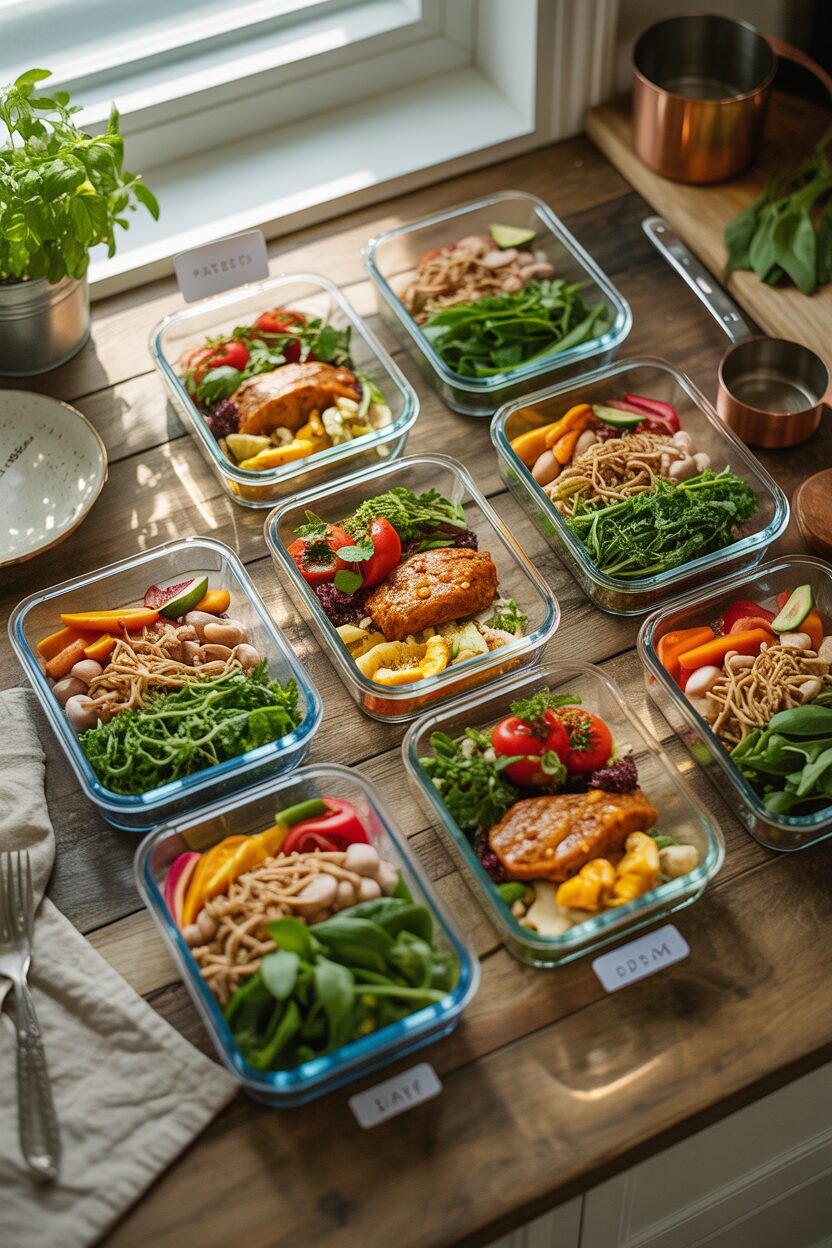
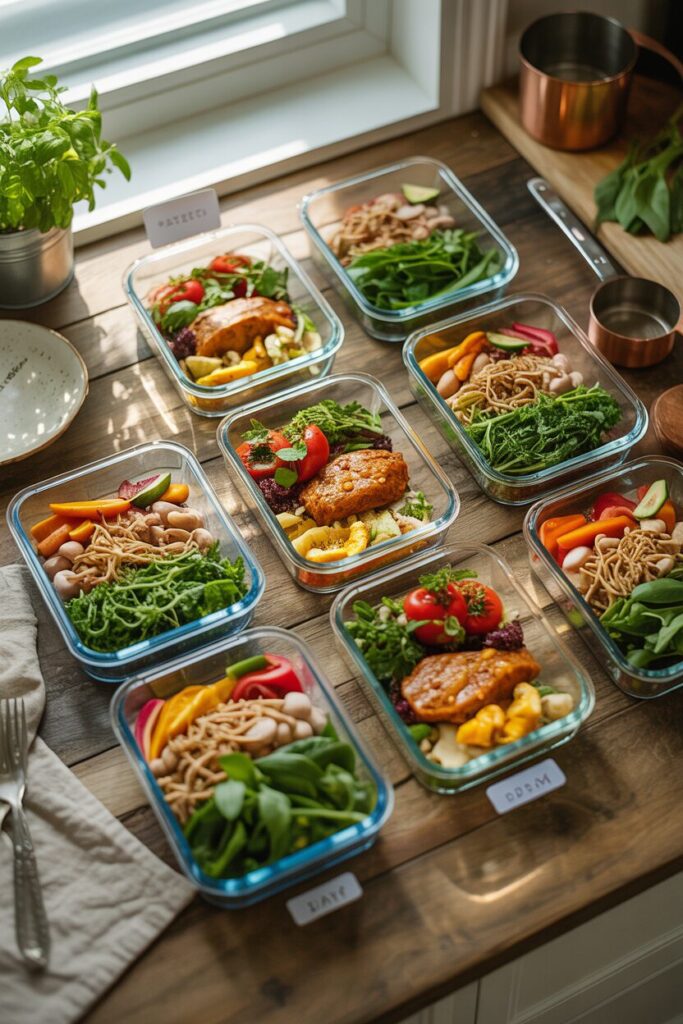
Meal prep is your secret weapon. I’m not saying you need to spend your entire Sunday cooking, but dedicating 2-3 hours to prep basics makes weekday meals infinitely easier. Cook your proteins, chop your vegetables, portion your snacks. Future you will be grateful.
Invest in a food scale. I resisted this for way too long because it felt obsessive, but eyeballing portions is how you accidentally eat 500 calories more than you think. A basic digital kitchen scale costs less than a meal out and eliminates the guesswork.
Hydrate like your life depends on it. Sometimes what feels like hunger is actually thirst in disguise. Keep a reusable water bottle with you and aim for at least 8 cups a day. Also, drinking water before meals can help you feel fuller faster.
Don’t fear modifications. Vegetarian? Swap the meat for tofu, tempeh, or extra legumes. Dairy-free? There are solid alternatives for nearly everything now. Food allergies? Work around them. This plan is a template, not a prison sentence.
Listen to your body. If you’re genuinely hungry after following this plan, you might need to adjust. Athletes, taller people, or those with physically demanding jobs might need more than 1400 calories. There’s no prize for being the most restrictive.
Speaking of modifications, if you’re following a plant-based diet, you’ll want to explore vegetarian protein sources and dairy-free alternatives that fit seamlessly into this calorie range.
The Mental Game
Let’s be real for a second—the physical part of eating 1400 calories is manageable. The mental part? That’s where it gets tricky. You’re going to have days where everyone around you is eating pizza and you’re sitting there with your meal prep container feeling sorry for yourself.
Here’s what helps: don’t make food your only source of joy. I know that sounds preachy, but it’s true. Find other things that make you happy that don’t involve eating. Also, build in flexibility. If you want to go out for dinner on Saturday, eat lighter during the day. It’s not an all-or-nothing game.
Stop thinking of foods as “good” or “bad.” A cookie isn’t morally wrong, and a salad doesn’t make you a saint. Food is just food. When you remove the emotional charge, it’s easier to make practical decisions about what to eat.
Common Pitfalls to Avoid
Skipping meals to “save” calories is a terrible strategy. You’ll just end up ravenous and overeating later. Stick to three meals and one or two snacks spread throughout the day.
Forgetting to account for drinks. That latte? Around 150 calories if you’re not careful. The juice? Basically liquid sugar. Stick to water, black coffee, or unsweetened tea for most of your hydration.
Not planning for social situations. You will get invited to things where the food isn’t on your meal plan. That’s life. Make the best choice you can, enjoy yourself, and get back on track the next meal. One dinner out isn’t going to ruin anything.
Comparing your results to others. Weight loss isn’t linear, and everyone’s body responds differently. Stop stalking fitness influencers on Instagram and focus on your own progress.
If you’re meal prepping for the week, having proper airtight meal prep containers and glass storage containers makes a huge difference in keeping food fresh and preventing that sad, soggy lunch situation.
Related Recipes You’ll Love
Looking for more meal prep inspiration? Here are some recipes that work perfectly with this approach:
More Breakfast Ideas:
- High-protein breakfast bowls that keep you energized
- Make-ahead breakfast burritos for busy mornings
- Overnight oat variations you haven’t tried yet
Lunch Options:
- Mason jar salads that stay fresh all week
- Soup recipes perfect for batch cooking
- Healthy wrap combinations beyond turkey and cheese
Dinner Favorites:
- One-pan chicken dinners with minimal cleanup
- Slow cooker meals that practically cook themselves
- Sheet pan dinners for easy weeknight cooking
Snack Solutions:
- Protein balls that satisfy sweet cravings
- Vegetable snacks that don’t taste like cardboard
- Homemade energy bars made with real ingredients
Wrapping This Up
So there you have it—a full week of eating at 1400 calories that won’t leave you feeling deprived or planning a midnight refrigerator raid. The key is focusing on foods that actually fill you up: plenty of protein, loads of vegetables, smart carbs, and just enough fat to make everything taste good.
Will you lose weight following this plan? Probably, if you stick to it and don’t go rogue on weekends. But more importantly, you’ll learn what proper portions actually look like and how to build meals that satisfy you without going overboard.
Remember, this isn’t about perfection. You’ll have days where you go over 1400 calories, and that’s completely fine. The goal is progress, not perfection. One meal, one day, or even one week off-plan doesn’t erase all your effort. Just get back to it the next meal.
Now go stock your fridge, prep some meals, and stop overthinking this. You’ve got a solid plan—just execute it and adjust as you learn what works for your body. And if anyone gives you grief about weighing your food or meal prepping, remind them that you’re the one getting results while they’re still “thinking about starting Monday.”