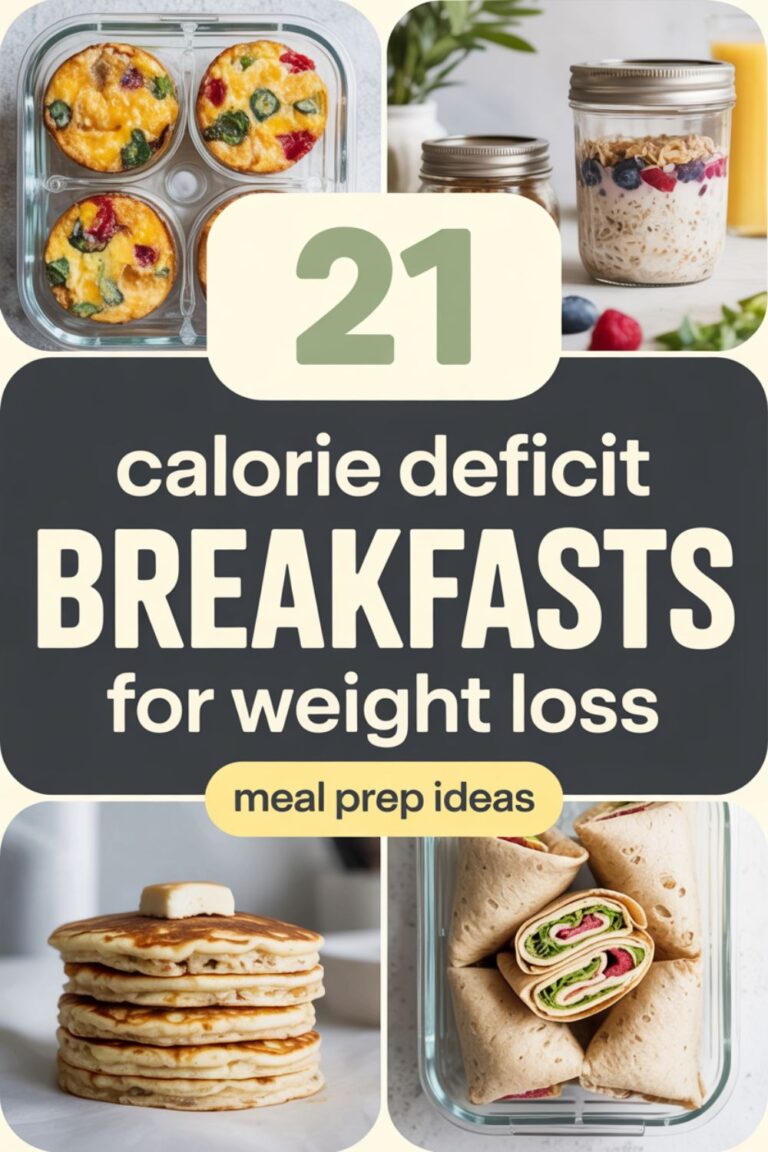
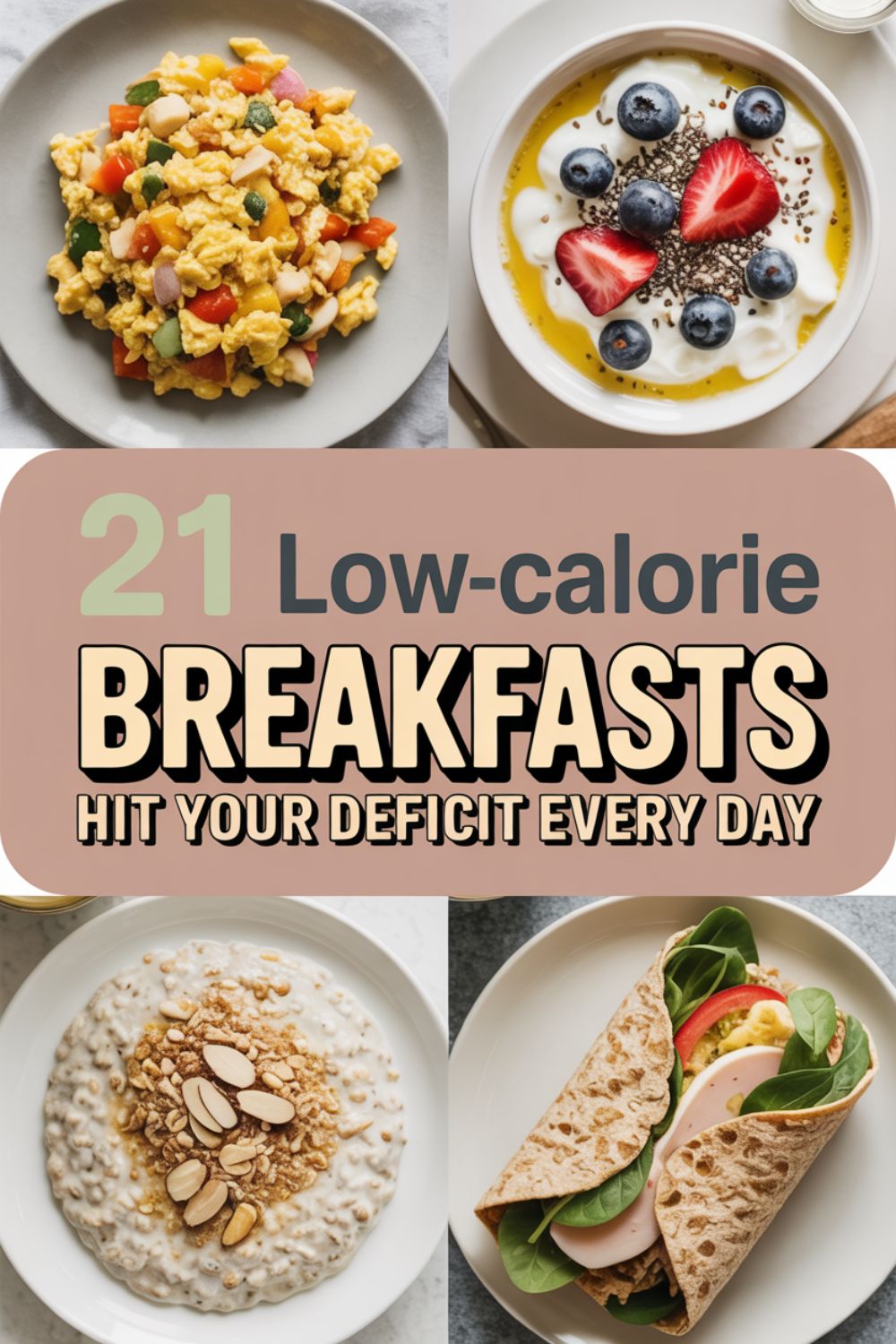
21 Low-Calorie Breakfasts to Help You Hit Your Deficit Every Day
Let’s be honest—breakfast when you’re in a calorie deficit can feel like a cruel joke. You’re starving, your brain’s foggy, and the bagel calling your name from the bakery has about 400 calories before you even add cream cheese. But here’s the thing: a solid breakfast doesn’t have to derail your deficit, and it definitely shouldn’t leave you face-down in a bag of chips by 10 AM.
I’ve spent way too many mornings experimenting with breakfast combos that promised to keep me full but left me hangry an hour later. The secret? It’s not about eating less—it’s about eating smarter. We’re talking protein, fiber, and just enough substance to tell your stomach to chill out until lunch.
These 21 low-calorie breakfast ideas aren’t just random recipes I found on Pinterest. They’re the breakfasts that actually work when you’re trying to lose weight without feeling like you’re punishing yourself. No sad egg whites. No flavorless oatmeal. Just real food that tastes good and keeps you satisfied.
Why Your Breakfast Actually Matters for Weight Loss
There’s this whole debate about whether breakfast is truly “the most important meal” or just marketing propaganda from cereal companies. Here’s what I know from personal experience and what research on breakfast and fat loss actually shows: if you’re someone who eats breakfast regularly, a protein-rich morning meal can seriously help with appetite control throughout the day.
When I used to skip breakfast or grab something carb-heavy like a muffin, I’d be ravenous by mid-morning and make questionable choices. But when I started prioritizing protein and fiber at breakfast, something clicked. My hunger hormones stopped freaking out, and staying in my calorie deficit became way less miserable.
According to studies on high-protein breakfasts, eating 25-35 grams of protein in the morning can reduce subsequent calorie intake and improve satiety for hours. That’s not some magic trick—it’s just how protein works. It takes longer to digest, keeps your blood sugar stable, and sends signals to your brain that you’re actually satisfied.
The Non-Negotiables of a Good Low-Calorie Breakfast
Not all low-calorie breakfasts are created equal. I learned this the hard way after a phase where I was eating basically air for breakfast and wondering why I wanted to eat my desk by noon.
Protein is Your Best Friend
You need at least 20-30 grams of protein to make breakfast worth your time. This doesn’t mean you need to choke down six egg whites like some bodybuilder from the ’90s. Greek yogurt, cottage cheese, eggs, turkey sausage, protein powder—there are plenty of options that don’t taste like cardboard.
Research from Healthline’s nutrition experts shows that protein increases the production of satiety hormones and helps you maintain muscle mass while losing fat. You want to lose fat, not muscle—trust me on this one.
Fiber Keeps Things Moving (Literally and Figuratively)
Fiber is like the unsung hero of weight loss. It bulks up your meals without adding many calories, keeps your digestion happy, and slows down how quickly your stomach empties. This is why oatmeal actually works when you add protein to it, but a plain bagel leaves you hungry in an hour.
Aim for at least 5-8 grams of fiber at breakfast. Think berries, chia seeds, flaxseed, vegetables, or whole grain toast. Your gut will thank you, and so will your appetite.
Don’t Fear Healthy Fats
Yes, you’re in a calorie deficit, but completely avoiding fat is a rookie mistake. A little bit of avocado, some nuts, or even a tablespoon of peanut butter can make your breakfast way more satisfying. Fat helps absorb certain vitamins and keeps you from feeling deprived.
The key word here is “little bit.” We’re talking a quarter of an avocado or a tablespoon of almond butter, not the entire jar. Balance, people.
21 Low-Calorie Breakfast Ideas That Actually Fill You Up
Alright, let’s get to the good stuff. These breakfasts all clock in between 250-400 calories and are designed to keep you satisfied until lunch. I’ve personally tried most of these, and the ones I haven’t, I’ve watched friends rave about.
1. Protein-Packed Greek Yogurt Parfait (280 calories)
Start with a cup of plain Greek yogurt (about 150 calories), layer in half a cup of mixed berries, sprinkle on a tablespoon of chia seeds, and add a teaspoon of honey if you need it. This combo gives you around 20 grams of protein and tastes like dessert.
I use this glass meal prep container to layer everything the night before. Makes mornings way easier when you’re half asleep.
2. Veggie-Loaded Egg White Scramble (200 calories)
Five egg whites scrambled with a massive amount of spinach, mushrooms, tomatoes, and bell peppers. Season with garlic powder, black pepper, and a pinch of salt. Serve with one slice of whole grain toast if you have the calorie budget.
The non-stick ceramic pan I use for this makes cleanup a breeze, which is crucial when you’re making eggs every morning. For more ideas on keeping things interesting, check out these 15 low-calorie breakfasts to start losing weight.
3. Overnight Oats with Protein Powder (320 calories)
Mix half a cup of rolled oats with half a cup of unsweetened almond milk, one scoop of vanilla protein powder, a tablespoon of chia seeds, and a quarter cup of blueberries. Let it sit overnight, and boom—breakfast is ready when you wake up.
This is my go-to when I know I’ll be rushing in the morning. The protein powder transforms regular oats from a snack into an actual meal. Get Full Recipe for my favorite overnight oats variation.
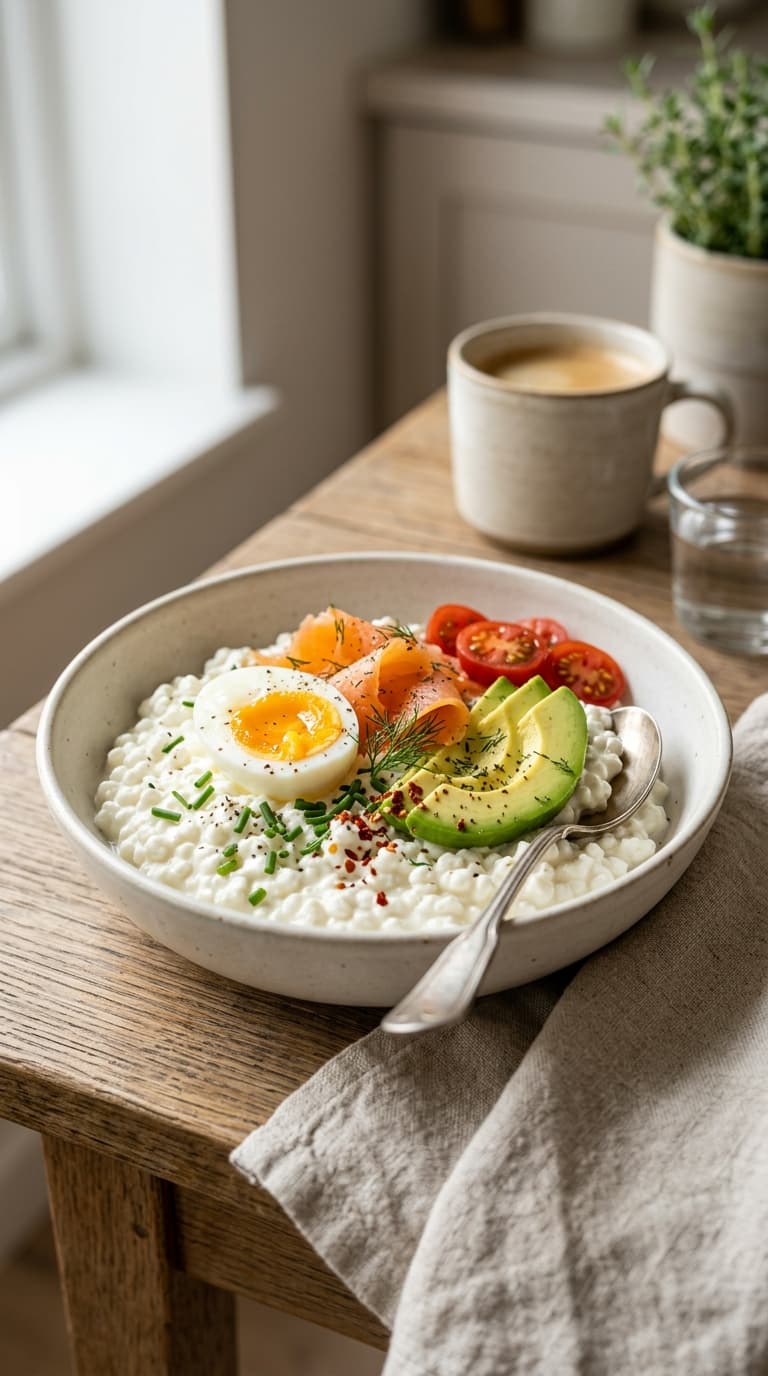
4. Cottage Cheese with Apple Slices and Cinnamon (250 calories)
Half a cup of low-fat cottage cheese paired with a medium apple, sliced thin, and a generous sprinkle of cinnamon. Sounds weird, tastes amazing. The combo of protein from the cottage cheese and fiber from the apple keeps you full surprisingly long.
If you’re skeptical about cottage cheese, you’re not alone—I used to think it was gross until I tried it with fruit. Now it’s in my weekly rotation. Speaking of protein-rich options, these high-protein calorie deficit breakfasts offer even more ways to start your day strong.
5. Egg and Veggie Breakfast Muffins (180 calories for 2 muffins)
Whisk together eggs, egg whites, diced bell peppers, onions, spinach, and a bit of feta cheese. Pour into a silicone muffin pan and bake at 350°F for about 20 minutes. Make a batch on Sunday, and you’ve got grab-and-go breakfasts all week.
These are clutch when you’re genuinely too busy to cook in the morning. Two muffins give you about 15 grams of protein and barely any calories.
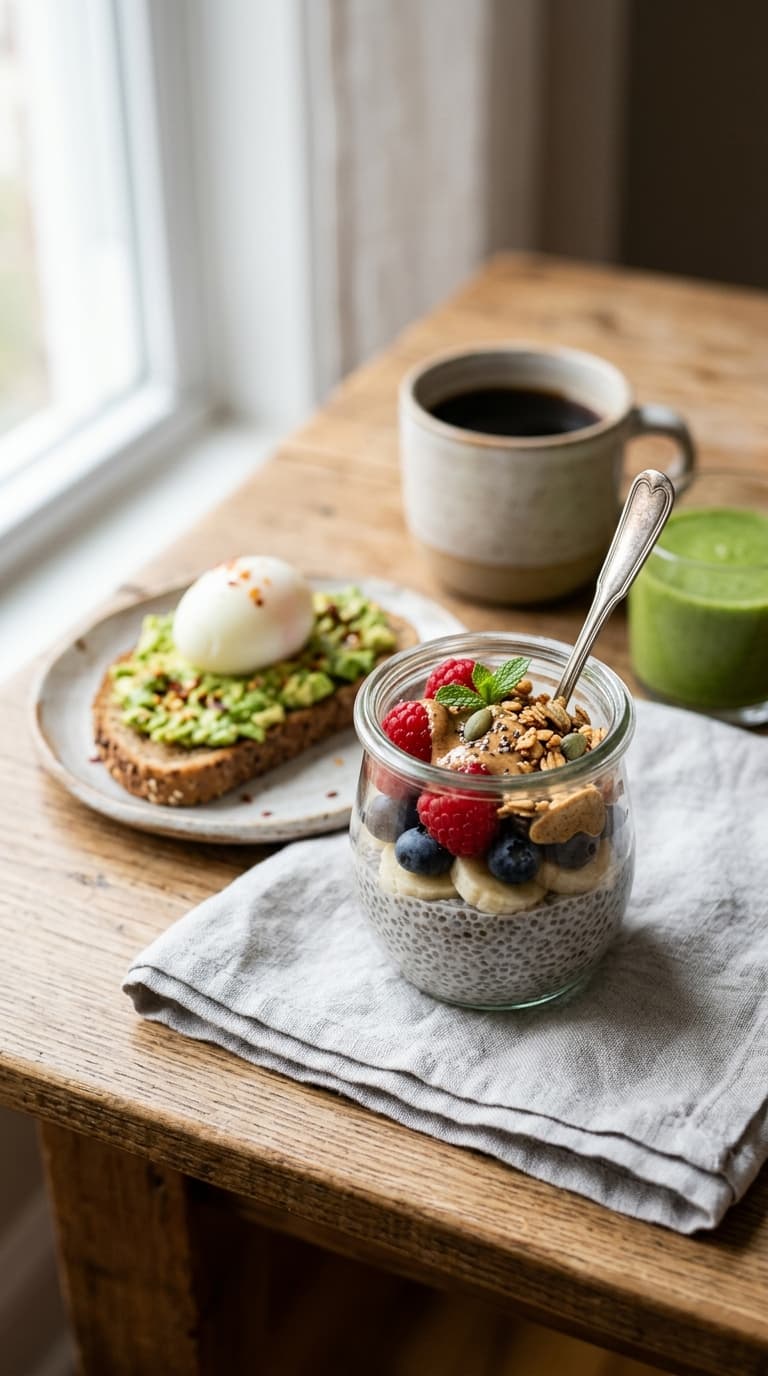
6. Avocado Toast with Egg (300 calories)
One slice of whole grain bread, a quarter of an avocado mashed on top, and a poached egg. This classic is a classic for a reason—it’s delicious, filling, and gives you protein, healthy fats, and fiber all in one shot.
I use this egg poacher because I’m terrible at getting the timing right otherwise. No shame in using tools that make your life easier. If you want more quick options, check out these easy calorie deficit breakfasts under 300 calories.
7. High-Protein Smoothie (275 calories)
Blend one scoop of protein powder, half a frozen banana, a cup of spinach (you won’t taste it, I promise), half a cup of unsweetered almond milk, a tablespoon of peanut butter, and a few ice cubes. This gives you around 30 grams of protein and tastes like a milkshake.
My bullet blender makes this whole process take under two minutes. Cleanup is just rinsing out the cup. For more smoothie inspiration, explore these low-calorie smoothies under 250 calories.
8. Scrambled Tofu with Veggies (220 calories)
If you’re plant-based or just want to switch things up, crumbled tofu scrambled with turmeric, garlic powder, nutritional yeast, and a ton of vegetables is surprisingly good. The turmeric gives it that eggy color, and the nutritional yeast adds a cheesy flavor.
I was skeptical too, but this actually hits the spot. Serve with half a cup of roasted sweet potato cubes if you have the extra 80 calories to spare.
9. Protein Pancakes (290 calories for 3 small pancakes)
Blend a quarter cup of oats, half a banana, three egg whites, one scoop of protein powder, and a pinch of cinnamon. Cook them like regular pancakes on a griddle. Top with a tablespoon of sugar-free syrup or a few fresh berries.
These are perfect for weekend mornings when you want something that feels indulgent but still fits your goals. Get Full Recipe with all the variations I’ve tried.
10. Turkey Sausage and Veggie Breakfast Bowl (310 calories)
Two turkey sausage links (about 100 calories), scrambled egg whites, sautéed bell peppers, onions, and zucchini. Season everything with Italian herbs and a tiny bit of hot sauce. This is a savory breakfast that actually sticks with you.
If you’re tired of sweet breakfasts, this is your answer. It’s filling, flavorful, and loaded with protein.
Meal Prep Essentials Used in This Plan
Making these breakfasts easier starts with having the right tools on hand. Here’s what I actually use and recommend:
- Glass Meal Prep Containers (Set of 10) – Perfect for storing overnight oats and egg muffins. They’re microwave and dishwasher safe, which is a game-changer.
- Digital Food Scale – I resisted getting one for ages, but it’s honestly essential when you’re tracking calories. No more guessing portions.
- Portable Blender Bottle – For protein shakes on the go. The mixing ball actually works, unlike the cheap ones.
Digital Resources That Changed Everything:
- 7-Day 1200 Calorie Meal Plan – Complete with shopping lists and macros. Check it out here.
- 30-Day Low-Calorie Meal Plan – Takes the guesswork out of what to eat. Get the full plan.
- 1200 vs 1500 Calorie Comparison Guide – Helps you figure out which target is right for you. Read the breakdown.
Plus, if you want daily support and recipe ideas, our WhatsApp community shares meal prep tips and motivation throughout the week.
11. Chia Seed Pudding with Berries (240 calories)
Mix three tablespoons of chia seeds with one cup of unsweetened almond milk, a dash of vanilla extract, and a tiny bit of maple syrup. Let it sit in the fridge overnight. Top with half a cup of mixed berries in the morning.
The mason jars I use for this make it easy to prep multiple servings at once. Chia seeds expand like crazy, so this actually feels like a substantial breakfast.
12. Smoked Salmon and Cream Cheese on Rice Cakes (280 calories)
Two rice cakes topped with a tablespoon of light cream cheese, two ounces of smoked salmon, sliced cucumber, and red onion. Fancy breakfast that takes three minutes to assemble.
This is my go-to when I’m craving something savory and protein-rich but don’t want to cook anything. The omega-3s from the salmon are a bonus.
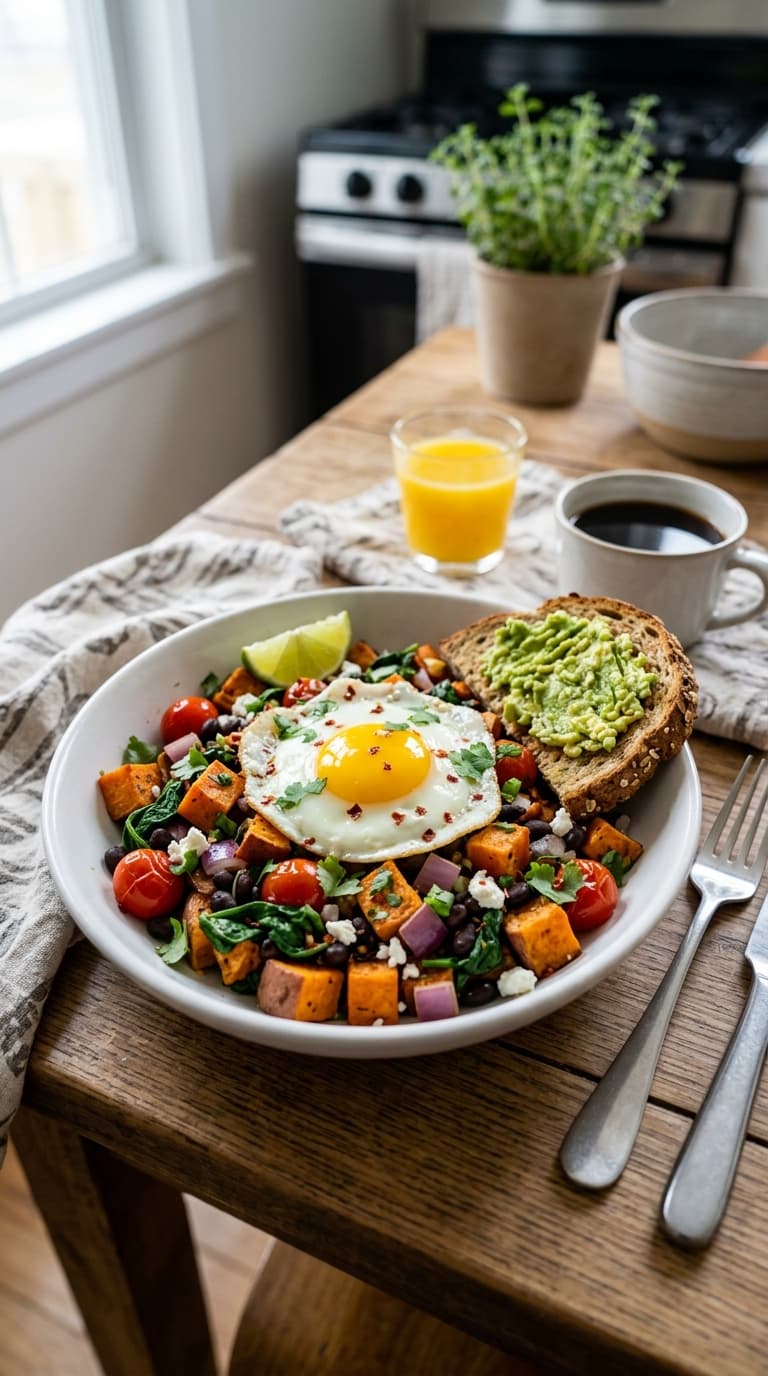
13. Breakfast Burrito Bowl (350 calories)
Scrambled eggs, black beans, salsa, a tablespoon of shredded cheese, and a handful of spinach all mixed together in a bowl. Skip the tortilla to save calories, but you still get all the burrito flavors you want.
I prep the black beans in a batch using my instant pot on Sundays, and then I just reheat portions throughout the week. Saves time and money compared to buying canned beans constantly.
Looking for more filling breakfast ideas? These low-calorie breakfasts for a calorie deficit will keep you satisfied all morning.
14. Protein Waffles (310 calories for 2 waffles)
Similar to protein pancakes, but you throw the batter in a waffle maker instead. Mix oats, protein powder, egg whites, mashed banana, and baking powder. Top with Greek yogurt and berries instead of syrup for extra protein.
Waffles feel more special than pancakes somehow, so this is great for weekend mornings when you want to feel like you’re treating yourself.
15. Breakfast Salad with Hard-Boiled Eggs (265 calories)
Mixed greens, two hard-boiled eggs, cherry tomatoes, cucumber, and a light balsamic vinaigrette. Yes, salad for breakfast is weird, but hear me out—it’s actually refreshing and keeps you full forever.
I use this egg cooker to make perfect hard-boiled eggs every single time. No more guessing if they’re done or dealing with that grey ring around the yolk.
16. Banana Protein Muffins (260 calories for 2 muffins)
Mash two ripe bananas, mix with protein powder, oat flour, eggs, and a bit of honey. Bake in a muffin tin for about 18 minutes at 350°F. These are legitimately good and don’t taste like protein powder.
Make a batch of twelve and freeze them. Pop two in the microwave for 30 seconds when you need breakfast in a hurry. Get Full Recipe with exact measurements.
17. Cottage Cheese Pancakes (295 calories)
Blend half a cup of cottage cheese with two eggs, a quarter cup of oat flour, and a pinch of baking powder. Cook like regular pancakes. The cottage cheese makes them super fluffy and adds a ton of protein.
These have a slightly different texture than regular pancakes, but in a good way. They’re denser and more filling.
18. Spinach and Feta Egg Wrap (300 calories)
Scramble two eggs with a big handful of spinach, crumbled feta, and tomatoes. Wrap everything in a low-carb tortilla (about 50-70 calories). This is portable, delicious, and hits all the right macros.
I keep a stack of these low-carb tortillas in my fridge at all times. They’re a lifesaver for making meals feel more substantial without adding a ton of calories.
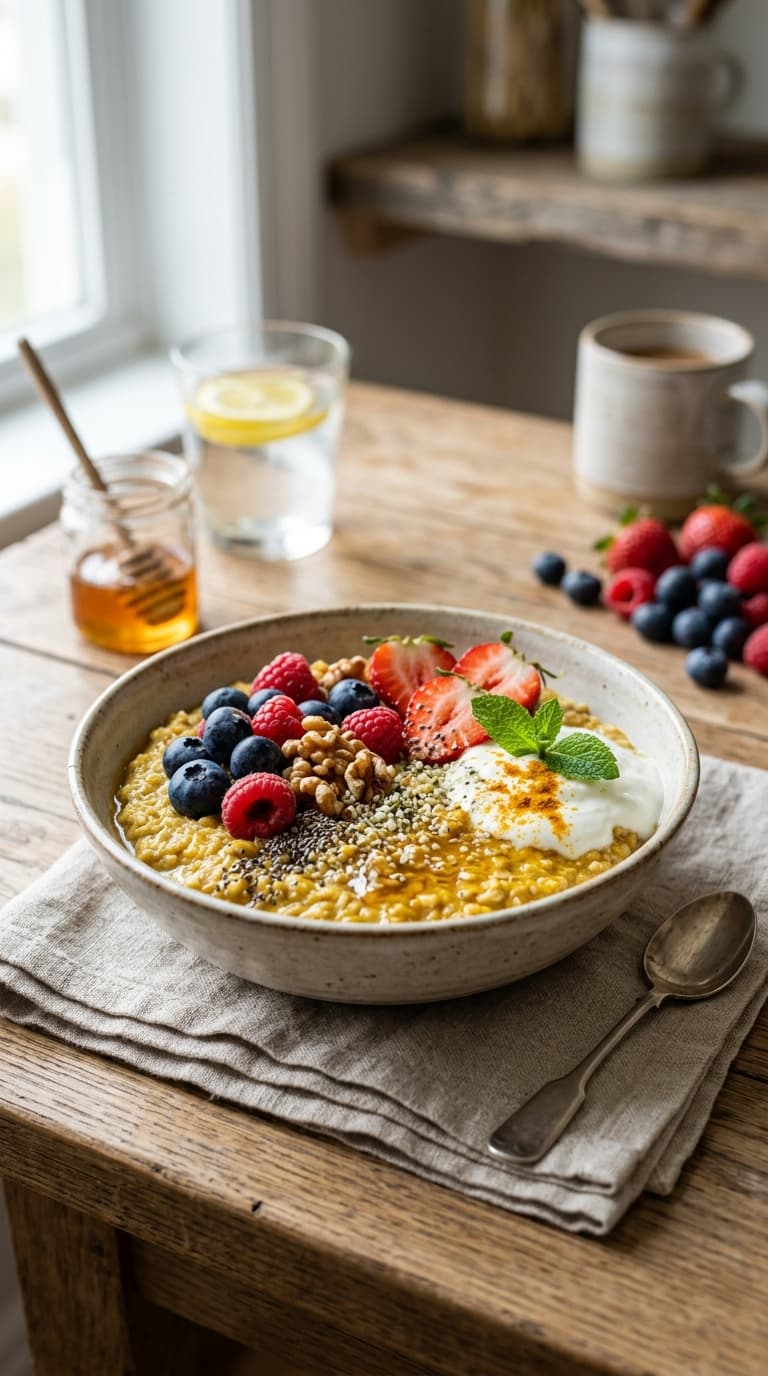
19. Peanut Butter Banana Oatmeal (340 calories)
Half a cup of oats cooked with water, topped with half a sliced banana and a tablespoon of natural peanut butter. Sprinkle on some cinnamon and a tiny drizzle of honey if needed.
This is comfort food that actually works within a calorie deficit. The peanut butter adds healthy fats and makes the oatmeal way more satisfying. For a comprehensive approach to your eating plan, check out this 14-day 1500 calorie meal plan.
20. Turkey and Egg Breakfast Sandwich (330 calories)
One English muffin (120 calories), a fried egg, a slice of turkey breast, and a slice of tomato. Add a tiny bit of light mayo or mustard for flavor. This tastes like fast food but has way better macros.
The egg ring molds I bought make the egg the perfect size for the English muffin. No more eggs hanging off the sides awkwardly.
21. Yogurt Bowl with Granola and Nuts (290 calories)
One cup of plain Greek yogurt, a quarter cup of low-sugar granola, a tablespoon of chopped almonds, and a few fresh berries. This has the perfect balance of protein, carbs, and healthy fats.
Just watch your portions on the granola—it’s sneaky high in calories. I measure everything with my food scale to make sure I’m not accidentally eating 400 calories of granola thinking it’s a quarter cup.
If you’re looking for even more variety throughout the day, explore these low-calorie lunch ideas and low-calorie dinners under 350 calories to keep your deficit on track without getting bored.
How to Make These Breakfasts Work in Real Life
The biggest gap between a perfect meal plan and real life? Execution. You can have the best recipes in the world, but if you’re rushing around every morning like a maniac, you’re probably not making protein pancakes from scratch.
Batch Cooking is Your Secret Weapon
I spend about an hour on Sunday prepping breakfast stuff for the week. It sounds like a lot, but it saves me probably five hours during the week when I’m half-asleep and barely functional.
Here’s what I prep: a dozen hard-boiled eggs, a batch of egg muffins, overnight oats in mason jars, and sometimes protein pancakes that I freeze and reheat. That covers most of my bases, and then I can throw in a smoothie or toast with avocado when I want something different.
Keep Your Pantry Stocked
You can’t make these breakfasts if you don’t have the ingredients. I keep my pantry stocked with oats, protein powder, chia seeds, and natural peanut butter. My fridge always has Greek yogurt, eggs, egg whites, and frozen berries.
When I let my staples run out, I inevitably end up eating cereal or skipping breakfast entirely, and then the whole day goes sideways. Don’t be like past me—keep your basics stocked.
For a comprehensive shopping strategy, check out these low-calorie grocery items to always buy.
Adjust for Your Actual Hunger
These portion sizes are guidelines, not gospel. If you’re super active or taller than average, you might need more than 300 calories for breakfast. If you’re shorter or less active, you might be fine with 250.
The key is figuring out what keeps you satisfied until lunch without blowing through your daily calories. That’s going to be different for everyone, and it might even change depending on your activity level that day.
Understanding your specific needs is crucial—this guide on how to lose weight on 1200-1500 calories without starving can help you dial in your targets.
Tools & Resources That Make Cooking Easier
Beyond the basics, these items have genuinely made my morning routine smoother:
- Adjustable Measuring Cups – One tool instead of five cluttering your drawer. Game-changer for meal prep.
- Portion Control Containers – Color-coded for different macros. Makes packing lunches and tracking way easier.
- Mini Food Processor – For chopping veggies quickly without dragging out the big food processor. I use this daily.
Planning Resources:
- High-Protein Meal Strategies – Learn how to hit your protein goals every meal. Get the guide.
- Vegetarian Options – Plant-based and still hitting your deficit. Check it out.
- Realistic Daily Meal Ideas – See what real people eat. Read the breakdown.
Common Breakfast Mistakes That Sabotage Your Deficit
I’ve made every breakfast mistake in the book, so let me save you some trouble.
Drinking Your Calories Without Realizing It
Coffee with cream and sugar can easily add 150+ calories before you even eat anything. Smoothies can hit 500-600 calories if you’re not careful with portions. Juice? Don’t even get me started—you’re basically drinking sugar water.
Black coffee or coffee with a splash of unsweetened almond milk is the move. If you need sweetness, try a zero-calorie sweetener or just give your taste buds a couple weeks to adjust.
Thinking “Healthy” Means Low-Calorie
Acai bowls, granola, trail mix, smoothie bowls with seventeen toppings—these things are marketed as healthy, but they’re calorie bombs. An acai bowl from a cafe can easily be 600-800 calories, which is basically half your daily budget if you’re eating 1200-1500 calories.
There’s nothing wrong with these foods occasionally, but don’t fool yourself into thinking they’re diet food just because they have fruit and nuts.
Skipping Protein Entirely
A piece of toast with jam. A banana. A bowl of cereal with skim milk. These breakfasts will leave you starving an hour later, and you’ll end up eating more calories throughout the day trying to satisfy your hunger.
Research consistently shows that higher protein intake at breakfast improves satiety and helps with weight management. Don’t skip the protein if you actually want to stay in your deficit.
What About Intermittent Fasting?
Some people swear by skipping breakfast entirely and doing intermittent fasting. If that works for you and you’re genuinely not hungry in the morning, go for it. But here’s my take: IF isn’t magic. You’re still in a calorie deficit—you’re just eating those calories in a shorter window.
For me personally, skipping breakfast makes me miserable and leads to overeating later. I’d much rather have a solid 300-calorie breakfast and stay in control of my hunger all day. But everyone’s different, and there’s no one-size-fits-all approach.
The best diet is the one you can actually stick to long-term. If breakfast helps you stick to your deficit, eat breakfast. If skipping it works better for your schedule and appetite, skip it. Just don’t skip meals because you think you’re “supposed to” based on some trend.
Frequently Asked Questions
How many calories should my breakfast be if I’m trying to lose weight?
For most women eating 1200-1500 calories per day, breakfast should be around 250-400 calories depending on your total daily target and how you prefer to distribute your meals. The key is making sure you’re getting enough protein and fiber to stay satisfied until lunch. If you’re more active or have a higher calorie budget, you can adjust accordingly—there’s no magic number that works for everyone.
Can I eat the same breakfast every day and still lose weight?
Absolutely. In fact, many people find that eating the same breakfast makes staying in a calorie deficit way easier because you’re not constantly making decisions or calculating macros. As long as your breakfast is nutritionally balanced with protein, fiber, and fits your calorie goals, repetition is totally fine. Just make sure you’re getting variety throughout the rest of your day to hit all your nutritional needs.
What if I’m not hungry in the morning?
If you genuinely don’t feel hungry in the morning and skipping breakfast doesn’t lead to overeating later in the day, then don’t force it. Some people do great with intermittent fasting or just eating lunch and dinner. However, if you’re skipping breakfast and then bingeing by noon or making poor choices because you’re starving, that’s a sign you should probably eat something small in the morning.
How much protein should I aim for at breakfast?
Aim for at least 20-30 grams of protein at breakfast for optimal satiety and muscle preservation during weight loss. Research on protein-rich breakfasts shows this amount significantly improves fullness and reduces hunger throughout the morning. You can get there through eggs, Greek yogurt, cottage cheese, protein powder, or lean meats like turkey sausage.
Are these breakfasts okay for meal prep?
Most of them, yes. Overnight oats, egg muffins, hard-boiled eggs, chia pudding, protein pancakes, and yogurt parfaits all meal prep beautifully for 3-5 days. Things like scrambled eggs and avocado toast are better made fresh, but you can still prep the components ahead of time to make morning assembly faster. I typically spend an hour on Sunday prepping breakfast options for the entire week.
The Bottom Line on Low-Calorie Breakfasts
Here’s what I’ve learned after years of trying to make breakfast work within a calorie deficit: it’s not about deprivation or suffering through sad meals. It’s about being strategic with your choices so you’re satisfied, energized, and not thinking about food every ten minutes.
These 21 breakfast ideas are my tried-and-true options that actually work in real life, not just on paper. They’re affordable, mostly quick to make, and they taste good enough that you won’t feel like you’re punishing yourself for trying to lose weight.
Start with a few that sound appealing to you, meal prep what you can, and adjust portions based on your own hunger and calorie needs. There’s no perfect breakfast that works for everyone—the best breakfast is the one you’ll actually eat consistently.
And remember: breakfast is just one meal. Don’t stress so much about making it perfect that you forget to enjoy it. The whole point of eating in a calorie deficit is to lose weight while still living your life, not to turn every meal into a mathematical equation that sucks all the joy out of eating.
You’ve got this. Now go make yourself some protein pancakes.