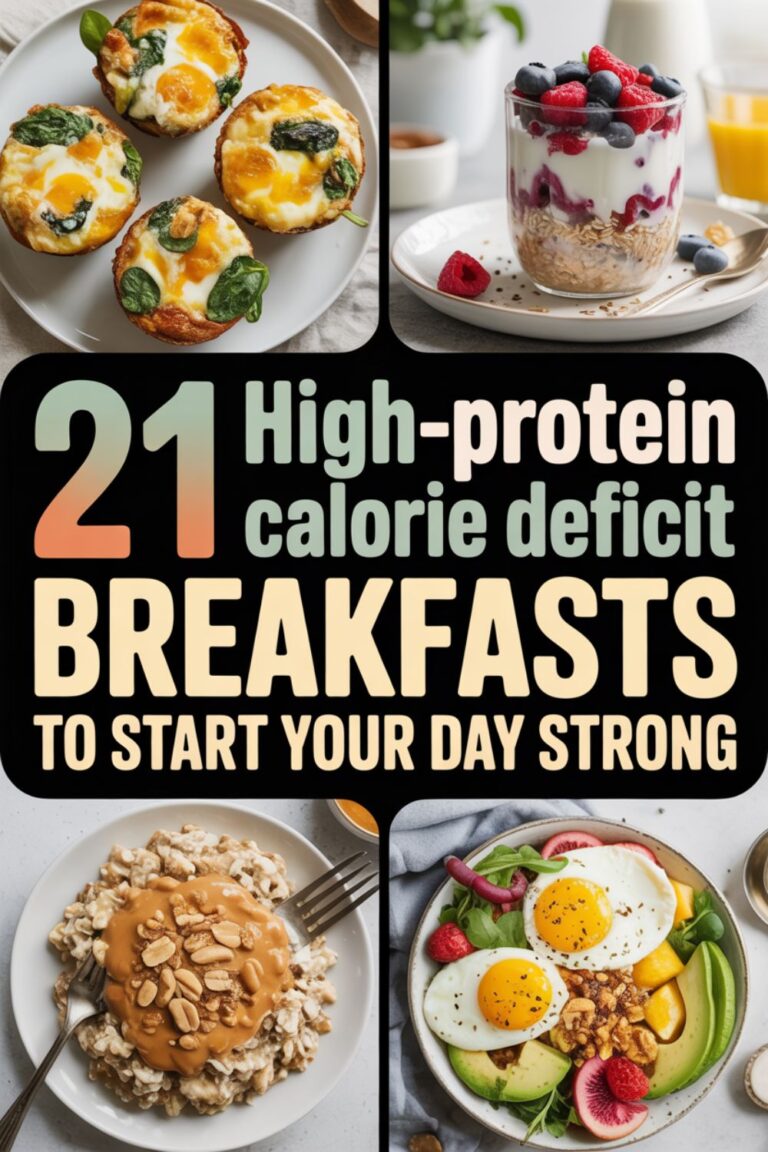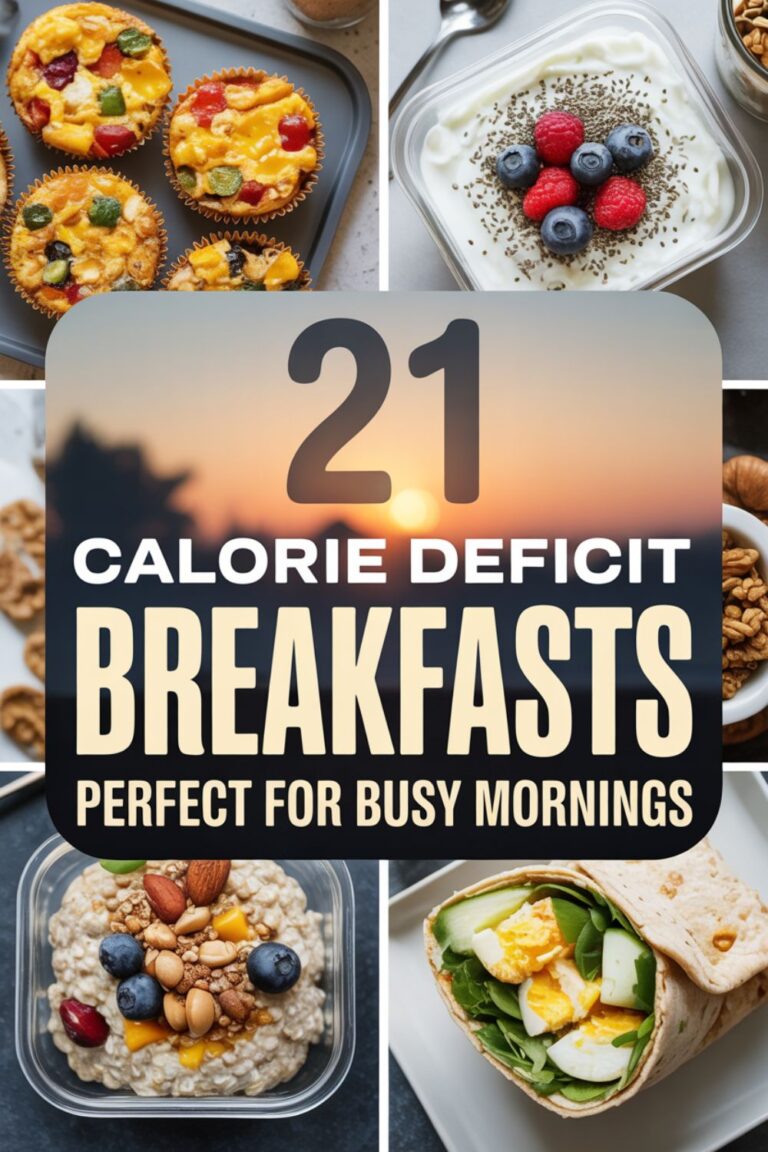
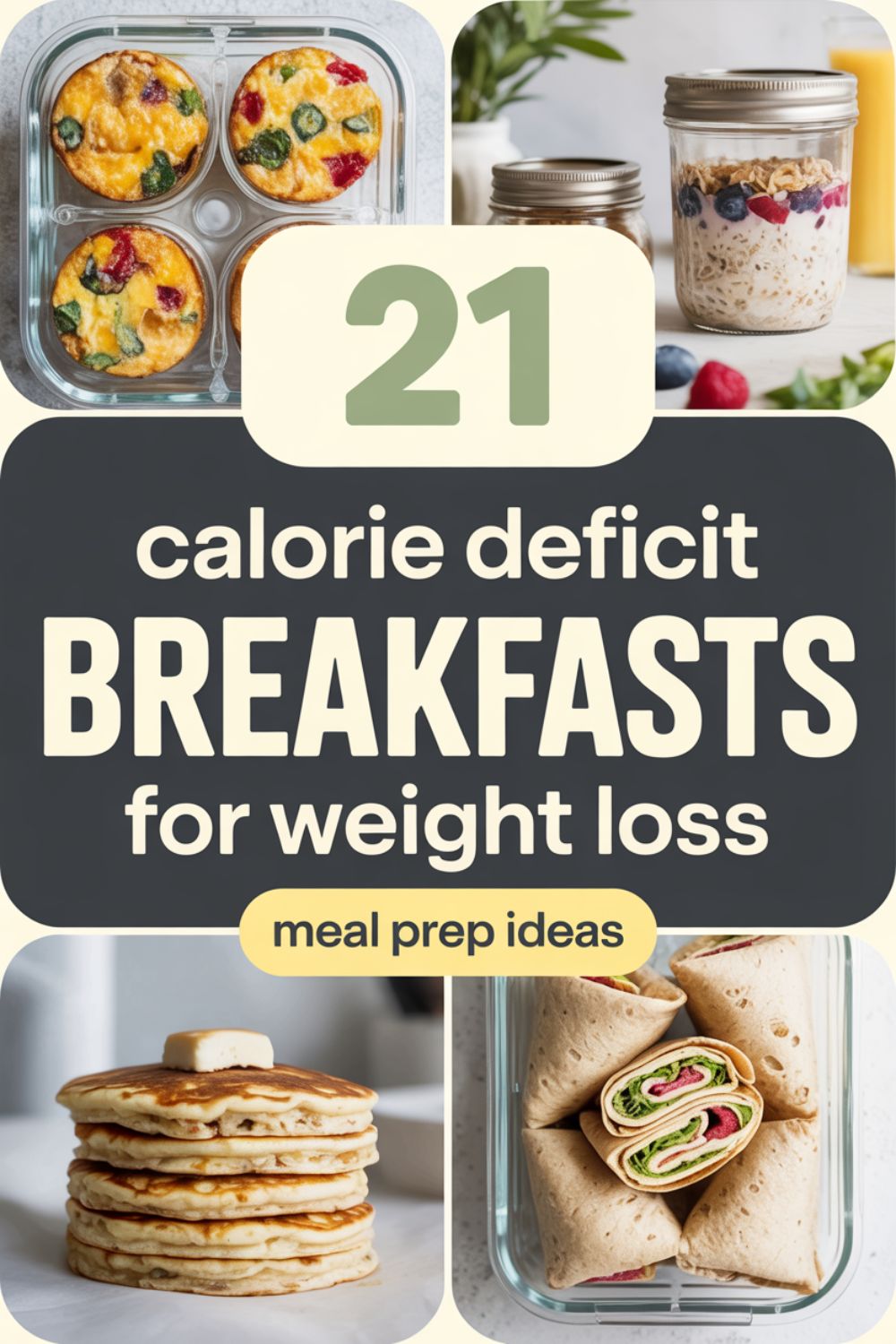
21 Calorie Deficit Breakfasts for Weight Loss + Meal Prep Ideas
Let’s get real for a second. You’ve probably heard a million times that breakfast is the most important meal of the day. But when you’re trying to lose weight and stay in a calorie deficit, breakfast can feel like a minefield. Eat too little and you’re starving by 10 AM. Eat the wrong things and you’ve blown half your daily calories on a meal that left you hungry an hour later.
I’ve been there, standing in front of my fridge at 6:30 AM, trying to figure out what won’t derail my entire day. The good news? You don’t have to choose between feeling full and losing weight. You just need to know what actually works.
The secret isn’t eating less—it’s eating smarter. When you build your breakfast around protein, fiber, and the right balance of nutrients, you can stay satisfied for hours while keeping your calorie count in check. I’m talking about meals that fuel your morning without leaving you counting down the minutes until lunch.
Why Your Current Breakfast Might Be Sabotaging Your Weight Loss
Here’s what I learned the hard way: not all calories are created equal when it comes to keeping you full. You could eat a 300-calorie bagel or a 300-calorie egg scramble with veggies, and your body will respond completely differently.
The bagel? It’ll spike your blood sugar, crash it an hour later, and leave you reaching for snacks before lunch. The eggs and veggies? They’ll keep you satisfied and focused until your next meal. The difference comes down to how your body processes different macronutrients, and understanding this changed everything for me.
Research shows that high-protein, high-fiber breakfasts significantly reduce hunger throughout the day and help with appetite control. When you prioritize protein and fiber at breakfast, you’re essentially telling your hunger hormones to chill out for a few hours.
The Science Behind Calorie Deficit Breakfasts That Actually Work
Let me break down what actually makes a breakfast filling without packing in the calories. It’s not rocket science, but it does require understanding a few key principles.
Protein is your best friend. When you eat protein, your body has to work harder to digest it compared to carbs or fats. This means you burn more calories just processing it, and it keeps you feeling full longer. Plus, eating adequate protein at breakfast helps regulate hunger hormones like ghrelin and leptin, which control your appetite throughout the day.
Fiber adds volume without calories. Foods high in fiber literally take up more space in your stomach, triggering fullness signals. They also slow down digestion, which means steady energy instead of those awful mid-morning crashes. Think vegetables, whole grains, and fruits—they’re your secret weapons.
Healthy fats are worth including. I know it sounds counterintuitive when you’re watching calories, but a small amount of healthy fat—like from avocado, nuts, or olive oil—actually helps you absorb nutrients better and keeps you satisfied. Just watch your portions because fats are calorie-dense.
Looking for more structured guidance? Check out these realistic meal plans that take the guesswork out of daily eating while keeping you in a deficit.
21 Calorie Deficit Breakfast Ideas You’ll Actually Want to Eat
Alright, let’s get to the good stuff. These aren’t boring, sad diet breakfasts. They’re actual meals that taste good and keep you full. I’ve organized them by type so you can find what fits your morning routine.
Egg-Based Breakfasts (Because Eggs Are Amazing)
1. Veggie-Loaded Egg White Scramble (85 calories)
Three egg whites scrambled with spinach, mushrooms, tomatoes, and a sprinkle of feta. Season with garlic powder and black pepper. Serve with a slice of whole wheat toast if you need more calories.
2. Tomato and Herb Frittata Muffins (95 calories each)
Mix eggs with cherry tomatoes, fresh basil, and a tiny bit of parmesan. Bake in a muffin tin for grab-and-go portions. I make a dozen on Sunday and they last all week. Get Full Recipe
3. Poached Eggs on Sautéed Greens (140 calories)
Two poached eggs over a bed of wilted spinach and kale sautéed with garlic. The runny yolk acts as a natural sauce. Chef’s kiss, honestly.
4. Bell Pepper Egg Cups (110 calories)
Cut bell peppers in half, remove seeds, crack an egg into each half, and bake at 375°F for about 20 minutes. Add some diced tomatoes and herbs before baking. These look fancy but they’re stupid easy.
If you’re loving these egg-based options, you might also enjoy exploring high-protein meal plans that feature similar protein-forward recipes throughout the day. For more variety in your morning routine, check out these low-calorie breakfast options that’ll keep your taste buds happy.
Oatmeal and Grain Bowls (Warm and Comforting)
5. Protein-Packed Overnight Oats (195 calories)
Mix 1/3 cup rolled oats, 1/2 cup unsweetened almond milk, 2 tablespoons plain Greek yogurt, 1 teaspoon chia seeds, and a handful of berries. Let it sit overnight. Wake up to breakfast already made.
6. Apple Cinnamon Steel-Cut Oats (210 calories)
Cook steel-cut oats in unsweetened almond milk, stir in diced apple and cinnamon. Top with a teaspoon of almond butter if you have calories to spare. The texture is so much better than regular oats, IMO.
7. Savory Oatmeal Bowl (230 calories)
Cook oats in vegetable broth instead of water or milk. Top with a soft-boiled egg, sautéed mushrooms, and green onions. I know it sounds weird, but trust me—it’s a game-changer when you’re tired of sweet breakfasts.
8. Pumpkin Spice Quinoa Bowl (185 calories)
Cook quinoa in unsweetened almond milk with pumpkin puree, cinnamon, and a dash of vanilla extract. Top with pepitas and a few blueberries. Get Full Recipe
Greek Yogurt and Cottage Cheese Creations
9. Berry Blast Yogurt Parfait (165 calories)
Layer 3/4 cup non-fat Greek yogurt with mixed berries and a tablespoon of low-sugar granola. Add a drizzle of honey if you need it sweeter, but the berries usually do the trick.
10. Cottage Cheese Pancakes (220 calories for 3 pancakes)
Blend 1/2 cup cottage cheese, 2 eggs, 1/4 cup oats, and a dash of vanilla. Cook like regular pancakes. These have way more protein than regular pancakes and they’re surprisingly fluffy.
11. Savory Cottage Cheese Bowl (155 calories)
Top cottage cheese with cucumber slices, cherry tomatoes, everything bagel seasoning, and a squeeze of lemon. Sounds weird, tastes amazing. It’s like having a bagel without the bagel.
12. Chocolate Peanut Butter Greek Yogurt Bowl (245 calories)
Mix Greek yogurt with a teaspoon of cocoa powder and a tablespoon of powdered peanut butter. Top with sliced banana and a few dark chocolate chips. Feels like dessert, works like breakfast.
Want to mix things up throughout the week? These filling breakfast ideas offer even more variety while keeping you satisfied on fewer calories.
Smoothies and Smoothie Bowls
13. Green Protein Smoothie (180 calories)
Blend 1 cup spinach, 1/2 banana, 1/2 cup frozen berries, 1 scoop vanilla protein powder, and unsweetened almond milk. The spinach is invisible, I promise. My kids drink this and have no idea there’s a vegetable in there.
14. Chocolate Cherry Smoothie Bowl (215 calories)
Blend frozen cherries, unsweetened cocoa powder, Greek yogurt, and a splash of almond milk until thick. Top with sliced almonds and chia seeds. Use one of those high-speed blenders if you have one—makes it super smooth.
15. Tropical Mango Smoothie (195 calories)
Frozen mango chunks, half a banana, plain Greek yogurt, a squeeze of lime, and coconut water. Tastes like vacation in a glass. Get Full Recipe
Speaking of smoothies, if you’re looking for more liquid breakfast options that support weight loss, definitely explore these low-calorie smoothie recipes. They’re perfect for busy mornings when you need something you can drink on the go.
Toast and Wrap Options
16. Avocado Toast with Egg (265 calories)
One slice whole grain bread, 1/4 mashed avocado, one poached egg on top. Add red pepper flakes and everything bagel seasoning. Yeah, I know avocado toast is basic, but it’s basic for a reason—it works.
17. Smoked Salmon and Cucumber Toast (185 calories)
One slice whole wheat toast, 2 tablespoons light cream cheese, smoked salmon, cucumber ribbons, and fresh dill. Fancy enough for weekend brunch but easy enough for Tuesday morning.
18. Turkey and Veggie Breakfast Wrap (245 calories)
Whole wheat low-carb tortilla, scrambled egg whites, sliced turkey breast, spinach, tomato, and salsa. Roll it up and take it with you. I wrap mine in foil using these reusable food wraps instead of plastic.
19. Almond Butter Banana Toast (235 calories)
One slice whole grain bread, 1 tablespoon almond butter, half a sliced banana, and a sprinkle of cinnamon. Simple, sweet, and surprisingly filling thanks to the protein and fiber combo.
Make-Ahead and Meal Prep Champions
20. Baked Egg and Turkey Sausage Cups (125 calories each)
Line a muffin tin with turkey sausage, crack an egg into each, add diced peppers and onions, and bake. Make a batch on Sunday, reheat during the week. Game-changer for busy mornings.
21. Chia Seed Pudding Variations (165 calories)
Mix 3 tablespoons chia seeds with 1 cup unsweetened almond milk, let sit overnight. In the morning, top with berries and a drizzle of pure maple syrup. You can make five jars at once and rotate flavors all week. Get Full Recipe
Meal Prep Strategies That Actually Save Time
Look, I get it. The idea of meal prep sounds great until Sunday afternoon rolls around and you’d rather watch Netflix than stand in your kitchen for three hours. Here’s how to make it painless.
Pick one or two recipes max. Don’t try to prep seven different breakfasts. Choose two that you know you like and make multiples. I usually do egg muffins and overnight oats because they complement each other—one savory, one sweet.
Prep ingredients, not just full meals. Sometimes it’s easier to chop all your veggies, hard-boil a dozen eggs, and portion out your oats than to make complete meals. Then you can mix and match during the week. I use this vegetable chopper to make quick work of peppers and onions.
Label everything with dates. Trust me on this. Write the date on your containers with a dry erase marker. Most of these breakfasts last 3-5 days in the fridge, but it’s good to know exactly when you made them.
Freeze what you can. Egg muffins, breakfast burritos (wrapped individually), and even some smoothie packs freeze beautifully. Pull one out the night before and it’s ready by morning.
If you’re ready to take your meal prep to the next level, these budget-friendly meal prep recipes will show you how to prepare multiple meals efficiently without breaking the bank.
The Biggest Mistakes People Make with Calorie Deficit Breakfasts
Mistake 1: Going too low on calories. I’ve seen people eat 150-calorie breakfasts and wonder why they’re ravenous by 9 AM. If you’re active or have a long morning ahead, you might need 300-400 calories to make it to lunch comfortably. Don’t be afraid to eat enough.
Mistake 2: Skipping protein entirely. A bowl of fruit or a piece of toast isn’t going to cut it. You need protein to stay full. Aim for at least 15-20 grams minimum, but 25-30 grams is even better. According to nutrition experts, getting around 25-30 grams of protein at breakfast is ideal for maximizing satiety and appetite control.
Mistake 3: Drinking your calories without thinking. That fancy coffee drink from the drive-thru? It might have more calories than your entire breakfast should. If you love your morning coffee, make it at home or order it with modifications. I use this milk frother to make lattes at home that rival the coffee shop versions.
Mistake 4: Not planning ahead. When you wait until you’re hungry to figure out breakfast, you’ll make impulsive choices. Having a plan—even just knowing what you’re going to eat tomorrow—makes all the difference.
For more guidance on avoiding common pitfalls, check out this comprehensive guide on how to lose weight without starving. It covers everything from proper calorie distribution to managing hunger effectively throughout your day.
How to Customize These Breakfasts for Your Needs
Not everyone needs the same thing from breakfast. Here’s how to adjust based on your situation.
If you work out in the morning: Add an extra 50-100 calories from carbs and protein. Think an extra slice of toast or a bigger portion of oats. Your body needs fuel for those workouts.
If you’re vegetarian or vegan: Most of these recipes adapt easily. Swap eggs for tofu scrambles, use plant-based Greek yogurt, and load up on beans and lentils for protein. Nutritional yeast is your friend for adding a cheesy flavor without dairy.
If you’re gluten-free: Use gluten-free bread or skip bread entirely. Most of these recipes don’t rely heavily on wheat anyway. Oats, eggs, yogurt, and quinoa are all naturally gluten-free.
If you need more calories: Add a serving of fruit, an extra tablespoon of nut butter, or a small handful of nuts. It’s easier to add calories than subtract them, so start with the base recipe and build up.
Trying to decide between different calorie targets? This comparison of 1200 vs 1500 calorie plans can help you figure out what’s right for your body and lifestyle.
Meal Prep Essentials Used in This Plan
These are the tools and products that make breakfast meal prep actually work in real life. I’ve tested way too many kitchen gadgets, and these are the ones that earned their space in my kitchen.
Physical Products:
- Glass Meal Prep Containers Set – Microwave and dishwasher safe, no weird plastic taste
- Silicone Muffin Pan – Non-stick, easy to pop out egg muffins without them falling apart
- Wide-Mouth Mason Jars – Perfect for overnight oats and chia pudding, actually easy to eat from
Digital Products:
- Meal Planning Template Bundle – Pre-made templates for weekly breakfast planning
- Macro Tracking Spreadsheet – Simple Excel sheet to track your daily protein and calories
- 21-Day Breakfast Reset Guide – Complete meal plan with shopping lists and prep schedules
Tools & Resources That Make Cooking Easier
Look, you don’t need a kitchen full of fancy equipment, but a few smart tools can cut your prep time in half. These are the things I actually use every single week.
Kitchen Tools:
- Immersion Blender – Way easier to clean than a full blender for smoothies
- Food Scale – If you’re serious about tracking, you need this. Eyeballing portions is how you accidentally eat twice as much
- Egg Cooker – Makes perfect hard-boiled eggs every time without thinking about it
Digital Resources:
- Recipe Scaling Calculator – Automatically adjusts recipes for meal prep batches
- Grocery List App Template – Organized by store section to make shopping faster
- Video Tutorial Access – Step-by-step videos showing exactly how to prep each recipe
What to Drink with Your Calorie Deficit Breakfast
Beverages count, people. Don’t forget about them when you’re calculating your breakfast calories.
Best choices: Black coffee, unsweetened tea (hot or iced), water with lemon, herbal tea. These are basically calorie-free and won’t interfere with your deficit.
Middle ground: Coffee with a splash of milk or a small amount of creamer (20-40 calories), unsweetened almond milk (30 calories per cup). Just measure instead of eyeballing that creamer pour.
Watch out for: Fancy coffee drinks, juice (even 100% juice), sweetened iced tea, flavored coffee creamers. These can easily add 200+ calories to your breakfast without making you any fuller.
I make my coffee at home using this French press and add a splash of unsweetened vanilla almond milk. Saves money and calories compared to the drive-thru.
Want more beverage ideas that support your weight loss? Check out these low-calorie drink options that go beyond plain water.
When to Eat Breakfast for Maximum Fat Loss
The timing question. Everyone wants to know if eating breakfast earlier or later makes a difference for weight loss.
Here’s the truth: meal timing matters less than most people think. What matters more is consistency and total daily calories. That said, there are a few things worth considering.
If you’re naturally hungry in the morning, eat breakfast within an hour or two of waking up. Fighting your natural hunger signals usually backfires later in the day.
If you practice intermittent fasting, you might push breakfast later into the morning or even skip it entirely. That’s fine if it works for you and helps you maintain your deficit. Just make sure your first meal of the day still hits those protein and fiber targets.
If you work out in the morning, having at least a small breakfast before or after your workout can help with performance and recovery. Even something simple like Greek yogurt with berries works.
The best time to eat breakfast is whenever it fits into your schedule and helps you stick to your calorie deficit. Don’t overcomplicate it.
If you’re interested in structured meal timing, these meal plans designed for busy schedules can help you establish a consistent eating routine that fits your life. They take the guesswork out of when and what to eat.
How to Deal with Breakfast Boredom
Let’s be honest: eating the same thing every morning gets old fast. Here’s how to keep things interesting without abandoning your calorie deficit.
Rotate between three different breakfast styles. Don’t try to eat different things every single day—that’s exhausting. Instead, alternate between eggs, oats, and yogurt-based meals. You’ll get variety without overwhelming yourself with decisions.
Change up your seasonings and toppings. The same base recipe tastes completely different with different flavors. Try cinnamon one day, cocoa powder the next, or go savory with garlic and herbs. Small changes make a big difference.
Follow the seasons. Use berries in summer, apples in fall, citrus in winter. Seasonal produce tastes better and costs less anyway. Plus, it naturally creates variety throughout the year.
Try one new recipe per month. You don’t need to constantly experiment, but adding one new breakfast option every few weeks keeps things from getting stale. If you love it, add it to your rotation. If not, no big deal.
For more variety and inspiration, explore these breakfast ideas you’ll actually look forward to eating. Sometimes you just need fresh recipe ideas to reignite your motivation.
Frequently Asked Questions
How many calories should my breakfast be if I’m in a calorie deficit?
It depends on your total daily calorie goal and how you prefer to distribute your calories. Most people do well with 250-400 calories at breakfast, but if you’re more active or prefer bigger breakfasts, you might go up to 500 calories. The key is making sure it keeps you full until your next meal and fits within your total daily target.
Can I eat the same breakfast every day and still lose weight?
Absolutely. If you find a breakfast you love that hits your calorie and protein targets, there’s nothing wrong with eating it repeatedly. Many successful people have their go-to breakfast they eat most days. The only potential downside is nutritional variety, so try to vary your other meals throughout the day.
What if I’m not hungry in the morning?
You don’t have to force yourself to eat if you’re genuinely not hungry. Some people naturally prefer to eat their first meal later in the day, which is fine for weight loss as long as you’re maintaining your calorie deficit. Just make sure when you do eat, you’re getting enough protein and fiber to keep you satisfied.
How do I make sure I’m getting enough protein at breakfast?
Build your breakfast around a protein source first, then add everything else. Start with eggs, Greek yogurt, cottage cheese, or protein powder. Most people need 20-30 grams of protein at breakfast for optimal satiety. If you’re consistently falling short, consider adding protein powder to smoothies or oatmeal.
Are breakfast smoothies actually filling or will I be hungry right away?
Smoothies can be very filling if you build them right. The key is including protein (Greek yogurt or protein powder), fiber (greens, chia seeds, oats), and not too much fruit. Thin, sugary smoothies won’t keep you full, but thick, protein-rich ones absolutely will. Smoothie bowls eaten with a spoon also tend to be more satisfying than drinking a smoothie.
Final Thoughts: Making It Work in Real Life
Here’s what I wish someone had told me when I started: perfect doesn’t exist. You’re going to have mornings where you oversleep and grab whatever’s available. You’re going to have days where you’re hungrier than usual and need to adjust. That’s completely normal and it doesn’t mean you’ve failed.
The goal isn’t to eat perfectly calculated breakfasts every single day for the rest of your life. The goal is to find a few reliable options that work for you, keep you satisfied, and fit into your lifestyle. When you have those go-to breakfasts in your back pocket, staying in a calorie deficit becomes so much easier.
Start with two or three recipes from this list that sound good to you. Try them for a week. See how you feel. Adjust as needed. That’s it. You don’t have to try all 21 recipes or meal prep like a professional. Just find what works and stick with it most of the time.
Weight loss isn’t about deprivation or eating sad, boring meals. It’s about finding foods that taste good, keep you full, and help you reach your goals. These breakfasts do all three. The rest is just showing up and staying consistent.
Now go make yourself something delicious for breakfast tomorrow. You’ve got this.