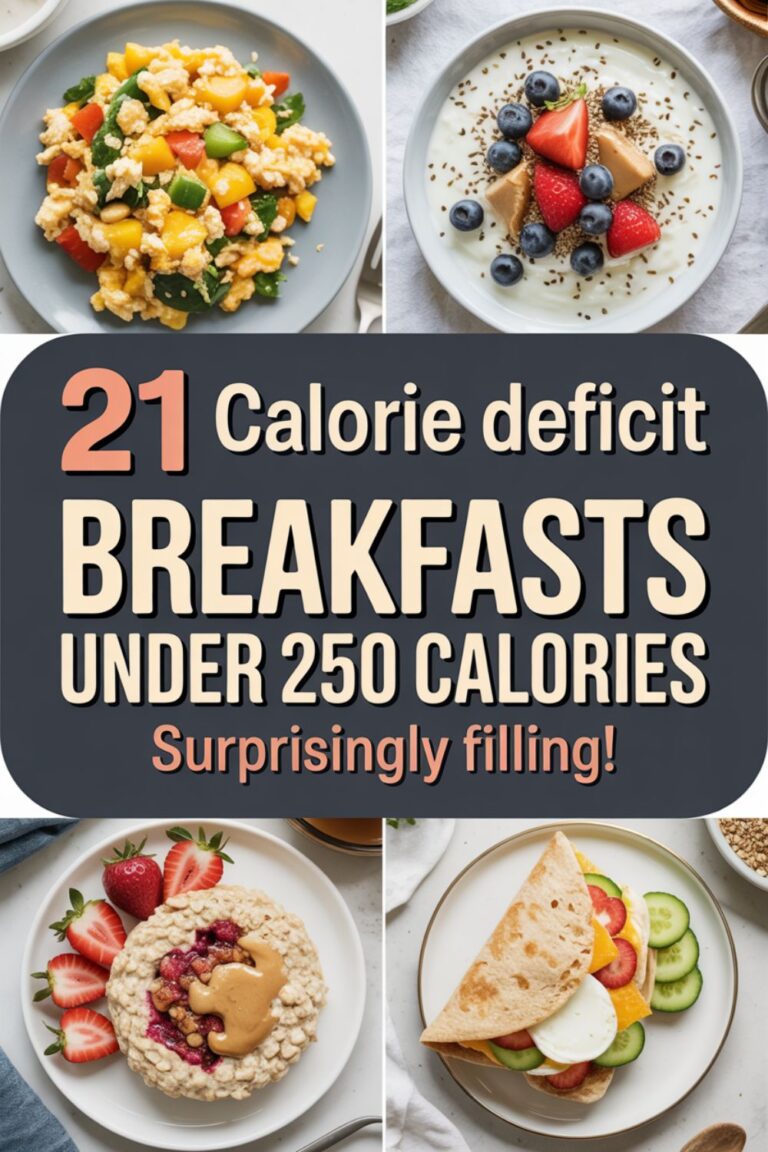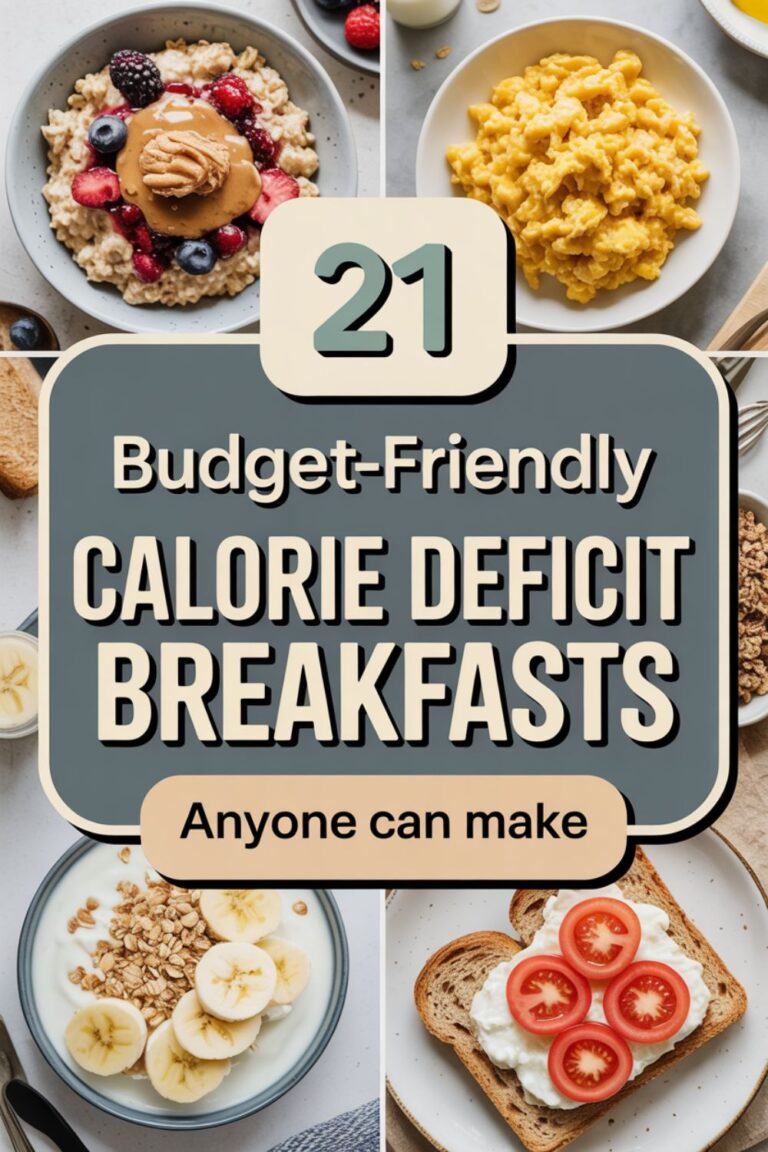
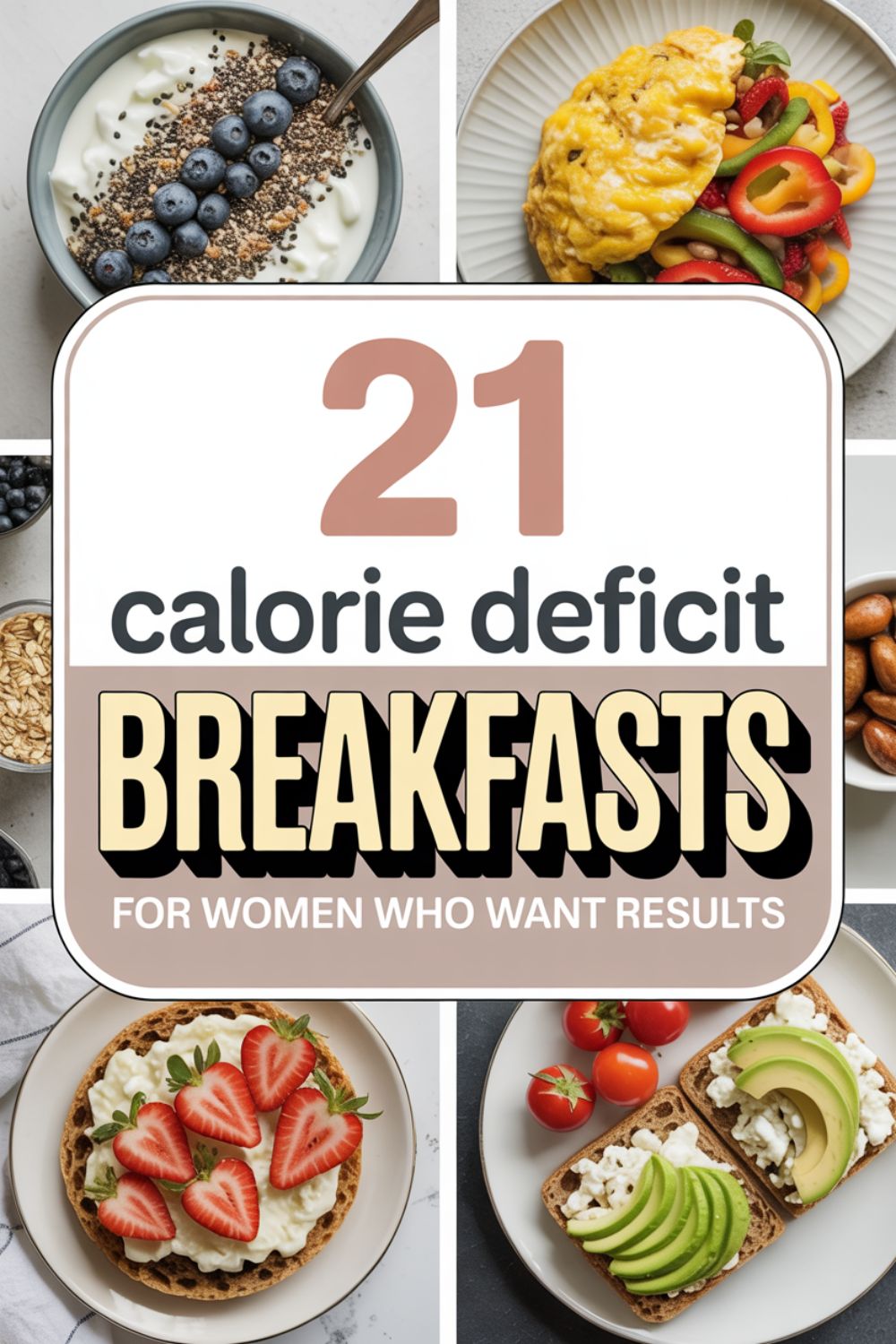
21 Calorie Deficit Breakfasts for Women Who Want Results
Let’s be honest—breakfast in a calorie deficit can feel like navigating a minefield. Too little protein and you’re raiding the snack drawer by 10 AM. Too many carbs and your energy crashes harder than my motivation on a Monday. I’ve spent years figuring out what actually works, and spoiler alert: it’s not that sad piece of dry toast you’ve been choking down.
Here’s the thing about calorie deficit breakfasts that nobody really tells you. They need to do three jobs at once: keep you full, give you energy, and not destroy your daily calorie budget before lunch. Sounds simple, right? Yeah, I thought so too until I found myself standing in front of the fridge at 11 AM wondering why I was starving after my “healthy” breakfast.
The breakfasts I’m sharing today aren’t theoretical. They’re what I actually eat, what I’ve tested on my busiest mornings, and what keeps me from turning into a hangry mess before noon. We’re talking real food, nothing fancy, and definitely nothing that requires you to wake up at 5 AM to prep.
Why Your Current Breakfast Might Be Sabotaging Your Results
I used to think I was doing everything right. Skipped the bagels, went for oatmeal, added a banana. Healthy, right? Wrong. Well, not completely wrong—but definitely not optimized for fat loss. I was missing the one ingredient that actually matters when you’re trying to stay in a calorie deficit: protein.
Research consistently shows that protein-rich breakfasts increase satiety and reduce subsequent calorie intake throughout the day. It’s not magic, it’s just how your hunger hormones work. When you eat enough protein first thing, your body actually feels satisfied instead of constantly hunting for more food.
The other mistake I see everywhere? People going too low on calories at breakfast, thinking they’re being disciplined. Then they compensate by overeating later because they’re genuinely starving. A solid 300-350 calorie breakfast with the right macro balance beats a 150-calorie “diet breakfast” every single time.
The Science Behind Calorie Deficit Breakfasts That Actually Work
Look, I’m not a scientist, but I’ve read enough research to understand what’s happening in your body when you eat breakfast. Your first meal literally sets the tone for your blood sugar, hunger cues, and energy levels for the entire day. Mess it up, and you’re fighting cravings until bedtime.
Here’s what matters: protein, fiber, and timing. Studies on appetite regulation show that high-protein breakfasts reduce the brain’s response to food cues later in the day. Translation? You’re less likely to demolish an entire sleeve of cookies at 3 PM because your brain isn’t screaming “FEED ME.”
Fiber is the unsung hero here too. It slows down digestion, which means your blood sugar doesn’t spike and crash like a rollercoaster. Combine protein and fiber in one meal, and you’ve basically created a satiety powerhouse that keeps you full for hours without thinking about it.
The secret formula I use? Around 25-30 grams of protein, 5-8 grams of fiber, and keeping total calories between 300-400. This combo works whether you’re following a 1200-calorie plan or something more moderate like a 1500-calorie approach.
21 Breakfast Ideas That Keep You Full and In a Deficit
1. Greek Yogurt Power Bowl
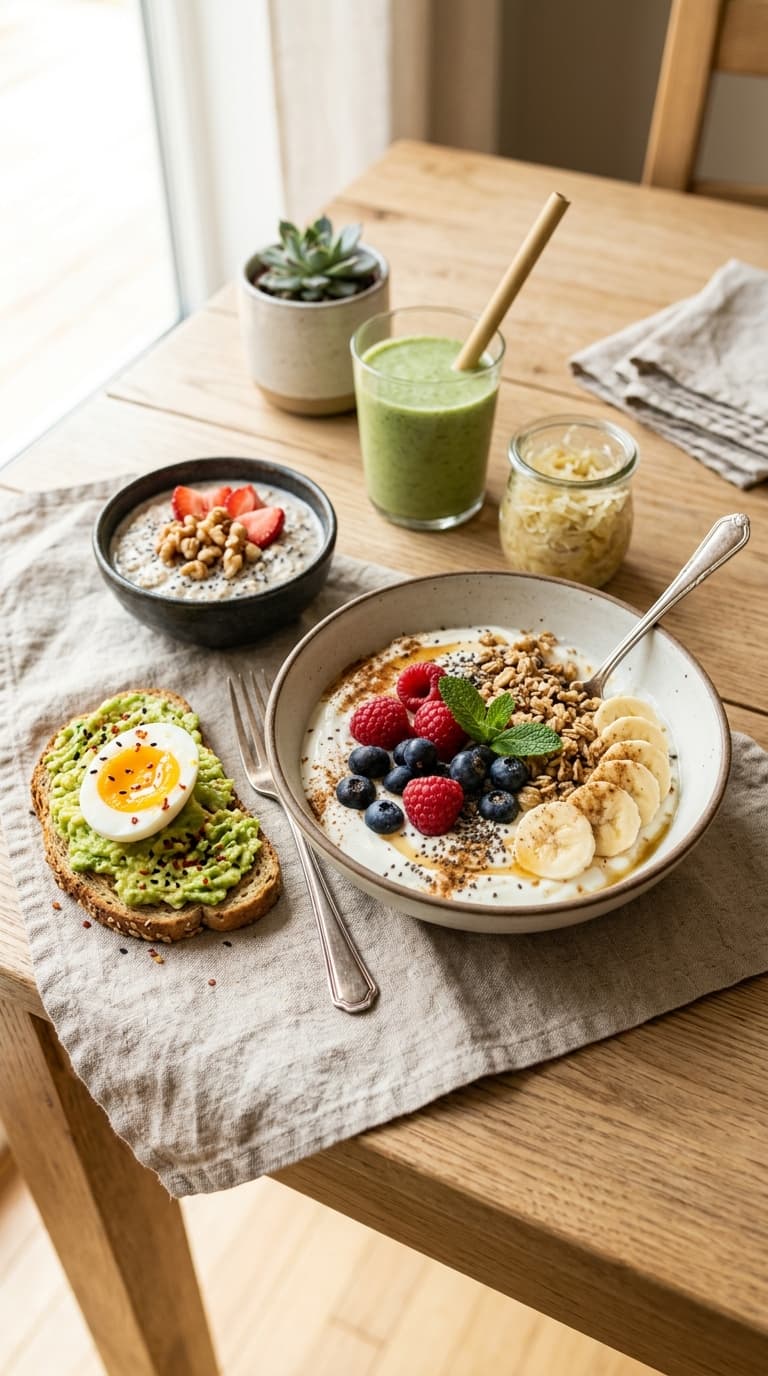
This is my go-to when I need something quick but satisfying. One cup of plain Greek yogurt (the full-fat kind, because flavor matters), half a cup of berries, and a tablespoon of almond butter. Sprinkle some chia seeds on top if you’re feeling fancy. Total game-changer, and you’re looking at about 280 calories with 25 grams of protein.
2. Veggie-Packed Egg Scramble
Two whole eggs plus two egg whites, scrambled with spinach, tomatoes, and mushrooms. Cook them in a non-stick ceramic pan with just a spritz of cooking spray. Serve with one slice of whole grain toast and you’ve got yourself a 320-calorie breakfast that feels like a real meal. Get Full Recipe
3. Protein Overnight Oats
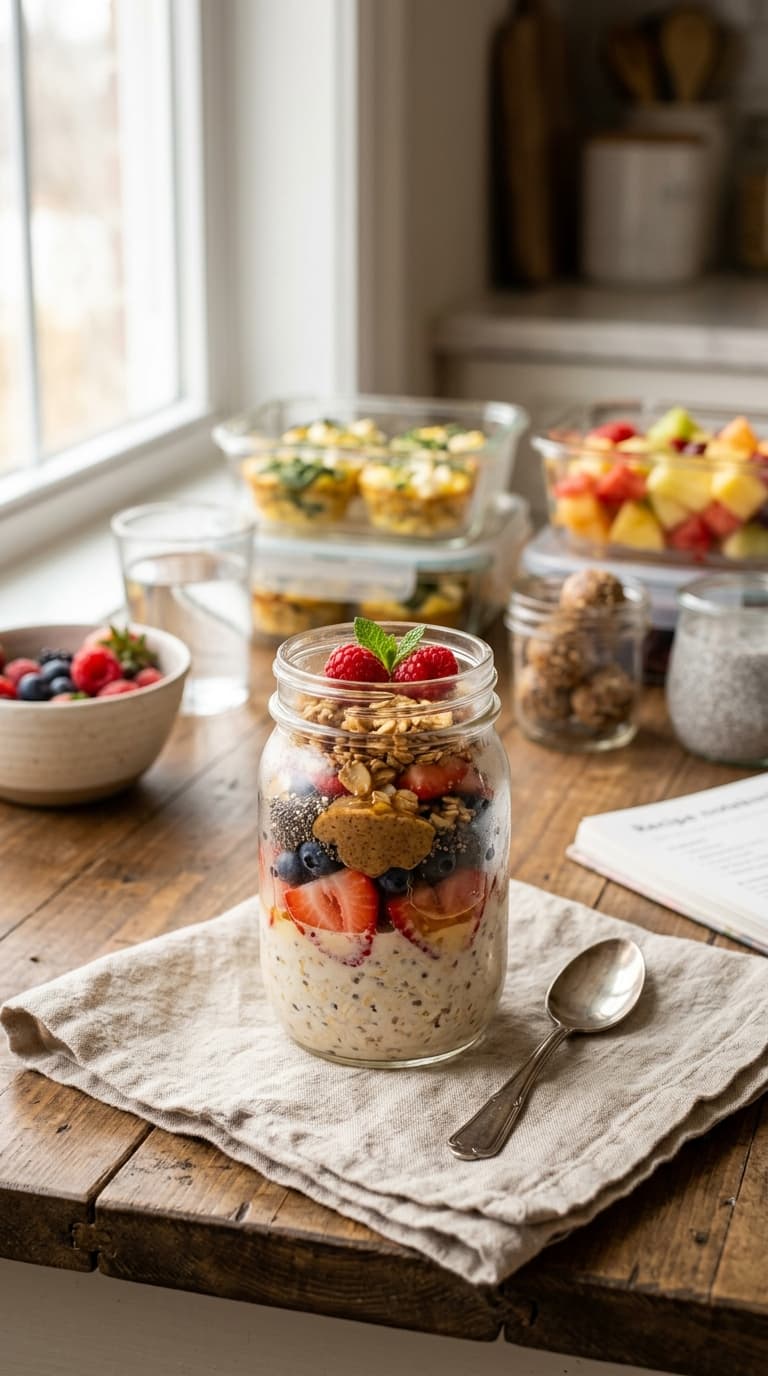
Mix half a cup of oats with one scoop of vanilla protein powder, a tablespoon of chia seeds, and unsweetened almond milk. Let it sit overnight in a mason jar. Top with berries in the morning. It’s like meal prep for people who hate meal prep. Around 310 calories and ridiculously filling.
4. Cottage Cheese Toast
Hear me out on this one. Half a cup of cottage cheese spread on whole grain toast, topped with sliced cucumber, everything bagel seasoning, and a drizzle of honey. Sounds weird, tastes incredible. About 250 calories and 22 grams of protein. Get Full Recipe
5. Breakfast Burrito Bowl
Scrambled eggs, black beans, salsa, and a small handful of shredded cheese over cauliflower rice. It’s all the burrito flavor without the tortilla calories. I make the cauliflower rice in my food processor on Sunday and use it all week. Comes in around 290 calories.
“I started making the Greek yogurt bowls every morning and honestly didn’t expect much. But I’m not hungry until lunch anymore, and I’ve lost 12 pounds in two months without feeling like I’m starving myself. The protein really does make a difference.” — Jessica M.
6. Protein Pancakes
One mashed banana, two eggs, quarter cup of oats, and a scoop of protein powder. Blend it all in a blender, cook like regular pancakes. Top with a tiny bit of real maple syrup and berries. Tastes like dessert, clocks in at 340 calories with 28 grams of protein. Get Full Recipe
7. Avocado Egg Toast
One slice of whole grain bread, half an avocado mashed on top, one poached egg, and everything bagel seasoning. Classic for a reason. About 310 calories and keeps me full until lunch without fail.
8. Smoothie Bowl
Blend protein powder, frozen berries, half a banana, and almond milk until thick. Pour into a bowl and top with granola, sliced almonds, and fresh fruit. Use a thick smoothie bowl for the perfect consistency. It’s like eating ice cream for breakfast but actually nutritious. Around 320 calories.
If you’re looking for more protein-packed ideas, check out these high-protein meal combinations that work perfectly for weight loss.
9. Turkey Sausage and Veggie Hash
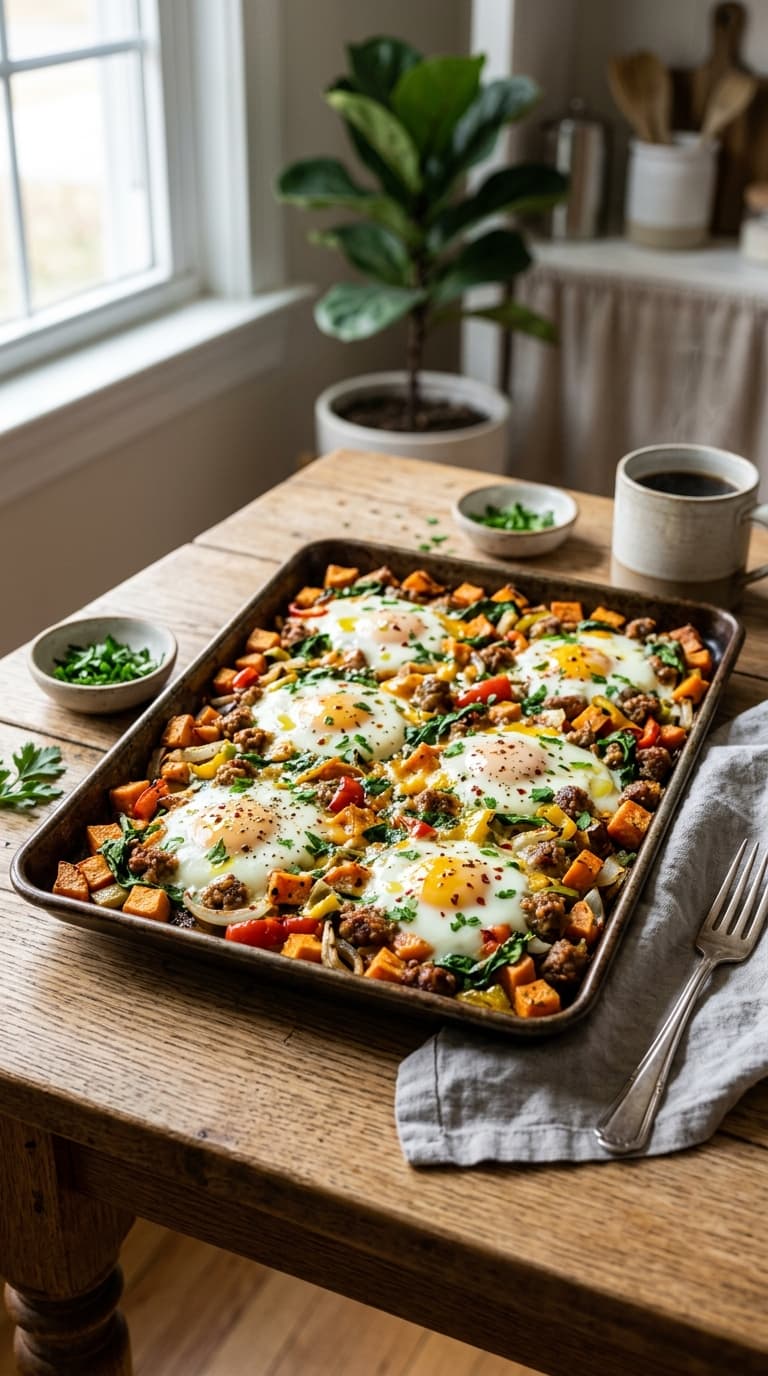
Two turkey sausage links, diced sweet potato, bell peppers, and onions all cooked together in one pan. Top with a fried egg. It’s savory, satisfying, and only 295 calories. The sweet potato gives you that carb satisfaction without overdoing it.
10. Peanut Butter Banana Wrap
Whole wheat tortilla spread with two tablespoons of natural peanut butter, half a sliced banana, and a sprinkle of cinnamon. Roll it up and you’re done. Perfect for eating in the car. About 315 calories and surprisingly filling.
11. Smoked Salmon Plate
Two ounces of smoked salmon, two tablespoons of cream cheese, cucumber slices, tomato, and capers on a small whole grain bagel thin. Fancy breakfast vibes without the fancy calorie count—around 280 calories with excellent protein.
12. Chia Seed Pudding
Three tablespoons of chia seeds mixed with almond milk, vanilla extract, and a touch of maple syrup. Let it sit overnight and top with berries and nuts. Each serving has about 270 calories and enough fiber to keep you satisfied for hours. Get Full Recipe
13. Breakfast Quesadilla
One whole wheat tortilla, scrambled eggs, a bit of cheese, and salsa. Fold it in half and cook in a griddle pan until crispy. Way better than it sounds, and only 305 calories.
14. Veggie Egg Muffins
Whisk together eggs, chopped vegetables, and a bit of cheese. Pour into a silicone muffin tin and bake. Make a batch on Sunday, grab two for breakfast all week. Each muffin is about 75 calories, so two with a piece of fruit keeps you at 250 calories total.
15. High-Protein Cereal Bowl
Look for cereals with at least 10 grams of protein per serving (they exist, trust me). Add unsweetened almond milk and top with berries. Simple, fast, and around 280 calories. Sometimes you just need cereal, and that’s okay.
Speaking of complete meal planning, if you’re struggling with lunch ideas too, these low-calorie lunch options are total lifesavers.
16. Tofu Scramble
Crumbled tofu sautéed with turmeric, garlic, spinach, and cherry tomatoes. Season with nutritional yeast for a cheesy flavor. Serve with whole grain toast. It’s vegan, packed with protein, and clocks in around 295 calories. Get Full Recipe
17. Apple Cinnamon Quinoa Bowl
Cooked quinoa mixed with diced apple, cinnamon, a scoop of protein powder, and a drizzle of almond butter. Warm it up and it tastes like apple pie for breakfast. About 330 calories and surprisingly filling.
18. Ham and Cheese Egg Cups
Line a muffin tin with thin ham slices, crack an egg into each, top with a tiny bit of cheese, and bake. Grab two for breakfast. Each cup is roughly 90 calories, so two cups plus a piece of fruit gets you to about 280 calories.
19. Protein-Packed Waffle
Use a waffle maker to make waffles from a mix of oat flour, protein powder, eggs, and almond milk. Top with Greek yogurt and berries instead of syrup. Feels indulgent, totally isn’t. Around 310 calories.
20. Breakfast Salad
Yes, salad for breakfast is a thing. Mixed greens, hard-boiled eggs, avocado, cherry tomatoes, and a light vinaigrette. It’s refreshing, protein-rich, and about 285 calories. Great for when you’re sick of traditional breakfast foods.
21. Protein Coffee Shake
Blend cold brew coffee, protein powder, ice, and a splash of almond milk. Add a teaspoon of cacao powder for mocha flavor. It’s breakfast and coffee in one, around 200 calories, so pair it with a piece of fruit to hit that 300-calorie sweet spot.
Meal Prep Essentials Used in This Plan
These are the items I actually use every single week. Not sponsored, just genuinely helpful.
- Glass Meal Prep Containers (Set of 10) — Perfect for storing chopped veggies and prepped ingredients. Microwave-safe and they don’t stain like plastic.
- Digital Food Scale — Game-changer for portion control. You think you know what 2 tablespoons of peanut butter looks like. You don’t.
- Silicone Baking Mats (Set of 2) — Non-stick magic for egg muffins, protein pancakes, and roasted veggies. Nothing ever sticks, nothing ever burns.
Digital Products That Actually Help:
- 30-Day Meal Planning Template — Pre-filled grocery lists and swap guides. Makes the whole process less overwhelming.
- Macro-Balanced Recipe eBook — 75 recipes with full nutrition info. Takes the guesswork out of hitting your protein goals.
- Calorie Deficit Calculator & Tracker — Tells you exactly where your calories should be based on your stats and goals.
Making These Breakfasts Work in Real Life
Theory is great, but let’s talk about actually doing this when you’re running late, forgot to grocery shop, or just can’t deal with cooking before coffee. I’ve been there. Like, every Tuesday.
The secret is having what I call “backup breakfasts”—stuff that requires zero thought. For me, that’s Greek yogurt with berries and a handful of nuts. It’s not Instagram-worthy, but it gets the job done in under three minutes. Keep these ingredients stocked always.
Meal prep doesn’t have to be this elaborate Sunday ritual either. I chop vegetables once a week, hard-boil a bunch of eggs, and portion out my overnight oats. That’s it. Twenty minutes of prep saves me from making terrible decisions all week long. Having a good chef’s knife makes the chopping actually enjoyable instead of a chore.
When I’m genuinely too busy to meal prep, I lean on these budget-friendly prep ideas that don’t require hours in the kitchen.
Common Mistakes That Kill Your Progress
I’ve made every breakfast mistake in the book. Literally all of them. Here’s what actually matters if you want to see results.
First, stop under-eating at breakfast thinking you’re being good. A 150-calorie breakfast sounds disciplined until you’re elbow-deep in the office snack drawer at 10:30 AM. Been there, regretted it every time. Eat enough to feel satisfied—that 300-350 calorie range isn’t random, it’s what actually works.
Second mistake? All carbs, no protein. Your body needs protein in the morning to stay full. That’s not opinion, that’s how satiety hormones work. Research on protein and satiety confirms this over and over. If your breakfast is just toast or cereal or a muffin, you’ll be hungry in an hour.
The other thing nobody talks about? Liquid calories. That fancy coffee drink has more calories than most of these breakfasts. I’m not saying never have it, but maybe not every single day when you’re trying to create a deficit.
Tools & Resources That Make Cooking Easier
These aren’t necessary, but they genuinely make breakfast prep less annoying.
- Ninja Personal Blender — Small, powerful, and the cup is the blender jar so there’s less cleanup. Perfect for single-serving smoothies.
- Egg Cooker — Set it, forget it, perfect hard-boiled eggs every time. No more watching a pot boil.
- Avocado Slicer Tool — Sounds gimmicky but I use mine daily. Pits, slices, and scoops in one motion. Weirdly satisfying.
Digital Resources Worth Having:
- Weekly Meal Planner with Grocery Lists — Drag and drop your meals, auto-generates shopping lists. Saves so much mental energy.
- Printable Portion Size Guide — Visual guide for what serving sizes actually look like. Eye-opening, honestly.
- Breakfast Meal Prep Guide — Step-by-step photos and timing charts for batch prepping 5 days of breakfast in under an hour.
Adjusting For Your Specific Goals
Not everyone needs the same calorie target, and that’s fine. If you’re following a 1200 vs 1500 calorie approach, your breakfast might look slightly different.
For lower calorie days, I stick to the 250-300 calorie breakfast range. The egg white scrambles, cottage cheese toast, and protein smoothies all fit here perfectly. You’re still getting enough protein to stay full, just watching portions a bit more carefully.
On higher calorie days or if you’re more active, bump it to 350-400 calories. Add an extra egg, use full-fat Greek yogurt instead of non-fat, or include a bit more nut butter. The macro ratio stays similar, you’re just eating a bit more overall.
For women over 40, protein becomes even more important. Your body needs it to maintain muscle mass while losing fat. If that’s you, check out these age-specific meal planning tips that factor in metabolic changes.
Looking for more variety throughout your day? These dinner options under 350 calories pair perfectly with these breakfast ideas. And if you’re vegetarian, this vegetarian meal plan has tons of plant-based breakfast swaps.
What About Weekends and Special Occasions?
Real talk: I don’t eat egg white scrambles on Saturday morning when my family’s making pancakes. Life’s too short, and rigidity kills consistency faster than anything else.
My rule for weekends is simple—enjoy your breakfast, but maybe skip the massive side of bacon and hash browns. Have the pancakes, use real butter, enjoy it. Just don’t follow it up with a 1,500-calorie brunch mimosa situation. One indulgent meal won’t ruin your progress, but a whole day of grazing might.
The Monday-Friday consistency is what actually matters. Those five days of hitting your protein targets and staying in your calorie range? That’s what drives results. The weekend couple-hundred-calorie overage? Barely registers in the grand scheme.
For days when you’re not sure what to eat, having a solid plan helps. These 30-day meal planning frameworks take the guesswork out of everything.
“I stopped being so strict on weekends and honestly started seeing better results. During the week I stick to these high-protein breakfasts, but Saturday pancakes with my kids are non-negotiable now. Lost 18 pounds in three months and don’t feel deprived at all.” — Amanda K.
Troubleshooting When Things Aren’t Working
Sometimes you’re doing everything “right” and still not seeing results. Let’s troubleshoot the most common issues I see.
If you’re constantly hungry after breakfast, you’re probably not eating enough protein. Go back and actually measure—eyeballing protein portions is where most people mess up. That Greek yogurt might look like a cup but could be half that. Use a measuring cup set for a week just to recalibrate your portions.
Not losing weight despite being in a deficit? You might not actually be in a deficit. Calories are sneaky. That “splash” of cream in your coffee, the cooking oil you don’t count, the “just a bite” of your kid’s breakfast—it all adds up. Track everything for a week, including the annoying stuff. You’ll probably find your answer.
Energy crashes mid-morning usually mean your breakfast was too carb-heavy or too small. Add more protein, add some healthy fat, and see if that helps. The blood sugar rollercoaster is real, and it’s preventable with better macro balance.
If you’re struggling with the bigger picture of staying in a calorie deficit without feeling miserable, this guide on how to lose weight without starving covers all the mental and practical strategies that actually work.
Frequently Asked Questions
How many calories should my breakfast be in a calorie deficit?
Aim for 300-400 calories for most women. This range provides enough energy and nutrients to keep you satisfied until lunch without using up too much of your daily budget. If you’re on a very low calorie plan like 1200, you might go slightly lower to 250-300 calories, but don’t go below that or you’ll be starving by mid-morning.
Do I really need protein at breakfast for weight loss?
Yes, and here’s why: protein increases satiety hormones and reduces hunger hormones, meaning you’ll naturally eat less throughout the day. Aim for at least 20-25 grams at breakfast. Studies show that high-protein breakfasts significantly reduce cravings and the desire to snack later, which makes staying in a calorie deficit way easier.
Can I skip breakfast and still lose weight?
Technically yes, but most people find it harder. Skipping breakfast often leads to overeating later in the day because you’re genuinely hungry. If intermittent fasting works for your schedule and you can control your eating window, go for it. But if you’re skipping breakfast and then raiding the fridge at night, eating breakfast is probably the better strategy for you.
What if I’m not hungry in the morning?
Start small with something light like Greek yogurt or a protein smoothie. Your appetite often adjusts after a week or two of consistent morning eating. Many people who claim they’re “not breakfast people” are actually just used to skipping it. Give your body time to adapt, and you might find your energy and hunger cues improve throughout the day.
Are these breakfasts suitable for meal prep?
Absolutely. The overnight oats, egg muffins, chia pudding, and most scrambles can be prepped 3-5 days in advance. Store them in airtight containers and reheat when needed. Even the smoothie ingredients can be pre-portioned in freezer bags—just dump and blend in the morning. Meal prep is honestly the key to sticking with healthy breakfasts when life gets busy.
The Bottom Line on Calorie Deficit Breakfasts
Here’s what actually matters after trying every breakfast approach under the sun: consistency beats perfection every time. You don’t need to eat the “optimal” breakfast every single day. You need to eat something that keeps you full, fits your calories, and doesn’t make you want to quit by Wednesday.
These 21 breakfast ideas aren’t magic. They’re just practical, protein-rich options that work in real life. Pick three or four that sound good, rotate them for a few weeks, and see how you feel. If you’re not constantly thinking about food by 10 AM, you’ve found your winners.
The biggest shift for me wasn’t finding the perfect breakfast recipe. It was realizing that eating enough protein in the morning made everything else easier. Less snacking, better energy, fewer cravings—all because I stopped skimping on breakfast and started fueling properly.
Start with one change this week. Just one. Maybe it’s adding protein powder to your oatmeal, or swapping your carb-heavy breakfast for eggs and veggies. Small changes compound over time, and three months from now you’ll barely recognize your old breakfast habits.
You’ve got this. Your morning meal doesn’t need to be complicated or Instagram-worthy. It just needs to work for you, keep you full, and support your goals. Everything else is just noise.