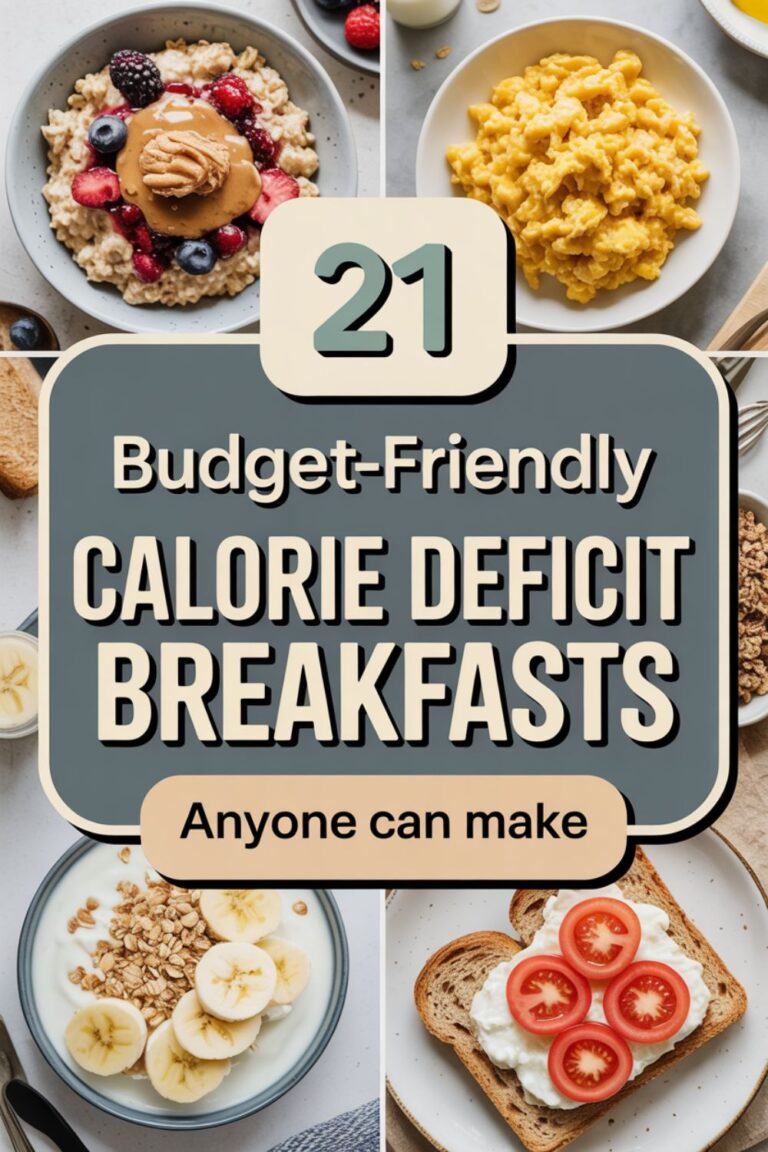
21 Low-Calorie, High-Protein Breakfast Ideas to Stay in a Calorie Deficit
Look, I’m not going to sugarcoat it—trying to lose weight while actually enjoying your breakfast feels like you’re being asked to solve a Rubik’s cube blindfolded. You want something that tastes good, keeps you full until lunch, doesn’t blow your calorie budget, and doesn’t require a culinary degree to make. Oh, and it should probably have enough protein to actually matter.
Here’s the thing: high-protein breakfasts aren’t just trendy—they’re backed by solid science. Research shows that eating 25-30 grams of protein at breakfast can help you eat up to 441 fewer calories throughout the day without even trying. Your body uses more energy to digest protein compared to carbs or fat, meaning you’re literally burning calories just by chewing your scrambled eggs.
I’ve spent way too many mornings staring into my fridge wondering how to make breakfast work without either starving by 10 AM or accidentally eating half my daily calories before I’ve even started my day. After plenty of trial and error (and some truly sad salad-for-breakfast moments I’d rather forget), I’ve figured out what actually works.
These 21 breakfast ideas aren’t about deprivation or eating plain egg whites from a sad Tupperware container. They’re about smart swaps, good ingredients, and meals that actually make you excited to wake up in the morning. Most importantly, they’ll help you stay in a calorie deficit without feeling like you’re punishing yourself.
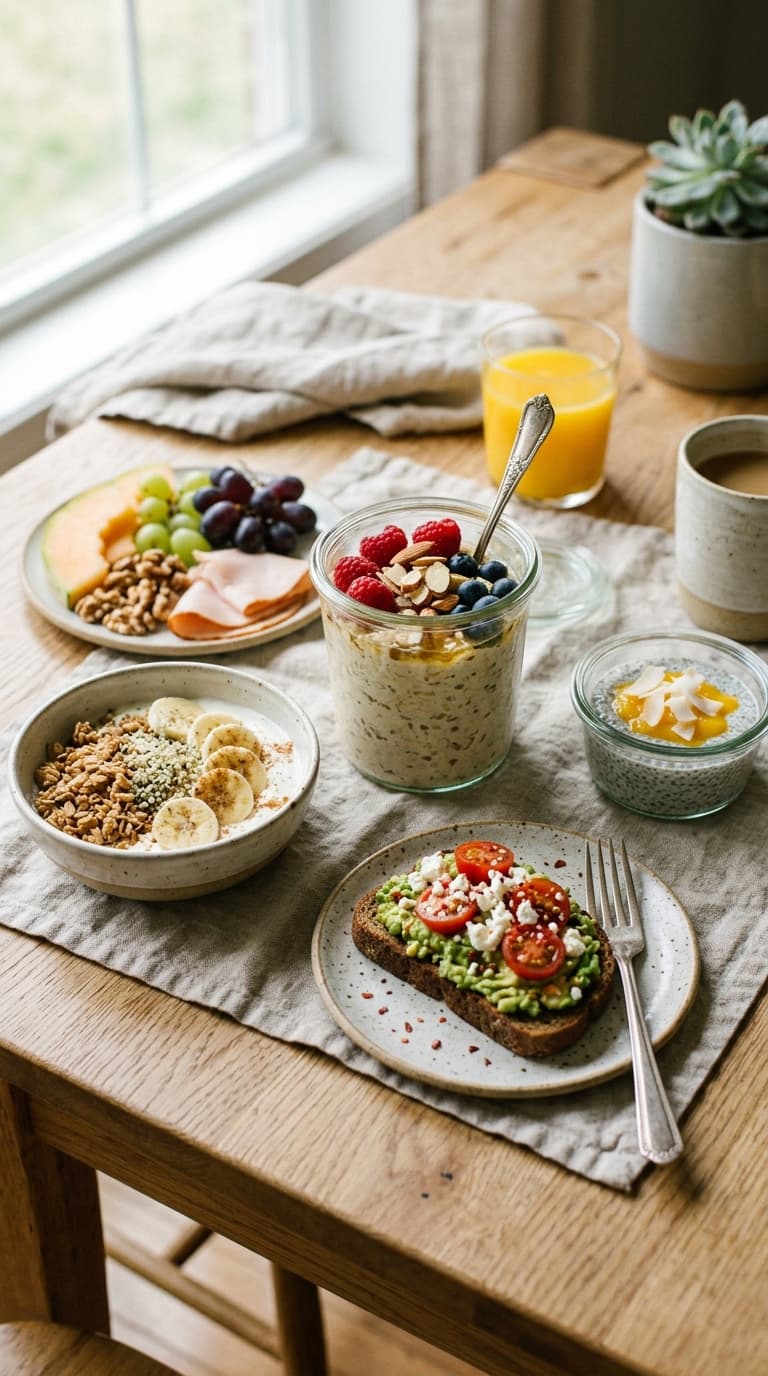
Image Prompt for Introduction
A bright, airy overhead shot of a rustic wooden breakfast table featuring multiple high-protein breakfast options arranged artfully. Include a colorful Greek yogurt parfait with fresh berries in a glass jar, fluffy scrambled eggs with spinach on a ceramic plate, a smoothie bowl topped with granola and sliced almonds, and a small bowl of cottage cheese with fruit. Natural morning light streaming from the left, soft shadows, warm tones with pops of vibrant berry reds and greens. Linen napkin casually placed, small potted herb in the background. Clean, minimalist food photography style perfect for Pinterest, cozy kitchen aesthetic, inviting and aspirational but realistic.
Why Protein Matters More Than You Think for Weight Loss
Let me explain this without getting too nerdy. When you eat protein, your body has to work harder to break it down compared to carbs or fats. This is called the thermic effect of food, and protein takes the crown here—using up to 20-30% of its calories just for digestion. Compare that to carbs (5-10%) and fats (0-3%), and you can see why protein is your weight loss bestie.
But wait, there’s more. Protein also triggers the release of hormones that tell your brain you’re full. Studies on breakfast eating patterns show that people who eat high-protein breakfasts naturally consume fewer calories at lunch and throughout the day—not because they’re forcing themselves to eat less, but because they’re genuinely less hungry.
Think about the last time you had a bagel for breakfast. How long did you feel satisfied? Two hours? Maybe three if you’re lucky? Now think about when you had eggs with some veggies. Completely different story, right? That’s protein doing its job.
Pro Tip: Aim for at least 25 grams of protein at breakfast. This magic number helps control your appetite for the entire day and preserves muscle mass while you’re in a calorie deficit.
The beautiful part is that you don’t need to overthink this. You just need some solid go-to recipes that hit your protein targets without requiring you to eat plain chicken breast at 7 AM (please don’t do that). Speaking of recipes, if you’re looking for complete meal planning support, check out this 7-day high-protein meal plan that takes all the guesswork out.
The Science Behind Staying Full on Fewer Calories
Here’s something that blew my mind when I first learned it: not all calories are created equal when it comes to how full they make you feel. A 300-calorie breakfast of sugary cereal will leave you ravenous by mid-morning, but a 300-calorie breakfast with eggs, Greek yogurt, and berries? You’ll cruise right through to lunch.
The secret sauce is in the macronutrient breakdown. High-protein foods slow down digestion, stabilize blood sugar, and prevent those energy crashes that send you reaching for the office donuts. They also preserve your muscle mass while you’re losing weight, which matters way more than most people realize. Muscle burns more calories at rest than fat does, so keeping it around is like having a built-in calorie-burning advantage.
According to nutrition researchers, starting your day with protein can actually increase dopamine levels—that feel-good brain chemical that makes you less likely to cave to cravings later. It’s not willpower; it’s just smart eating working with your biology instead of against it.
Sarah from our community shared: “I used to skip breakfast and then wonder why I was starving and cranky by 11 AM. Once I started eating these high-protein breakfasts, everything changed. I lost 15 pounds in three months without feeling deprived, and I actually look forward to breakfast now instead of dreading it.”
For more complete strategies on making weight loss sustainable, you might find this guide on how to lose weight without starving incredibly helpful—it covers the big picture stuff that makes everything else easier.
21 High-Protein, Low-Calorie Breakfast Ideas That Actually Taste Good
Alright, enough with the science lesson. Let’s get to the good stuff—actual breakfast ideas you’ll want to eat. I’ve organized these from super quick grab-and-go options to slightly more involved weekend treats. Every single one keeps you under 400 calories and packs at least 20 grams of protein.
1. Greek Yogurt Power Bowl
Start with a cup of plain Greek yogurt (seriously, get the plain stuff and add your own toppings—the flavored ones are sugar bombs). Top it with a handful of berries, a tablespoon of crushed almonds, and a drizzle of honey. If you’re feeling fancy, throw in some chia seeds.
Calories: 280 | Protein: 24g
2. Veggie-Loaded Egg Scramble
Two whole eggs plus two egg whites scrambled with whatever vegetables are hanging out in your fridge. Spinach, tomatoes, mushrooms, bell peppers—go wild. I like cooking mine in a small nonstick skillet with just a tiny bit of olive oil spray. Season generously because bland eggs are a crime.
Calories: 220 | Protein: 22g
3. Cottage Cheese and Berry Medley
Cottage cheese gets a bad rap, but hear me out. A cup of low-fat cottage cheese with mixed berries and a sprinkle of cinnamon is absolutely delicious. The texture might take some getting used to if you’re new to it, but the protein-to-calorie ratio is unbeatable. Blend it if the curds weird you out.
Calories: 200 | Protein: 28g
4. Protein Smoothie That Doesn’t Taste Like Chalk
Blend one scoop of vanilla protein powder (I swear by whey protein isolate for the taste), a cup of unsweetened almond milk, half a frozen banana, a handful of spinach (you won’t taste it, I promise), and some ice. Add a tablespoon of almond butter if you want it creamier. Mix it up in a portable blender if you’re running late.
Calories: 320 | Protein: 30g
Quick Win: Prep your smoothie ingredients in ziplock bags the night before. In the morning, just dump and blend. Takes literally two minutes.
5. Avocado Toast with a Protein Twist
Toast one slice of high-protein bread (like Dave’s Killer Bread), smash half an avocado on it, and top with a poached egg. Sprinkle with everything bagel seasoning and red pepper flakes. This is the bougie breakfast that’s actually worth the hype. I use a silicone egg poacher for perfectly cooked eggs every time—no babysitting required.
Calories: 350 | Protein: 20g
6. Overnight Oats with Protein Boost
Mix half a cup of rolled oats with half a cup of Greek yogurt, half a cup of milk (any kind), a scoop of protein powder, and a tablespoon of chia seeds. Let it sit overnight in a mason jar. In the morning, top with berries and nuts. It’s like breakfast makes itself while you sleep.
Calories: 380 | Protein: 32g
If you’re loving these quick breakfast ideas and want more variety throughout your week, you might enjoy browsing through these 15 low-calorie breakfasts for weight loss or checking out this collection of calorie deficit breakfasts that keep you satisfied.
7. Egg White Veggie Muffins
Whisk together six egg whites, diced bell peppers, onions, and a bit of low-fat cheese. Pour into a silicone muffin pan and bake at 350°F for 20 minutes. Make a batch on Sunday and grab two every morning. They reheat beautifully.
Calories: 120 (for 2 muffins) | Protein: 18g
8. Smoked Salmon and Cream Cheese Wrap
Use a low-carb tortilla, spread with a tablespoon of light cream cheese, add 2 oz of smoked salmon, some cucumber slices, red onion, and capers. Roll it up. Fancy breakfast in under five minutes.
Calories: 280 | Protein: 24g
9. High-Protein Pancakes
Mix one mashed banana, two eggs, and a scoop of protein powder. Cook like regular pancakes in a nonstick griddle. Top with a dollop of Greek yogurt and fresh berries instead of syrup. These actually taste like a treat, not health food.
Calories: 340 | Protein: 28g
10. Turkey Sausage and Egg Breakfast Sandwich
One whole wheat English muffin, one fried egg, and a turkey sausage patty. Add a slice of tomato and some spinach if you’re feeling virtuous. Way better than the drive-thru version and you actually know what’s in it.
Calories: 320 | Protein: 26g
11. Chocolate Peanut Butter Protein Bowl
Mix a cup of cottage cheese with a tablespoon of natural peanut butter and a teaspoon of cocoa powder. Top with sliced banana. It tastes like dessert but it’s basically pure protein. This is my secret weapon on days when I’m just not feeling the savory breakfast vibe.
Calories: 310 | Protein: 32g
12. Tofu Scramble for the Plant-Based Crew
Crumble firm tofu and cook it with turmeric, nutritional yeast, garlic powder, and whatever veggies you like. Tastes surprisingly egg-like and packs serious protein. Even if you’re not vegan, this is a solid option to mix things up.
Calories: 240 | Protein: 22g
Meal Prep Essentials Used in This Plan
These are the tools and products that make my breakfast routine actually doable:
- Glass meal prep containers with compartments – Game-changer for portioning overnight oats and yogurt bowls. Microwave-safe, dishwasher-safe, and they don’t stain like plastic.
- Silicone muffin pan – For egg muffins and protein muffins. Nothing sticks, and cleanup takes 10 seconds under running water.
- Digital food scale – Not sexy, but super helpful when you’re learning portion sizes. You can eyeball it later, but this takes the guesswork out initially.
- My 7-Day Meal Prep Guide (Digital) – Step-by-step plan for prepping all your breakfasts on Sunday
- High-Protein Breakfast Recipe eBook (Digital) – 50+ recipes with full nutrition breakdowns and shopping lists
- Calorie Deficit Meal Planning Printables (Digital) – Worksheets to plan your meals and track your progress
- Join our WhatsApp community for daily meal prep tips and recipe swaps with others on the same journey
13. Quinoa Breakfast Bowl
Cook quinoa in almond milk instead of water for extra creaminess. Top with a scoop of protein powder stirred in while it’s hot, then add berries and a sprinkle of nuts. It’s like oatmeal’s cooler, higher-protein cousin.
Calories: 360 | Protein: 24g
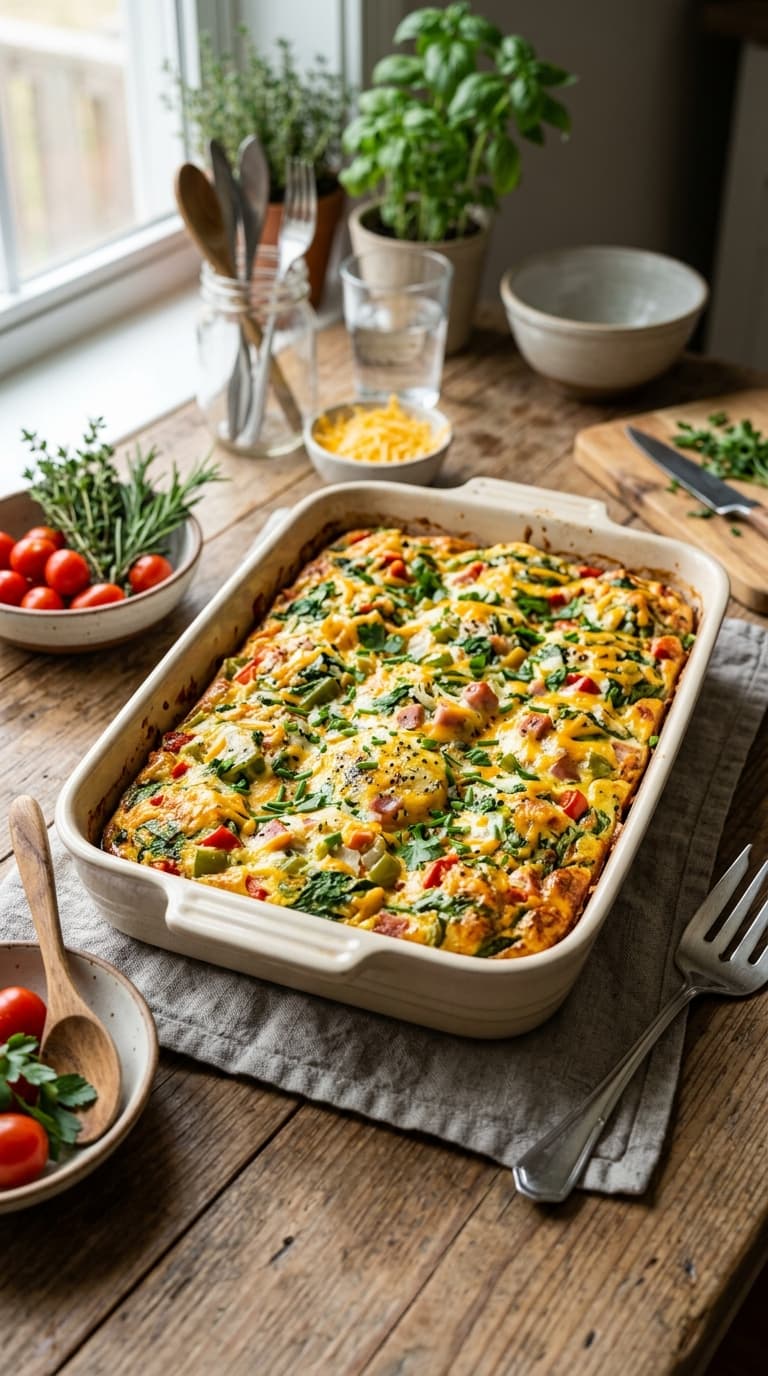
14. Spinach and Feta Egg White Frittata
Mix eight egg whites with sautéed spinach and a quarter cup of crumbled feta. Bake in a cast-iron skillet at 375°F for 15 minutes. Slice into four portions. Boom—breakfast for half the week.
Calories: 180 | Protein: 24g
15. Protein-Packed Chia Pudding
Three tablespoons of chia seeds in a cup of unsweetened almond milk, half a scoop of vanilla protein powder, and a dash of vanilla extract. Let it sit overnight. Top with berries and a few sliced almonds. Super filling and ridiculously easy.
Calories: 290 | Protein: 22g
Craving more creative breakfast solutions? Try these easy breakfasts under 300 calories or explore this roundup of high-protein calorie deficit breakfast ideas for even more variety.
16. Apple Cinnamon Protein Oatmeal
Half a cup of old-fashioned oats cooked with water, then stir in a scoop of cinnamon protein powder. Top with diced apple sautéed in a tiny bit of coconut oil with extra cinnamon. Tastes like apple pie for breakfast without the guilt.
Calories: 340 | Protein: 26g
17. Mediterranean Breakfast Plate
Two hard-boiled eggs, a quarter cup of hummus, cucumber slices, tomatoes, and a small whole wheat pita. It’s like a deconstructed breakfast that feels way fancier than it actually is. Plus, you can prep the eggs ahead using an electric egg cooker—perfectly cooked every single time.
Calories: 380 | Protein: 22g
18. Breakfast Burrito Bowl
Scrambled eggs over a base of black beans, salsa, a sprinkle of cheese, and some diced avocado. Skip the tortilla to save calories. This is one of those meals that keeps you full for hours.
Calories: 350 | Protein: 26g
19. Protein Coffee Shake
Blend cold coffee, a scoop of chocolate protein powder, a cup of unsweetened almond milk, and ice. It’s like a Frappuccino but actually good for you. Add a tablespoon of MCT oil if you’re into the whole energy-boost thing.
Calories: 220 | Protein: 25g
20. Savory Cottage Cheese Toast
Toast a slice of whole grain bread, spread cottage cheese on it, top with sliced tomato, everything bagel seasoning, and fresh basil. Sounds weird, tastes incredible. Trust me on this one.
Calories: 260 | Protein: 20g
21. Baked Egg in Avocado
Cut an avocado in half, remove a bit of the center to make room, crack an egg into each half, and bake at 425°F for 15 minutes. Season with salt, pepper, and hot sauce. It’s impressive-looking for how easy it actually is.
Calories: 320 | Protein: 18g
Tools & Resources That Make Cooking Easier
Here are the things I actually use every single week that make breakfast less of a chore:
- Portable blender bottle – Perfect for protein shakes when you’re running late. Charges via USB and blends in 30 seconds.
- Egg bite mold set – Makes perfectly portioned breakfast bites. Pop them out frozen and microwave as needed.
- Kitchen scale – Helps you nail your portions without guessing. More accurate than measuring cups for most ingredients.
- Complete Calorie Deficit Cookbook (Digital) – Over 100 recipes across all meals, not just breakfast
- Macro Tracking Spreadsheet Templates (Digital) – Pre-formatted sheets to track your daily intake effortlessly
- Printable Grocery Lists by Meal Type (Digital) – Organized shopping lists that save you time and money
- Connect with our WhatsApp support group – Real people sharing what’s working, swapping recipes, and staying accountable together
Making These Breakfasts Work in Real Life
Look, I can give you 21 amazing recipes, but if they don’t fit into your actual life, what’s the point? Here’s how I make this work without losing my mind.
Batch prep on Sunday. Seriously, just two hours on Sunday afternoon saves you so much stress during the week. Make a big batch of overnight oats, cook some egg muffins, hard-boil a dozen eggs, portion out Greek yogurt into containers with toppings on the side. Future you will be incredibly grateful.
Keep your pantry stocked with the basics: protein powder, oats, eggs, Greek yogurt, nuts, and frozen berries. When you have these on hand, you can throw together a decent high-protein breakfast even when your fridge is looking sad. I keep a list on my phone and reorder staples from my favorite online grocery service when I’m running low.
Pro Tip: Prep your smoothie ingredients in individual bags Sunday night. Dump, blend, done. Takes the thinking out of rushed mornings.
If you’re looking for a more structured approach to your entire eating plan, the 7-day 1200-calorie meal plan maps out every single meal for a full week. Sometimes having everything planned just takes the mental load off.
Don’t try to eat the same thing every day unless you genuinely love it. Variety matters, both for your taste buds and for getting a range of nutrients. I usually rotate between 4-5 favorite breakfasts instead of forcing myself to eat the same egg scramble for weeks on end.
And here’s a reality check: some mornings you’re just not going to have time. That’s when having a quality protein bar or a pre-made shake in your bag saves the day. It’s not ideal, but it’s way better than skipping breakfast and being ravenous by 10 AM. For more on-the-go options, check out these quick 10-minute breakfast recipes that literally anyone can make.
What About Protein Powder? (Let’s Talk About It)
I get asked about protein powder constantly, so let’s address it head-on. No, you don’t absolutely need it. You can hit your protein goals with whole foods alone. But honestly? It makes life so much easier.
A good protein powder gives you 20-30 grams of protein in about 120 calories. Try getting that same ratio from regular food—it’s doable but requires planning. Protein powder in smoothies, oatmeal, or pancakes is just convenient. IMO, it’s worth having a tub on hand even if you don’t use it every day.
Here’s what matters when choosing one: get whey or casein if you eat dairy (they’re complete proteins and taste better than most alternatives), or pea protein if you’re plant-based. Avoid the ones with a million added ingredients and artificial sweeteners that taste like chemical experiments. I’ve tried probably 20 different brands, and the unflavored whey isolate option is my go-to because I can add it to anything without weird flavor clashes.
FYI, if you have digestive issues with whey, try isolate instead of concentrate—it has less lactose. Or just skip dairy protein altogether and go with a plant-based option.
Community member Rachel shared: “I was skeptical about protein powder until I realized I was only getting about 15 grams at breakfast. Once I started adding a scoop to my oatmeal, the difference in my hunger levels was night and day. I actually make it to lunch without wanting to gnaw my arm off.”
Common Mistakes People Make (And How to Avoid Them)
Let me save you from the mistakes I made when I first started focusing on high-protein breakfasts.
Mistake #1: Going too low on calories. Yes, you want a deficit, but if breakfast is only 150 calories, you’re going to be miserable by mid-morning. Aim for 300-400 calories with solid protein. It’s enough to fuel you without blowing your budget.
Mistake #2: Forgetting about fiber. Protein is great, but if you’re not getting fiber too, you’re going to have some digestive issues. Include fruits, veggies, or whole grains with your protein. Your gut will thank you.
Mistake #3: Making breakfast complicated. If your breakfast requires 15 ingredients and 30 minutes of active cooking time, you’re not going to stick with it. Keep it simple, especially on weekdays. Save the fancy stuff for weekends when you have time to actually enjoy the process.
Mistake #4: Not preparing anything in advance. I know I sound like a broken record about meal prep, but the mornings you fail to eat a good breakfast are almost always the mornings you didn’t prep. Just accept it and spend an hour on Sunday getting ready for the week.
For a comprehensive look at avoiding common pitfalls with low-calorie eating, this article on choosing between 1200 and 1500 calories breaks down the pros and cons of different calorie levels really well.
Building Your Weekly Breakfast Rotation
Here’s how I actually structure my week. Monday through Friday, I stick with simple, pre-prepped options. Weekends are when I make something that requires a bit more effort.
Weekday rotation: Overnight oats, Greek yogurt bowls, egg muffins, and smoothies. All of these can be prepped ahead or thrown together in under five minutes. I’m not a morning person, so complicated weekday breakfasts just don’t happen.
Weekend indulgences: Protein pancakes, avocado toast with poached eggs, savory frittatas, or breakfast burrito bowls. I have the time to actually cook and enjoy the process instead of rushing out the door.
The key is finding 4-5 breakfasts you genuinely like and rotating through them. You don’t need 21 different options every week—that’s just decision fatigue waiting to happen. Pick your favorites from this list and stick with them until you get bored, then swap in something new.
Need more variety beyond breakfast? These low-calorie lunch ideas and low-calorie dinners under 350 calories can help you stay on track all day long.
If you want someone else to do the planning for you, the 14-day meal plan includes breakfast, lunch, dinner, and snacks—all mapped out with shopping lists. Sometimes it’s just easier to follow a plan than create one from scratch.
Frequently Asked Questions
How much protein should I really eat at breakfast for weight loss?
Aim for 25-30 grams of protein at breakfast. This amount has been shown in studies to significantly reduce hunger throughout the day and help preserve muscle mass during weight loss. You don’t need to be obsessive about hitting exactly 30 grams every single morning, but getting close to that range makes a noticeable difference in how satisfied you feel.
Can I eat the same breakfast every day and still lose weight?
Absolutely, as long as it fits your calorie deficit and provides adequate protein. Some people thrive on routine and find that eating the same breakfast removes decision fatigue. Just make sure you’re getting variety in your other meals to cover all your nutritional bases. Personally, I rotate between 3-4 favorites to keep things interesting without overwhelming myself with choices.
Is it better to eat breakfast or practice intermittent fasting for weight loss?
This depends entirely on your personal preferences and lifestyle. Research shows that both approaches can work for weight loss—what matters most is overall calorie intake. If you’re genuinely not hungry in the morning and feel good skipping breakfast, that’s fine. But if you wake up hungry and find yourself overeating later, a high-protein breakfast is probably your better bet.
What if I don’t have time to cook breakfast in the morning?
That’s exactly why meal prep exists. Most of these recipes can be made ahead on Sunday and stored for the week. Overnight oats, egg muffins, chia pudding, and even smoothie packs all store well. On crazy mornings, even a protein shake with a piece of fruit is better than skipping breakfast entirely or grabbing something that’ll leave you hungry an hour later.
Are egg whites better than whole eggs for weight loss?
Not necessarily. While egg whites are lower in calories and fat, whole eggs contain important nutrients in the yolk like vitamin D, choline, and healthy fats. Most of these recipes use a combination—whole eggs for flavor and nutrition, plus extra egg whites for protein without too many calories. Unless you have specific dietary restrictions, there’s no need to eat only egg whites.
Final Thoughts: Make It Work for You
Here’s the honest truth about weight loss and breakfast: there’s no magic formula that works for everyone. What matters is finding a sustainable approach that fits your lifestyle, preferences, and schedule. These 21 breakfast ideas are a starting point, not a rigid prescription.
Some of you will love meal prepping everything on Sunday. Others will prefer throwing something together each morning. Some will thrive on the same breakfast every day, while others need constant variety to stay interested. All of these approaches are valid if they help you stay in a calorie deficit without feeling miserable.
The real goal here isn’t just weight loss—it’s building habits you can maintain long-term. That’s why I’m not telling you to eat plain egg whites and spinach every morning for the rest of your life. These recipes actually taste good. They’re satisfying. They give you energy. And they fit into a real-life eating pattern that doesn’t require you to give up everything you enjoy.
Start with one or two breakfasts from this list that sound appealing. Try them for a week. See how you feel. Adjust the portions if needed. Add or subtract ingredients based on your preferences. This is your breakfast, your body, and your journey. Make it work for you.
And remember, breakfast is just one meal. If you nail your breakfast but then struggle with lunch or dinner, you’re still going to have a hard time staying in a calorie deficit. Think about your entire day. For more comprehensive meal planning support, check out the 21-day low-calorie meal plan that covers all your meals with realistic portions and easy recipes.
You’ve got this. And if you try any of these recipes, let me know how they turn out. Good luck with your weight loss journey—I’m rooting for you.