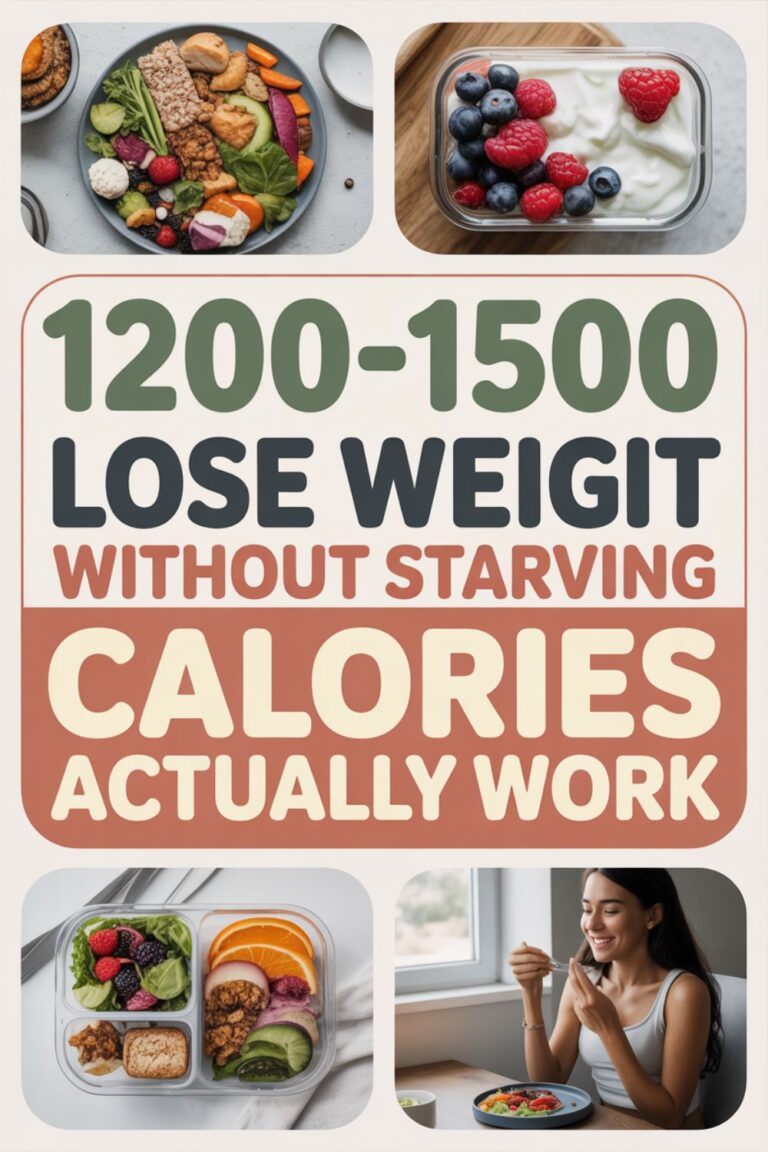
1200 Calorie Meal Plan for Beginners: What to Eat in a Day
Look, I get it. You’ve decided it’s time to get serious about your eating habits, maybe shed a few pounds, and suddenly everyone’s throwing calorie numbers at you like confetti at a wedding. The 1200-calorie mark keeps popping up everywhere, and you’re probably wondering if it’s legit or just another internet diet trend that’ll have you hangry by noon.
Here’s the thing: a 1200-calorie meal plan isn’t some magic number pulled from thin air. For some people—especially shorter women or those looking to create a moderate calorie deficit—it can be a solid starting point. But before you start counting every almond like it’s currency, let’s talk about what eating 1200 calories actually looks like, how to do it without losing your mind, and whether it’s even right for you.
Why 1200 Calories? Let’s Break It Down
First things first: 1200 calories is generally considered the minimum daily intake for women to get adequate nutrition. Notice I said women—most men need significantly more, and honestly, many women do too. This isn’t some one-size-fits-all situation.
The logic behind 1200 calories is pretty straightforward. If your body burns around 1700-2000 calories per day just existing (your basal metabolic rate plus daily activity), eating 1200 creates a deficit of 500-800 calories. That deficit, over time, leads to weight loss. Simple math, right?
But here’s where it gets tricky. Going too low too fast can backfire harder than a cheap firecracker. Your metabolism can slow down, you might lose muscle instead of fat, and you’ll probably be miserable enough to raid the pantry at 2 AM. According to research on sustainable weight loss, moderate deficits work better long-term than aggressive restriction.
So who actually benefits from 1200 calories? Generally, we’re talking about shorter women (under 5’4″), those with sedentary lifestyles, or people under medical supervision. If you’re tall, active, or have a decent amount of muscle mass, you probably need more. And if you’re a guy reading this, just close the tab now and add at least 300-500 more calories to whatever plan you’re considering.
The Golden Rules Before You Start
Before you jump into meal planning, let’s establish some ground rules that’ll save you from common pitfalls.
Rule number one: protein is your best friend. On a 1200-calorie plan, you need to prioritize protein like your life depends on it—because your muscle mass kind of does. Aim for at least 80-100 grams daily. Protein keeps you full, preserves muscle during weight loss, and has a higher thermic effect than carbs or fats.
Rule two: volume matters. You want foods that give you the most bang for your caloric buck. Think vegetables, lean proteins, and foods with high water content. Nobody wants to eat three bites of dinner and call it a day.
Rule three: plan ahead or suffer. Winging it on 1200 calories is like playing Russian roulette with your willpower. You’ll end up at a drive-through at 8 PM wondering where it all went wrong. Meal prep is non-negotiable here.
Speaking of protein-packed options, if you’re looking for satisfying breakfast ideas that won’t blow your calorie budget, high-protein breakfast recipes are absolute lifesavers. I also keep meal prep-friendly lunches bookmarked for those chaotic weeks.
What Your Day Actually Looks Like
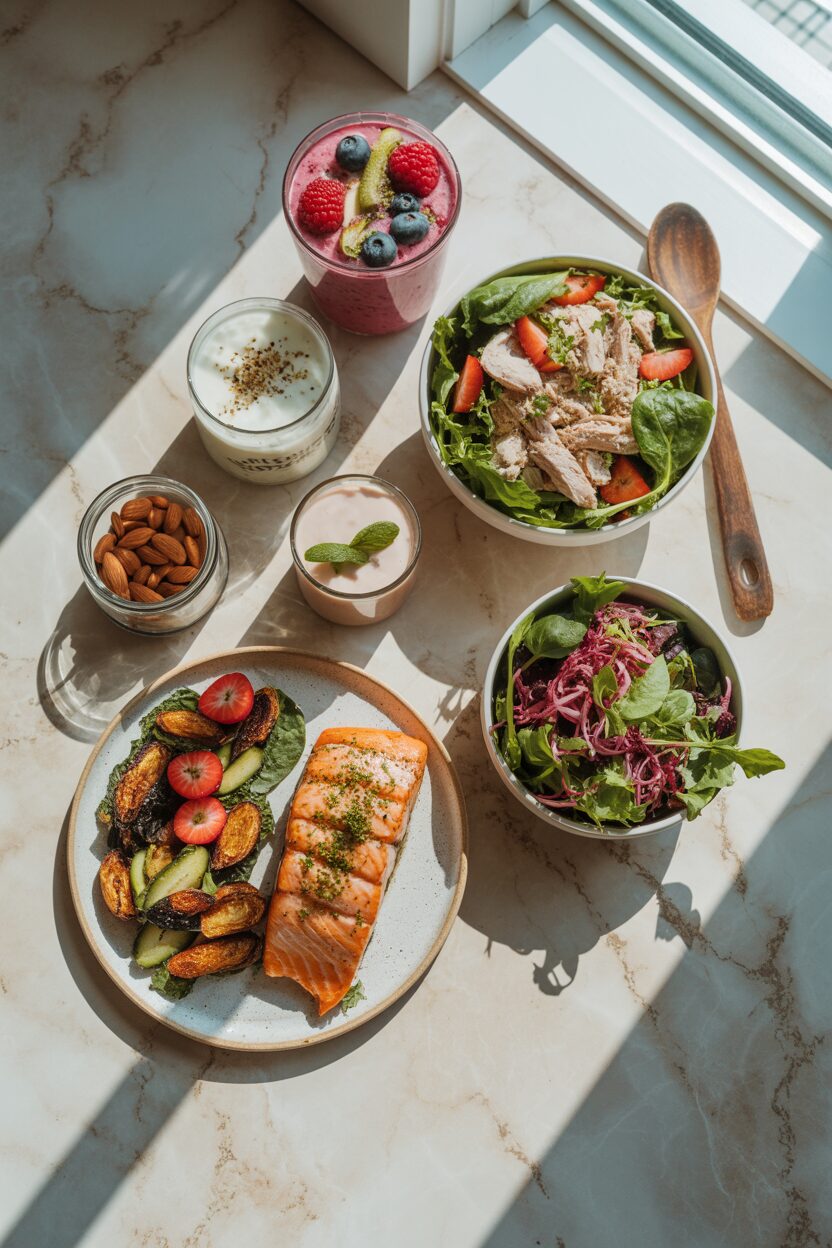
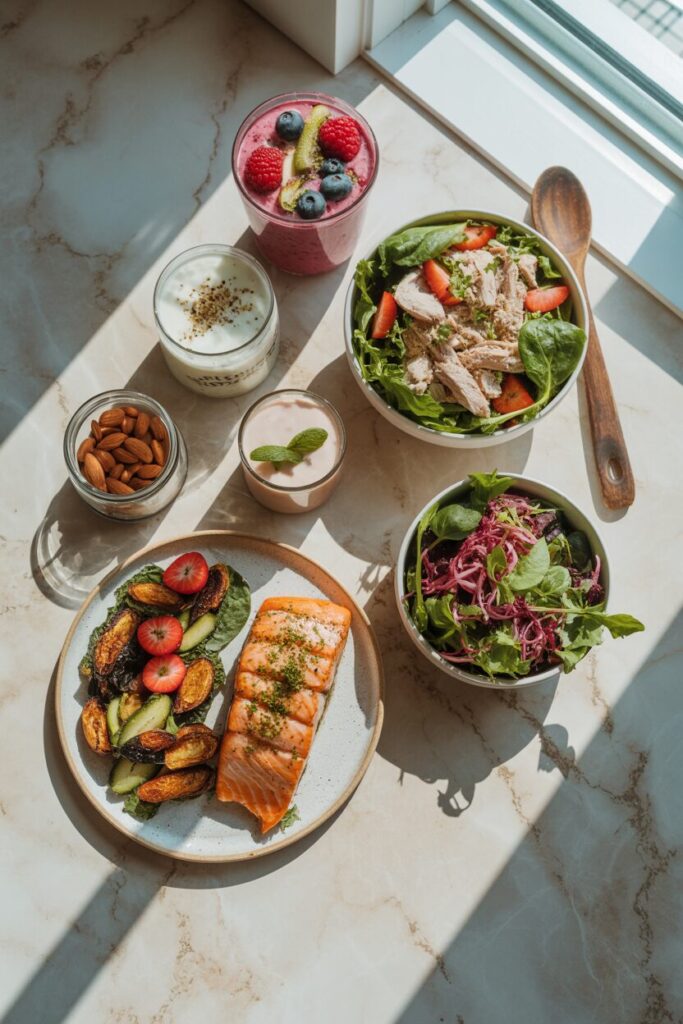
Alright, let’s get practical. Here’s what a solid 1200-calorie day might look like, broken down into meals that won’t leave you fantasizing about pizza at 3 PM.
Breakfast: 300-350 Calories
Breakfast is where a lot of people screw up. They either skip it entirely (terrible idea on low calories) or waste their budget on a sugary muffin that leaves them hungry an hour later.
Option one: Greek yogurt power bowl. Mix 170 grams of non-fat Greek yogurt with half a cup of mixed berries, a tablespoon of chia seeds, and a drizzle of honey. You’re looking at about 200 calories with 20 grams of protein. Filling, delicious, and you can prep it the night before in one of these meal prep containers that actually seal properly.
Option two: Veggie-packed omelet. Two eggs scrambled with spinach, mushrooms, tomatoes, and a sprinkle of low-fat cheese. Add a slice of whole-grain toast. Roughly 300 calories, plenty of protein, and enough volume to keep you satisfied until lunch. Get Full Recipe.
Option three: Protein oatmeal. Make your oats with half water and half unsweetened almond milk, stir in a scoop of vanilla protein powder, top with sliced banana and a few walnuts. This one’s around 320 calories but packs nearly 30 grams of protein. I use this mini food processor to chop the walnuts—sounds extra, but evenly chopped nuts distribute better and you don’t get that one massive walnut chunk that uses up half your nut allowance.
The key with breakfast is balancing protein and fiber so you’re not counting down the minutes until lunch like you’re waiting for Christmas morning.
Mid-Morning Snack: 100-150 Calories
Yeah, you get a snack. Don’t let anyone tell you otherwise. Strategic snacking prevents the kind of hunger that makes you eat an entire bag of chips without tasting a single one.
Keep it simple: a small apple with a tablespoon of almond butter (190 calories, so watch your portion), or 10-12 almonds with a piece of string cheese (around 150 calories). If you’re a volume eater like me, go for cucumber slices with two tablespoons of hummus—tons of crunch, barely any calories, and enough flavor to feel like you’re actually eating something.
For more snack inspiration that won’t derail your calorie goals, check out healthy snack ideas under 150 calories and protein-packed energy bites.
Lunch: 350-400 Calories
Lunch needs to be substantial enough to carry you through the afternoon slump. This is not the time for a sad desk salad that’s 90% lettuce.
Option one: Grilled chicken salad that doesn’t suck. Four ounces of grilled chicken breast over mixed greens with cherry tomatoes, cucumber, shredded carrots, and a tablespoon of balsamic vinaigrette. Add some chickpeas for extra fiber and texture. Total: about 350 calories. Get Full Recipe.
Option two: Turkey and avocado wrap. Use a low-carb tortilla (Mission makes decent ones around 70 calories), pile on 3-4 ounces of deli turkey, quarter of an avocado, lettuce, tomato, and mustard. Side of baby carrots. Roughly 380 calories and portable as hell.
Option three: Tuna salad power bowl. Mix a can of tuna with a tablespoon of Greek yogurt instead of mayo (trust me on this), add diced celery, red onion, and serve over a massive bed of greens with half a sweet potato on the side. Around 350 calories and surprisingly filling. I keep one of these salad chopper bowls around because chopping salads is weirdly therapeutic and everything mixes better.
The beauty of lunch is you can batch-prep most of these options on Sunday and not think about it all week. That’s the real secret to making low-calorie eating sustainable—remove as many decisions as possible.
If you’re looking for more inspiration, try these Mediterranean-inspired lunch bowls or Asian chicken lettuce wraps that pack serious flavor without the calorie overload.
Afternoon Snack: 100-150 Calories
By 3 PM, you’re going to need something to bridge the gap to dinner. This is prime danger time for vending machine disasters.
Smart choices: a hard-boiled egg with everything bagel seasoning (only 70 calories but feels more substantial), a small protein shake made with unsweetened almond milk and half a scoop of protein powder, or my personal favorite—roasted chickpeas. You can make a big batch with this seasoning blend I’m obsessed with, and they’re crunchy enough to satisfy that need to just munch on something.
If you want something sweet, a small pear or a cup of strawberries with a tablespoon of sugar-free Cool Whip hits the spot for under 100 calories. Sometimes you just need something that feels like dessert, you know?
Dinner: 400-450 Calories
Dinner is your main event, so don’t cheap out here. You want a proper meal that includes protein, veggies, and enough satisfaction that you’re not prowling the kitchen an hour later.
Option one: Baked salmon with roasted vegetables. Five ounces of salmon seasoned with lemon and herbs, roasted alongside asparagus, bell peppers, and zucchini drizzled with a teaspoon of olive oil. Add a small portion of quinoa if you have calories left. Total: around 420 calories. Get Full Recipe.
Option two: Turkey taco bowl. Four ounces of ground turkey (99% lean) seasoned with taco spices, served over cauliflower rice with black beans, salsa, a tablespoon of Greek yogurt instead of sour cream, and tons of lettuce and tomatoes. Maybe 10 tortilla chips on the side if your day’s tracking allows. Roughly 430 calories and feels way more indulgent than it is.
Option three: Chicken stir-fry. Four ounces of chicken breast with a massive amount of mixed vegetables (broccoli, snap peas, bell peppers, onions) cooked in a non-stick pan with minimal oil and low-sodium soy sauce. Serve over a small portion of brown rice. Around 400 calories and the vegetable volume is unreal. This wok makes stir-frying so much easier—nothing sticks and everything cooks evenly.
The dinner strategy is simple: load up on vegetables to create volume, keep your protein portion reasonable but adequate, and be very careful with added fats. A tablespoon of oil has 120 calories, which can wreck your remaining budget faster than you can say “just a drizzle.”
If you’re looking for more dinner ideas that fit this calorie range, sheet pan dinners and one-pot meals are genuinely helpful when you’re tired and don’t want to overthink it.
The Macronutrient Breakdown That Actually Matters
Let’s talk macros because this is where a lot of beginners get lost in the weeds. On 1200 calories, you can’t afford to waste your budget on nutritionally empty foods.
Protein should be your anchor: 80-100 grams daily. That’s roughly 320-400 calories from protein. This isn’t negotiable—protein preserves muscle mass during weight loss and keeps you fuller longer. Every meal should center around a protein source.
Fats need careful management: 30-40 grams daily. That’s 270-360 calories from fat. Choose sources wisely—nuts, avocado, olive oil, fatty fish. These calories add up frighteningly fast, so measure them. Yes, really measure them. Your eyeballed “tablespoon” of peanut butter is probably closer to three tablespoons.
Carbs fill the remaining space: 100-130 grams. Focus on complex carbs and fiber. Vegetables are your secret weapon here—you can eat enormous quantities for minimal calories. A pound of broccoli? Maybe 150 calories. A pound of pasta? We’re not even going there.
Research from nutritional science shows that higher protein intake during caloric restriction significantly improves body composition outcomes. Translation: more protein means you lose fat instead of muscle, which is kind of the whole point.
Foods That Earn Their Place on Your Plate
Not all foods are created equal when you’re working with limited calories. Some are MVPs that show up hungry and ready to perform. Others are benchwarmers that waste your budget.
The absolute legends:
- Non-fat Greek yogurt: protein powerhouse at about 100 calories per cup
- Egg whites: you can eat a ridiculous volume for almost no calories
- Chicken breast: lean, versatile, filling
- White fish: even leaner than chicken and surprisingly satisfying
- Vegetables (obviously): eat them until you’re sick of chewing
- Berries: lower sugar than other fruits, high in fiber
- Shirataki noodles: controversial, but they’re basically free calories if you can get past the texture
Foods to approach with caution:
- Nuts and nut butters: healthy but calorically dense as hell
- Cheese: even low-fat versions add up quick
- Dried fruit: all the sugar, none of the volume
- Granola: the wolf in sheep’s clothing of “healthy” foods
- Smoothies: liquid calories don’t trigger satiety like solid food does
Foods that can absolutely screw off:
- Sugary drinks: you’re literally drinking your calories with zero satisfaction
- Most restaurant meals: even “healthy” options are usually 800+ calories
- Anything labeled “fat-free” that replaced fat with sugar
- Your coworker’s birthday cake: I don’t care if Karen made it from scratch
For ingredient swaps that keep things interesting without wrecking your calorie budget, learning about Greek yogurt alternatives to sour cream or cauliflower rice substitutes makes a huge difference over time. You might also want to explore plant-based protein options if you’re looking to mix things up beyond chicken and fish.
The Meal Prep Strategy That Actually Works
FYI, winging it on 1200 calories is a fast track to failure. You need a system, and meal prep is that system.
Sunday prep session (2-3 hours): Start by cooking your proteins in bulk. I usually grill 3-4 pounds of chicken breast, bake a couple salmon fillets, and hard-boil a dozen eggs. Season everything well because bland food on a calorie deficit is psychological torture.
Next, prep your vegetables. Chop lettuce for salads, roast a giant tray of mixed vegetables, spiralize some zucchini, and portion out raw veggies for snacking. Store everything in these glass containers that don’t make your food taste like plastic after day three.
Portion out your grains if you’re including them. Cook a big batch of quinoa or brown rice and divide it into 1/2 cup servings. Freeze half if you won’t use it within a few days.
Daily assembly (10 minutes): With everything prepped, assembling meals becomes stupid easy. Grab your protein, pile on vegetables, add your measured portion of grain or healthy fat, and you’re done. This system removes decision fatigue when you’re hungry and vulnerable to bad choices.
I use this kitchen scale religiously for portioning—eyeballing portions is how you end up accidentally eating 400 calories of “just a handful” of almonds.
Speaking of meal prep success, 7-day meal prep plans and make-ahead breakfast ideas have seriously changed my game when it comes to staying consistent throughout the week.
Dealing With the Inevitable Challenges
Let’s be real: eating 1200 calories isn’t a walk in the park, especially at first. Here’s how to handle the common obstacles without completely losing your mind.
The hunger is real at first. Your body needs to adjust to the new normal. Drink tons of water, load up on vegetables for volume, and give it at least a week before you decide it’s impossible. If you’re genuinely starving after two weeks, you probably need more calories.
Social situations become complicated. Restaurant meals, happy hours, dinner parties—they’re all calorie landmines. My strategy: eat a small, protein-rich snack before social events so you’re not ravenous, order wisely (grilled protein and vegetables are usually available), and don’t be afraid to ask for modifications. Most restaurants will accommodate reasonable requests.
Energy levels might dip initially. This is your body adjusting. Make sure you’re timing your carbs around when you need energy most—maybe save more of your carb budget for pre-workout fuel or mid-afternoon when you typically crash.
The scale might not move linearly. Water retention, hormones, and about a thousand other factors affect daily weight. Track weekly averages, not daily numbers, and take progress photos because sometimes your body composition changes before the scale does.
For those times when you need quick, filling meals that don’t require much thought, keeping a list of go-to recipes makes everything easier. I rely heavily on 30-minute healthy dinners and budget-friendly meal ideas when life gets chaotic.
Is 1200 Calories Actually Right for You?
Here’s the truth bomb: 1200 calories isn’t appropriate for everyone, and that’s perfectly okay. Let’s figure out if this is your move or if you should adjust.
You might benefit from 1200 calories if:
- You’re a shorter woman (under 5’4″) with a sedentary lifestyle
- You’re under medical supervision for weight loss
- You’ve calculated your TDEE and 1200 creates a reasonable deficit
- You’re committed to tracking carefully and eating nutrient-dense foods
You should probably eat more if:
- You’re taller than 5’6″ or have a larger frame
- You exercise regularly (especially strength training)
- You have a physically demanding job
- You’re under 25 (younger people generally need more calories)
- You’re experiencing intense hunger, fatigue, or mood issues
- You’re a dude (seriously, guys need more)
Red flags that you need to stop:
- Hair loss
- Extreme fatigue
- Loss of menstrual period
- Constant obsessive thoughts about food
- Binge eating episodes
- Feeling cold all the time
- Brain fog and inability to concentrate
IMO, the biggest mistake beginners make is thinking lower is always better. It’s not. The goal is finding the sweet spot where you’re losing weight at a reasonable pace (0.5-1 pound per week) while still having enough energy to live your life.
According to medical guidelines from organizations like the Mayo Clinic, very low-calorie diets should only be followed short-term and preferably under medical supervision. If you need to lose a significant amount of weight, working with a registered dietitian is worth every penny.
Making It Sustainable Long-Term
The harsh reality? Most people can’t—and shouldn’t—eat 1200 calories forever. This is typically a temporary strategy for creating a calorie deficit, not a permanent lifestyle.
Plan your exit strategy from day one. As you lose weight, your calorie needs decrease, but once you hit your goal, you’ll need to reverse diet back up to maintenance calories. Jumping straight from 1200 to 2000 calories is a recipe for rapid weight regain.
Incorporate refeeds. Once a week, bump your calories up by 200-300, mostly from carbs. This gives your metabolism a little boost, replenishes glycogen, and provides a psychological break. It’s not a cheat day—it’s a strategic tool.
Focus on habits, not just numbers. The meal planning skills, the protein prioritization, the vegetable loading—these habits matter more than the specific calorie target. When you eventually increase calories, you’ll keep these fundamentals and just add more food.
Listen to your body. If you’re consistently exhausted, irritable, or experiencing any of those red flags mentioned earlier, it’s time to reassess. No weight loss goal is worth compromising your health or developing disordered eating patterns.
For transitioning to maintenance or exploring flexible dieting approaches, having solid resources helps you move beyond rigid calorie counting while maintaining your results.
Related Recipes You’ll Love
Looking for more meal ideas that fit perfectly into a 1200-calorie plan? Here are some recipes that’ll keep your eating plan interesting:
More Breakfast Ideas:
- Protein pancakes with cottage cheese
- Breakfast egg muffins for meal prep
- Overnight oats variations with chia seeds
Satisfying Lunch Options:
- Mediterranean quinoa bowl with chickpeas
- Low-carb chicken Caesar salad
- Veggie-packed burrito bowl
Complete Meal Plans:
- 7-day clean eating meal plan
- High-protein meal prep guide for beginners
- Budget-friendly 1200 calorie weekly plan
These recipes were specifically designed with calorie-conscious eating in mind, so you won’t have to do mental math gymnastics to make them fit your plan.
The Bottom Line
A 1200-calorie meal plan isn’t some magical solution, and it definitely isn’t right for everyone. But if you’re a shorter woman looking to create a moderate calorie deficit, and you’re willing to plan carefully and prioritize nutrient-dense foods, it can absolutely work.
The key is approaching it intelligently. Load up on protein and vegetables, measure your portions honestly (seriously, get a good digital scale), prep your meals in advance, and pay attention to how your body responds. If you’re constantly miserable and fantasizing about food, you probably need more calories. There’s no prize for suffering through the most restrictive plan possible.
And remember: this is a tool, not a lifestyle. Use it strategically, learn what works for your body, and don’t be afraid to adjust as needed. The best meal plan is the one you can actually stick with while still enjoying your life. Because what’s the point of losing weight if you’re too hangry to appreciate it?