14-Day 1500 Calorie Meal Plan for Women (Budget-Friendly)
14-Day 1500 Calorie Meal Plan for Women (Budget-Friendly)
Let’s talk real money for a second. Eating healthy on a budget feels impossible when every fitness influencer is pushing $15 smoothie bowls and organic everything. But here’s what nobody tells you—you don’t need to drop half your paycheck at Whole Foods to lose weight and feel good.
This 14-day meal plan is designed specifically for women who want results without the financial stress. We’re talking about 1500 calories a day using actual affordable ingredients you can find at any regular grocery store. No exotic superfoods, no pretentious farmer’s market hauls, just real food that works.
I’ve tested this approach myself during months when money was tight, and honestly? Some of my best results came from those periods because I had to get creative and strategic. Turns out, simple whole foods and basic meal prep beat expensive supplements and fancy ingredients every single time.
Why 1500 Calories Works for Women
Before we get into the nitty-gritty, let’s address the calorie count. For most moderately active women, 1500 calories creates a reasonable deficit that promotes steady weight loss without sending your body into panic mode.
This isn’t the aggressive approach of 1200 calories—it’s more sustainable and actually gives you enough energy to function like a normal human being. You can work out, think clearly, and not fantasize about raiding the pantry at midnight.
According to the Mayo Clinic, creating a moderate caloric deficit of 500-750 calories per day typically results in safe, sustainable weight loss of 1-2 pounds per week. That’s exactly what we’re aiming for here.
The key is balancing your macros—getting enough protein to preserve muscle mass, sufficient healthy fats for hormone production, and smart carbs for energy. When you nail this balance on a budget, magic happens.
The Budget-Friendly Philosophy
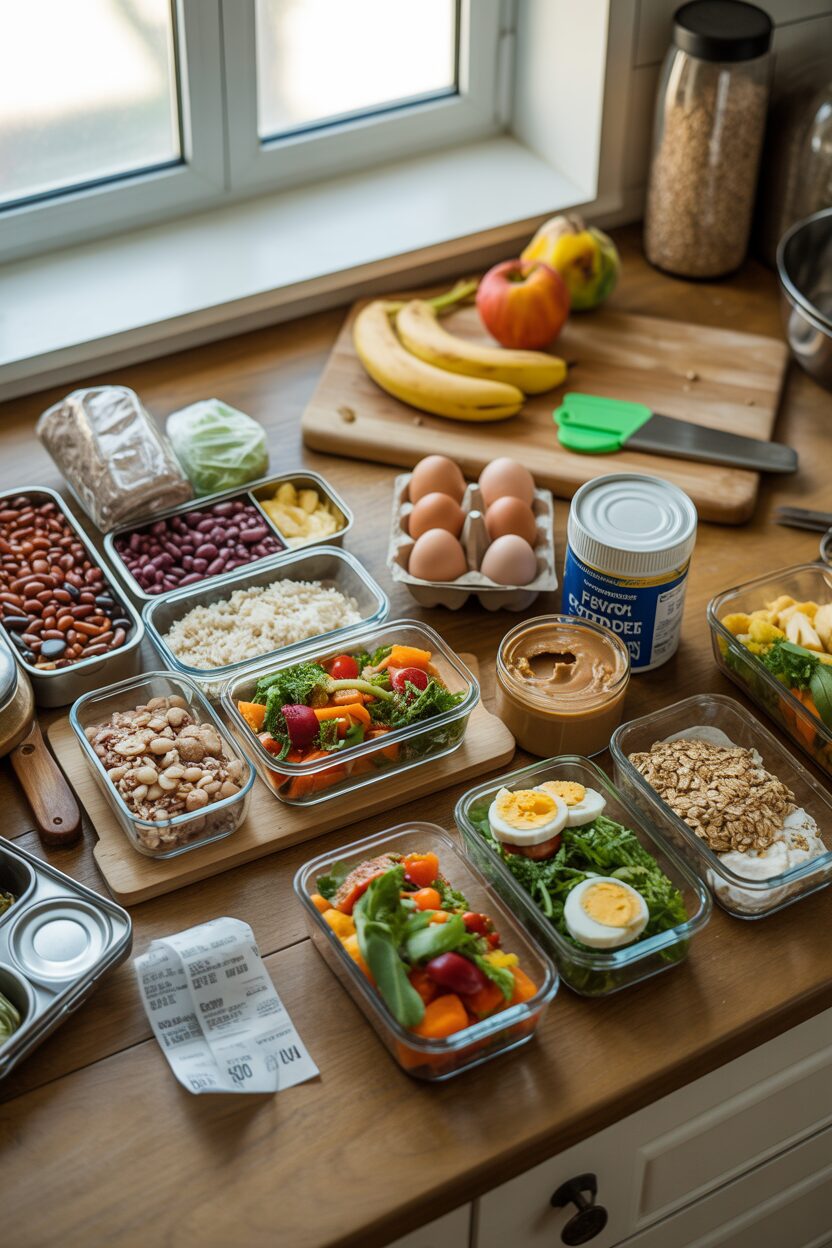
Here’s my approach to keeping costs down without sacrificing nutrition. Buy frozen vegetables—they’re flash-frozen at peak ripeness, last forever, and cost way less than fresh. Get your protein from affordable sources like eggs, canned tuna, chicken thighs, and dried beans.
Shop sales and stock up on staples when they’re cheap. Buy store brands for basics like oats, rice, and canned goods. Batch cook everything so you’re not constantly running to the store for “just one thing.”
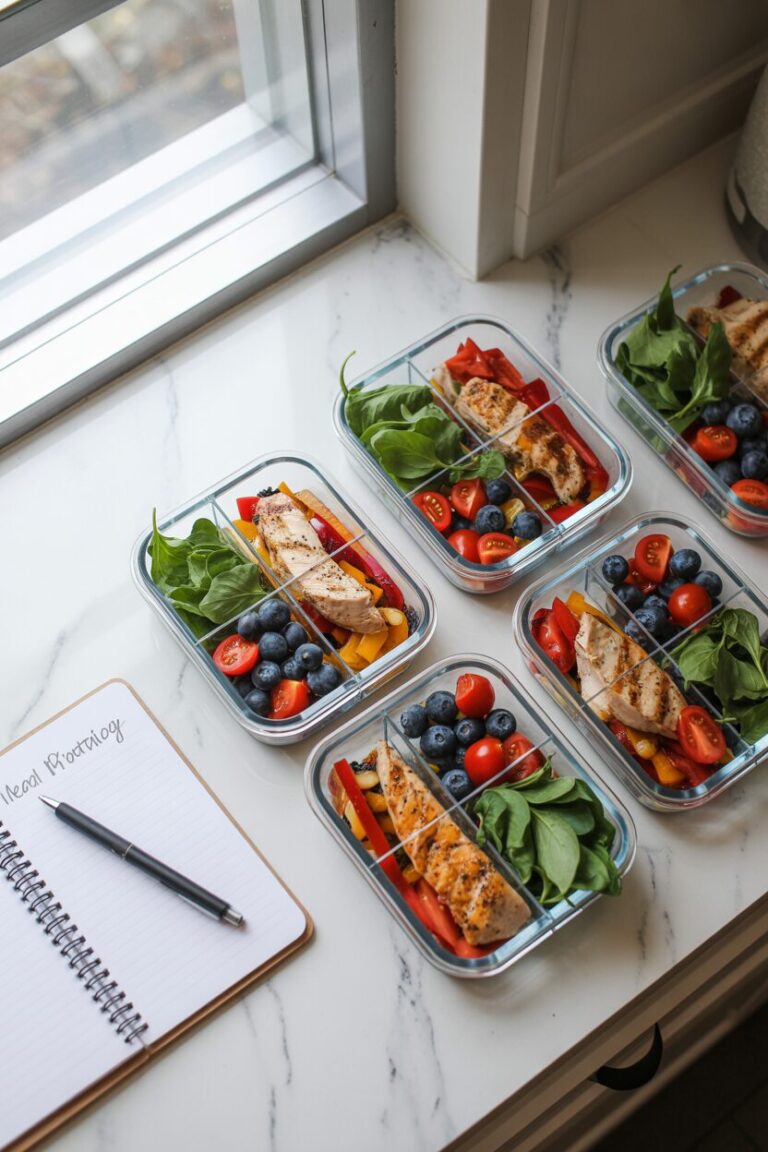
I use this 10-pack of glass meal prep containers for everything. Upfront cost, sure, but they’ve lasted me years and keep food fresh way longer than those flimsy plastic ones that stain and warp.
Week 1: Days 1-7
Day 1: Starting Strong Without Breaking the Bank
Breakfast (350 calories): Oatmeal made with 1/2 cup rolled oats, 1 cup water, 1/2 sliced banana, and 1 tablespoon peanut butter. This combination costs maybe 50 cents and keeps you full for hours. Get Full Recipe
Snack (150 calories): Hard-boiled egg and one small apple. Eggs are honestly one of the cheapest protein sources out there. I use this electric egg cooker that makes perfect eggs every time without babysitting a pot.
Lunch (450 calories): Tuna salad using 5 oz canned tuna (in water), mixed greens, cherry tomatoes, cucumber, and 1 tablespoon olive oil with lemon juice. Add 1 slice whole wheat bread. Canned tuna is clutch when you’re on a budget—high protein, shelf-stable, dirt cheap.
Snack (100 calories): 1 cup baby carrots. Buy the big bag, not those overpriced “baby” carrot packs. Just regular carrots chopped up work fine.
Dinner (450 calories): Baked chicken thighs (4 oz, skin removed) with roasted frozen broccoli and 2/3 cup brown rice. Chicken thighs cost half what breasts do and taste way better. This rimmed baking sheet makes roasting vegetables foolproof.
Day 2: Keeping Costs Low
Breakfast (340 calories): Scrambled eggs (2 eggs) with spinach and mushrooms, plus 1 slice whole wheat toast. Frozen spinach works perfectly here and costs like $1 for a bag that lasts weeks.
Snack (160 calories): Greek yogurt (3/4 cup nonfat) with 2 tablespoons granola. Buy the big tub of plain yogurt, not those individual cups that cost 3x as much.
Lunch (460 calories): Black bean and vegetable burrito bowl with 3/4 cup cooked black beans, 1/2 cup brown rice, salsa, lettuce, and 2 tablespoons shredded cheese. Dried beans are insanely cheap and packed with protein and fiber. Get Full Recipe
Snack (90 calories): 1 medium orange. Buy whatever citrus is on sale—they’re all good sources of vitamin C.
Dinner (450 calories): Turkey and vegetable stir-fry using 4 oz ground turkey, frozen stir-fry vegetables, and 1/2 cup brown rice. Ground turkey goes on sale constantly and stretches far.
For more budget-conscious protein options, check out these affordable high-protein recipes or cheap meal prep ideas that don’t sacrifice nutrition.
Day 3: Midweek Budget Wins
Breakfast (345 calories): Peanut butter banana smoothie with 1 cup unsweetened almond milk, 1 banana, 2 tablespoons peanut butter, and ice. This budget blender works just as well as those $400 models for basic smoothies.
Snack (140 calories): 1/4 cup mixed nuts. Buy in bulk and portion them out in these small reusable containers to avoid overeating.
Lunch (455 calories): Lentil soup (2 cups) with a side salad. Lentils are stupid cheap, cook fast, and pack serious nutrition. Get Full Recipe
Snack (110 calories): 1 string cheese and 5 whole grain crackers. Store brand string cheese tastes identical to name brand.
Dinner (450 calories): Baked tilapia (5 oz) with roasted Brussels sprouts and 1/2 cup quinoa. Tilapia is usually one of the most affordable fish options. When Brussels sprouts are on sale, I stock up and freeze them.
Day 4: Smart Shopping Pays Off
Breakfast (350 calories): Cottage cheese bowl with 1 cup low-fat cottage cheese, 1/2 cup canned pineapple (in juice, not syrup), and 1 tablespoon sliced almonds. Canned fruit in juice is way cheaper than fresh and lasts forever in the pantry.
Snack (145 calories): 2 tablespoons hummus with sliced bell peppers. Make your own hummus if you want to save even more—it takes 5 minutes in a food processor.
Lunch (465 calories): Chicken and rice bowl with 4 oz grilled chicken, 2/3 cup brown rice, steamed broccoli, and 1 tablespoon teriyaki sauce. This is my go-to meal prep combo—cheap, filling, reheats well.
Snack (90 calories): 1 small pear. Whatever fruit is in season and on sale, that’s what you buy.
Dinner (450 calories): Vegetable and bean chili using canned kidney beans, canned tomatoes, frozen mixed vegetables, and spices. This recipe makes huge batches that freeze beautifully. Get Full Recipe
Speaking of batch cooking, these freezer-friendly meal prep recipes and one-pot budget meals are absolute lifesavers when money’s tight.
Day 5: Stretching Your Dollar
Breakfast (355 calories): Overnight oats with 1/2 cup rolled oats, 1/2 cup unsweetened almond milk, 1/2 cup berries (frozen works great), and 1 tablespoon chia seeds. Prep these in mason jars for grab-and-go breakfasts all week.
Snack (130 calories): 1 hard-boiled egg and 10 grapes. Eggs again because they’re perfect and cheap.
Lunch (470 calories): Tuna melt using 4 oz canned tuna, 1 slice whole wheat bread, 1 slice cheese, with a side salad. Toast it in this small toaster oven that uses way less energy than heating up your full oven.
Snack (95 calories): 1 cup cucumber slices with everything bagel seasoning. Cucumbers are cheap filler vegetables that add volume without calories.
Dinner (450 calories): Baked chicken breast (4 oz) with roasted sweet potato (1 medium) and green beans. Sweet potatoes are dirt cheap, last forever, and are nutritional powerhouses.
Day 6: Weekend Budget Cooking
Breakfast (345 calories): Veggie scramble with 2 eggs, frozen bell peppers, onions, mushrooms, plus 1 slice whole wheat toast. Frozen vegetable blends are your friend—pre-chopped, cheap, no waste.
Snack (155 calories): 3/4 cup Greek yogurt with 1 tablespoon honey. Buy raw honey in bulk—it never goes bad and costs less per serving.
Lunch (460 calories): Turkey and cheese sandwich using 3 oz deli turkey, 1 slice cheese, 2 slices whole wheat bread, lettuce, tomato, mustard, with a side of baby carrots.
Snack (90 calories): 1 medium apple. Apples are consistently affordable year-round and store well.
Dinner (450 calories): Spaghetti with turkey meat sauce using 3 oz ground turkey, 1 cup whole wheat pasta, marinara sauce, and a side salad. Pasta is budget gold—filling, versatile, stores forever. Get Full Recipe
Day 7: End of Week One
Breakfast (360 calories): Protein pancakes made with 1/2 cup oats blended into flour, 1 egg, 1/2 banana, topped with 1/2 cup berries. Way cheaper than buying protein powder for every meal.
Snack (140 calories): 2 tablespoons almond butter with celery sticks. Celery is one of the cheapest vegetables and gives you that satisfying crunch.
Lunch (455 calories): Chicken Caesar wrap using 3 oz grilled chicken, romaine lettuce, 2 tablespoons light Caesar dressing, 1 tablespoon Parmesan, whole wheat tortilla.
Snack (95 calories): 1/2 cup blueberries. Frozen blueberries are often cheaper than fresh and just as nutritious.
Dinner (450 calories): Baked cod (5 oz) with roasted asparagus and 2/3 cup wild rice blend. When asparagus isn’t in season, swap for whatever green vegetable is on sale—broccoli, green beans, zucchini.
For more variety without spending more money, try these budget-friendly dinner recipes or cheap healthy meals for one that scale up easily.
Week 2: Days 8-14
Day 8: Starting Week Two Smart
Breakfast (350 calories): Egg and veggie breakfast burrito using 2 scrambled eggs, frozen peppers and onions, 1 small whole wheat tortilla, salsa. These freeze great if you make a batch on Sunday.
Snack (145 calories): 1 cup edamame (frozen, steamed). Edamame is affordable protein that feels like a treat.
Lunch (465 calories): Chicken and vegetable soup (2 cups) with 1 small whole wheat roll. Make huge batches of soup and freeze portions for easy lunches. This soup storage set is perfect for freezing individual portions.
Snack (90 calories): 1 string cheese. Still cheap, still convenient.
Dinner (450 calories): Pork tenderloin (4 oz) with roasted cauliflower and 1/2 cup couscous. Pork tenderloin often goes on sale and is leaner than you’d think.
Day 9: Budget Meal Prep Day
Breakfast (355 calories): Greek yogurt parfait with 1 cup nonfat Greek yogurt, 1/2 cup granola, 1/2 cup mixed berries. Layer these in containers for grab-and-go breakfasts.
Snack (130 calories): 2 tablespoons peanut butter with 1 small apple, sliced. Peanut butter is cheaper than almond butter and has almost identical nutrition.
Lunch (460 calories): Tuna and white bean salad using 4 oz canned tuna, 1/2 cup canned white beans, cherry tomatoes, cucumber, lemon juice, 1 teaspoon olive oil. Get Full Recipe
Snack (105 calories): 10 whole grain crackers with 1 tablespoon hummus.
Dinner (450 calories): Ground turkey tacos using 4 oz ground turkey, 2 small corn tortillas, lettuce, tomato, salsa, 2 tablespoons shredded cheese. Corn tortillas are cheaper than flour and lower calorie.
Day 10: Midpoint Motivation
Breakfast (345 calories): Smoothie bowl with 1 cup unsweetened almond milk, 1/2 frozen banana, 1/2 cup frozen berries, 1 scoop protein powder (optional), topped with 1 tablespoon granola.
Snack (140 calories): 1 hard-boiled egg and 1 cup cherry tomatoes. Cherry tomatoes on sale are gold—sweet, versatile, last forever.
Lunch (470 calories): Black bean quesadilla using 1/2 cup black beans, 1 small whole wheat tortilla, 2 tablespoons shredded cheese, salsa. Press it in this quesadilla maker for perfectly crispy results every time.
Snack (95 calories): 1 medium orange and 5 almonds.
Dinner (450 calories): Baked chicken thighs (4 oz) with roasted root vegetables (carrots, parsnips) and 1/2 cup bulgur wheat. Root vegetables are cheap, filling, and roast beautifully.
According to research published in the Journal of the Academy of Nutrition and Dietetics, meal planning and preparation are associated with better diet quality and lower food costs, making it a win-win strategy for budget-conscious healthy eating.
Day 11: Smart Substitutions
Breakfast (360 calories): Oatmeal with 1/2 cup rolled oats, 1 cup water, 1/2 sliced banana, 1 tablespoon almond butter, cinnamon. Switch between peanut and almond butter based on what’s on sale.
Snack (135 calories): 3/4 cup cottage cheese with cucumber slices and everything bagel seasoning.
Lunch (455 calories): Turkey and hummus wrap using 3 oz deli turkey, 2 tablespoons hummus, lettuce, tomato, cucumber, whole wheat tortilla. This is my lazy lunch when I don’t feel like cooking.
Snack (100 calories): 1 cup sliced bell peppers. Red, yellow, or orange—whichever is cheapest that week.
Dinner (450 calories): Shrimp stir-fry using 5 oz frozen shrimp, frozen stir-fry vegetables, 1/2 cup brown rice, low-sodium soy sauce. Frozen shrimp is often on sale and cooks in minutes. Get Full Recipe
Day 12: Almost There
Breakfast (350 calories): Scrambled eggs (2 eggs) with salsa, 1 slice whole wheat toast with 1/2 mashed avocado. Only buy avocados when they’re on sale or use 1/4 avocado to stretch it further.
Snack (145 calories): 1 cup Greek yogurt with 1 tablespoon honey.
Lunch (465 calories): Lentil and vegetable curry (1.5 cups) over 1/2 cup brown rice. Curry powder transforms cheap ingredients into something that tastes way fancier than it is. Get Full Recipe
Snack (90 calories): 15 grapes and 10 almonds.
Dinner (450 calories): Baked tilapia (5 oz) with roasted zucchini and 1/2 cup quinoa. Zucchini is usually cheap, especially in summer when gardens are overflowing.
For more ways to make vegetables interesting without expensive ingredients, check out these roasted vegetable recipes and simple side dish ideas that cost pennies per serving.
Day 13: Second-to-Last Day
Breakfast (355 calories): Protein smoothie with 1 cup unsweetened almond milk, 1 scoop protein powder, 1/2 frozen banana, 1 tablespoon peanut butter, ice. This affordable protein powder actually tastes decent and doesn’t cost $60 a tub.
Snack (130 calories): 2 tablespoons hummus with baby carrots and cucumber slices.
Lunch (460 calories): Chicken salad using 4 oz grilled chicken, mixed greens, cherry tomatoes, cucumber, shredded carrot, 2 tablespoons balsamic vinaigrette, 5 whole grain crackers.
Snack (105 calories): 1 string cheese and 1 small apple.
Dinner (450 calories): Turkey meatballs (5 oz ground turkey) with zucchini noodles and marinara sauce. This handheld spiralizer makes zucchini noodles way cheaper than buying them pre-made.
Day 14: Finish Line
Breakfast (345 calories): Veggie omelet with 2 eggs, frozen spinach, mushrooms, bell peppers, 1 slice whole wheat toast. End strong with a protein-packed breakfast.
Snack (140 calories): 3/4 cup Greek yogurt with 1/4 cup berries.
Lunch (470 calories): Tuna pasta salad using 4 oz canned tuna, 1 cup cooked whole wheat pasta, cherry tomatoes, cucumber, 1 tablespoon olive oil, lemon juice. This works cold or reheated.
Snack (95 calories): 1 medium pear.
Dinner (450 calories): Baked chicken breast (4 oz) with roasted Brussels sprouts and sweet potato (1/2 cup cubed). You’ve made it through two weeks—celebrate with one of your favorite meals from the plan.
Looking for ways to continue this budget-friendly approach? These monthly meal planning templates and grocery shopping on a budget tips keep you organized and spending smart.
Money-Saving Grocery Shopping Tips
Buy generic brands for staples—oats, rice, pasta, canned goods, frozen vegetables. The quality is identical, and you’ll save 30-40% instantly.
Shop sales and stock up on non-perishables when prices drop. I keep a running list of rock-bottom prices for items I buy regularly so I know when it’s actually a good deal.
Use frozen vegetables and fruits liberally. They’re cheaper, last longer, and are just as nutritious as fresh. Sometimes more nutritious since they’re frozen at peak ripeness.
Buy whole chickens and break them down yourself if you’re comfortable with basic knife skills. You’ll get breasts, thighs, drumsticks, and wings for the price of just breasts, plus bones for making stock.
Purchase dried beans and lentils instead of canned when you have time to cook them. The savings are massive—like $0.50 per pound versus $1.50 per can.
Meal Prep Strategy for Budget Success
Dedicate 2-3 hours on Sunday to batch cooking. Cook all your grains, prep your proteins, chop vegetables, and portion everything out in these stackable containers that maximize fridge space.
Make double batches of soups, chilis, and casseroles, then freeze half for weeks when you’re too busy or broke to meal prep. Future you will be grateful.
Prep breakfast components in advance—hard boil eggs, portion out oats, wash berries. Mornings are chaotic enough without having to think about food.
Label everything with contents and date using this label maker or just masking tape and a marker. Prevents mystery containers and reduces food waste.
Protein on a Budget
Eggs are the ultimate budget protein—$0.15-0.25 per egg, packed with nutrients, versatile as hell. I go through 2-3 dozen per week.
Canned tuna and salmon provide cheap, shelf-stable protein. Look for sales and stock up when prices drop below $1 per can.
Chicken thighs cost half what breasts do and taste better IMO. They stay moist even if you overcook them slightly.
Ground turkey goes on sale constantly. Buy several pounds, portion it out, and freeze it flat in freezer bags for quick thawing.
Dried beans and lentils are the cheapest protein source available—often under $1 per pound. They take time to cook but require zero attention.
Greek yogurt in large containers provides more protein per dollar than individual cups. Get plain and flavor it yourself to save even more.
For more protein-focused budget meals, these cheap high-protein recipes and meal prep protein ideas prove you don’t need expensive cuts of meat to hit your targets.
Smart Carb Choices That Won’t Break the Bank
Oats are ridiculously cheap and versatile. Buy the large container of plain oats, not those overpriced individual packets.
Brown rice in bulk bags costs pennies per serving. Cook big batches and freeze portions for quick reheating.
Whole wheat pasta goes on sale regularly. Stock up and store it in these airtight containers to keep it fresh.
Sweet potatoes are cheap, nutritious, and filling. They last weeks on your counter and require zero prep beyond washing and baking.
Frozen corn and peas add bulk and nutrients to meals for almost nothing. I always have multiple bags in the freezer.
Healthy Fats Without the Price Tag
Peanut butter provides healthy fats and protein for less than almond or cashew butter. Natural versions without added sugar are best.
Eggs again—the yolks contain essential fatty acids plus vitamins A, D, E, and K.
Canned sardines are cheaper than fresh fish and packed with omega-3s. I know they’re divisive, but if you like them, they’re budget gold.
Avocados when on sale are worth buying. If they’re $2+ each, skip them or buy frozen avocado chunks.
Olive oil in large bottles costs less per ounce. You don’t need fancy extra virgin for cooking—save that for dressings.
Dealing With Cravings on a Budget
Keep affordable treats on hand so you don’t blow your budget on expensive takeout when cravings hit. Store-brand dark chocolate chips, air-popped popcorn, frozen fruit bars—things that satisfy without destroying your wallet or diet.
Make homemade versions of expensive items. Granola, energy balls, and hummus cost 1/4 the price when made at home and take minimal effort.
Use spices liberally to make budget ingredients taste interesting. A well-stocked spice rack transforms boring chicken and rice into something you actually want to eat.
Related Recipes You’ll Love
Looking for more budget-friendly meal ideas? Here are some recipes that’ll keep your wallet and your waistline happy:
More Affordable Breakfast Ideas: Try these budget breakfast recipes or make-ahead egg muffins that cost pennies per serving and reheat perfectly.
Lunch Box Champions: These cheap lunch ideas for work and budget-friendly salad recipes prove healthy lunches don’t need to cost $15.
Dinner Winners: When you need variety without spending more, these one-pot budget dinners and affordable sheet pan meals deliver maximum flavor for minimum cost.
Smart Snacking: Stock your pantry with these homemade snack recipes and budget-friendly protein snacks that beat store-bought prices.
Complete Meal Planning: Need more structure? Check out weekly meal plans under $50 or family meal prep on a budget for comprehensive approaches to eating well for less.
The Real Talk About Budget Eating
Eating healthy on a budget requires planning. There’s no way around it. You can’t just wander into the grocery store and expect cheap, nutritious meals to materialize.
But here’s the thing—once you get into a rhythm, it becomes automatic. You’ll know which proteins are cheapest, which vegetables give you the most bang for your buck, and which sales are actually worth it.
FYI, some weeks will be harder than others. Unexpected expenses happen, and sometimes you’ll need to get creative with what’s already in your pantry. That’s normal and okay.
The goal isn’t perfection—it’s progress. If this plan helps you eat better while spending less, that’s a massive win. Adjust it based on what you like, what’s available in your area, and what fits your budget.
Wrapping It Up
A 1500 calorie meal plan doesn’t have to cost a fortune. With smart shopping, strategic meal prep, and a focus on whole foods over processed convenience items, you can eat well on a tight budget.
This 14-day plan gives you a solid foundation, but feel free to repeat meals you love, swap ingredients based on sales, and adjust portions if needed. The beauty of budget eating is learning to be flexible and creative with what you have.
Most importantly, remember that expensive doesn’t equal healthy. Some of the most nutritious foods—beans, oats, eggs, frozen vegetables—are also the cheapest. You’re not sacrificing quality by eating on a budget; you’re just being smarter about your choices.
Now go make your grocery list, check those sale ads, and prove that eating healthy doesn’t require a trust fund. You’ve got this.