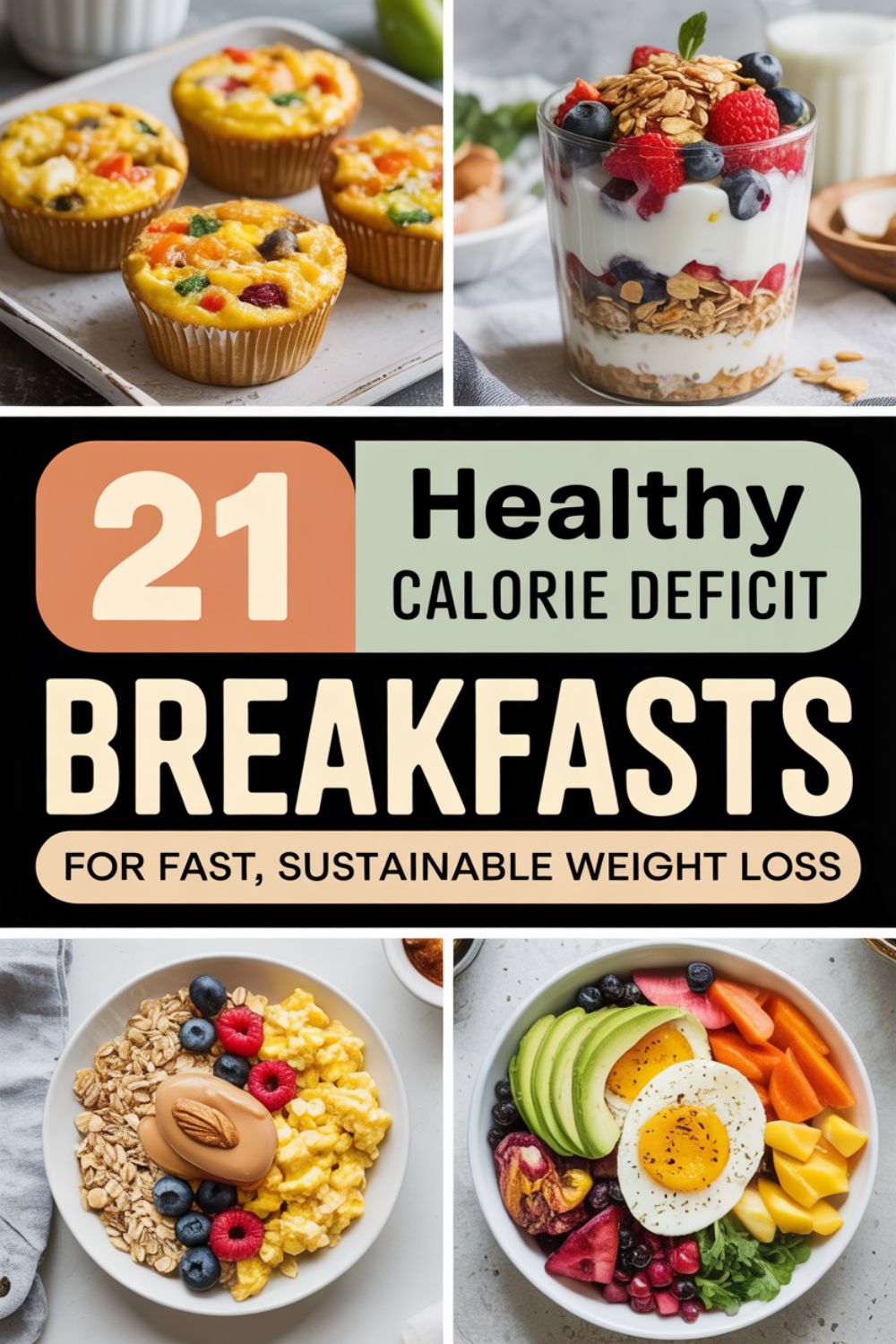
21 Healthy Calorie Deficit Breakfasts for Fast, Sustainable Weight Loss
Look, I’m not gonna lie to you. Breakfast on a calorie deficit used to feel like eating disappointment with a side of regret. I’d stare at my tiny bowl of cereal thinking, “This is it? This is what’s supposed to fuel my entire morning?” And then by 10 AM, I’d be rage-eating granola bars in the break room.
Here’s what nobody tells you about calorie deficit breakfasts: they don’t have to suck. Actually, they shouldn’t suck. When you nail the right combination of protein, fiber, and just enough healthy fats, you can eat satisfying meals that keep you full without blowing through your calorie budget before lunch.
I’ve spent the last two years testing breakfast combinations that actually work for weight loss—not the sad, depressing kind where you’re counting down the minutes until your next meal, but the kind where you genuinely forget to snack because you’re still satisfied. These 21 breakfasts have helped me drop weight while maintaining my energy levels, and more importantly, they’ve helped me stick with it.
Why Your Current Breakfast Strategy Might Be Sabotaging Your Weight Loss
Before we get into the actual recipes, let’s talk about why so many people fail at breakfast when they’re trying to lose weight. I see the same mistakes over and over, and honestly, I made most of them myself.
The biggest issue? People either skip breakfast entirely or go way too light. Look, I get the appeal of intermittent fasting, and it works for some folks. But if you’re someone who gets legitimately hungry in the morning and you’re trying to white-knuckle through it, you’re setting yourself up for disaster. Research from nutritionists shows that eating a substantial breakfast can actually reduce hunger and help people avoid high-fat, high-sugar snacks later in the day.
Then there’s the opposite problem: people who eat breakfast but choose foods that spike their blood sugar. A muffin and orange juice might sound harmless, but that’s basically dessert masquerading as breakfast. You’ll get a quick energy boost followed by a crash that leaves you desperately scrounging for more carbs by mid-morning.
The sweet spot? Breakfasts that combine protein, fiber, and healthy fats in the 300-400 calorie range. This combination keeps you satisfied for hours without using up too many of your daily calories. According to Harvard Health, increasing fiber intake alone can support weight loss and improve overall health markers.
The Three Non-Negotiables for Every Calorie Deficit Breakfast
Through trial and error (mostly error, if we’re being honest), I’ve figured out that every successful calorie deficit breakfast needs three key components. Miss even one, and you’re gonna have a rough morning.
1. Protein That Actually Fills You Up
This is where most people mess up. They’ll have a slice of whole wheat toast with peanut butter and call it protein. Sure, there’s some protein in there, but it’s not nearly enough. You need a proper protein source—eggs, Greek yogurt, cottage cheese, protein powder, or if you’re plant-based, tofu or tempeh.
I aim for 25-30 grams of protein at breakfast, and the difference is night and day. When I hit that target, I’m legitimately not hungry until lunch. When I don’t, I’m thinking about food by 10:30 AM. Studies on protein and fiber supplementation show that higher protein intake at meals supports better weight management and reduces overall calorie consumption throughout the day.
If you’re scrambling eggs in the morning (pun intended), I can’t recommend a good non-stick ceramic pan enough. Makes cleanup stupidly easy and you need way less oil, which saves you calories without even trying.
2. Fiber to Keep Things Moving
Let’s be real—nobody wants to talk about digestive health, but when you’re eating in a calorie deficit, fiber becomes your best friend. It keeps you full, regulates your blood sugar, and yes, keeps everything running smoothly.
Aim for at least 8-10 grams of fiber at breakfast. Good sources include oats, berries, chia seeds, flaxseed, and vegetables. I know vegetables at breakfast sounds weird if you’re used to sweet breakfast foods, but trust me on this. Sautéed spinach with eggs? Game changer.
Speaking of chia seeds, these little guys are fiber powerhouses. I keep organic chia seeds on hand and sprinkle them on basically everything. They expand in liquid and help you feel fuller longer—it’s like a cheat code for satiety.
3. Just Enough Healthy Fats
This one trips people up because fats are calorie-dense, and when you’re watching your intake, it’s tempting to cut them out completely. Don’t do it. You need some fat for satiety, hormone production, and nutrient absorption.
The key word here is “some.” A tablespoon of nut butter, half an avocado, a handful of nuts, or a drizzle of olive oil—that’s plenty. You’re not doing a keto breakfast here. We’re talking about 7-10 grams of fat, just enough to round out the meal and keep you satisfied.
Looking for more structured approaches to calorie management? Check out this 7-day 1200 calorie meal plan that includes breakfast options that hit all these macros perfectly.
Meal Prep Essentials I Actually Use Every Week
After months of testing different approaches, here are the tools and resources that genuinely make breakfast prep easier:
Physical Products:
- Glass meal prep containers with dividers – I prep egg muffins on Sunday and these keep them fresh all week without any weird plastic taste
- Overnight oats jars (set of 5) – Makes portion control automatic and they stack perfectly in the fridge
- Digital food scale – Sounds obsessive, but it takes 10 seconds and removes all the guesswork
Digital Resources:
- Free printable meal plan tracker for staying organized
- High-protein meal planning guide with grocery lists
- Budget-friendly 14-day plan that won’t break the bank
The 21 Breakfasts That Changed Everything
Alright, let’s get to the good stuff. I’ve organized these by prep time because that matters when you’re running late on a Tuesday morning.
Zero-Prep Options (Literally Just Assemble)
1. The Cottage Cheese Power Bowl
One cup low-fat cottage cheese, half a cup of berries, two tablespoons of sliced almonds, and a drizzle of honey. Around 280 calories and 28 grams of protein. This one’s my go-to when I’m legitimately too lazy to even microwave something. Get Full Recipe
2. Greek Yogurt Parfait Done Right
Not the sad little cup from the vending machine. I’m talking about a full cup of plain Greek yogurt (none of that flavored sugar bomb stuff), a quarter cup of granola, half a cup of mixed berries, and a tablespoon of chia seeds. Comes in around 320 calories with a solid protein punch.
3. The Everything Avocado Toast
One slice of whole grain bread (toasted), half a small avocado mashed with salt and pepper, two soft-boiled eggs on top, sprinkle of everything bagel seasoning. This hits around 380 calories and keeps me full until well past lunch. The eggs are key here—don’t skip them.
“I never thought cottage cheese could be a breakfast staple until I tried the power bowl variation. Lost 12 pounds in two months and never felt deprived. The protein keeps me satisfied through my morning meetings.” – Jessica, community member
4. Peanut Butter Banana Wrap
One whole wheat tortilla, one tablespoon of natural peanut butter (not the kind with added sugar), half a banana sliced, and a sprinkle of cinnamon. Roll it up and you’ve got a portable 290-calorie breakfast. Pro tip: warm the tortilla first so it doesn’t crack when you roll it.
5. Quick Protein Smoothie
One scoop vanilla protein powder, one cup unsweetened almond milk, half a frozen banana, one cup of spinach (you won’t taste it, I promise), one tablespoon of almond butter, ice. Blend and go. Around 300 calories and weirdly satisfying for a liquid meal. I use this compact blender that’s easy to clean—because if cleanup is annoying, you won’t make it.
For more quick breakfast options that won’t derail your progress, this collection of 15 low-calorie breakfast ideas offers variety without the prep stress.
5-Minute Prep Breakfasts
6. Scrambled Eggs with Veggies
Two whole eggs plus two egg whites, scrambled with a cup of chopped vegetables (I usually do bell peppers, onions, and spinach), cooked in a teaspoon of olive oil. Side of fruit if you want. Total time: five minutes, calories: around 250. Add a slice of whole grain toast and you’re at 330.
7. Oatmeal That Doesn’t Suck
Half a cup of rolled oats cooked in water, stir in one scoop of vanilla protein powder after cooking (game changer), top with a tablespoon of almond butter and a handful of blueberries. This makes oatmeal actually filling instead of just a carb bomb that leaves you hungry an hour later. Around 350 calories.
8. Microwave Egg Muffin
Beat two eggs with some chopped veggies and a bit of cheese in a large mug, microwave for 90 seconds, checking at 60 seconds. It’ll puff up and look weird but tastes great. Around 220 calories. I make this at least twice a week when I’m running late. Get Full Recipe
9. Turkey Sausage and Egg Sandwich
One whole wheat English muffin, one turkey sausage patty (cooked), one fried egg, optional slice of cheese. This feels indulgent but clocks in around 340 calories. Way better than hitting the drive-through, and you can prep the sausages ahead of time.
10. Smoked Salmon Breakfast Plate
Two ounces of smoked salmon, one slice of whole grain toast, two tablespoons of light cream cheese, sliced cucumber and tomato, capers if you’re fancy. Around 300 calories and feels like you’re eating at a nice brunch spot instead of trying to lose weight.
If you’re looking at these portions and thinking, “Will this actually be enough?” you might benefit from understanding the difference between calorie targets. This comparison of 1200 vs 1500 calorie meal plans breaks down which approach works best for different goals and activity levels.
Make-Ahead Champions (Prep Once, Eat All Week)
11. Veggie Egg Muffins
This is probably my most-made recipe. Whisk together 12 eggs, add two cups of chopped vegetables (whatever you have), season with salt, pepper, and garlic powder, pour into a greased muffin tin, bake at 350°F for 20-25 minutes. Makes 12 muffins at about 70 calories each. Eat three for breakfast with some fruit and you’re golden. They reheat beautifully in the microwave. Get Full Recipe
I use silicone muffin pans for these because nothing sticks and cleanup is basically non-existent.
12. Overnight Oats (Actually Good Version)
Mix half a cup of rolled oats, half a cup of unsweetened almond milk, quarter cup of Greek yogurt, one tablespoon of chia seeds, half a scoop of protein powder, and your choice of fruit. Let it sit in the fridge overnight. In the morning, it’s ready to eat cold or you can heat it up. Around 320 calories and you can make five jars at once on Sunday.
13. Breakfast Burrito Batch
Scramble a dozen eggs with peppers and onions, add some black beans and a bit of cheese, portion into whole wheat tortillas, wrap in foil, freeze. Microwave for two minutes from frozen. Each burrito is around 350 calories and feels substantial enough that you forget you’re in a deficit.
“The egg muffin recipe saved my mornings. I make a batch every Sunday, and knowing breakfast is already handled makes sticking to my calorie goals so much easier. Down 18 pounds in three months!” – Marcus, from our meal prep community
14. Chia Pudding Variations
Three tablespoons of chia seeds mixed with one cup of unsweetened almond milk and a bit of vanilla extract. Let it sit overnight. In the morning, top with fruit and nuts. Base recipe is around 200 calories, so you have room to add toppings. I make three or four at once and rotate the toppings so I don’t get bored.
15. Protein Pancakes (Freezer-Friendly)
One mashed banana, two eggs, half a cup of oats, half a scoop of protein powder, blend it all together. Cook like regular pancakes. Makes about six pancakes at roughly 60 calories each. I cook a big batch, freeze them with parchment paper between each one, and pop them in the toaster for a quick breakfast. Top with a tiny bit of real maple syrup or some Greek yogurt and berries. Get Full Recipe
Need more variety in your meal rotation? These low-calorie lunch ideas and dinner recipes under 350 calories will keep your entire day on track.
Weekend Special Breakfasts (When You Have Time)
16. Veggie-Packed Frittata
This is what I make on Sunday mornings when I actually have time to cook. Six eggs, one cup of egg whites, two cups of vegetables (I like mushrooms, spinach, and tomatoes), quarter cup of feta cheese. Bake in a cast-iron skillet at 375°F for about 25 minutes. Cut into wedges. Each serving is around 180 calories, so you can have a generous portion with a side of whole grain toast. Leftovers work great for weekday breakfasts too.
17. Sweet Potato Hash with Eggs
Dice one medium sweet potato, cook in a non-stick skillet with a bit of olive oil until tender, add diced bell peppers and onions, season with paprika and garlic powder. Top with two fried eggs. This is filling as hell and clocks in around 380 calories. Makes me feel like I’m eating at a fancy brunch place.
18. Protein-Loaded Breakfast Bowl
Half a cup of cooked quinoa (I meal prep this), topped with a poached egg, half an avocado, handful of arugula, cherry tomatoes, and a drizzle of balsamic. Sounds complicated but it’s just assembly. Around 380 calories and the mix of textures makes it feel special.
19. Whole Grain French Toast
Two slices of whole grain bread dipped in a mixture of two eggs, splash of almond milk, cinnamon, and vanilla. Cook on a griddle. Top with a tablespoon of Greek yogurt and fresh berries instead of syrup. This is my “I want something indulgent but need to stay on track” breakfast. Around 340 calories. Get Full Recipe
20. Shakshuka (Easier Than It Sounds)
Simmer a can of crushed tomatoes with onions, garlic, cumin, and paprika. Make wells in the sauce and crack in four eggs. Cover and cook until eggs are set. Serve with a slice of whole grain bread for dipping. The whole thing serves two at about 320 calories per serving. Feels like a restaurant dish but takes 20 minutes.
21. Breakfast Salad (Don’t Judge Until You Try It)
I know, I know. Salad for breakfast sounds sad. But hear me out. Two cups of mixed greens, two hard-boiled eggs (sliced), quarter of an avocado, handful of cherry tomatoes, two tablespoons of pumpkin seeds, and a light vinaigrette. It’s refreshing, keeps you full for hours, and comes in around 340 calories. I actually crave this now, which is wild because six months ago I would have laughed at breakfast salad.
For those days when you need extra support and ideas, these 25 meals under 300 calories offer flexibility across all meals of the day.
Tools & Resources That Actually Make This Easier
I’m not gonna pretend meal planning is always easy, but having the right setup helps. Here’s what’s in my kitchen and what I reference when I need inspiration:
Kitchen Essentials:
- Instant-read thermometer – Takes the guesswork out of cooking eggs perfectly every time
- Portion control plates – Sounds gimmicky but visual cues actually help when you’re starting out
- Immersion blender – Makes smoothies in the same cup you drink from, zero cleanup
Planning Resources:
- 30-day complete meal plan for when you need a full month mapped out
- 21-day plan designed for busy schedules
- Vegetarian meal plan if you’re plant-based or just want to eat less meat
Common Mistakes That’ll Derail Your Progress
Let me save you some trouble by pointing out the mistakes I see constantly (and made myself more times than I’d like to admit).
Drinking Your Calories Without Realizing It
That fancy coffee drink from the drive-through? It’s not breakfast, it’s liquid dessert with 400+ calories. If you need caffeine (and let’s be honest, we all do), stick to black coffee or add a splash of unsweetened almond milk. Save your calories for actual food that’ll fill you up.
I love my insulated travel mug for bringing coffee from home. It stays hot for hours and I’m not tempted to stop at coffee shops where I’ll inevitably order something loaded with sugar.
Not Prepping Anything and Hoping for the Best
Look, spontaneity is great for weekend plans, but it’s terrible for breakfast when you’re trying to lose weight. If you wake up with nothing ready to eat, you’re either skipping breakfast or grabbing something convenient that probably doesn’t fit your goals.
You don’t need to prep all 21 meals. Even having three or four options ready in your fridge makes a massive difference. Sunday afternoon, spend an hour making egg muffins and overnight oats. That’s it. You’ve set yourself up for success.
Going Too Low on Calories
This might sound counterintuitive, but eating a 150-calorie breakfast because you want to “save calories” for later is a bad strategy. You’ll be starving by mid-morning, your energy will tank, and you’ll likely end up eating way more than you saved.
A 300-400 calorie breakfast that keeps you satisfied is infinitely better than a 150-calorie breakfast that leaves you hunting for snacks two hours later. Do the math—you’ll actually consume fewer total calories when you start the day properly fueled.
Forgetting That Condiments Have Calories
Ketchup, mayo, syrup, honey—they all add up fast. I’m not saying don’t use them, but measure them. A “drizzle” of honey can easily be 100+ calories if you’re not paying attention. A tablespoon is plenty for most things, and you’d be surprised how little you actually need when you measure it out.
Making These Breakfasts Work in Real Life
Theory is great, but let’s talk about practical application because that’s where most people struggle.
When You’re Running Late
Keep grab-and-go options ready. Hard-boiled eggs in the fridge, individual portions of nuts in your bag, pre-made protein smoothie packs in the freezer. On those mornings when you’re running late, you need something you can literally eat while walking to your car.
My emergency backup is always a protein shake. It’s not my favorite breakfast, but it’s way better than skipping or hitting a drive-through. I keep individual protein shake bottles in my car for those really desperate mornings.
When You’re Traveling
Hotel breakfasts are a minefield. Skip the pastries and waffles. Load up on eggs (scrambled or hard-boiled), fresh fruit, and if they have oatmeal, get it plain and add your own toppings. Most hotels have Greek yogurt now too.
If I’m staying somewhere without a breakfast option, I bring packets of instant oatmeal and protein powder. Add hot water from the coffee maker, stir in the protein powder, and you’ve got a decent breakfast. Not glamorous, but it works.
When You’re Eating with Non-Dieters
Weekend brunch with friends who aren’t watching what they eat? Order what fits your goals and don’t make a big deal about it. Get an omelet with veggies instead of pancakes. Ask for fruit instead of hash browns. Most places are happy to accommodate, and honestly, nobody cares what you order as much as you think they do.
You can also eat a small breakfast at home and then order a lighter option when you’re out. I do this all the time—have a protein shake before I leave, then order just eggs and fruit at brunch. I’m not starving, I get to participate in the social aspect, and I don’t blow my calorie budget.
Want to see how these breakfast strategies fit into complete daily meal plans? Check out this beginner’s guide to 1200-calorie days that shows exactly how to balance your meals for the best results.
The Mental Game of Breakfast
Here’s something nobody talks about enough: a huge part of making calorie deficit breakfasts work is getting your head right about it.
I used to resent healthy breakfasts. I’d be eating my eggs and vegetables while my partner had a giant stack of pancakes, and I’d feel sorry for myself. That mindset was toxic and made everything harder.
The shift happened when I stopped thinking of these meals as “diet food” and started viewing them as “foods that support my goals.” Same food, different framing. These breakfasts aren’t punishment—they’re what successful weight loss looks like. They’re how you lose weight without being miserable.
Also, let’s be real for a second. You’re not never going to have pancakes again. You’re not banned from French toast for life. But on regular weekday mornings, when the goal is to lose weight and feel good, these 21 options are what works. Save the indulgent stuff for special occasions, and when you have it, actually enjoy it without guilt.
For more ideas that won’t make you feel deprived, browse through these comfort food recipes that prove healthy eating doesn’t have to be boring.
Frequently Asked Questions
How many calories should my breakfast be if I’m trying to lose weight?
For most people aiming for weight loss, a breakfast between 300-400 calories works well. This gives you enough fuel to start your day without using up too much of your daily calorie budget. If you’re on a 1200-calorie plan, aim for the lower end (300-350 calories), while those on a 1500-calorie plan can go closer to 400 calories. The key is making sure those calories come from protein, fiber, and healthy fats rather than empty carbs.
Should I eat breakfast if I’m not hungry in the morning?
It depends on your body and schedule. Some people do great with intermittent fasting and skipping breakfast. However, if you skip breakfast and find yourself ravenous by 11 AM, making poor food choices, or lacking energy, you should eat something. Even a small, protein-rich breakfast like Greek yogurt with berries can stabilize your appetite for the rest of the day. Listen to your actual hunger cues, not arbitrary diet rules.
Can I meal prep breakfast for the entire week?
Absolutely, and I highly recommend it. Egg muffins, overnight oats, breakfast burritos, and chia pudding all keep well for 5-7 days when properly stored. Hard-boiled eggs last a week. Even protein pancakes can be frozen and reheated. Spending an hour on Sunday prepping breakfasts eliminates decision fatigue and makes it way easier to stick to your calorie goals during busy weekday mornings.
What if I get hungry between breakfast and lunch?
First, check if you’re eating enough protein and fiber at breakfast—aim for at least 20-25 grams of protein. If you’re still genuinely hungry (not just bored or thirsty), have a small snack like a handful of almonds, an apple with string cheese, or some raw veggies with hummus. Keep it under 150 calories so you don’t interfere with your lunch. Sometimes drinking water helps too—we often mistake thirst for hunger.
Are smoothies a good option for a calorie deficit breakfast?
Smoothies can work if you make them right. The problem is most smoothie recipes are basically desserts—tons of fruit, juice, honey, and very little protein. A weight-loss-friendly smoothie needs protein powder or Greek yogurt, minimal fruit (half a banana or a cup of berries max), healthy fats like nut butter or avocado, and some greens for fiber. Make sure it’s under 350 calories and contains at least 20 grams of protein, or you’ll be hungry an hour later.
The Bottom Line on Calorie Deficit Breakfasts
After two years of experimenting with different breakfast strategies while trying to lose weight, here’s what I know for sure: the best breakfast is the one you’ll actually eat consistently.
These 21 options work because they’re practical, satisfying, and flexible. Some take two minutes, some take twenty. Some you can make ahead, some you assemble on the spot. The variety means you won’t get bored, which is crucial because boredom is where most diets go to die.
The protein-fiber-healthy fat combination isn’t just nutritional theory—it’s what actually keeps you full and prevents the mid-morning snack attack. When you get that balance right, staying in a calorie deficit stops feeling like a constant battle with your willpower.
Start with two or three of these recipes that sound appealing and fit your schedule. Don’t try to overhaul your entire breakfast routine overnight. Once those become habit, add another option or two. Build your rotation gradually, and before you know it, you’ll have a system that works.
And remember, this isn’t about perfection. Some mornings you’ll nail it with a perfectly balanced breakfast bowl. Other mornings you’ll scramble two eggs and call it done. Both are fine. The goal is consistency over time, not perfection every single day.
Your weight loss journey doesn’t have to start with miserable, unsatisfying breakfasts. These 21 options prove you can eat well, stay in a calorie deficit, and actually enjoy your food. That’s the kind of sustainable approach that leads to lasting results.