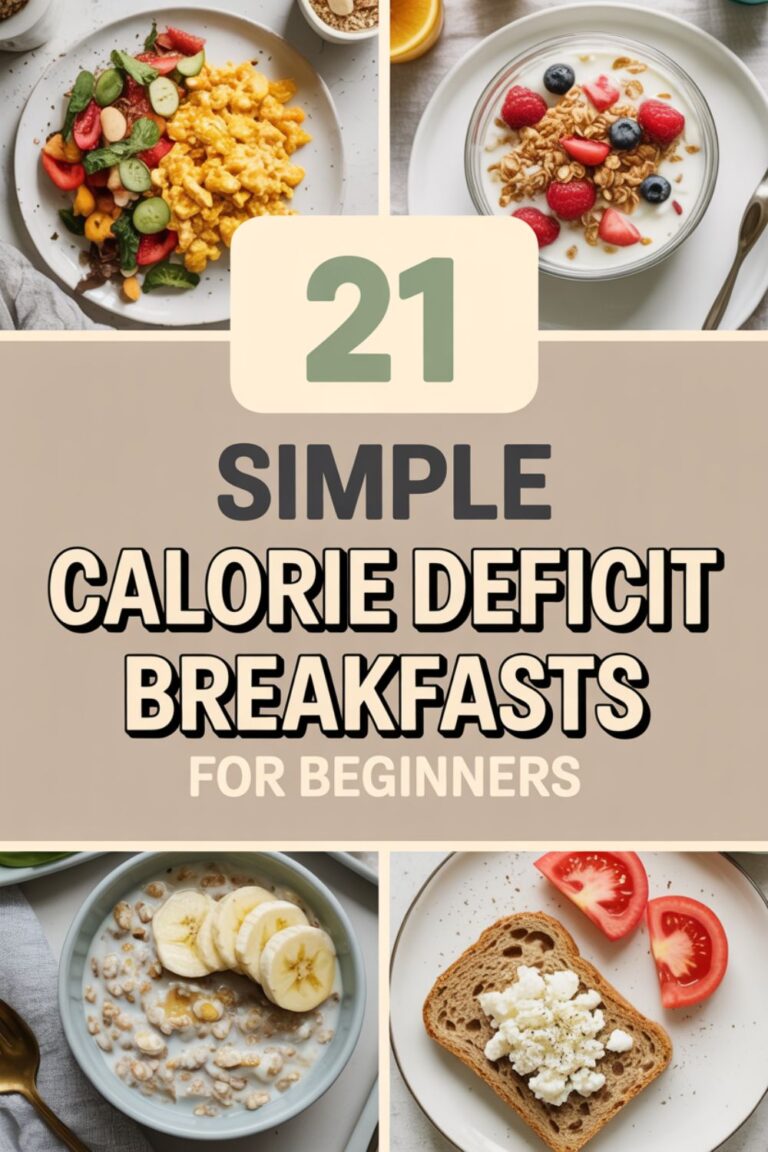
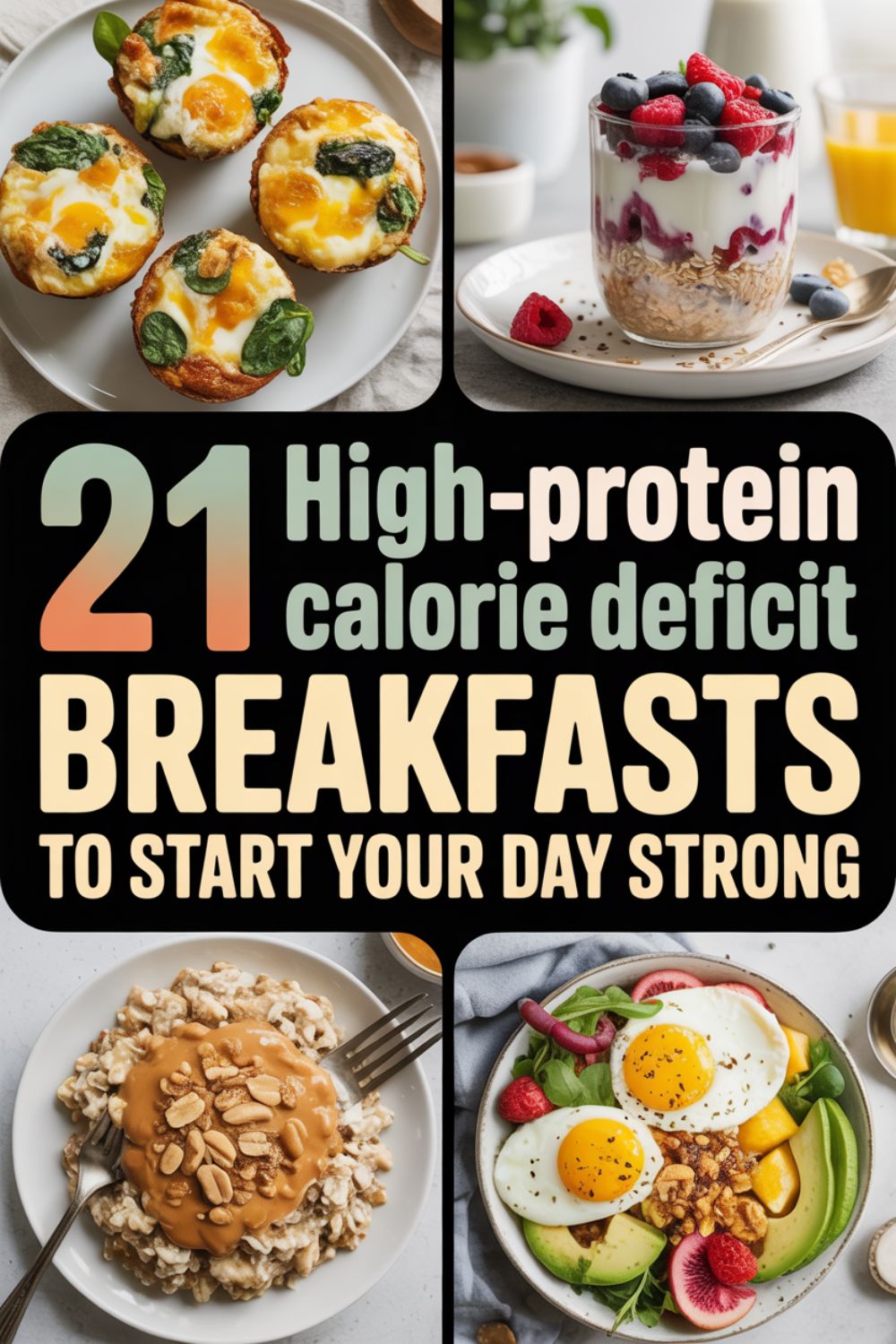
21 High-Protein Calorie Deficit Breakfasts to Start Your Day Strong
Look, I get it. You’re tired of feeling ravenous by 10 a.m. despite eating breakfast. Or maybe you’re skipping breakfast altogether because you think it’ll help you save calories. Either way, you’re probably not setting yourself up for success.
Here’s the thing about eating in a calorie deficit—your body needs fuel, especially protein, to keep you satisfied and prevent muscle loss. A high-protein breakfast isn’t just about hitting your macros; it’s about giving yourself a fighting chance to stick with your plan without feeling miserable.
The science backs this up too. Research shows that protein can help you eat up to 135 fewer calories later in the day, and it activates satiety signals in your brain that reduce cravings. When you’re working with a calorie deficit, every bit of appetite control matters.
I’ve pulled together 21 breakfast ideas that actually work—not the sad, flavorless kind that make you wonder why you even bothered. These are real meals with enough protein to keep you full, low enough calories to fit your goals, and flavors that won’t make you feel like you’re punishing yourself. Let’s get into it.
Why High-Protein Breakfasts Actually Matter in a Deficit
Before we dive into recipes, let’s talk about why protein at breakfast is non-negotiable when you’re trying to lose weight. Protein has what’s called a high thermic effect—meaning your body burns more calories just digesting it compared to carbs or fat. Studies indicate that approximately 15-30% of protein calories are used during digestion, compared to only 5-10% for carbs and 0-3% for fat.
But it’s not just about the calorie burn. Protein keeps you fuller longer by affecting hormones like ghrelin (the hunger hormone) and GLP-1 (the satiety hormone). When you start your day with adequate protein, you’re less likely to raid the vending machine before lunch or demolish an entire bag of chips at 3 p.m.
IMO, the best part about prioritizing protein is that it helps preserve your hard-earned muscle mass while you’re in a deficit. Lose fat, not muscle—that’s the goal, right?
How Much Protein Should Your Breakfast Have?
Aim for at least 20-30 grams of protein at breakfast. According to the American Society for Nutrition, consuming 25-30 grams of protein at each meal is particularly helpful for appetite regulation and weight management.
That might sound like a lot if you’re used to cereal or toast, but it’s doable. An omelet with three eggs gets you about 18 grams right there. Add some cottage cheese or a protein shake on the side, and you’re golden.
21 High-Protein Calorie Deficit Breakfast Ideas
1. Greek Yogurt Power Bowl
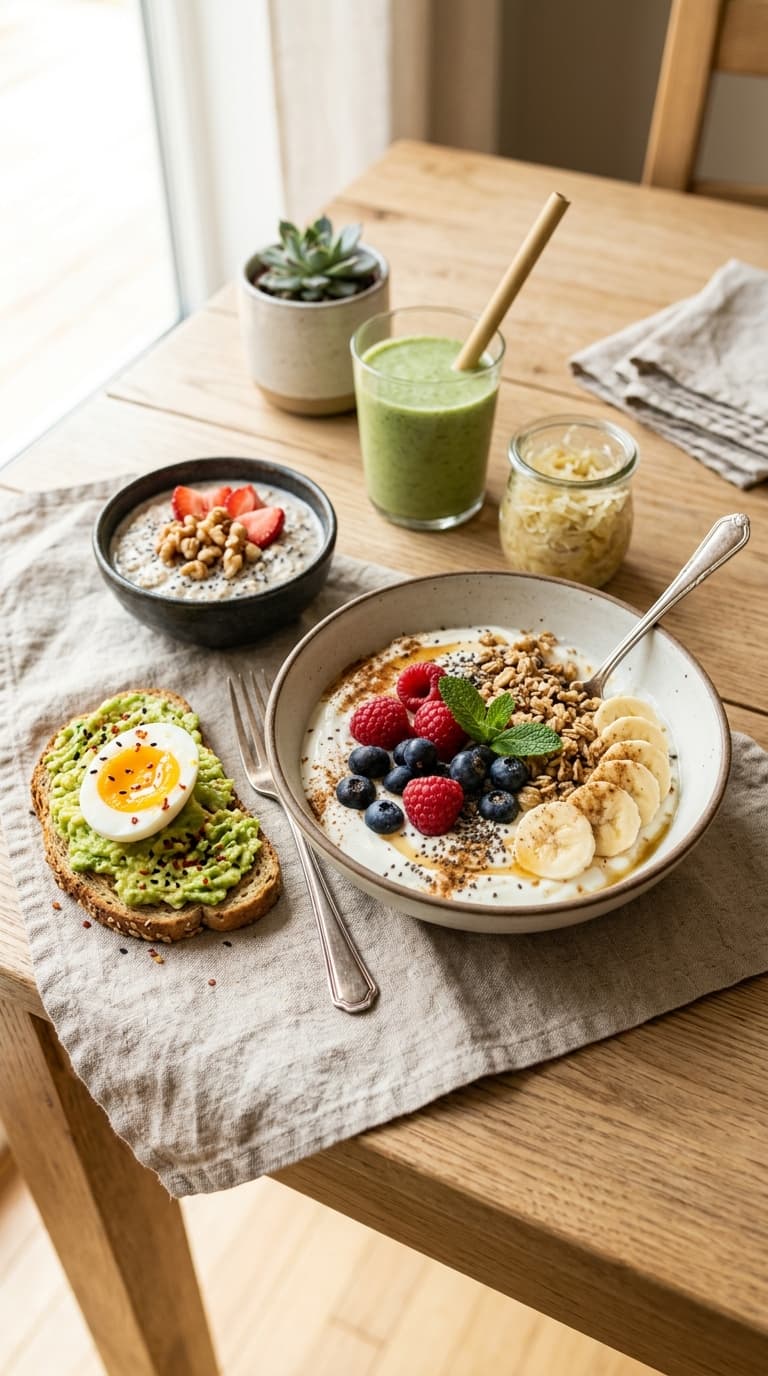
Start with plain Greek yogurt—it’s a protein bomb with around 15-20 grams per cup. Top it with berries, a sprinkle of chia seeds, and a tablespoon of almond butter. You get antioxidants from the berries, healthy fats from the almond butter, and a meal that tastes like dessert.
Calories: ~280 | Protein: ~22g
2. Veggie-Packed Egg White Scramble
Egg whites are pure protein with minimal calories. Scramble them with spinach, mushrooms, tomatoes, and bell peppers. Add a sprinkle of feta cheese if you want a bit of creaminess. Cook everything in a non-stick pan with a tiny bit of olive oil spray to keep it light.
Calories: ~180 | Protein: ~25g
3. Protein Overnight Oats
Mix rolled oats, protein powder, almond milk, and a spoonful of peanut butter in a jar the night before. By morning, it’s ready to eat cold or warmed up. It’s basically the laziest high-protein breakfast that exists, and honestly, that’s a win. Get Full Recipe.
Calories: ~320 | Protein: ~28g
If you’re looking for more morning inspiration, check out these low-calorie breakfast ideas or this complete 7-day high-protein meal plan that takes the guesswork out of breakfast planning.
4. Cottage Cheese and Berries
Low-fat cottage cheese is ridiculously high in protein. Mix it with blueberries, strawberries, or raspberries, and add a dash of cinnamon. It’s simple, filling, and you can prep it in under two minutes.
Calories: ~200 | Protein: ~24g
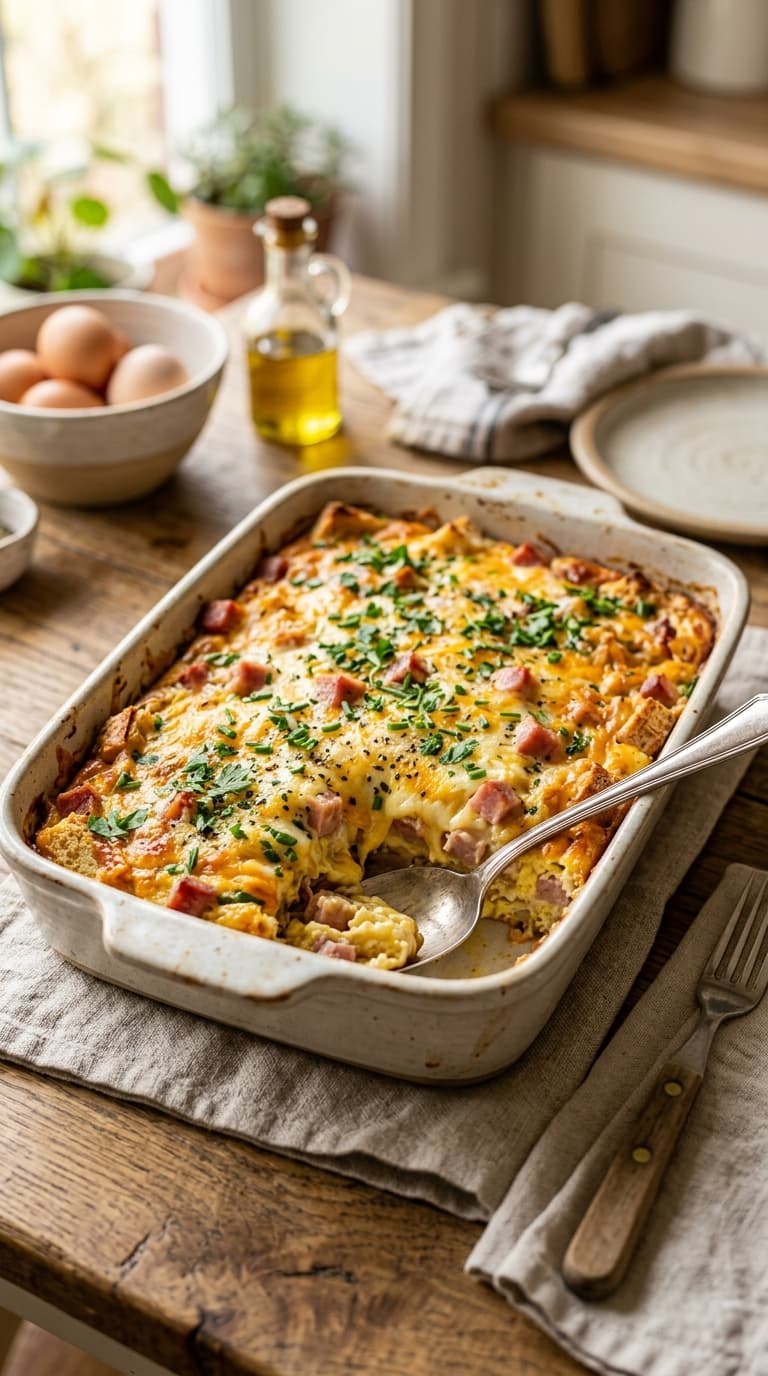
5. Turkey Sausage and Egg Muffins
Whisk eggs with diced turkey sausage, spinach, and a bit of cheese. Pour into silicone muffin cups and bake. Store them in the fridge and microwave one each morning. It’s meal prep heaven. Get Full Recipe.
Calories: ~150 per muffin | Protein: ~14g
6. Smoked Salmon and Avocado Toast
Use high-protein bread (look for brands with at least 5g protein per slice), top with mashed avocado and smoked salmon. Add a squeeze of lemon and some everything bagel seasoning. It feels fancy but takes five minutes.
Calories: ~350 | Protein: ~26g
7. Protein Pancakes
Blend cottage cheese, eggs, oats, and a scoop of vanilla protein powder. Cook them like regular pancakes on a griddle pan. They’re fluffy, satisfying, and you can batch-make them for the week. Top with a few fresh berries instead of syrup to keep calories in check.
Calories: ~250 | Protein: ~30g
8. Tofu Scramble with Veggies
Crumble firm tofu and cook it with turmeric, garlic powder, and nutritional yeast. Add sautéed kale, tomatoes, and onions. It’s a plant-based option that rivals scrambled eggs in texture and beats them in versatility.
Calories: ~220 | Protein: ~20g
9. High-Protein Smoothie Bowl
Blend protein powder, frozen berries, spinach, and unsweetened almond milk until thick. Pour into a bowl and top with sliced almonds, sugar-free granola, and coconut flakes. It’s Instagram-worthy and actually filling. Get Full Recipe.
Calories: ~290 | Protein: ~25g
10. Breakfast Burrito with Egg Whites
Use a low-carb tortilla, scrambled egg whites, black beans, salsa, and a small amount of cheese. Roll it up tight and you’ve got a portable breakfast that doesn’t taste like cardboard. Black beans add fiber and extra protein too.
Calories: ~300 | Protein: ~24g
Speaking of protein-packed meals, you might love these high-protein dinners or this collection of low-calorie lunch ideas to keep your whole day balanced.
11. Quinoa Breakfast Bowl
Cook quinoa in almond milk instead of water. Top with sliced banana, a dollop of Greek yogurt, and chopped walnuts. Quinoa is one of the few plant-based complete proteins, which is a big deal if you’re vegetarian.
Calories: ~310 | Protein: ~15g
12. Protein-Packed Chia Pudding
Mix chia seeds, protein powder, and almond milk in a jar. Let it sit overnight. In the morning, top with sliced strawberries and a sprinkle of slivered almonds. It’s basically a no-cook breakfast that preps itself while you sleep.
Calories: ~260 | Protein: ~22g
13. Egg and Veggie Breakfast Wrap
Scramble whole eggs with bell peppers, onions, and mushrooms. Wrap in a whole wheat tortilla with a thin smear of hummus. It’s portable, tasty, and hits all the macros you need.
Calories: ~280 | Protein: ~19g
14. Protein Waffles
Make waffles using a protein waffle mix or blend oats, protein powder, egg whites, and baking powder. Cook in a waffle maker and top with a tiny drizzle of sugar-free syrup and fresh fruit. FYI, these freeze beautifully for grab-and-go breakfasts. Get Full Recipe.
Calories: ~270 | Protein: ~26g
15. Shakshuka (Eggs in Tomato Sauce)
Simmer crushed tomatoes with garlic, cumin, and paprika. Crack eggs directly into the sauce and let them poach. Serve with a slice of whole grain toast. It’s savory, warming, and feels like you’re eating at a brunch spot.
Calories: ~240 | Protein: ~16g
16. Almond Butter Protein Toast
Toast high-protein bread, spread with almond butter, and top with banana slices and a sprinkle of hemp seeds. The combination of protein, healthy fats, and slow-digesting carbs keeps your energy stable for hours.
Calories: ~310 | Protein: ~18g
17. Egg Bites (Starbucks-Style)
Blend eggs, cottage cheese, and your choice of mix-ins (bacon bits, peppers, cheese). Pour into mini muffin tins and bake at 300°F for about 20 minutes. They come out fluffy and ridiculously good. Store in an airtight container for easy weekday breakfasts. Get Full Recipe.
Calories: ~140 per serving | Protein: ~13g
18. High-Protein Breakfast Salad
Okay, hear me out. Spinach, arugula, cherry tomatoes, hard-boiled eggs, grilled chicken breast, and a light vinaigrette. It sounds weird for breakfast, but if you’re not a sweet breakfast person, this hits different. Plus, you’re getting veggies in first thing.
Calories: ~280 | Protein: ~28g
For more satisfying meal ideas that won’t derail your progress, try this 30-day low-calorie meal plan or these filling meals under 300 calories.
19. Protein Coffee Smoothie
Blend cold brew coffee, chocolate protein powder, a frozen banana, and a handful of ice. It’s like a mocha Frappuccino that actually supports your goals instead of sabotaging them. Add a splash of almond milk if you want it creamier.
Calories: ~250 | Protein: ~25g
20. Sweet Potato and Egg Hash
Dice sweet potatoes and cook until crispy. Add diced bell peppers and onions. Top with a fried or poached egg. The sweet potato gives you complex carbs for energy, and the egg brings the protein. It’s hearty without being heavy.
Calories: ~290 | Protein: ~14g
21. Protein Crepes
Make a thin batter with eggs, protein powder, and a splash of almond milk. Cook like crepes in a non-stick skillet. Fill with Greek yogurt and berries, or go savory with turkey and spinach. They’re ridiculously versatile. Get Full Recipe.
Calories: ~230 | Protein: ~24g
Meal Prep Essentials Used in These Breakfasts
If you’re serious about sticking with high-protein breakfasts, having the right tools and ingredients makes a massive difference. Here’s what I keep stocked:
Physical Products:
- Glass meal prep containers – Perfect for storing egg muffins, overnight oats, and chia pudding. They’re microwave-safe and don’t stain like plastic.
- Silicone muffin pans – Non-stick, easy to clean, and they make egg bites pop out perfectly every time.
- High-speed blender – Essential for smoothies, protein pancake batter, and getting that perfectly smooth chia pudding texture.
Digital Products & Resources:
- Macro tracking app subscription – Helps you nail your protein targets without guessing. I like MyFitnessPal Premium or Cronometer Gold.
- Meal planning template bundle – Pre-built grocery lists and weekly breakfast rotations so you’re not reinventing the wheel every Sunday.
- Recipe e-book: 50 High-Protein Breakfasts – More variety than you’ll find in any single blog post, with detailed macros and substitution suggestions.
Want more support? Join our WhatsApp community where we share meal prep tips, swap recipes, and troubleshoot challenges together. It’s free and honestly one of the most helpful resources I’ve found.
Tools & Resources That Make Cooking Easier
Let’s be real—meal prep sounds great until you’re standing in your kitchen at 6 a.m. with zero energy. These tools actually help:
Kitchen Tools:
- Electric egg cooker – Set it and forget it. Perfect hard-boiled eggs every single time without babysitting a pot of water.
- Portable blender bottle – For those mornings when you’re running late. Throw in protein powder and almond milk, shake, and go.
- Digital food scale – Takes the guesswork out of portions. You think you’re eyeballing an ounce of cheese, but you’re actually using three.
Digital Resources:
- Online meal prep course – Walks you through batch cooking techniques and time-saving strategies. Worth it if you’re constantly feeling overwhelmed by food prep.
- High-protein grocery list PDF – Organized by store section so you’re not wandering aimlessly trying to remember what you need.
- Breakfast recipe swaps guide – Shows you how to modify any recipe to boost protein and cut calories without sacrificing taste.
Smart Protein Swaps to Boost Your Breakfast
Sometimes you don’t need a whole new recipe—you just need to tweak what you’re already eating. Here are some easy swaps that significantly increase the protein content of typical breakfast foods:
Swap regular yogurt for Greek yogurt—you’ll double the protein. Use egg whites instead of whole eggs if you’re watching calories but still want volume. Sub almond milk for regular milk in smoothies and add a scoop of protein powder to basically anything liquid.
Peanut butter is great, but powdered peanut butter (like PB2) has way less fat and more protein per calorie. Mix it into oatmeal, yogurt, or protein shakes. And if you’re making toast, trade regular bread for high-protein bread—some brands pack 10 grams of protein per slice.
When it comes to plant-based proteins, nutritional yeast is underrated. It’s got a cheesy flavor and adds protein to tofu scrambles, avocado toast, or even popcorn if you’re feeling creative. Research from the University of Aberdeen found that high-protein breakfasts help reduce cravings and prevent high-fat, high-sugar snacking later in the day.
What About Vegetarian and Vegan Options?
Getting enough protein on a plant-based diet requires a bit more planning, but it’s totally doable. Tofu scrambles, tempeh bacon, and plant-based protein powder are your best friends. Greek yogurt works if you’re vegetarian but not vegan. For vegans, look for high-protein soy or coconut yogurt.
Nutritional yeast, hemp seeds, chia seeds, and pumpkin seeds are all solid protein boosters you can sprinkle on pretty much anything. And don’t sleep on beans—black bean breakfast burritos are legit. For more vegetarian meal planning inspiration, check out this 1500-calorie vegetarian meal plan that’s designed to keep you full and satisfied.
Pea protein powder tends to blend better than some other plant proteins and doesn’t have that chalky texture. Mix it into smoothies or pancake batter. If you’re struggling to hit your protein goals on a vegan diet, combining different plant proteins throughout the day ensures you’re getting all essential amino acids.
Common Mistakes People Make with High-Protein Breakfasts
The biggest mistake? Thinking protein bars count as a real breakfast. Sure, they have protein, but most are loaded with sugar and don’t keep you full. You’re better off eating actual food.
Another common issue is not pairing protein with fiber. Protein without fiber can leave you feeling satisfied but not quite full. That’s why adding veggies, oats, or fruit matters. And drinking your calories too quickly—smoothies are great, but if you chug them in 30 seconds, your satiety signals don’t have time to kick in. Eat slowly, even if it’s a liquid breakfast.
Some people also go overboard with fat thinking it’ll keep them full. A little fat is good, but too much quickly drives up calories. Two tablespoons of almond butter on your toast might taste amazing, but that’s 200 calories right there. Measure your fats, folks.
How to Make These Breakfasts Work for Your Schedule
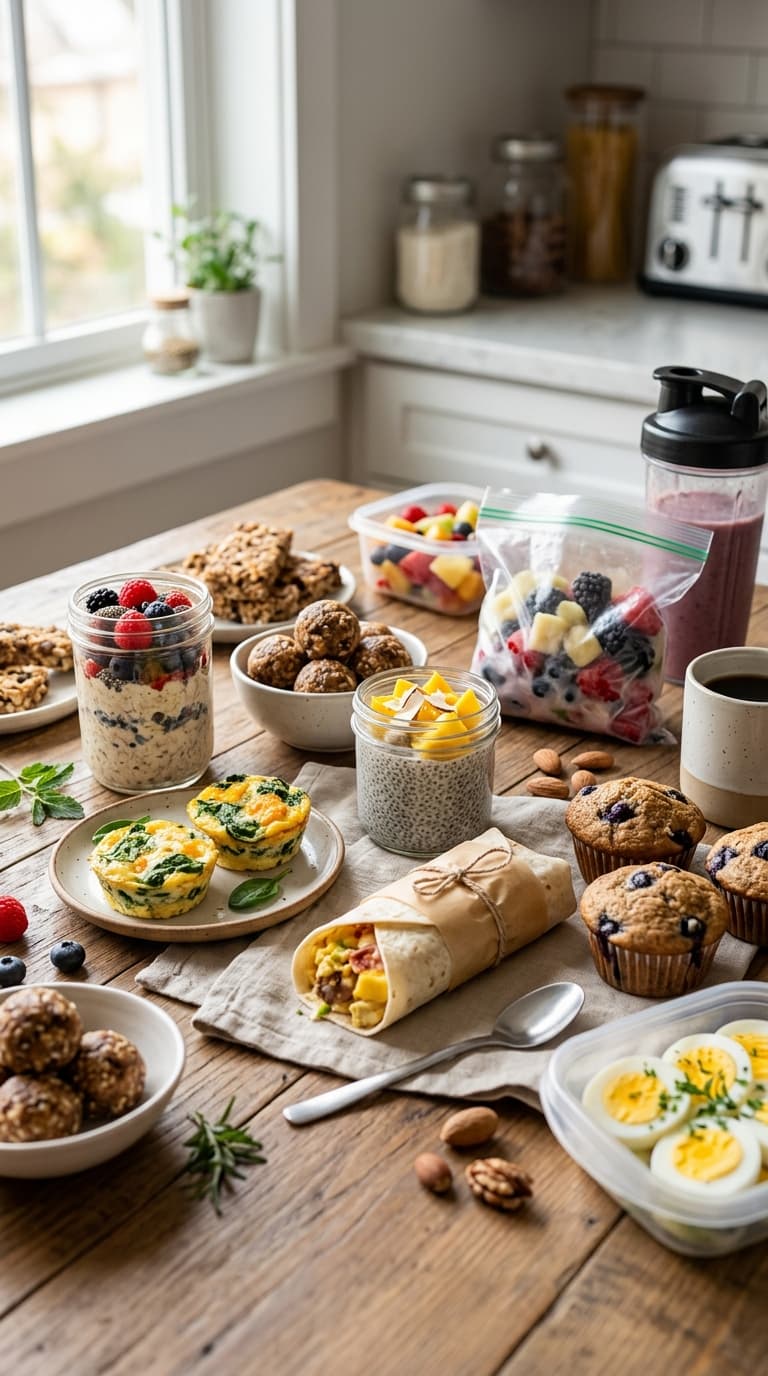
If you’re always rushing in the morning, focus on make-ahead options. Overnight oats, egg muffins, chia pudding, and protein pancakes all store well. Spend an hour on Sunday prepping, and you’ve got breakfast sorted for the week.
For people who hate breakfast, start small. You don’t need to force down a three-egg omelet if the thought makes you nauseous. Try a protein shake or a small Greek yogurt bowl. Your appetite will likely increase over time as your body adjusts to eating earlier.
And if you’re intermittent fasting? These recipes still work—just eat them during your feeding window. Break your fast with something high in protein to maximize satiety and muscle preservation. If you’re navigating different calorie targets, compare options with this guide on 1200 vs 1500 calorie meal plans to find what fits your lifestyle.
Related Recipes You’ll Love
Looking for more ideas to round out your meal plan? Here are some recipes that pair perfectly with these high-protein breakfasts:
More Breakfast Ideas:
Complete Meal Plans:
- 7-Day 1200 Calorie Meal Plan for Weight Loss
- 14-Day 1500 Calorie Meal Plan for Women
- 21-Day Low-Calorie Meal Plan for Busy Women
Quick Snack Options:
Frequently Asked Questions
Can I eat the same breakfast every day or should I rotate?
You can absolutely eat the same breakfast if it works for you. Some people thrive on routine and find it easier to stick to their plan. However, rotating between 3-4 options ensures you’re getting a variety of nutrients and prevents boredom. If you’re someone who gets sick of foods quickly, variety is your friend.
Will eating more protein at breakfast help me lose weight faster?
Protein at breakfast won’t directly speed up weight loss, but it helps you stick to your calorie deficit by reducing hunger and cravings throughout the day. Studies show that high-protein breakfasts lead to reduced evening snacking and better overall diet quality, which indirectly supports faster results.
How do I know if I’m getting enough protein at breakfast?
Aim for at least 20-30 grams of protein at breakfast. If you’re still hungry within two hours, you probably didn’t hit your target. Use a food tracking app for a few days to see where you’re actually landing. Most people underestimate protein and overestimate how much they’re eating.
What if I don’t have time to cook breakfast?
Focus on no-cook or make-ahead options like overnight oats, Greek yogurt bowls, protein smoothies, or pre-made egg muffins. You can also grab hard-boiled eggs, string cheese, and a protein shake on busy mornings. Breakfast doesn’t have to be elaborate to be effective.
Are protein shakes as good as whole food breakfasts?
Protein shakes are convenient and hit your protein target, but whole foods generally keep you fuller longer because they take more time to chew and digest. If you’re using a shake, add some oats, nut butter, or frozen fruit to slow digestion and improve satiety. Shakes work great in a pinch, but don’t rely on them exclusively.
Wrapping It Up
High-protein breakfasts in a calorie deficit don’t have to be complicated or boring. The key is finding a few go-to options that you actually enjoy eating and that fit into your schedule. Whether you’re meal prepping on Sundays or throwing together a quick scramble each morning, prioritizing protein sets you up for better hunger control, more stable energy, and ultimately, better results.
Start with one or two recipes from this list and see how they work for you. Pay attention to how full you feel and how long that fullness lasts. Adjust portions or ingredients based on your personal calorie and macro targets. And remember, consistency beats perfection every single time.
The best breakfast is the one you’ll actually eat, so don’t force yourself into some rigid plan that makes you miserable. Find what works, stick with it, and let the protein do its job.