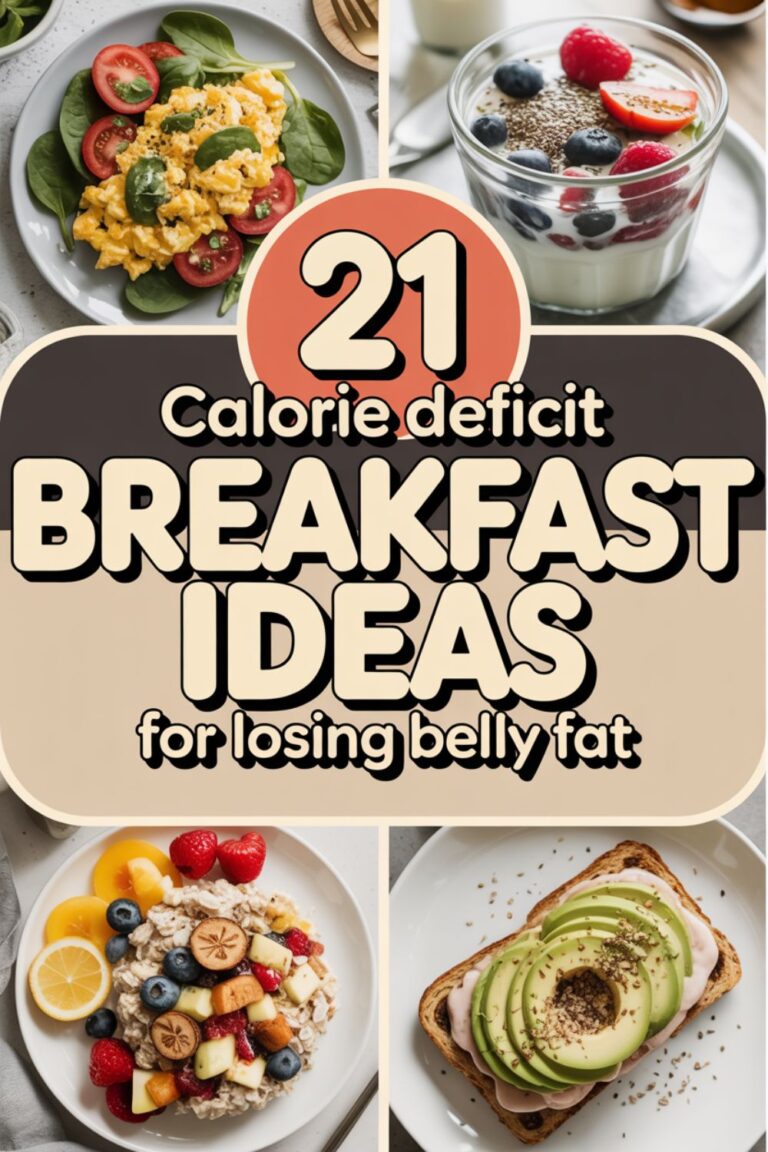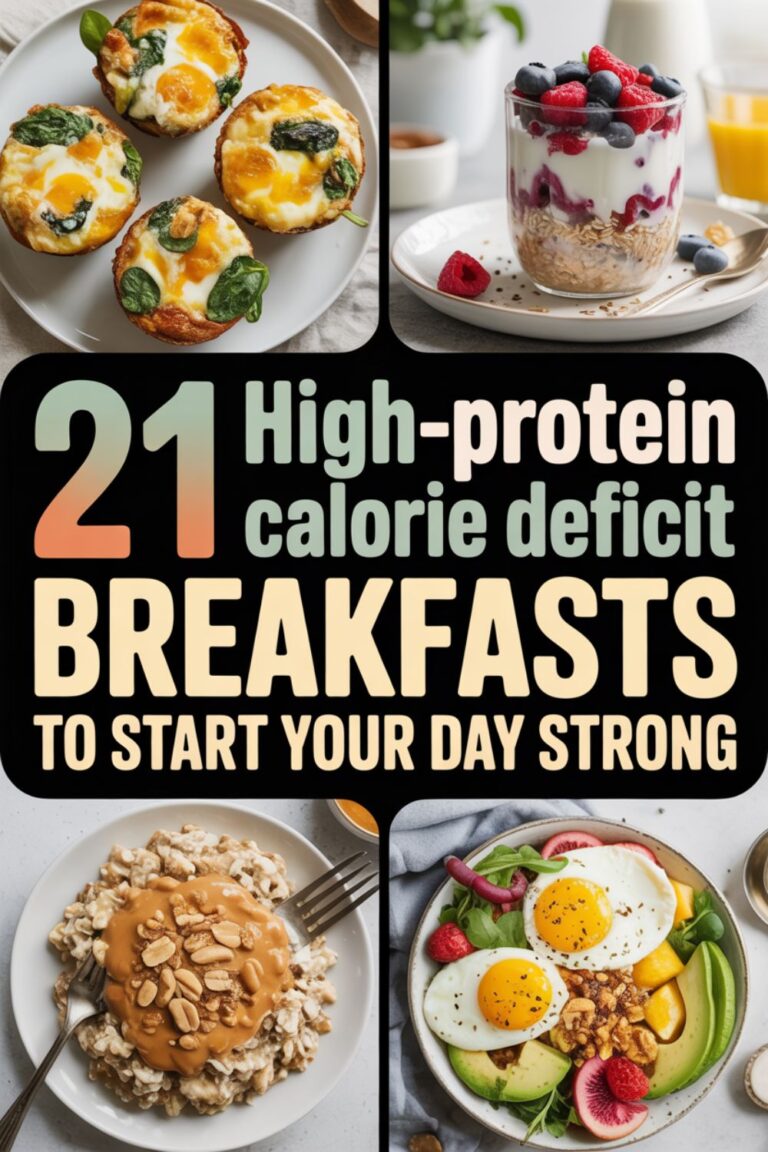
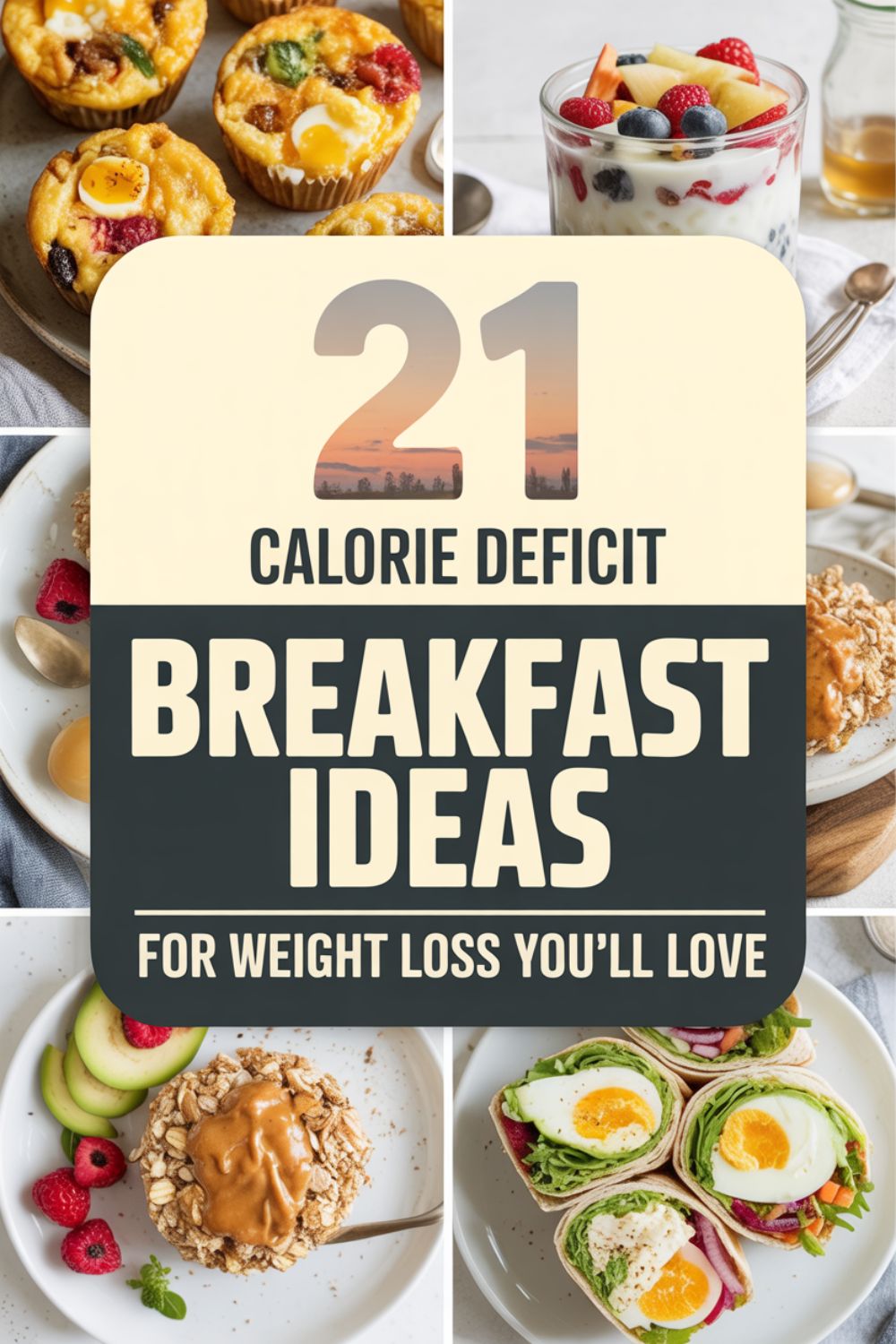
21 Calorie Deficit Breakfast Ideas for Weight Loss You’ll Love
Look, I get it. You’re trying to lose weight, and breakfast feels like this weird pressure point where you’re supposed to make the “right” choice before you’ve even had coffee. One wrong move and you’re either starving by 10 AM or blowing your calorie budget before lunch. Fun times, right?
Here’s the thing about calorie deficit breakfasts: they don’t have to suck. I know that sounds like classic diet-culture BS, but stick with me. After years of experimenting with everything from sad egg whites to weirdly satisfying chia pudding, I’ve figured out what actually works—and what’s just Instagram nonsense.
These 21 breakfast ideas are all about keeping you under that calorie goal without feeling like you’re punishing yourself. We’re talking real food that fills you up, tastes good, and doesn’t require a culinary degree to make. No kale smoothies that taste like lawn clippings, I promise.
Why Breakfast Actually Matters for Weight Loss
Before we dive into the recipes (I know you’re scrolling to get there), let’s talk about why breakfast is kind of a big deal when you’re in a calorie deficit. Research shows that creating a calorie deficit through proper meal timing can actually enhance your weight loss results.
When you skip breakfast, your body doesn’t magically save those calories for later. Instead, you usually end up eating more throughout the day because you’re constantly playing catch-up with hunger. Your metabolism needs fuel to get going, and breakfast literally breaks the fast your body’s been in overnight.
The sweet spot? A breakfast between 300-400 calories that packs in protein and fiber. This combo keeps you satisfied longer and prevents that mid-morning snack attack that derails your whole day. Trust me, I learned this the hard way after too many mornings fueled by nothing but coffee and wishful thinking.
The Science Behind Calorie Deficit Breakfasts
Here’s what’s actually happening when you eat a smart breakfast. According to nutrition research, a calorie deficit of 300-500 calories per day is generally sufficient for healthy weight loss. But it’s not just about the numbers—it’s about how those calories affect your body.
Protein-rich breakfasts trigger the release of hormones that tell your brain you’re full. Fiber slows down digestion, keeping blood sugar stable and preventing energy crashes. Healthy fats provide sustained energy without spiking insulin. When you combine all three, you’ve got a breakfast that works with your body instead of against it.
And yeah, everyone’s different. Some people thrive on bigger breakfasts and smaller dinners. Others prefer the opposite. The key is finding what keeps you in that calorie deficit without feeling like you’re constantly fighting hunger pangs. If you’re curious about different approaches, check out this 7-day 1200 calorie meal plan that breaks down the whole day’s eating.
“I used to skip breakfast thinking it would save calories, but I’d always end up binge-eating by lunch. These breakfast ideas completely changed my approach. I’ve lost 18 pounds in four months and actually enjoy my mornings now.” — Maria, community member
21 Calorie Deficit Breakfast Ideas That Don’t Suck
1. Greek Yogurt Power Bowl (280 calories)
Start with plain Greek yogurt—the thick, protein-packed kind that actually fills you up. Mix in a handful of berries, a sprinkle of chia seeds, and maybe a tiny drizzle of honey if you’re feeling fancy. The protein content here is insane (around 20g), which keeps you satisfied way longer than sugary cereal ever could.
I like using this glass meal prep container to portion these out for the week. Saves me from the morning yogurt-measuring disaster when I’m half asleep. Get Full Recipe
2. Veggie-Loaded Egg Scramble (245 calories)
Two eggs scrambled with spinach, mushrooms, tomatoes, and bell peppers. This is my go-to when I need something warm and filling. The volume of veggies means you’re getting a massive plate of food for minimal calories. Plus, eggs are ridiculously versatile.
Pro move: I cook these in a small non-stick skillet that makes cleanup stupid easy. Nobody wants to scrub egg off a pan before 7 AM. Get Full Recipe
3. Overnight Oats with Almond Butter (315 calories)
Mix half a cup of oats with almond milk, a tablespoon of almond butter, and let it sit overnight. In the morning, top with sliced banana. The oats absorb all the liquid and turn into this creamy, pudding-like situation that’s weirdly satisfying.
These are perfect for meal prep. I use mason jars and make five at once. Grab one on your way out the door and you’ve got breakfast solved. The fiber from the oats plus the healthy fats from almond butter keep you full for hours.
Looking for more morning inspiration? If you’re into high-protein options, you’ll love this high-protein 1200 calorie meal plan that includes tons of breakfast variations. Or if you’re plant-based, check out this vegetarian 1500 calorie meal plan with creative breakfast ideas.
4. Avocado Toast with Poached Egg (295 calories)
Yeah, I know avocado toast is a cliché at this point, but there’s a reason it’s everywhere. One slice of whole grain bread, half an avocado mashed up, topped with a poached egg. Simple, delicious, and the healthy fats from the avocado make it incredibly satisfying.
The key is portioning the avocado. Half is plenty. A whole one and you’re suddenly in the 400-calorie zone. I learned this by tracking everything religiously for a month. Get Full Recipe
5. Cottage Cheese with Berries and Walnuts (265 calories)
Cottage cheese gets a bad rap because it looks weird, but hear me out. High protein, low calories, and when you mix it with fresh berries and crushed walnuts, it’s actually really good. The texture combo of creamy, crunchy, and juicy hits different.
I toast the walnuts first in this mini toaster oven. Takes like two minutes and completely transforms them. No burning, no babysitting a pan on the stove.
6. Smoothie Bowl (320 calories)
Blend frozen banana, a handful of spinach (you won’t taste it, I swear), protein powder, and almond milk until thick. Pour it into a bowl and top with granola and fresh fruit. It’s basically ice cream for breakfast but with actual nutritional value.
The secret to making these thick and scoopable instead of drinkable? Less liquid than you think you need, and keeping everything super frozen. I use this high-speed blender that actually pulverizes frozen fruit instead of just pushing it around.
7. Turkey Sausage Breakfast Burrito (340 calories)
One small whole wheat tortilla with scrambled eggs, turkey sausage, a sprinkle of cheese, and salsa. Roll it up and you’ve got a portable breakfast that feels way more indulgent than it actually is. The turkey sausage gives you that savory, filling vibe without all the calories of regular sausage.
Make a bunch on Sunday and wrap them in foil. Reheat throughout the week. Game changer for busy mornings. For more make-ahead ideas, this 21-day low calorie meal plan has tons of practical tips. Get Full Recipe
Meal Prep Essentials Used in This Plan
- Glass Meal Prep Containers (Set of 10) — Perfect for portioning yogurt bowls, overnight oats, and egg scrambles. Microwave-safe and dishwasher-friendly.
- Digital Kitchen Scale — Essential for accurate calorie tracking. No more guessing portions.
- Silicone Baking Mats — For roasting vegetables and reheating food without sticking. Zero cleanup required.
- 7-Day Meal Prep Guide (Digital) — Step-by-step system for prepping a week’s worth of breakfasts in under two hours.
- Calorie Deficit Calculator Spreadsheet — Custom Excel template that helps you track macros and adjust portions based on your goals.
- 100+ Low-Calorie Recipe eBook — Breakfast, lunch, and dinner ideas all under 400 calories with full nutrition info.
8. Banana Protein Pancakes (285 calories)
Mash one banana with two eggs, add a scoop of protein powder, and cook like regular pancakes. These are legitimately good and don’t taste like diet food. Top with a tiny bit of maple syrup or fresh berries.
The banana adds natural sweetness and helps bind everything together. No flour needed. I cook mine on a electric griddle so I can make multiple at once instead of standing over the stove forever. Get Full Recipe
9. Smoked Salmon on Whole Grain Crackers (275 calories)
A few whole grain crackers with light cream cheese, smoked salmon, capers, and red onion. Feels fancy, tastes expensive, but it’s actually pretty affordable if you buy the salmon in bulk. Plus, the omega-3s are great for you.
This is my go-to when I want something different from the usual egg-and-oats routine. The saltiness hits that savory craving without derailing your calories.
10. Veggie Frittata Muffins (195 calories for two muffins)
Beat eggs with chopped vegetables, pour into a muffin tin, and bake. Make a dozen on Sunday and grab two for breakfast all week. They’re portable, protein-rich, and you can customize the veggies based on what’s in your fridge.
I use a silicone muffin pan for these because they pop out without any sticking drama. Life’s too short to chisel baked eggs out of metal tins. Get Full Recipe
11. Chia Seed Pudding (260 calories)
Mix chia seeds with almond milk and a touch of vanilla extract. Let it sit overnight until it turns into pudding. Top with berries in the morning. The texture is admittedly weird at first, but once you get used to it, it’s actually really good.
Chia seeds are packed with fiber and omega-3s. They expand in liquid and fill you up with very few calories. It’s basically magic seeds that keep you full until lunch.
12. Apple Cinnamon Quinoa Bowl (310 calories)
Cook quinoa in almond milk with cinnamon, top with diced apples and a sprinkle of walnuts. Quinoa for breakfast might sound weird, but it’s got more protein than oats and has this nutty flavor that works surprisingly well with fruit.
This is one of those breakfasts that feels substantial and warm—perfect for cold mornings when you need something cozy. For more filling options, check out this 1400 calorie meal plan that keeps you full. Get Full Recipe
13. Egg White Veggie Wrap (240 calories)
Scramble egg whites with peppers, onions, and spinach, wrap in a whole wheat tortilla with a bit of salsa. The egg whites keep calories lower while the veggies add bulk and flavor. Salsa is a secret weapon for adding tons of flavor with basically zero calories.
I know egg whites alone can be kind of boring, but loaded with veggies and wrapped up burrito-style, they’re actually pretty satisfying. Get Full Recipe
14. Peanut Butter Banana Roll-Up (295 calories)
Spread a tablespoon of peanut butter on a whole wheat tortilla, place a banana in the center, and roll it up. Cut into slices. This is stupid simple but ridiculously good. The combo of protein from peanut butter and natural sugars from banana gives you sustained energy.
Just watch your peanut butter portions. It’s calorie-dense, so a tablespoon is plenty. I learned this after wondering why I wasn’t losing weight while eating what I thought were “healthy” breakfasts with generous PB portions.
Speaking of smart portions and balanced eating, if you’re still figuring out the right calorie level for your goals, this comparison guide on 1200 vs 1500 calorie meal plans might help you dial in what works best. Also worth checking out these 15 low-calorie breakfast ideas for even more variety.
15. Spinach and Feta Omelette (255 calories)
Two eggs cooked with fresh spinach and crumbled feta cheese. Feta has this tangy, salty flavor that makes you feel like you’re eating something way more indulgent than you actually are. The spinach wilts down and adds volume without adding calories.
I cook this in less than five minutes. Crack eggs, throw in a handful of spinach, sprinkle feta, fold, done. It’s one of those breakfasts that feels fancy but requires minimal effort. Get Full Recipe
16. Breakfast Stuffed Bell Pepper (270 calories)
Cut a bell pepper in half, remove seeds, fill with scrambled eggs and a bit of cheese, and bake until the pepper softens. This is a fun way to switch up the usual scrambled eggs routine. Plus, eating eggs out of a pepper just feels more interesting.
Prep a bunch of these on Sunday using a large baking sheet and reheat throughout the week. The peppers hold up surprisingly well in the fridge. Get Full Recipe
17. Ricotta Toast with Honey and Berries (280 calories)
Whole grain toast spread with ricotta cheese, topped with fresh berries and a tiny drizzle of honey. Ricotta is like the sophisticated cousin of cream cheese—lighter, more protein, and it pairs perfectly with fruit.
This breakfast feels like dessert but it’s actually pretty nutritious. The combination of carbs from the bread, protein from ricotta, and fiber from berries hits all the right notes.
18. Zucchini Fritters (235 calories for two fritters)
Grate zucchini, squeeze out excess moisture, mix with egg and a bit of flour, and pan-fry until crispy. These are weirdly addictive and a great way to sneak vegetables into breakfast. Top with a dollop of Greek yogurt or eat them plain.
The trick is really squeezing out the water from the zucchini. Otherwise, they turn into a soggy mess. I wrap the grated zucchini in a clean kitchen towel and twist it hard. Very therapeutic, actually. Get Full Recipe
Tools & Resources That Make Cooking Easier
- Vegetable Spiralizer — Makes zucchini noodles and creative veggie preps in seconds. Perfect for adding volume to meals.
- Egg Cooker — Consistently perfect hard-boiled, soft-boiled, or poached eggs every single time without babysitting.
- Mini Food Processor — For quickly chopping vegetables, making smoothies, or blending ingredients. Saves tons of prep time.
- Weekly Meal Planner Template (Digital) — Pre-designed grocery lists and meal schedules that take the guesswork out of planning.
- Macro Tracking App Guide — Simple tutorial on how to use MyFitnessPal effectively without obsessing over every calorie.
- 30-Day Breakfast Rotation Plan — Never get bored with a full month of different breakfast ideas with shopping lists included.
19. Almond Flour Waffles (305 calories)
Mix almond flour, eggs, and a bit of baking powder. Cook in a waffle maker. These are lower in carbs than regular waffles but still give you that satisfying waffle texture. Top with Greek yogurt and berries instead of syrup to keep calories in check.
Almond flour has a subtle nutty flavor and more protein than regular flour. I make a big batch with my Belgian waffle maker and freeze extras. Pop them in the toaster on busy mornings. Get Full Recipe
20. Tomato Basil Egg Bake (250 calories)
Whisk eggs with cherry tomatoes, fresh basil, and a bit of parmesan. Pour into a small baking dish and bake until set. This is basically a crustless quiche and it’s absolutely delicious. The tomatoes add moisture and the basil gives it that fresh, summery vibe.
Cut into squares and you’ve got breakfast for several days. Tastes great hot or cold. For more complete meal plans that include recipes like this, take a look at this 30-day low calorie meal plan. Get Full Recipe
21. Turkey Bacon and Egg Cups (220 calories)
Line muffin tins with turkey bacon, crack an egg into each, and bake. These are ridiculously cute and taste way better than they should. The turkey bacon gets crispy and forms a little cup that holds the egg. It’s like breakfast architecture.
Make a dozen at once using a 12-cup muffin pan and you’ve got grab-and-go breakfast sorted for the week. They reheat well and are super portable. Get Full Recipe
“The egg cups changed everything for me. I’m not a morning person at all, so having breakfast ready to grab from the fridge means I actually eat breakfast now instead of skipping it and being starving by 11. Down 12 pounds!” — Jessica from the community
Making It Work in Real Life
Here’s the part nobody talks about: even the best breakfast ideas don’t matter if you can’t stick with them. I’ve tried every diet under the sun, and the ones that failed always had one thing in common—they required too much effort for everyday life.
The breakfasts that actually work are the ones you can make half-asleep on a Tuesday morning when you’re running late and haven’t grocery shopped in a week. That’s why meal prep is so crucial. Spend an hour on Sunday making overnight oats, egg muffins, or frittatas, and suddenly breakfast stops being a daily decision.
Also, it’s okay to eat the same breakfast multiple days in a row. Diet culture loves to shame repetition, but honestly? If you find three breakfast options you like and rotate them, you’re doing great. Variety is overrated when you’re trying to build sustainable habits.
Common Mistakes to Avoid
Let me save you from the mistakes I made. First, don’t make your breakfast too small. A 150-calorie breakfast might seem efficient, but you’ll be ravenous by mid-morning and end up eating twice that in snacks. The 300-400 calorie range is the sweet spot for most people.
Second, liquid calories are sneaky. That fancy coffee drink from Starbucks? Could be 400 calories before you’ve even eaten food. Stick to black coffee, unsweetened tea, or water with your breakfast. Save the indulgent drinks for occasional treats.
Third, don’t demonize carbs. I went through a phase where I thought eating carbs at breakfast would ruin my diet. Spoiler alert: it doesn’t work that way. Whole grain carbs give you energy and help you function like a normal human. Just pair them with protein and you’re golden.
Finally, research shows that the type of calories matters less than the total deficit when it comes to weight loss. So don’t stress about being perfect—focus on consistency instead.
Adjusting Based on Your Activity Level
If you’re working out in the morning, you might need more calories at breakfast than these recipes provide. Add an extra egg, increase the portion of oats, or have a piece of fruit on the side. Your body needs fuel for exercise, and trying to work out on minimal calories is a recipe for burnout.
On rest days or lighter activity days, these portions should be perfect. The key is learning to listen to your body. If you’re genuinely hungry an hour after breakfast, you probably need more protein or fiber. If you’re stuffed and uncomfortable, maybe scale back portions slightly.
Age matters too. Women over 40 often need slightly different macro ratios than younger women. If you fall into that category, this meal plan designed for women over 40 has breakfast ideas specifically tailored to hormonal changes and metabolism shifts.
For more ideas on structuring your entire day of eating, not just breakfast, these guides are super helpful: what to eat in a day on 1200 calories breaks down timing and portions perfectly. And if you need variety, check out these 30 low-calorie lunch ideas and 21 dinner recipes under 350 calories to round out your meals.
Dealing with Breakfast Boredom
Eating the same thing every day works for some people. For others, it’s a fast track to ordering pizza at 9 AM out of pure rebellion. If you’re in the latter camp, variety is your friend. Rotate through different protein sources—eggs one day, Greek yogurt the next, cottage cheese after that.
Switch up your toppings and mix-ins. Overnight oats can taste completely different depending on whether you add berries, banana, or apple cinnamon. Egg scrambles are basically a blank canvas for whatever vegetables you have lying around.
Sometimes I’ll theme my breakfasts by flavor profile. Mediterranean week means eggs with feta and tomatoes. Asian-inspired week brings in scrambled eggs with scallions and soy sauce. It keeps things interesting without requiring totally different recipes.
Budget-Friendly Options
Look, eating healthy doesn’t have to drain your bank account. Eggs are cheap. Oats are cheap. Frozen vegetables are cheap and just as nutritious as fresh. You don’t need fancy superfoods or organic everything to lose weight.
Buy generic brands for basics like Greek yogurt, cottage cheese, and almond milk. Stock up on pantry staples like oats, quinoa, and chia seeds when they’re on sale. Frozen berries are way cheaper than fresh and work perfectly in smoothies and yogurt bowls.
If you’re on a really tight budget, check out this budget-friendly 1500 calorie meal plan that includes breakfast, lunch, and dinner for under $50 a week. It’s totally doable.
Frequently Asked Questions
How many calories should my breakfast be for weight loss?
Aim for 300-400 calories at breakfast if you’re following a 1200-1500 calorie diet. This gives you enough fuel to start the day without using up too much of your daily budget. The exact amount depends on your total calorie goal, activity level, and personal preferences. Some people do better with bigger breakfasts and lighter dinners, while others prefer the opposite.
Can I skip breakfast if I’m not hungry in the morning?
Technically yes, but most people end up overeating later in the day when they skip breakfast. If you’re genuinely not hungry until later, intermittent fasting might work for you. But if you skip breakfast and then binge at lunch, you’re better off having a small morning meal. Listen to your actual hunger cues, not diet rules.
What’s the best protein source for breakfast on a calorie deficit?
Eggs and Greek yogurt are hard to beat for protein-per-calorie ratio. Eggs give you about 6-7 grams of protein for only 70-80 calories each. Greek yogurt packs around 15-20 grams per cup with similar calories. Other good options include cottage cheese, turkey sausage, and protein powder in smoothies. Mix them up throughout the week for variety.
How do I prevent getting hungry between breakfast and lunch?
Focus on protein and fiber at breakfast—they’re the most filling nutrients. Aim for at least 20 grams of protein and 5 grams of fiber. Also, don’t cut calories too aggressively. A 200-calorie breakfast might seem efficient, but you’ll be ravenous by 10 AM. The 300-400 calorie range keeps most people satisfied until lunch.
Can I meal prep these breakfasts for the whole week?
Most of these breakfast ideas work great for meal prep. Overnight oats, egg muffins, frittatas, and breakfast burritos all last 4-5 days in the fridge. Make them on Sunday and you’re set for the work week. Just avoid prepping things like avocado toast or smoothie bowls—those are better made fresh. Hard-boiled eggs can be prepped in advance for quick protein additions.
Final Thoughts
After trying basically every breakfast approach imaginable, here’s what I’ve learned: the best calorie deficit breakfast is the one you’ll actually eat consistently. It doesn’t matter if Greek yogurt bowls are nutritionally optimal if you hate Greek yogurt and end up skipping breakfast entirely.
Start with two or three recipes from this list that sound genuinely appealing to you. Make them a few times, get comfortable with the portions and prep, then gradually add more variety if you want it. Building sustainable habits beats following a perfect plan you can’t maintain.
Remember that weight loss is a marathon, not a sprint. These breakfast ideas work because they’re satisfying, nutritious, and realistic for actual human beings who have jobs and lives and occasionally hit snooze too many times. Give yourself permission to figure out what works for your body and schedule.
And if you mess up a day? Have a too-large breakfast or skip it entirely? Whatever. Tomorrow’s a new day. The people who succeed at losing weight aren’t the ones who never make mistakes—they’re the ones who don’t let one off day derail their entire week. So pick a breakfast idea, make it tomorrow morning, and see how you feel. You’ve got this.