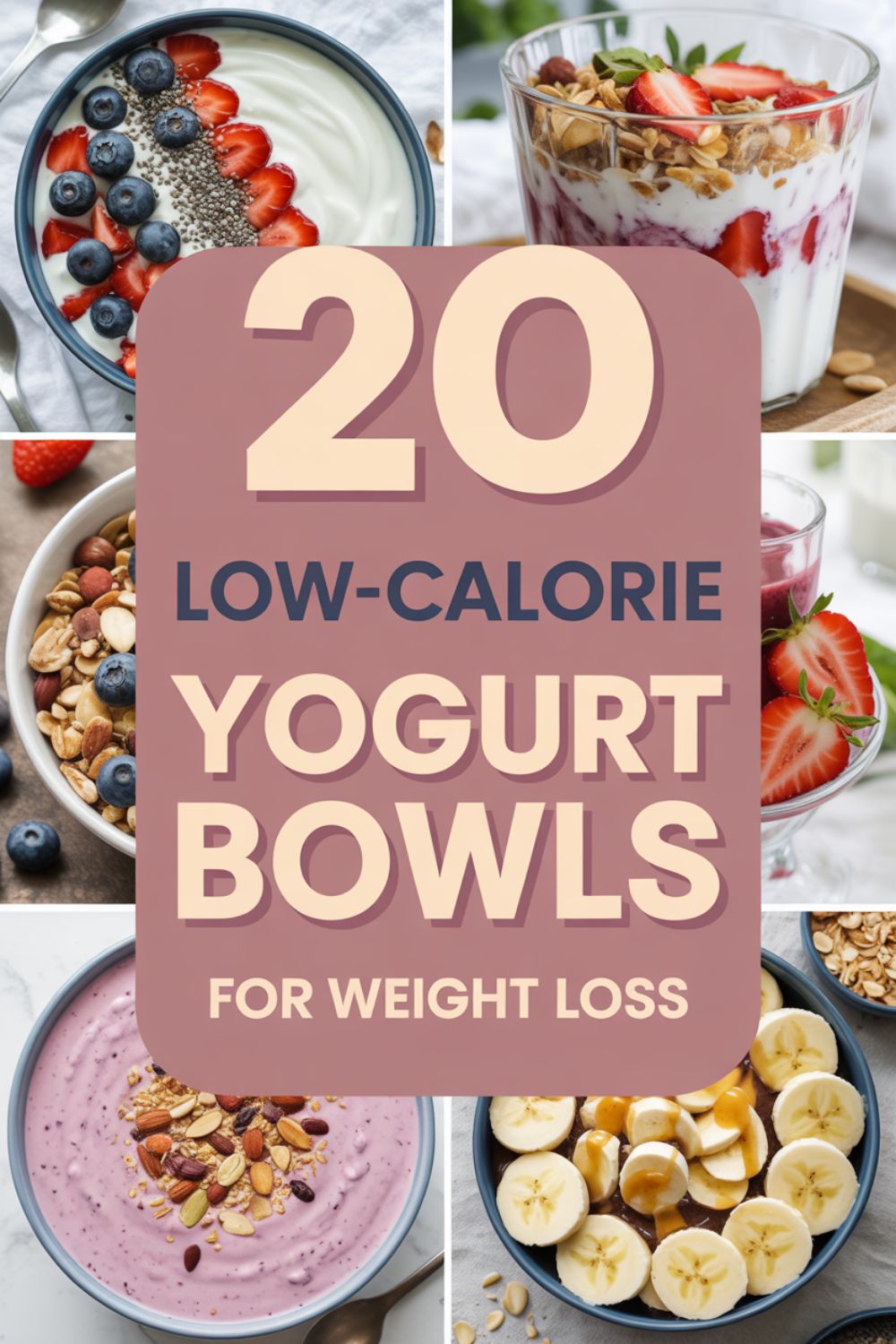
20 Low-Calorie Yogurt Bowls for Weight Loss
Look, I get it. You’ve probably scrolled past a thousand “healthy breakfast” posts promising magical weight loss results, and half of them involve complicated recipes with seventeen ingredients you’ve never heard of. But here’s the thing about yogurt bowls—they’re actually simple, genuinely satisfying, and if you do them right, they can absolutely support your weight loss goals without making you feel like you’re eating rabbit food.
I’ve been obsessed with yogurt bowls for the past year, mainly because I’m lazy (let’s be honest) and need something that doesn’t require me to be awake before my coffee kicks in. After trying basically every combination possible, I’ve narrowed down twenty bowls that are all under 300 calories, packed with protein, and actually taste like something you’d want to eat—not something you’re forcing down because the internet told you to.
Greek yogurt has become my go-to base because yogurt naturally supports digestive health and provides high-quality protein that keeps you full way longer than that bagel you were eyeing. Plus, the probiotics don’t hurt either.
Why Yogurt Bowls Actually Work for Weight Loss
Before we dive into the recipes (see, I’m already using phrases I said I wouldn’t), let’s talk about why yogurt bowls aren’t just another trendy food hack that’ll disappear faster than your New Year’s resolutions.
The protein content in Greek yogurt is legit impressive. We’re talking about 15-20 grams per cup, which is roughly what you’d get from a couple of eggs. That protein does two critical things: it keeps you full for hours, and it helps preserve your muscle mass while you’re losing weight. Nobody wants to look like a deflated balloon after dropping pounds, right?
According to research on yogurt and weight management, high-protein yogurt can help you feel fuller longer and may support stable blood sugar levels throughout the day. That means fewer mid-morning crashes where you’re desperately eyeing the vending machine.
But here’s where people mess up: they think “yogurt bowl” automatically equals “healthy,” then they pile on granola, honey, chocolate chips, dried fruit, and suddenly they’re eating 600 calories of what’s basically dessert. The bowls I’m sharing keep things real—under 300 calories, high protein, and enough flavor that you’re not counting down the minutes until lunch.
Pro Tip
Always measure your toppings for the first week. Your hand-poured “tablespoon” of almond butter is probably closer to three tablespoons, and those calories add up fast. After a week, you’ll have a better eye for portions.
The Foundation: Picking Your Yogurt
Not all yogurt is created equal, and this is where most people go wrong right out of the gate. Regular flavored yogurt from the store? Basically candy with probiotics. You want plain, unsweetened Greek yogurt—preferably nonfat or low-fat if you’re watching calories closely.
I usually grab whatever’s on sale between Fage and Chobani, both work great. If you’re feeling fancy, Icelandic skyr is another solid option with even more protein. Just check the label and make sure it says “plain” and doesn’t have a novel’s worth of ingredients listed.
Some folks swear by full-fat yogurt, and honestly, if that keeps you satisfied and helps you stick to your plan, go for it. The calories are higher but the satiety factor might be worth it for you. IMO, low-fat Greek yogurt hits the sweet spot of protein and calories for weight loss.
For anyone dealing with dairy issues, there are coconut and almond-based yogurt alternatives, though the protein content usually takes a hit. You’ll want to compensate with protein-rich toppings if you go this route.
Prep Like You Mean It
Sunday afternoon is my yogurt bowl prep time, and it’s changed my entire weekday routine. I portion out my yogurt into individual containers (I use these glass meal prep containers because they’re microwave-safe and don’t get that weird plastic smell), then prep all my toppings into small containers.
Berries get washed and dried. Nuts get measured into tiny containers. Everything gets labeled with portions and calories because past-me knows future-me will lie about serving sizes. It sounds obsessive, but it takes maybe thirty minutes and saves you from making terrible decisions at 6 AM when you can barely remember your own name.
If you’re prepping fruit ahead, a quick toss with a tiny bit of lemon juice keeps berries from getting soggy. Just drain them before adding to your bowl. Game changer.
20 Yogurt Bowl Combinations That Actually Work
1. Classic Berry Blast (245 calories)
1 cup plain nonfat Greek yogurt, ½ cup mixed berries, 1 tbsp sliced almonds, ½ tsp honey
This is my default when I’m too tired to think. Berries are low in calories, high in fiber, and the almonds add just enough crunch. The honey is optional but that half teaspoon feels like a treat without derailing anything. Get Full Recipe
2. Tropical Paradise (265 calories)
1 cup plain low-fat Greek yogurt, ⅓ cup fresh pineapple chunks, 2 tbsp unsweetened coconut flakes, 1 tbsp chia seeds
Pineapple has this way of making you feel like you’re on vacation instead of meal-prepping on a Tuesday. The coconut adds texture and those chia seeds pack in fiber and omega-3s. If you want to toast the coconut first (I use this mini toaster oven), it takes the flavor up a notch.
3. Peanut Butter Banana (280 calories)
1 cup plain nonfat Greek yogurt, ½ small banana sliced, 1 tbsp powdered peanut butter, ¼ tsp cinnamon
Powdered peanut butter is a cheat code for weight loss. All the flavor, fraction of the calories. Mix it into the yogurt instead of using it as a topping—trust me on this one. The cinnamon helps with blood sugar stability, which is nice when you’re cutting calories.
Community Win: “I tried the peanut butter banana bowl every morning for two weeks and didn’t even think about snacking before lunch. Lost 4 pounds without feeling deprived at all.” — Jessica M.
Looking for more protein-packed breakfast ideas that keep you full? Check out these high-protein meal options or this collection of filling low-calorie breakfasts that work perfectly alongside these yogurt bowls.
4. Apple Cinnamon Crunch (255 calories)
1 cup plain low-fat Greek yogurt, ½ cup diced apple, 1 tbsp chopped walnuts, ½ tsp cinnamon, 1 tsp honey
Apples are seriously underrated in yogurt bowls. They’re crunchy, naturally sweet, and super filling because of the fiber content. I dice mine the night before and toss with a squeeze of lemon so they don’t turn brown.
5. Cherry Vanilla Almond (240 calories)
1 cup plain nonfat Greek yogurt, ½ cup fresh cherries pitted and halved, 1 tbsp sliced almonds, ¼ tsp vanilla extract
Fresh cherries are only around for a hot minute each year, but when they’re in season, this bowl is unbeatable. The vanilla extract makes it taste way fancier than it actually is. If cherries aren’t available, frozen works too—just thaw them first or your yogurt turns into an ice block.
6. Blueberry Lemon Zest (235 calories)
1 cup plain nonfat Greek yogurt, ¾ cup fresh blueberries, 1 tbsp hemp seeds, zest of ½ lemon
The lemon zest is what makes this bowl sing. It cuts through the tang of the yogurt and makes the blueberries taste even better. Hemp seeds add protein and healthy fats without the calories of nuts. I use this microplane zester because it’s super sharp and doesn’t waste any of that precious lemon skin.
7. Strawberry Basil Surprise (230 calories)
1 cup plain nonfat Greek yogurt, ¾ cup sliced strawberries, 4-5 fresh basil leaves torn, 1 tsp balsamic glaze
I know this sounds weird. Everyone thinks I’m crazy until they try it. The basil-strawberry combo is something fancy restaurants figured out years ago, and that balsamic glaze adds a sophisticated sweetness. This is my “impress your friends” bowl.
8. Mocha Protein Power (275 calories)
1 cup plain low-fat Greek yogurt, 1 tbsp unsweetened cocoa powder, 1 tsp instant coffee, ½ scoop vanilla protein powder, stevia to taste
This is basically dessert disguised as breakfast, and it’s got enough protein to fuel you until dinner. The coffee kicks the chocolate flavor up a notch, and if you’re not into coffee, just skip it—still delicious. Mix everything together until it’s smooth and creamy.
Quick Win
Prep your dry ingredients (cocoa, coffee, protein powder) in small containers on Sunday. Dump, stir, done. Future you will thank present you.
9. Peach Ginger Zing (260 calories)
1 cup plain low-fat Greek yogurt, 1 medium peach diced, 1 tbsp crushed pistachios, ¼ tsp fresh grated ginger, ½ tsp honey
Ginger adds this subtle spicy kick that wakes up your taste buds. Fresh peaches are ideal, but honestly, frozen work great too—just thaw them overnight in the fridge. Pistachios are my favorite nut for yogurt bowls because they’ve got fewer calories than almonds or walnuts.
10. Raspberry Coconut Cream (250 calories)
1 cup plain nonfat Greek yogurt, ¾ cup raspberries, 1 tbsp unsweetened shredded coconut, 1 tbsp sliced almonds, ¼ tsp vanilla extract
Raspberries have more fiber per calorie than basically any other fruit, which makes them perfect for weight loss. They’re also tart enough that you don’t need much sweetener. Sometimes I add a tiny drizzle of maple syrup if my raspberries are especially sour.
11. Green Goddess (270 calories)
1 cup plain low-fat Greek yogurt, ½ cup diced kiwi, ¼ cup green grapes halved, 1 tbsp pumpkin seeds, 1 tsp honey, mint leaves for garnish
This one looks as good as it tastes, which matters more than you’d think. Kiwi is packed with vitamin C and has this bright, tangy flavor that pairs perfectly with yogurt. I use these tiny prep bowls to keep all my toppings organized because presentation is half the enjoyment of eating.
12. Spiced Pear Walnut (265 calories)
1 cup plain low-fat Greek yogurt, 1 small pear diced, 1 tbsp chopped walnuts, ¼ tsp cinnamon, pinch of cardamom, ½ tsp honey
Cardamom is one of those spices that sounds fancy but costs like three bucks and lasts forever. It gives this bowl a warmth that’s perfect for fall mornings. Pears are underrated—they’re sweet, juicy, and lower in calories than you’d expect.
13. Mixed Berry Chia (245 calories)
1 cup plain nonfat Greek yogurt, ½ cup mixed berries, 1 tbsp chia seeds, ½ tbsp sunflower seeds, ½ tsp honey
Chia seeds are basically mandatory in my book. They gel up slightly in the yogurt and add this interesting texture plus tons of fiber. Let the bowl sit for five minutes after mixing if you want the chia seeds to expand and get that pudding-like consistency. Get Full Recipe
Want to build a complete meal plan around these bowls? These low-calorie lunch ideas and light dinner options pair perfectly with yogurt bowl breakfasts for a full day of satisfying, weight-loss-friendly meals.
14. Orange Cranberry Bliss (255 calories)
1 cup plain nonfat Greek yogurt, ½ cup orange segments, 2 tbsp dried cranberries (unsweetened), 1 tbsp sliced almonds, zest of orange
Dried cranberries are one of the few dried fruits I still use because they’re tart enough that you don’t need many. Make sure you’re buying unsweetened ones though—the regular kind are basically candy. The orange zest ties everything together beautifully.
15. Mango Lime Paradise (260 calories)
1 cup plain low-fat Greek yogurt, ½ cup fresh mango chunks, 1 tbsp unsweetened coconut flakes, 1 tsp chia seeds, squeeze of lime juice
That lime juice is crucial—it brightens up the mango and keeps the sweetness from being overwhelming. Mango is higher in sugar than berries, but it’s so satisfying and vitamin-rich that I think it’s worth the trade-off occasionally.
16. Dark Chocolate Cherry (275 calories)
1 cup plain low-fat Greek yogurt, ½ cup fresh cherries pitted, 1 tbsp dark chocolate chips (70% cacao), 1 tbsp sliced almonds
Yes, chocolate chips in a weight loss bowl. The key is using really dark chocolate—the higher the cacao percentage, the less sugar and the more satisfied you’ll feel with just a few chips. This tastes decadent but clocks in at a totally reasonable calorie count.
17. Blackberry Lavender Dream (240 calories)
1 cup plain nonfat Greek yogurt, ¾ cup blackberries, 1 tbsp pistachios, tiny pinch of culinary lavender, ½ tsp honey
Culinary lavender is sold in the spice aisle and it’s become my secret weapon. Just a tiny pinch—we’re talking like four buds—adds this subtle floral note that makes the bowl feel elegant. Too much and it tastes like soap, so start small.
18. Banana Nut Crunch (285 calories)
1 cup plain low-fat Greek yogurt, ½ banana sliced, 1 tbsp chopped walnuts, 1 tsp flax seeds, ¼ tsp cinnamon, ½ tsp maple syrup
Walnuts and flax seeds are both great sources of omega-3s, which are good for basically everything. The banana provides natural sweetness and that creamy texture when mixed into yogurt. Sometimes I mash half the banana into the yogurt and slice the other half on top.
19. Pomegranate Pistachio (265 calories)
1 cup plain nonfat Greek yogurt, ⅓ cup pomegranate arils, 1 tbsp crushed pistachios, 1 tsp honey, mint leaves for garnish
Pomegranate arils are tedious to extract but worth every second. They pop in your mouth and add these little bursts of sweetness. Buy pre-packaged arils if you’re willing to pay extra for the convenience—I do during busy weeks and have zero shame about it.
20. Cinnamon Roll (270 calories)
1 cup plain low-fat Greek yogurt, ½ tbsp almond butter, 1 tbsp raisins, 1 tsp cinnamon, ¼ tsp vanilla extract, 2 tbsp low-fat granola
This tastes like a cinnamon roll without the regret. The almond butter adds richness, the raisins provide chewiness and natural sweetness, and that cinnamon-vanilla combo hits all the comfort food notes. The granola is crucial for crunch—I use this low-sugar granola that actually tastes good and doesn’t blow your calorie budget.
Meal Prep Essentials Used in This Plan
Making these bowls consistently means having the right tools and ingredients on hand. Here’s what I keep stocked and use constantly:
- Glass Meal Prep Containers (Set of 10) – Perfect for portioning out yogurt and toppings ahead of time. Microwave-safe, dishwasher-safe, and they don’t stain.
- Digital Food Scale – Non-negotiable for actually knowing your portions. Mine has a tare function which makes measuring toppings stupidly easy.
- Small Portion Containers with Lids – I use these for pre-measured nuts, seeds, and dried fruit. Keeps everything organized and grab-and-go ready.
- 7-Day Meal Prep Guide (Digital) – Step-by-step planning system that makes weekly prep actually manageable instead of overwhelming.
- Calorie Tracking Spreadsheet (Digital) – Pre-loaded with common yogurt bowl ingredients so you can customize and track your combinations easily.
- Healthy Swaps Cheat Sheet (PDF) – Quick reference for substituting ingredients based on what you have or your dietary needs.
Also, if you want real-time support and recipe ideas from people who are actually doing this, there’s a WhatsApp community where we share what’s working, swap recipes, and keep each other accountable. It’s free and honestly pretty helpful when you’re feeling stuck.
Making It Work in Real Life
Here’s the truth nobody wants to admit: even the best recipe collection is useless if you don’t actually integrate it into your routine. I meal prep on Sundays because it’s the only day I have time, but you might be a Wednesday night prepper. Figure out what works for your schedule and protect that time like it’s a doctor’s appointment.
I keep yogurt bowls interesting by rotating through different combinations weekly. Monday through Wednesday I’ll do berry-based bowls, Thursday and Friday get tropical fruits, weekends are for trying new combinations. This keeps me from getting bored while maintaining a predictable grocery list.
The biggest game-changer has been keeping a list on my fridge of the current week’s bowls so I’m not standing there at 6 AM trying to remember what I prepped. I also write down which containers have which toppings because apparently morning-me cannot be trusted with memory-based tasks.
When you’re first starting, pick three or four bowls that sound good and just rotate those for two weeks. Once you’ve got those down, add new ones. Trying to make all twenty different combinations right away is a recipe for burnout and wasted ingredients.
Pro Tip
Keep a backup container of plain Greek yogurt at work for emergencies. Add fruit from the office kitchen or even just cinnamon and you’ve got a protein-packed snack that beats the vending machine any day.
Common Mistakes to Avoid
FYI, these are all mistakes I’ve made personally, some multiple times because I’m stubborn and thought I knew better than reality.
Mistake #1: Free-pouring toppings. That “small handful” of granola is probably 200 calories. Measure everything until you can eyeball portions accurately. Yes, it’s annoying. Yes, it matters.
Mistake #2: Buying flavored yogurt. Even the “lightly sweetened” varieties pack in way more sugar than you’d expect. Plain yogurt with your own toppings gives you way more control and usually tastes better anyway.
Mistake #3: Going nuts with the nuts. Nuts are healthy but calorie-dense as hell. That tablespoon measurement isn’t a suggestion—it’s the difference between a 250-calorie bowl and a 400-calorie bowl.
Mistake #4: Skipping protein powder when needed. Some days a yogurt bowl alone won’t cut it, especially if you’re working out. Adding half a scoop of unflavored or vanilla protein powder bumps the protein up significantly without much calorie cost. I keep this unflavored whey protein on hand specifically for stirring into yogurt bowls.
Mistake #5: Not prepping ahead. “I’ll just make it in the morning” is a lie you tell yourself that results in grabbing a bagel from the drive-through. Prep on the weekend or don’t be surprised when you fall off track.
These yogurt bowls work really well as part of a structured meal plan. If you’re following a specific calorie target, check out this 1200-calorie meal plan or this budget-friendly 1500-calorie option that incorporates protein-packed breakfasts like these.
Dealing with Dietary Restrictions
Not everyone can do dairy, and that’s totally fine. There are decent alternatives that work surprisingly well in these recipes, though you’ll need to adjust expectations slightly.
For dairy-free options, coconut yogurt has the best texture in my opinion. Almond yogurt is thinner but works if you add chia seeds to thicken it up. Soy yogurt usually has the highest protein content among non-dairy alternatives, though the flavor can be hit or miss depending on the brand.
If you’re doing keto, these bowls can be adapted by using full-fat yogurt and skipping the fruit. Add berries in very small amounts since they’re lower in sugar, and load up on nuts, seeds, and nut butters. You can also add MCT oil powder for extra fats without affecting the taste.
For anyone avoiding refined sugar, stick with fresh fruit for sweetness and maybe a tiny drizzle of pure maple syrup or raw honey. The sugar in whole fruit comes packaged with fiber, which changes how your body processes it compared to added sugars.
Tools & Resources That Make Cooking Easier
Beyond the basic prep containers, these tools have made my yogurt bowl routine way more efficient:
- Herb Scissors – For quickly chopping fresh herbs like basil or mint. Five blades cut what would take forever with a regular knife.
- Berry Keeper Container – Seriously extends the life of berries by like a week. Less food waste, fewer grocery runs.
- Tablespoon Scoop Set – Portion control made easy. I use these for nut butters, seeds, and granola to keep calories consistent.
- Recipe Customizer Tool (Digital) – Swap ingredients based on allergies or preferences and get instant calorie recalculations.
- Weekly Meal Planner Template (PDF) – Simple layout for planning which bowls you’ll make each day and the groceries you need.
- Food Mood Journal (Digital) – Track how different ingredients make you feel, which helps identify what keeps you satisfied longest.
Budget-Friendly Tips
Look, Greek yogurt and fresh berries aren’t exactly cheap. But there are ways to make this work without dropping fifty bucks every grocery trip.
Buy yogurt in large containers instead of individual servings—the per-ounce cost is usually half. I get the massive Costco containers and portion them out myself using these reusable containers. Takes ten minutes and saves probably twenty bucks a month.
Frozen fruit is your friend. It’s picked at peak ripeness, often more nutritious than “fresh” fruit that’s been sitting around, and costs way less. Just thaw it overnight in the fridge for morning bowls. The texture is slightly mushier but honestly, once it’s mixed into yogurt, you barely notice.
Buy nuts in bulk from the baking aisle or a bulk foods store. Pre-portioned snack packs of almonds cost like four times as much as buying a bag and dividing them up yourself. Same goes for seeds.
Focus on seasonal fruit. Berries in winter cost a fortune, but winter is perfect for citrus and pomegranates. Summer is berry season. Fall brings apples and pears. Working with seasons saves money and gets you better quality fruit anyway.
If you’re really pinching pennies, you can make your own Greek yogurt from regular yogurt using a yogurt strainer. Strain overnight in the fridge and you’ve essentially converted cheap yogurt into expensive Greek yogurt. The whey you drain off can be used in smoothies or baking.
For more budget-conscious meal planning that includes these bowls, check out this 21-day low-calorie plan designed specifically for busy schedules and tight budgets.
Real Results: “I was spending $15 a day on coffee shop breakfast until I started making these yogurt bowls. Eight weeks later, I’m down 12 pounds and have saved over $500. The meal prep takes me about 45 minutes on Sunday and I’m set for the whole week.” — Maria T.
Pairing Yogurt Bowls with Your Day
These bowls work great as breakfast, but they’re also solid for snacks or even light lunches if you bump up the portions slightly. I’ve been known to have a yogurt bowl at 3 PM when I need something substantial but don’t want to derail dinner.
If you’re working out in the morning, eat your bowl about an hour before. The protein and carbs give you energy without making you feel heavy. Post-workout, a yogurt bowl with added protein powder is excellent for recovery.
For an even more comprehensive approach to meal planning around these bowls, explore this 30-day structured plan or this 1400-calorie option that emphasizes satiety.
On busy mornings when even grabbing a pre-made bowl feels like too much, I keep individual portions of overnight oats as backup. Same concept, just prepared the night before. Layer yogurt, oats, and toppings in a jar, refrigerate overnight, grab and go. Not quite the same as a fresh bowl but infinitely better than nothing.
Tracking Your Progress
You don’t need to obsess over every detail, but having some basic tracking in place helps you see what’s actually working. I use a simple app to log my breakfast calories—takes maybe thirty seconds once you’ve got your regular combinations saved.
Pay attention to how long these bowls keep you full. If you’re starving two hours later, you might need more protein or fat. If you’re uncomfortably full for hours, maybe scale back the portions slightly.
Take progress photos every two weeks. The scale doesn’t tell the whole story—sometimes you’re losing fat and gaining muscle and the number barely budges. Photos don’t lie though, and they’re incredibly motivating when you can actually see changes.
Consider how you feel overall. Are you sleeping better? More energy? Better mood? Weight loss is great but these other markers matter just as much for long-term success.
If you’re not seeing results after four weeks of consistent effort, something needs adjusting. Maybe your portions have crept up, maybe you need more protein, maybe you’re compensating with larger meals later in the day. Be honest with yourself about what’s actually happening.
Frequently Asked Questions
Can I meal prep yogurt bowls for the whole week?
Absolutely, though you’ll want to keep toppings separate until you’re ready to eat. The yogurt itself stays fresh for 5-7 days in the fridge. Pre-portion your yogurt into containers and keep toppings in small separate containers or bags. Assemble each morning for the best texture. Berries can get soggy if left mixed in too long, and granola loses its crunch.
What’s the best time to eat a yogurt bowl for weight loss?
Breakfast is ideal because the protein keeps you satisfied through the morning when hunger hormones are typically strongest. That said, yogurt bowls work great as snacks or light lunches too. The key is consistency—eating at similar times each day helps regulate your metabolism and hunger cues. I find that having mine between 7-9 AM keeps me full until a late lunch.
How do I know if I’m using enough protein?
A good yogurt bowl for weight loss should have at least 15-20 grams of protein. One cup of plain Greek yogurt usually has 15-18 grams right there. If you find yourself hungry within two hours, bump it up by adding a scoop of protein powder or increasing your nut portions slightly. Pay attention to your energy levels and hunger cues—they’ll tell you if you need more.
Are yogurt bowls suitable for diabetics?
They can be, but portion control matters more. Greek yogurt has a relatively low glycemic index, and the protein helps slow sugar absorption. Choose plain yogurt to avoid added sugars, stick with fresh berries over tropical fruits, and add healthy fats like nuts or seeds. Always monitor your blood sugar response and consult with your doctor about how these fit into your meal plan.
What if I don’t like Greek yogurt?
Try Icelandic skyr—it’s even higher in protein but has a milder, less tangy taste. Regular plain yogurt works too, though you’ll get less protein per serving. You can also mix Greek yogurt with a small amount of milk to thin it out and reduce the tanginess. Start with a 3:1 ratio of yogurt to milk and adjust from there. Adding vanilla extract or cinnamon also helps mask the tang if that’s what bothers you.
The Bottom Line
Yogurt bowls aren’t going to magically melt away weight—nothing will. But they’re a solid, practical option that fits into a calorie-controlled eating plan without making you feel deprived. They’re quick, customizable, relatively affordable, and most importantly, actually sustainable long-term.
I’ve been doing some version of these bowls for over a year now, and the biggest benefit isn’t even the calories saved. It’s the mental energy I don’t spend every morning trying to figure out what to eat. Having a system in place means one less decision to make when your willpower is already low.
Start simple. Pick three bowls from this list that sound good to you. Prep them this weekend. Eat them next week. See how you feel. Adjust as needed. That’s literally it. Don’t overthink this into paralysis.
The unsexy truth about weight loss is that it comes down to consistently making decent food choices over and over again. These yogurt bowls make those consistent choices easier. They’re not exciting, they’re not revolutionary, but they work—and sometimes boring and effective beats exciting and unsustainable.
Now stop reading and go add Greek yogurt to your grocery list.