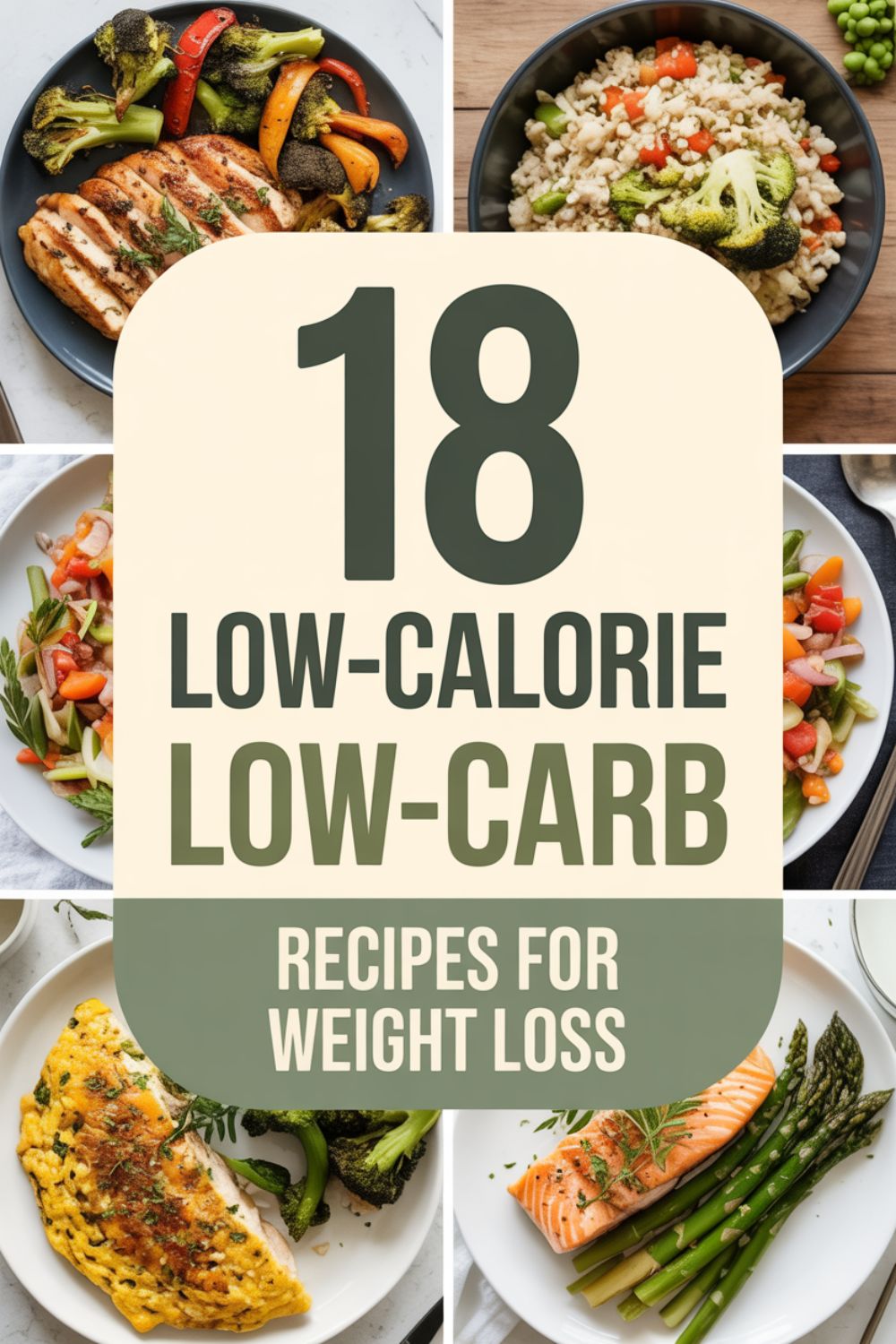
18 Low-Calorie Low-Carb Recipes for Weight Loss
Look, I get it. You’re scrolling through Pinterest at 11 PM, hungry and frustrated because your “diet” feels more like a punishment than a lifestyle. Been there, done that, bought the keto cookbook that’s now collecting dust on my shelf.
Here’s the thing about low-calorie, low-carb eating that nobody tells you—it doesn’t have to suck. Yeah, I said it. You can actually enjoy food while losing weight. Revolutionary concept, right?
I’ve spent the last two years figuring out what actually works when you’re trying to cut carbs without losing your mind or your taste buds. These 18 recipes are the ones I come back to week after week, the ones that make me forget I’m even trying to lose weight.
Why Low-Carb and Low-Calorie Actually Work Together
Before we jump into the recipes, let’s talk science for a second—but I promise to keep it painless.
When you cut carbs, your body shifts from burning glucose to burning fat for fuel. Add in a calorie deficit, and you’re basically telling your body to raid its fat stores for energy. Research from the Mayo Clinic shows that low-carb diets can be particularly effective for short-term weight loss, especially when you’re watching your overall calorie intake.
But here’s where most people screw up: they think low-carb means no-carb. Wrong. Your brain needs some glucose to function, and trust me, you don’t want to find out what happens when you deprive it completely. Ask me how I know.
Don’t try to go from 300g of carbs to 20g overnight. Your body will revolt. Start by cutting out obvious culprits like bread and pasta, then gradually reduce from there. Give yourself two weeks to adjust.
The Foundation: What Makes These Recipes Special
Every recipe on this list checks three boxes: under 400 calories, less than 25g net carbs, and actually tastes good. That last one is non-negotiable.
I’m not about to suggest you eat plain chicken breast and steamed broccoli for the rest of your life. Life’s too short for that kind of misery. These recipes use real ingredients, real flavors, and real cooking techniques that don’t require a culinary degree.
The Protein Principle
You know what keeps you full longer than anything else? Protein. Not those chalky protein bars that taste like sweetened cardboard—actual, real protein from quality sources.
Most of these recipes pack at least 25g of protein per serving. That’s intentional. When you’re cutting carbs, protein becomes your best friend. It keeps your muscles intact while you’re losing fat, and it keeps you from eating the entire contents of your fridge at 3 PM.
If you’re new to high-protein eating, you might want to check out this Get Full Recipe for a complete day of eating. It’ll show you exactly how to structure your meals for maximum satiety.
Breakfast Recipes That Don’t Taste Like Punishment
1. Cloud Bread Breakfast Sandwich
Forget everything you know about bread. Cloud bread is this magical creation that’s basically eggs, cream cheese, and baking powder whipped into submission. It’s fluffy, it’s satisfying, and it’s got maybe 2g of carbs per “slice.”
I make a batch every Sunday and use them all week for breakfast sandwiches. Stack it with eggs, turkey bacon (I use this organic turkey bacon from Applegate—way less sodium than the regular stuff), and a slice of cheese. You’re looking at maybe 300 calories and 5g carbs for the whole thing.
The secret? Don’t overmix the batter. You want those air bubbles intact—that’s what gives it the bread-like texture. And for the love of everything holy, use parchment paper on your baking sheet unless you enjoy scraping egg pancakes off metal for twenty minutes.
2. Cauliflower Hash Browns
Real talk: these will never taste exactly like potato hash browns. But here’s the thing—they’re actually good in their own right. Crispy on the outside, tender on the inside, and they won’t send your blood sugar on a roller coaster ride.
The trick is getting the moisture out. I mean really out. Squeeze that riced cauliflower like it owes you money. I use one of these nut milk bags because cheesecloth is annoying and never works as well. Get the cauliflower as dry as possible, mix with egg and cheese, then pan-fry in batches.
“I’ve been making the cauliflower hash browns every Sunday for meal prep, and I’ve lost 12 pounds in six weeks. My husband doesn’t even realize they’re not potatoes.”
— Jessica M., community member
3. Greek Yogurt Protein Pancakes
These are stupid easy. Greek yogurt, eggs, protein powder, and a tiny bit of almond flour. That’s it. Mix, pour, flip, eat. Each pancake has about 8g of protein and maybe 3g of carbs.
I like using vanilla protein powder and topping them with a small handful of berries. Skip the syrup—you don’t need it. The yogurt makes them naturally tangy-sweet, and berries add just enough natural sugar to satisfy your brain.
Speaking of breakfast ideas, you might also love these low-calorie breakfast options or this high-protein meal plan that shows you how to structure an entire week.
Lunch Recipes You Can Actually Bring to Work
4. Mediterranean Tuna Salad Lettuce Wraps
Tuna salad gets a bad rap because most people drown it in mayo. This version uses Greek yogurt mixed with a little olive oil, lemon juice, and a ton of fresh herbs. Wrap it in butter lettuce leaves, and you’ve got lunch for under 250 calories.
The quality of your tuna matters here. I splurge on Wild Planet albacore because the texture is way better, and it’s actually sustainably caught. FYI, the cheap stuff is fine if you’re on a budget, but this tastes noticeably better.
5. Zucchini Noodle Chicken Soup
This is my go-to when I’m feeling under the weather or just want something comforting. It’s basically chicken noodle soup, but the noodles are spiralized zucchini. Throw everything in a pot, simmer for 20 minutes, and you’re done.
I keep this handheld spiralizer in my drawer because the countertop versions are overkill for one zucchini. Takes 30 seconds to make noodles, and cleanup is just as fast.
Make a double batch of this soup on Sunday. It actually gets better as it sits in the fridge, and you’ll thank yourself on Wednesday when you don’t feel like cooking.
6. Buffalo Chicken Stuffed Peppers
Cut bell peppers in half, stuff them with shredded chicken mixed with hot sauce and cream cheese, top with a little cheese, and bake. That’s it. You can meal prep six of these in under an hour, and each one is about 200 calories with 6g carbs.
I use a rotisserie chicken from the grocery store because I’m not about to spend my Sunday roasting chicken when someone else will do it for me. Time is money, people.
Dinner Recipes That Won’t Make You Feel Deprived
7. Cauliflower Crust Pizza
Yeah, yeah, I know. Cauliflower everything. But listen—when you nail the crust technique, this is actually satisfying. The key is getting that crust super crispy before you add toppings.
Bake the crust alone at 425°F until it’s golden brown, then add your toppings and bake again. If you skip that first bake, you’ll end up with a soggy mess that tastes like disappointment. I learned this the hard way. Twice.
For more dinner inspiration, check out these low-calorie dinner ideas that keep things interesting throughout the week.
8. Lemon Herb Baked Salmon with Asparagus
This is what I make when I need to feel like an adult who has their life together. Sheet pan dinners are genius—everything cooks on one pan, cleanup takes five minutes, and you look like you tried.
Salmon, asparagus, lemon, garlic, herbs. That’s your grocery list. The whole thing takes 15 minutes in the oven. Use these silicone baking mats instead of foil—they’re reusable, nothing sticks, and you don’t have to scrub your pan.
9. Thai-Inspired Lettuce Wraps
Ground turkey cooked with ginger, garlic, and a homemade peanut-free sauce (I use almond butter because peanut butter is secretly high in carbs), wrapped in crisp lettuce leaves. The whole meal is maybe 300 calories and tastes like takeout.
The sauce is where the magic happens: almond butter, coconut aminos (lower carb than soy sauce), lime juice, and a tiny bit of honey. Mix it until smooth, toss with the cooked meat, and pile into lettuce cups.
Meal Prep Essentials Used in This Plan
- Glass Meal Prep Containers Set – These are microwave-safe, dishwasher-safe, and won’t stain like plastic. I’ve had mine for two years.
- Digital Food Scale – If you’re serious about tracking calories, eyeballing portions will sabotage you. This one is accurate and cheap.
- Vegetable Spiralizer – Makes zucchini noodles, carrot ribbons, and turns veggies into something interesting.
- Low-Carb Meal Planning Template (Digital) – Printable PDF with weekly meal planners and shopping lists
- Macro Calculator Spreadsheet (Digital) – Automatically calculates your daily macros based on your goals
- 30-Day Recipe Collection (Digital) – Complete meal ideas with nutritional breakdowns
10. Spaghetti Squash Carbonara
Carbonara is traditionally pasta with eggs, cheese, and bacon. This version swaps spaghetti for roasted spaghetti squash strands, and honestly? It’s better. The squash adds a subtle sweetness that balances the salty bacon perfectly.
The carbonara sauce is just eggs, parmesan, and pasta water (or in this case, reserved cooking liquid from the squash). Toss everything together off the heat so the eggs don’t scramble. If you scramble them, you’ve made bacon-flavored scrambled eggs. Still edible, but not carbonara.
11. Cilantro Lime Chicken Thighs
Chicken thighs are criminally underrated. They’re cheaper than breasts, they’re harder to overcook, and they actually have flavor. This recipe is just a cilantro-lime marinade and a hot skillet.
Marinate the chicken for at least 2 hours (overnight is better), then sear in a screaming hot pan. You want that caramelization on the outside—that’s where the flavor lives. Serve with cauliflower rice and you’ve got a 350-calorie dinner that tastes like you ordered it from a restaurant.
“I’ve been following this approach for three months and I’m down 18 pounds. The cilantro lime chicken is my weekly staple—my kids actually request it now.”
— Maria T., community member
Snacks and Sides That Keep You Satisfied
12. Everything Bagel Cheese Crisps
These are dangerous because they’re too good. Pile shredded cheese on parchment paper, sprinkle with everything bagel seasoning, bake until crispy. Each crisp is maybe 40 calories and pure protein and fat—perfect for killing cravings.
I make a batch every week and keep them in an airtight container. They stay crispy for days. Sometimes I crumble them on salads because I have no self-control.
Looking for more snack options? These low-calorie snack ideas will keep you satisfied between meals without derailing your progress.
13. Cucumber Avocado Bites
Slice cucumbers thick, top with mashed avocado mixed with lime and salt, and finish with everything bagel seasoning. It’s crunchy, creamy, and feels fancy even though it takes about 3 minutes to make.
This is my go-to afternoon snack when I need something fresh. The whole batch is maybe 150 calories, and the fiber from the cucumber actually fills you up.
14. Baked Parmesan Zucchini Fries
Cut zucchini into fry shapes, coat in parmesan and almond flour, bake until crispy. They’re not french fries—let’s be clear about that. But they’re a solid substitute when you need something crunchy and salty.
The trick is cutting them uniformly so they cook evenly. I use this french fry cutter because hand-cutting 47 zucchini sticks gets old fast. Just push down, boom, perfectly uniform fries.
15. Deviled Eggs with Bacon
Deviled eggs are the ultimate low-carb snack. Hard boil eggs, mix the yolks with mayo and mustard, pipe back into the whites, top with crumbled bacon. Each egg half is about 50 calories with essentially zero carbs.
IMO, the secret to perfect deviled eggs is adding a tiny splash of pickle juice to the filling. It adds brightness without making them taste like pickles. Trust me on this.
Hard-boil a dozen eggs every Sunday. They keep for a week in the fridge and become instant protein snacks, salad toppers, or deviled egg material.
Something Sweet (Yes, Really)
16. Chocolate Avocado Mousse
Before you make that face—just try it. Avocados are basically flavorless when you blend them with cocoa powder and a sweetener. The result is this rich, creamy chocolate mousse that’s mostly healthy fats and fiber.
Use this monk fruit sweetener because it doesn’t have the weird aftertaste that stevia has. Blend everything until smooth, chill for an hour, and pretend you’re eating something bad for you.
17. Keto Cheesecake Bites
Cream cheese, eggs, sweetener, vanilla. Blend, pour into a muffin tin, bake. That’s your entire cheesecake recipe. Each bite is about 100 calories and 2g carbs.
I make these in a mini muffin tin so they’re portion-controlled. Pop one out of the fridge when you need something sweet, and you won’t blow through 800 calories of regular cheesecake.
18. Strawberry Chia Seed Pudding
Mix chia seeds with unsweetened almond milk and mashed strawberries. Let it sit overnight. Wake up to pudding that’s basically fiber and omega-3s pretending to be dessert.
The texture is divisive—people either love it or hate it. I’m in the love camp, especially when I top it with a few fresh strawberry slices and a drizzle of sugar-free vanilla syrup.
Tools & Resources That Make Cooking Easier
- Instant-Read Thermometer – Stop guessing if your chicken is done. This tells you in 3 seconds.
- Microplane Grater – For zesting citrus, grating garlic, shaving parmesan. Small tool, huge impact.
- Cast Iron Skillet – Gets screaming hot, creates perfect sears, lasts forever. This is the one I use daily.
- Complete Low-Carb Cooking Guide (Digital PDF) – Step-by-step techniques, substitution charts, troubleshooting tips
- Grocery Shopping Checklist (Digital) – Organized by store section, includes low-carb staples and brands
- Kitchen Equipment Guide (Digital) – What you actually need vs. what’s marketing hype
Making It Work in Real Life
Here’s what nobody tells you about low-carb eating: the first week sucks. Your body throws a tantrum because you took away its favorite fuel source. You might get headaches, feel tired, or turn into a monster who snaps at people for breathing too loudly.
This is normal. It’s called the “keto flu” even if you’re not doing full keto. Push through it. Drink more water, add extra salt to your food, and give yourself permission to feel cranky for a few days.
After that initial adjustment, most people feel amazing. Energy stabilizes, cravings disappear, and that 3 PM blood sugar crash becomes a distant memory. Studies published in StatPearls indicate that low-carb approaches can be particularly effective for rapid initial weight loss, though long-term adherence is key.
Meal Prep Strategy
You don’t need to meal prep every single meal for the entire week. That’s exhausting and sets you up for failure when life inevitably gets in the way.
Instead, prep components. Cook a batch of protein (chicken, ground turkey, hard-boiled eggs). Chop vegetables. Make one or two complete meals. Then mix and match throughout the week.
Sunday afternoon, I spend about 90 minutes doing this. It’s boring, but it means I don’t order pizza at 9 PM on Wednesday when I’m too tired to cook.
If you need a more structured approach, this 7-day meal plan or this 30-day plan takes all the guesswork out of what to eat.
Eating Out Without Losing Your Mind
Restaurants are trickier, but not impossible. Most places will swap fries for a side salad or vegetables. Order grilled protein, ask for sauces on the side, and don’t be weird about requesting modifications.
Skip the bread basket. I know it’s free, I know it’s right there taunting you, but trust me—once you start, you won’t stop. Just ask the server to not bring it.
Look at restaurant menus online before you go. Decide what you’ll order in advance so you’re not making decisions while hungry and staring at pictures of pasta.
The Flexibility Factor
These recipes aren’t set in stone. Don’t like salmon? Use chicken. Hate cauliflower? Try spaghetti squash or zucchini noodles instead. Vegetarian? Most of these work with tofu or tempeh.
The point is learning the framework: high protein, moderate fat, low carbs, real ingredients. Once you understand that, you can modify any recipe to fit your preferences.
Also, if you eat a piece of birthday cake at your kid’s party, the world won’t end. One meal doesn’t derail everything. Just get back on track with the next meal.
For more complete meal planning options, check out this vegetarian meal plan or browse through these crockpot meals for hands-off cooking.
What to Expect in the First Month
Week one: You’ll probably lose 3-5 pounds. Don’t get too excited—most of that is water weight. When you cut carbs, your body releases stored glycogen, which holds water. It’s coming off either way, so enjoy the early win.
Weeks two through four: Fat loss kicks in properly here. Expect to lose 1-2 pounds per week if you’re consistent. Some weeks you won’t lose anything. Some weeks the scale might go up. This is normal and doesn’t mean you’re failing.
Weight loss isn’t linear. Your body holds onto water for random reasons—hormone fluctuations, inflammation from a hard workout, eating something salty the night before. The trend is what matters, not day-to-day fluctuations.
Beyond the Scale
Here’s something that took me way too long to figure out: the scale is a liar. It doesn’t tell you about the jeans that fit better, the energy you have at 2 PM, or the fact that you’re not thinking about food every 45 minutes.
Take measurements. Take progress photos. Notice how you feel. These matter more than a number that can fluctuate based on how much water you drank yesterday.
Frequently Asked Questions
How many carbs should I eat per day for weight loss?
Most people see results with 50-100g of net carbs per day, though some go lower. Start around 100g and adjust based on how you feel and your results. Don’t go below 50g unless you’re specifically doing keto and have talked to a doctor first.
Can I build muscle on a low-carb diet?
Yes, but it’s harder. You’ll need to increase your protein significantly (aim for 1g per pound of body weight) and time your carbs around workouts if possible. Some people do better with a cyclical approach—low-carb most days, slightly higher carbs on training days.
What if I’m always hungry on low-carb?
You’re probably not eating enough fat or protein. Low-carb doesn’t mean low-calorie torture. Add more healthy fats to your meals—avocado, olive oil, nuts. Make sure each meal has at least 25g of protein. If you’re still hungry after two weeks, your carb level might be too low for your activity level.
Do I need to count calories or just carbs?
Both matter. You can’t out-low-carb a calorie surplus. Track everything for at least the first month so you understand portion sizes and where your calories are actually coming from. After that, you can probably eyeball it if you’ve developed good habits.
How long does it take to see results?
Water weight drops in the first week. Real fat loss shows up weeks 2-4. Visible changes in how your clothes fit usually take 4-6 weeks. Be patient—sustainable weight loss is slow. If you’re losing more than 2 pounds per week consistently, you might be losing muscle too.
The Bottom Line
Low-carb, low-calorie eating works when you do it right. That means real food, adequate protein, enough healthy fats to keep you satisfied, and a sustainable approach that doesn’t make you miserable.
These 18 recipes are just a starting point. Mix them, match them, modify them to fit your life. Cook them for your family (they won’t even realize they’re eating “diet food”). Meal prep them on Sunday. Make them when you’re short on time and patience.
The best diet is the one you can actually stick to. If that means occasionally eating rice at your favorite Thai restaurant, do it. If it means having regular bread once a month because you’re human, fine. Perfection is the enemy of progress.
Start with one or two recipes from this list. Get comfortable with them. Add more as you go. Before you know it, you’ll have a whole rotation of meals that support your goals without making you feel like you’re on a diet.
And remember—you’re not just losing weight. You’re learning to eat in a way that serves your body instead of fighting against it. That’s worth way more than a number on the scale.