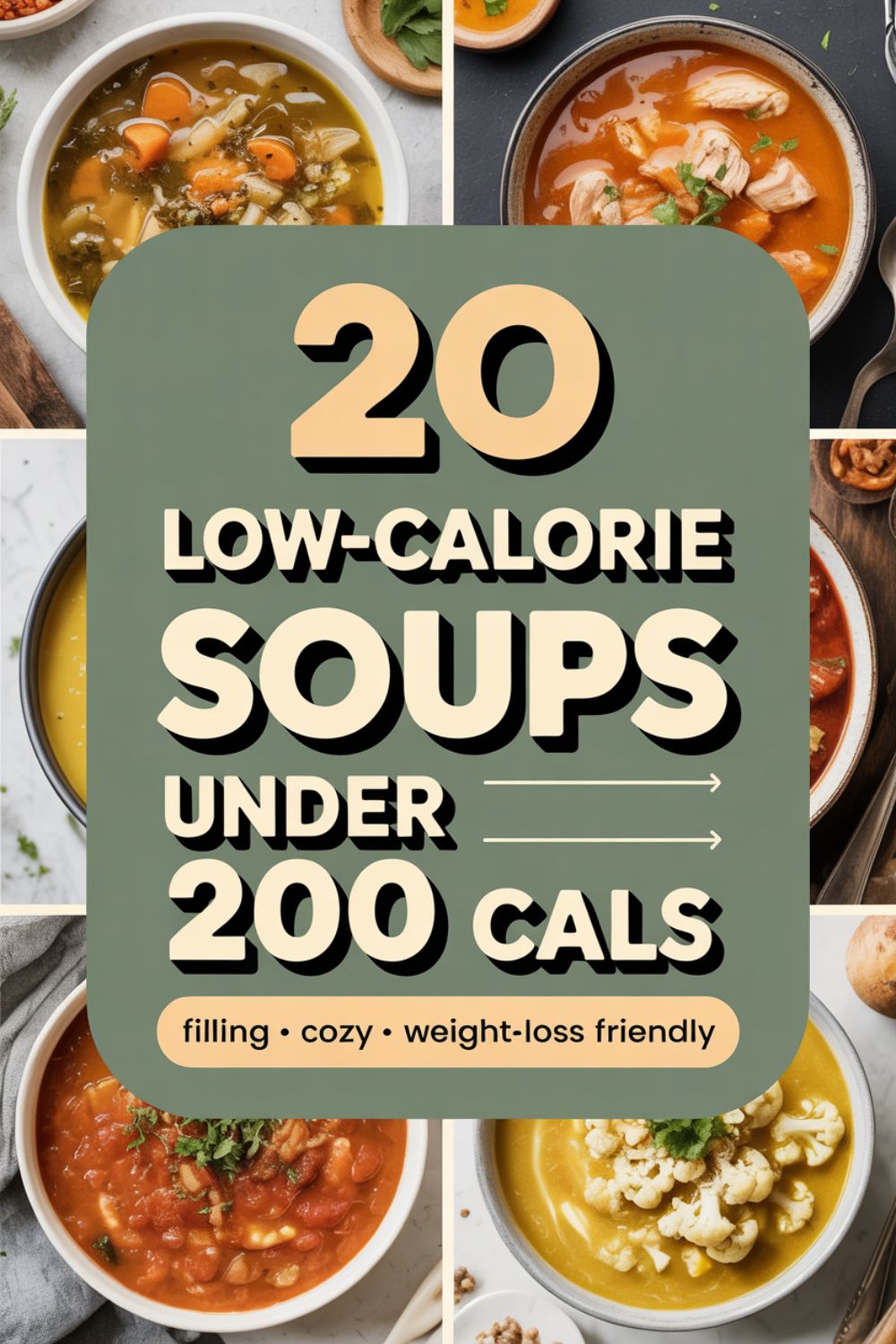
20 Low-Calorie Soups Under 200 Calories
Look, I’m not gonna lie to you—when someone told me I could eat massive bowls of soup and still lose weight, I thought they were selling snake oil. But here’s the thing: low-calorie soups actually work, and they don’t taste like cardboard floating in sad water.
After months of experimenting in my kitchen (and some spectacular failures involving too much cayenne), I’ve cracked the code on soups that clock in under 200 calories but actually keep you full. No hunger pangs two hours later. No feeling like you’re punishing yourself. Just real food that happens to be low in calories.
Whether you’re trying to drop a few pounds or just want meals that won’t wreck your calorie budget, these twenty soup recipes are about to become your new best friends. And trust me, your taste buds won’t feel shortchanged.
Why Soup Is Actually a Weight Loss Weapon
Before we jump into the recipes, let’s talk about why soup works so damn well for weight loss. It’s not magic—it’s science, and honestly, pretty clever science at that.
First off, soup has serious volume. A big bowl of vegetable soup might only have 150 calories, but it takes up the same stomach space as a 500-calorie burger. Your stomach doesn’t count calories; it measures stretch. When those stretch receptors fire off, your brain gets the message: “We’re good here, boss.” Research shows that broth-based soups are particularly effective at promoting feelings of fullness while keeping calories low.
Second, the fiber and protein combo in most good soups slows down digestion. That means steady energy instead of the blood sugar rollercoaster that leaves you raiding the pantry at 3 PM. Studies have found that protein and fiber work together to enhance satiety and support weight management more effectively than either nutrient alone.
And here’s the kicker: soup is just easy. Batch cook on Sunday, portion it out, and you’ve got lunch sorted for the week. No sad desk salads. No expensive takeout. Just grab a container, heat, eat, and get on with your life.
The Foundation: What Makes a Soup Low-Calorie
Not all soups are created equal. Some bowls masquerade as healthy but pack in cream, butter, and enough carbs to sink a ship. The soups on this list? They’re built differently.
The secret is simple: start with a broth base, load up on vegetables, add lean protein, and skip the heavy cream. Broth-based soups naturally clock in way lower on calories than their creamy cousins. We’re talking chicken broth, vegetable stock, or even bone broth if you’re feeling fancy.
Vegetables are your volume heroes. Zucchini, cauliflower, spinach, tomatoes—they all bring nutrients and bulk without many calories. Plus, they actually taste good when you season them properly. I use this immersion blender to make some soups silky smooth without needing cream.
For protein, think chicken breast, turkey, white fish, lentils, or beans. They keep you satisfied and help maintain muscle while you’re in a calorie deficit. And honestly? A bowl of soup with 20 grams of protein hits different than a 200-calorie granola bar that leaves you hungry an hour later.
Speaking of protein-packed meals, if you’re looking for more structured eating plans, check out this 7-day high-protein 1200 calorie meal plan that pairs perfectly with soup-based lunches.
20 Low-Calorie Soups That Actually Taste Good
1. Classic Chicken Vegetable Soup (145 Calories)
This is the soup I make when I need something comforting but don’t want to blow my calorie budget. Shredded chicken breast, carrots, celery, onions, and green beans in a savory chicken broth. Nothing fancy, just solid and dependable.
The key is to use bone broth instead of regular stock—more flavor, more nutrients, same calories. I shred a rotisserie chicken (saves time) and let it simmer with the veggies until everything’s tender. Season with thyme, bay leaves, and a stupid amount of black pepper. Get Full Recipe
2. Spicy Tomato Basil Soup (98 Calories)
Remember those canned tomato soups loaded with cream and sugar? Yeah, this isn’t that. Fire-roasted tomatoes, fresh basil, garlic, and a pinch of red pepper flakes create something way better.
I roast the tomatoes first—takes an extra 20 minutes but the depth of flavor is worth it. Blend everything smooth, and you’ve got a soup that tastes indulgent but won’t wreck your macros. Pair it with a side salad, and you’ve got a complete meal under 250 calories. Get Full Recipe
3. Cauliflower “Cream” Soup (112 Calories)
This is my secret weapon soup. It’s creamy, rich, and feels like you’re cheating—but the creaminess comes from blended cauliflower, not heavy cream. Game changer.
Roast cauliflower florets with garlic, simmer in vegetable broth, then blend until silky. Add nutritional yeast for a cheesy flavor without the dairy. I use my high-speed blender for this—gets it restaurant-level smooth. Get Full Recipe
4. Asian Ginger Chicken Soup (156 Calories)
When I’m craving takeout but need to stay on track, this is what I make. Fresh ginger, garlic, scallions, bok choy, and shredded chicken in a light broth flavored with soy sauce and sesame oil.
The ginger is key—it adds this warming, almost spicy quality that makes the soup feel substantial. I grate it fresh because the jarred stuff just doesn’t hit the same. Add some shiitake mushrooms if you want extra umami. Get Full Recipe
5. Lentil Vegetable Soup (178 Calories)
Lentils are criminally underrated for weight loss. High in fiber, packed with plant protein, and they make soup incredibly filling. This recipe combines green lentils with carrots, celery, tomatoes, and spinach.
The beauty of lentil soup is that it gets better after a day in the fridge—the flavors meld and it thickens up naturally. I season mine with cumin and smoked paprika for a subtle warmth. Store it in these glass meal prep containers for easy grab-and-go lunches. Get Full Recipe
If you’re focusing on plant-based eating, you might enjoy this 1500-calorie vegetarian meal plan that includes more lentil-based recipes.
6. Mexican Tortilla Soup (165 Calories)
This soup brings the flavor without the calorie bomb. Shredded chicken, black beans, corn, tomatoes, and poblano peppers in a smoky chipotle broth. Top with a few baked tortilla strips (not fried) and fresh cilantro.
The poblanos add depth without much heat—if you want it spicier, throw in a jalapeño. I make the tortilla strips myself by cutting corn tortillas into strips, spraying with olive oil cooking spray, and baking until crispy. Way better than store-bought. Get Full Recipe
7. Mushroom Barley Soup (142 Calories)
If you haven’t tried barley in soup, you’re missing out. It’s got this chewy texture that makes the soup feel hearty, plus it’s loaded with fiber. Mixed mushrooms, pearl barley, carrots, and thyme in vegetable broth.
I use a mix of cremini, shiitake, and oyster mushrooms for complexity. The earthiness of mushrooms + the nuttiness of barley = comfort in a bowl. Let it simmer low and slow so the barley gets tender. Get Full Recipe
8. White Bean and Kale Soup (189 Calories)
This Tuscan-inspired soup is stupid simple but tastes like you put in way more effort than you did. White beans, kale, tomatoes, garlic, and a hint of rosemary.
The beans break down slightly during cooking and thicken the broth naturally—no cornstarch needed. I massage the kale before adding it (sounds weird, works brilliantly) to break down the fibers. Makes it less chewy and more enjoyable. Get Full Recipe
9. Thai Coconut Curry Soup (158 Calories)
Yes, you can have coconut curry soup and stay under 200 calories. The trick is using light coconut milk and loading up on vegetables. Red curry paste, light coconut milk, chicken, bell peppers, and snap peas.
This soup packs serious flavor punch. The curry paste does heavy lifting, so you don’t need much—a tablespoon goes a long way. Finish with fresh lime juice and Thai basil. I keep red curry paste in my pantry at all times for quick weeknight dinners. Get Full Recipe
10. Cabbage Detox Soup (87 Calories)
IMO, the name “detox soup” is kinda silly (your liver does the detoxing, not soup), but this recipe is legit good. Cabbage, tomatoes, onions, peppers, and celery in a tangy vegetable broth.
Cabbage is a volume superstar—costs almost nothing, fills you up, and brings vitamin C to the party. This soup is perfect for those days when you want something light but still want to feel satisfied. Add a splash of apple cider vinegar at the end for brightness. Get Full Recipe
For more meal ideas that incorporate these types of filling, low-calorie foods, take a look at these 25 low-calorie meals under 300 calories.
11. Butternut Squash Soup (124 Calories)
Sweet, velvety, and naturally satisfying. Roasted butternut squash, onions, garlic, and a touch of cinnamon blended smooth. This one tastes like fall in a bowl.
Roasting the squash first caramelizes the natural sugars—don’t skip this step. I cut the squash in half, roast it face-down for 45 minutes, then scoop out the flesh. No peeling required, which is a blessing because butternut squash skin is harder than my willpower around donuts. Get Full Recipe
12. Egg Drop Soup (95 Calories)
This Chinese restaurant classic is shockingly easy to make at home. Chicken broth, eggs, scallions, and a little cornstarch for body. That’s it.
The technique is key: slowly drizzle beaten eggs into simmering broth while stirring. You get those beautiful egg ribbons without scrambled egg chunks. Add some white pepper for that authentic flavor. Takes maybe 10 minutes start to finish. Get Full Recipe
13. Minestrone Soup (172 Calories)
Italian vegetable soup that’s basically a garden in a bowl. Zucchini, carrots, celery, tomatoes, green beans, white beans, and a tiny bit of pasta. All the good stuff.
I use whole wheat pasta to bump up the fiber, but keep the portion small—maybe a quarter cup of dry pasta for the whole pot. The vegetables and beans do most of the work. Fresh parmesan on top adds flavor without many calories. Get Full Recipe
Meal Prep Essentials Used in These Soups
After making these soups week after week, here’s what actually makes life easier:
Physical Products:
- 8-quart stockpot with lid – Big enough to make a week’s worth of soup without bubbling over
- Immersion blender – Blend soup right in the pot, no transferring to a blender and making a mess
- Glass storage containers (set of 10) – BPA-free, microwave-safe, and they don’t stain like plastic
Digital Resources:
- Meal Prep Made Simple eBook – Batch cooking strategies that actually work for busy people
- Low-Calorie Soup Recipe Bundle – 50+ tested recipes with full nutrition breakdowns
- Weekly Meal Planner Template – Digital planner that syncs across devices
Want more support? Join our WhatsApp Meal Prep Community where we share weekly soup rotations and troubleshoot recipe questions in real-time.
14. Zucchini Basil Soup (108 Calories)
Zucchini might be the most underrated soup vegetable. It blends into this silky, almost creamy texture without any dairy. Zucchini, onions, garlic, fresh basil, and vegetable broth.
The trick is to peel the zucchini first—the green skin can make the soup look a little murky. You want that gorgeous pale green color. Blend it smooth, season aggressively, and finish with fresh basil. Tastes way fancier than the effort required. Get Full Recipe
15. Turkey Chili Soup (193 Calories)
Is it chili? Is it soup? Who cares when it tastes this good. Ground turkey, kidney beans, tomatoes, bell peppers, onions, and a blend of chili spices.
Ground turkey keeps it lean, but don’t skimp on the seasoning—turkey needs help in the flavor department. I use chili powder, cumin, smoked paprika, and a tiny bit of cocoa powder (trust me on this). The cocoa adds depth without making it taste like chocolate. Get Full Recipe
Looking for more ways to use turkey and other lean proteins? These 18 low-calorie high-protein meals are perfect additions to your rotation.
16. Broccoli Cheddar Soup (176 Calories)
Yes, you can have broccoli cheddar soup and keep it under 200 calories. The secret is using sharp cheddar (more flavor per gram) and Greek yogurt instead of heavy cream.
Steam the broccoli until tender, blend half for creaminess while keeping half chunky for texture. Add Greek yogurt off the heat (so it doesn’t curdle), then stir in shredded sharp cheddar. The cheese grater with container I use makes quick work of shredding cheese without the mess. Get Full Recipe
17. Seafood Cioppino (167 Calories)
This Italian-American fish stew sounds fancy but comes together fast. White fish, shrimp, tomatoes, white wine, garlic, and fennel in a savory broth.
Use whatever white fish is on sale—cod, halibut, or even tilapia works. The key is not overcooking the seafood. Add it in the last 5 minutes of cooking. The wine adds acidity and depth; don’t skip it unless you absolutely have to. Get Full Recipe
18. Spinach and White Bean Soup (134 Calories)
This soup is my go-to when I need something fast and nutritious. Spinach, white beans, garlic, and vegetable broth. Done in 20 minutes, tops.
Spinach wilts down to almost nothing, so use way more than you think you need. I throw in a whole bag (10 ounces) for a medium pot of soup. The beans add creaminess when you mash some of them against the side of the pot. Finish with lemon juice and red pepper flakes. Get Full Recipe
19. Carrot Ginger Soup (118 Calories)
Sweet carrots, spicy ginger, and a hint of curry powder make this soup interesting without being weird. It’s vibrant orange, which makes it Instagram-worthy if you care about that sort of thing.
I roast the carrots first with a little oil spray to concentrate their sweetness. Fresh ginger is non-negotiable—use a ginger grater to get a fine paste that distributes evenly. Blend until super smooth and serve with a swirl of Greek yogurt. Get Full Recipe
20. Tuscan White Bean Soup (184 Calories)
We’re ending strong with this rustic Italian soup. Cannellini beans, kale, tomatoes, garlic, and rosemary in a savory broth with a parmesan rind thrown in for extra flavor.
The parmesan rind is a game-changer—save your rinds in the freezer and toss one into soups for instant umami. It infuses the broth with this savory depth you can’t get any other way. Pull it out before serving (it’s not meant to be eaten). Get Full Recipe
How to Meal Prep These Soups Like a Pro
Making soup is easy. Making soup consistently without burning out? That’s where strategy comes in.
First rule: batch cook. Make one big pot on Sunday, portion it out, and you’ve got lunches or dinners for the week. I rotate between two soups weekly—one in the fridge, one in the freezer—so I don’t get bored.
Second rule: invest in good containers. I use these 2-cup glass containers because they’re the perfect single-serving size, they don’t leak, and you can go from freezer to microwave without transferring anything.
Third rule: freeze smart. Cool soup completely before freezing (put the pot in an ice bath if you’re impatient like me). Leave an inch of headspace in containers because liquids expand when frozen. Label everything because frozen soup looks identical after a month.
Most soups freeze beautifully for up to three months. The exceptions? Anything with pasta or potatoes gets mushy, and dairy-based soups can separate. For those, make fresh or freeze the base and add the dairy when reheating.
Tools & Resources That Make Cooking Easier
These are the things I actually use every week, not just pretty gadgets collecting dust:
Kitchen Tools:
- Vegetable chopper with container – Chops a week’s worth of soup vegetables in under 5 minutes
- Silicone soup ladle – Won’t scratch your pots and doesn’t get weirdly hot
- Soup thermometer – Ensures proper reheating temp (165°F for safety)
Digital Guides:
- Soup Seasoning Cheat Sheet – Never make bland soup again with this flavor pairing guide
- Freezer Meal Prep Masterclass – Video course on batch cooking and freezing efficiently
- Calorie Tracking Template – Pre-loaded with common soup ingredients for easy tracking
Connect with others on the same journey in our Low-Calorie Cooking WhatsApp Group – recipe swaps, meal prep photos, and accountability all in one place.
If you’re looking for more complete meal planning strategies beyond just soup, check out this 30-day low-calorie meal plan that includes breakfast, lunch, dinner, and snacks.
Making Soup Work for Your Lifestyle
Here’s the truth: these soups only work if you actually make them. I know that sounds obvious, but I’ve talked to so many people who save recipes and never cook them.
Start small. Pick two soups from this list—one you know you’ll like and one that sounds interesting. Make them this weekend. See how you feel. Don’t try to overhaul your entire diet overnight.
Soup works brilliantly as lunch because you can make it ahead, it reheats well, and it’s actually satisfying. No more sad desk salads that leave you scrounging for snacks two hours later. A good 200-calorie soup with protein and fiber will carry you to dinner.
It also works as a dinner starter. Have a cup of soup before your main meal, and you’ll naturally eat less of the higher-calorie foods. This is especially helpful when you’re trying to lose weight but still want to eat with your family without feeling deprived.
For complete dinner ideas that pair perfectly with soup, browse these 21 low-calorie dinners under 350 calories.
Common Soup Mistakes (And How to Fix Them)
Even simple soups can go sideways if you’re not paying attention. Here are the mistakes I see most often:
Underseasoning. Low-calorie doesn’t mean low-flavor. Season as you go—add salt, pepper, and spices in layers. Taste frequently. A bland soup is a soup you won’t want to eat, no matter how healthy it is.
Overcooking vegetables. Nobody wants mushy soup vegetables. Most veggies only need 10-15 minutes of simmering to get tender. If you’re meal prepping, slightly undercook them—they’ll finish cooking when you reheat.
Not using enough broth. Thick soup is great, but if it’s so thick you can stand a spoon in it, you’ve gone too far. You can always simmer it longer to reduce, but adding water to fix overly thick soup dilutes the flavor.
Ignoring acid. A squeeze of lemon juice or splash of vinegar at the end brightens everything and makes flavors pop. It’s the difference between “okay” soup and “holy crap, what did you do differently?” soup.
Customizing Soups for Your Dietary Needs
One of the best things about soup is how flexible it is. Need it vegetarian? Swap chicken broth for vegetable broth and skip the meat. Need more protein? Add extra beans, lentils, or tofu.
Going low-carb? Skip the beans and add more non-starchy vegetables. Need it dairy-free? Most of these soups already are, and the few that aren’t can easily swap dairy for coconut milk or cashew cream.
Allergic to certain vegetables? Substitute freely. Don’t like mushrooms? Use more zucchini. Hate kale? Spinach works fine. The ratios might shift slightly, but the concept stays the same: broth, vegetables, protein, seasonings.
The calorie counts I’ve listed are estimates based on specific ingredients. If you make substitutions, track them in your app of choice. But honestly, swapping one vegetable for another won’t make a meaningful difference in calories.
For more customizable meal ideas, especially if you’re balancing different calorie targets, compare this 1200 vs 1500 calorie meal plan guide to see what works for your goals.
Beyond the Bowl: Serving Suggestions
Sometimes you want soup as a light meal. Other times you need it to anchor a bigger spread. Here’s how I serve these soups depending on my calorie budget:
Light lunch (300-400 calories total): 2 cups of soup + small side salad with vinaigrette + piece of fruit. Keeps you full without weighing you down.
Satisfying dinner (450-550 calories total): 2 cups of soup + whole grain dinner roll + roasted vegetables. Feels complete and balanced.
Quick snack (150-200 calories): 1 cup of soup + handful of whole grain crackers. Perfect for that 4 PM slump when you need something to tide you over until dinner.
You can also use these soups as a base and build on them. Add more protein if you lifted that day. Throw in extra vegetables if you’re trying to hit your fiber goals. Soup is forgiving—work with it, not against it.
Need more snack ideas to pair with soup? Check out these 20 low-calorie snacks under 150 calories.
Frequently Asked Questions
Can I eat soup every day for weight loss?
Absolutely, as long as you’re getting variety and meeting your nutritional needs. Rotate between different soups to ensure you’re getting a range of nutrients. Pair soups with other foods throughout the day—protein, healthy fats, whole grains—to keep your diet balanced. Think of soup as a tool in your toolbox, not the only tool.
How long does homemade soup last in the fridge?
Most soups are good for 4-5 days in the fridge if stored properly in airtight containers. Broth-based soups with vegetables and lean protein tend to last longer than cream-based soups. Always smell and visually inspect before eating—if it looks or smells off, toss it. When in doubt, freeze portions you won’t eat within a few days.
Which soup is best for weight loss?
There’s no single “best” soup—it depends on your preferences and what keeps you satisfied. Generally, soups high in protein and fiber work well because they keep you full longer. Broth-based soups with vegetables and lean protein (chicken, turkey, fish, lentils) are your best bet. The best soup for weight loss is the one you’ll actually eat consistently.
Can I freeze soup with pasta or rice?
You can, but the texture gets weird. Pasta and rice continue absorbing liquid in the freezer and turn mushy when thawed. Better strategy: freeze the soup base without the pasta or rice, then cook fresh pasta or rice when you reheat. Takes an extra 10 minutes but tastes way better.
Do I need to add salt to low-calorie soups?
If you’re using low-sodium broth, yes, you’ll probably need to add salt. Don’t be afraid of it—your soup won’t taste good without proper seasoning. Add it gradually, taste as you go, and remember you can always add more but you can’t take it out. For reference, most recipes need about 1 teaspoon of salt per quart of soup, but your taste may vary.
Final Thoughts
Low-calorie soups aren’t a magic bullet, but they’re pretty damn close to a practical solution for weight loss. They’re filling, flexible, and actually enjoyable to eat—which matters more than any calorie count.
These twenty soups give you options for every mood, season, and dietary preference. Some nights you’ll want spicy Mexican tortilla soup. Other nights, simple chicken vegetable hits the spot. The variety keeps you from getting bored, which is the real key to sticking with any eating plan.
Start with one or two recipes that sound good to you. Make them this week. See how your body responds. Pay attention to which ones keep you full longest and which ones you actually look forward to eating. Then build from there.
Weight loss doesn’t have to mean suffering through meals you hate. Sometimes it just means finding the right tools—and a good soup pot might be the best investment you make.