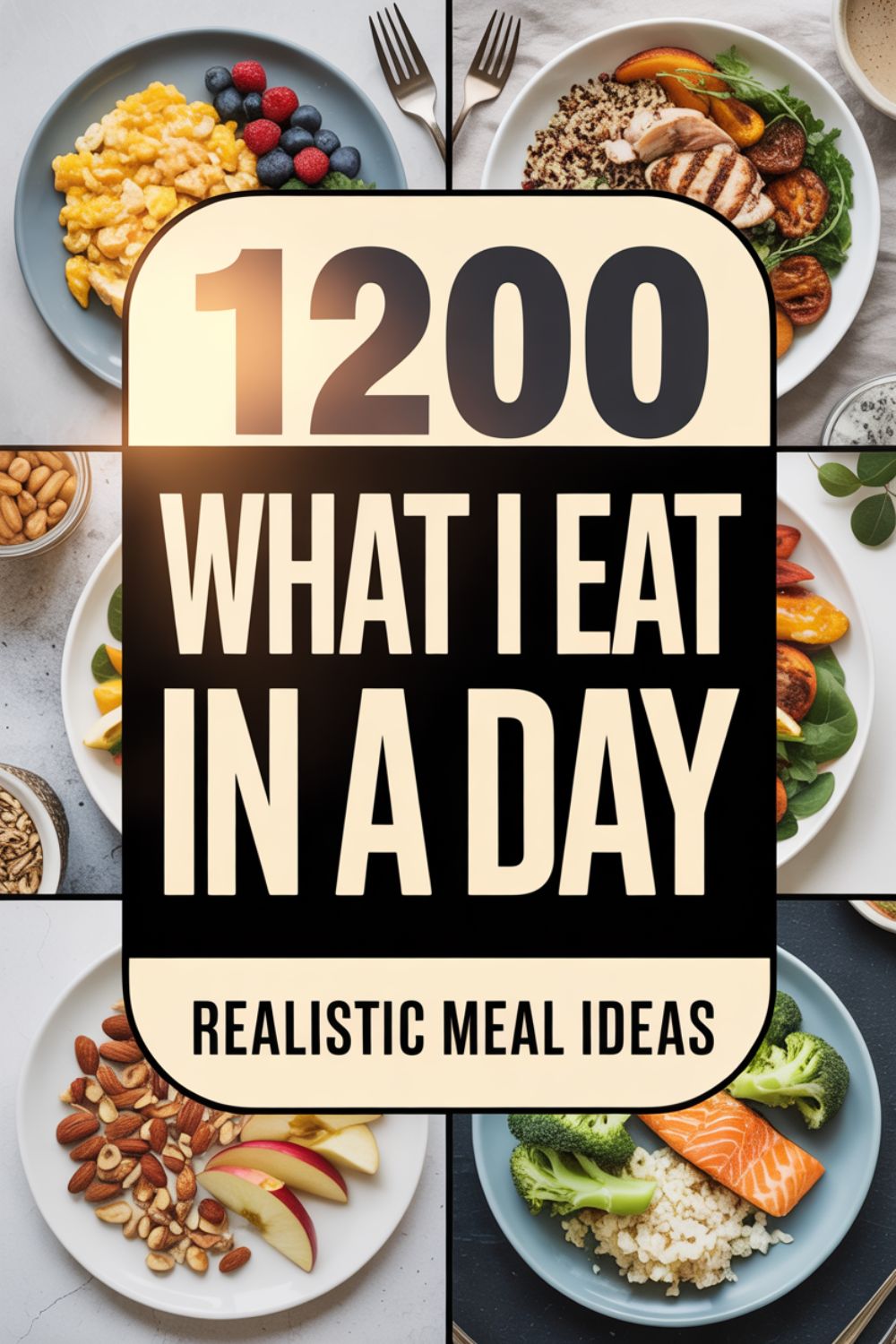
What I Eat in a 1200-Calorie Day (Realistic Meal Ideas)
Let’s be honest—when someone says “1200 calories,” your brain probably jumps straight to sad desk salads and hunger pangs that could wake the dead. I get it. I used to think the same thing before I actually tried structuring my days around this calorie target.
Here’s the thing nobody tells you: eating 1200 calories doesn’t mean you’re doomed to a life of lettuce and regret. It’s about being smart, strategic, and frankly, a little creative with your food choices. I’m not going to lie and say it’s always easy, but it’s way more doable than the internet wants you to believe.
So what does a realistic 1200-calorie day actually look like? Grab your coffee (or tea, I don’t judge), and let me walk you through exactly what I eat, why it works, and how you can make it work for you too.
Why 1200 Calories Anyway?
Before we jump into the food part (which, let’s face it, is what you’re really here for), let’s talk about why 1200 calories is even a number worth considering. Research suggests that 1200 calories can create the calorie deficit needed for weight loss, especially for women with lower activity levels or smaller frames.
But here’s where it gets real: 1200 calories isn’t a magic number that works for everyone. Your height, weight, activity level, and metabolism all play a role. According to Cleveland Clinic’s registered dietitians, this calorie level should only be followed if it’s been deemed appropriate for your specific needs.
I’m not a doctor or a registered dietitian, so take this as my personal experience rather than medical advice. When I started tracking my intake, I realized I was way off in my estimations. Turns out, that “small” muffin I grabbed at the coffee shop? Yeah, that was basically half my daily calories right there.
My Typical 1200-Calorie Day Breakdown
Alright, let’s get into the good stuff. I structure my day around three main meals and one strategic snack. Some days I do two snacks if I’m feeling extra hungry, but I keep them small and purposeful.
Breakfast: Starting Strong Without Breaking the Bank (300-350 calories)
Breakfast used to be my downfall. I’d either skip it completely or go overboard with a massive bagel situation. Now? I’ve found a sweet spot that actually keeps me full until lunch.
My go-to is Greek yogurt with berries and a sprinkle of granola. I’m talking about 6 ounces of nonfat Greek yogurt (around 100 calories), half a cup of mixed berries (40 calories), and two tablespoons of granola (roughly 100 calories). Add a hard-boiled egg on the side (70 calories), and you’re sitting pretty at about 310 calories.
The protein from the yogurt and egg keeps me from face-planting into a mid-morning cookie, which is honestly half the battle. Plus, I prep my hard-boiled eggs using this egg cooker—it’s one of those things I didn’t know I needed until I got it, and now I use it constantly.
Another breakfast I rotate in is overnight oats. Mix half a cup of oats with three-quarters cup of unsweetened almond milk, throw in some chia seeds, and let it sit overnight in a glass meal prep container. In the morning, top it with a sliced banana and a teaspoon of almond butter. Boom—filling, delicious, and around 320 calories. Get Full Recipe.
Looking for more ways to start your day? Check out these low-calorie breakfast ideas that won’t leave you hangry by 10 AM.
Mid-Morning Snack: The Hunger Gap Solution (100-150 calories)
This is optional depending on how hungry I am, but on days when I need something to bridge the gap, I keep it simple. An apple with a tablespoon of peanut butter does the trick. The fiber from the apple plus the protein and fat from the peanut butter? Chef’s kiss.
Sometimes I swap this for a small handful of almonds (about 15-20 nuts, roughly 100 calories) or some baby carrots with two tablespoons of hummus. The key is making sure whatever I choose has some staying power so I’m not immediately hunting for more food.
Lunch: The Make-or-Break Meal (350-400 calories)
Lunch is where things get interesting because this is when I need real food that’s going to carry me through the afternoon. I’m not about that life where you eat a pile of spinach and call it a meal.
My Favorite Lunch Formula
I follow what I call the “protein + veggie + smart carb” formula. Start with 4 ounces of grilled chicken breast (around 180 calories), add a massive pile of mixed greens with cherry tomatoes and cucumber (let’s call it 30 calories for a generous amount), throw in a quarter cup of quinoa or half a cup of roasted sweet potato (about 80 calories), and dress it with two tablespoons of balsamic vinaigrette (50 calories).
Total damage? Around 340 calories, and I’m stuffed. The volume from the veggies is what makes this work. I use these portion control containers to pack my lunches, which keeps me honest about serving sizes without having to pull out a food scale every single time.
Another lunch I make on repeat is a veggie-loaded soup situation. I’ll make a big batch of vegetable soup with chicken or turkey breast chunks, lots of cabbage, carrots, celery, and tomatoes. One generous bowl comes in around 200 calories, which leaves room for a piece of whole-grain toast (80 calories) or a small whole-wheat pita (70 calories).
When I’m craving something more substantial, I turn to recipes from this collection of low-calorie lunch ideas that actually taste like real food. The turkey and hummus wrap is ridiculously good.
If you’re looking for variety beyond what I’ve mentioned here, there are some fantastic high-protein meal options and even pasta dishes that won’t wreck your calorie budget. Yes, you can eat pasta on a 1200-calorie day. Mind-blowing, I know.
Afternoon Snack: Fighting the 3 PM Slump (100-150 calories)
Three in the afternoon is when things get dicey. This is prime snack attack time, and if I don’t plan for it, I’ll end up elbow-deep in the office snack drawer faster than you can say “portion control.”
My favorite afternoon snack is a protein shake made with one scoop of vanilla protein powder, a cup of unsweetened almond milk, and a handful of spinach (you can’t taste it, I swear). Blend it up in this personal blender, and you’ve got a filling snack for around 120 calories.
Other times, I’ll have a string cheese stick with some cherry tomatoes, or a small container of cottage cheese with cucumber slices. The goal is protein plus something with volume so my brain doesn’t immediately start screaming about wanting a snack 20 minutes later.
Need more snack inspiration? I’ve got you covered with these snack ideas that’ll keep you satisfied between meals.
Dinner: The Main Event (400-450 calories)
Dinner is my biggest meal of the day, and honestly, this is where I get to feel like I’m eating like a normal human being. I structure it similarly to lunch but with a bit more protein and usually something warm and comforting.
A typical dinner might be 5-6 ounces of baked salmon (around 280 calories), a cup of roasted broccoli and cauliflower tossed with a tiny bit of olive oil (about 80 calories), and half a cup of brown rice (110 calories). Season everything generously with lemon, garlic, and herbs, and you’ve got a meal that doesn’t taste like punishment.
I bake my salmon on silicone baking mats because cleanup is basically nonexistent, and nothing sticks. It’s the little things that make meal prep sustainable, you know?
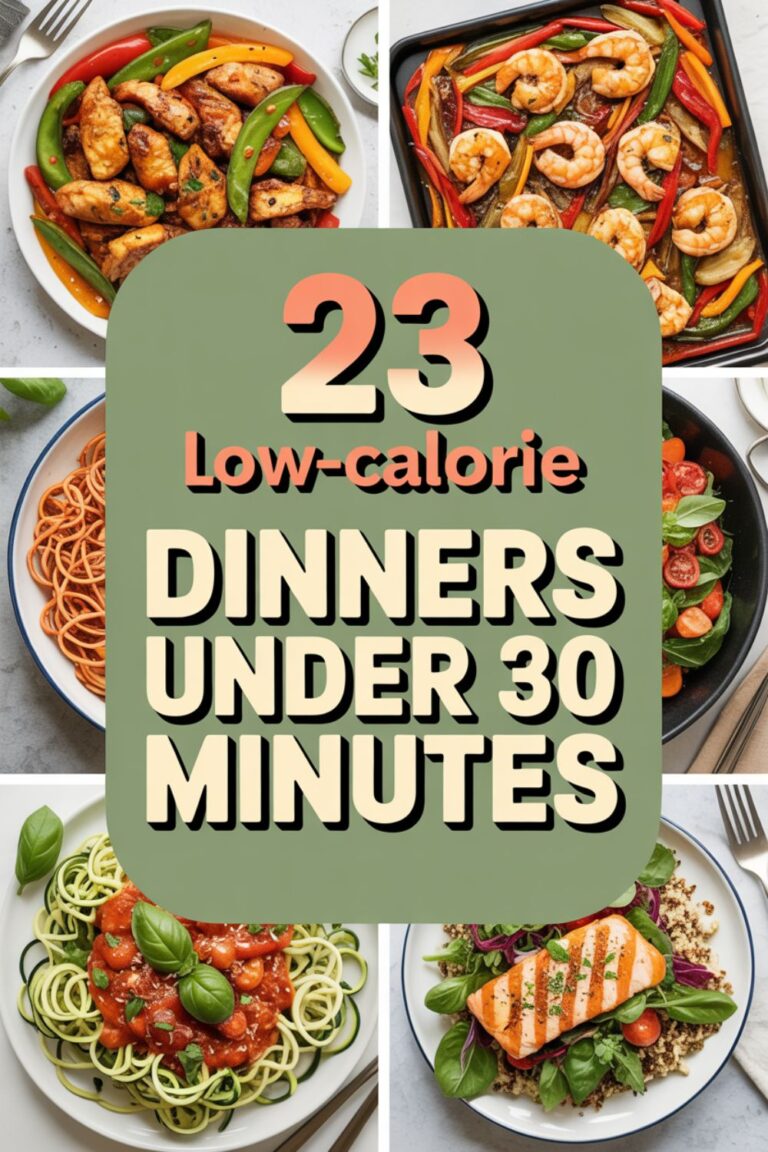
On nights when I want something different, I’ll make a stir-fry with tons of vegetables, some lean protein like chicken or shrimp, and serve it over cauliflower rice or a small portion of regular rice. Get Full Recipe. The key is loading up on the vegetables so you get a full plate without going overboard on calories.
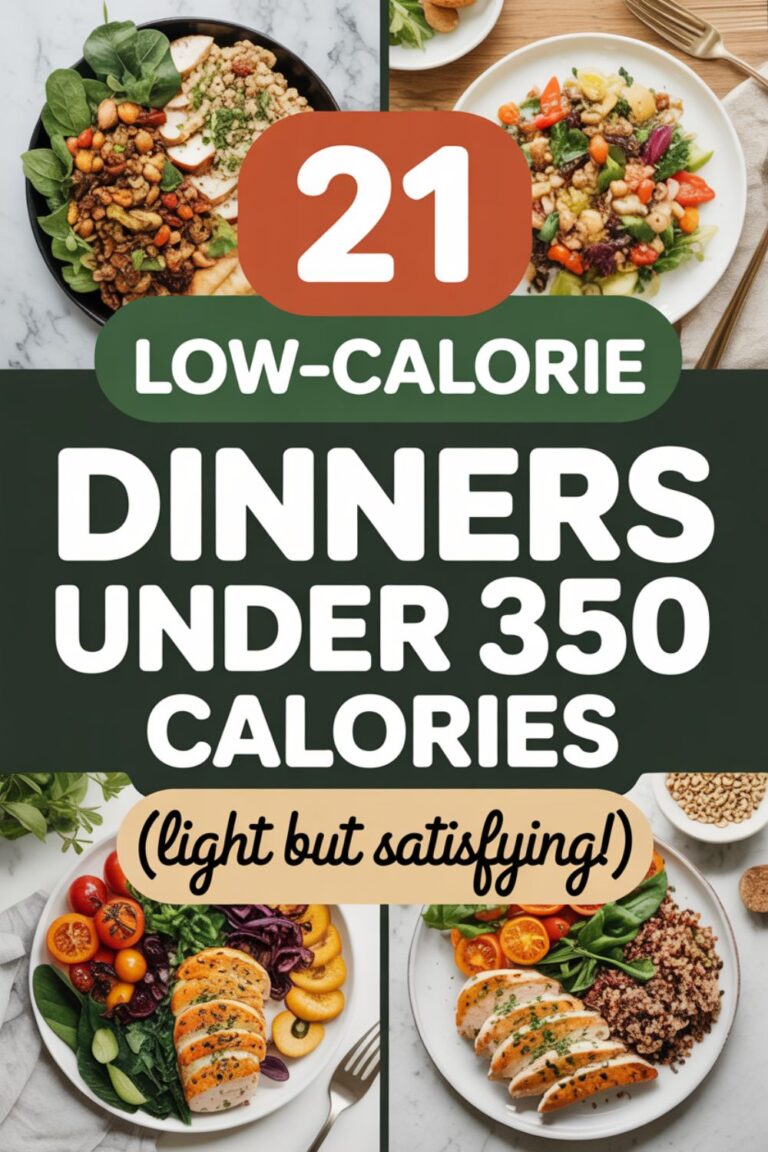
For more complete meal ideas that won’t leave you feeling deprived, check out this 7-day meal plan that breaks down exactly what to eat and when. It’s basically what I wish someone had handed me when I first started.
Meal Prep Essentials Used in This Plan
Look, I’m all about making this easier on yourself. Here’s what actually helps me stay on track:
- Glass meal prep containers – Seriously, get the ones that don’t stain or smell weird after you put tomato sauce in them
- Digital food scale – Not gonna lie, this changed everything for me. Portion sizes are wild when you actually measure them
- Portion control plates – These have built-in sections that make plating balanced meals stupid simple
- 1200-Calorie Meal Planning Template (digital download) – Pre-made grocery lists and meal schedules
- Calorie Tracking Spreadsheet (digital download) – Because sometimes apps are overkill and you just want a simple tracker
- Quick Swap Guide (PDF) – Lists of ingredient substitutions when you’re out of something or just want variety
Want even more support? Our WhatsApp community shares meal prep tips, recipe swaps, and real-time motivation when the cravings hit hard.
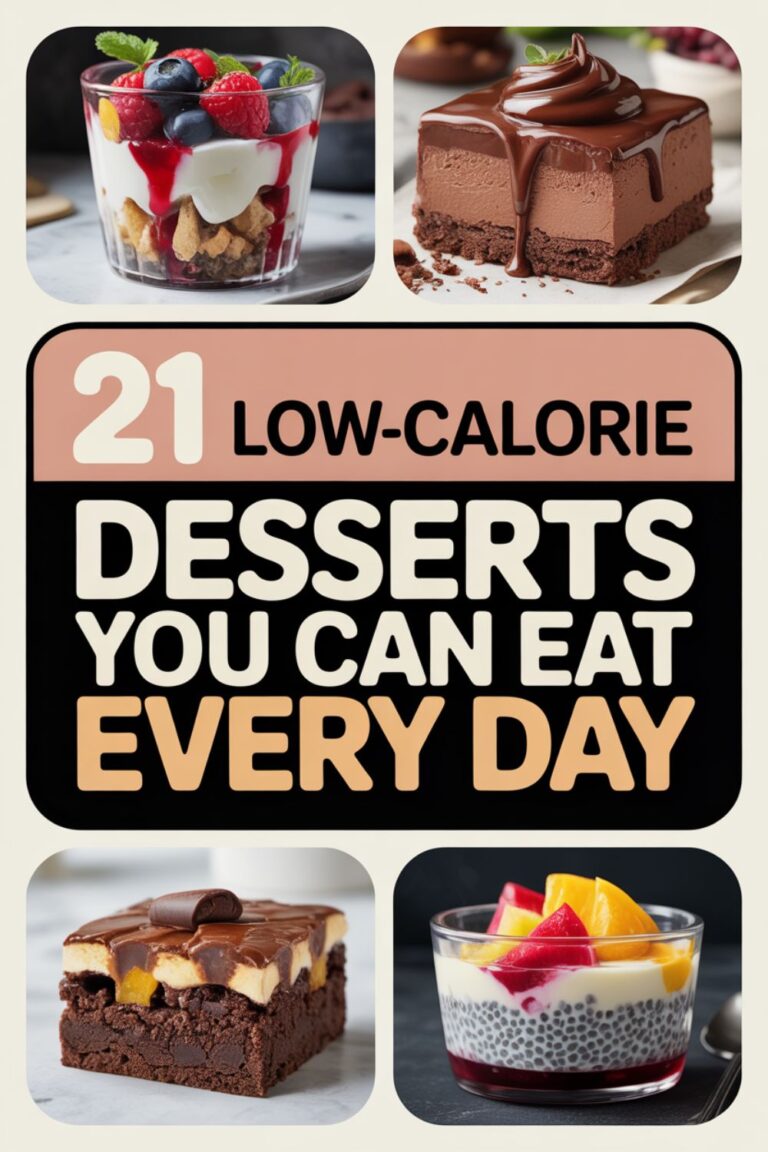
What About Dessert? (Yes, There’s Room)
If you think you can’t have dessert on 1200 calories, think again. I’m not about to tell you to eat an apple and pretend it’s cake. That’s nonsense.
Here’s what I do: I save about 80-100 calories for a small treat most nights. Sometimes it’s a single-serve ice cream cup (the portion-controlled ones are your friend here). Other times, it’s a square of really good dark chocolate. On special occasions, I’ll have a small cookie or a few pieces of fruit with a tiny drizzle of honey.
The key word here is “small.” Am I having a giant slice of cake every night? No. But am I completely depriving myself of anything sweet? Also no. It’s about finding that middle ground where you can stick with this long-term without losing your mind.
I store my treat-sized portions in these mini containers, which keeps me from accidentally eating three servings when I only planned for one. Out of sight, properly portioned—works like a charm.
The Reality Check: What Makes This Sustainable
Let me be straight with you—1200 calories isn’t easy every single day. There are days when I’m hungrier, days when I have dinner plans with friends, days when I just need to eat more. And that’s okay.
What makes this work for me is flexibility. If I know I’m going out to dinner, I’ll have a lighter breakfast and lunch. If I’m extra hungry one day, I’ll bump up to 1400 calories and adjust the next day. The goal isn’t perfection; it’s consistency over time.
I also make sure I’m eating enough protein and fiber to stay full. According to nutrition guidelines from the National Heart, Lung, and Blood Institute, getting adequate protein and choosing nutrient-dense foods is crucial when you’re eating fewer calories overall.
The biggest game-changer? Drinking enough water. I keep a motivational water bottle on my desk, and it honestly helps with those moments when I think I’m hungry but I’m actually just thirsty or bored.
Still trying to figure out if 1200 is right for you versus something higher? This comparison of 1200 vs 1500 calorie plans breaks down the pros and cons of each approach.
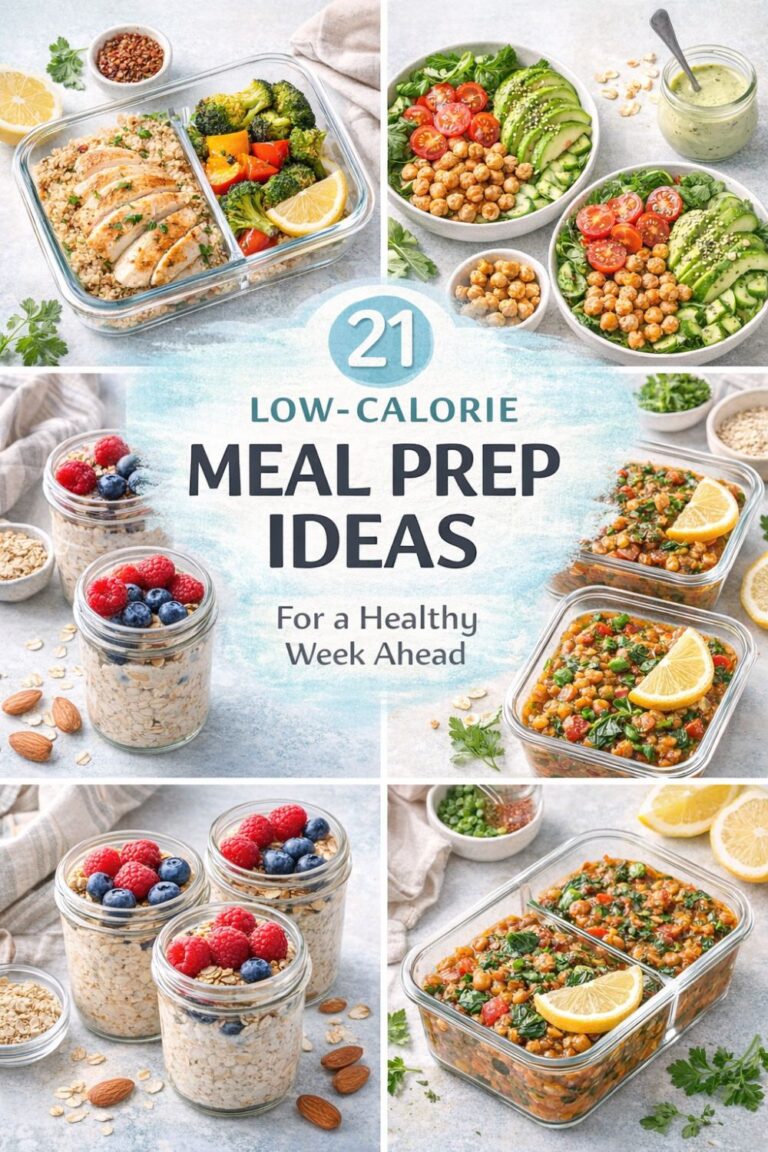
Meal Prep: The Secret Weapon
I’m going to level with you—if you’re trying to stick to 1200 calories without doing at least some meal prep, you’re making it way harder on yourself than it needs to be.
I don’t go full-on meal prep influencer with color-coded containers for every meal (though if that’s your thing, more power to you). But I do spend about an hour on Sunday prepping basics: hard-boiled eggs, chopped veggies, cooked quinoa or brown rice, and grilled chicken breast.
Having these ready to grab means I’m way less likely to order takeout or cobble together a meal that’s way higher in calories than I planned. It’s the difference between “I have to cook everything from scratch” and “I just need to assemble things.”
I use this meal prep cookbook for inspiration, though honestly, once you get the hang of batch-cooking proteins and grains, you can mix and match however you want.
For complete meal plans that do all the thinking for you, check out this 30-day low-calorie plan or the 21-day plan designed specifically for busy schedules.
Tools & Resources That Make Cooking Easier
I’m not gonna pretend you need a million gadgets, but these actually earn their counter space:
- Air fryer – Game-changer for quick proteins and veggies with way less oil
- Instant Pot – For those nights when you forgot to meal prep and need dinner fast
- Vegetable spiralizer – Makes veggie noodles that actually help when you’re craving pasta but want more volume for fewer calories
- Weekly Menu Planner (printable PDF) – Helps you map out your week so you’re not scrambling every day
- Grocery Shopping Checklist (digital) – Organized by store section so you’re in and out quickly
- Kitchen Conversion Chart (downloadable) – Because who actually remembers how many tablespoons are in a cup?
Join our WhatsApp group to share your favorite kitchen hacks and get real-time recipe troubleshooting from people who get it.
When 1200 Calories Isn’t Enough
Let’s talk about the elephant in the room: there are absolutely times and situations where 1200 calories isn’t appropriate or sufficient. If you’re super active, training for something athletic, pregnant, nursing, under 18, or have certain health conditions, 1200 calories is probably too low.
Even for people where it might be appropriate, it shouldn’t be a forever thing. I use 1200 calories as a tool for active weight loss phases, but I don’t plan to eat this way for the rest of my life. The goal is to hit a healthy weight and then transition to a maintenance calorie level that lets me, you know, actually live.
If you’re finding that you’re constantly exhausted, losing hair, feeling weak, or experiencing other concerning symptoms, talk to your doctor. No weight loss goal is worth compromising your health over.
For women over 40, metabolism and hormonal changes can make calorie restriction trickier. This specialized meal plan addresses those specific challenges.
Dining Out Without Derailing Everything
Eating out on a 1200-calorie budget takes some strategy, not gonna lie. But it’s totally doable if you plan ahead.
My approach: I check the menu online before I go and decide what I’m ordering ahead of time. This keeps me from making impulsive decisions when I’m hungry and everything looks amazing. I look for grilled proteins, vegetables, and simple preparations. I ask for dressing on the side, skip the bread basket (or have one piece and move it away), and avoid anything described as “crispy,” “breaded,” or “creamy.”
I also don’t drink my calories. Water, unsweetened iced tea, or black coffee are my go-tos. If I really want a glass of wine, I plan for it and adjust my day accordingly, but honestly, most alcoholic drinks aren’t worth the calorie hit for me personally.
The biggest thing? I don’t stress if I go over my calories when I’m out with friends or family. One meal isn’t going to ruin everything. I just get back on track the next day.
Looking for restaurant-inspired meals you can make at home for way fewer calories? These comfort food recipes hit the spot without the calorie bomb.
The Protein Question
People always ask me if I get enough protein on 1200 calories. Short answer: yes, but I’m intentional about it.
I aim for about 80-100 grams of protein per day, which helps preserve muscle mass while I’m in a calorie deficit. Every meal includes a protein source: Greek yogurt or eggs at breakfast, chicken or turkey at lunch, fish or lean beef at dinner.
My favorite protein sources that don’t destroy my calorie budget: chicken breast, turkey breast, white fish like cod or tilapia, shrimp, egg whites, nonfat Greek yogurt, cottage cheese, and protein powder for when I need a quick boost.
I supplement with unflavored protein powder that I can add to oatmeal, smoothies, or even soups without changing the taste. It’s an easy way to bump up protein without adding much volume to meals.
For a week’s worth of high-protein meal ideas, this 7-day plan is specifically designed to maximize protein while staying within the calorie limit.
Dealing With Cravings
Cravings are real, and pretending they don’t exist is a fast track to falling face-first into a pint of ice cream at 10 PM. Ask me how I know.
Here’s what actually works for me: I acknowledge the craving, wait 20 minutes, and then reassess. A lot of times, the craving passes or I realize I’m actually just thirsty or bored. If it doesn’t pass and I genuinely want whatever I’m craving, I have a small portion and move on with my life.
I also find that cravings are way more intense when I’m not eating enough protein or fat during the day. If I have a balanced breakfast and lunch with adequate protein and healthy fats, I’m way less likely to be desperately craving chips or cookies in the evening.
Sometimes the craving is for a specific texture or flavor rather than a specific food. If I’m craving something crunchy, raw vegetables with salsa might do the trick. If I want something creamy, Greek yogurt with a bit of honey can satisfy that without going overboard.
The bottom line: don’t fight every craving like it’s a battle. Some you can redirect, some you should just satisfy with a reasonable portion and call it a day.
Frequently Asked Questions
Will I lose muscle on a 1200-calorie diet?
You can minimize muscle loss by eating adequate protein (aim for 0.7-1 gram per pound of body weight), doing strength training, and not staying at 1200 calories longer than necessary. The key is making sure your calories are coming from nutrient-dense foods rather than empty calories. If you’re very active or have a lot of muscle mass, 1200 calories might be too restrictive for you anyway.
How long can I safely follow a 1200-calorie diet?
This really depends on your individual situation and should be determined with your healthcare provider. For most people, 1200 calories is intended as a short-term weight loss strategy, not a permanent lifestyle. Once you reach your goal weight, you’ll want to transition to a higher maintenance calorie level. FYI, following extremely low-calorie diets for extended periods can mess with your metabolism and create nutritional deficiencies.
What if I’m still hungry after eating my 1200 calories?
First, make sure you’re drinking enough water—sometimes thirst masquerades as hunger. Second, check if you’re eating enough protein and fiber, which are the most filling macronutrients. If you’re consistently hungry despite eating filling foods, you might need more than 1200 calories. Listen to your body and don’t be afraid to bump up to 1400 or 1500 if that’s what you need to feel good.
Can I exercise while eating 1200 calories?
Light to moderate exercise is generally fine on 1200 calories, but intense training might require more fuel. If you’re doing serious workouts, you’ll probably need to eat back at least some of your exercise calories. Pay attention to how you feel—if you’re constantly exhausted or your performance is tanking, you need more calories.
Is it okay to have cheat days on a 1200-calorie diet?
IMO, the term “cheat day” sets up this all-or-nothing mentality that doesn’t help anyone long-term. Instead of having days where you go completely off the rails, I prefer to build in flexibility throughout the week. If you know you have a dinner out Saturday night, eat 1200 calories the other days and don’t stress about going over on Saturday. It all balances out over time, and you’re way less likely to binge if you’re not operating under strict rules with built-in “cheat” days.
Final Thoughts
Here’s the deal: eating 1200 calories isn’t about deprivation or punishment. It’s a tool—one tool among many—that can help you reach your health goals if used appropriately and with intention.
What I eat in a typical 1200-calorie day works for me right now, in this phase of my life, with my specific goals and body. It might work for you, or you might need something completely different. And that’s totally fine.
The biggest thing I’ve learned through this process is that sustainable weight loss isn’t about finding the perfect diet or eating plan. It’s about finding an approach you can actually stick with, that doesn’t make you miserable, and that allows you to live your life without obsessing over every single bite of food.
If you decide to try eating around 1200 calories, go into it with realistic expectations. There will be hard days. There will be days when you go over your calories. There will be days when you question if it’s even worth it. But if you stick with it, make adjustments as needed, and don’t beat yourself up over imperfection, you might just find that it’s more doable than you thought.
Just promise me you’ll talk to your doctor or a registered dietitian before you start, okay? They can help you figure out if this is right for you and make sure you’re doing it in a way that supports your health rather than compromising it.
Now if you’ll excuse me, I have some meal prep to do. These grilled chicken breasts aren’t going to season themselves.