How to Lose Weight on 1200–1500 Calories (Without Starving)
Look, I’m not going to sugarcoat this—eating 1200 to 1500 calories a day sounds rough at first. I get it. You’re probably picturing yourself gnawing on celery sticks while everyone else enjoys actual food. But here’s the thing: it doesn’t have to be miserable. I’ve been there, done that, and learned the hard way that you can actually lose weight on a calorie-restricted diet without feeling like you’re running on empty.
The secret? It’s not about eating less—it’s about eating smarter. You’re basically playing Tetris with your plate, fitting in the most nutrient-dense, filling foods that keep hunger at bay. And honestly, once you nail the formula, you’ll realize 1200-1500 calories can feel surprisingly satisfying.
Why 1200–1500 Calories Actually Works
Let’s talk numbers real quick. Most women burn somewhere between 1600 and 2400 calories a day just existing—breathing, thinking, binge-watching Netflix. When you drop your intake to 1200-1500 calories, you create what’s called a calorie deficit. Your body needs energy, and when it doesn’t get enough from food, it taps into stored fat. That’s literally how weight loss works.
According to Mayo Clinic research, a deficit of about 500 calories per day typically results in losing roughly one pound per week. Now, this isn’t some magic formula carved in stone—your body’s metabolism, activity level, and starting weight all play a role. But as a general guideline, it’s pretty solid.
The key is choosing a calorie range that fits your lifestyle. If you’re super active or have a lot to lose, 1500 calories gives you more wiggle room. If you’re smaller or less active, 1200 might be your sweet spot. Either way, you’re not going into starvation mode territory, despite what your brain might scream at 3 PM.
Track your intake for a week before making changes. You’ll be shocked at how many “invisible” calories sneak in through coffee creamer, cooking oil, and those “just one bite” moments.
The Protein Priority Strategy
If there’s one non-negotiable rule I swear by, it’s this: protein first, everything else second. When you’re eating fewer calories, protein becomes your best friend. It keeps you full longer, helps maintain muscle mass while you’re losing fat, and requires more energy to digest than carbs or fats.
I aim for at least 80-100 grams of protein daily, which sounds like a lot until you realize a rotisserie chicken from the grocery store basically handles two days’ worth of lunches. Eggs, Greek yogurt, cottage cheese, lean ground turkey, and canned tuna are my staples. Plant-based folks can load up on lentils, chickpeas, tofu, and quinoa.
Research from Harvard Health shows that adequate protein intake during weight loss helps preserve lean muscle mass, which is crucial because muscle burns more calories at rest than fat does. Translation: more protein means your metabolism stays higher even as you lose weight.
For busy mornings, I keep a stash of single-serve protein powder packets in my desk drawer. Mix one with water or unsweetened almond milk, and you’ve got 20+ grams of protein in under a minute. No excuses.
Strategic Meal Timing
Here’s something I wish someone had told me earlier: when you eat matters almost as much as what you eat. I structure my days to frontload calories—bigger breakfast, decent lunch, lighter dinner. This keeps my energy high when I actually need it and prevents late-night fridge raids.
My typical breakdown looks like this: 400 calories for breakfast, 500 for lunch, 300-400 for dinner, and 100-200 for snacks. It’s not rocket science, but it works. Some people swear by intermittent fasting, eating all their calories in an 8-hour window. If that works for you, great. Personally, I turn into a gremlin if I skip breakfast, so I stick with what doesn’t make me homicidal.
Prep your breakfast the night before. Overnight oats, egg muffins, or chia pudding take 5 minutes to throw together and eliminate morning decision fatigue.
Speaking of meal prep brilliance, if you want a complete roadmap with zero guesswork, check out this 7-day 1200-calorie meal plan. It’s designed for real humans who don’t have three hours to cook daily.
Volume Eating: The Cheat Code
Alright, here’s where things get fun. Volume eating is basically the art of stuffing your face with massive amounts of food that’s shockingly low in calories. We’re talking giant salads, veggie-loaded stir-fries, and soups that could feed a small army—all clocking in under 400 calories.
The science is simple: your stomach has stretch receptors that signal fullness based on volume, not just calories. A huge bowl of roasted cauliflower, zucchini, and bell peppers drizzled with a tiny bit of olive oil will fill you up way more than a 300-calorie granola bar, even though they might have similar calories.
My go-to volume foods are:
- Leafy greens: Spinach, kale, arugula, romaine—basically free calories and loaded with nutrients
- Cruciferous vegetables: Broccoli, cauliflower, Brussels sprouts, cabbage
- Zucchini and summer squash: Perfect spiralized as a pasta substitute
- Mushrooms: Meaty texture, minimal calories, crazy versatile
- Berries: Sweet, fiber-rich, and lower in sugar than most fruits
- Air-popped popcorn: Three cups for about 100 calories (skip the butter bomb)
I invested in a decent vegetable spiralizer last year and it’s genuinely changed my meal game. Zucchini noodles with marinara and turkey meatballs? Tastes indulgent, comes in under 350 calories. You can also grab a simple mandoline slicer for making veggie chips—way cheaper and healthier than the bagged stuff.
The Fiber Factor
If protein is your best friend, fiber is your ride-or-die companion. Fiber slows digestion, stabilizes blood sugar, and keeps you feeling full for hours. Most people barely hit 15 grams daily when they should be aiming for 25-30 grams minimum.
Beans, lentils, oats, chia seeds, and vegetables are your fiber MVPs. I throw chia seeds into everything—yogurt, smoothies, oatmeal. Two tablespoons pack 10 grams of fiber and create this gel-like texture that’s ridiculously filling. Plus, they’re tasteless, so you won’t even notice them.
For a comprehensive guide on packing more fiber and nutrients into every meal, this 14-day 1500-calorie meal plan is honestly brilliant. It’s budget-friendly too, which is rare for these things.
What a Day Actually Looks Like
Theory is great and all, but let’s get practical. Here’s what I actually eat on a typical 1400-calorie day:
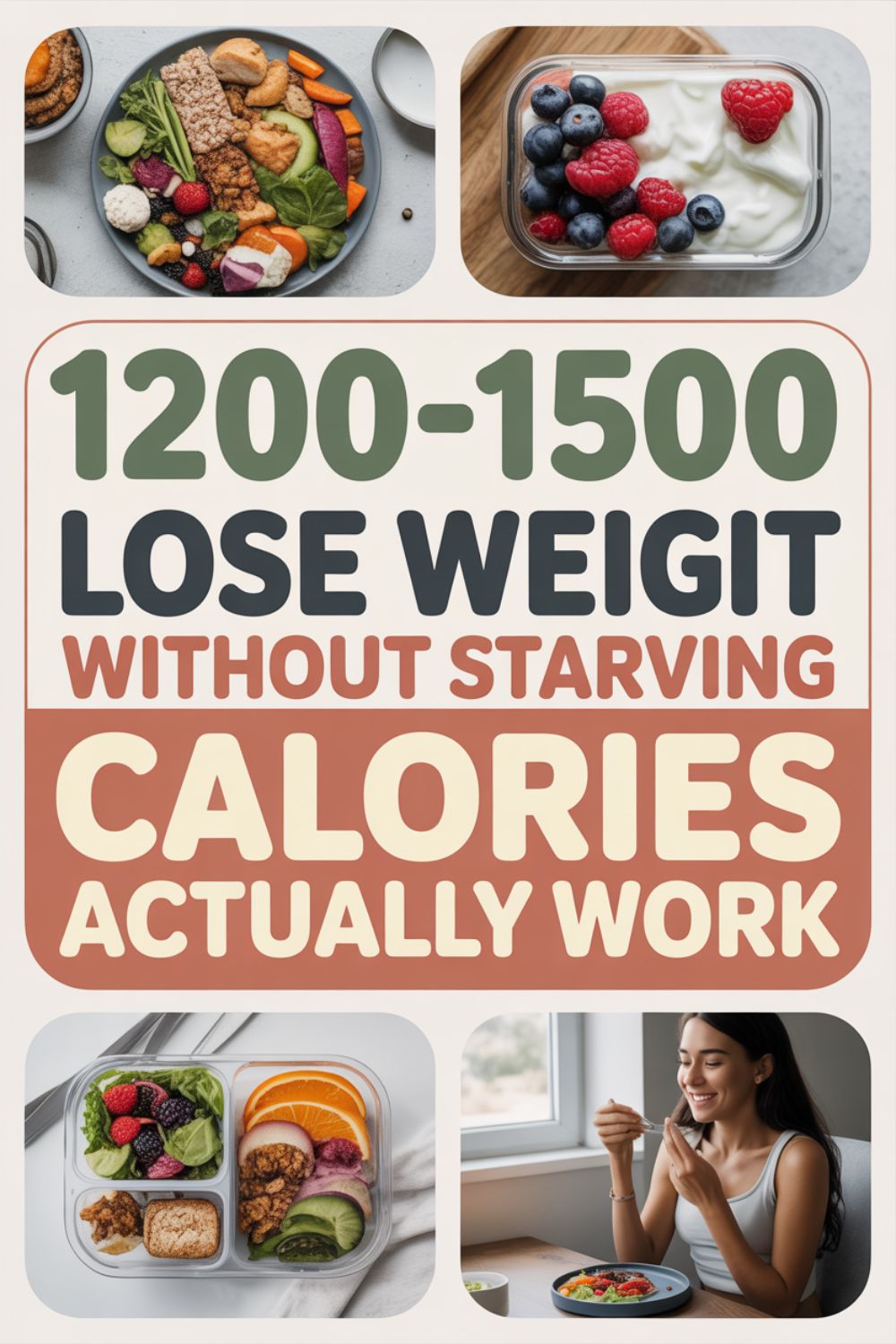
Breakfast (380 calories): Two-egg omelet loaded with spinach, mushrooms, and cherry tomatoes, plus one slice of whole-grain toast with a thin smear of avocado. Black coffee or green tea on the side.
Mid-Morning Snack (120 calories): Plain Greek yogurt mixed with a handful of blueberries and a sprinkle of cinnamon.
Lunch (450 calories): Massive chopped salad with grilled chicken breast, mixed greens, cucumber, bell peppers, cherry tomatoes, a quarter avocado, and balsamic vinaigrette. Side of raw baby carrots.
Afternoon Snack (100 calories): Small apple with a tablespoon of almond butter or a hard-boiled egg with everything bagel seasoning.
Dinner (350 calories): Baked salmon with roasted broccoli and a small portion of quinoa or cauliflower rice. Sometimes I swap salmon for grilled shrimp or lean turkey burger patties.
Notice how there’s actual variety? You’re not eating sad chicken breast and steamed broccoli every single meal. Real food, real flavors, real satisfaction. If you want even more variety without the mental gymnastics of planning, grab this beginner-friendly 1200-calorie meal plan. It literally maps out what to eat in a day, so you’re not staring into your fridge at 6 PM having an existential crisis.
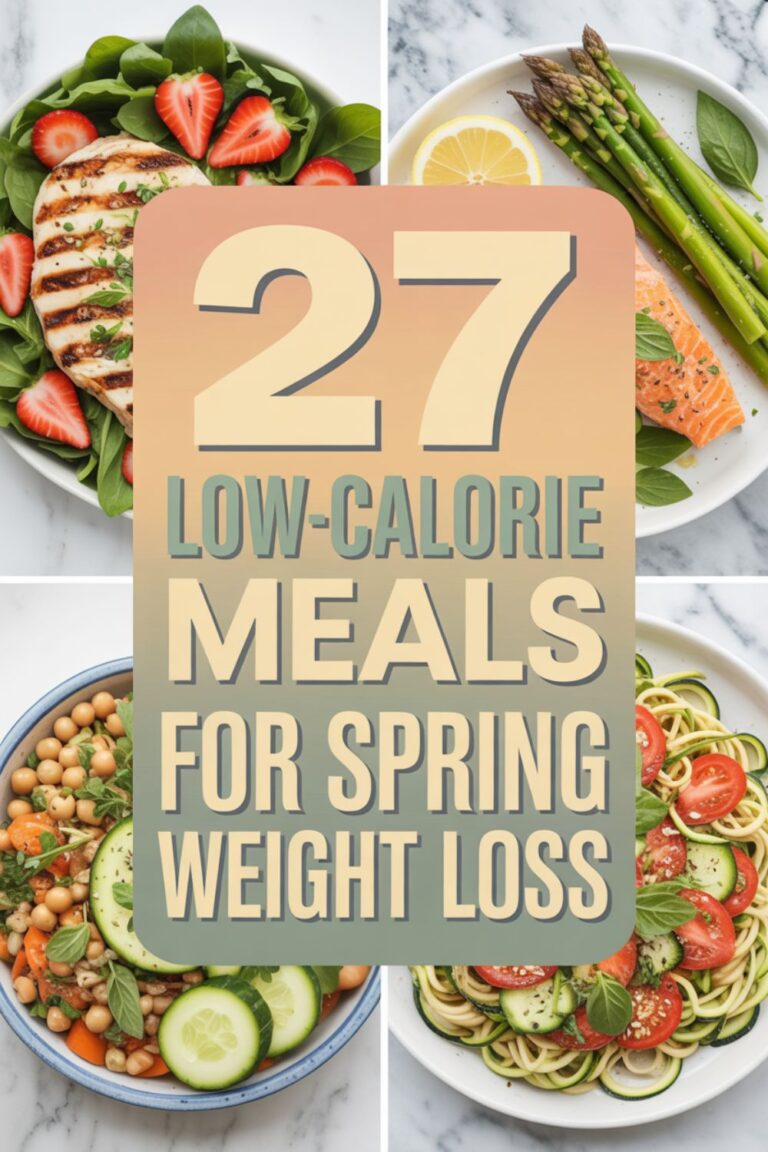
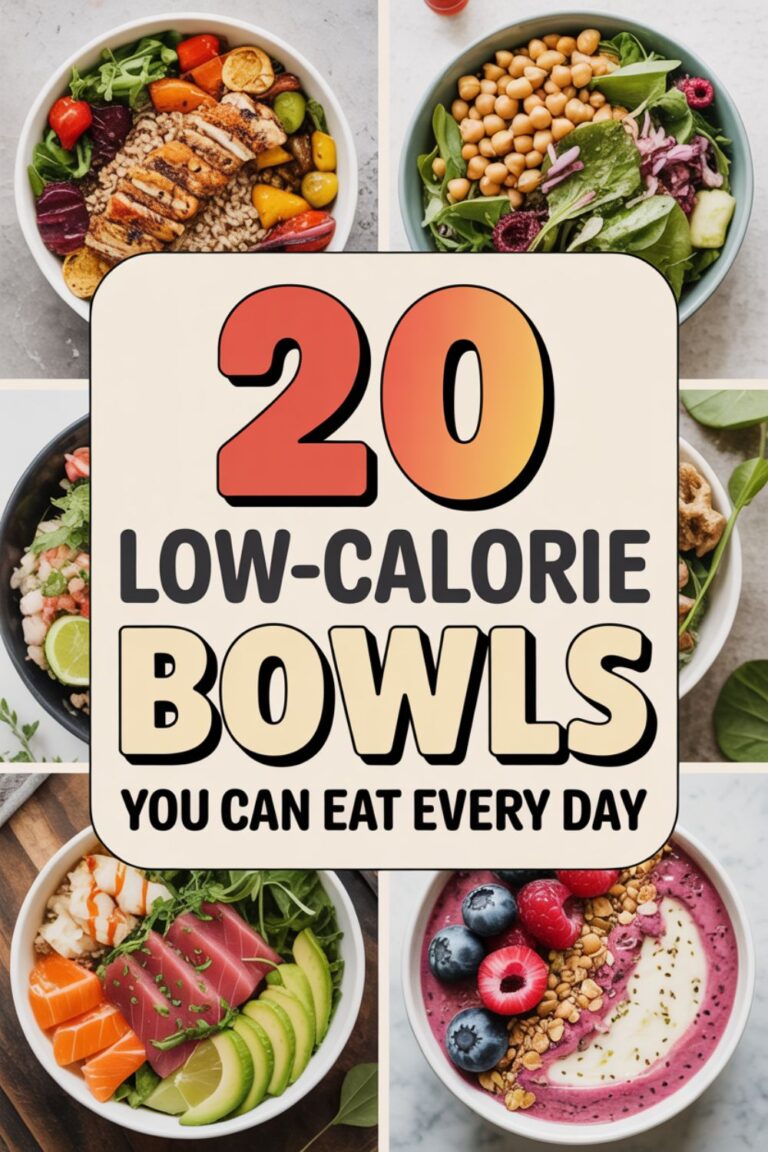
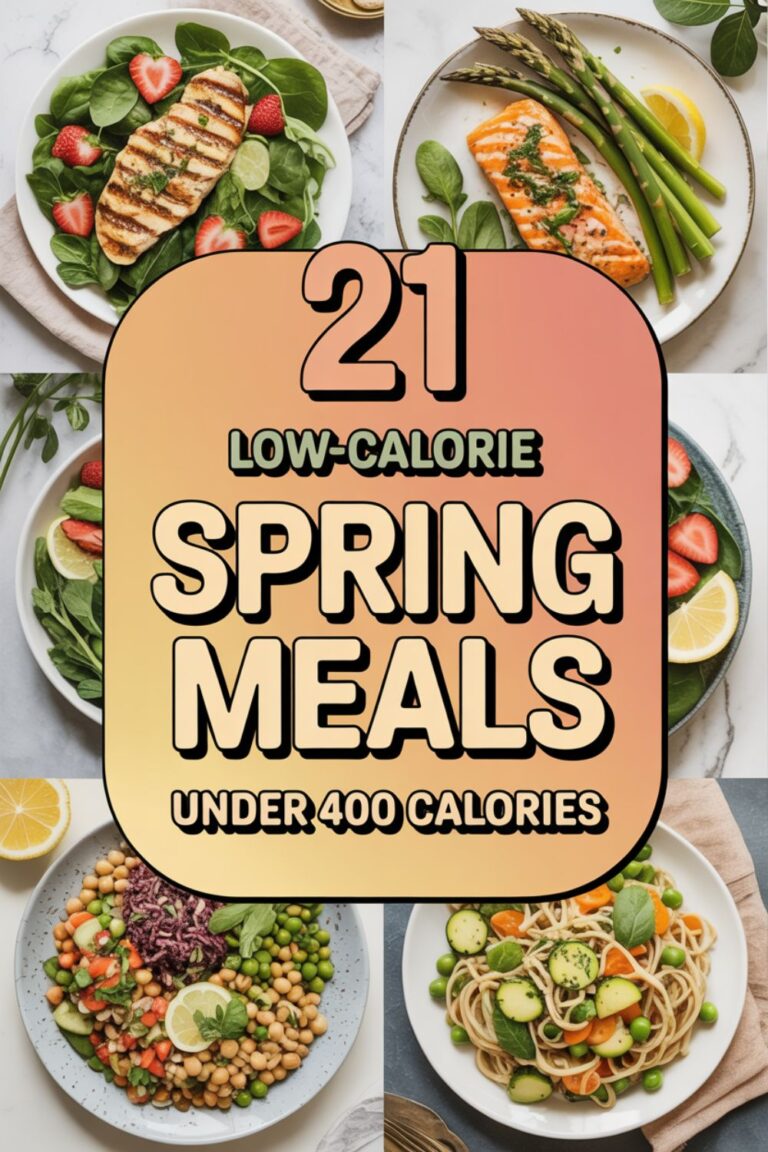
For quick lunch ideas that don’t require a culinary degree, check out these 30 low-calorie lunch options—they’re legitimately delicious and won’t leave you hungry an hour later.
Keep pre-washed salad greens and pre-cut veggies in your fridge. Yes, they cost slightly more, but you’ll actually eat them instead of letting whole heads of lettuce turn to sludge in the crisper drawer.
Dealing With Hunger (Because It Happens)
Let’s be honest—you’re going to feel hungry sometimes. That’s normal. Your body is adjusting to eating less, and it’ll protest for a bit. But there’s a difference between genuine hunger and boredom, stress, or habit-driven cravings.
I’ve learned to ride out the first wave of hunger. Usually, if I drink a big glass of water and wait 15 minutes, the feeling passes. If I’m still genuinely hungry after that, I eat something. No point white-knuckling through legitimate hunger—that’s how you end up elbow-deep in a bag of chips at midnight.
Smart Snacking Strategies
Snacks can make or break your calorie budget. The key is choosing options that combine protein and fiber so they actually hold you over. Some of my favorites:
- Cottage cheese with cucumber slices and everything bagel seasoning
- Turkey roll-ups with mustard and pickle spears
- Roasted chickpeas (make a batch in an air fryer—seriously, life-changing)
- Sugar snap peas with hummus
- Beef jerky (watch the sodium though)
- Protein smoothie with frozen berries, spinach, and unsweetened almond milk
For a ton more inspiration, this collection of low-calorie snacks under 150 calories has been my saving grace during afternoon energy crashes.
Freeze grapes for a sweet, crunchy snack that takes forever to eat. Three-quarters of a cup is only about 50 calories and feels like a legit treat.
Hydration: The Underrated MVP
Water doesn’t just keep you hydrated—it’s a sneaky appetite suppressant. I down at least 8 glasses daily, more on workout days. Half the time when I think I’m hungry, I’m actually just thirsty. Wild how our bodies mix those signals up.
I keep a motivational water bottle with time markers on my desk. It’s dorky but effective. Herbal tea also counts toward your fluid intake, and it gives you something warm and comforting when you’re craving an evening snack.
Sparkling water has become my evening ritual replacement for wine. Toss in some fresh lemon or a few frozen berries, and it feels fancy enough to trick your brain into thinking you’re treating yourself.
Making It Work Long-Term
Here’s the uncomfortable truth: restrictive eating only works if you can actually stick with it. If your plan involves never eating pizza again or avoiding every social event with food, you’re setting yourself up for failure. I’d rather lose weight slowly while still living my life than drop 20 pounds in a month and gain it all back because I was miserable.
I follow what I call the 80/20 rule. Eighty percent of the time, I stick to my calorie goals and eat nutrient-dense foods. The other 20%? I eat the damn birthday cake, have drinks with friends, or order takeout without spiraling into guilt. Life’s too short to skip every celebration meal.
The key is not letting one indulgent meal turn into an indulgent week. Enjoyed brunch with mimosas on Sunday? Cool. Monday, you’re back to your regular routine. No drama, no “I’ve already ruined it so I might as well keep going” nonsense.
If you’re struggling to find that balance, this comparison guide between 1200 and 1500 calories might help you figure out which range gives you enough flexibility without stalling your progress.
Meal Prep Essentials Used in This Plan
These are the tools and products that actually make low-calorie eating sustainable:
- Glass meal prep containers (BPA-free, microwave-safe set of 10) – Game-changer for portioning and storing everything
- Digital food scale – Eyeballing portions is how you accidentally eat 600 calories of “healthy” nuts
- Vegetable spiralizer – Makes zucchini noodles, sweet potato curls, and cucumber ribbons
- 30-Day Low-Calorie Meal Plan PDF – Complete guide with shopping lists and macros (Get Full Recipe)
- High-Protein Recipe Ebook – 50+ recipes under 400 calories each (Get Full Recipe)
- Printable Meal Tracker – Weekly planner with calorie and macro tracking (Get Full Recipe)
Exercise: Helpful But Not Required
Okay, controversial take incoming: you don’t need to exercise to lose weight on 1200-1500 calories. Weight loss happens in the kitchen. Exercise is amazing for your overall health, mental clarity, and maintaining muscle mass—but it’s not mandatory for dropping pounds.
That said, I do work out because it lets me eat slightly more while still maintaining my deficit. Plus, strength training helps you keep muscle while losing fat, which means you’ll look more toned instead of just smaller. I lift weights three times a week and walk daily. Nothing crazy.
If you’re active and burning 300-500 extra calories through exercise, you might need to eat closer to 1500-1700 calories to avoid losing weight too quickly. Rapid weight loss sounds appealing until you’re constantly exhausted and your hair starts falling out. Ask me how I know.
The Scale Isn’t Everything
Look, the scale is a liar sometimes. You can gain water weight from salty meals, hormones, intense workouts, or literally just existing as a human with a functioning body. I weigh myself once a week, first thing in the morning after using the bathroom, wearing the same thing (usually nothing, because why lie to myself with clothing weight?).
But I also track measurements, progress photos, and how my clothes fit. Sometimes the scale doesn’t budge for two weeks, but my jeans are looser and my arms look more defined. That’s progress, even if the number doesn’t reflect it yet.
Take weekly photos in the same outfit, same lighting, same poses. You won’t notice gradual changes in the mirror, but comparing photos from week one to week eight? That’s when you see real transformation.
Common Mistakes to Avoid
I’ve made every mistake in the book, so let me save you some trouble:
Drinking your calories: Lattes, smoothies, juice, alcohol—they add up fast and don’t fill you up. Stick to water, black coffee, unsweetened tea, or the occasional diet soda if that’s your thing.
Forgetting about cooking oils and sauces: One tablespoon of olive oil is 120 calories. That “light drizzle” you’re not tracking? Probably 200+ calories. Measure it, or better yet, use a non-stick cooking spray or invest in a quality ceramic non-stick pan.
Not eating enough protein: You’ll be ravenous and lose muscle mass. Neither is fun. Prioritize protein at every meal.
Banning entire food groups: Unless you have a medical reason, eliminating carbs, fats, or any whole category usually backfires. Balance works better long-term.
Comparing your progress to others: Your coworker lost 10 pounds in three weeks? Cool. You’re not your coworker. Your body, your timeline.
If you’re over 40 and finding that standard advice doesn’t quite work the same way anymore, this meal plan specifically designed for women over 40 accounts for hormonal changes and slower metabolism.
When Comfort Food Cravings Hit
You’re going to crave pizza, pasta, burgers, and all the foods that feel like a warm hug. The solution isn’t willpower—it’s strategic substitutions and portion control.
I make lower-calorie versions of comfort foods all the time. Cauliflower crust pizza loaded with veggies and lean chicken? Hits the spot. Zucchini noodles with turkey bolognese? Still tastes like pasta night. Turkey burger on a lettuce wrap with all the fixings? Satisfying without the 800-calorie bun and fries.
This collection of low-calorie comfort foods has legitimately saved my sanity during the winter months when all I want is something warm and indulgent. And if pasta’s your weakness, definitely check out these 25 pasta recipes under 400 calories—they’re shockingly good.
Make a “copycat” version of your favorite takeout meal at home. You control the oil, portion sizes, and ingredients—usually saves 300-500 calories compared to restaurant versions.
Staying Consistent Without Losing Your Mind
Consistency beats perfection every single time. I’d rather you stick to 1400 calories most days with occasional 1800-calorie days than aim for 1200, fail, binge, feel guilty, and quit entirely.
Some days are harder than others. Maybe you’re stressed, tired, or just having a rough week. That’s fine. Eat at maintenance calories for a day or two if you need to. You won’t gain fat from one or two higher-calorie days—weight loss isn’t that fragile.
I meal prep on Sundays so I’m not making food decisions when I’m hangry and exhausted. Pre-portioned meals in the fridge mean I just grab and heat. Zero thought required. If meal prep sounds overwhelming, start small—just prep breakfast and snacks for the week. That alone eliminates a ton of decision fatigue.
For seriously easy options that require minimal cooking, these dump-and-go crockpot meals are perfect for busy weeks. Throw everything in before work, come home to dinner ready. Can’t beat that.
Tools & Resources That Make Cooking Easier
Honestly, these have made the biggest difference in staying consistent:
- Programmable slow cooker (6-quart) – Set it in the morning, dinner’s done by evening
- Compact air fryer – Crispy food without the oil bath, cooks faster than an oven
- Electric vegetable steamer – Perfect veggies every time, no babysitting required
- 21-Day Quick Meal Plan – Designed for busy schedules with 20-minute recipes (Get Full Recipe)
- Vegetarian Meal Plan Guide – Plant-based 1500-calorie plan with complete nutrition (Get Full Recipe)
- Weekly Grocery Lists – Organized by store section to save time shopping (Get Full Recipe)
Real Talk: Is This Sustainable?
Here’s what nobody tells you: 1200-1500 calories is typically meant for active weight loss, not forever. Once you hit your goal weight, you’ll probably bump up to maintenance calories—somewhere around 1800-2200 depending on your size and activity level.
Think of this as a temporary phase with a clear endpoint. You’re not committing to eating like this for the rest of your life. You’re committing to it for however long it takes to reach your goal, then you transition to a sustainable maintenance plan.
I lost 30 pounds over about six months eating 1300-1400 calories daily. Now I maintain at around 1900 calories, which feels infinitely more comfortable and allows for way more flexibility. But I needed that deficit period to get here, and it was absolutely worth it.
Frequently Asked Questions
Is 1200 calories too low for weight loss?
It depends on your height, weight, age, and activity level. For many women, especially those who are shorter or less active, 1200 calories can create a safe deficit. However, if you’re very active or taller, you might need 1400-1500 calories to avoid excessive fatigue. Listen to your body—if you’re constantly exhausted, losing hair, or can’t focus, you’re probably eating too little.
How much weight can I realistically lose in a month?
Healthy weight loss is typically 4-8 pounds per month, or about 1-2 pounds per week. The first week might show a bigger drop due to water weight, but that evens out. Faster than 2 pounds weekly usually means you’re losing muscle along with fat, which tanks your metabolism long-term.
Can I eat out while following a 1200-1500 calorie plan?
Absolutely. Most restaurants have lighter options or will modify dishes if you ask. Grilled proteins, steamed vegetables, dressing on the side, and skipping the bread basket go a long way. I also check menus ahead of time and pre-plan what I’ll order so I’m not making decisions when I’m already hungry and everything looks amazing.
What if I’m still hungry after eating my calorie limit?
First, make sure you’re drinking enough water and getting adequate protein and fiber—these keep you full longer. If genuine hunger persists, you might need more calories. It’s better to eat 1400-1500 and lose weight slowly than white-knuckle through 1200, eventually snap, and derail everything. Sustainable beats perfect.
Should I count calories forever?
Nope. Calorie counting is a tool for weight loss, not a lifelong requirement. Once you hit your goal and maintain for a few months, you’ll develop better portion awareness and food intuition. Many people transition to mindful eating without tracking every bite. I still loosely track during the week but don’t stress about it on weekends.
Final Thoughts
Losing weight on 1200-1500 calories isn’t about deprivation or misery—it’s about making smart choices that keep you satisfied while creating the deficit you need. Focus on protein, load up on vegetables, drink your water, and stop overthinking every single meal.
You’re not going to be perfect. Some days you’ll hit your calorie goal effortlessly. Other days you’ll eat an entire pint of ice cream and wonder why you even bother. That’s called being human. The key is getting back on track the next day without guilt or drama.
And honestly? Once you get the hang of it, eating this way becomes second nature. You’ll know what fills you up, what’s not worth the calories, and how to build meals that actually satisfy you. It stops feeling like a diet and starts feeling like just how you eat.
So start small. Pick one or two strategies from this article and implement them this week. Maybe it’s meal prepping breakfast or swapping your afternoon chips for protein-packed snacks. Build momentum gradually instead of trying to overhaul everything overnight.
You’ve got this. And if you mess up? Tomorrow’s a new day with another chance to nail it.