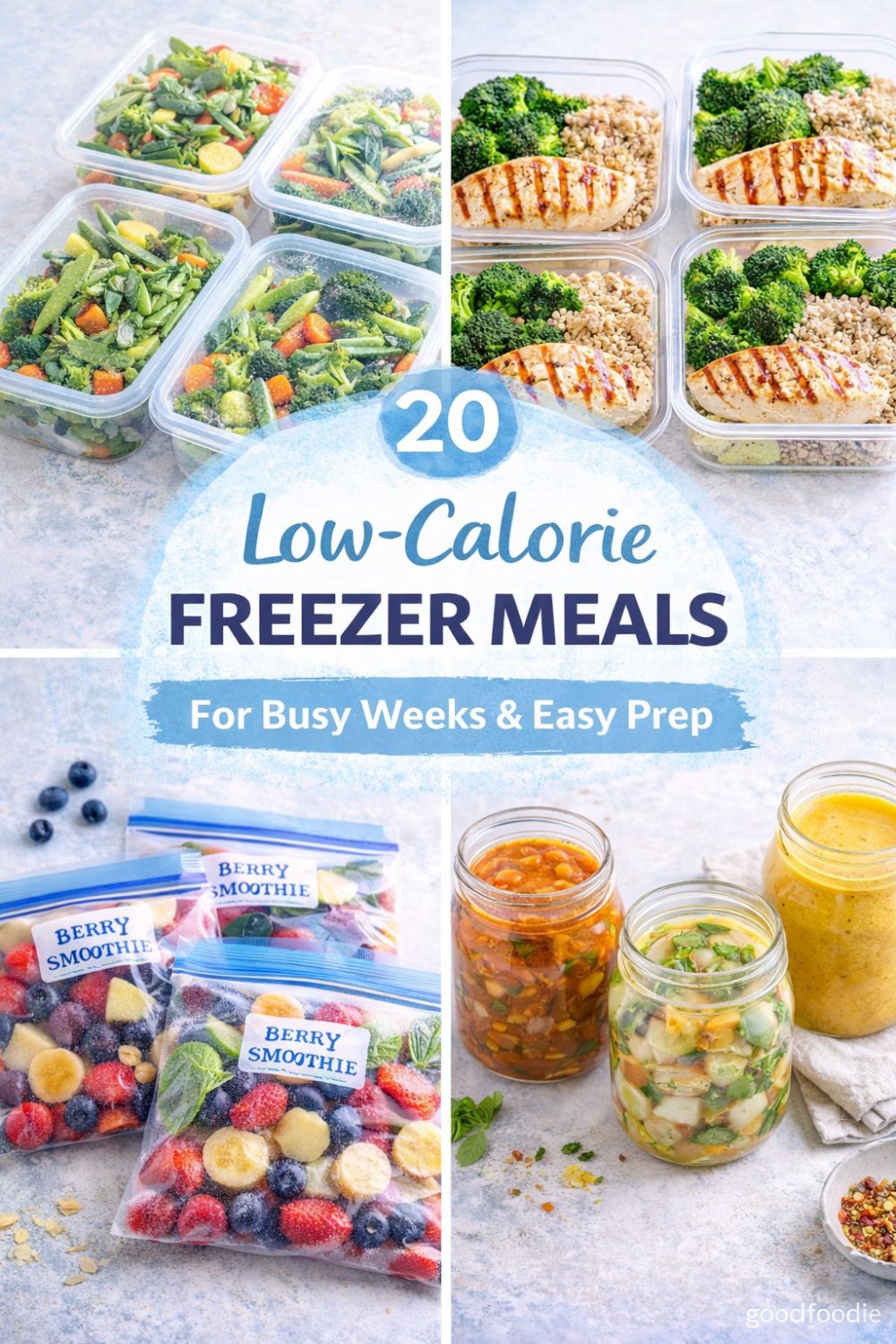
20 Low-Calorie Freezer Meals for Busy Weeks
Let’s be real—some weeks feel like a whirlwind of meetings, errands, and trying to remember if you fed the dog. The last thing you want is to stand in your kitchen at 7 PM, staring into an empty fridge, contemplating whether cereal counts as dinner. Been there, done that, got the T-shirt.
That’s where freezer meals swoop in like a superhero in sweatpants. We’re talking about real, low-calorie meals you can pull together ahead of time, stash in the freezer, and reheat when life gets chaotic. No sad TV dinners here—just actually good food that won’t derail your goals.
Think of your freezer as a secret weapon. When you batch-cook on a lazy Sunday, you’re basically giving future-you a huge favor. And honestly? Future-you will be eternally grateful when dinner is ready in 15 minutes flat.
Why Freezer Meals Are Actually Genius
Here’s the thing about freezer meals: they’re not just convenient—they’re legitimately smart. When you freeze food at peak freshness, you’re locking in nutrients that might otherwise degrade sitting in your fridge for days. Frozen vegetables, for instance, are often more nutritious than their “fresh” counterparts that have been traveling on trucks for a week.
Plus, batch cooking saves you actual money. You can buy ingredients in bulk when they’re on sale, cook everything at once, and avoid those expensive takeout nights when you’re too exhausted to think straight. IMO, that’s a win-win situation.
And let’s talk about portion control for a second. When you prep your own freezer meals, you decide exactly what goes in and how much. No sneaky extra calories, no mysterious sodium bombs—just clean eating on your terms.
The Science of Smart Freezing
Not all foods freeze equally, and understanding the basics helps you avoid freezer fails. According to USDA guidelines, your freezer should stay at 0°F or below. At this temperature, food stays safe indefinitely, though quality starts to decline after a few months.
The secret to preventing freezer burn? Air is your enemy. Get as much air out of those bags as possible before sealing. I use these reusable silicone freezer bags—they’re sturdier than regular plastic bags and you can squeeze out every last bit of air.
Cool your food before freezing, but don’t dawdle. Food sitting at room temperature for more than two hours becomes a bacteria playground. Divide large batches into smaller containers so they cool faster, then pop them straight into the freezer. This is where having multiple stackable glass meal prep containers becomes clutch.
Game-Changer Alert: Glass Meal Prep Container Set
After trying every container system out there, I finally found the holy grail. This 10-piece glass container set has literally transformed my meal prep game. No more mystery stains, no more weird smells that won’t wash out, and you can actually see what’s inside without playing freezer roulette.
The different sizes mean you can portion everything from individual breakfasts to family dinners. Stack them in your freezer, fridge, or pantry without that annoying Tupperware avalanche every time you open the door.
Check Current Price →What Freezes Well (And What Doesn’t)
Freezer Champions: Soups, stews, casseroles, cooked grains, lean proteins, most vegetables, and tomato-based sauces all freeze beautifully. They maintain texture and flavor like champs.
Freezer Flops: Cream-based sauces can separate (though you can sometimes fix this by whisking while reheating). Raw lettuce and cucumber turn into mush. Hard-boiled eggs get rubbery. Fried foods lose their crispiness unless you reheat them properly in an oven or air fryer.
Speaking of meal variety, if you’re looking for more ways to keep your weekly menu interesting, check out these 30 low-calorie lunch ideas or try some of these low-calorie dinners under 350 calories for easy rotation options.
20 Low-Calorie Freezer Meals That Actually Taste Good
Alright, let’s get to the good stuff. These meals are all under 400 calories per serving, packed with flavor, and freeze like absolute dreams.
1. Turkey Taco Bowls
Seasoned ground turkey over cauliflower rice with black beans, corn, and diced tomatoes. Assemble everything except the toppings, portion into containers, and freeze. When you’re ready to eat, microwave and top with fresh salsa and a dollop of Greek yogurt. Each serving clocks in around 320 calories and keeps you satisfied for hours.
The beauty of this meal is the customization. Don’t like cauliflower rice? Swap in brown rice or quinoa. Want more vegetables? Toss in bell peppers or zucchini. Get Full Recipe.
2. Chicken Burrito Bowls
Similar concept to the turkey bowls but with shredded chicken breast, pinto beans, and fajita-style peppers and onions. Season everything with cumin, chili powder, and garlic. Portion it out, freeze, and you’ve got lunch or dinner sorted.
I make a massive batch of these using this programmable slow cooker and freeze them in individual portions. Pop one in your bag in the morning, and it’ll be thawed by lunch. Just microwave for two minutes and you’re golden.
The Pressure Cooker That Changed My Life
Okay, dramatic? Maybe. But also true. This programmable pressure cooker has cut my meal prep time in half—no exaggeration. What used to take 4-6 hours in a slow cooker now takes 20-30 minutes. Same tender, fall-apart texture, but I’m not tethered to my kitchen all day.
I’ve made everything from shredded chicken to steel-cut oatmeal to entire batches of chili in this thing. If you’re serious about meal prep but short on time, this is the investment that actually pays off.
See It In Action →3. Vegetable Lasagna Roll-Ups
Individual lasagna noodles rolled with ricotta, spinach, and mushrooms, then topped with marinara sauce. These freeze brilliantly and bake straight from frozen. At around 280 calories per roll, you can even have two if you’re extra hungry.
The trick here is using whole wheat lasagna noodles for extra fiber and not drowning everything in cheese. A light sprinkle of mozzarella on top is plenty. Trust me on this one.
4. Asian Chicken Lettuce Wrap Filling
Ground chicken cooked with water chestnuts, ginger, garlic, and a lightened-up hoisin sauce. Freeze in portions, then reheat and serve in crisp lettuce leaves. This one’s around 220 calories per serving, leaving plenty of room for a side of brown rice if you want it.
Pro tip: Freeze the filling flat in these freezer-safe bags so it thaws quickly. An hour in cold water and you’re ready to go.
5. Mediterranean Chicken and Quinoa
Diced chicken breast, cooked quinoa, cherry tomatoes, kalamata olives, cucumber, and feta cheese with lemon-herb dressing. While the cucumber doesn’t freeze perfectly, adding it fresh after reheating keeps everything crisp. Each serving has about 340 calories and feels like you ordered from your favorite cafe.
6. Beef and Broccoli Stir-Fry
Lean beef strips, loads of broccoli, and a savory sauce made with low-sodium soy sauce, garlic, and ginger. Serve over cauliflower rice or regular brown rice. This classic takeout favorite comes in at 310 calories per serving when you make it at home.
The key is not overcooking the beef initially since it’ll cook more when you reheat. Keep it slightly pink, and it’ll be perfect after microwaving.
If you’re enjoying these protein-forward options, you might also love these 18 low-calorie high-protein meals for even more variety in your rotation.
7. Stuffed Bell Peppers
Bell peppers filled with lean ground beef (or turkey), brown rice, diced tomatoes, and Italian seasonings. These freeze individually wrapped and bake beautifully straight from the freezer. Each pepper has around 250 calories, making them perfect for a lighter dinner.
I prep these in batches of 12 using this large baking dish, freeze them on a sheet pan first, then wrap individually. They stack neatly in the freezer and you can grab one whenever you need it.
8. Chicken Enchilada Casserole
Layers of corn tortillas, shredded chicken, black beans, enchilada sauce, and a modest amount of cheese. Cut into portions before freezing so you can grab exactly what you need. Each square is about 320 calories of comfort food heaven.
The beauty of casseroles is they’re basically foolproof. Mix everything together, bake once, portion, freeze. Future-you gets an amazing meal with zero effort.
9. Lentil Bolognese
A vegetarian twist on the classic sauce using brown lentils, crushed tomatoes, carrots, celery, and Italian herbs. Serve over zucchini noodles or whole wheat pasta. At 280 calories per serving (with zoodles), it’s incredibly filling thanks to all that fiber.
Lentils are criminally underrated in meal prep. They’re cheap, packed with protein and fiber, and freeze perfectly. This sauce tastes even better after a few weeks in the freezer as the flavors meld together.
10. Thai Chicken Curry
Chunks of chicken breast simmered in light coconut milk with red curry paste, bell peppers, bamboo shoots, and basil. Portion over cauliflower rice for around 290 calories per serving. The coconut milk keeps everything creamy even after freezing.
Fair warning: this one has a kick. If you’re not into spicy food, use less curry paste or opt for a milder yellow curry instead.
11. Mushroom and Spinach Frittata Muffins
Individual egg muffins loaded with sautéed mushrooms, spinach, and a tiny bit of feta cheese. These freeze individually and reheat in under a minute. At only 95 calories each, you can have three or four for breakfast along with some fruit.
I bake these in a silicone muffin pan because they pop out effortlessly and cleanup is a breeze. Make a dozen on Sunday, freeze them in a container, and you’ve got quick breakfasts for almost two weeks.
12. Moroccan Chickpea Stew
Chickpeas, sweet potatoes, tomatoes, and warming spices like cumin, cinnamon, and turmeric create this cozy stew. Serve over couscous or enjoy it solo. Each bowl has about 310 calories and tastes like you spent hours on it (spoiler: you didn’t).
Research shows chickpeas are legitimately a weight loss superfood. They’re so filling that people who add them to a reduced-calorie diet often lose more weight than those who don’t. Science says so, and my stomach agrees.
For more plant-based options that are equally satisfying, explore this 1500-calorie vegetarian meal plan with tons of freezer-friendly recipes.
13. Zucchini Turkey Meatballs
Ground turkey mixed with shredded zucchini, breadcrumbs, egg, and Italian seasonings. Form into meatballs, bake, and freeze. These are incredibly versatile—add them to marinara for pasta, toss them in a sub sandwich, or eat them plain with roasted vegetables.
The zucchini keeps these meatballs super moist without adding many calories. Each meatball has about 45 calories, so you can have five or six with your meal and still stay well under 400 calories total.
14. Greek Chicken Bowls
Marinated chicken breast, cucumber-tomato salad, tzatziki sauce, and a small portion of couscous or brown rice. Freeze everything except the tzatziki and cucumber-tomato salad, which you’ll add fresh. This Mediterranean favorite is around 350 calories and tastes fresh even after freezing.
15. Vegetarian Chili
Three types of beans, diced tomatoes, corn, peppers, and chili spices create this hearty, freezer-friendly meal. Top with a sprinkle of cheese and cilantro when serving. Each bowl has about 270 calories and enough protein to keep you satisfied.
Chili is the ultimate freezer meal. It actually tastes better after freezing because the flavors have time to develop. Make a massive pot, freeze in portions, and you’re set for weeks.
16. Teriyaki Salmon with Vegetables
Salmon portions marinated in homemade teriyaki sauce with snap peas, bell peppers, and onions. Flash freeze on a sheet pan, then transfer to containers. This one’s around 330 calories per serving and feels fancy enough for company.
Salmon freezes surprisingly well if you do it right. The key is using really fresh salmon and freezing it quickly. Avoid refreezing previously frozen fish—that’s when you get that mushy texture nobody likes.
17. Breakfast Burrito Bonanza
Scrambled eggs, turkey sausage, black beans, peppers, and a sprinkle of cheese wrapped in whole wheat tortillas. Wrap individually in foil, then freeze. Microwave for two minutes, and you’ve got breakfast in bed. Each burrito is about 310 calories.
These are lifesavers on busy mornings. I wrap mine in parchment paper first, then foil, so they don’t stick when reheating.
18. Cauliflower Fried Rice
Riced cauliflower, scrambled eggs, peas, carrots, and your choice of protein (chicken, shrimp, or tofu) with soy sauce and sesame oil. This low-carb miracle is only 240 calories per generous serving.
Using cauliflower rice instead of regular rice cuts the calories significantly while keeping you full. Add some edamame for extra protein, and you’ve got a complete meal that reheats perfectly.
19. Italian Wedding Soup
Mini turkey meatballs, orzo pasta, spinach, and carrots in a light chicken broth. This comforting soup freezes beautifully and tastes homemade every time. At 260 calories per bowl, it’s perfect for a light dinner.
Make the meatballs tiny—like marble-sized—so they heat through quickly. I use this small cookie scoop to keep them uniform, which means they cook evenly.
20. Pulled BBQ Chicken
Slow-cooked chicken breast shredded and tossed in a tangy, lightened-up BBQ sauce. Freeze in portions and use for sandwiches, over baked sweet potatoes, or mixed into a salad. Each serving has about 280 calories and tastes like summer.
I make this in my pressure cooker because it’s done in 20 minutes instead of hours. Same tender, shredded texture with way less waiting around.
For complete meal planning that includes all these options and more, check out this 30-day low-calorie meal plan with printable shopping lists and prep guides.
Essential Freezer Meal Prep Tools
You don’t need a ton of fancy equipment, but a few key items make freezer meal prep infinitely easier. Here’s what actually gets used in my kitchen every single week.
Glass containers with locking lids: These are non-negotiable. This 10-piece set has been my workhorse for two years. Glass doesn’t absorb odors or stains, and you can see exactly what’s inside without opening every container.
Reusable freezer bags: For soups, sauces, and anything liquid-ish, these silicone bags are amazing. They lay flat for easy storage and don’t leak like cheaper versions.
Vacuum sealer: Not essential but incredibly helpful for long-term storage. A vacuum sealer removes all air and prevents freezer burn better than any other method. Plus, it makes you feel like a professional meal prep wizard.
Sheet pans: For flash freezing items like meatballs, burritos, or anything you want to freeze individually before storing together. These heavy-duty pans won’t warp in the oven or freezer.
Meal Prep Day Game Plan
Here’s how I knock out a month’s worth of freezer meals in one afternoon without losing my mind. This system works whether you’re making five meals or twenty.
Saturday: Planning and shopping. Pick your recipes, make a master shopping list, and hit the store. Buy ingredients that overlap between recipes to save money and reduce waste.
Sunday morning: Mise en place. Wash and chop all vegetables. Cook any grains or pasta. Brown any meat that needs browning. This assembly-line approach is way more efficient than cooking one recipe at a time.
Sunday afternoon: Assembly and cooking. Now you’re just combining ingredients according to each recipe. Everything cooks simultaneously—soup on the stove, casserole in the oven, slow cooker doing its thing.
Sunday evening: Cooling, portioning, labeling. Let everything cool to room temperature, divide into portions, label with date and instructions, then freeze. Boom. Future-you is set for weeks.
Ultimate Freezer Meal Prep Bundle
Want to skip the planning phase entirely? This complete digital bundle includes everything you need to master freezer meal prep—meal plans, shopping lists, prep schedules, and printable labels all organized and ready to use.
- 50+ Freezer-Friendly Recipe Cards with calorie counts
- 4 Weekly Meal Prep Plans (1200, 1400, 1600, 1800 calories)
- Printable Shopping Lists organized by store section
- Freezer Inventory Tracker Spreadsheet
- Pre-Made Container Labels (PDF + Editable)
- Step-by-Step Prep Day Schedule
Download instantly and start prepping this weekend. No more scrambling to figure out what to make or how much to buy. Everything’s calculated, organized, and ready to print.
Get Instant Access →Safe Freezing and Reheating Tips
Food safety isn’t sexy, but food poisoning is even less sexy. Here’s what you need to know to keep everything safe and delicious.
The USDA recommends cooling hot food quickly before freezing. Divide large batches into smaller containers so they reach freezer temperature faster. Don’t let food sit at room temperature for more than two hours—that’s prime time for bacteria to throw a party.
Label everything with the date. Frozen meals are safe indefinitely at 0°F, but quality starts declining after three to four months. Chicken and turkey are best within three months, while soups and stews can go six months without much quality loss.
When reheating, bring everything to 165°F to kill any potential bacteria. I use this instant-read thermometer to check—it’s faster and more accurate than guessing.
Thaw frozen meals in the refrigerator overnight or use the defrost setting on your microwave. Never thaw on the counter—that’s a bacterial breeding ground waiting to happen.
The Vacuum Sealer That’s Worth Every Penny
I resisted buying a vacuum sealer for years because it felt excessive. Then I tried one and immediately regretted waiting. This thing has eliminated freezer burn completely, extended my food storage time by months, and honestly makes me feel like a meal prep professional.
It’s not just for freezer meals either—I use it for marinating meat (the vacuum helps flavors penetrate faster), storing pantry items like flour and sugar, and even sous vide cooking. If you’re batch cooking regularly, this upgrade is genuinely game-changing.
Get The Details →Common Freezer Meal Mistakes (And How to Avoid Them)
Mistake 1: Overfilling containers. Liquids expand when frozen. Leave about an inch of space at the top, or you’ll have cracked containers and a mess. Ask me how I know.
Mistake 2: Not removing air from bags. Air causes freezer burn, which makes food taste like cardboard. Squeeze it all out, or better yet, invest in that vacuum sealer I mentioned earlier.
Mistake 3: Forgetting to undercook pasta. If your freezer meal includes pasta, cook it al dente—still slightly firm. It’ll finish cooking when you reheat, and you won’t end up with mush.
Mistake 4: Skipping the label. Mystery freezer meals are never as fun as they sound. Write down what it is, when you made it, and how to reheat it. Your future self will be confused otherwise.
Mistake 5: Freezing everything in one giant container. Unless you’re feeding an army, portion meals individually or in family-sized servings. You don’t want to thaw a week’s worth of food when you only need dinner for two.
If you’re looking for even more low-calorie meal options to add to your freezer rotation, this collection of 25 low-calorie meals under 300 calories is perfect for mixing things up throughout the month.
Maximizing Flavor After Freezing
Some meals taste just as good after freezing, but others need a little boost to bring them back to life. Here’s how to make everything taste fresh-made.
Add fresh herbs after reheating. Frozen herbs lose their vibrant flavor, so toss in some fresh cilantro, basil, or parsley after heating. It makes a huge difference.
Finish with acid. A squeeze of lemon or lime juice, a splash of vinegar, or even a spoonful of salsa brightens flavors that might have dulled in the freezer.
Toast spices before adding. If your reheated curry or chili tastes flat, toast some cumin or curry powder in a dry pan for 30 seconds, then stir it in. The toasting releases oils and wakes up the flavors.
Add texture. Sprinkle some toasted nuts, crispy chickpeas, or fresh vegetables on top. It gives your meal that “just made” feeling instead of “just microwaved.”
Budget-Friendly Freezer Meal Strategies
Eating healthy doesn’t mean emptying your wallet. FYI, these strategies keep costs down while still creating delicious, nutritious meals.
Buy in bulk and portion yourself. Family packs of chicken breast are way cheaper per pound. Buy big, portion into meal-sized amounts, and freeze what you don’t use immediately.
Use cheaper protein sources. Ground turkey, chicken thighs, and canned beans are all budget-friendly and freeze beautifully. Save the expensive cuts of fish or steak for fresh meals.
Shop sales and freeze. When bell peppers go on sale, buy extra, chop them, and freeze in portions. Same with any vegetables or proteins. Your freezer becomes your personal sale storage unit.
Don’t waste odds and ends. That half onion, those three carrots, the handful of leftover vegetables—toss them all into a freezer bag. When it’s full, make soup or vegetable stock.
Compare fresh versus frozen vegetables. Sometimes frozen is actually cheaper and more nutritious. Frozen broccoli, peas, and mixed vegetables are lifesavers for quick meal prep.
Speaking of budget-friendly meal planning, this 14-day 1500-calorie meal plan is specifically designed to keep grocery costs low while maintaining nutrition and variety.
Complete Low-Calorie Meal Planning System
Stop wasting money on meal planning apps with recurring fees. This one-time purchase gives you lifetime access to a complete meal planning system designed specifically for busy women trying to lose weight without feeling deprived.
- 12 Complete Monthly Meal Plans (1200-1800 calorie options)
- 300+ Low-Calorie Recipes with macros calculated
- Grocery Shopping Lists for every plan
- Meal Prep Guide with time-saving strategies
- Printable Meal Planning Calendar
- Restaurant Eating Guide with low-calorie swaps
- BONUS: Snack Ideas & Emergency Meal Solutions
Instant PDF download means you can start today. Print what you need, use it on your tablet, or keep it on your phone. One purchase, endless meal planning possibilities.
Download Now →Freezer Organization 101
A messy freezer is a frustrating freezer. Here’s how to keep everything organized so you actually know what you have.
Use bins or baskets. Group similar items together—breakfast stuff in one bin, dinners in another, components like cooked grains or sauces in a third. I use these stackable freezer bins and can actually see what I have at a glance.
Stack flat. Freeze soups and sauces in bags laying flat. Once frozen, you can stand them up like files in a filing cabinet. This saves massive amounts of space and makes everything visible.
Keep an inventory list. Tape a list to your freezer door and cross off items as you use them. Sounds nerdy, but it prevents those “I know I made chicken enchiladas but where are they?” moments.
Rotate stock. New meals go in the back, older meals come to the front. This ensures you use everything before quality declines. It’s the same system grocery stores use, and it works.
Customizing for Dietary Needs
These recipes are flexible enough to work with almost any dietary preference or restriction. Here’s how to adapt them.
Low-carb or keto: Swap regular rice for cauliflower rice, use zucchini noodles instead of pasta, and skip beans in favor of extra protein and vegetables. Most of these meals adapt easily.
Vegetarian or vegan: Replace meat with plant-based proteins like tempeh, tofu, or extra beans and lentils. The lentil bolognese and chickpea stew are already vegetarian winners. For vegan options, skip the cheese or use nutritional yeast for that savory, cheesy flavor.
Gluten-free: Use gluten-free pasta, breadcrumbs, and tortillas. Most of these meals are naturally gluten-free or easily adaptable. Just check your sauce labels—some sneaky gluten hides in soy sauce and pre-made seasonings.
Dairy-free: Skip the cheese or use dairy-free alternatives. Coconut milk works great in place of cream in many recipes. The Thai curry is already naturally dairy-free.
If you’re following a specific calorie target, these structured meal plans make it easy: try this 7-day 1200-calorie meal plan or this 7-day 1400-calorie meal plan depending on your goals.
Printable Freezer Meal Planner & Organization Kit
The difference between freezer meal success and freezer meal chaos? Organization. This digital planner gives you every printable template you need to track, organize, and maximize your freezer meal prep efforts.
- Freezer Inventory Tracker (know exactly what you have)
- Meal Prep Planning Sheets (organize your prep days)
- Printable Freezer Labels (multiple designs included)
- Recipe Conversion Cards (adapt any recipe for freezing)
- Thawing Schedule Planner (never forget to thaw again)
- Batch Cooking Calculators (scale recipes easily)
- Freezer Shelf Life Chart (food safety guide)
Print as many copies as you need. Laminate them, use them in a binder, or stick them on your freezer door. Everything you need to stay organized and stress-free with freezer meals.
Get Your Kit →Making Freezer Meals Kid-Friendly
Getting kids to eat healthy freezer meals doesn’t have to be a battle. A few simple tweaks make these meals more appealing to picky eaters.
Let them help prep. Kids are way more likely to eat something they helped make. Even young children can help measure ingredients or stir bowls. Plus, it’s sneaky life skills education.
Dial back the spices. Make a base version that’s mild, then adults can add hot sauce or extra seasoning to their own portions. The Thai curry and chili are perfect for this approach.
Use fun names. “Turkey taco bowls” sound way more exciting than “ground turkey with vegetables.” Marketing matters, even to five-year-olds.
Add dipping sauces. Kids love dipping things. Serve meals with small containers of ranch, ketchup, or whatever they’ll actually eat. If dipping vegetables in ranch gets them eating vegetables, that’s a win in my book.
When Life Gets Really Crazy
Some weeks are worse than others. Here’s your emergency game plan for when even reheating feels like too much work.
Keep emergency meals accessible. Designate one bin in your freezer as the “grab and go” section. These should be your absolute easiest, fastest meals—breakfast burritos, soup portions, anything that reheats in under five minutes.
Prep reheating instructions ahead. Write detailed instructions on each container: “Microwave on high for 3 minutes, stir, continue 2 more minutes.” When you’re exhausted, decision-making is hard. Remove that obstacle.
Double batch your favorites. If you’re making one pan of enchiladas, making two takes barely any extra time. One for now, one for the freezer. This is especially helpful with recipes your whole family loves.
Keep backup sides frozen too. Frozen vegetables, pre-cooked brown rice, and cauliflower rice all reheat quickly. Having these components ready means you can stretch meals or bulk them up if someone’s extra hungry.
For even more meal prep inspiration and complete weekly plans, explore these 25 low-calorie crockpot meals that work perfectly alongside your freezer meal rotation.
Join Our Free WhatsApp Community
Want daily meal prep tips, exclusive recipes, and support from women just like you? Join our private WhatsApp channel where we share everything that doesn’t make it to the blog.
- Daily low-calorie recipe ideas delivered to your phone
- Weekly meal prep reminders and motivation
- Exclusive freezer meal hacks and shortcuts
- Quick wins and time-saving tips you won’t find anywhere else
- Real-time support from our community of meal preppers
- Early access to new recipes and meal plans
It’s completely free. No spam. Just value.
Join the Community →Join 12,500+ women already meal prepping smarter, not harder
Thawing Methods That Actually Work
The way you thaw meals affects both safety and quality. Here are your best options, ranked by how much planning ahead you did.
Overnight in the fridge (Best method): Move your meal from freezer to fridge the night before. It thaws slowly and safely. This is the gold standard, but it requires thinking ahead.
Cold water bath (Forgot to plan): Seal your meal in a waterproof bag and submerge in cold water. Change the water every 30 minutes. A pound of food thaws in about an hour. Not as safe as the fridge method, but faster and still responsible.
Microwave defrost (Emergency mode): Use your microwave’s defrost setting, but pay attention. Some spots might start cooking while others stay frozen. Stir frequently and cook immediately after thawing.
Cook from frozen (The hero move): Many meals, especially soups and casseroles, can go straight from freezer to oven or stovetop. Just add extra cooking time. This is why I love individual portions—they heat through more evenly.
Frequently Asked Questions
How long do homemade freezer meals actually last?
Most cooked meals stay safe indefinitely at 0°F, but quality is best within three to four months. Soups and stews can go six months without much change in taste or texture. Label everything with dates so you know what to use first. If something develops freezer burn or weird colors, toss it—your health isn’t worth the gamble.
Can I freeze meals in glass containers without them breaking?
Absolutely, but leave about an inch of headspace for expansion. Liquids expand when frozen, and without that space, glass can crack. I’ve been using the same glass containers for two years without a single break by following this rule. Also, let hot food cool completely before putting glass containers in the freezer—sudden temperature changes can cause cracking.
What’s the best way to prevent freezer burn?
Remove as much air as possible before sealing. For bags, press out air manually or use a vacuum sealer. For containers, use appropriately sized ones so there’s minimal empty space. Wrap items in plastic wrap before placing in containers for extra protection. Freezer burn doesn’t make food unsafe, but it definitely affects taste and texture.
Can I refreeze meals after thawing them?
If you thawed food in the refrigerator and it still has ice crystals or feels very cold, you can refreeze it safely—though quality might suffer. Never refreeze food that’s been sitting at room temperature for more than two hours. Honestly though, I just plan to eat whatever I thaw within a couple days to avoid this issue entirely.
Do freezer meals really save money compared to buying frozen dinners?
Hands down, yes. Store-bought frozen meals cost anywhere from five to ten dollars each and are often loaded with sodium and preservatives. Making your own costs maybe two to three dollars per serving, sometimes less. Plus, you control ingredients, portions, and nutrition. The upfront time investment pays off financially and health-wise.
Conclusion
Freezer meals aren’t just about convenience—they’re about taking control of your time, budget, and health all at once. When you have a freezer stocked with homemade, low-calorie meals, those hectic weeknights become way less stressful. No more guilt-ordering pizza because you’re too exhausted to cook. No more standing in front of the fridge at 7 PM wondering what’s for dinner.
Start small if this feels overwhelming. Pick three recipes from this list, prep them this weekend, and see how it goes. You’ll probably be amazed at how much easier your week becomes. Then gradually build your freezer stash until you’ve got a solid rotation going.
The best part? These meals get you closer to your health goals without feeling like you’re sacrificing flavor or variety. They’re real food that real people actually want to eat, not sad diet meals you choke down out of obligation.
So grab those containers, fire up the stove, and give yourself the gift of future convenience. Your stressed-out, hungry future self will thank you every single time they pull a homemade meal out of the freezer instead of dialing for delivery.