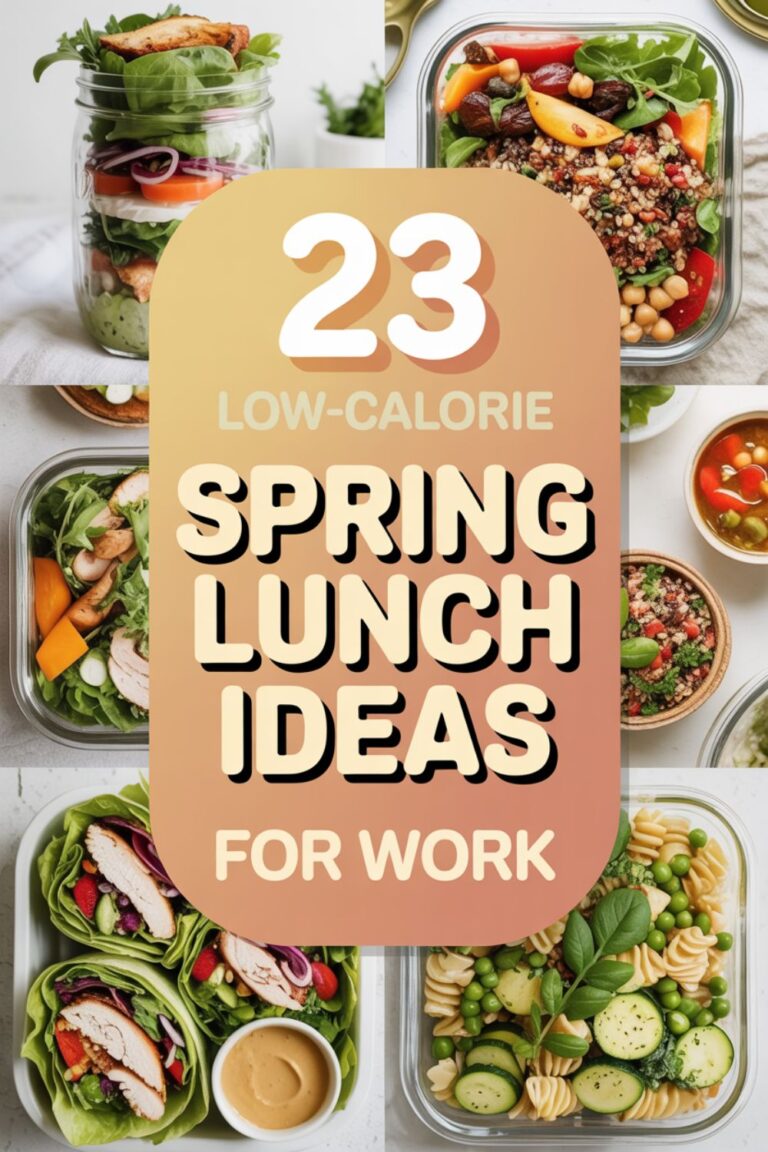
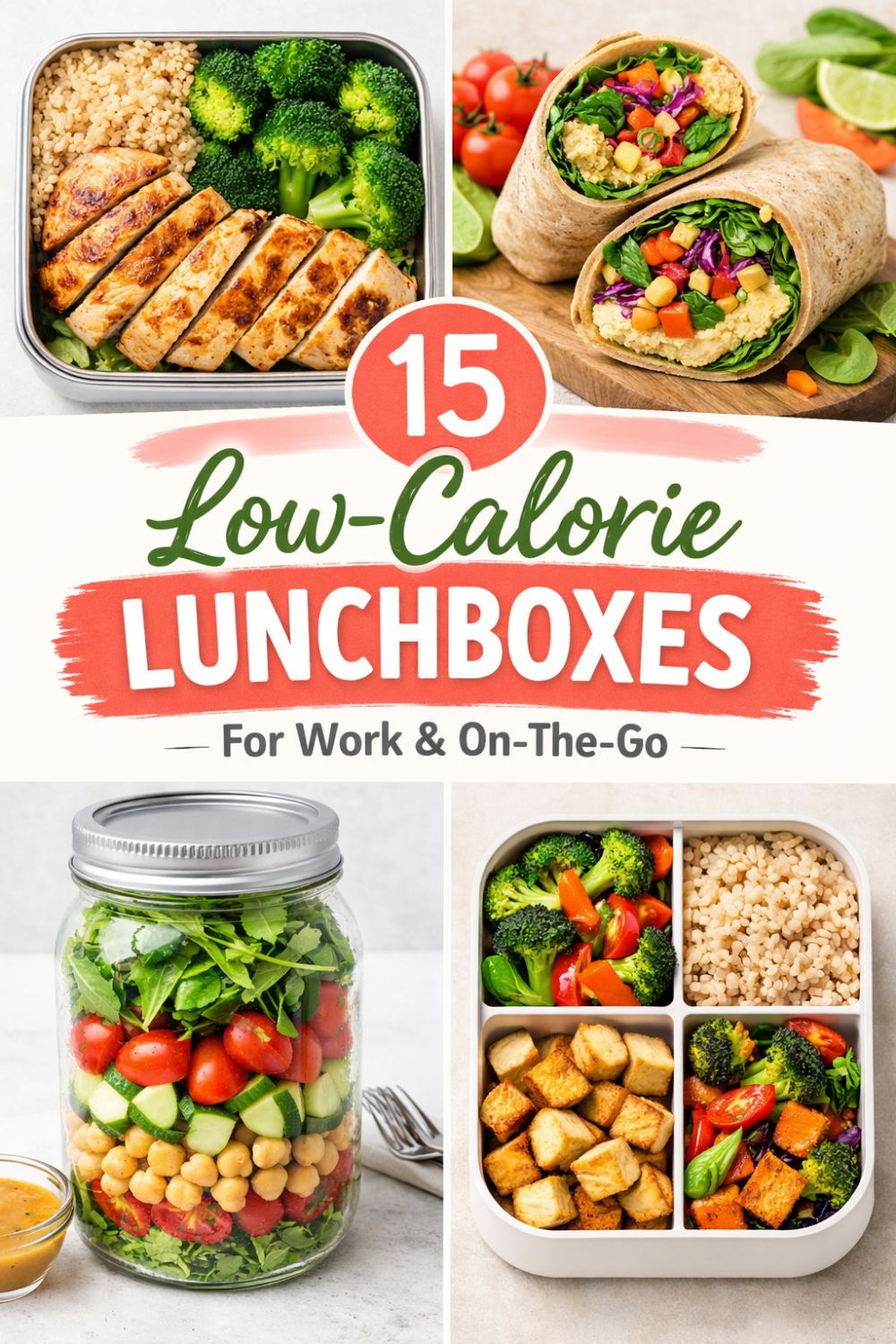
15 Low-Calorie Lunchboxes for Work That Actually Keep You Full
Let’s be real—packing lunch for work feels like one more thing on an already endless to-do list. You want something that won’t leave you starving by 3 PM, but you also don’t want to blow your calorie budget before dinner. Been there, done that, bought the sad desk salad.
Here’s the thing: low-calorie doesn’t have to mean low satisfaction. I’ve spent way too many lunch breaks staring at wilted lettuce wondering why I do this to myself. After years of trial and error (and a few questionable microwave explosions), I’ve figured out what actually works—lunchboxes that clock in around 300-400 calories but pack enough protein, fiber, and flavor to keep you going.
These 15 lunchbox ideas aren’t about deprivation. They’re about smart combinations that fill you up without filling you out. Think Mediterranean-inspired bowls, protein-packed wraps, and yes, even some comfort food that won’t derail your goals. Ready to stop dreading lunch prep? Let’s go.
Why Low-Calorie Lunchboxes Actually Work
Okay, so why bother with low-calorie lunches in the first place? Because they work, plain and simple. Research shows that meals containing around 400-500 calories can help with weight management when paired with nutrient-dense foods like vegetables, lean proteins, and whole grains.
The secret sauce isn’t just cutting calories—it’s about what those calories are made of. I learned this the hard way after spending months eating nothing but plain chicken and steamed broccoli. Sure, it was low-calorie, but I was miserable and constantly hungry. The key is balancing protein, fiber, and healthy fats so your body actually feels satisfied.
Think about it like this: a 350-calorie lunch with grilled chicken, quinoa, and roasted vegetables will keep you full way longer than a 350-calorie bagel with cream cheese. Both have the same calories, but one gives your body actual fuel while the other just spikes your blood sugar and leaves you crashing an hour later.
💡 Pro Tip
Prep your veggies and proteins on Sunday night. I’m talking chopping, roasting, and portioning everything into containers. It sounds like a commitment, but trust me—you’ll thank yourself all week when lunch assembly takes about 3 minutes instead of 30.
Another game-changer? Portion control without feeling restricted. Using divided containers helps you naturally balance your plate without needing to pull out measuring cups or stress about macros. One section for protein, one for complex carbs, and the biggest section for vegetables. Simple as that.
The Science Behind Staying Full on Fewer Calories
Let’s talk about what actually keeps you satisfied. It’s not magic—it’s biology. Protein takes longer to digest than carbs, which means it keeps you fuller longer. That’s why a lunch with 25-30 grams of protein will carry you through to dinner way better than a carb-heavy sandwich.
Fiber is the other MVP here. It adds bulk to your meals without adding calories, and it slows down digestion so you’re not ravenous an hour later. Vegetables, beans, and whole grains are your best friends. I’ve found that adding just a cup of raw vegetables or a half-cup of beans to my lunch makes a massive difference in how satisfied I feel.
And here’s something most people don’t think about: meal volume matters. Your stomach has stretch receptors that signal fullness to your brain. So a big salad with lots of greens, cucumbers, and tomatoes can be super filling even though it’s low in calories. It’s all about choosing foods with high water content and low calorie density.
Want to maximize that fullness factor? I’ve had great success following some of the principles from 7-day 1200-calorie meal plans and 30-day low-calorie meal plans. They’re built around this exact concept—maximum volume, maximum nutrition, minimum calories.
Essential Tools for Lunchbox Success
Before we get into the actual lunchbox ideas, let’s talk gear. Because having the right containers can honestly make or break your meal prep game. I’ve gone through more containers than I care to admit—leaky lids, cracked plastic, and that one glass container that exploded in my bag (never again).
First up, you need good quality meal prep containers with tight-sealing lids. I prefer the ones with separate compartments because they keep everything fresh and prevent that sad soggy salad situation. Glass is my go-to for reheating, but BPA-free plastic works great if you’re worried about weight or breakage.
A reliable insulated lunch bag is non-negotiable, especially if you’re packing things like Greek yogurt or anything with a dressing. Trust me, food poisoning from warm mayo is not a fun way to learn this lesson. I also toss in a couple of ice packs to keep everything at a safe temp until lunch.
Here’s my other secret weapon: small silicone containers for dressings and sauces. Game changer. You can keep your dressing separate until you’re ready to eat, which means no more soggy lettuce by noon. They’re also perfect for portion-controlling things like hummus or guacamole.
💡 Quick Win
Invest in at least 5-7 containers so you can prep the whole work week at once. Doing everything in one session is way more efficient than prepping daily. Plus, you’re less likely to bail and order takeout when lunch is already ready.
💬 Join Our WhatsApp Community
Want daily meal prep tips, recipe ideas, and motivation from people who actually get it? Join our free WhatsApp channel where we share exclusive low-calorie recipes, meal prep hacks, and real talk about making healthy eating work in real life. Click here to join the community and never run out of lunch ideas again.
Don’t sleep on a good food scale either. I resisted getting one for the longest time because it seemed obsessive, but honestly? It takes the guesswork out of portions. You’ll quickly learn what 4 oz of chicken or 1/2 cup of quinoa looks like, and then you won’t even need to use it anymore.
🍱 Featured Product: Premium Glass Meal Prep Containers
After testing probably 20 different container sets, these are hands-down my favorites. They’re freezer-safe, microwave-safe, and the lids actually stay sealed (no more mystery stains in your bag). The three-compartment design keeps everything separated perfectly, and they stack beautifully in the fridge without taking over your entire shelf.
Why I love them: Durable borosilicate glass, dishwasher-safe, BPA-free lids, and they come in a 5-pack which is perfect for weekday meal prep. Worth every penny.
Building Your Perfect Low-Calorie Lunchbox
Alright, let’s break down the formula. Every satisfying low-calorie lunch needs three core components: protein, fiber-rich carbs, and vegetables. Get these right, and you’ve basically cracked the code.
Start with your protein—about 4-6 oz or around 25-35 grams of actual protein. This could be grilled chicken, turkey, salmon, tofu, chickpeas, whatever floats your boat. The protein is what’s going to keep you full and prevent that afternoon energy crash.
Next up, add your complex carbs. We’re talking about 1/2 to 3/4 cup of things like quinoa, brown rice, sweet potato, or whole grain pasta. These give you sustained energy without the blood sugar rollercoaster of refined carbs. FYI, this is where a lot of people mess up—they either skip carbs entirely (hello, crankiness) or go overboard.
Finally, pile on the vegetables. Like, a lot of vegetables. At least 1-2 cups worth. This is where you can really bulk up your meal without adding many calories. Roasted broccoli, raw bell peppers, cucumber slices, cherry tomatoes, sautéed zucchini—go wild. The more colorful, the better.
If you’re looking for more structured guidance on building balanced meals, check out this 14-day 1500-calorie meal plan. It’s budget-friendly and shows you exactly how to portion everything out. Also, the high-protein 1200-calorie meal plan is fantastic if you want to stay fuller longer.
Season everything aggressively. This is crucial. Low-calorie doesn’t mean low-flavor. I’m talking garlic powder, smoked paprika, cumin, fresh herbs, lemon juice—whatever makes your taste buds happy. The difference between bland meal prep and something you actually look forward to eating is about 30 seconds of seasoning.
15 Low-Calorie Lunchbox Ideas That Actually Deliver
1. Mediterranean Chicken Bowl (385 calories)
This is my ride-or-die lunch. Grilled chicken breast over a bed of mixed greens, with cherry tomatoes, cucumber, red onion, and a small amount of crumbled feta. Dress it with lemon juice and a teaspoon of olive oil. The Mediterranean flavors make this feel way more indulgent than 385 calories has any right to be.
The combo of lean protein and fresh vegetables hits all the right notes. Plus, you can meal prep the chicken ahead and just assemble everything the morning of. I usually make enough chicken for three days because let’s be honest, doing this every single day would be exhausting.
2. Turkey and Veggie Wrap (340 calories)
Sometimes you just need something handheld, you know? Take a whole wheat tortilla (the high-fiber kind), layer on 4 oz of sliced turkey breast, tons of spinach, sliced bell peppers, shredded carrots, and a tablespoon of hummus. Roll it up tight, and you’ve got a portable lunch that won’t leave you hungry.
The hummus adds creaminess without the calories of mayo, and all those vegetables add serious crunch. I like using burrito-size wraps because they’re easier to wrap without everything falling apart. Nothing worse than a lunch that explodes all over your desk.
3. Asian-Inspired Shrimp Stir-Fry (360 calories)
This one tastes like takeout but without the massive calorie hit. Stir-fry shrimp with snap peas, bell peppers, broccoli, and a small portion of brown rice. The sauce is key here: low-sodium soy sauce, a touch of sesame oil, ginger, and garlic. Maybe a tiny bit of honey if you like it sweet.
Shrimp cooks crazy fast, which is perfect for weeknight prep. And here’s a little trick: I use pre-spiralized vegetables sometimes instead of rice to cut even more calories. Zucchini noodles work great with Asian flavors.
4. Quinoa and Black Bean Buddha Bowl (395 calories)
Buddha bowls are basically just an excuse to throw a bunch of good stuff in a container and call it lunch. This version has quinoa as the base, black beans for protein, roasted sweet potato cubes, avocado slices (just 1/4 of an avocado to keep calories in check), and whatever raw vegetables you have lying around.
Top it with a lime-cilantro dressing or a light tahini sauce. The combination of complex carbs, plant-based protein, and healthy fats makes this surprisingly filling. It’s also vegan if that matters to you, though honestly, I just think it tastes good.
For more plant-based inspiration, definitely check out this 1500-calorie vegetarian meal plan. It’s loaded with ideas that don’t rely on meat but still pack serious protein.
5. Tuna Salad-Stuffed Avocado (320 calories)
Okay, hear me out on this one. Take a can of tuna packed in water, mix it with a tiny bit of Greek yogurt instead of mayo, add diced celery and red onion, then stuff it into half an avocado. Serve it over greens if you want more bulk.
The avocado replaces bread and adds those healthy fats that help you stay full. Plus, it just looks fancy, which somehow makes lunch feel like less of a chore. IMO, presentation matters even when you’re eating at your desk.
6. Chicken Fajita Salad (370 calories)
All the flavors of fajitas without the tortilla. Season chicken strips with cumin, chili powder, and paprika, then grill or sauté with sliced bell peppers and onions. Pile everything over romaine lettuce and top with salsa, a dollop of Greek yogurt (it’s basically sour cream), and a few tortilla strips for crunch.
This is one of those meals that feels indulgent but totally fits into a calorie-conscious plan. The salsa adds tons of flavor without adding calories, and the Greek yogurt gives you extra protein as a bonus.
Speaking of satisfying Mexican-inspired meals, you might also love these 25 low-calorie meals under 300 calories or try some of the options in 30 easy low-calorie dinner ideas for more variety throughout your week.
7. Egg Salad Lettuce Cups (290 calories)
Hard-boiled eggs are criminally underrated for lunch. Chop up 3 eggs, mix with a bit of Greek yogurt (seeing a theme here?), mustard, diced celery, and spices. Scoop the mixture into large lettuce leaves instead of bread.
Three eggs give you about 18 grams of protein, and using lettuce instead of bread saves you probably 200 calories. You can eat like 4 of these lettuce cups and still be well under 300 calories. Plus, eggs are cheap, which is always a win.
8. Grilled Salmon with Roasted Brussels Sprouts (380 calories)
Sometimes you want lunch to feel like an actual meal, not just sad desk food. A 4 oz portion of grilled salmon with roasted Brussels sprouts and a small serving of wild rice hits the spot. The salmon gives you those omega-3s everyone’s always talking about, and Brussels sprouts are shockingly good when you roast them with a little garlic.
I usually roast my Brussels sprouts with just a spritz of olive oil cooking spray and some salt. They get all crispy and caramelized, nothing like those mushy boiled ones your mom made you eat as a kid.
🔥 Featured Product: Digital Kitchen Scale
This little gadget changed my entire meal prep game. I thought I was good at eyeballing portions—spoiler alert, I wasn’t. This scale is crazy accurate, switches between grams and ounces instantly, and has a tare function so you can weigh ingredients right in your prep bowl. Plus it’s sleek enough that I don’t mind leaving it on my counter.
Game-changer feature: The battery lasts forever (seriously, I’ve had mine for 8 months and haven’t changed it once), and the auto-off function saves power when you forget to turn it off.
9. Caprese Chicken with Zoodles (325 calories)
Grilled chicken breast topped with fresh mozzarella, tomato slices, and basil, served over zucchini noodles with a balsamic drizzle. It’s basically summer in a container. The zucchini noodles (zoodles if you’re fancy) replace pasta and save you a ton of calories while adding extra vegetables.
If you don’t have a spiralizer, you can buy pre-made zoodles at most grocery stores now. Yeah, they’re slightly more expensive, but the convenience factor is worth it when you’re short on time. I sauté mine quickly with garlic for like 2 minutes—just enough to soften them without turning them into mush.
10. Thai Peanut Chicken Bowl (405 calories)
This one’s got serious flavor. Grilled chicken over cauliflower rice, topped with shredded cabbage, carrots, edamame, and a light peanut sauce. The peanut sauce is where the magic happens: mix powdered peanut butter (way fewer calories than regular), a splash of low-sodium soy sauce, lime juice, and a touch of sriracha.
Powdered peanut butter is one of those things I wish I’d discovered sooner. You get all that peanut flavor with a fraction of the calories and fat. And honestly, in sauces, you can’t even tell the difference.
11. Greek Lemon Chicken with Orzo (390 calories)
Lemon and herb marinated chicken with a small portion of orzo pasta, cherry tomatoes, kalamata olives (just a few—they’re calorie-dense), and crumbled feta. The bright, tangy flavors make this feel like you’re eating at a restaurant instead of out of a plastic container at your desk.
The key is marinating the chicken overnight in lemon juice, garlic, oregano, and a tiny bit of olive oil. It makes such a difference in flavor that you won’t even miss the extra calories from heavier sauces.
If Greek flavors are your thing, you’ll definitely want to explore the recipes in 21 low-calorie dinners under 350 calories. Get Full Recipe ideas that pair perfectly with this Mediterranean vibe.
12. Veggie-Packed Frittata Squares (280 calories)
Make a big frittata on Sunday loaded with spinach, mushrooms, bell peppers, and a bit of cheese, then slice it into squares for easy grab-and-go lunches. Each square is loaded with protein from the eggs and volume from all those vegetables.
I bake mine in a 9×13 baking dish and cut it into 6 portions. They reheat perfectly in the microwave and honestly taste just as good cold if you’re in a rush. Pair it with a side salad and you’ve got a complete meal.
13. Teriyaki Tofu Stir-Fry (355 calories)
Even if you’re not vegetarian, tofu is worth trying for lunch. Press it well, cube it, then pan-fry until crispy. Toss with broccoli, snap peas, carrots, and a homemade teriyaki sauce over cauliflower rice. The crispy tofu gives you that satisfying texture, and the teriyaki sauce makes everything taste amazing.
Making your own teriyaki sauce is way better than store-bought and you can control the sugar. Just combine low-sodium soy sauce, a bit of honey, ginger, garlic, and a touch of cornstarch to thicken. Boom, done.
14. Turkey Chili with Cornbread (395 calories)
Who says chili is just for dinner? Make a big batch of turkey chili loaded with beans, tomatoes, and spices, then portion it out for the week. Pair each serving with one small piece of cornbread. This is one of those meals that actually tastes better after a day or two in the fridge.
The beans add fiber and make the chili super filling, while ground turkey keeps it lean. I make mine in a slow cooker because I can just dump everything in and forget about it for 4 hours. Minimal effort, maximum reward.
⚡ Featured Product: Insulated Lunch Bag with Ice Pack Set
Look, I’ve had cheap lunch bags that fell apart in three weeks and expensive ones that couldn’t keep anything cold past 10 AM. This one hits the sweet spot—keeps food cold for up to 8 hours, has multiple compartments so your fruit doesn’t get crushed, and actually fits adult-sized meal prep containers (shocking, I know).
Real talk: The leak-proof lining has saved me countless times from yogurt explosions, and it’s machine washable which means it doesn’t turn into a science experiment after a week. The included ice packs are legit—they stay frozen way longer than those flimsy gel ones.
15. Cobb Salad with Light Ranch (375 calories)
A classic Cobb has everything: mixed greens, grilled chicken, hard-boiled egg, turkey bacon (regular bacon works too, just use less), cherry tomatoes, cucumber, and a small amount of blue cheese. The trick is using a light ranch dressing or making your own with Greek yogurt as the base.
This salad is seriously satisfying because it has protein from multiple sources and tons of different textures and flavors. It’s one of those salads that doesn’t feel like punishment, you know? More like an actual meal.
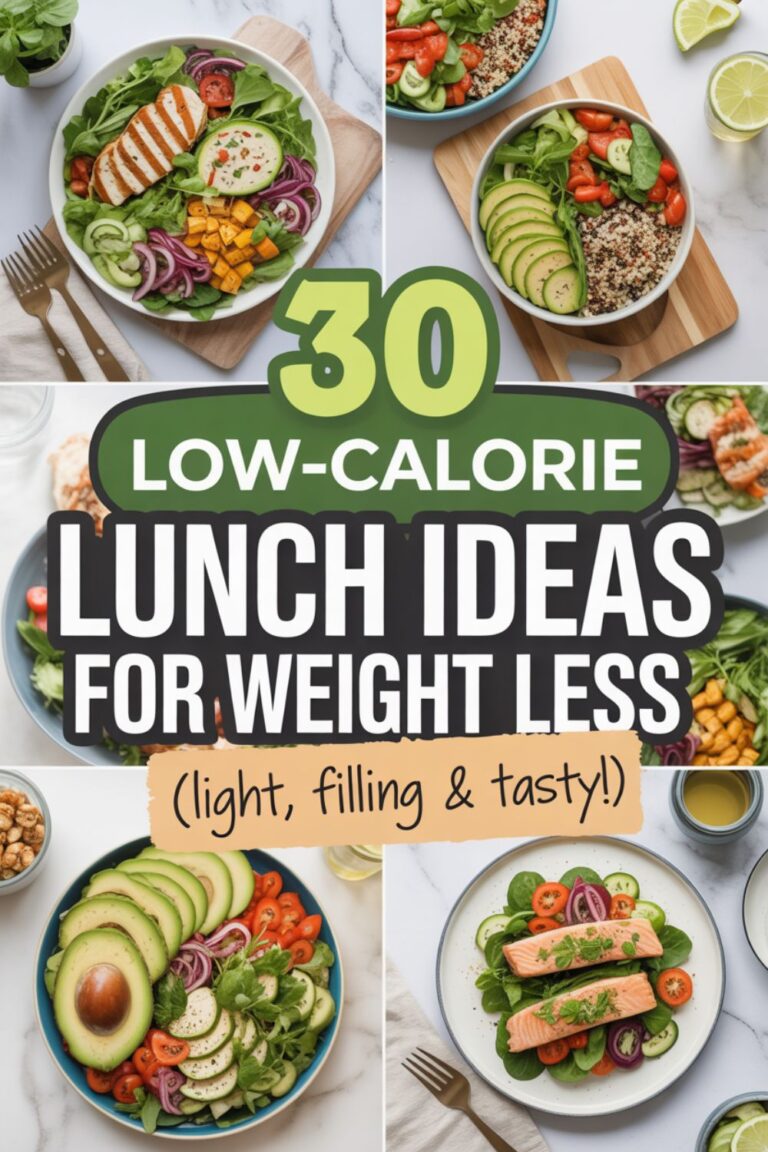
For even more salad inspiration and low-calorie lunch options, check out 30 low-calorie lunch ideas for weight loss and 20 low-calorie comfort foods for those days when you need something that hits different.
Meal Prep Strategies That Actually Work
Let’s talk logistics because having great recipes means nothing if you’re too overwhelmed to actually make them. My biggest piece of advice? Don’t try to do everything at once. Start with prepping just 2-3 lunches for the week and work your way up.
I’ve found that batch-cooking proteins and grains separately gives you way more flexibility. Cook a big batch of chicken, another of quinoa, roast a bunch of vegetables, then mix and match throughout the week. This prevents that meal prep fatigue where you’re eating the exact same thing every single day.
Also, embrace the freezer. Things like turkey chili, frittata squares, and even cooked grains freeze beautifully. I usually make double batches and freeze half so I’ve always got backup options. Future you will be grateful when you’re too tired to meal prep one weekend.
💡 Pro Tip
Prep your vegetables as soon as you get home from the grocery store. Wash, chop, and store everything in clear containers so you can see what you have. You’re way more likely to actually use that bell pepper if it’s already sliced and ready to go.
And here’s something nobody tells you: it’s okay to use shortcuts. Pre-washed salad greens, rotisserie chicken from the store, frozen brown rice that microwaves in 90 seconds—use whatever makes your life easier. The point is to eat well, not to be a meal prep martyr.
Looking for complete meal prep guidance? The 21-day low-calorie meal plan and 7-day 1400-calorie meal plan both include detailed prep instructions that make the whole process way less intimidating.
Common Mistakes to Avoid
Let’s talk about what not to do, because I’ve made every mistake in the book. First up: don’t skip the fat. I spent months making completely fat-free lunches wondering why I was always hungry and cranky. You need some healthy fats—avocado, olive oil, nuts—to help with nutrient absorption and keep you satisfied.
Another big one: portion distortion with healthy foods. Yes, quinoa is nutritious. No, eating 2 cups of it for lunch isn’t helping your calorie goals. Even healthy foods have calories, and they add up fast. This is where having proper containers or a food scale really helps.
Don’t make things too complicated either. I see people trying to prep these elaborate five-star restaurant meals for lunch, and they burn out after two weeks. Simple is sustainable. Grilled chicken, roasted vegetables, and rice isn’t fancy, but it works.
Also, stop trying to make yourself eat foods you hate just because they’re “healthy.” If you despise Brussels sprouts, eat broccoli instead. If you can’t stand plain chicken, season it properly or switch to turkey. Life’s too short to force down food you don’t like.
Adjusting for Your Calorie Needs
Quick reality check: not everyone needs the same amount of calories. These lunchboxes average around 300-400 calories, which works great if you’re following a 1200-1500 calorie daily plan. But if you’re taller, more active, or have different goals, you might need more.
The good news? These lunches are super easy to scale up or down. Need more calories? Add an extra ounce of protein, increase your portion of complex carbs, or throw in some nuts. Need fewer? Scale back the grains slightly or go lighter on added fats.
If you’re not sure where you should be calorie-wise, this article on 1200 vs 1500-calorie meal plans breaks down how to figure out what’s right for your body and goals. It’s actually pretty informative and saved me a lot of guesswork.
📱 Digital Download: 30-Day Meal Prep Planner & Shopping Lists
Honestly, this digital planner is what finally made meal prep click for me. It’s got pre-filled shopping lists organized by store section (genius), weekly meal planning templates, and printable prep schedules. No more wandering the grocery store trying to remember what you need or panicking on Sunday because you have no idea where to start.
What’s inside: 30 days of low-calorie lunch ideas, customizable grocery lists, portion guides, and a meal prep timeline so you’re never wondering what to do first. Download it once, use it forever.
And remember, these are just guidelines. If you eat a 400-calorie lunch and you’re starving an hour later, add more protein or vegetables. If you can’t finish it all, scale it back. Your body knows what it needs better than any meal plan does.
Making It Work Long-Term
The truth about any meal plan? It only works if you can stick with it. I’ve tried restrictive diets that left me miserable and binging on junk food by day four. These low-calorie lunchboxes work because they’re flexible, filling, and don’t require you to eat like a rabbit.
Build in variety. Rotate through different proteins, try new vegetables, experiment with different cuisines. The Mediterranean bowl gets boring after five days straight, but rotating between Asian, Mexican, and Italian flavors keeps things interesting.
Also, give yourself permission to eat out occasionally. I aim for bringing lunch 4 days a week, which saves money and keeps me on track, but that fifth day? I grab lunch with coworkers or try that new place downtown. Balance matters.
Track what works for you. Maybe you love meal prepping on Sundays but hate it on weeknights. Or maybe you prefer prepping components separately and assembling lunches daily. There’s no one right way—just whatever way you’ll actually do consistently.
📚 Digital Course: Master Meal Prep in 7 Days
This isn’t some boring PDF. It’s a step-by-step video course that walks you through everything—from choosing the right containers to batch cooking proteins without drying them out. I took this course when I was completely overwhelmed with meal prep, and it literally changed how I approach my entire week. The instructor breaks down exactly what to do each day, so you’re never stuck wondering “okay, now what?”
Course includes: 7 daily video lessons (10-15 min each), downloadable recipe cards, container labeling templates, and a private community group. Plus lifetime access, so you can rewatch whenever you need a refresher.
If you’re just getting started and feeling overwhelmed, begin with the 1200-calorie meal plan for beginners or the 7-day 1200-calorie meal plan. Both are designed to be super approachable and include plenty of lunchbox-friendly options.
Real People, Real Results
Sarah from our community started bringing these low-calorie lunchboxes to work three months ago and lost 15 pounds without feeling deprived. Her secret? She preps every Sunday afternoon while watching Netflix, so it doesn’t feel like a chore. Now her coworkers are constantly asking what she’s eating because it actually looks good.
Mike, a teacher who barely has time to breathe between classes, swears by the freezer method. He makes double batches of everything and freezes half, so even on his busiest weeks, he’s got healthy lunches ready to go. He says it’s saved him probably $200 a month in takeout costs alone.
The common thread? They all found a system that fit their life instead of trying to force themselves into some Instagram-perfect meal prep aesthetic. Real life is messy, schedules are chaotic, and that’s okay. These lunchboxes work because they’re practical, not perfect.
Quick Swaps and Substitutions
Not everyone likes the same foods, and not everyone has access to the same ingredients. Here’s how to make these lunchboxes work for your preferences and budget:
- Protein swaps: Don’t like chicken? Use turkey, lean pork, fish, tofu, tempeh, or even canned beans. They all work great.
- Grain alternatives: Quinoa too expensive? Brown rice, farro, barley, or even regular pasta work fine. Just watch your portions.
- Dairy-free options: Swap Greek yogurt for coconut yogurt, regular cheese for nutritional yeast or dairy-free cheese.
- Vegetable flexibility: Use whatever’s on sale or in season. The specific vegetables matter way less than just eating vegetables.
- Budget-friendly proteins: Eggs, canned tuna, and dried beans are your friends. No need to buy expensive salmon every week.
Also, don’t stress about finding every single specialty ingredient. Can’t find cauliflower rice? Regular rice in smaller portions works. No spiralizer for zoodles? Julienne your zucchini with a knife or skip it entirely.
💎 Digital Bundle: Complete Low-Calorie Lifestyle Package
If you’re serious about this, grab the bundle. It combines the meal prep planner, a calorie-tracking spreadsheet that doesn’t make you want to cry, 100+ low-calorie recipes with full nutrition info, and printable portion guides. I bought everything separately like an idiot and spent twice as much. Learn from my mistakes.
Bundle value: Meal prep templates, macro calculator, grocery budget tracker, recipe database with search function, and bonus kitchen conversion charts. Everything is editable PDFs and spreadsheets—customize them however you want.
For more budget-conscious approaches to low-calorie eating, check out the 14-day 1500-calorie meal plan, which is specifically designed to be wallet-friendly. You’ll find tons of affordable ingredient swaps that don’t sacrifice flavor or nutrition.
Troubleshooting Common Issues
Still hungry after lunch? You probably need more protein or fiber. Try adding an extra ounce of chicken or a half-cup of beans. Or bulk up your vegetables even more—you can eat a truly ridiculous amount of leafy greens and raw vegetables for very few calories.
Food getting soggy? Keep wet ingredients separate until lunch. Store dressings in small containers, keep cucumber slices away from lettuce, and avoid adding tomatoes directly to sandwiches or wraps until you’re ready to eat.
Bored with the same flavors? Switch up your seasonings and sauces. Research shows that flavor variety can increase meal satisfaction without adding calories. One week go Mediterranean with lemon and oregano, next week try Cajun spices, then maybe Asian-inspired ginger and sesame.
Not losing weight even though you’re tracking everything? Make sure you’re accounting for cooking oils, dressings, and condiments. Those tablespoons add up fast. Also, double-check your portion sizes—your “1/2 cup” of rice might actually be 3/4 cup if you’re eyeballing it.
Related Recipes You’ll Love
Frequently Asked Questions
Can I really stay full on 300-400 calorie lunches?
Absolutely, if you’re building them right. The key is maximizing protein (25-35 grams), fiber (at least 8-10 grams), and volume from vegetables. These three factors work together to trigger satiety signals in your body. Most people find that a well-balanced 350-calorie lunch keeps them satisfied until dinner, especially compared to calorie-dense but nutrient-poor options like fast food.
How long do these lunchboxes stay fresh in the fridge?
Most of these meals will stay fresh for 3-4 days when stored properly in airtight containers. Salads with dressing should be eaten within 1-2 days, but you can extend that by keeping dressing separate. Cooked proteins and grains typically last 4-5 days. If you’re meal prepping for the full week, I’d recommend freezing anything you plan to eat after Wednesday.
What if I don’t have access to a microwave at work?
Plenty of these lunchboxes work great cold—salads, wraps, and anything with a vinaigrette dressing actually taste better at room temperature. Invest in a quality insulated lunch bag and ice pack to keep everything fresh. Mediterranean bowls, Cobb salad, tuna-stuffed avocado, and most of the grain bowls are all delicious cold.
Are these lunchboxes suitable for people with dietary restrictions?
Most of these recipes are easily adaptable. For gluten-free diets, swap regular pasta for gluten-free alternatives and check your tortillas. For dairy-free, use nutritional yeast or dairy-free cheese alternatives instead of regular cheese. Vegetarians can swap animal proteins for tofu, tempeh, or legumes. The basic formula of protein + complex carbs + vegetables works for almost any dietary approach.
How much should I expect to spend on meal prep each week?
Budget varies depending on your location and protein choices, but most people spend $30-50 per week for 5 lunches when they meal prep at home. That’s $6-10 per lunch versus $10-15 for takeout. The savings add up fast, especially if you stick with affordable proteins like eggs, canned tuna, chicken thighs, and dried beans. Buying in bulk and using seasonal produce also helps keep costs down.
The Bottom Line
Look, packing low-calorie lunchboxes for work doesn’t have to be complicated or miserable. These 15 options prove you can eat well, stay within your calorie goals, and actually enjoy your lunch—all without spending your entire Sunday meal prepping or eating the same sad salad every day.
The secret isn’t finding the perfect recipe or the most Instagrammable lunch. It’s finding a system that works for your schedule, your taste preferences, and your life. Maybe that’s prepping everything on Sunday, or maybe it’s just chopping vegetables ahead of time and assembling lunches daily. Maybe you use fancy glass containers, or maybe you reuse old takeout containers. None of that matters as much as consistency.
Start with one or two lunchboxes from this list that actually sound good to you. Not what sounds “healthy” or what someone on social media is eating, but what makes you think “yeah, I’d eat that.” Make them a few times, see how you feel, then branch out to others. Before you know it, you’ll have a rotation of go-to lunches that keep you satisfied, save you money, and support your goals.
And remember—some days you’re going to forget your lunch at home, or you’ll want to grab food with coworkers, or life will just happen. That’s fine. This isn’t about perfection. It’s about making choices that feel good most of the time and building habits you can actually sustain.
So grab your containers, pick a couple of recipes, and give it a shot. Your body, your wallet, and your future self will all thank you. Now if you’ll excuse me, I’ve got some meal prep calling my name.