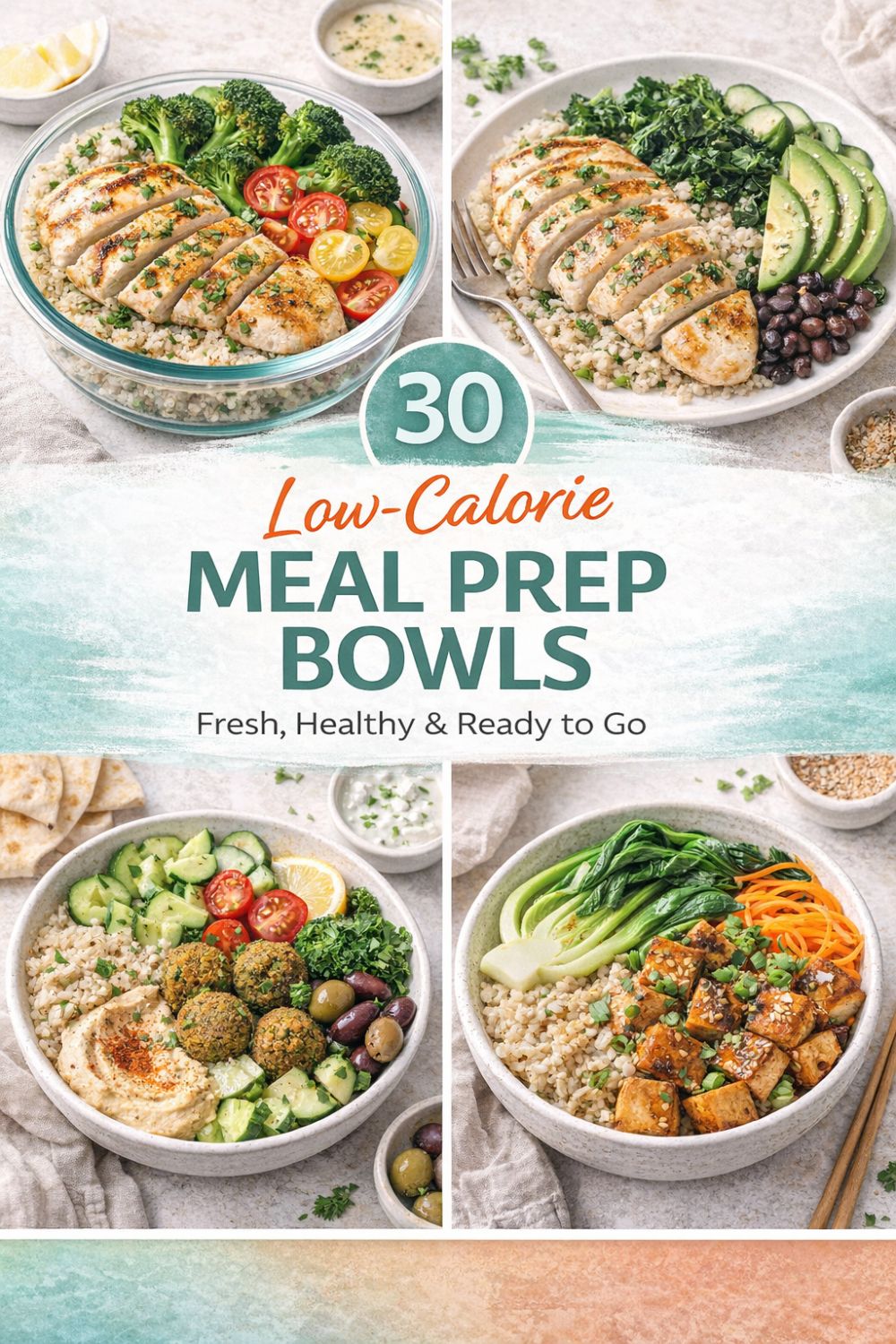
30 Low-Calorie Meal Prep Bowls
Listen, I get it. You’re standing in front of your fridge at 7 PM on a Tuesday, stomach growling, staring at a sad collection of random ingredients that somehow never become an actual meal. We’ve all been there. But what if I told you that spending just a couple hours on Sunday could save you from that exact scenario every single night this week?
Low-calorie meal prep bowls aren’t just another diet trend that’ll fizzle out by next month. They’re actually a game-changer for anyone who wants to eat better without turning their kitchen into a full-time job. I’m talking about real food that tastes good, keeps you satisfied, and doesn’t require a culinary degree to throw together.
The beauty of meal prep bowls? They’re basically foolproof. You pick your protein, toss in some veggies, add a grain or two, drizzle on something tasty, and boom—you’ve got yourself a balanced meal that won’t derail your goals. Plus, research from Harvard’s School of Public Health shows that people who meal prep are way more likely to stick with healthy eating patterns. So yeah, there’s actual science backing this up.
Why Low-Calorie Meal Prep Actually Works (And It’s Not Just About Willpower)
Here’s the thing about eating healthy: it’s not really about having superhuman willpower or magically resisting temptation. It’s about making the healthy choice the easy choice. When you’ve got a delicious meal already prepped and waiting in your fridge, you’re not going to order pizza. Well, maybe sometimes you will, but way less often.
According to research published in the International Journal of Behavioral Nutrition and Physical Activity, people who plan their meals show better adherence to nutritional guidelines and have lower obesity rates. Translation? Meal planning actually works, and it’s not just in your head.
The calorie control aspect is where things get interesting. When you’re prepping your meals, you’re making decisions with your rational brain—not your hangry brain that just wants whatever’s fastest. You can actually think about portion sizes, balance your macros, and make sure you’re getting enough protein and fiber to keep you full. For some solid guidance on structuring your meals, check out this 7-day 1200 calorie meal plan that breaks down realistic portions.
The Foundation: What Makes a Perfect Low-Calorie Bowl
Alright, let’s talk architecture. Not like building architecture, but bowl architecture. Stay with me here—there’s actually a method to this that makes your bowls both delicious and satisfying without packing in a ton of calories.
Start with your base: This is usually some kind of grain or veggie foundation. Think quinoa, brown rice, cauliflower rice, or even zucchini noodles. The base should be around 1/2 to 3/4 cup cooked, which gives you substance without going overboard on calories. I personally love cauliflower rice because you can eat a massive portion for barely any calories, plus it soaks up whatever sauce you throw at it.
Add your protein: This is non-negotiable if you want to stay full until your next meal. Aim for 3-4 ounces of lean protein like chicken breast, turkey, fish, tofu, or legumes. Protein is your secret weapon against those 3 PM vending machine raids. If you’re looking for more protein-focused options, these low-calorie high-protein meals hit the spot.
Pile on the veggies: This is where you can really go wild. Roasted broccoli, sautéed spinach, raw cucumbers, shredded carrots, cherry tomatoes—whatever you’ve got. Vegetables are basically free calories (not literally, but you know what I mean). They add volume, nutrients, and actual flavor to your bowl.
Don’t skip the healthy fats: Just a little bit goes a long way. A quarter of an avocado, a sprinkle of nuts or seeds, or a drizzle of olive oil. This is what makes your meal actually satisfying instead of leaving you hungry an hour later. I keep a jar of toasted sesame seeds on hand because they add crunch and healthy fats without going overboard.
Sauce it up: This is where most people mess up by drowning their healthy bowl in a 300-calorie dressing. Instead, go for lighter options like lemon juice, salsa, hot sauce, or Greek yogurt-based dressings. A little squeeze bottle makes portioning so much easier—you’d be surprised how far one tablespoon actually goes.
Looking for more variety in your weekly rotation? These low-calorie lunch ideas and low-calorie dinner recipes offer endless inspiration for keeping things interesting.
30 Low-Calorie Meal Prep Bowl Ideas That Actually Taste Good
Time to get into the good stuff. These aren’t those sad diet bowls you see on Instagram that look like punishment. These are real meals that you’ll actually look forward to eating. I’ve organized them by protein type because, let’s be honest, that’s usually where we start anyway.
Chicken Bowls (Because Chicken Is the MVP of Meal Prep)
1. Mediterranean Chicken Bowl: Grilled chicken over cauliflower rice with cucumber, tomatoes, red onion, olives, and a squeeze of lemon. Crumble some feta on top if you’re feeling fancy. This is around 320 calories and tastes like vacation.
2. Asian-Inspired Sesame Chicken Bowl: Baked chicken thighs (trust me, they’re juicier) with brown rice, edamame, shredded cabbage, and carrots. Drizzle with a soy-ginger-sesame dressing. Use a silicone brush to lightly coat your chicken before baking—way less oil, same great flavor.
3. Buffalo Chicken Bowl: Shredded chicken tossed in buffalo sauce (the kind with basically zero calories) over mixed greens with celery, carrots, and a dollop of Greek yogurt ranch. About 280 calories of spicy satisfaction.
4. Pesto Chicken Bowl: Grilled chicken with zucchini noodles, cherry tomatoes, and a tablespoon of pesto. The pesto makes this feel indulgent even though it’s under 300 calories. I make my pesto in a mini food processor and it takes literally two minutes.
5. Chicken Taco Bowl: Seasoned chicken breast over romaine with black beans, corn, pico de gallo, and a bit of shredded cheese. Skip the tortilla, save the calories, still get all the taco flavor. Around 340 calories.
6. Lemon Herb Chicken Bowl: Chicken marinated in lemon and herbs (rosemary is chef’s kiss) with roasted Brussels sprouts and quinoa. Simple, clean, and about 310 calories.
Beef Bowls (For When You Need Something More Substantial)
7. Korean Beef Bowl: Lean ground beef with a soy-ginger glaze over cauliflower rice with kimchi and green onions. The kimchi adds probiotics and basically zero calories. Around 295 calories.
8. Beef and Broccoli Bowl: Thinly sliced beef with tons of broccoli and brown rice. Use a meat slicer if you’ve got one, or just ask your butcher to slice it thin. Makes cooking so much faster. About 330 calories.
9. Mediterranean Beef Bowl: Lean ground beef seasoned with oregano and garlic over mixed greens with cucumbers, tomatoes, and tzatziki made with Greek yogurt. Under 300 calories and incredibly filling.
10. Steak Fajita Bowl: Grilled flank steak with peppers, onions, and a small amount of brown rice. Top with salsa and a lime wedge. This one comes in around 340 calories but feels way more indulgent.
If you’re following a structured plan, this 14-day 1500 calorie meal plan shows how to build your daily meals around bowls like these.
Fish & Seafood Bowls (Light But Satisfying)
11. Salmon Poke Bowl: Cubed raw or cooked salmon (your choice) with cucumber, avocado, edamame, and seaweed over sushi rice. About 350 calories of omega-3 goodness.
12. Shrimp and Grits Bowl: Make cauliflower “grits” by blending cooked cauliflower until creamy, top with blackened shrimp. Way lighter than traditional grits but just as comforting. Around 250 calories.
13. Tuna Nicoise Bowl: Seared tuna (or canned if that’s your jam) with green beans, cherry tomatoes, hard-boiled egg, and olives over mixed greens. Classic French vibes for about 310 calories.
14. Cilantro Lime Shrimp Bowl: Shrimp with black beans, corn, brown rice, and lots of cilantro and lime. This is one of those meals that tastes like it took way more effort than it actually did. About 320 calories.
15. Teriyaki Salmon Bowl: Baked salmon with a homemade teriyaki sauce (way less sugar than store-bought) over brown rice with steamed broccoli and carrots. I keep a silicone baking mat on hand for fish—nothing sticks, nothing to scrub.
Vegetarian & Vegan Bowls (Meat-Free Magic)
16. Buddha Bowl: Sweet potato, chickpeas, kale, quinoa, and tahini dressing. The ultimate feel-good bowl at around 340 calories. Roast everything on one sheet pan with a parchment paper for easy cleanup.
17. Greek Chickpea Bowl: Chickpeas, cucumbers, tomatoes, red onion, Kalamata olives, and a lemon-herb dressing over mixed greens. About 280 calories and packed with fiber.
18. Tofu Scramble Bowl: Crumbled tofu seasoned with turmeric and nutritional yeast, served with black beans, avocado, and salsa over spinach. Breakfast or lunch, your call. Around 310 calories.
19. Lentil and Roasted Veggie Bowl: Green lentils with roasted zucchini, bell peppers, and eggplant over baby spinach with a balsamic drizzle. Hearty and about 295 calories.
20. Quinoa and Black Bean Bowl: Quinoa with black beans, roasted sweet potato, corn, and avocado with lime-cumin dressing. A complete protein combo for about 330 calories. For more plant-based inspiration, check out this 1500 calorie vegetarian meal plan.
21. Thai Peanut Tofu Bowl: Baked tofu with red cabbage, carrots, and snap peas over brown rice with a light peanut sauce. The peanut sauce is key—mix PB2 (powdered peanut butter) with soy sauce and lime juice for a fraction of the calories.
Turkey Bowls (The Underrated Champion)
22. Turkey Meatball Bowl: Homemade turkey meatballs (mix in some grated zucchini for moisture) over zucchini noodles with marinara. About 270 calories and tastes like Italian comfort food.
23. Southwest Turkey Bowl: Ground turkey with taco seasoning over romaine with black beans, corn, tomatoes, and a Greek yogurt-lime crema. Around 300 calories.
24. Turkey Burger Bowl: A turkey patty broken up over mixed greens with pickles, tomatoes, red onion, and mustard. All the burger flavor, none of the bun calories. About 280 calories.
25. Asian Turkey Lettuce Wrap Bowl: Ground turkey with water chestnuts, mushrooms, and hoisin sauce over butter lettuce. Deconstructed lettuce wraps that are easier to eat. Around 260 calories.
Egg-Based Bowls (Perfect for Breakfast or Whenever)
26. Mexican Breakfast Bowl: Scrambled eggs with black beans, salsa, avocado, and a sprinkle of cheese over spinach. About 310 calories and keeps you full for hours.
27. Caprese Egg Bowl: Hard-boiled eggs with cherry tomatoes, fresh mozzarella, basil, and balsamic glaze over arugula. Simple Italian perfection for around 290 calories.
28. Green Goddess Bowl: Poached eggs over quinoa with asparagus, peas, avocado, and a lemon-herb dressing. Spring in a bowl for about 320 calories.
Bonus Bowls (Because 30 Seemed Like a Nice Round Number)
29. Deconstructed Sushi Bowl: Imitation crab (or real if you’re fancy), cucumber, avocado, edamame, and pickled ginger over cauliflower rice. Add some nori sheets crumbled on top for that authentic taste. About 270 calories.
30. Everything Bagel Bowl: Cottage cheese mixed with everything bagel seasoning, cucumber, tomatoes, and smoked salmon over mixed greens. Sounds weird, tastes amazing. Around 280 calories.
Want even more ideas? These low-calorie meals under 300 calories will keep your rotation fresh and exciting.
The Meal Prep Game Plan (Make It Easy on Yourself)
Okay, so you’ve got your bowl ideas. Now let’s talk logistics because this is where most people either become meal prep wizards or give up after week one.
Pick your prep day: Most people do Sunday, but honestly, any day works. I know someone who preps on Wednesday nights because that’s when they have time. The best prep day is the one you’ll actually stick to.
Start with three bowls: Don’t try to prep every meal for the entire week on your first go. That’s a fast track to burnout. Pick three dinner bowls for the first week. Once that feels easy, add in lunches. Then maybe breakfast.
Invest in good containers: This matters more than you think. Get glass meal prep containers with dividers. They last forever, don’t get gross like plastic, and you can microwave them without worrying about weird chemicals. The compartments keep things from getting soggy.
Batch cook smart: Cook your proteins and grains in big batches. Roast a whole sheet pan of vegetables. Then mix and match throughout the week. This is way more interesting than eating the exact same bowl five days in a row.
Store strategically: Keep your sauce separate until you’re ready to eat. Nobody likes soggy lettuce. Use those little sauce containers or just pack them on the side.
Game-Changer Alert: Glass Meal Prep Containers
After testing dozens of containers, I’m obsessed with these compartmented glass containers. They’re actually leak-proof (rare), microwave-safe, and the dividers keep everything from turning into a soggy mess. Plus, they last forever unlike those plastic ones that get gross after a month.
Why I love them: The portions are perfectly sized for these bowls, they stack beautifully in the fridge, and you can see what’s inside without playing the “what’s in this container” guessing game.
Check Current Price →Making Your Bowls Work With Your Goals
Here’s where things get personal. These bowls are a template, not a prescription. Your calorie needs are different from mine, which are different from your coworker’s. That’s okay.
If you’re working with a lower calorie target, go heavy on the vegetables and lean proteins, lighter on the grains and fats. Someone following a high-protein 1200 calorie meal plan might double the chicken and skip the rice entirely. That’s cool.
Skip the Guesswork: Pre-Made Meal Prep Plans
Look, I love meal prep, but I get that planning it all yourself can feel overwhelming. If you want someone to just tell you exactly what to make, how much to eat, and when to eat it, a structured meal plan template is a lifesaver.
It’s like having a nutritionist in your phone minus the $200/hour fee. Download it once, use it forever.
Get the Meal Prep Template →Need more calories? Add an extra ounce of protein, increase your grain portion, or include more healthy fats like nuts and avocado. Check out this comparison of 1200 vs 1500 calorie meal plans to figure out where you should land.
The macro breakdown matters too. Nutrition experts at Healthline recommend focusing on getting enough protein and fiber in each meal to stay satisfied. Generally, aim for at least 20-30 grams of protein per bowl, plus a good serving of vegetables for fiber.
Keeping It Interesting (So You Don’t Rage-Quit By Wednesday)
The number one reason people bail on meal prep? Boredom. You can only eat the same chicken and broccoli bowl so many times before you start ordering pizza out of spite.
Mix up your proteins: Don’t just default to chicken every week. Rotate between different proteins, try new marinades, experiment with different cooking methods. Baked chicken is fine, but have you tried air-fried chicken thighs? Game changer.
Change your bases: One week do brown rice, next week try cauliflower rice, then switch to quinoa or farro. Different bases absorb sauces differently and totally change the vibe of your bowl.
Play with flavors: Mexican-inspired bowls one week, Asian the next, then Mediterranean. You’re eating the same basic components (protein + veggies + grain) but the seasonings make them feel completely different.
Add crunch: Seriously, this is underrated. A sprinkle of pumpkin seeds or some crispy chickpeas can make your bowl feel so much more exciting. Texture matters.
Fresh herbs are magic: I keep cilantro, basil, and parsley in my fridge at all times. A handful of fresh herbs on top of your bowl makes it taste like you tried way harder than you actually did.
For more variety throughout your month, check out this 30-day low-calorie meal plan that rotates through different styles.
Common Meal Prep Mistakes (Learn From My Failures)
I’ve made every meal prep mistake in the book, so let me save you some trouble.
Mistake #1: Making everything on Sunday night. This is brutal. Spread it out. Prep your vegetables Sunday afternoon, cook your proteins Monday night while you’re making dinner anyway, assemble bowls Tuesday morning. It doesn’t all have to happen in one marathon session.
Mistake #2: Not seasoning enough. Plain grilled chicken and steamed broccoli is why people hate meal prep. Season everything. Use spices, herbs, garlic, lemon juice—whatever. Food should taste good, even if it’s healthy.
Mistake #3: Overcooking your vegetables. Vegetables continue to soften in the fridge, so slightly undercook them. Nobody wants mushy broccoli on day four.
Mistake #4: Prepping too much too soon. Most prepped meals are good for 3-4 days, max. Don’t try to prep for seven days unless you’re freezing stuff. Plan to do a mid-week mini-prep or just make fresh meals for the second half of the week.
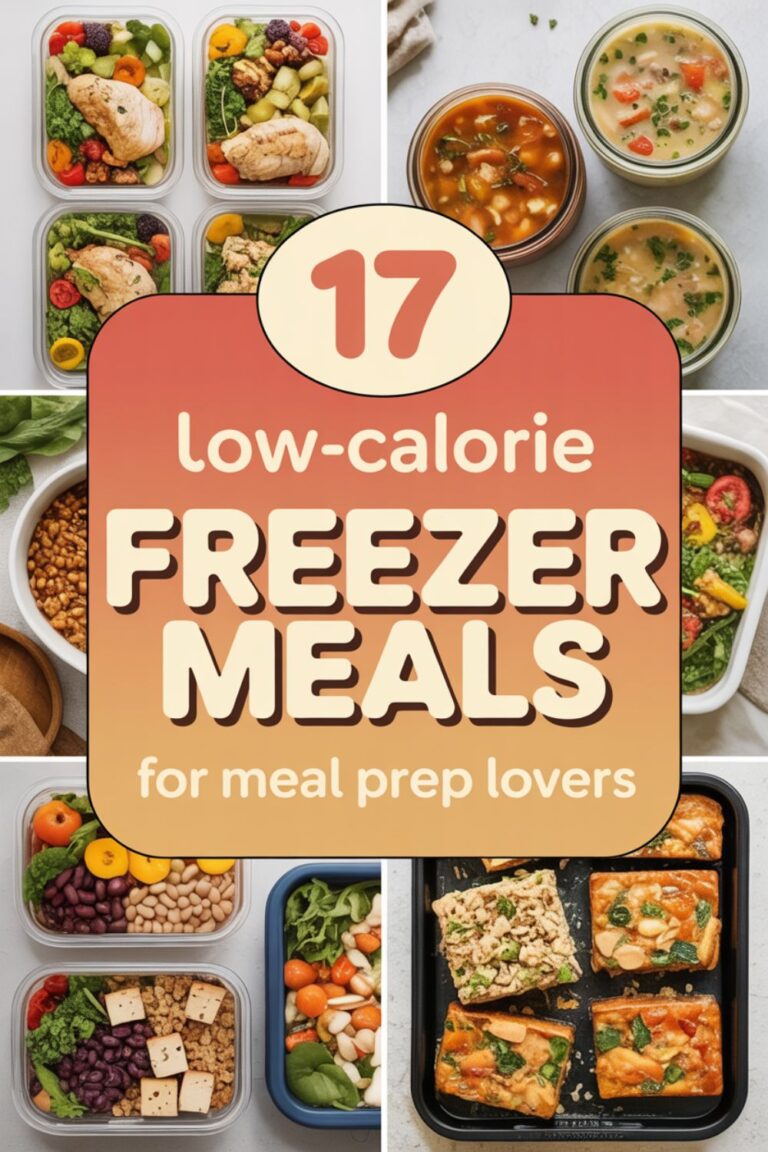
Mistake #5: Forgetting about freezer meals. Some bowls freeze beautifully—especially anything with cooked grains, proteins, and heartier vegetables. Make double and freeze half. Future You will be grateful.
Mistake #6: Not having backup options. Life happens. Sometimes you won’t feel like eating what you prepped. Keep some healthy frozen meals on hand or ingredients for a super quick meal. Don’t let one off day derail your entire week.
The Macro Calculator That Actually Makes Sense
Ever wondered if you’re eating the right amounts for YOUR body and YOUR goals? Not some generic recommendation, but actually personalized to you? This macro calculator spreadsheet does all the math so you don’t have to.
No more guessing if you’re eating enough protein or overdoing the carbs. Just plug in your info and follow the numbers. Works with any eating style.
Download Macro Calculator →The Real Talk About Sustainability
Let’s be honest for a second. You’re not going to meal prep every single week for the rest of your life. Some weeks you’ll be on top of it. Other weeks you’ll order takeout three times and that’s fine.
The goal isn’t perfection. It’s just doing better than you were doing before. If you prep three lunches instead of buying them every day, that’s a win. If you fall off the wagon for a couple weeks and then get back to it, that’s still a win.
According to research published in the American Journal of Lifestyle Medicine, home meal preparation is linked to better diet quality and lower obesity risk. But that doesn’t mean you need to be perfect. Consistency beats perfection every single time.
Think of meal prep as a tool in your toolbox, not a life sentence. Use it when it helps. Skip it when it doesn’t. Come back to it whenever you’re ready. The bowls will still be here.
If you’re just starting out with structured eating, these beginner-friendly resources might help: what to eat in a day on 1200 calories and this 1400 calorie meal plan that actually keeps you satisfied.
Quick Wins for Meal Prep Success
Want to make this whole thing easier? Here are some shortcuts that actually work:
Buy pre-cut vegetables: Yes, they cost more. But if the choice is between buying pre-cut veggies and not eating vegetables at all, spend the extra two bucks. Your health is worth it.
Use rotisserie chicken: I’m not above this. A rotisserie chicken from the grocery store can be shredded in five minutes and used for three different bowls. Work smarter, not harder.
Keep frozen vegetables on hand: Fresh is great, but frozen vegetables are picked at peak ripeness and are just as nutritious. Plus, they won’t go bad in your crisper drawer while you’re pretending you’ll use them.
Prep your sauces in bulk: Make a big batch of dressing or marinade in a mason jar and it’ll last all week. Shake before using and you’re good to go.
Get a rice cooker: Seriously, a rice cooker is life-changing. Set it and forget it. Perfect grains every time without babysitting a pot.
The Kitchen Tool That Changed My Meal Prep Life
IMO, an air fryer is the MVP of meal prep. I resisted for years thinking it was just hype, but holy cow was I wrong. Crispy chicken thighs in 20 minutes? Roasted vegetables that aren’t mushy? Brussels sprouts that taste like restaurant quality? Yes, yes, and yes.
Real talk: This cuts my meal prep time in half and everything tastes way better than oven-roasted. It’s big enough for batch cooking but doesn’t heat up your whole kitchen. Worth every penny.
See My Top Pick →What About Meal Prep for Specific Diets?
These bowls are super adaptable to pretty much any eating style. Let’s break it down:
Low-carb or keto: Skip the grains entirely, double up on the vegetables and protein, and add more healthy fats. Cauliflower rice is your best friend here. Keep your net carbs around 20-30 grams per bowl.
Vegetarian: Focus on legumes, tofu, tempeh, and eggs for protein. Combine different plant proteins (like beans and rice) to get complete proteins. That vegetarian meal plan I mentioned earlier has tons of ideas.
Dairy-free: Most of these bowls are naturally dairy-free or easily adaptable. Swap Greek yogurt for coconut yogurt, skip the cheese, and you’re golden. Nutritional yeast adds a cheesy flavor without actual cheese.
Gluten-free: Use quinoa, rice, or cauliflower rice as your base. Check your sauces for hidden gluten (soy sauce often has it—use tamari instead). Most of these bowls are naturally gluten-free anyway.
Paleo: Keep it simple with protein, vegetables, and healthy fats. Skip the grains and legumes. Sweet potato works great as a base. Use compliant sauces like homemade mayo or avocado-based dressings.
Budget-Friendly Meal Prep Tips
Meal prep doesn’t have to break the bank. Actually, it’ll probably save you money compared to buying lunch every day. Here’s how to keep costs down:
Buy in bulk: Get your grains, legumes, and frozen vegetables in bulk. They’re way cheaper per serving and last forever. A big bag of brown rice or quinoa from Costco will keep you fed for months.
Shop sales for protein: When chicken or turkey goes on sale, stock up and freeze it. Same with seasonal vegetables. Buy what’s cheap that week and build your bowls around it.
Rotate cheaper proteins: Eggs, canned tuna, dried beans, and lentils are incredibly cheap sources of protein. You don’t need to eat salmon and organic chicken every day.
Grow your own herbs: A little basil plant from the grocery store costs three bucks and will give you fresh herbs for weeks. Way cheaper than buying a package of fresh herbs that goes bad in three days.
Use every part: Vegetable scraps can become broth. Leftover proteins can be tossed into bowls. That half onion in your fridge? Chop it up and add it to something. Waste nothing.
For a complete budget-conscious approach, check out this budget-friendly 2-week meal plan that proves healthy eating doesn’t require a massive grocery budget.
Never Wonder “What’s for Dinner?” Again
The hardest part of meal prep isn’t the cooking—it’s deciding what the heck to make every single week. This printable meal planning workbook includes 52 weeks of bowl combinations, so you literally never run out of ideas.
Print it, put it on your fridge, and check off weeks as you go. It’s basically a year of meal decisions made for you. Plus, the printable grocery lists are organized by store section so you’re not zigzagging around like a confused mess.
Get the Meal Planning Workbook →Storage and Food Safety (Because Nobody Wants Food Poisoning)
Let’s talk about keeping your food safe because this is actually important and people don’t always think about it.
Cool it down fast: Don’t let cooked food sit at room temperature for more than two hours. If you’re batch cooking, spread it out on sheet pans to cool faster before packing it away.
Store at the right temperature: Your fridge should be at 40°F or below. If you don’t know your fridge temperature, get a fridge thermometer. Seriously, it’s like five bucks.
Know your timelines: Most cooked proteins and vegetables are good for 3-4 days in the fridge. Cooked grains and legumes can push it to 5 days. When in doubt, smell it. If it smells off, toss it.
Keep raw and cooked separate: This should be obvious, but I’ve seen some things. Raw meat on the bottom shelf, cooked food up top. Never let them touch or share containers.
Label everything: Write the date you made it. Your memory is not as good as you think it is, especially on day five when you’re trying to remember if that’s from Sunday or the previous Wednesday.
Reheat properly: Heat your food to 165°F internally. This kills any bacteria that might have grown. Don’t just warm it up—actually heat it through.
The $15 Investment That Saves Hours Every Week
Can we talk about how much time a good knife saves? I used to hack away at chicken breasts and vegetables with a dull knife like some kind of cave person. Then I got a quality chef’s knife and meal prep became legitimately enjoyable instead of a chore.
What makes it worth it: Clean cuts through chicken in seconds, vegetables that actually look nice, and way less hand fatigue. A sharp knife is also safer than a dull one (counterintuitive but true). This is the one I use literally every single time I prep.
Grab This Knife →Troubleshooting Common Bowl Problems
Problem: Everything gets soggy: Store your dressing separately. Keep wet ingredients (like tomatoes) away from your greens. Use containers with dividers or separate small containers within your main container.
Problem: Food tastes bland by day three: You’re not using enough seasoning. Be generous with spices and herbs. Also, add fresh elements when you’re reheating—a squeeze of lemon, fresh herbs, or hot sauce can totally revive a bowl.
Problem: Still hungry an hour later: Not enough protein or fiber. Increase your protein portion and pile on more vegetables. Also check if you’re skipping healthy fats—they’re crucial for satiety.
Problem: Vegetables get mushy: You’re overcooking them initially or storing them too long. Slightly undercook them and eat those bowls earlier in the week. Keep crunchier veggies (like carrots and cucumbers) raw and add them fresh.
Problem: Got bored immediately: You made five identical bowls. Next time, make 2-3 different varieties so you have options. Also, switch up your sauces—same bowl, different sauce, completely different experience.
If you’re struggling with staying full, these low-calorie comfort foods might give you ideas for more satisfying bowl components.
Frequently Asked Questions
How long do meal prep bowls last in the fridge?
Most meal prep bowls stay fresh for 3-4 days when stored properly in airtight containers at 40°F or below. Bowls with leafy greens might get a bit wilted by day four, so eat those earlier in the week. If you’re meal prepping for longer than four days, consider freezing some portions or doing a mid-week mini-prep session.
Can I freeze meal prep bowls?
Absolutely, but not all bowls freeze equally well. Bowls with cooked grains, proteins, and roasted vegetables freeze beautifully. Skip freezing anything with raw vegetables, leafy greens, or creamy dressings—they get weird and watery when thawed. Freeze in airtight containers and thaw overnight in the fridge before reheating.
Do I need to eat the same bowl every day?
Definitely not. That’s actually a fast track to meal prep burnout. Make 2-3 different bowl varieties at once so you have options throughout the week. You can also prep components separately and mix and match—cook three different proteins and rotate which one you pair with your veggies and grains each day.
How do I keep my bowls from getting soggy?
Store your dressing or sauce separately and add it right before eating. Use containers with dividers to keep wet ingredients away from dry ones. For bowls with lettuce or other greens, place a paper towel in the container to absorb excess moisture. Some people swear by adding the greens fresh each day instead of prepping them in advance.
Are these bowls actually filling enough for a meal?
When built correctly with adequate protein (20-30 grams), fiber from vegetables, and some healthy fats, these bowls are surprisingly satisfying. If you’re still hungry, you might need to increase your protein portion or add more volume with low-calorie vegetables. Everyone’s hunger levels are different, so adjust portions based on your personal needs and activity level.
Final Thoughts
Here’s the thing about low-calorie meal prep bowls: they’re not some magical solution that’ll transform your life overnight. They’re just a practical tool that makes eating well a little bit easier. And sometimes, that’s exactly what you need.
You don’t need fancy equipment, expensive ingredients, or hours of free time. You just need to pick a couple bowls that sound good, spend an hour or two getting them ready, and then actually eat them during the week. That’s it. That’s the whole secret.
Will you meal prep every single week forever? Probably not. Will some weeks be easier than others? Definitely. Will you occasionally say “screw it” and order takeout even though there’s perfectly good food in your fridge? Of course. That’s called being human.
But the weeks you do meal prep? You’ll save time, save money, eat better, and feel pretty damn good about yourself. You’ll have one less thing to stress about during busy weekdays. You’ll actually eat vegetables without it feeling like a chore. And you might even discover that meal prep isn’t the tedious punishment you thought it would be.
Start small. Pick three bowls from this list that actually sound appealing to you—not the ones you think you should make, but the ones you genuinely want to eat. Prep them this weekend. See how it goes. If it works, great. If it doesn’t, try something different next time.
The only way to fail at meal prep is to not try at all. Everything else is just data and practice. So grab your containers, pick your bowls, and give it a shot. Future You will thank Present You for the effort.