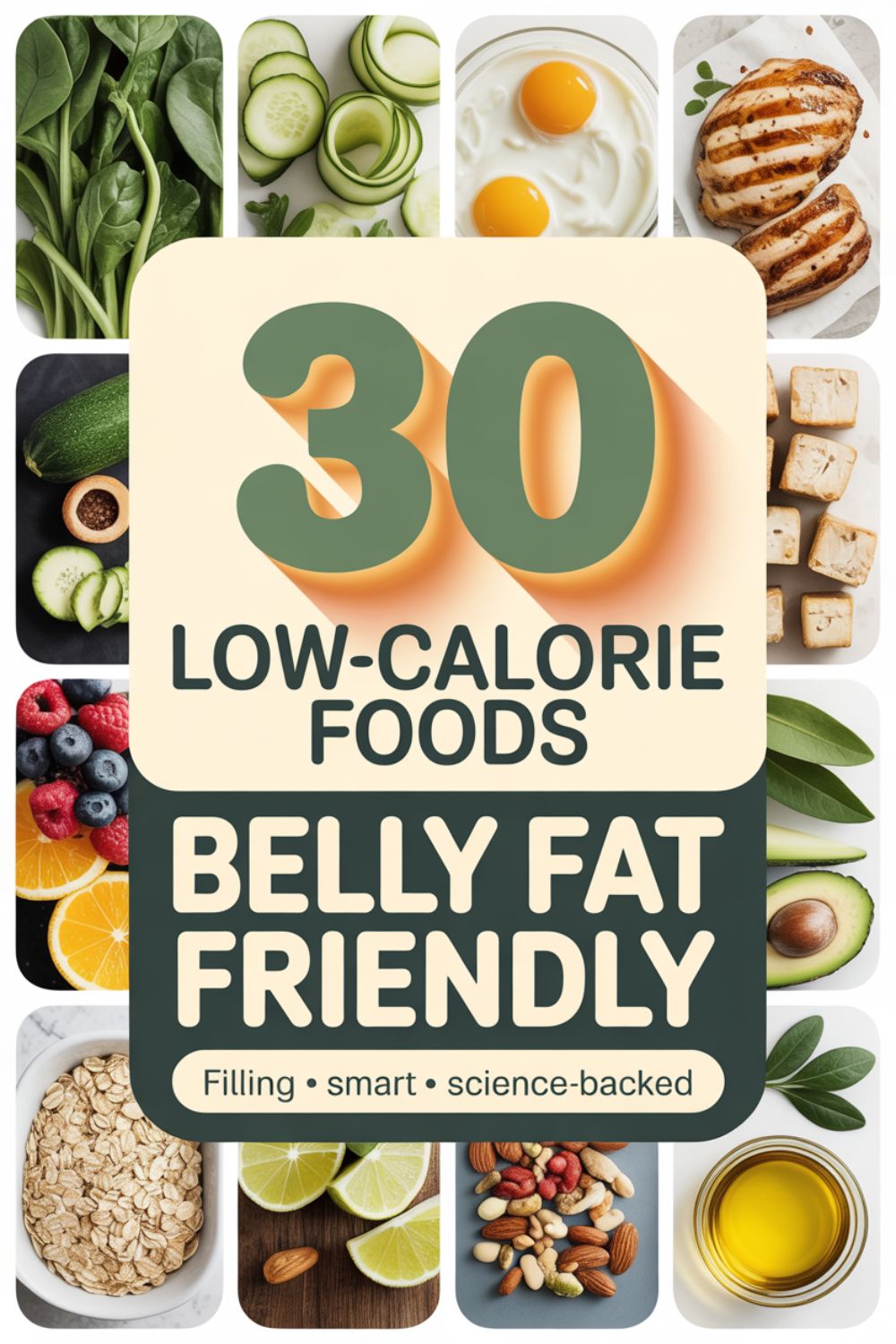
30 Low-Calorie Foods to Help Reduce Belly Fat
Your science-backed guide to eating more while losing weight
Look, I’m not going to sugarcoat it—stubborn belly fat is annoying. You’re eating salads, hitting the gym, and somehow those jeans still feel snug around the middle. But here’s the thing: what if I told you that eating MORE of certain foods could actually help you lose that belly fat?
I know, sounds backwards. But stick with me here. I’ve spent years experimenting with different foods, tracking calories, and figuring out what actually works. And I’ve discovered that the secret isn’t starving yourself—it’s choosing foods that fill you up without packing on the pounds.
This guide breaks down 30 low-calorie foods that genuinely help reduce belly fat. No magic pills, no weird supplements. Just real food that keeps you satisfied while your body does what it’s supposed to do. Ready to stop feeling deprived while actually seeing results?
Why Low-Calorie Doesn’t Mean Low Satisfaction
Here’s where most people mess up. They think low-calorie automatically means tiny portions and rumbling stomachs. Wrong. According to research on energy density from Mayo Clinic, you can actually eat MORE food while consuming fewer calories if you choose the right stuff.
The magic lies in something called energy density—basically, how many calories are packed into a given volume of food. Foods with high water and fiber content give you a big plate of food without the calorie bomb. Your stomach gets full, your brain gets satisfied, and your waistline gets smaller. Win-win-win.
I used to be that person eating tiny portions of “diet food” and being ravenous an hour later. Then I switched to large glass meal prep containers filled with low-calorie, high-volume foods. Game changer. Same calories, way more food, zero hunger pangs.
Pro Tip
Start tracking your food in a simple food journal notebook for just one week. You’ll be shocked at where hidden calories sneak in. I discovered I was drinking 300+ calories daily in “healthy” smoothies.
The Science Behind Belly Fat Loss
Let’s get real for a second. You can’t spot-reduce fat—your body decides where it loses weight first. But here’s what you CAN control: creating a calorie deficit while keeping your metabolism humming and your muscles happy.
The foods on this list work because they’re either high in protein (which burns more calories during digestion), packed with fiber (which keeps you full longer), or loaded with water (which adds volume without calories). Some even contain compounds that may help your body metabolize fat more efficiently.
When you’re consistently eating these foods, you’re naturally crowding out the calorie-dense junk. No willpower required—just better choices that taste good and keep you satisfied. If you’re looking for a structured approach, check out this 7-day 1200-calorie meal plan that incorporates many of these exact foods.
30 Low-Calorie Foods That Actually Work
Leafy Greens: Your Volume-Eating Best Friends
1. Spinach – About 7 calories per cup raw. I throw this into everything—smoothies, omelets, pasta sauce. You honestly can’t taste it in most dishes, but you get a massive nutrient boost. I keep a salad spinner on my counter because fresh, dry spinach makes all the difference in salads.
2. Kale – Roughly 33 calories per cup chopped. Yeah, it got overhyped a few years back, but there’s a reason. Massaged with a tiny bit of olive oil and lemon juice? Actually delicious. Plus it holds up way better than lettuce in meal prep.
3. Romaine Lettuce – Only 8 calories per cup. The crunch factor is real with this one. I use it as taco shells sometimes—sounds weird, works great. Way more satisfying than you’d think.
4. Arugula – About 5 calories per cup. Peppery, fancy-feeling, perfect for when you’re tired of bland greens. Pairs amazingly with strawberries and balsamic vinegar.
“I started adding two cups of spinach to my morning smoothie after reading about low-calorie foods. Lost 12 pounds in two months without changing anything else. My energy levels are insane now.” – Sarah M., community member
Cruciferous Vegetables: The Metabolism Boosters
5. Broccoli – 31 calories per cup chopped. I roast this with a tiny drizzle of olive oil and garlic powder. The key is getting it crispy in a hot oven—total game changer from those mushy boiled florets your mom made.
6. Cauliflower – 25 calories per cup. Rice it, mash it, roast it, pizza-crust it. This vegetable is having a moment for good reason. I use my food processor to make cauliflower rice in bulk every Sunday.
7. Brussels Sprouts – 38 calories per cup halved. Controversial opinion: people who hate these just haven’t had them roasted until crispy. Slice them thin, high heat, don’t crowd the pan. Trust me.
8. Cabbage – 22 calories per cup shredded. Cheap, lasts forever in the fridge, and makes the best slaw. I add it to stir-fries for bulk without the carb load.
Looking for ways to incorporate more vegetables? This 30-day low-calorie meal plan has tons of creative veggie-forward recipes that don’t taste like rabbit food.
Protein Powerhouses: Stay Full Longer
9. Chicken Breast – 165 calories per 3.5 oz. Boring? Maybe. Effective? Absolutely. I marinate mine overnight in glass meal prep containers with whatever sauce I’m feeling. The difference between dry chicken and juicy chicken is literally 30 minutes of planning.
10. Turkey Breast – 135 calories per 3.5 oz. Even leaner than chicken. Ground turkey is my go-to for taco nights. Season it properly and nobody misses the beef.
11. White Fish (Cod, Tilapia) – Around 100 calories per 3.5 oz. Cooks in 10 minutes, takes on any flavor you throw at it. If you’re not eating fish because you think it’s complicated, you’re overthinking it.
12. Shrimp – 99 calories per 3.5 oz. High protein, cooks in minutes, feels fancy. I buy frozen bags and thaw them in cold water whenever I need a quick protein hit.
13. Greek Yogurt (Non-fat) – 100 calories per cup. This stuff is magic. Use it instead of sour cream, make dips, add it to smoothies. The protein content keeps you satisfied for hours. For complete high-protein meal ideas, check out this 7-day high-protein 1200-calorie meal plan.
Quick Win
Prep your protein on Sunday. Grill or bake 3-4 pounds of chicken breast with different seasonings. Slice, portion into food storage containers, refrigerate. You’ll thank yourself Thursday night when you’re exhausted.
Fiber-Rich Fruits: Sweet Without the Sugar Crash
14. Berries (Strawberries, Blueberries, Raspberries) – 50-85 calories per cup. Nature’s candy, except it won’t spike your blood sugar. I freeze them and blend into smoothies or eat them semi-thawed for a sorbet vibe.
15. Grapefruit – 52 calories per half. Yeah, it’s tart. But pair it with a tiny sprinkle of stevia and it’s genuinely refreshing. Some studies suggest it may help with insulin sensitivity.
16. Watermelon – 46 calories per cup. Mostly water, incredibly hydrating, perfect for satisfying sweet cravings. I cube it and keep it in the fridge for emergency snacking.
17. Apples – 95 calories per medium apple. The fiber keeps you full, the crunch is satisfying. Slice it thin and dip in almond butter (measured with a kitchen scale because that stuff is calorie-dense).
Fruit-based snacks can be tricky to balance. These low-calorie snacks under 150 calories show you exactly how to portion fruits for maximum satisfaction.
Surprising Additions: The Underdogs
18. Mushrooms – 15 calories per cup sliced. Meaty texture, umami flavor, barely any calories. I sauté them in a tiny bit of butter and they taste indulgent while being basically calorie-free.
19. Cucumbers – 16 calories per cup. 95% water but somehow still satisfying. I spiralize them for faux noodles or just eat them with everything bagel seasoning.
20. Celery – 14 calories per cup chopped. Gets a bad rap for being “negative calorie” (not actually a thing, FYI). But it’s crunchy, hydrating, and great with a measured tablespoon of peanut butter.
21. Bell Peppers – 30 calories per cup chopped. Sweet, colorful, vitamin C bombs. I roast them until slightly charred and add to literally everything.
22. Zucchini – 20 calories per cup chopped. Spiralize it for zoodles, grate it into meatballs for moisture, or just roast it. A spiralizer changed my pasta game completely.
Legumes & Whole Grains: The Slow-Burn Energy
23. Lentils – 115 calories per half cup cooked. High protein, high fiber, cheap as dirt. I make a huge batch in my Instant Pot and add them to salads all week.
24. Black Beans – 114 calories per half cup. Taco filling, burrito bowls, bean salads. They’re versatile and keep you satisfied for hours. Rinse canned beans well to cut the sodium.
25. Quinoa – 111 calories per half cup cooked. Complete protein, fluffy texture, takes on any flavor. Cook it in broth instead of water for actual taste.
26. Air-Popped Popcorn – 31 calories per cup. Three cups is basically a meal-sized snack for under 100 calories. I use an air popper and season with nutritional yeast for a cheesy vibe without dairy.
Bonus Metabolism Boosters
27. Green Tea – 2 calories per cup. Contains catechins that may help with fat oxidation. I’m not saying it’s magic, but drinking 2-3 cups daily while eating better definitely supports the process.
28. Egg Whites – 17 calories per large egg white. Pure protein, zero fat. I use a 1:3 ratio of whole eggs to whites for volume without excessive calories. Get Full Recipe for my go-to veggie egg white scramble.
29. Cottage Cheese (Low-fat) – 81 calories per half cup. High protein, versatile, surprisingly good with both sweet and savory toppings. I eat it with berries or everything bagel seasoning depending on my mood.
30. Tomatoes – 18 calories per medium tomato. Cherry tomatoes are my favorite mindless snack. Sweet, juicy, and you can eat like 20 of them for the calorie cost of one cookie.
Meal Prep Essentials for These Foods
Listen, having the right tools makes this whole thing way easier. Here’s what’s actually worth buying:
- Glass meal prep containers (set of 10) – Microwave-safe, dishwasher-safe, and they don’t stain like plastic
- Digital kitchen scale – Game changer for portion control. Eyeballing got me nowhere
- Spiralizer for vegetable noodles – Makes zucchini and cucumber way more exciting
Digital Resources:
- Meal planning templates that actually work (downloadable PDFs)
- Portion control guide cheat sheet
- Grocery shopping list optimized for these 30 foods
Join the community: Our WhatsApp group shares daily meal prep photos and accountability check-ins. Real people, real results, zero judgment.
How to Actually Use These Foods
Having a list is great. Knowing what to DO with it? That’s where the magic happens. The strategy I use is simple: fill half your plate with non-starchy vegetables from this list, a quarter with lean protein, and a quarter with whole grains or legumes.
Breakfast might be Greek yogurt with berries and a sprinkle of chia seeds. Lunch could be a massive salad with grilled chicken, tons of vegetables, and a light vinaigrette. Dinner? Stir-fried vegetables with shrimp over cauliflower rice. Get Full Recipe for each of these meals in my starter guide.
The key is making sure every meal includes at least 3-4 foods from this list. That way, you’re automatically getting high volume, high satisfaction, and low calories without obsessing over every number.
If you’re totally new to this approach, this beginner-friendly 1200-calorie meal plan breaks down exactly what a day of eating looks like with these foods.
Pro Tip
Keep “emergency foods” ready. For me, that’s pre-washed spinach, rotisserie chicken from the grocery store, and bags of frozen berries. On crazy days, these save me from drive-thru temptation.
The Mistakes to Avoid
I’ve made every mistake in the book, so let me save you the trouble. First, don’t go zero-fat. Your body needs some healthy fats to absorb vitamins and feel satisfied. A tablespoon of olive oil or a quarter of an avocado won’t sabotage you.
Second, don’t eat the same five foods on repeat. Yeah, meal prep is efficient, but eating grilled chicken and broccoli for 30 days straight is a fast track to ordering pizza. Rotate your proteins and vegetables throughout the week.
Third—and this is huge—don’t forget to season your food. Low-calorie doesn’t mean low-flavor. I have a whole spice rack and I use it aggressively. Garlic powder, smoked paprika, cumin, fresh herbs… these have basically zero calories and make everything taste intentional.
For more practical meal planning that accounts for real life, check out this 21-day low-calorie meal plan for busy women. It’s designed for people who don’t have hours to cook.
Comparing Your Options: 1200 vs 1500 Calories
Here’s where people get confused. Should you aim for 1200 or 1500 calories? Honestly, it depends on your height, activity level, and how much weight you’re trying to lose. I’m 5’4″ and moderately active, and 1400 calories feels sustainable for me.
The foods on this list work for ANY calorie target because they’re nutrient-dense and filling. The difference is just in portions and how many higher-calorie additions you include. For a detailed breakdown, this comparison of 1200 vs 1500 calorie meal plans explains the nuances better than I can here.
Making It Work Long-Term
Look, I’m not going to pretend this is a magical 30-day transformation. Real, sustainable weight loss takes time. But here’s what I’ve found: when you eat foods that actually satisfy you, it stops feeling like a diet and starts feeling like… just how you eat.
I’ve been maintaining my weight loss for two years now by sticking to these foods probably 80% of the time. The other 20%? Pizza, ice cream, whatever. Life’s too short to never eat birthday cake. The difference is that these foods are now my default, not my punishment.
The vegetables I used to choke down out of obligation? I genuinely crave them now. My body got used to feeling good, energetic, and not bloated. When I eat junk food now, I notice how sluggish it makes me.
If you want more variety without the guesswork, these 25 low-calorie crockpot dump-and-go recipes use many of these ingredients in ridiculously easy ways. Literally dump everything in and walk away.
“I thought eating low-calorie meant being hungry all the time. Then I discovered these high-volume foods. I’m eating more than ever, down 18 pounds, and actually enjoying my meals. The zucchini noodles recipe changed my life.” – Jennifer K., 3-month progress
Special Considerations for Women Over 40
If you’re dealing with slower metabolism after 40 (hi, it’s rough), protein becomes even more important. I increased my protein intake to about 100g daily using these foods, and the difference in how I feel is dramatic. Less muscle loss, more stable energy, better results.
The meal plan for women over 40 is specifically designed with hormonal changes in mind, focusing heavily on the protein-rich foods from this list.
Tools That Make Cooking Easier
I resisted buying kitchen gadgets for years, thinking they were unnecessary. I was wrong. These actually help:
- Instant Pot pressure cooker – Cooks dried beans in 30 minutes, chicken breast in 10. Life-changing
- High-quality non-stick skillet – Use way less oil, food doesn’t stick, easier cleanup
- Salad chopper bowl – Chops vegetables in seconds. I use this daily
Digital Downloads:
- Weekly meal prep checklist
- Calorie-counting quick reference guide
- Restaurant ordering guide for staying on track
When You Hit a Plateau
Everyone hits plateaus. You’re eating the same foods, same portions, and suddenly… nothing’s happening. This is normal and it sucks. When it happens to me, I switch up my vegetable rotation, try different proteins, or add more variety in my grains.
Sometimes your body just needs a shake-up. Other times, you need to eat a bit more (yeah, really) to kickstart your metabolism again. If you’ve been consistently at 1200 calories and stopped losing, try bumping up to 1400 for a week using these 1400-calorie meal plan ideas.
Vegetarian? No Problem
Most of these foods are already vegetarian, and you can easily hit your protein goals with Greek yogurt, cottage cheese, legumes, and eggs. I have several vegetarian friends who’ve had great success focusing on beans, lentils, and tofu with tons of vegetables.
This 1500-calorie vegetarian meal plan shows exactly how to structure meals around plant-based proteins while keeping calories in check.
Protein-Focused Meals That Use These Ingredients
IMO, protein is the MVP nutrient for fat loss. It keeps you full, preserves muscle while you lose weight, and has a higher thermic effect (your body burns more calories digesting it). Every meal I eat has at least 25-30g of protein.
The easiest way to do this? Focus on foods like chicken breast, fish, Greek yogurt, and egg whites from this list. Mix them with the high-volume vegetables and you’ve got massive, satisfying meals for minimal calories. These 18 low-calorie high-protein meals are basically my meal prep rotation.
Frequently Asked Questions
Do I really need to eat all 30 of these foods?
Absolutely not. Pick 10-15 that you actually enjoy and rotate through those. I probably use about 20 of these regularly and ignore the rest. The goal is variety and satisfaction, not forcing yourself to eat foods you hate. Consistency with foods you like beats perfection with foods you can’t stand.
Can I eat these foods and still not lose belly fat?
Yep, if you’re eating too much of them. Low-calorie doesn’t mean unlimited. You still need to be in a calorie deficit overall. But the beauty of these foods is that they naturally keep portions in check because they’re so filling. Track your intake for a week to get a baseline, then adjust.
How long before I see results?
Honestly? Expect to see changes on the scale within 2-3 weeks if you’re consistent. Belly fat specifically takes longer because that’s usually the last place your body loses from. I noticed my stomach flattening around week 6-8. Stick with it even when the scale doesn’t move—measurements tell a better story than weight alone.
What if I hate cooking?
Then don’t cook much. Buy pre-washed greens, rotisserie chicken, frozen vegetables, and canned beans. You can throw together perfectly healthy meals in 10 minutes without touching a stove. My laziest meal is canned tuna mixed with Greek yogurt on a bed of spinach with cherry tomatoes. Takes 3 minutes, zero cooking, hits all the targets.
Are frozen versions of these foods okay?
100% yes. Frozen vegetables and fruits are often more nutritious than “fresh” produce that’s been sitting in transport for days. I buy frozen berries, broccoli, and spinach in bulk. They’re cheaper, last forever, and you can use exactly what you need without waste. Just avoid versions with added sauces or sugar.
Related Recipes You’ll Love
Looking for more ways to use these ingredients? Here are some of my most popular meal plans and recipe collections:
The Bottom Line
Here’s the truth: there’s no magic food that melts belly fat overnight. But consistently eating these 30 low-calorie, nutrient-dense foods WILL create the conditions for fat loss. They keep you full, provide energy, and make it way easier to stick to a calorie deficit without feeling deprived.
Start simple. Pick five foods from this list that you already like. Build meals around them this week. Add a few more next week. Before you know it, you’ll have a rotation of satisfying meals that support your goals without requiring willpower.
The best diet is the one you can stick to long-term. And honestly? Eating big plates of colorful, flavorful food that happens to be low in calories is way more sustainable than choking down tiny portions of “diet food” while fantasizing about pizza.
You’ve got this. Your body is capable of amazing things when you fuel it properly. Now go make a massive salad or grill some chicken. Your future self will thank you.