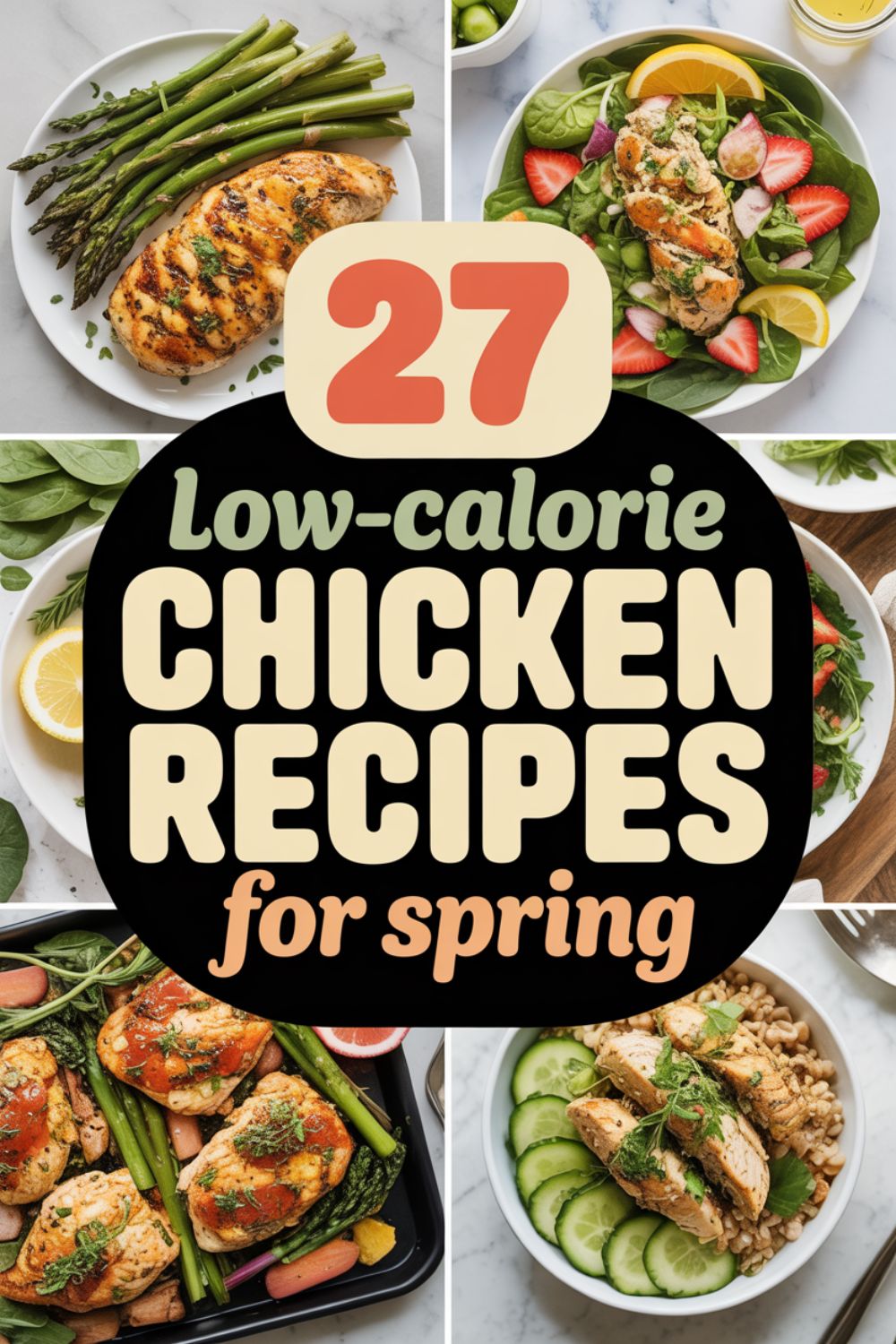
27 Low-Calorie Chicken Recipes for Spring
Spring has officially arrived, and I’m absolutely buzzing about lighter meals that don’t leave me feeling sluggish. You know that post-winter fog where everything feels heavy? Yeah, I needed to shake that off. That’s when I started experimenting with chicken recipes that actually taste like spring—fresh herbs, bright vegetables, and flavors that make you want to eat outside on your porch.
Chicken gets a bad reputation for being boring, but honestly, that’s just lazy cooking talking. I’ve compiled 27 recipes that prove chicken can be exciting, seasonal, and under 400 calories per serving. These aren’t sad diet meals either. We’re talking real food that keeps you full and happy.
The beauty of spring chicken recipes is how well they pair with seasonal produce. Asparagus, snap peas, fresh herbs, strawberries, and baby spinach all make appearances here. I lean heavily on lean protein benefits because chicken breast packs about 31 grams of protein per 100 grams while staying incredibly low in fat.
Why Spring Chicken Recipes Hit Different
Spring cooking feels like a reset button. After months of heavy stews and casseroles, your body craves lighter fare. I noticed this shift in my own kitchen around late March. Suddenly, roasted root vegetables felt wrong, and I wanted everything grilled, fresh, and herb-forward.
Chicken fits perfectly into this transition. It’s mild enough to let spring vegetables shine but substantial enough to keep you satisfied. Plus, skinless chicken breast clocks in around 165 calories per 100 grams, making it one of the most calorie-efficient proteins available.
The trick is avoiding the same old boring prep methods. No more plain grilled chicken with steamed broccoli. We’re upgrading with marinades, fresh salsas, and cooking techniques that actually add flavor without piling on calories.
The 27 Spring Chicken Recipes You’ll Actually Make
Light & Fresh Grilled Options
Grilling season starts in spring, and these recipes take full advantage. I’m talking lemon herb grilled chicken that takes 20 minutes start to finish, balsamic strawberry chicken that sounds weird but absolutely works, and honey mustard glazed chicken thighs that come in under 300 calories per serving.
The strawberry chicken situation deserves explanation. I was skeptical too until I tried it. The sweetness from fresh strawberries balances the acidity of balsamic vinegar, creating this glaze that caramelizes beautifully on the grill. Pair it with arugula, and you’ve got yourself a legitimate spring dinner.
For grilling, I can’t recommend this instant-read meat thermometer enough. Game changer for knowing exactly when chicken hits 165°F without cutting into it and losing all those juices.
If you’re looking for complete structured eating plans that incorporate these types of recipes, check out this 7-day high-protein 1200-calorie meal plan or this 30-day low-calorie meal plan that maps everything out for you.
One-Pan Spring Dinners
One-pan meals are my weeknight salvation. Sheet pan chicken with asparagus and cherry tomatoes requires almost zero cleanup. You season everything, throw it on a pan, and walk away for 25 minutes. The vegetables roast in the chicken drippings, getting all caramelized and delicious.
Another winner is lemon garlic chicken with baby potatoes and green beans. Everything cooks at the same temperature, and the cleanup is literally one pan. I use these rimmed sheet pans because they’re heavy enough not to warp in the oven but still affordable.
Spring onion and pea chicken skillet brings those sweet spring peas into play. Fresh peas beat frozen every time in spring—they’re sweeter and have better texture. Toss them in during the last five minutes of cooking so they stay bright green and slightly crisp.
Chicken Salads That Don’t Suck
Let’s be real—most chicken salads are depressing. But spring salads with grilled chicken can be absolutely incredible. Think strawberry spinach salad with grilled chicken and poppy seed dressing, Mediterranean chicken salad with cucumbers and feta, or Asian-inspired chicken salad with mandarin oranges and crunchy almonds.
The key is texture and temperature contrast. Warm chicken on cold greens with crunchy elements and a bright dressing makes all the difference. I meal prep these by grilling chicken on Sunday and storing it separately from the greens.
For the poppy seed dressing, I make a lighter version using Greek yogurt instead of mayonnaise. Same creamy texture, way fewer calories, and it actually tastes better IMO. You can also explore other low-calorie bowl ideas that work with similar prep strategies.
Soup & Light Stew Territory
Spring soups are different from winter soups. They’re lighter, broth-forward, and packed with vegetables. Lemon chicken orzo soup is basically spring in a bowl—bright, herby, and comforting without being heavy.
White bean chicken chili verde uses tomatillos and green chilies for that fresh, slightly tangy flavor. It’s under 350 calories per bowl and keeps you full for hours. The beans add fiber and protein, making it a complete meal.
I also love Thai coconut chicken soup with spring vegetables. Light coconut milk keeps it creamy without going overboard on calories, and the lemongrass and ginger add that fresh spring brightness. Serve it over cauliflower rice to keep it extra light, or go traditional with jasmine rice if you’ve got the calorie budget.
Speaking of soups, these low-calorie soup recipes under 200 calories complement chicken dishes perfectly when you want something warming but light.
Meal Prep Essentials Used in These Recipes
Physical Products That Make Everything Easier
After making these recipes on repeat, I’ve narrowed down the gear that actually matters:
- Glass meal prep containers with compartments – I use these for storing grilled chicken separately from vegetables. The compartments prevent everything from getting soggy, and they’re microwave-safe.
- Meat tenderizer mallet – Pound your chicken breasts to even thickness so they cook uniformly. No more dry edges and raw centers. This simple tool changed my chicken game.
- Herb keeper storage container – Fresh herbs stay crisp for two weeks in these things. Since spring recipes rely heavily on fresh herbs, this pays for itself immediately.
Digital Resources Worth Your Time
- 7-Day Spring Meal Prep Guide (Digital PDF) – Complete shopping lists, prep schedules, and macro breakdowns for a week of these chicken recipes.
- Low-Calorie Marinade Recipe Collection – 25 marinades under 50 calories that transform plain chicken into restaurant-quality meals.
- Spring Produce Guide & Substitution Chart – Know what’s in season and what swaps work when you can’t find specific vegetables.
Want more support? Join our WhatsApp Meal Prep Community where people share their wins, swap recipe modifications, and keep each other accountable. It’s free and actually helpful—no spam, just real people figuring this out together.
Cooking Techniques That Actually Matter
The difference between mediocre chicken and restaurant-quality chicken comes down to a few techniques. First, always dry your chicken before seasoning. Pat it completely dry with paper towels. Moisture prevents browning, and browning equals flavor.
Second, season aggressively. Chicken is mild, so it needs help. Don’t be shy with salt, herbs, and acid. A good rule is to season chicken at least 30 minutes before cooking, or even better, overnight. The salt penetrates the meat, making it juicy throughout instead of just salty on the outside.
Third, don’t overcook it. This is where most people mess up. Chicken breast should hit 165°F internal temperature and then come off the heat immediately. Carryover cooking will bring it up another few degrees, landing you at perfectly juicy chicken instead of the dry hockey pucks we’ve all suffered through.
For detailed guidance on maintaining a calorie deficit while eating satisfying food, this article on how to lose weight on 1200-1500 calories without starving breaks down the science and practical strategies.
Flavor Building Without Calories
This is where spring cooking really shines. Fresh herbs, citrus zest, and acid-based marinades add massive flavor without adding meaningful calories. A tablespoon of fresh lemon juice is 3 calories. A handful of fresh cilantro? Basically zero. But the flavor impact is enormous.
I keep my spice cabinet stocked with smoked paprika, cumin, garlic powder, and za’atar. These add complexity to chicken without needing heavy sauces or oils. A simple rub of smoked paprika and garlic powder on chicken thighs before grilling creates this incredible crust that tastes way more indulgent than it is.
Citrus zest is another secret weapon. The zest contains all the aromatic oils without the liquid that can make marinades watery. Lemon zest, lime zest, and orange zest all work beautifully with chicken. Grate it directly onto seasoned chicken and let it sit for 15 minutes before cooking.
Spring Vegetables That Pair Perfectly
Asparagus is the obvious choice, but don’t sleep on snap peas, radishes, baby carrots, and fresh artichokes. These vegetables are at peak flavor in spring and complement chicken’s neutral canvas perfectly.
Snap peas add crunch and subtle sweetness. I toss them raw into stir-fries during the last minute of cooking or serve them fresh alongside grilled chicken with a light tahini drizzle. Radishes roasted with chicken turn sweet and mild—completely different from their raw bite.
Fresh artichokes require more work, but if you’ve never had roasted artichoke hearts with lemon chicken, you’re missing out. The nutty, slightly sweet flavor of artichokes matches beautifully with garlic and herbs. When I’m feeling lazy, I use these jarred artichoke hearts that are already marinated. Just drain them and toss them on the sheet pan.
For more ideas on keeping vegetables interesting, these high-protein low-calorie meals show creative vegetable pairings that maximize volume and satisfaction.
Tools & Resources That Make Cooking Easier
Kitchen Tools I Use Constantly
- Quality chef’s knife – You don’t need an expensive set. One good 8-inch chef’s knife handles 90% of kitchen tasks. Mine cost $40 and has lasted six years with regular sharpening.
- Microplane zester – For all that citrus zest I keep mentioning. Also works for fresh ginger, garlic, and hard cheeses. Tiny but mighty.
- Kitchen scale – If you’re serious about calorie tracking, measuring by weight beats measuring cups every time. A 4-ounce chicken breast is consistent. “One chicken breast” varies wildly.
Digital Tools & Guides
- Complete Calorie Deficit Starter Kit – Includes meal plans, macro calculators, and printable grocery lists. Everything you need to get started organized in one place.
- Spring Recipe Swap Guide – Shows you how to swap ingredients based on what’s actually available at your store. No more abandoning recipes because you can’t find one ingredient.
- Visual Portion Guide – Photos showing what 4 oz chicken, 1 cup vegetables, and proper portions actually look like. Helps you estimate when you don’t have a scale.
Making These Recipes Work for Your Life
The best recipe is the one you’ll actually make. I could share the world’s healthiest chicken recipe, but if it requires 15 ingredients and two hours of your time, you’re ordering pizza instead.
That’s why most of these recipes stick to 10 ingredients or fewer and cook in under 40 minutes. Real life doesn’t allow for complicated recipes on Tuesday nights. You need something fast, satisfying, and simple enough that you’re not tempted to bail.
My strategy is cooking chicken in bulk on Sundays. I’ll grill 2-3 pounds of chicken breast, let it cool, and store it in the fridge. Then throughout the week, I reheat portions and pair them with different vegetables and sides. Monday might be chicken with roasted asparagus, Wednesday is chicken over spring greens with strawberries, and Friday is chicken in soup with snap peas.
This approach works with low-calorie meal prep strategies that save time without sacrificing variety. You’re cooking once but eating differently all week.
Budget-Friendly Strategies
Chicken is relatively affordable, but costs add up. Buy whole chickens and break them down yourself—you’ll save about 40% compared to buying pre-cut pieces. It takes 10 minutes once you learn the technique, and you get bones for making stock.
Freeze chicken immediately if you’re not using it within two days. I portion it into individual servings before freezing so I can thaw exactly what I need. These freezer bags are thicker than regular zip-tops and prevent freezer burn better.
Buy herbs in bulk at ethnic grocery stores instead of those tiny $4 packages at regular supermarkets. You’ll get three times the herbs for half the price. Freeze what you can’t use fresh—I chop cilantro, parsley, and basil, then freeze them in ice cube trays with a tiny bit of olive oil. Pop out a cube whenever a recipe calls for fresh herbs.
Common Mistakes to Avoid
Overcrowding your pan is enemy number one. When you pack too much chicken onto one sheet pan or into one skillet, it steams instead of browns. Everything releases moisture, and instead of getting that golden crust, you get gray, sad chicken swimming in liquid.
Give your chicken space. Use two pans if necessary. The browning (called the Maillard reaction, FYI) creates most of the flavor. Without it, your chicken tastes flat no matter how well you seasoned it.
Another mistake is cooking chicken straight from the fridge. Cold chicken doesn’t cook evenly. Let it sit at room temperature for 15-20 minutes before cooking. The outside won’t overcook while waiting for the center to reach safe temperature.
Using low-quality chicken also sabotages your efforts. Those ultra-cheap chicken breasts that are weirdly puffy? They’re often pumped with water and sodium solution to increase weight. They shrink dramatically during cooking and have a spongy texture. Spend slightly more on regular or organic chicken—the difference in taste and texture is worth it.
Sauce Situations
Sauces can make or break your calorie count. Creamy sauces tend to pack 100+ calories per serving, which defeats the purpose of eating light chicken. Stick with yogurt-based sauces, salsas, and herb-forward dressings.
My go-to sauce formula is Greek yogurt + fresh herbs + lemon juice + garlic. Blend it smooth for a drizzle, or keep it chunky for a chunkier texture. Add cucumber for tzatziki vibes, or throw in jalapeño for heat. This base works with grilled chicken, roasted chicken, or chicken salads.
Salsa verde (the Mexican kind with tomatillos, not the Italian herb sauce) is another low-calorie winner. It’s tangy, bright, and adds tons of flavor for about 10 calories per tablespoon. I make a big batch and keep it in the fridge for spooning over everything.
Seasonal Ingredient Swaps
Not everything is available everywhere during spring. If you can’t find fresh asparagus, green beans or snap peas work just as well. No strawberries? Try diced peaches or mango in those fruit-based recipes.
Fresh herbs can usually swap within their families. No basil? Try oregano or thyme instead. Out of cilantro? Parsley works, though the flavor profile shifts slightly. The point is not to abandon a recipe because of one missing ingredient.
Frozen vegetables work too, especially for soups and stir-fries where texture matters less. I keep frozen peas, spinach, and broccoli florets on hand for lazy nights. They’re flash-frozen at peak ripeness, so the nutritional quality is often better than “fresh” vegetables that sat in transport for a week.
For comprehensive guidance on ingredient flexibility and substitutions, check out these cheap low-calorie meal prep ideas that maximize versatility on a budget.
Related Recipes You’ll Love
Frequently Asked Questions
How do I keep chicken breast from drying out when cooking?
The secret is twofold: don’t overcook it, and give it a rest. Pull chicken off the heat at 160-162°F internal temperature—it’ll coast up to 165°F while resting. Let it sit for 5 minutes before slicing. This allows juices to redistribute instead of running out all over your cutting board. Brining in salt water for 30 minutes beforehand also helps tremendously.
Can I use chicken thighs instead of breasts in these recipes?
Absolutely, though the calorie count changes. Boneless, skinless chicken thighs have about 209 calories per 100 grams versus 165 for breast meat. They’re more forgiving to cook and stay juicier, but you’ll need to adjust your portions if you’re tracking calories strictly. The flavor is richer, which some people prefer.
What’s the best way to meal prep these chicken recipes?
Cook your chicken and store it separately from vegetables and sauces. Vegetables get soggy when stored with protein, and sauces make everything watery. I use compartment containers—protein in one section, vegetables in another, sauce in a small container on the side. Reheat the chicken and vegetables together, then add sauce after heating.
How long does cooked chicken last in the fridge?
According to the USDA food safety guidelines, cooked chicken stays safe for 3-4 days in the refrigerator. I try to use mine within three days for best quality. If you won’t use it in time, freeze it immediately after cooking—it’ll keep for 2-3 months frozen.
Are these recipes actually filling enough for dinner?
Yes, if you pair them properly. A 6-ounce chicken breast with 2 cups of vegetables and a small portion of complex carbs like quinoa or sweet potato makes a complete, satisfying meal around 400-500 calories. The high protein keeps you full, and the volume from vegetables provides physical satisfaction. Don’t just eat naked chicken and expect to feel satisfied.
Final Thoughts
Spring chicken recipes offer this perfect sweet spot between light and satisfying. You’re eating fresh, seasonal food that happens to support your health goals without making you feel like you’re on a diet. That’s the whole point, really.
I’ve made variations of these 27 recipes for years now, tweaking them based on what’s available and what my family actually enjoys eating. Some weeks we eat grilled chicken five times because nobody complains. Other weeks I mix it up with soups and salads to keep things interesting.
The consistency matters more than perfection. Making decent chicken recipes three times a week beats making elaborate meals once and ordering takeout the other six nights. Start with two or three recipes from this list that sound approachable, master those, then expand your rotation.
Spring cooking should feel energizing, not exhausting. Use these recipes as starting points, adjust them to your taste, and don’t stress about getting everything exactly right. The goal is eating well consistently, not achieving culinary perfection on a random Tuesday.