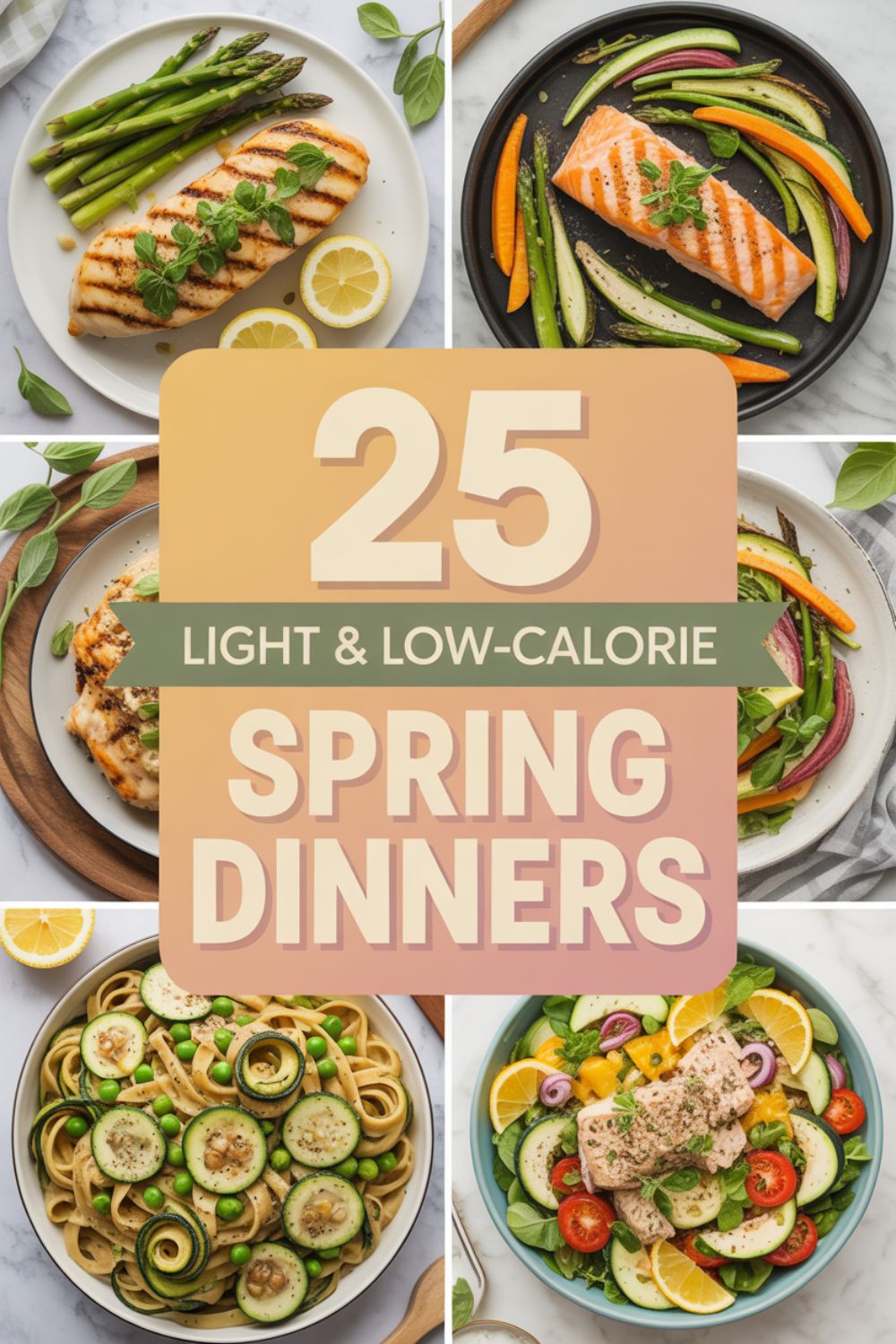
25 Light & Low-Calorie Spring Dinners That Actually Taste Amazing
Spring has this way of making you want to eat lighter without feeling like you’re punishing yourself, right? After months of heavy comfort food, suddenly fresh greens and bright flavors don’t sound like torture—they sound exactly right. But here’s the thing nobody tells you about low-calorie spring dinners: most recipes either leave you starving by 9 PM or taste like sad desk lunch material.
I’ve spent the last few springs testing dinners that clock in under 400 calories but don’t require you to eat three servings just to feel satisfied. These 25 recipes use seasonal spring vegetables, lean proteins, and flavor tricks that make your taste buds forget you’re in a calorie deficit. No wilted lettuce pretending to be a meal here.
Whether you’re trying to shed a few winter pounds or just want dinners that don’t sit like a brick in your stomach, these recipes work. They’re quick enough for weeknights, impressive enough for guests, and honest-to-goodness filling. Let’s get into it.
Why Spring Makes Low-Calorie Eating Actually Enjoyable
Spring produce does half the work for you when you’re trying to eat lighter. Asparagus, snap peas, radishes, and tender greens pack so much natural flavor and crunch that you don’t need heavy sauces or excessive oils to make them interesting. Compare that to January vegetables—even I can’t get excited about another roasted root vegetable situation.
The other advantage? Spring vegetables tend to be high-volume and low-calorie, meaning you can pile your plate without blowing your calorie budget. A whole pound of asparagus is barely 100 calories. Try that with sweet potatoes and see how far you get.
Plus, warmer weather makes you naturally crave lighter meals. Your body basically does the psychological heavy lifting. You’re not white-knuckling your way through cravings for pot roast—you genuinely want something fresh. Use that momentum.
The Secret Formula Behind Low-Calorie Dinners That Actually Fill You Up
Here’s what I’ve learned after making approximately 500 “light” dinners that left me raiding the pantry at 10 PM: calories aren’t the enemy. Volume, protein, and fiber are your actual friends. You can eat a 250-calorie dinner that leaves you satisfied for hours, or a 250-calorie dinner that has you eyeing the peanut butter jar before the dishes are even done.
The Three Non-Negotiables
Every dinner on this list includes at least 20 grams of protein. I don’t care if you’re vegetarian, pescatarian, or full carnivore—protein keeps you fuller longer and helps maintain muscle while you’re in a calorie deficit. Spring makes this easy with lighter proteins like fish, chicken breast, and legumes that don’t feel heavy.
Second: fiber from vegetables and whole grains. Fiber slows digestion, which means your blood sugar stays stable instead of crashing an hour after dinner. This is why a chicken breast with roasted Brussels sprouts keeps you satisfied, but a chicken breast alone has you searching for snacks.
Third: smart fats in small amounts. A teaspoon of good olive oil, some avocado, or a sprinkle of nuts adds satisfaction without derailing your calorie count. Fat-free everything sounds great until you’re miserable and constantly hungry.
For more strategies on managing your calorie intake without the constant hunger, check out how to lose weight on 1200-1500 calories without starving. It breaks down the science of staying full in a deficit better than I can in one paragraph.
25 Light Spring Dinners That Don’t Taste Like Punishment
Grilled & Roasted Spring Proteins
Lemon Herb Grilled Chicken with Asparagus (285 calories): This is my default weeknight dinner when I need something fast and brainless. Marinate chicken breasts in lemon juice, garlic, and whatever fresh herbs you have—I usually grab thyme or rosemary. Grill both the chicken and asparagus together. The asparagus gets these perfect charred bits that almost taste sweet. I use this grill pan when it’s too cold or lazy to go outside, and honestly, it works just as well.
Honey Mustard Salmon with Sugar Snap Peas (310 calories): Mix Dijon mustard with a tiny drizzle of honey and brush it on salmon fillets before baking. The sugar snap peas go right on the same sheet pan. Boom—one pan, minimal cleanup, and the mustard glaze adds so much flavor you forget this is technically diet food. Get Full Recipe
Balsamic Glazed Pork Tenderloin with Roasted Radishes (295 calories): Roasted radishes were a revelation for me. They lose that sharp bite and turn mellow, almost like roasted potatoes but for a fraction of the calories. The pork gets brushed with a balsamic reduction that caramelizes beautifully. If you’ve never tried cooking radishes, this is your sign.
“I made the balsamic pork tenderloin recipe three times in two weeks. My husband, who usually complains about ‘diet dinners,’ actually asked for seconds. I’m down 8 pounds in a month without feeling deprived once.” — Jessica from our community
Cilantro Lime Shrimp Skewers with Grilled Zucchini (245 calories): Shrimp cook in literally four minutes, making this the fastest protein on this entire list. Marinate them in lime juice, cilantro, and a pinch of cumin for 15 minutes while you slice zucchini. Thread onto metal skewers—the reusable kind—and grill. The zucchini gets these gorgeous grill marks and tastes like you spent way more effort than you did.
Garlic Herb Turkey Meatballs with Spring Vegetables (320 calories): Ground turkey is cheap, lean, and takes on whatever flavors you throw at it. Mix in fresh parsley, oregano, and minced garlic, then bake. Serve with whatever spring vegetables you grabbed at the store—I’ve done asparagus, green beans, and cherry tomatoes. The meatballs meal prep beautifully, FYI.
Meal Prep Essentials I Actually Use
These aren’t affiliate links or sponsorships—just stuff that’s made my spring cooking easier and helped me stick to lighter dinners without losing my mind.
Physical Products:- Glass meal prep containers with vented lids — Spring vegetables release moisture when stored, and these containers prevent the soggy salad syndrome better than anything else I’ve tried
- Herb keeper container — Keeps fresh herbs alive for 2+ weeks instead of turning to slime in three days, which saves money and makes adding fresh flavor to light dinners easier
- Digital food scale — Not sexy, but if you’re serious about portion sizes on low-calorie dinners, eyeballing doesn’t cut it; this one switches between grams and ounces and has a tare function
- 7-Day 1200 Calorie Meal Plan — If you want a complete week mapped out with shopping lists and prep instructions
- 30-Day Low-Calorie Meal Plan — For when you need a full month of variety without thinking
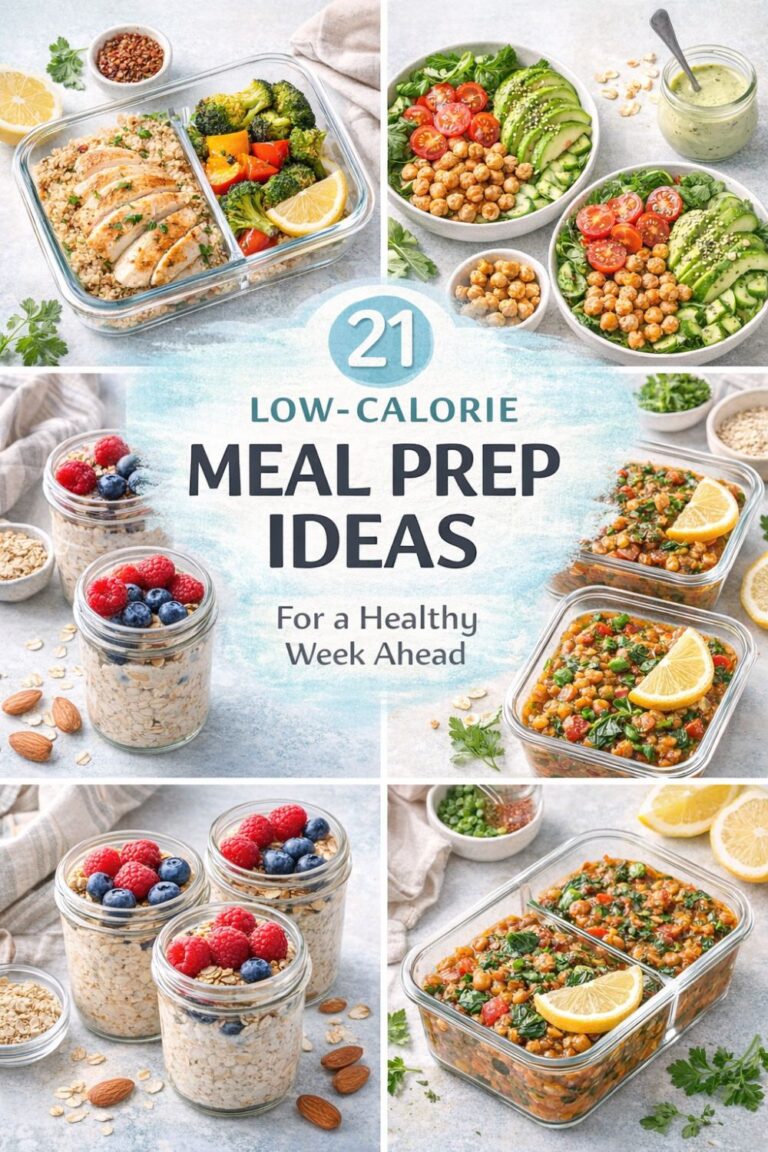
- Low-Calorie Meal Prep Ideas — Batch cooking strategies that actually save time
One-Pan Spring Dinners
Sheet Pan Chicken Fajitas with Bell Peppers (290 calories): Slice chicken breast thin, toss with bell peppers and onions, season with chili powder and cumin, spread on a sheet pan, and roast at 425°F. The vegetables caramelize and the chicken stays juicy. Serve with a small whole wheat tortilla or just eat it straight from the pan like I usually do.
Mediterranean Cod with Cherry Tomatoes and Olives (265 calories): Layer cod fillets on a baking dish, surround with halved cherry tomatoes, kalamata olives, and thinly sliced red onion. Drizzle everything with a bit of olive oil and lemon juice. Bake until the fish flakes easily. The tomatoes burst and create this incredible sauce. No effort, maximum flavor. Get Full Recipe
Sesame Ginger Tofu with Bok Choy (255 calories): Press extra-firm tofu for 15 minutes—this step matters; skip it and you get watery tofu. Cube it, toss with sesame oil and fresh ginger, then bake until crispy. Sauté bok choy in the same pan you’ll use for serving. The tofu gets these crispy edges that are genuinely addictive.
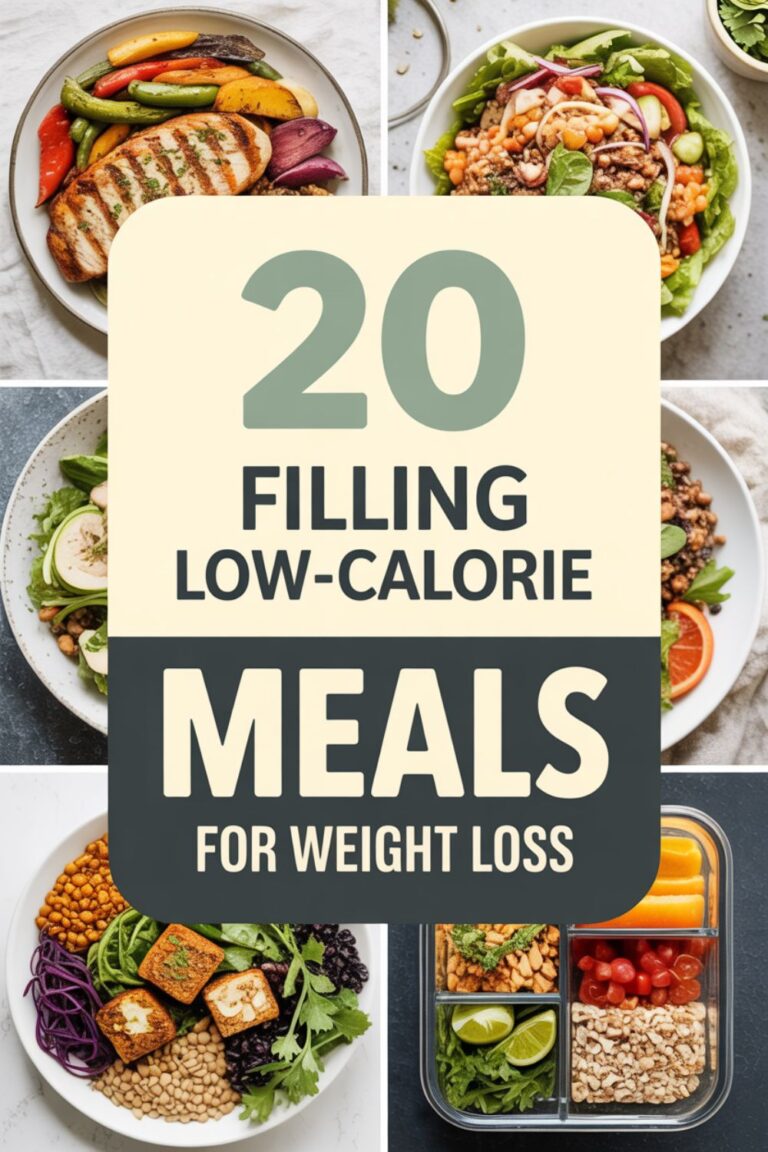
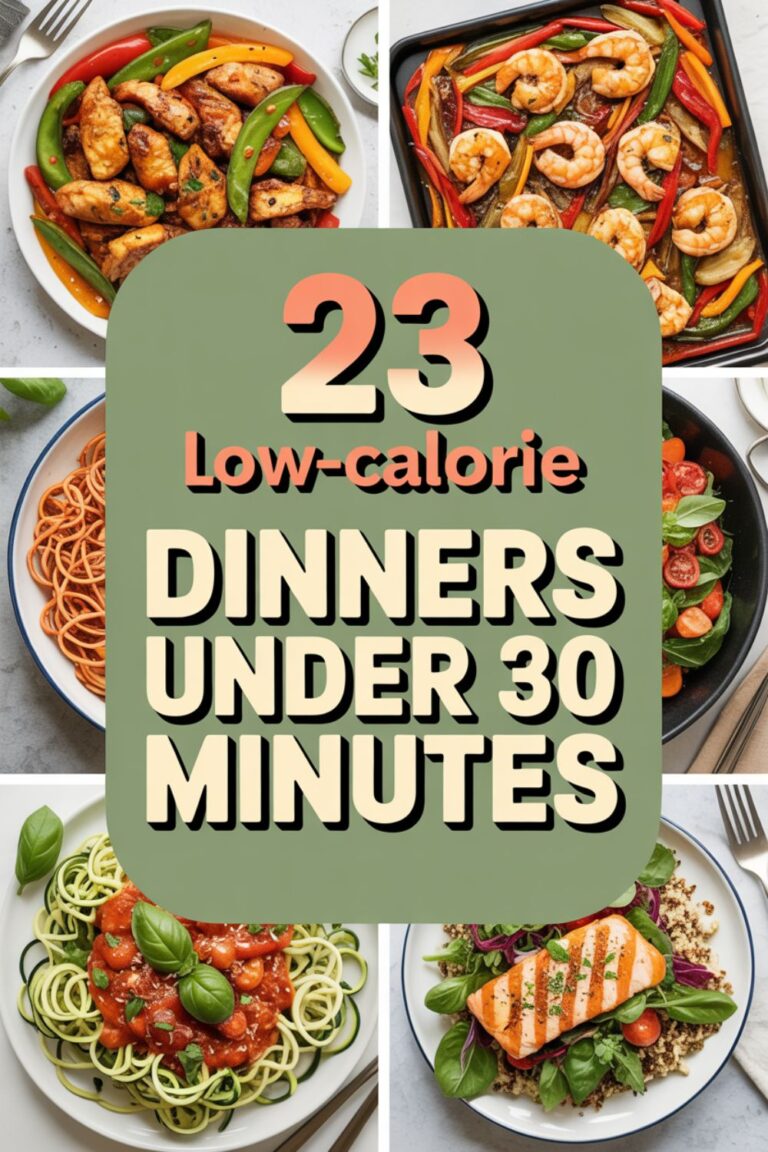
If you’re looking for more complete dinner inspiration beyond just spring recipes, these low-calorie dinners under 350 calories have been lifesavers on busy weeknights. Same principle—big on flavor, light on calories.
Spring Pasta & Grain Bowls
Lemon Asparagus Pasta with Peas (340 calories): Use whole wheat pasta or chickpea pasta for extra protein and fiber. Toss with blanched asparagus, peas, lemon zest, a touch of parmesan, and fresh basil. The trick is to reserve some pasta water to create a light sauce instead of drowning everything in cream or oil. Tastes indulgent, clocks in under 350 calories.
Spring Vegetable Quinoa Bowl (305 calories): Cook quinoa in vegetable broth instead of water—small change, big flavor impact. Top with roasted spring vegetables, a soft-boiled egg, and a drizzle of tahini thinned with lemon juice. The combination of textures and the protein from both quinoa and egg keeps you satisfied for hours.
Pesto Zoodles with Grilled Chicken (280 calories): Spiralize zucchini into noodles using this spiralizer that doesn’t take up half your cabinet. Make a lightened-up pesto with lots of basil, a little parmesan, and just enough pine nuts for flavor. Top with sliced grilled chicken. You get the pasta experience without the calorie load.
Shrimp Spring Roll Bowl (270 calories): Deconstruct spring rolls into a bowl format. Rice noodles as the base, then top with cooked shrimp, shredded carrots, cucumber, fresh herbs, and a peanut sauce made with PB2 instead of regular peanut butter. You save about 100 calories on the sauce alone, and honestly, the flavor difference is minimal.
Farro Salad with Strawberries and Grilled Chicken (315 calories): This one sounds weird but trust me. Cooked farro, sliced strawberries, arugula, grilled chicken, and a light balsamic vinaigrette. The strawberries add this perfect sweetness that balances the peppery arugula. Spring in a bowl.
Soup & Stew Situations
Spring Minestrone with White Beans (230 calories): Load this soup with whatever spring vegetables you have—zucchini, green beans, peas, spinach. White beans add protein and make it filling without needing pasta. A big bowl of this with some crusty bread is under 350 calories total and feels like a proper meal.
Lemon Chicken Orzo Soup (295 calories): Think Greek avgolemono but lighter. Chicken breast, orzo, lots of lemon, fresh dill, and a touch of egg to make it creamy without adding cream. This is comfort food that happens to be low-calorie. I make a huge pot and eat it for three days straight.
Thai-Inspired Coconut Curry with Vegetables (260 calories): Use light coconut milk and load up on vegetables—bell peppers, snap peas, mushrooms, bamboo shoots. Red curry paste adds tons of flavor for barely any calories. Serve over cauliflower rice if you’re being strict, or a small portion of regular jasmine rice if you’re being reasonable. Get Full Recipe
Speaking of soup obsessions, these low-calorie soups that keep you full for hours have similar vibes but work year-round, not just spring.
Salads That Actually Count as Dinner
Grilled Steak Salad with Strawberries (335 calories): Grill a lean steak—flank or sirloin—and slice it thin. Pile it on mixed greens with sliced strawberries, goat cheese crumbles, and candied pecans. The dressing is just balsamic vinegar and a touch of olive oil. The steak makes this feel like a real meal, not rabbit food.
Mediterranean Chickpea Salad with Feta (285 calories): Chickpeas, cucumber, cherry tomatoes, red onion, feta cheese, and a lemon-oregano dressing. This holds up well if you make it ahead, which most salads don’t. The chickpeas give you plant-based protein and enough substance to call this dinner.
Asian Chicken Lettuce Wraps (240 calories): Ground chicken sautéed with ginger, garlic, water chestnuts, and a sauce made from low-sodium soy sauce and rice vinegar. Spoon into butter lettuce leaves. The crunch from the lettuce and water chestnuts makes this feel more substantial than it is.
Tools & Resources That Make Light Cooking Easier
The right tools don’t make or break your success, but they definitely make sticking to lighter dinners less annoying.
Physical Products:- Salad spinner that actually dries greens — Wet lettuce makes dressing slide off and creates sad, soggy salads; this one has a brake button and gets greens legitimately dry
- Microplane zester — Fresh lemon, lime, and orange zest add massive flavor to light dinners for zero calories; cheap zesters just mangle the fruit
- Instant-read thermometer — Overcooking chicken breast is the fastest way to hate low-calorie eating; this tells you exactly when protein is done without cutting it open
- 14-Day 1500 Calorie Meal Plan — Budget-friendly and more flexible than 1200 if you’re active
- Cheap Low-Calorie Meals for Meal Prep — Because eating healthy shouldn’t cost a fortune
- 21-Day Low-Calorie Meal Plan — Three full weeks planned out for maximum variety
Lighter Takes on Comfort Food
Cauliflower Crust Pizza with Spring Vegetables (295 calories): I know, I know—cauliflower crust sounds like sad health food. But when you top it with roasted asparagus, caramelized onions, and a bit of mozzarella, it’s actually good. The key is making sure the crust gets crispy. Use a pizza stone if you have one.
Turkey Chili with Spring Greens (275 calories): Ground turkey, kidney beans, diced tomatoes, and your standard chili spices. But here’s the twist: stir in chopped kale or spinach at the end. It wilts down and adds nutrients without changing the flavor. Top with a dollop of Greek yogurt instead of sour cream.
Stuffed Bell Peppers with Ground Turkey (310 calories): Hollow out bell peppers, stuff with a mixture of ground turkey, quinoa, diced tomatoes, and Italian seasoning. Bake until the peppers are tender. These meal prep like a dream and reheat perfectly.
Lightened-Up Chicken Parmesan (345 calories): Bread chicken cutlets with panko and a tiny bit of parmesan, then bake instead of frying. Top with marinara sauce and a small amount of mozzarella. Serve over zucchini noodles or a small portion of whole wheat pasta. You get the comfort without the calorie bomb. Get Full Recipe
Spring Vegetable Frittata (265 calories): Beat eggs with a splash of milk, pour into an oven-safe skillet with sautéed asparagus, peas, and herbs. Bake until set. Cut into wedges. This works for dinner, and leftovers work for breakfast. Efficient.
Quick Stir-Fry Dinners
Ginger Chicken Stir-Fry with Snap Peas (285 calories): Slice chicken breast thin so it cooks fast. Stir-fry with fresh ginger, garlic, snap peas, and bell peppers in a wok or large skillet. The sauce is just low-sodium soy sauce, rice vinegar, and a touch of honey. Serve over cauliflower rice or a small portion of brown rice.
Beef and Broccoli with Mushrooms (305 calories): Use lean beef—sirloin works great—and slice it super thin. The broccoli and mushrooms bulk up the volume without adding many calories. The sauce is basically soy sauce, garlic, and a cornstarch slurry to thicken. Restaurant-style dinner at home.
Shrimp Fried Rice with Cauliflower Rice (250 calories): Use riced cauliflower instead of regular rice, and you save about 150 calories while eating the same volume of food. Add shrimp, scrambled egg, peas, carrots, and green onions. Season with soy sauce and sesame oil. Honestly tastes just as satisfying as the real thing.
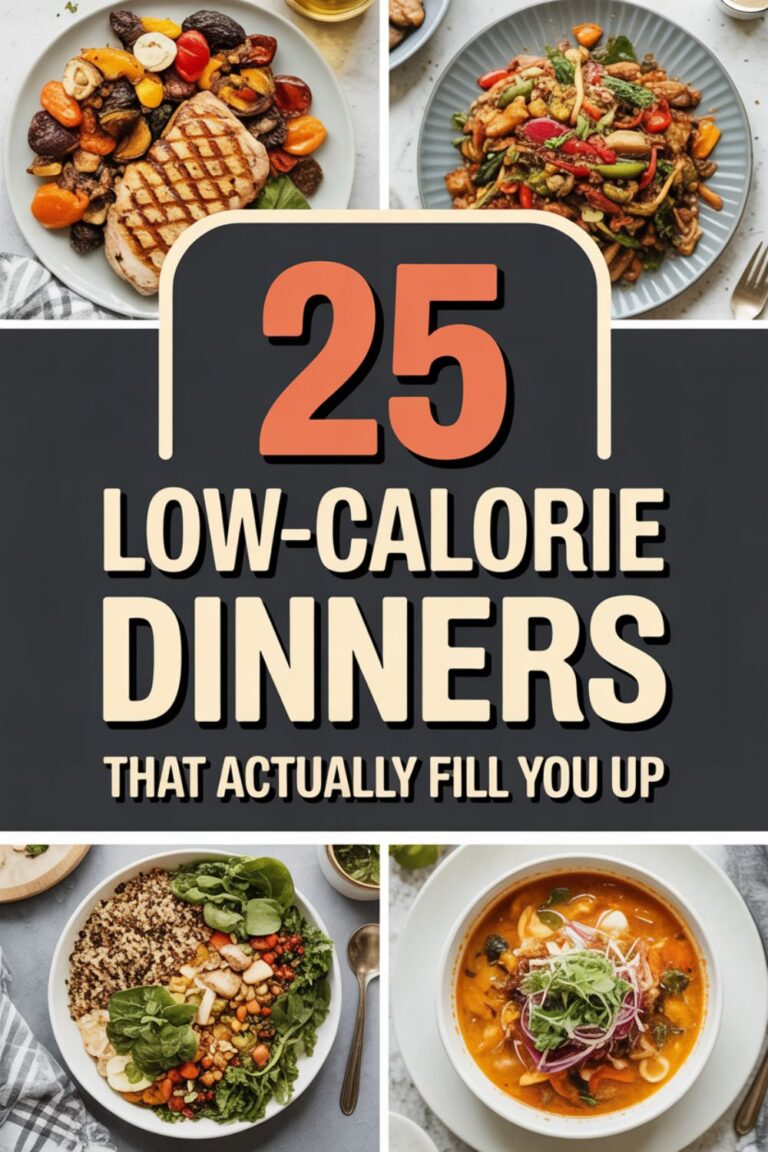
For even more dinner variety that stays light and filling, check out these low-calorie dinners that actually fill you up. Same philosophy—big portions, low calories, real food.
Mistakes People Make with Low-Calorie Spring Dinners
The biggest mistake I see? Cutting calories but not increasing volume. Eating a tiny portion of regular food leaves you hungry and miserable. Eating a massive portion of low-calorie, nutrient-dense food keeps you satisfied. It’s not about suffering through small plates.
Second mistake: ignoring healthy fats entirely. Yes, fat has more calories per gram than protein or carbs. But a teaspoon of olive oil or a few slices of avocado makes food taste better and keeps you fuller longer. Fat-free everything is a recipe for failure, IMO.
Third: not seasoning properly. Bland food is why people quit healthy eating. Spring herbs are literally free if you grow them yourself, and spices have negligible calories. There’s zero reason for boring chicken breast and steamed vegetables.
Fourth mistake: making everything complicated. Spring dinners should be simple. You’ve got great produce that tastes good with minimal intervention. Don’t overcomplicate it with elaborate techniques when grilling or roasting with basic seasonings works beautifully.
How to Meal Prep Spring Dinners Without Losing Your Mind
Spring vegetables don’t always meal prep as well as winter vegetables, because they’re more delicate. Asparagus gets mushy, lettuce wilts, snap peas lose their crunch. But you can still prep strategically.
Prep proteins in bulk. Grill or bake several chicken breasts, salmon fillets, or turkey meatballs on Sunday. They hold up great for 4-5 days and can top any grain bowl or salad. Store them in those airtight glass containers I mentioned earlier.
Cook grains ahead. Quinoa, farro, brown rice, and barley all reheat perfectly. Make a big batch and portion it out. Then during the week, just add fresh vegetables and your pre-cooked protein.
Prep vegetables but don’t cook them. Wash and chop vegetables on Sunday, but roast or sauté them the day you eat them. Pre-washed greens stay fresh for days in the right container. Chopped bell peppers, zucchini, and asparagus keep well when stored properly.
Keep dressings separate. Whether it’s salad dressing or sauce for a grain bowl, store it separately and add right before eating. This prevents everything from getting soggy and gross.
If you need more meal prep strategies that actually work, these low-calorie meal prep ideas cover the systems I use every single week.
Making Low-Calorie Dinners Work When You’re Feeding a Family
Here’s the reality: your kids probably aren’t going to get excited about zucchini noodles and cauliflower rice. And that’s fine. The secret is building modular dinners where everyone can customize their plate.
Make fajita filling with chicken and peppers. You eat yours over lettuce or in one small tortilla. Your kids get regular tortillas, cheese, and sour cream. Same base meal, different applications.
Or make that turkey chili. You eat a big bowl with just a little cheese and Greek yogurt on top. They get tortilla chips, extra cheese, and whatever toppings they want. Everyone’s happy, and you’re not making two separate dinners.
Sheet pan dinners work great for this too. Roast chicken breast, potatoes, and spring vegetables all on one pan. You skip the potatoes or have a small portion. They load up on potatoes with butter. Same cooking effort, customizable portions.
“I was so stressed about eating differently than my husband and two kids. Then I realized I could just make the same food and adjust my portions or swap components. We all eat fajitas on Tuesdays now—they just get extra cheese and I don’t. Game changer.” — Maria, lost 22 pounds in 4 months
Frequently Asked Questions
Can you really stay full on low-calorie spring dinners?
Yes, if you build them correctly. The key is volume—load up on low-calorie, high-fiber vegetables like asparagus, zucchini, and leafy greens. Add lean protein like chicken, fish, or tofu for satiety. Most people fail because they eat tiny portions of regular food instead of large portions of nutrient-dense, lower-calorie food. A huge plate of grilled chicken, roasted vegetables, and quinoa will keep you fuller than a small serving of pasta with cream sauce, even though the calories are similar.
How do I keep spring vegetables from getting mushy when meal prepping?
Don’t cook them ahead of time. Prep them raw—wash, chop, and store in airtight containers. Then cook them the day you plan to eat them. For vegetables that do hold up to reheating, like roasted asparagus or sautéed green beans, slightly undercook them during meal prep. They’ll finish cooking when you reheat. And always store cooked vegetables separately from grains or proteins to prevent everything from getting soggy.
What’s the best way to add flavor to low-calorie dinners without adding calories?
Fresh herbs, citrus zest, and good quality spices are your best friends. A handful of fresh basil or cilantro adds massive flavor for basically zero calories. Lemon or lime zest brightens up any dish. Garlic, ginger, and chili flakes cost almost no calories but deliver big taste. Investing in flaky sea salt instead of table salt also makes vegetables taste better without needing butter or oil. Herbs and spices also pack antioxidants and anti-inflammatory benefits.
Are low-calorie dinners enough for active people or athletes?
It depends on your activity level and goals. If you’re training heavily or have high energy demands, you might need more calories than these 250-350 calorie dinners provide. But you can easily scale these recipes up by adding more protein, healthy fats like avocado or nuts, or larger portions of whole grains. The framework works—you just adjust portions based on your needs. Most moderately active women can maintain or lose weight healthily on 1400-1600 calories per day, which gives plenty of room for larger dinners or additional snacks.
Can I freeze any of these spring dinner recipes?
Some freeze better than others. Soups, chilis, and meatballs freeze beautifully for up to three months. Cooked grains like quinoa and farro freeze well too. Most grilled or baked proteins freeze fine, though fish can get a bit rubbery. The vegetables themselves don’t freeze well raw, and salads obviously don’t work. Your best bet for freezing is to prep complete meals like the turkey chili, spring minestrone, or turkey meatballs with vegetables, portion them out, and freeze individual servings.
Final Thoughts on Light Spring Dinners
Low-calorie eating doesn’t have to mean suffering through bland chicken breast and raw carrots until you crack and order pizza. Spring gives you this perfect opportunity to eat lighter without it feeling like restriction, because the produce is actually good enough to be the star of your plate.
These 25 dinners cover enough variety that you won’t get bored, but they’re all simple enough for real weeknights. No weird ingredients, no complicated techniques, no pretending that cauliflower rice is just as good as the real thing when we all know that’s a lie. Just honest, filling food that happens to be lighter.
The secret isn’t finding the perfect recipe or buying expensive superfoods. It’s building dinners around high-volume vegetables, adequate protein, and enough flavor that you actually want to eat them. Spring makes this easier because the vegetables don’t need heavy sauces to taste good. Use that to your advantage.
Start with three or four recipes from this list that sound actually appealing to you. Try them for a week. See how you feel. Adjust portions if you need to. Add more vegetables if you’re still hungry. Find the balance that works for your body and your life, not some arbitrary calorie target from the internet.
And remember—eating lighter is supposed to make you feel better, not worse. If you’re miserable and starving, you’re doing it wrong. These dinners should leave you satisfied, energized, and maybe even excited about what you’re eating. That’s the whole point.