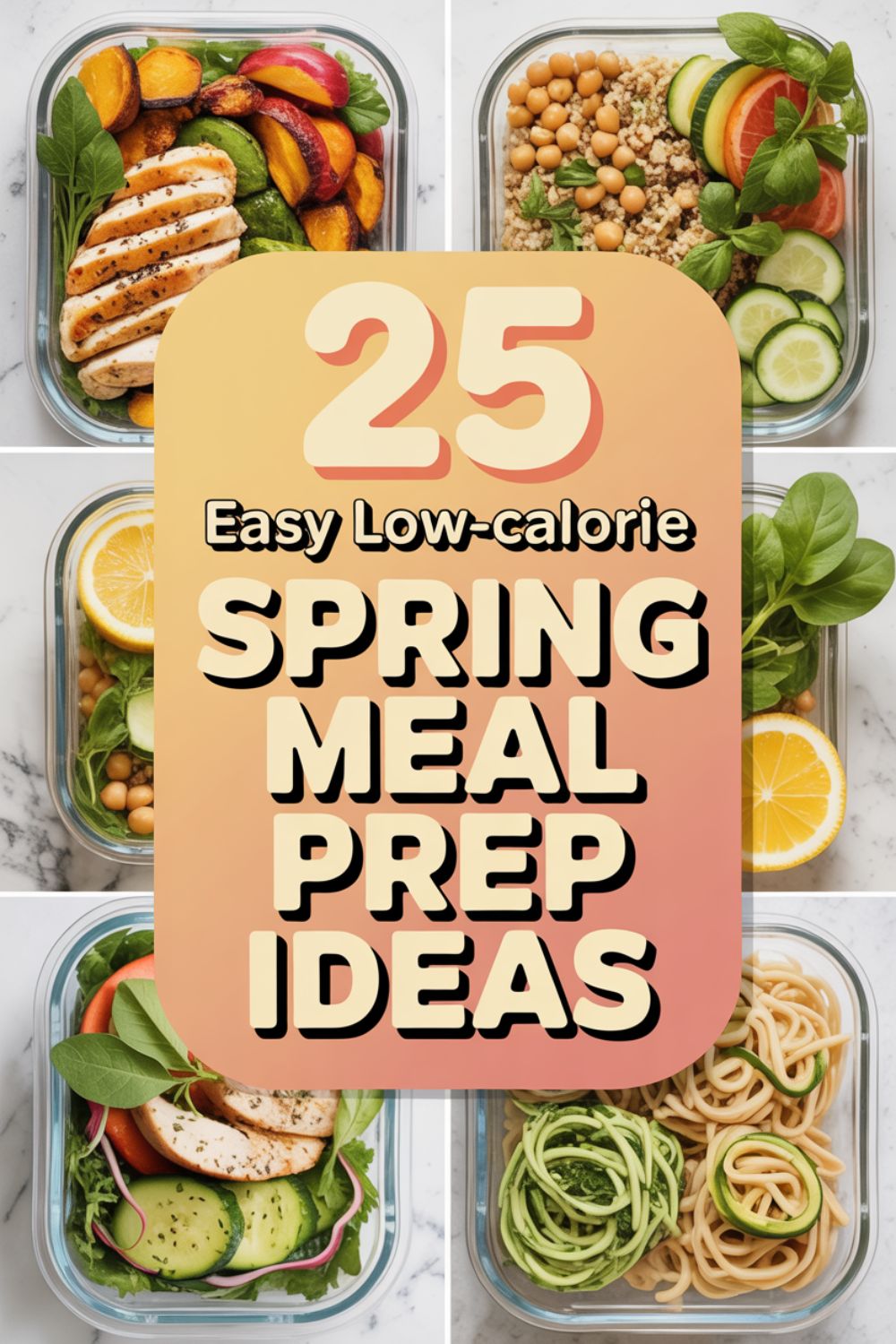
25 Easy Low-Calorie Spring Meal Prep Ideas
Spring is here, and if you’re anything like me, you’re ready to shake off the heavy comfort foods and start eating lighter. But lighter doesn’t mean boring or unsatisfying. I’ve been meal prepping for years, and spring is honestly my favorite time to do it because the produce is incredible and you don’t need to rely on rich sauces or heavy ingredients to make food taste good.
Here’s the thing about meal prep that nobody tells you: it’s not about spending your entire Sunday in the kitchen or eating the same chicken and broccoli five days straight. It’s about working smarter, not harder. And when you’re trying to keep calories in check without feeling deprived, having your meals ready to go is the difference between grabbing something healthy or ordering takeout at 9 PM because you’re starving.
I’m breaking down 25 spring meal prep ideas that are actually easy, genuinely low in calories, and don’t taste like cardboard. These aren’t just recipes—they’re strategies that’ll help you eat well all season long without losing your mind or your budget.
Why Spring Is Actually Perfect for Low-Calorie Meal Prep
Spring vegetables are naturally lower in calories and packed with water and fiber, which means they fill you up without weighing you down. Think asparagus, snap peas, radishes, spring onions, baby carrots, and all those gorgeous leafy greens. You’re not fighting against the season trying to make things work—you’re working with it.
The other advantage? Spring produce doesn’t need much help to taste amazing. A little olive oil, some lemon, fresh herbs, and you’re done. Compare that to winter squash that practically begs for butter and brown sugar, and you’ll see why spring makes low-calorie eating way easier.
Research shows that meal planning is associated with better diet quality and lower body weight. People who plan their meals tend to eat more vegetables, follow nutritional guidelines more closely, and are less likely to be overweight. So yeah, this isn’t just about saving time—it’s genuinely better for your health.
The Spring Meal Prep Blueprint (Not a Recipe, a System)
Before I give you the 25 ideas, let’s talk strategy. The best meal prep isn’t about following recipes exactly—it’s about having a framework you can customize based on what you like and what’s on sale.
Pick Your Proteins
For spring, I lean toward lighter proteins that don’t leave you feeling sluggish. Grilled chicken breast, white fish like cod or tilapia, shrimp, tofu, tempeh, and eggs are all excellent. Ground turkey works great too, especially if you season it properly.
If you’re looking for high-protein options that keep you satisfied, try incorporating some of these high-protein low-calorie meals into your rotation. The key is variety—eating the same protein seven days in a row is a quick path to meal prep burnout.
Load Up on Spring Vegetables
This is where spring really shines. Asparagus, sugar snap peas, English peas, baby carrots, radishes, spring onions, baby bok choy, zucchini, and every leafy green you can imagine. These vegetables are low in calories but high in volume, which is exactly what you want when you’re trying to eat lighter.
The best part? You can roast a massive sheet pan of spring vegetables with just a drizzle of olive oil and some salt, and they’ll be delicious in everything from grain bowls to omelets to salads all week long.
Choose Smart Carbs
I’m not anti-carb, but I am pro-smart-carb. Quinoa, farro, wild rice, sweet potatoes, and even regular potatoes (yes, really) are all fair game. The trick is portion control and pairing them with lots of vegetables and protein so you’re not just eating a bowl of pasta.
Speaking of which, if you’re craving pasta but watching calories, check out these low-calorie pasta recipes. You’d be surprised how satisfying a well-made low-cal pasta dish can be.
Here’s what actually makes spring meal prep easier, from someone who’s done this more times than I can count:
- Glass meal prep containers with divided compartments – I use these every single week. They keep different foods separate (no soggy salads), go in the microwave and dishwasher, and you can actually see what’s inside.
- Silicone baking mats – Makes roasting vegetables completely foolproof. Zero sticking, zero scrubbing. I have three and rotate them constantly.
- Digital kitchen scale – If you’re serious about calorie tracking, this is non-negotiable. Eyeballing portions is how you accidentally eat 400 calories instead of 200.
Digital products that’ve actually helped:
- Macro tracking app subscription – I use MyFitnessPal Premium but there are others. Makes tracking way less annoying.
- Spring meal plan PDF bundle – Pre-made shopping lists and prep schedules. Saves hours of planning time.
- Low-calorie recipe ebook collection – Having 200+ recipes at your fingertips means you never get bored.
25 Easy Low-Calorie Spring Meal Prep Ideas
Breakfast Ideas (Because Morning Sets the Tone)
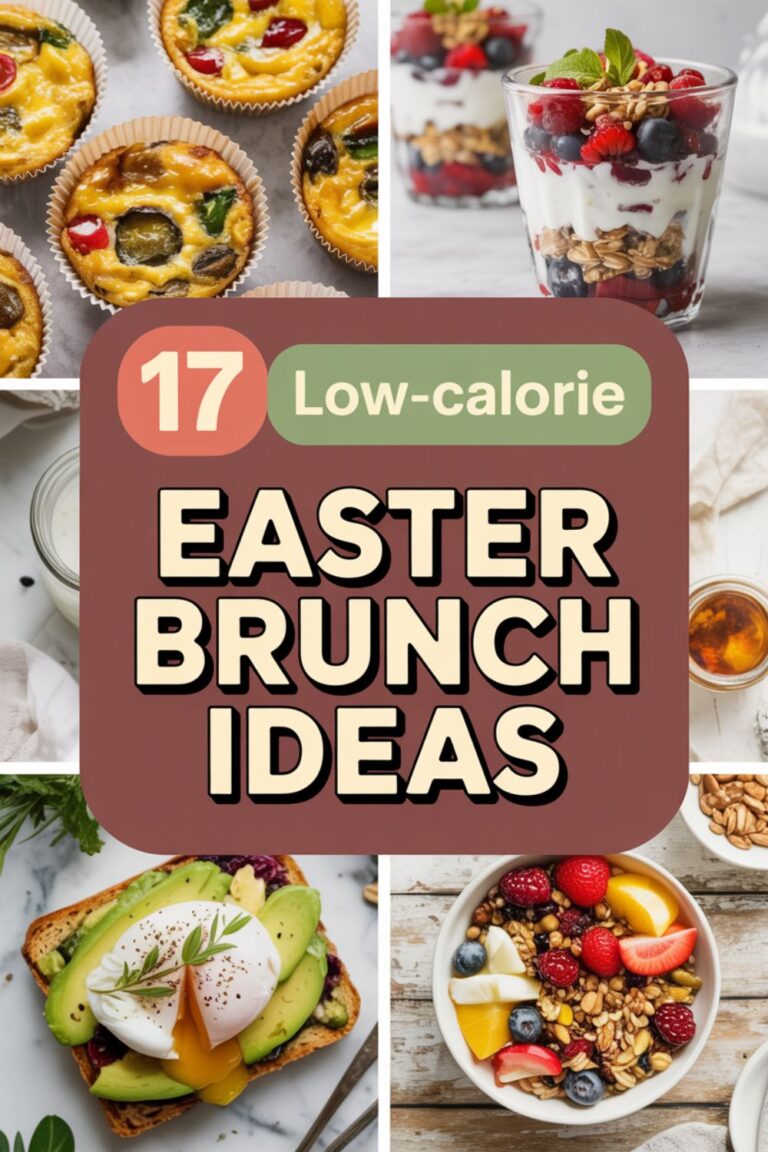
1. Egg White Veggie Muffins
Whisk egg whites with diced bell peppers, spinach, mushrooms, and a bit of feta. Pour into muffin tins and bake. Each muffin is around 50-60 calories and you can grab two or three for a complete breakfast. They reheat perfectly in the microwave.
2. Greek Yogurt Parfait Prep
Layer non-fat Greek yogurt with fresh strawberries, a sprinkle of granola (measured!), and a drizzle of honey in mason jars. Stays fresh for 4-5 days and clocks in around 200 calories depending on your portions.
3. Overnight Oats with Spring Berries
Mix rolled oats with unsweetened almond milk, chia seeds, and vanilla extract. In the morning, top with fresh berries and a tiny bit of maple syrup. About 250 calories and keeps you full until lunch. Get Full Recipe.
4. Veggie-Packed Breakfast Burritos
Scramble eggs with peppers, onions, and spinach. Wrap in whole wheat tortillas with a bit of salsa and cheese. Wrap individually in foil and freeze. Microwave for 2 minutes and you’re out the door. Around 300 calories each.
5. Smoothie Freezer Packs
Pre-portion spinach, frozen berries, banana slices, and protein powder in freezer bags. In the morning, dump into a blender with almond milk. Takes 2 minutes and you have a nutrient-packed breakfast under 250 calories. For more ideas, try these low-calorie smoothies.
Lunch Ideas (The Make-or-Break Meal)
6. Mason Jar Spring Salads
Layer dressing on the bottom, then hard vegetables (cucumbers, radishes), then grains (quinoa or farro), then protein (grilled chicken or chickpeas), then leafy greens on top. Shake and eat. Stays crisp for days and runs about 300-350 calories.
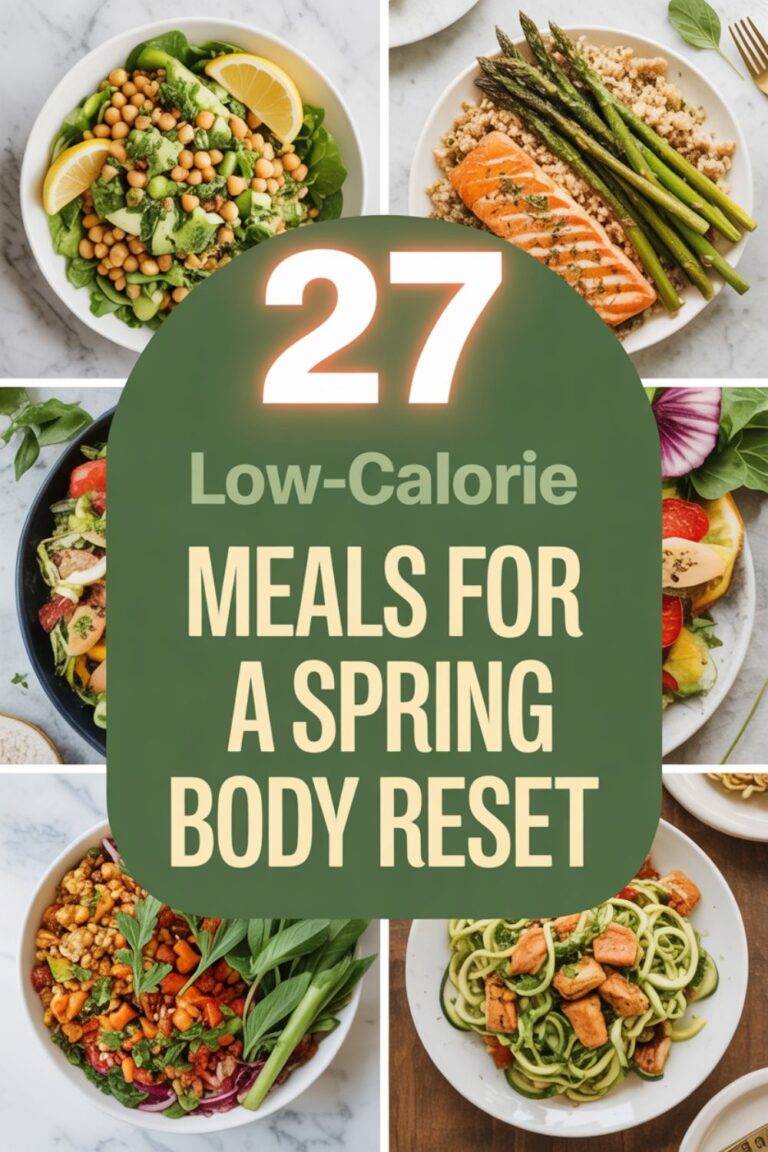
7. Lemon Herb Chicken with Asparagus
Marinate chicken breasts in lemon juice, garlic, and fresh herbs. Grill or bake, then pair with roasted asparagus and a small portion of quinoa. Simple, clean, and around 400 calories. I make this at least twice a month. Get Full Recipe.
8. Shrimp and Snap Pea Stir-Fry
Sauté shrimp with snap peas, bell peppers, and a light soy-ginger sauce. Serve over cauliflower rice to keep it low-cal or regular rice if you have the calorie budget. About 300 calories with cauliflower rice, 450 with regular.
9. Turkey and Veggie Lettuce Wraps
Brown ground turkey with garlic, ginger, and a splash of low-sodium soy sauce. Serve in butter lettuce leaves with shredded carrots, cucumber, and a peanut sauce (measured carefully). Around 250-300 calories and somehow incredibly satisfying.
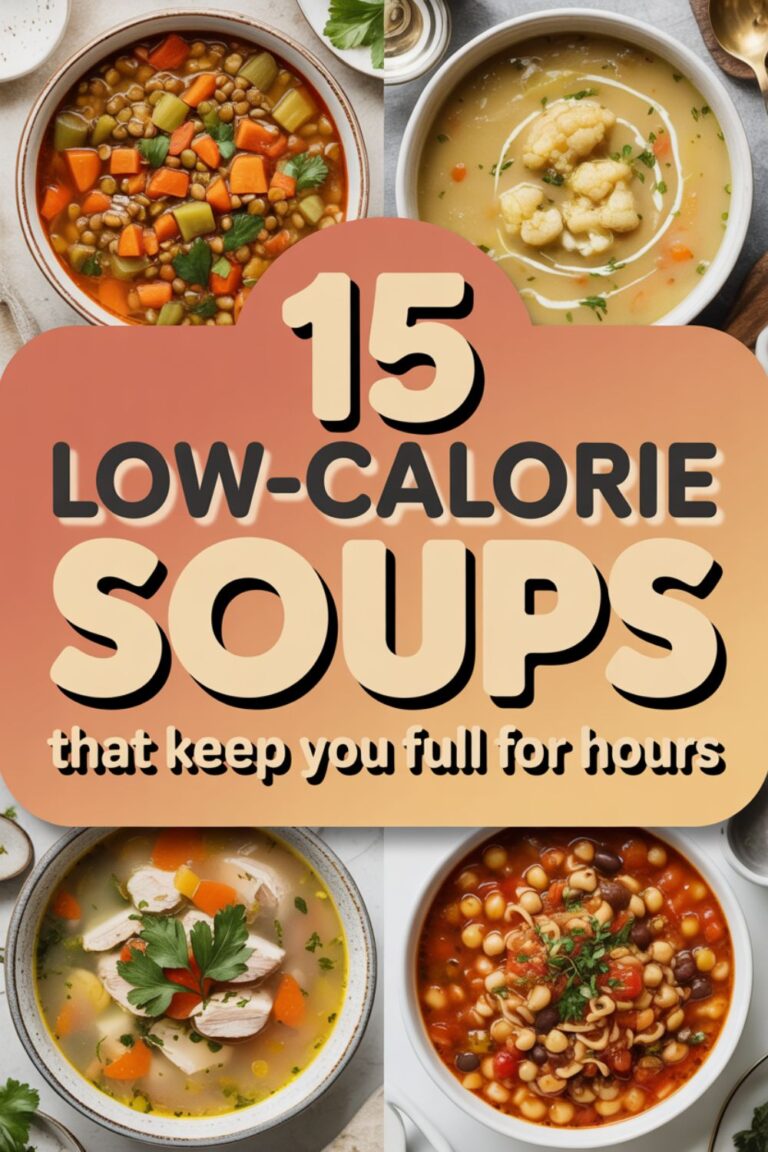
10. Spring Vegetable Soup
Make a big batch with vegetable broth, diced tomatoes, white beans, zucchini, carrots, and whatever greens you have. Season with Italian herbs. Each serving is about 150-200 calories and you can eat a huge bowl without guilt. For more filling options, browse these low-calorie soups.
For additional lunch inspiration, you might love these easy low-calorie lunch ideas for work. They’re all designed to travel well and taste good even when eaten cold or reheated.
Dinner Ideas (End Your Day Right)
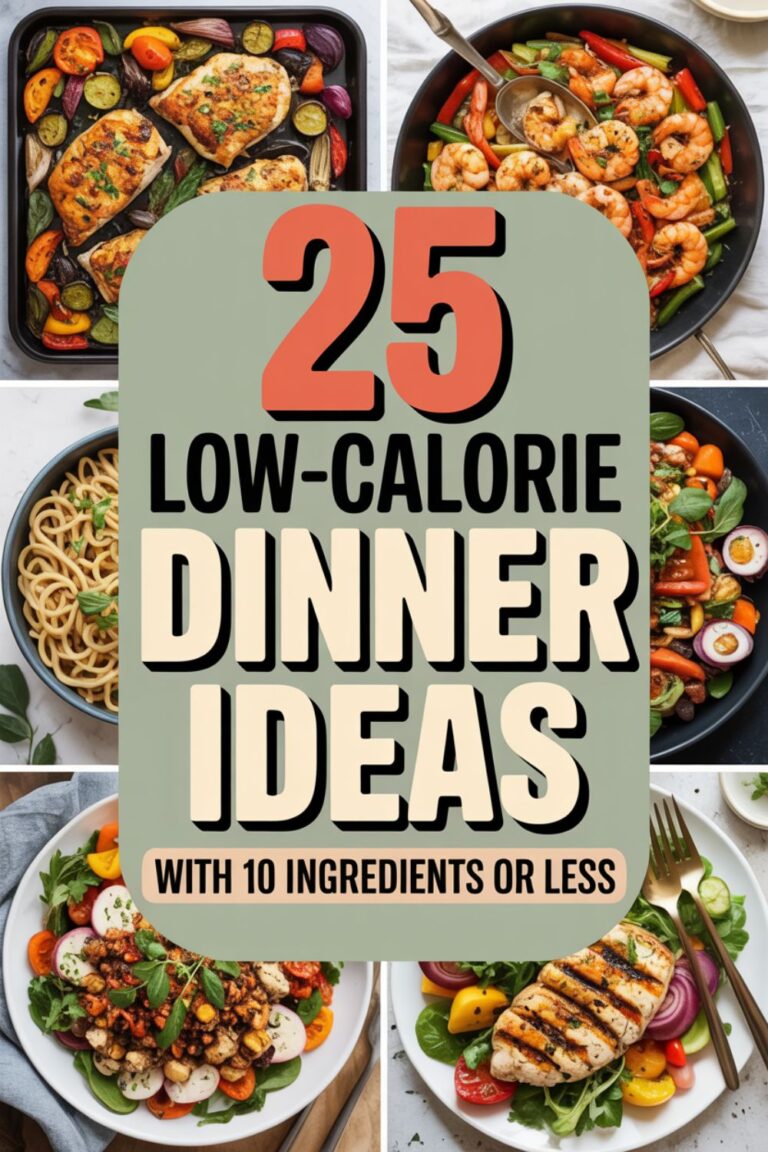
11. Baked Cod with Roasted Vegetables
Season cod fillets with lemon, dill, and a tiny bit of butter. Bake alongside cherry tomatoes, zucchini, and bell peppers. The whole plate is around 350 calories and tastes way fancier than the effort required. I use this fish spatula and it’s made a huge difference in not destroying delicate fish when I flip it.
12. Chicken Fajita Bowls
Slice chicken breast and peppers, season with fajita spices, and roast. Serve over cilantro-lime cauliflower rice with black beans, pico de gallo, and a dollop of Greek yogurt instead of sour cream. Around 400 calories and ridiculously flavorful.
13. Zucchini Noodle Primavera
Spiralize zucchini (or buy pre-spiralized to save time), sauté with garlic and cherry tomatoes, toss with a bit of olive oil and parmesan. Add grilled chicken or shrimp for protein. Clocks in around 300-350 calories. My spiralizer gets used at least once a week.
14. Turkey Meatballs with Marinara
Make meatballs with lean ground turkey, breadcrumbs, egg, and Italian seasonings. Bake, then store with marinara sauce. Serve over zucchini noodles or whole wheat pasta (portioned). About 350-400 calories depending on your carb choice.
15. Grilled Salmon with Dill and Spring Vegetables
Grill salmon fillets and serve with roasted asparagus and baby carrots. Top with a yogurt-dill sauce. Around 400 calories and loaded with omega-3s. This is my go-to when I need something that feels indulgent but isn’t.
If you’re looking for more variety at dinner, definitely check out these low-calorie dinners that actually fill you up. Volume eating is a game-changer when you’re trying to lose weight without being hungry all the time.
Snack Ideas (Because Snacking Isn’t the Enemy)
16. Veggie Sticks with Hummus Portions
Pre-cut carrots, cucumbers, bell peppers, and radishes. Portion out 2-tablespoon servings of hummus in small containers. Grab and go. About 100-150 calories depending on how much you eat.
17. Hard-Boiled Egg Halves with Everything Bagel Seasoning
Boil a dozen eggs at the start of the week. Sprinkle with everything bagel seasoning. Each egg is about 70 calories and keeps you satisfied between meals. Dead simple but so effective.
18. Greek Yogurt with Cucumber and Dill
Mix plain Greek yogurt with diced cucumber, fresh dill, garlic, and a pinch of salt. It’s like tzatziki but you can eat it with a spoon. Around 100 calories and refreshing as hell. Great afternoon snack.
19. Apple Slices with Almond Butter
Slice apples and portion out 1 tablespoon of almond butter. The combination of fiber and healthy fat keeps you full. About 150 calories. The key word here is portion—it’s easy to accidentally eat half the jar.
20. Roasted Chickpeas
Toss chickpeas with olive oil and your favorite spices, roast until crispy. Store in an airtight container. About 120 calories per quarter cup and they satisfy that crunchy, salty craving. If you want more options like this, browse these low-calorie snacks.
Bonus: Flexible Ideas You Can Mix and Match
21. Build-Your-Own Grain Bowls
Prep separate containers of quinoa, roasted vegetables, grilled chicken, chickpeas, and a tahini dressing. Mix and match throughout the week so you’re not eating the exact same thing. Each bowl runs 350-450 calories depending on what you pile in.
22. Egg Roll in a Bowl
Sauté ground turkey or pork with coleslaw mix, garlic, ginger, and a splash of soy sauce. Tastes like an egg roll without the wrapper. About 300 calories per serving and weirdly addictive. Get Full Recipe.
23. Spring Frittata
Whisk eggs with milk, then add sautéed asparagus, peas, spring onions, and a bit of goat cheese. Bake in a cast-iron skillet, slice into wedges, and refrigerate. Each wedge is about 150-200 calories and works for breakfast, lunch, or dinner.
24. Chicken Lettuce Cups
Use rotisserie chicken (save yourself the cooking), dice it up, and mix with diced water chestnuts, green onions, and a light Asian-style sauce. Spoon into butter lettuce leaves. About 200 calories for several cups and super refreshing.
25. Caprese Skewers with Balsamic Drizzle
Thread cherry tomatoes, small mozzarella balls, and fresh basil on skewers. Drizzle with balsamic glaze. About 100 calories for two skewers. Not exactly a full meal, but perfect as a light snack or appetizer-style lunch.
For more ideas you can prepare in advance, take a look at these low-calorie meal prep ideas for busy weekdays. They’re designed for people who don’t have hours to spend in the kitchen.
These aren’t essentials, but they’ve made my meal prep way less annoying:
- Instant-read thermometer – No more dry chicken or undercooked fish. Just temp it and you’re done. Game changer for protein prep.
- Sheet pan set with cooling racks – Lets you roast multiple things at once and the racks mean vegetables don’t steam in their own moisture. Crispier results, less work.
- Salad spinner – Yeah, it’s one more thing to store, but wet lettuce ruins salads and this fixes that problem in 30 seconds.
Digital tools worth considering:
- Video meal prep course – If you’re totally new to this, a structured course can save you from a lot of trial and error.
- Printable grocery list templates – Organized by store section. Makes shopping faster and you won’t forget random ingredients.
- Seasonal produce guide – Helps you know what’s cheapest and freshest each month.
How to Actually Stick with Spring Meal Prep
Here’s where most people mess up: they think meal prep has to be this massive production every single week. It doesn’t. Some weeks I prep three dinners and wing the rest. Some weeks I just prep breakfast and lunches. The goal isn’t perfection—it’s reducing the number of times you have to make stressed-out food decisions when you’re already tired and hungry.
Start Smaller Than You Think You Should
Don’t try to prep 21 meals your first week. Prep breakfast for five days. That’s it. Once that feels easy, add lunches. Then maybe two or three dinners. You’re building a habit, not trying to win a meal prep competition.
Use Shortcuts Without Shame
Pre-washed greens, rotisserie chicken, pre-cut vegetables, frozen vegetables—all fair game. Your time has value. If spending an extra two dollars means you’ll actually follow through with meal prep instead of ordering pizza, that’s a good trade. According to Harvard’s nutrition research, the benefits of home-prepared meals significantly outweigh the convenience of takeout in terms of nutritional quality.
Accept That Some Meals Won’t Be Instagram-Worthy
My meal prep containers are functional, not beautiful. And that’s fine. This isn’t about aesthetics—it’s about having healthy food ready when you need it. If your food tastes good and helps you hit your goals, you’ve succeeded.
Common Meal Prep Mistakes (I’ve Made Them All)
Making everything taste the same. If you use the same seasoning blend on your chicken, vegetables, and rice, you’ll be sick of your food by Wednesday. Vary your spices and sauces. Mediterranean one day, Asian-inspired the next, Mexican-style after that.
Not labeling containers. You think you’ll remember what’s in each container. You won’t. Use masking tape and a Sharpie. Date everything. Trust me on this.
Prepping food you don’t actually like. I don’t care how healthy Brussels sprouts are—if you hate them, don’t meal prep them. You won’t eat them, you’ll waste money, and you’ll feel guilty. Stick with vegetables you actually enjoy.
Forgetting about texture. Some foods don’t reheat well. Crispy things get soggy. Delicate greens wilt. Think about how each component will hold up over 3-4 days. Pack dressings separately. Keep crispy elements in a different container until you’re ready to eat.
Not having a backup plan. Life happens. Maybe you get invited out to dinner Tuesday night. Maybe you get sick and can’t stomach your prepped food. That’s fine. Freeze extra portions or have a few frozen meals as backup. Flexibility is part of the system.
The Nutrition Side of Things (Without Getting Preachy)
Low-calorie doesn’t automatically mean healthy, and healthy doesn’t automatically mean it’ll help you lose weight. You need both. Spring vegetables give you fiber, vitamins, minerals, and antioxidants without a ton of calories. Lean proteins keep you full and preserve muscle while you’re in a calorie deficit. Smart carbs give you energy without spiking your blood sugar into oblivion.
The combination is what matters. A 200-calorie meal of chicken and vegetables will keep you satisfied for hours. A 200-calorie granola bar will leave you hungry in 45 minutes. That’s not moral judgment—it’s just how satiety works. Protein, fiber, and water volume are your friends when you’re trying to eat less without being miserable.
If you’re trying to figure out the right calorie range for you, this comparison might help: 1200 vs 1500 calorie meal plan—which one is best for you. Everyone’s needs are different based on height, activity level, and goals.
Frequently Asked Questions
How long does meal prepped food actually stay fresh?
Most cooked proteins and vegetables stay good for 3-4 days in the fridge. If you’re prepping for a full week, freeze half and thaw midweek. Salads with dressing mixed in get soggy after a day, but mason jar salads with dressing on the bottom last 4-5 days. Raw vegetables stay fresh for about a week if stored properly with paper towels to absorb moisture.
Can I meal prep if I don’t have a lot of storage containers?
Absolutely. Start with 5-6 containers and prep just lunches or just dinners. You can also use regular food storage containers, mason jars, or even freezer bags for some things. You don’t need a matching set of 20 containers to get started. Buy more as you figure out what you actually need.
What if I get sick of eating the same thing all week?
Don’t make the same thing all week. Prep two or three different meals and alternate them. Or prep components separately and mix and match. Make a protein, a couple different vegetable options, and a carb, then combine them differently each day. Variety keeps you from burning out.
Do I need special equipment to start meal prepping?
Not really. A couple of decent knives, cutting boards, sheet pans, and storage containers will get you 90% of the way there. A slow cooker or Instant Pot makes batch cooking easier, but they’re not required. The basics from your existing kitchen are probably enough to start.
How do I keep vegetables from getting mushy when I reheat them?
Don’t overcook them initially—aim for slightly underdone since they’ll cook more when reheated. Store them separately from wet ingredients. Roasted vegetables hold up better than steamed ones. And honestly, some vegetables just don’t reheat well. Asparagus is better fresh. Broccoli gets stinky. Work with what actually tastes good reheated rather than forcing vegetables that don’t cooperate.
Final Thoughts (Because Every Article Needs an Ending)
Spring meal prep doesn’t have to be complicated. It doesn’t require expensive ingredients or hours of cooking. It just requires a little bit of planning and the willingness to spend one or two hours on the weekend setting yourself up for success during the week.
These 25 ideas aren’t meant to be a rigid plan—they’re a starting point. Pick three or four that sound good, try them out, and see what works for your taste and your schedule. Some of these will become regulars in your rotation, and some you’ll never make again. That’s fine. That’s how you figure out what actually works for you instead of what some blogger tells you you’re supposed to like.
The best meal prep strategy is the one you’ll actually stick with. If that means prepping just breakfast or just using shortcuts or only doing it every other week, that’s still better than not doing it at all. Progress over perfection, always.
Now go make something delicious, and maybe take a picture of your meal prep containers so you can feel smug about your organizational skills. You’ve earned it.